Endangered and Protected Fish Species in Vermont
Vermont's pristine lakes and winding rivers offer anglers unparalleled beauty and the thrill of the catch. But beneath the surface, some of our precious aquatic inhabitants are facing silent struggles, vulnerable to a changing world. It's a sobering thought that while we enjoy these waters, certain fish species are fighting for survival, requiring our understanding and protection. This comprehensive guide will illuminate the endangered and protected fish species in Vermont, empowering every angler to become a guardian of our state's invaluable aquatic heritage.
The Silent Struggles: Why Vermont's Fish Need Protection
Our beloved Vermont waters are more than just playgrounds for anglers; they are complex ecosystems teeming with life. Unfortunately, some of that life is under severe threat. When we talk about "endangered" or "protected" fish, we're not just discussing abstract scientific terms; we're talking about real species whose very existence hangs in the balance, often due to factors largely influenced by human activity. Understanding these pressures is the first step toward effective conservation.
Understanding the Threats to Aquatic Ecosystems
The challenges facing Vermont's fish populations are multifaceted and often interconnected. Habitat degradation is a massive culprit, stemming from everything like shoreline development that removes crucial cover and spawning grounds, to agricultural runoff that silts up rivers and introduces harmful chemicals. Think about a trout stream that once had plenty of undercut banks and log jams – perfect homes for fish – now stripped bare and widened, leaving nowhere for young fish to hide from predators or strong currents.
Pollution, whether from industrial discharge, stormwater runoff carrying road salts and oils, or even improperly treated wastewater, directly impacts water quality. Fish, especially sensitive species, cannot thrive in contaminated environments. Imagine trying to breathe in polluted air all the time; that's what many fish face in compromised waterways. Climate change also plays a significant role, altering water temperatures, flow regimes, and increasing the frequency of extreme weather events like floods and droughts, all of which stress fish populations and their habitats. Lastly, invasive species, such as Eurasian watermilfoil or zebra mussels, can outcompete native fish for food and habitat, disrupt food webs, and even introduce diseases, further destabilizing delicate ecosystems. It’s a constant battle to keep our native species healthy in the face of these relentless pressures.
Defining "Endangered" and "Protected" in Vermont
In Vermont, the terms "endangered" and "protected" carry specific legal and biological weight, and it's important for anglers to understand the distinctions. A species listed as "endangered" by the state is at immediate risk of extinction throughout all or a significant portion of its range within Vermont. This designation often triggers strict legal protections, making it illegal to harass, harm, or possess these animals. Beyond "endangered," you might also hear "threatened," which means a species is likely to become endangered in the foreseeable future, or a "species of special concern," indicating a species warrants close monitoring due to declining numbers or specific threats.
These classifications aren't arbitrary; they are the result of extensive scientific research and monitoring by the Vermont Fish and Wildlife Department. The legal framework ensures that conservation efforts can be enacted, from habitat restoration projects to strict fishing regulations. For example, some fish might not be endangered but are "protected" through specific fishing rules, like catch-and-release only seasons or minimum length limits, designed to ensure healthy breeding populations. These rules are put in place to give these fish the best chance to thrive, allowing them to reach maturity and spawn multiple times. Ignoring these rules, whether for an officially endangered species or a fish protected by specific regulations, can have serious consequences, both for the individual angler and the future of the species. It’s all part of the larger effort to maintain biodiversity and keep our waters vibrant.
Vermont's Officially Listed Endangered and Protected Fish
When we talk about specific fish in Vermont that are endangered or protected, it often brings a sense of urgency and responsibility. While our state is blessed with many robust fisheries, a few species have found themselves in precarious situations, requiring our utmost care and respect. These are not just names on a list; they are living parts of Vermont’s natural heritage that we risk losing forever.
The Case of the Eastern Sand Darter
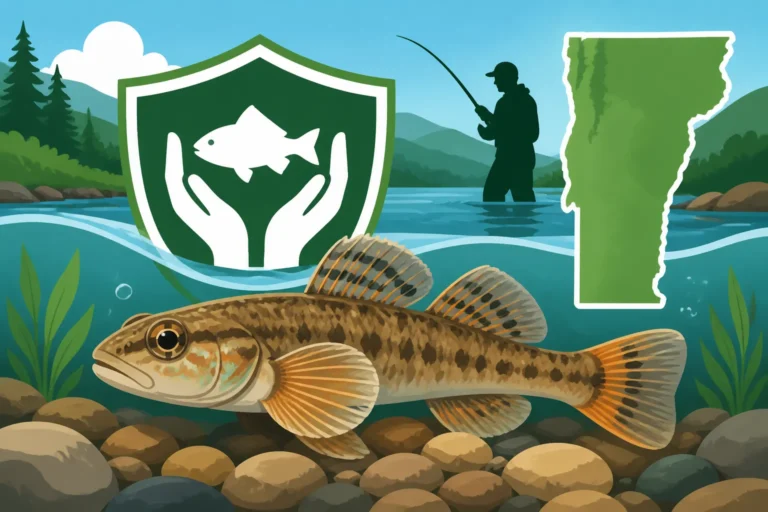
Perhaps the most well-known and critically endangered fish species in Vermont is the Eastern Sand Darter (Ammocrypta pellucida). This small, slender fish, typically only a few inches long, is a true marvel of adaptation. It has a translucent, almost camouflaged body, perfectly suited for blending into the sandy or fine gravel bottoms where it lives. Unlike many fish that swim actively, the Eastern Sand Darter often buries itself in the substrate, with just its eyes protruding, waiting for small invertebrates to drift by.
Their habitat requirements are incredibly specific: they need clean, clear rivers and streams with stable, fine sand or gravel bottoms, free from excessive siltation. This delicate niche makes them highly vulnerable to habitat degradation. Historically, Eastern Sand Darters were found in several river systems in Vermont, but their populations have drastically declined. Today, their presence is extremely rare, with only a few isolated populations suspected to exist. If you were ever lucky enough to encounter one, you would likely be observing a creature at the very edge of survival. It's illegal to disturb or possess an Eastern Sand Darter, and any accidental capture should result in immediate and careful release. Their future depends entirely on pristine water quality and undisturbed riverbeds, underscoring the importance of clean water for all species.
Other Species of Special Concern and Federal Protections
While the Eastern Sand Darter holds the unenviable title of Vermont's only officially listed endangered fish species at the state level, other fish are considered "species of special concern" or benefit from federal protections that influence Vermont's aquatic landscape. One notable example is the Lake Sturgeon (Acipenser fulvescens), a prehistoric giant that can live for over 100 years and grow to immense sizes. These magnificent fish are federally protected throughout their range, which includes parts of Lake Champlain that border Vermont. They are an ancient species, largely unchanged for millions of years, and their presence indicates a healthy, mature aquatic ecosystem.
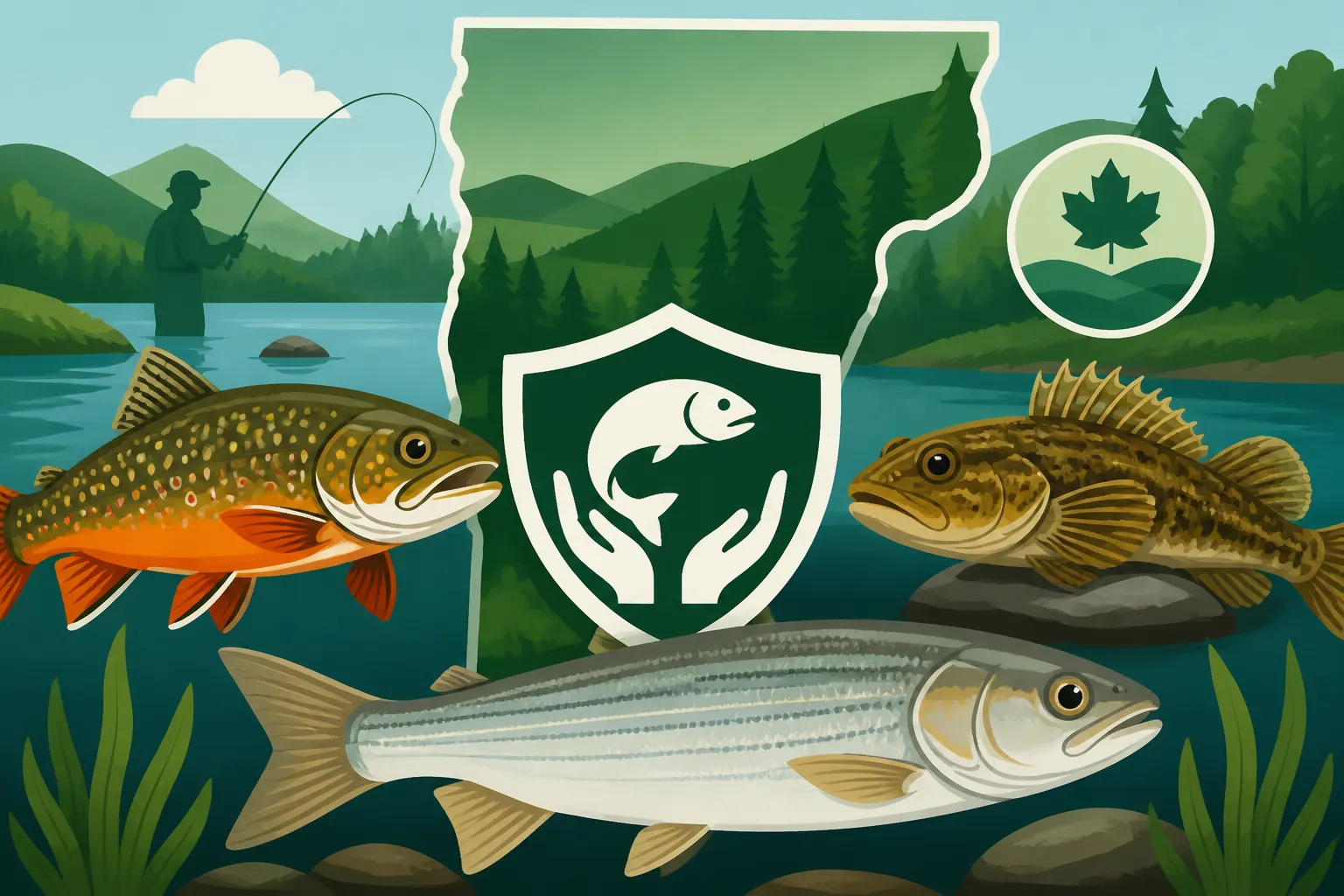
Lake Sturgeon populations plummeted due to overfishing and habitat loss in the past, and recovery efforts are ongoing. Catching a Lake Sturgeon in Vermont waters is an extremely rare occurrence and would mean an automatic, immediate, and careful release, as it is illegal to possess them. They are truly living fossils, and their slow growth and late maturity mean any loss is significant. Similarly, while not currently endangered in Vermont, native Brook Trout (Salvelinus fontinalis) are often a species of special concern in certain headwater streams, particularly wild, self-sustaining populations that face threats from climate change, habitat fragmentation, and competition with stocked fish. Conservation efforts often focus on protecting these pure genetic strains and their cold, clear water habitats. The larger picture of species at risk is often complex, requiring vigilance not just for the officially endangered, but for all vulnerable populations.
Anglers as Stewards: Responsible Fishing Practices for Vulnerable Species
As anglers, we have a unique connection to Vermont's waterways and a profound responsibility to protect its natural resources. We are, in essence, the frontline observers and guardians of the aquatic environment. Our actions, both on and off the water, can significantly impact the survival of vulnerable fish species. Embracing responsible fishing practices isn't just about following rules; it's about embodying a stewardship ethic that ensures healthy fisheries for generations to come.
Mastering Catch-and-Release Techniques
For species that are rare, protected, or simply part of a fishery we want to sustain, mastering proper catch-and-release techniques is absolutely paramount. The goal is to minimize stress and injury to the fish, giving it the best possible chance of survival after being released. Start by selecting appropriate tackle: use gear that's strong enough to land the fish quickly without exhausting it to the point of no return. Barbless hooks are a game-changer; they greatly reduce tissue damage and make hook removal quick and easy. If your hooks aren't barbless, simply crimp down the barb with pliers.
When you land a fish, try to keep it in the water as much as possible. Avoid dragging it onto rocks or dry ground, which can strip away its protective slime layer, making it susceptible to disease. If you need to handle it, wet your hands thoroughly beforehand to further protect that slime. Support the fish horizontally, especially larger ones, to avoid damaging internal organs or its spine. Pliers or a de-hooking tool can make removing hooks much simpler and faster. You can find excellent resources, like specialized rubberized landing nets or de-hooking tools, on platforms like Amazon, designed to minimize harm to fish by not removing their slime. Once the hook is out, hold the fish gently in the water, facing upstream, until it regains its strength and swims away on its own. Never just toss it back; take the time to ensure it's ready to go.
Adhering to Special Regulations and Closed Seasons
Beyond general catch-and-release, Vermont's Fish and Wildlife Department implements very specific regulations for certain species and waters to ensure their protection and sustainability. It's not enough to just know general fishing laws; responsible anglers delve into the specifics, understanding that different fish and different locations might have unique rules. These "special regulations" can include specific length limits, often called "slot limits," where fish within a certain size range must be released to protect breeding stock. For example, some trophy trout waters might have a much higher minimum size or even be Vermont Catch and Release Fly Fishing Only Waters.
Closed seasons are another critical tool, often put in place to protect fish during vulnerable periods, such as their spawning season. Imagine fishing directly on a fish's nest; it would disrupt reproduction and potentially cause the loss of an entire generation. These regulations are designed with the long-term health of the fishery in mind. Always consult the most current Vermont Fishing Guide for the specific rules of the waters you plan to fish. Checking the regulations carefully, especially for Special Regulation Waters in Vermont, is a non-negotiable part of being a responsible angler. These rules are for the fish's benefit, and by adhering to them, you become a direct participant in conservation.
Contributing to Conservation: How Every Angler Can Help
The future of Vermont's endangered and protected fish species, and indeed all our fisheries, hinges on collective action. While government agencies and conservation organizations do crucial work, the individual angler holds immense power to contribute positively. Every trip to the water is an opportunity to practice stewardship, learn more, and advocate for the health of our aquatic environments. Our passion for fishing can be a powerful force for good.
Reporting and Identification
One of the most valuable contributions an angler can make is through diligent observation and reporting. If you believe you've accidentally caught a protected or unusual species, or if you witness suspicious activity like illegal harvesting or pollution, reporting it promptly to the Vermont Fish and Wildlife Department is critical. Take photos if possible (without harming the fish), note the location (GPS coordinates are ideal), time, and any distinguishing features of the fish or the activity. Never assume someone else will report it. Your observation could be the missing piece of information that helps scientists track rare populations or law enforcement stop harmful practices.
Accurate fish identification is also key. While many common species are easy to recognize, some of the rarer or protected fish can be more challenging. Having a good, waterproof fish identification guide is incredibly helpful. Many comprehensive guides to North American freshwater fish are readily available on Amazon, which can be a valuable tool to keep in your tackle box. Familiarize yourself with the appearance of species of concern in your area. If you're unsure, treat the fish with the utmost care, release it immediately, and then try to identify it later using your guide or by consulting experts. When in doubt, always err on the side of caution and conservation.
Supporting Habitat Preservation and Restoration
Beyond direct interaction with fish, supporting broader habitat preservation and restoration efforts is vital. Our annual fishing license fees are not just permits; they are direct contributions to the Vermont Fish and Wildlife Department, funding critical conservation programs, research, law enforcement, and habitat projects. It's a tangible way our passion directly supports the health of the very ecosystems we enjoy. So, by ensuring you have your Vermont Fishing License Guide for 2026 in order, you're already making a significant impact.
Consider also getting involved with local conservation groups or watershed associations. These organizations often run volunteer clean-up days, tree-planting initiatives along riverbanks to prevent erosion and cool waters, or projects to remove barriers to fish migration. Avoiding disturbance of sensitive habitats yourself – such as not wading through known spawning beds or being mindful of erosion on stream banks – is another powerful, everyday contribution. The health of the fish is inextricably linked to the health of their home, and by protecting and improving habitats, we create a stronger future for all aquatic life.
Navigating Vermont's Legal Framework for Fish Protection
Understanding and respecting the legal framework surrounding fishing in Vermont is not just about avoiding penalties; it's about being a responsible participant in the long-term health of our aquatic ecosystems. The regulations are designed to sustain fish populations, protect vulnerable species, and ensure fair access for all. Navigating these rules might seem daunting at first, but with a bit of effort, you can ensure your angling pursuits are always in harmony with conservation goals.
The Consequences of Violating Regulations
It cannot be stressed enough: violating fishing regulations, especially those pertaining to endangered or protected species, carries significant consequences. These are not minor infractions. Penalties can range from hefty fines that dig deep into your wallet to the forfeiture of fishing gear, your vehicle, or even your boat. In serious cases, especially repeat offenses or those involving critically endangered species, you could face jail time. Beyond the legal ramifications, there's the long-term impact on your reputation as an angler and, more importantly, the harm inflicted on the very resources we cherish.
The Vermont Fish and Wildlife Department takes these violations seriously because the stakes are so high. Illegally taking a protected fish, exceeding bag limits, or fishing during a closed season can undermine years of conservation work and severely impact local fish populations. Think about the ripple effect: taking too many fish during spawning season could decimate future generations. Understanding consequences, such as those detailed in articles like Fishing Without a License in Vermont: Penalties, helps emphasize the importance of knowing and following all regulations, every time. Ignorance of the law is rarely an excuse, so it’s your responsibility to be informed before casting a line.
Essential Resources for Staying Informed
Staying up-to-date with Vermont's fishing regulations is an ongoing responsibility, as rules can change. The absolute best resource is the official Vermont Fish and Wildlife Department website and their annually published "Vermont Fishing Guide & Regulations." This guide is your bible on the water. It details general rules, special regulations for specific waters, bag limits, season dates, and information on protected species. Most local bait and tackle shops will have free copies available, and it's always accessible online. I highly recommend taking the time to read through the entire guide, not just flipping to the sections you think apply to you.
Beyond the official guide, consider developing a network of informed anglers, joining fishing forums, or subscribing to conservation newsletters. These can provide real-time updates and discussions on local conditions and important announcements. Many experienced anglers also rely on regional fishing guides or conservation books, often found with ease on Amazon, which can offer deeper insights into Vermont's unique fisheries and help you understand the why behind certain regulations. Remember, being informed is not just about avoiding trouble; it's about being an educated, ethical, and effective advocate for Vermont's precious aquatic life.
Vermont's Vulnerable Fish: A Snapshot
To help visualize some of the key species we've discussed and their conservation status, here's a brief overview. This table highlights species that are either officially endangered, federally protected, or otherwise of significant conservation concern in Vermont, along with the primary reasons for their vulnerability.
| Species Name | Vermont Status | Primary Reason for Vulnerability | Angler's Role |
|---|---|---|---|
| Eastern Sand Darter | State Endangered | Highly specific habitat needs (clean, sandy/gravel riverbeds), susceptible to siltation and habitat loss. | Strict avoidance; accidental catch requires immediate, gentle release. Report any sightings or disturbances to VFWD. |
| Lake Sturgeon | Federally Protected | Historical overfishing, habitat degradation, slow growth/late maturity. | Strictly illegal to possess. Immediate, careful release if accidentally caught. Avoid targeting. Report sightings. |
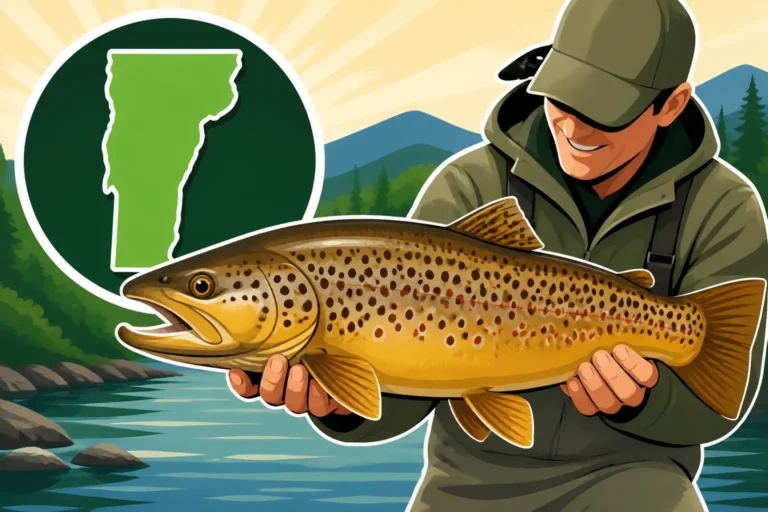
| Wild Brook Trout | Species of Special Concern | Habitat degradation, warming waters, competition from stocked fish, genetic purity threatened. | Practice careful catch and release. Protect riparian habitats. Support cold water stream conservation. Understand Brook Trout: Vermont's Native Trout habitats. |
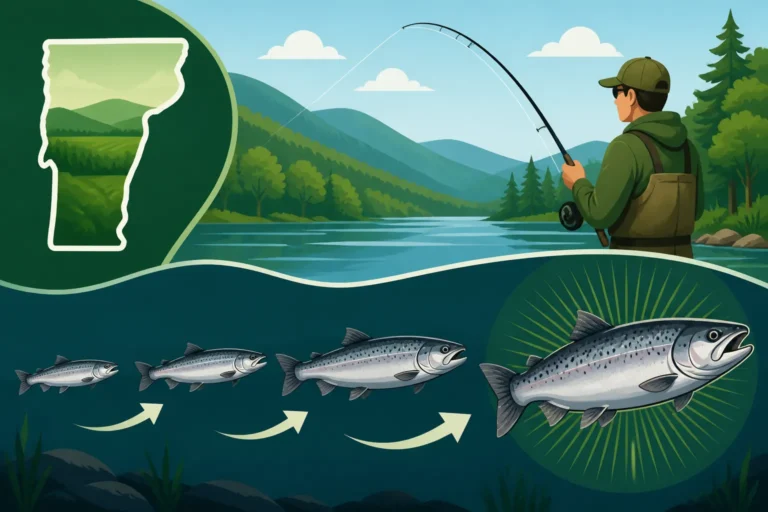
| Landlocked Salmon | Managed (Special Regulations) | Habitat connectivity for spawning, forage fish availability. | Adhere to specific length and bag limits, especially on waters like Lake Willoughby, to support healthy populations. Understand Vermont Landlocked Salmon Regulations. |
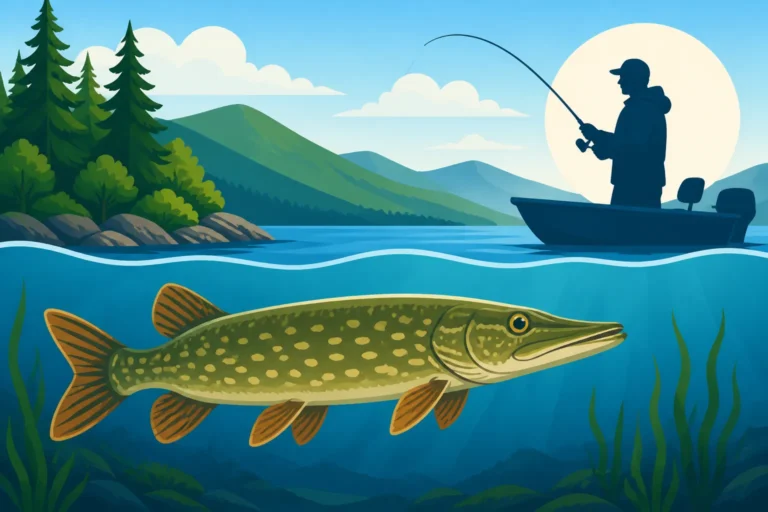
| Muskellunge | Managed (Special Regulations) | Low natural reproduction, need for large territories and prey. | Observe strict length limits (e.g., on Lake Memphremagog) to allow fish to reach trophy size and spawn multiple times. Practice careful handling due to their size and sharp teeth. |
| Walleye | Managed (Special Regulations) | Spawning habitat protection, targeted fishing pressure. | Respect closed seasons during spawning, adhere to bag and length limits. Be aware of Vermont walleye limit on Lake Champlain. |
| Other Native Fish | Varies | Habitat loss, invasive species (e.g., Invasive Fish Species in Vermont Waters). | Learn local species. Report unusual fish or invasive species. Avoid spreading invasives between water bodies. |
As this table illustrates, protection isn't just for species on the brink, but for many fish where mindful angling and adherence to rules help maintain healthy populations. Every angler contributes to this delicate balance.
Disclaimer
This article is for general informational purposes only and does not constitute professional advice. Laws, prices and regulations vary by location and change over time. Consult a qualified professional for guidance on your specific situation.