Are There Northern Pike in Lake Champlain?
It’s a question that echoes across many a Vermont fishing forum and quiet dockside conversation: are there northern pike in Lake Champlain? For anglers new to the Green Mountain State, or even seasoned veterans exploring new waters, clarifying which predatory fish inhabit our largest and most iconic lake is crucial for successful and responsible fishing. You might have heard whispers, seen photos, or perhaps even had a surprise encounter yourself, leading you to wonder about these toothy giants. This comprehensive guide will pull back the curtain on northern pike in Lake Champlain, confirming their robust presence and equipping you with everything you need to know about these impressive, hard-fighting fish.
Northern Pike in Lake Champlain: A Resounding Yes!
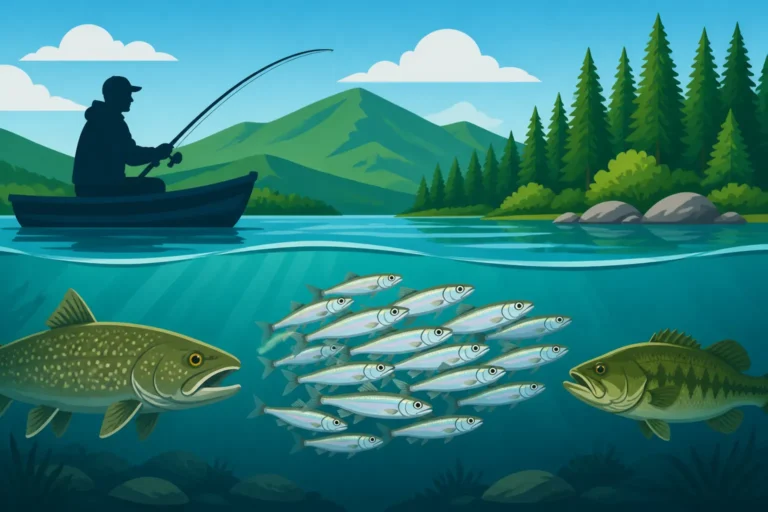
Let's cut right to the chase: absolutely, northern pike are a well-established and thriving species within the vast waters of Lake Champlain. They are not merely occasional visitors; they are integral to the lake's complex food web and provide an exciting challenge for countless anglers. Their presence is a testament to the lake's rich biodiversity and its ability to support a wide array of fish species, from the smallest baitfish to formidable predators. These powerful fish can grow to impressive sizes, making them a highly sought-after sportfish for many who venture onto Champlain's expansive waters.
The population of northern pike in Lake Champlain is healthy, and they've adapted incredibly well to the diverse habitats the lake offers. You'll find them year-round, from the open water periods of spring, summer, and fall to the ice-covered depths of winter. Their predatory nature means they're constantly on the hunt, providing anglers with ample opportunities to tangle with a true freshwater powerhouse. Whether you're a seasoned pike specialist or just curious about what makes these fish tick, understanding their role in Lake Champlain is the first step toward appreciating this magnificent species.
Historical Presence and Ecological Role
Northern pike have been a part of Lake Champlain's ecosystem for a very long time, likely predating many of the human settlements around the lake. They're not an invasive species but rather a naturalized component of the lake's fish community. Over the decades, they've found their niche, preying on a variety of forage fish, including yellow perch, sunfish, and even smaller members of their own species. This predatory role helps to maintain the balance of the lake's ecosystem, keeping populations of their prey in check and contributing to the overall health and vigor of the fishery.
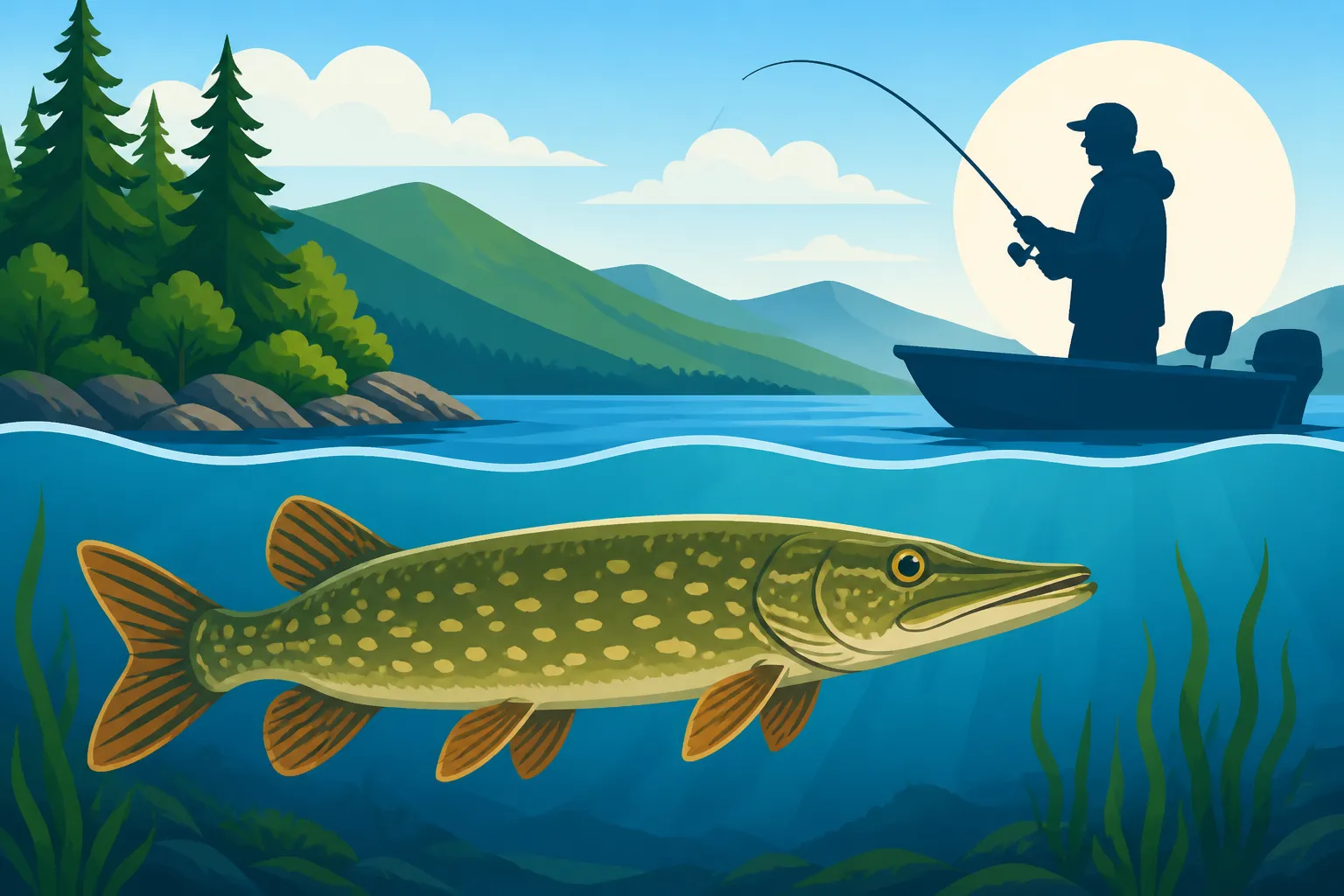
Ecologically, northern pike are often considered an "apex predator" in many of the shallower, weedy areas they frequent. They're exceptionally efficient hunters, utilizing ambush tactics to snatch unsuspecting prey. Their long, torpedo-shaped bodies, dorsal fins set far back for bursts of speed, and mouths full of razor-sharp teeth are all perfectly designed for their lifestyle. This makes them a fascinating study for anyone interested in the natural world of Lake Champlain, and a worthy adversary for any angler looking for a challenge. Knowing their ecological importance also underscores the need for responsible angling practices to ensure their continued health in the lake.
Size and Characteristics of Lake Champlain Pike
Lake Champlain is known for producing some truly impressive northern pike. While average catches might be in the 24 to 36-inch range, it's not uncommon for anglers to hook into fish well over 40 inches. Trophy-sized pike exceeding 15 pounds are certainly possible, making every cast a potential encounter with a monster. These larger fish are typically older, more experienced individuals that have successfully navigated the challenges of the lake's environment for many years.
When you bring a northern pike to the boat, you'll immediately notice their distinctive appearance. They have that classic elongated body, dark olive to brown back, fading to a lighter, often yellowish-white belly. Their flanks are covered in light, bean-shaped spots, which can vary in intensity. The dorsal and anal fins are located far back on the body, close to the tail, a design feature that allows for explosive acceleration. And, of course, their most striking feature is that broad, duck-bill shaped mouth armed with hundreds of needle-sharp teeth. Handling these fish requires extreme caution and the right tools, like long-nose pliers or a jaw spreader, to protect both you and the fish.
Where to Find and How to Identify Lake Champlain Pike
Finding northern pike in Lake Champlain isn't as simple as just dropping a line anywhere, though their widespread presence means you always have a shot. Like any fish, they have preferred habitats and behaviors that dictate where they'll congregate. Understanding these patterns is key to increasing your chances of success. Furthermore, being able to correctly identify a northern pike, especially from similar species like chain pickerel or even young muskellunge, is crucial for adhering to regulations and understanding what you've caught.
Lake Champlain is a massive body of water, but certain areas consistently hold pike populations. These fish are masters of ambush, so they seek out areas that provide cover and easy access to prey. Think shallow, vegetated bays, coves, and areas with submerged timber or rock piles.
Prime Pike Habitats in Lake Champlain
Northern pike are creatures of structure and cover, especially when that cover is aquatic vegetation. They love to lie in wait, perfectly camouflaged, ready to dart out and snatch a passing meal. This means focusing your efforts on:
- Weed Beds: Expansive weed beds, particularly those with pockets, lanes, or edges, are prime real estate for pike. These underwater jungles provide excellent ambush points. Look for areas with a mix of coontail, milfoil, and lily pads, especially in shallower bays.
- Shallow Bays and Coves: The warmer, shallower waters of bays like Missisquoi Bay Lake Champlain fishing access or Shelburne Bay Lake Champlain fishing access are often nurseries for baitfish, which in turn attract pike. These areas typically have softer bottoms and plenty of submerged vegetation.
- River Mouths and Deltas: Where rivers flow into Lake Champlain, they often create nutrient-rich deltas with plenty of current breaks and varying depths. These areas can be fantastic for pike, especially during spawning seasons or when baitfish are moving in and out with the current. The mouths of the Lamoille River or Otter Creek Fishing Spots, for example, can be excellent.
- Rocky Points and Drop-offs: While they love weeds, pike aren't exclusively shallow-water dwellers. Deeper, cooler water adjacent to rocky points or sudden drop-offs can hold larger, mature pike, particularly as summer temperatures rise and they seek cooler refuge.
Always keep an eye on your fish finder for sudden depth changes or concentrations of baitfish, as these indicators can point you towards pike. A good pair of polarized sunglasses, available on Amazon, can also be invaluable for spotting weed lines and cruising fish in shallower, clearer water.
Distinguishing Northern Pike from Similar Species
Vermont waters, especially Lake Champlain, host a few other species that can sometimes be confused with northern pike. The two most common look-alikes are the chain pickerel and the muskellunge. Knowing the key differences is not just for curiosity's sake; it's essential for legal compliance, as regulations regarding size and bag limits can vary significantly between species.
Here's a quick guide to help you tell them apart:
| Feature | Northern Pike | Chain Pickerel | Muskellunge |
|---|---|---|---|
| Cheek & Gill Cover Scale Coverage | Cheeks fully scaled; upper half of gill cover scaled | Cheeks fully scaled; gill cover fully scaled | Upper half of cheek and gill cover scaled |
| Color Pattern | Light, bean-shaped spots on a darker background | Dark, chain-like pattern on a lighter background | Dark, wavy bars or spots on a lighter background |
| Jaw Pores (Underside) | 5 or more pores on each side of the lower jaw | 4 pores on each side of the lower jaw | 6 or more pores on each side of the lower jaw |
| Typical Size | Often 24-40+ inches; can exceed 15-20 lbs | Typically 15-24 inches; rarely over 5 lbs | Can exceed 40-50+ inches; often 20-30+ lbs |
| Mouth Shape | Duck-bill shaped | Duck-bill shaped | More elongated, less "duck-bill" |
The most reliable way to differentiate them, especially between pike and muskie, is by examining the scale patterns on their cheeks and gill covers. Pike have fully scaled cheeks but only the upper half of their gill covers are scaled. Pickerel have both fully scaled cheeks and gill covers. Muskies, on the other hand, have only the upper half of both their cheeks and gill covers scaled. It takes a careful look, but it's the definitive method. You can find more details in our Muskellunge Fishing on Lake Memphremagog guide or on how to identify various species in the Trout Species Identification Guide for Vermont for other fish.
Targeting Northern Pike: Techniques, Gear, and Seasons
Now that we know pike are here and where they like to hang out, let's talk about how to actually catch them! Northern pike are aggressive predators, which often makes them a blast to target. They hit hard and fight with powerful runs and head shakes, sometimes even leaping from the water. Whether you're a seasoned angler or just starting out, there are several effective ways to pursue these toothy critters.
Effective Fishing Techniques
Pike respond well to a variety of techniques, but the most successful methods generally involve imitating their prey or provoking a reaction strike.
Casting and Trolling with Artificial Lures
Casting large spoons, spinnerbaits, and crankbaits is arguably the most popular and effective way to catch pike. These lures are designed to mimic baitfish or create enough flash and vibration to grab a pike's attention.
- Spoons: Classic spoon lures, especially those with a wobbling action, are pike magnets. Silver, gold, and red-and-white patterns are perennial favorites. Cast them out, let them sink briefly, and retrieve with a steady pace, adding occasional twitches to vary the action.
- Spinnerbaits: With their flashing blades and pulsating skirts, spinnerbaits are excellent for working through and over weed beds where pike lurk. The flash and vibration mimic a distressed baitfish, an irresistible target for a hungry pike. Chartreuse, white, and black-and-blue combinations are common choices.
- Crankbaits: Large, lipped crankbaits that dive to different depths can be very effective, especially when trolling or casting along weed edges or drop-offs. Jointed models that have an erratic swimming action can be particularly enticing. For a comprehensive look at other lure types, check out Best Crankbaits for Vermont Smallmouth Bass, many of which also work for pike.
Trolling these same lures, or even larger swimbaits, from a boat allows you to cover a lot of water and present your lure at a consistent depth. This is particularly effective in larger, more open bays or along long weed lines. Vary your speed until you find what the pike are reacting to.
Live Bait Fishing
For many anglers, especially those seeking larger, less active pike, live bait can be incredibly effective. Minnows, suckers, or smelt, fished under a bobber or slowly drifted, are often irresistible.
- Under a Bobber: Rigging a live minnow or small sucker under a large float or bobber is a classic method. Cast it near weed lines, submerged timber, or drop-offs and let the baitfish do the work. Pike are often drawn to the struggling or natural movements of the live bait. Make sure your setup is sturdy, with a strong leader, as pike have those sharp teeth!
- Still Fishing/Drifting: You can also still fish or slowly drift live bait near known pike hangouts, especially through deeper channels or over submerged structure. This method requires patience but can be incredibly rewarding, especially when fishing for less aggressive, larger pike.
Remember, when using live bait, always check the current Vermont regulations regarding species allowed for bait and how they must be acquired. Also, be prepared for a solid hit; pike often inhale live bait deeply.
Ice Fishing for Pike
Lake Champlain offers fantastic ice fishing opportunities for northern pike once the ice is safe. This can be one of the most exciting ways to target them, especially with tip-ups.
- Tip-Ups: Set up multiple tip-ups (where allowed, checking Vermont Ice Fishing Season Dates is a must) over shallow, weedy areas. Use larger live minnows or dead baitfish like smelt or large shiners suspended under the ice. When a flag goes up, it’s a thrilling race to the hole to set the hook!
- Jigging: While less common for pike than tip-ups, jigging with large, flashy spoons or lipped jigs can also entice strikes, especially if you actively work the lure near the bottom or around structure.
Ice fishing for pike is a social and often productive way to spend a winter day, but always prioritize safety on the ice. How thick ice needs to be for Vermont anglers to walk on it is a critical piece of information to know before venturing out.
Essential Gear for Northern Pike
Tackling pike requires specific gear that can stand up to their size and their toothy mouths. Skimping on tackle will often lead to lost fish and broken gear.
- Rods and Reels: A medium-heavy to heavy action spinning or baitcasting rod, typically 6.5 to 7.5 feet long, is ideal. Pair it with a robust reel spooled with strong braided line (20-50 lb test is common). The braid offers sensitivity and strength for muscling fish out of cover.
- Leaders: This is non-negotiable! Northern pike have incredibly sharp teeth that can easily cut through monofilament or fluorocarbon lines. You must use a steel, titanium, or heavy fluorocarbon (80-100 lb test) leader, typically 9-18 inches long, to prevent bite-offs. You can find pre-made leaders at most tackle shops or on Amazon.
- Pliers and Jaw Spreaders: To safely unhook a pike, especially if it swallows the lure, you'll need long-nose pliers and a jaw spreader. The spreader holds their mouth open, keeping your fingers away from those teeth, and the pliers allow you to reach in and remove hooks.
- Landing Net or Boga Grip: A large, rubber-coated landing net is excellent for safely bringing a pike into the boat, minimizing harm to the fish. A fish gripper like a Boga Grip can also be very useful for securely handling the fish by the jaw. Best Landing Net for Muskellunge might offer some ideas, as muskie nets are often suitable for big pike.
Best Seasons for Lake Champlain Pike
Northern pike can be caught year-round in Lake Champlain, but certain seasons offer distinct advantages and opportunities.
- Spring (Post-Spawn): After the ice melts and the pike finish their shallow-water spawning ritual, they are often ravenously hungry. This post-spawn period, usually late April through May, is fantastic for aggressive pike fishing in shallow bays and river mouths. They are actively feeding to regain energy.
- Summer: As water temperatures rise, many pike will retreat to deeper, cooler weed lines or submerged structure, though some larger fish will still patrol shallower, oxygen-rich weed beds. Early mornings and late evenings are often the most productive times. Topwater lures can be exciting during low-light conditions.
- Fall: As water temperatures begin to drop in September and October, pike go on a feeding frenzy to bulk up for winter. This is a prime time for targeting big pike, as they become very active and aggressive. They will move closer to shore and into shallower areas as baitfish also move shallower.
- Winter (Ice Fishing): As discussed, ice fishing for pike is a popular winter pastime. Fish tend to be less active under the ice, but live bait on tip-ups can be incredibly effective, especially in those same shallow, weedy areas they frequent during warmer months.
No matter the season, patience and persistence are your best allies when targeting Lake Champlain's northern pike.
Regulations and Responsible Angling for Lake Champlain Pike
Fishing for northern pike in Lake Champlain is a blast, but it's important to do so responsibly and within the bounds of Vermont's fishing regulations. These rules are in place to ensure a healthy and sustainable pike population for future generations of anglers. Ignoring them can lead to significant penalties.
Vermont Pike Regulations
The Vermont Fish & Wildlife Department sets specific rules for northern pike, which can include minimum length limits and daily possession limits. These regulations are subject to change, so always consult the most current Vermont Fishing Regulations Explained before heading out.
Key things to look for in the regulations include:
- Minimum Length Limit: This is the smallest size a pike must be to legally keep it. Any fish shorter than this must be immediately released unharmed.
- Daily Possession Limit: This is the maximum number of pike you can keep in a single day.
- Special Regulations: Be aware that certain bodies of water, or even specific sections of Lake Champlain, might have their own unique regulations that differ from the statewide rules. Always double-check for "Special Regulation Waters in Vermont."
Understanding these limits is crucial. A simple measuring board is a wise addition to your boat or tackle bag. Carrying a Vermont Fishing License Guide for 2026 is also a must for any angler over the age of 15.
Catch and Release Best Practices
While northern pike are excellent table fare for many, practicing catch and release, especially for larger breeding-sized fish, helps maintain robust populations. If you plan to release pike, here are some best practices:
- Minimize Fight Time: Bring the fish to the boat or shore as quickly as possible to reduce stress.
- Use Proper Tools: Have your long-nose pliers and jaw spreader ready. Pike teeth are no joke.
- Wet Your Hands: If you must handle the fish directly, wet your hands first to protect its slime coat, which is vital for its health and disease resistance.
- Support the Fish: When holding a large pike for a photo, support its body horizontally with one hand under the gill plate (avoiding the actual gills) and the other under its belly. Never hold a large pike by its jaw vertically, as this can damage its spine and internal organs.
- Quick Hook Removal: Gently remove the hook. If it's deeply swallowed, consider cutting the line as close to the hook as possible rather than tearing at the fish's throat. Barbless hooks can make release much easier.
- Revive Carefully: If the fish seems stressed, hold it gently in the water, facing into the current, until it regains strength and can swim away on its own.
Responsible angling ensures that these magnificent predators continue to thrive in Lake Champlain for generations to come. Muskellunge catch and release survival tips also apply well to large pike due to their similar mouth structure and predatory nature.
Disclaimer
This article is for general informational purposes only and does not constitute professional advice. Laws, prices and regulations vary by location and change over time. Consult a qualified professional for guidance on your specific situation.