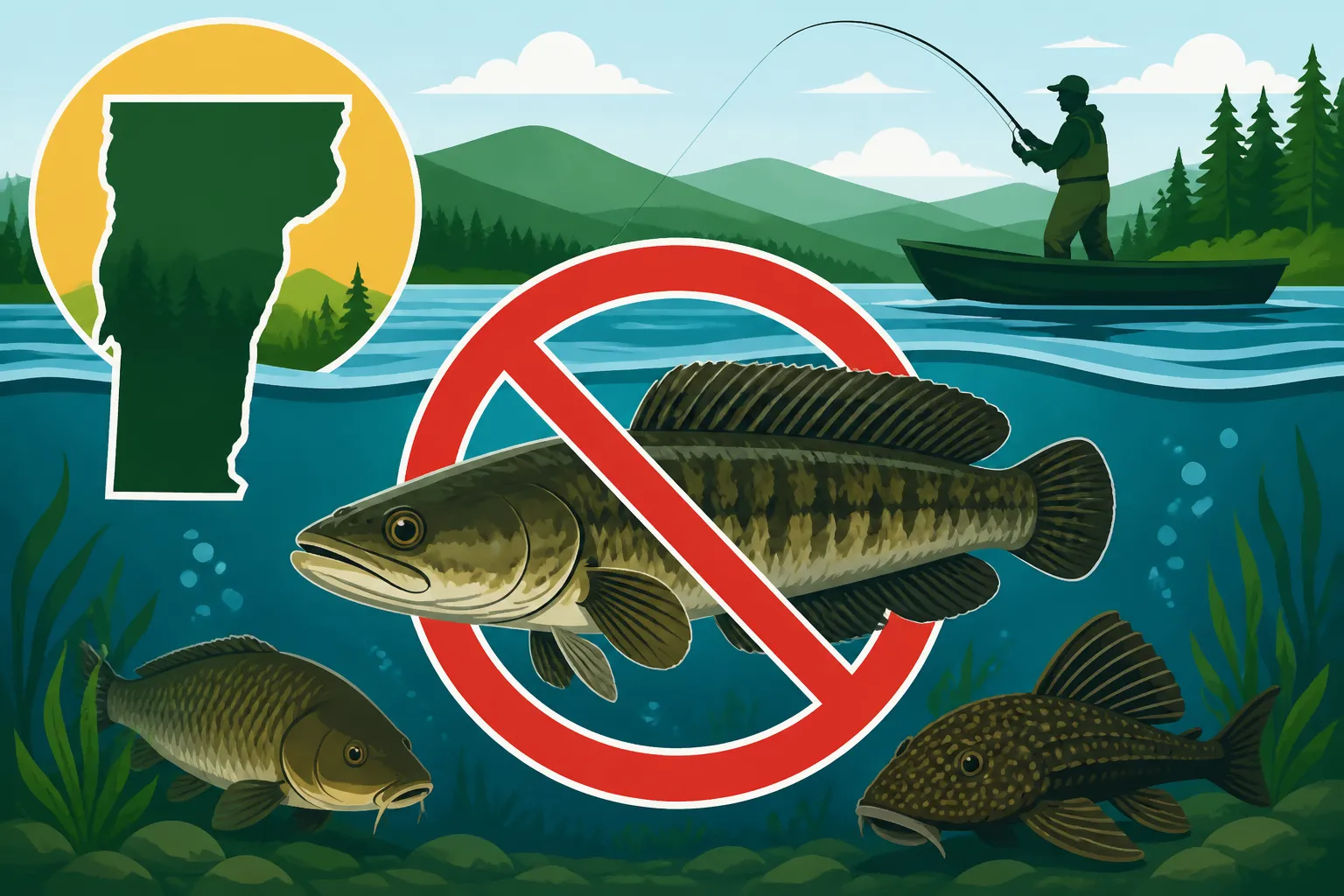
Invasive Fish Species in Vermont Waters
There's nothing quite like the peace of casting a line into a pristine Vermont lake or river, but lately, a growing concern has been buzzing among local anglers: invasive fish species. These unwelcome guests can throw a wrench into our beloved ecosystems, impacting everything from the health of our native trout populations to the quality of our fishing experiences. This guide is here to shed light on what these invasives are, how they get here, and most importantly, what you and I can do to protect Vermont's precious waters for generations to come.
What Exactly Are Invasive Fish Species?
When we talk about "invasive" species, it's easy to picture something out of a sci-fi movie, but the reality is often much more subtle, and frankly, more insidious. These aren't just fish that are "visiting"; they're organisms that have set up shop where they don't belong, and they're causing problems. Understanding the distinction and how they arrive is the first step in combating their spread.
Defining "Invasive" vs. "Non-Native"
It's important to clarify that not every fish found outside its historical range is immediately labeled "invasive." There's a crucial difference between a non-native species and an invasive one. A non-native, or "exotic" species, is simply one that has been introduced to an ecosystem where it didn't historically occur. Sometimes these introductions are harmless, or even beneficial, like the brown trout that thrive in many of our rivers but aren't native to North America.
However, a non-native species becomes invasive when it not only establishes itself in the new environment but also causes ecological or economic harm. This harm can manifest in many ways: outcompeting native fish for food and habitat, preying on native species, introducing diseases, or altering the physical environment. Think of it as a houseguest who not only overstays their welcome but also trashes the place and eats all your food. That's an invasive species in a nutshell. They often have a competitive edge in their new surroundings because their natural predators or diseases aren't present to keep their populations in check.
How Invasive Species Get into Vermont Waters
The pathways for invasive fish entering Vermont are varied, and often, sadly, human-driven. It's rarely a deliberate malicious act, but rather a consequence of ignorance or carelessness. One of the most common vectors is through the release of baitfish. Anglers might buy live bait from out-of-state or even local sources, and when they're done fishing for the day, they might thoughtlessly dump their leftover minnows into the water, assuming they're harmless. If that bait happens to be a non-native species, and it finds suitable conditions, boom, you have a potential new invasive population. This is why strict rules around bait possession and disposal are so critical.
Another significant pathway is through recreational boating. Boats, trailers, and fishing gear can act as unwitting taxis for invasive species. Tiny eggs, larvae, or even adult fish can cling to boat hulls, propellers, or be trapped in bilge water. When that boat is launched into a new body of water, these hitchhikers are introduced. This is especially true for aquatic invasive plants, but fish eggs are tiny and easily missed. Additionally, illegal stocking, though less common for fish, can also be a factor. People sometimes move fish from one body of water to another, often with good intentions (like trying to establish a new fishery in a private pond) but without understanding the potential ecological ripple effects. It's a complex problem with many points of entry, making prevention a community-wide effort.
The Most Troubling Invasive Fish in Vermont
Vermont is home to a rich diversity of native fish, from vibrant brook trout in mountain streams to feisty smallmouth bass in our larger lakes. However, several unwelcome invasive species pose significant threats to these populations and the overall health of our aquatic ecosystems. Understanding who these culprits are and what makes them problematic is key to protecting our fisheries.
Sea Lamprey: A Persistent Predator in Lake Champlain
Perhaps one of the most infamous invasive species in Vermont, particularly for those who fish Lake Champlain Fishing Guide, is the sea lamprey. These primitive, eel-like fish are parasitic by nature, attaching themselves to host fish with their disc-shaped mouths and rasping tongues to feed on blood and bodily fluids. While sea lamprey are native to the Atlantic Ocean and some Great Lakes, their presence in landlocked Lake Champlain is entirely human-induced, likely through canals. They thrive in the lake's environment, where they have few natural predators.
The impact of sea lamprey on Lake Champlain's cold-water fishery, especially on species like lake trout and landlocked salmon, cannot be overstated. A single lamprey can kill or severely wound multiple fish, leaving characteristic circular scars that every serious angler has seen. This predation doesn't just reduce fish numbers; it weakens the surviving fish, making them more susceptible to disease and less likely to reproduce successfully. Efforts to control sea lamprey populations, such as the lampricide program discussed in Sea Lamprey Control on Lake Champlain, are ongoing and crucial to the lake's fishery, but it's an expensive and continuous battle.
Alewife: Competition and Thiamine Deficiency
Another significant invasive species impacting Vermont's larger lakes, particularly Lake Champlain, is the alewife. This small, silvery fish is a member of the herring family, and like the sea lamprey, it's native to the Atlantic Ocean. Alewives likely entered Lake Champlain through canals and have since established a booming population. While they serve as a forage fish for some predators, their overwhelming numbers and unique biology create serious problems for native fish.
Alewives directly compete with native forage species like rainbow smelt for food and habitat. Rainbow smelt are a vital part of the diet for species like lake trout and landlocked salmon, and alewife competition can lead to a decline in these essential prey fish. You can learn more about this native forage fish by checking out Rainbow Smelt as Forage Fish in Vermont Lakes. Even more concerning, alewives contain an enzyme called thiaminase, which breaks down thiamine (Vitamin B1) in the fish that prey on them. When species like lake trout and salmon consume a diet predominantly of alewives, they can develop thiamine deficiency, leading to reproductive failure and weakened offspring. This phenomenon, known as Early Mortality Syndrome (EMS), has been a major hurdle for fisheries managers trying to restore healthy populations of native predators in Lake Champlain.
Eurasian Ruffe: A Threat to Native Perch
While not as widespread as sea lamprey or alewife in Vermont, the Eurasian ruffe represents a potential future threat that fisheries biologists are extremely vigilant about. The ruffe is a small, spiny-finned fish native to Eurasia. It's a prolific breeder, highly competitive, and possesses defensive spines that make it less palatable to predators. Where it has established itself in other parts of the Great Lakes, it has caused significant ecological damage.
Eurasian ruffe directly compete with native perch species, like our yellow perch, for food and habitat. Yellow perch are a cornerstone of many Vermont fisheries, providing a food source for larger game fish and being a popular target for anglers themselves. Ruffe are known to outcompete perch, especially young perch, for invertebrate food sources. Their aggressive feeding behavior and rapid reproduction rates mean they can quickly dominate an ecosystem, pushing out native species. While robust populations have not yet been documented in Vermont waters, the threat is always there, highlighting the need for continued vigilance and preventative measures to keep this aggressive invader from gaining a foothold.
Broader Impacts of Invasive Fish on Vermont's Ecosystems
The consequences of invasive fish species extend far beyond just outcompeting a few native fish. They can set off a cascade of negative effects that fundamentally alter the delicate balance of an ecosystem. It’s like pulling one thread in a carefully woven tapestry – soon, the whole thing starts to unravel.
Disrupting the Food Web and Native Populations
When invasive fish enter a new environment, they often arrive without the natural predators, parasites, or diseases that kept their populations in check in their native range. This gives them a significant advantage, allowing them to reproduce rapidly and consume resources at an unsustainable rate. Suddenly, native fish, which have evolved to coexist within a specific food web, find themselves facing an overwhelming competitor or a new, efficient predator. For example, alewives, with their voracious appetites, can significantly reduce the availability of zooplankton and small invertebrates that native young-of-the-year fish, like Smallmouth Bass Fishing in Vermont fry or native salmonids, rely on for survival. This direct competition can lead to stunted growth, reduced survival rates, and ultimately, declining numbers of native fish.
Furthermore, some invasive species directly prey on the eggs or young of native species. The ripple effect here is profound. If the base of the food web is altered, or if a critical link, like a specific forage fish, is diminished, it impacts every creature higher up the chain. Consider the cascade when lake trout struggle due to thiamine deficiency caused by an alewife-heavy diet – their populations decline, which then affects other predators that might rely on lake trout or even the overall health of the lake by allowing other populations to grow unchecked. This intricate web is disrupted, making it harder for our cherished native species to thrive, sometimes even pushing them towards local extinction in certain areas.
Habitat Alteration and Water Quality Changes
It’s not just about who eats whom; invasive fish can also physically alter the aquatic environment itself, leading to significant changes in habitat and water quality. Some invasive species, through their feeding behaviors, can stir up bottom sediments, increasing turbidity (cloudiness) in the water. This can reduce light penetration, which in turn impacts aquatic plants that rely on sunlight for photosynthesis. These plants are crucial for providing oxygen, food, and shelter for many native fish and invertebrate species. When plant beds decline, vital nursery grounds for young fish are lost.
Additionally, certain invasive species can alter the nutrient cycling within a water body. For instance, some bottom-feeding invasives can release phosphorus from sediments into the water column. An increase in phosphorus can fuel algal blooms, especially in warmer months. These blooms can be unsightly, produce unpleasant odors, and, more critically, can lead to oxygen depletion when the algae die and decompose. Such low-oxygen conditions (hypoxia) are detrimental, if not lethal, to many native fish species, especially those that prefer cooler, well-oxygenated waters, such as many trout species. These physical and chemical changes to the habitat make it increasingly challenging for native populations to survive and reproduce.
Economic Repercussions for Anglers and Tourism
The ecological impacts of invasive fish also translate directly into economic repercussions for Vermont. Our state's natural beauty and incredible fishing opportunities are huge draws for tourism, supporting countless local businesses from bait shops and tackle stores to charter guides and lodging providers. When invasive species degrade these fisheries, the economic impact can be severe. Imagine planning a trip to Lake Memphremagog Fishing Guide for its famous muskellunge, only to find the fishery struggling due to a burgeoning invasive population impacting forage fish. This can lead to fewer anglers visiting, decreased spending, and job losses in the tourism sector.
Moreover, the costs associated with managing invasive species are staggering. From monitoring programs to control efforts, such as the extensive sea lamprey control on Lake Champlain, significant public funds are diverted annually. These are resources that could otherwise be invested in habitat restoration, stocking programs for native species, or improving public access to fishing spots. Anglers themselves often bear some of this cost through license fees, which contribute to these management efforts. If fishing quality declines, so too might license sales, creating a vicious cycle where less revenue is available for conservation. It’s a harsh reality that protecting our waters from invasives isn't just an ecological imperative, but an economic one as well.
What Anglers Can Do to Prevent the Spread
As anglers, we are often the first line of defense against invasive species. We're out on the water, moving from one lake to another, and our actions, both conscious and unconscious, can either help prevent or inadvertently contribute to the spread. Taking responsibility for our gear and our practices is paramount to protecting Vermont's incredible fishing heritage.
The "Clean, Drain, Dry" Protocol
This simple yet incredibly effective mantra is the single most important action any boater or angler can take. "Clean, Drain, Dry" is a three-step process designed to eliminate invasive species from your equipment before you move to a new body of water.
First, CLEAN any visible mud, plants, fish, or other debris from your boat, trailer, waders, and fishing gear (including anchors, ropes, and nets). Pay special attention to crevices, livewells, and propeller areas. Many invasive species, like zebra mussels or tiny plant fragments, can easily hitch a ride here. A stiff brush, a good hose-down, or even a thorough hand-picking can make all the difference. You can find specialized cleaning brushes or even small portable pressure washers on Amazon that can make this process quicker and more efficient after a long day on the water.
Second, DRAIN all water from your boat, including the bilge, livewell, and engine cooling systems, before leaving the launch area. This is crucial because microscopic larvae or eggs can survive in even a small amount of standing water. Remember, once you leave the access point, you should be completely drained. Many states have laws requiring this, and Vermont Boating Laws for Anglers likely outlines specific requirements.
Third, DRY your boat and gear completely before using it in another water body. A good rule of thumb is to allow at least five days of drying time, especially in humid conditions, to ensure any lingering organisms are desiccated and killed. If a full five days isn't possible, a thorough scrub with hot water (140°F or hotter) or a high-pressure wash can help. This entire protocol, while it takes a few extra minutes, is a small price to pay for the long-term health of our lakes and rivers.
Responsible Bait Use and Disposal
Live bait is a staple for many anglers, but it's also a major pathway for invasive species. The golden rule here is: never release unused bait into the water or onto land. What might seem like a humane act – "letting the minnows go" – can be a catastrophic one for the local ecosystem if those minnows are a non-native species. Bait buckets can easily harbor invasive larvae or even tiny fish that you don't recognize.
Always purchase your bait from a reputable local bait dealer who sources their bait responsibly. If you use bait, dispose of any leftover bait in the trash, not in the water. This includes baitfish, worms, and even aquatic insects you might have collected. It's also wise to educate yourself on Vermont Fishing Regulations Explained regarding bait use, as some waters have specific restrictions, such as "no live bait" rules, precisely to prevent the introduction of invasives. Carrying a small, sealed container specifically for bait disposal can be a simple habit to adopt and ensures you're always acting responsibly.
Educating Fellow Anglers and Reporting Sightings
One person's efforts are great, but widespread education and awareness are truly what make a difference. If you see someone at the boat launch who isn't cleaning their boat, or if you overhear someone talking about dumping their bait, gently and politely share the "Clean, Drain, Dry" message and explain why it's so important. Many people simply aren't aware of the risks. You could even point them to resources like this blog!
Beyond prevention, being observant on the water is also crucial. If you spot a fish that looks unusual, or one you don't recognize, especially if it seems to be in an abundance it shouldn't be, consider it a potential invasive species. Take a photo if possible, note the location, and report it to the Vermont Fish & Wildlife Department. You can find guidance on What to do if you catch an invasive fish species in Vermont. Early detection is absolutely critical in managing invasive species, as it allows for quicker and more effective intervention before populations become established and impossible to control. Your vigilant eyes on the water are a vital asset in the ongoing fight to keep Vermont's waters healthy.
Vermont's Efforts in Managing Invasive Fish
Vermont isn't sitting idly by while invasive species threaten our precious waters. A great deal of effort, research, and collaboration goes into monitoring, controlling, and preventing the spread of these unwelcome visitors. It’s a continuous uphill battle, but one that dedicated professionals are fighting every single day.
Monitoring and Early Detection Programs
One of the most critical aspects of managing invasive species is catching them early. The Vermont Fish & Wildlife Department, along with various partner organizations, runs extensive monitoring and early detection programs across the state. This involves regular surveys of lakes and rivers, often using specialized netting techniques or electrofishing, to identify new or emerging invasive populations. Scientists are constantly looking for the "first sign" of a problem, whether it's a few small Eurasian ruffe or the early presence of an aquatic plant invasive like Eurasian watermilfoil.
These programs often focus on high-risk areas, such as major boat launches, popular fishing destinations, and areas connected to larger water bodies where invasives are already present, like the Lake Champlain basin. The quicker an invasive species is detected, the higher the chance of successful eradication or control before it establishes a foothold and becomes impossible to manage. Anglers can contribute significantly to this effort by reporting unusual catches or observations; your eyes are an extra set of boots on the ground, so to speak.
Specific Control Methods (e.g., for Sea Lamprey)
For established invasive species, a range of control methods can be employed, though they are often complex, expensive, and require ongoing commitment. The most well-known example in Vermont is the extensive sea lamprey control program in Lake Champlain. Since lamprey are such a devastating parasite to native trout and salmon, a targeted approach is used. This primarily involves the careful application of a lampricide, a chemical that selectively targets lamprey larvae in their nursery streams. This chemical is applied at very specific times and locations to minimize impact on other aquatic life.
Other control methods for various invasive species might include targeted netting, physical removal, or even biological controls in some cases, where natural enemies of the invasive species are introduced. Each method comes with its own set of challenges and considerations, and management decisions are based on extensive scientific research to ensure efficacy and minimize unintended ecological consequences. You can delve deeper into the specific methods used for the lake's health in Sea Lamprey Control on Lake Champlain. It's a testament to long-term dedication that these programs continue year after year.
Collaborative Approaches with Neighboring States
Invasive species don't respect state lines or international borders. A fish introduced in New York's portion of Lake Champlain can easily swim into Vermont waters, and vice-versa. This reality necessitates a strong collaborative approach between Vermont and its neighbors. The Lake Champlain Basin Program, for instance, is a fantastic example of multi-state (Vermont and New York) and international (Quebec) cooperation to protect the lake's resources, including combating invasive species.
These collaborations involve sharing research, coordinating monitoring efforts, harmonizing regulations where possible, and jointly funding control programs. For a shared water body like the Connecticut River, Vermont also works with New Hampshire on fish management and conservation. This ensures a more comprehensive and effective strategy against invasives, as a fragmented approach would be far less successful. By working together, these agencies maximize resources and expertise, creating a united front against threats that impact entire regions, not just individual states. It truly underscores that we are all in this together, from the state biologist to the everyday angler, in protecting our natural treasures.
Distinguishing Invasive from Native Species
For the average angler, telling an invasive species from a native one isn't always straightforward. Many fish have similar appearances, especially when they're young. However, learning key identification features is a powerful tool in prevention and reporting. After all, you can't report a problem if you don't know it's there!
Key Identification Features
When you're out fishing, take a moment to really look at your catch, especially if it's something you don't immediately recognize. There are often subtle, but crucial, characteristics that can help differentiate between species. For instance, the notorious sea lamprey is quite distinct with its lack of jaws, circular sucker mouth, and absence of paired fins. Compare that to an eel, which has jaws and pectoral fins. Alewives, on the other hand, are silvery herring-like fish, but they have a very pointed snout and large eyes that often protrude, sometimes referred to as "pop-eyes." Their dorsal fin is also quite small. Many anglers might confuse them with a shiner or a small smelt, so paying attention to these details matters.
Another example is the Eurasian ruffe. It has a single, long dorsal fin that is continuous and deeply notched, with sharp spines that are very noticeable, particularly compared to a yellow perch which has two distinct dorsal fins. Ruffe also tend to have larger, glassier eyes. Carrying a small, waterproof field guide or even a laminated cheat sheet of common invasives can be incredibly helpful. You can often find excellent, compact identification guides on Amazon that fit right into your tackle box. Always examine the fins, mouth, and any distinct color patterns or spots. The Vermont Fish & Wildlife Department website also has excellent resources for visual identification, which can be invaluable when you're trying to figure out if you've landed something truly unusual.
Why Accurate Identification Matters
The ability to accurately identify invasive species isn't just a fun parlor trick; it's a critical component of successful management and conservation. Firstly, it allows anglers to be part of the early detection network. If you pull an unknown fish from a remote pond and can identify it as a potential invasive, reporting it promptly could lead to swift action to contain or eradicate it before it spreads. This is a far more effective and less costly approach than dealing with a widespread infestation.
Secondly, accurate identification prevents unnecessary alarm or misdirected efforts. No one wants to report a native fish as an invasive, only to find out it was a perfectly harmless local species. Understanding the differences also helps you comply with regulations. For example, some regulations might specifically target the possession or transport of certain invasive species, while others might relate to how you can fish for different species of Trout Fishing in Vermont or Walleye Fishing on Lake Champlain. Knowing what you have in your net empowers you to make informed decisions about proper handling, reporting, and disposal. It's about being a responsible steward of Vermont's waters, and that starts with knowing your fish.
| Invasive Fish Species | Key Identification Feature(s) | Primary Impact(s) | Vermont Waters of Concern |
|---|---|---|---|
| Sea Lamprey | Eel-like, round sucker mouth (no jaws), no paired fins | Parasitic, weakens/kills host fish (trout, salmon), impacts predator populations | Lake Champlain, tributaries |
| Alewife | Silvery, pointed snout, large "pop-eyes", small dorsal fin | Competes with native forage fish (smelt), causes thiamine deficiency in predators | Lake Champlain, other large lakes |
| Eurasian Ruffe | Single, long, spiny dorsal fin; large, glassy eyes | Outcompetes native perch, aggressive feeder, prolific breeder | Potential threat to many lakes and ponds |
| Common Carp | Large scales, two barbels on upper jaw, bottom feeder | Destroys aquatic vegetation, muddies water, competes with native bottom feeders | Lake Champlain, Missisquoi River, slower moving rivers |
Disclaimer
This article is for general informational purposes only and does not constitute professional advice. Laws, prices and regulations vary by location and change over time. Consult a qualified professional for guidance on your specific situation.