What fish species thrive in cold tailwaters
There's nothing quite like the allure of finding that perfect fishing spot where the water runs cold and clear, even when the rest of the river or lake might be warming up under the summer sun. For many Vermont anglers, the frustration comes when those prime, naturally cold headwaters get overfished, or the lower sections of a river become too sluggish and warm for their favorite coldwater species. But there's a hidden gem, often overlooked, that offers consistent, nutrient-rich, and crucially, cold water conditions: tailwaters. This guide is all about understanding what fish species truly thrive in these unique, cold tailwater environments here in Vermont, and why they become such incredible fisheries.
What Exactly Are Cold Tailwaters and Why Are They Special in Vermont?
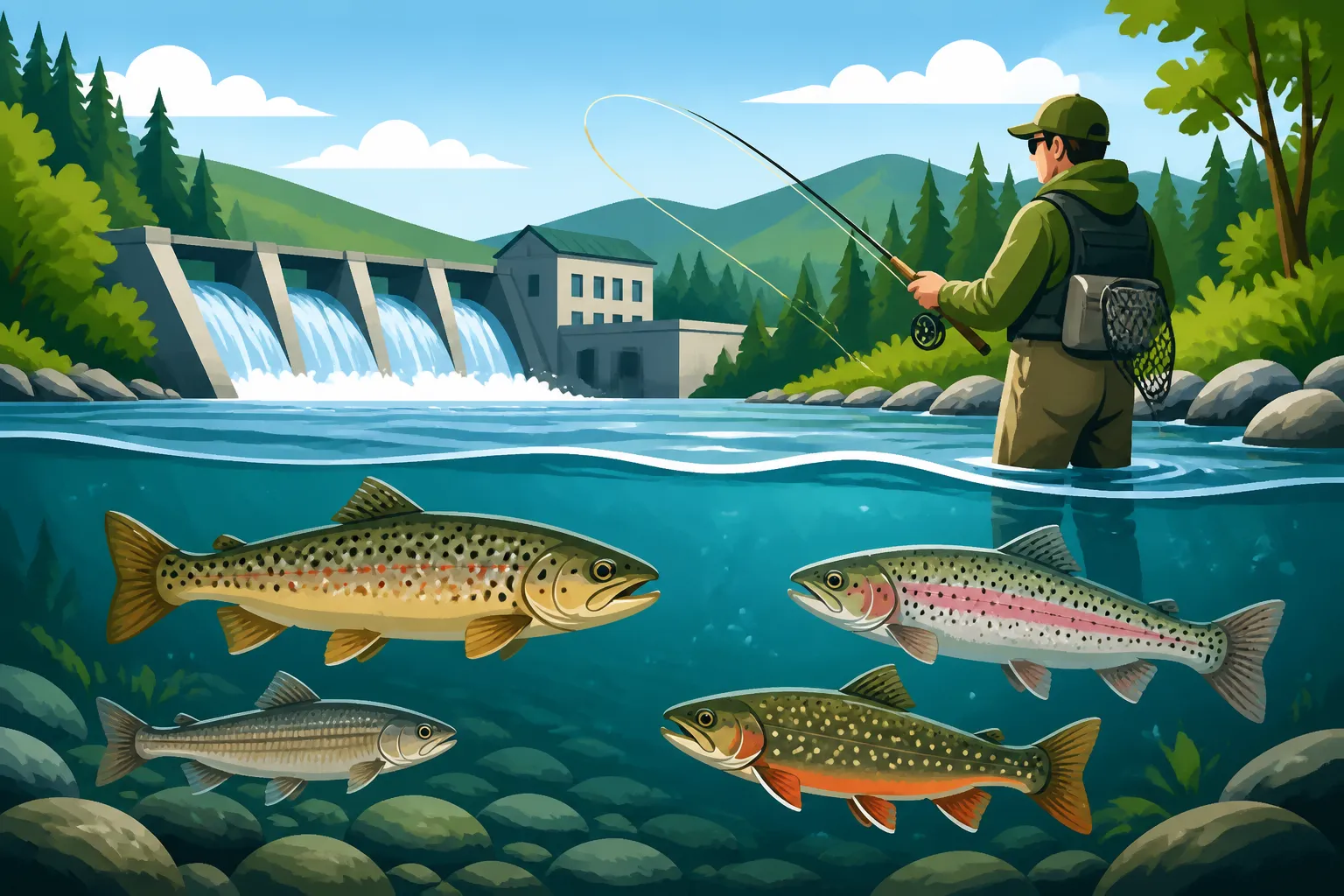
When we talk about "tailwaters," we're not just referring to any old river section. We're specifically talking about the stretch of river immediately downstream from a dam, especially a dam on a larger lake or reservoir. Now, you might think a dam would warm the water, but often, the opposite is true. Many dams release water from deep within the reservoir, where temperatures remain consistently cold, often in the 40s or 50s Fahrenheit, even during the dog days of summer. This consistent release of cold, oxygenated water creates a unique micro-ecosystem that acts like a cold-water sanctuary.
In Vermont, these tailwaters are precious because they offer a reliable escape from the fluctuating temperatures of typical free-flowing rivers and streams. While a small mountain brook might warm up too much on a hot August day, a tailwater can maintain ideal conditions year-round, making it a hotspot for certain fish. This isn't just a slight difference; it's a profound environmental shift that dictates which species can survive and, more importantly, thrive. The constant flow scours the bottom, keeping gravel clean for spawning and aquatic insect habitat, and the stable temperatures reduce stress on coldwater fish, allowing them to grow larger and more robust. You'll find that these sections often feel like a different world compared to the upstream or downstream areas, a true haven for coldwater species.
The Prime Fish Species That Call Vermont's Cold Tailwaters Home
The stable, cold, and oxygen-rich environment of Vermont's tailwaters makes them a haven for a specific group of fish that crave these conditions. While some warmwater species might occasionally pass through, these stretches are truly defined by their coldwater inhabitants, primarily various types of trout and sometimes even landlocked salmon.
Native Brook Trout: Vermont's Resilient Gems
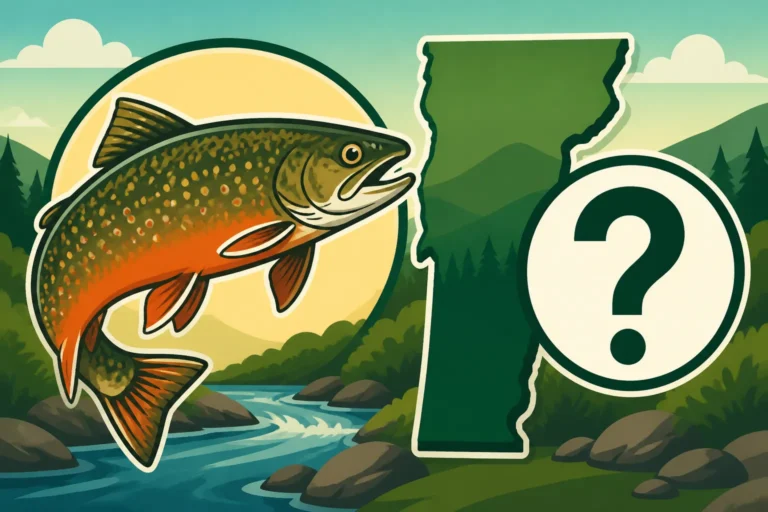
Even though tailwaters are often associated with dammed rivers, many provide an excellent habitat for Vermont's native brook trout. These beautiful fish, with their distinctive worm-like markings and vibrant red fins, absolutely thrive in clean, cold, highly oxygenated water. Tailwaters often replicate the ideal conditions found in pristine mountain streams, allowing brook trout populations, whether wild or supplemented by stocking, to flourish. The consistent flow and temperature protect them from the stress of warming waters that can affect other parts of a river. They feed heavily on aquatic insects, small baitfish, and anything else the current brings their way. You'll often find them hiding behind structure, waiting to ambush prey. Understanding Brook Trout: Vermont's Native Trout is key to appreciating these incredible fish. Their resilience and beauty make them a prized catch, and the stable tailwater environment helps them reach impressive sizes.
Robust Brown and Rainbow Trout: Growing Big in Stable Conditions
Beyond the native brook trout, the stable cold temperatures of tailwaters are absolutely perfect for brown trout and rainbow trout. These species, often stocked by the Vermont Fish and Wildlife Department to enhance angling opportunities, grow exceptionally well in these environments. Brown trout are known for their hardiness and can tolerate slightly warmer conditions than brook trout, but they truly excel in the consistent cold of a tailwater. They become aggressive predators, feasting on a rich diet of insects, crustaceans, and even smaller fish, often reaching trophy sizes. Rainbow trout, celebrated for their acrobatic fights, also find tailwaters to their liking, growing strong and putting up incredible battles for anglers.
The predictable cold water helps these fish maintain high metabolisms without the energy drain of temperature fluctuations. This means they can feed more consistently and grow faster. For anglers seeking a challenge and the chance at a larger fish, these tailwaters are often where you'll find the biggest brown and rainbow trout in a given river system. Knowing the nuances of Brown Trout Habits in Vermont Streams can really help you target these larger specimens, as they often become more wary with age. Similarly, areas where Rainbow Trout Stocking in Vermont occurs often see these fish quickly adapt to the rich tailwater environment.
The Elusive Landlocked Salmon: Anadromous Behavior in Tailwaters
While not all tailwaters will host them, some of Vermont's significant river systems that are connected to larger lakes are renowned for their landlocked salmon runs. These magnificent fish, essentially Atlantic salmon that have adapted to live their entire lives in freshwater, require very specific coldwater conditions. Tailwaters, particularly those below lakes like Lake Champlain or Lake Memphremagog, can provide the essential cold, flowing water that salmon need for spawning or simply as a refuge during warmer months. During certain times of the year, particularly in spring or fall, these salmon will migrate upstream into the tailwaters, offering an incredible angling experience.
Catching a landlocked salmon in a river is a truly special event. They are powerful, fast, and often incredibly elusive. Their presence is a testament to the health and consistent coldness of a tailwater fishery. Knowing How to Catch Landlocked Salmon in Vermont involves understanding their migratory patterns and preferred feeding lies in the current. Always be aware of Vermont Landlocked Salmon Regulations to ensure you're fishing responsibly and legally. The thrill of a salmon hitting your line in a cold, rushing tailwater is something every Vermont angler dreams of.
Why These Unique Waters Are a Fishery Goldmine
It’s not just the temperature, though that’s a huge part of it. Cold tailwaters are complex ecosystems that provide a perfect storm of conditions for specific fish species to not just survive, but truly flourish and offer fantastic angling opportunities.
Stable Temperatures and High Oxygen Levels
The fundamental reason coldwater species thrive in tailwaters is the consistency of the environment. Unlike free-flowing rivers that might experience drastic temperature swings with the seasons or even within a single hot summer day, water released from deep within a reservoir maintains a remarkably stable, cold temperature. This consistency reduces stress on fish, allowing them to allocate more energy to growth and reproduction rather than thermoregulation. The colder water also holds more dissolved oxygen, which is absolutely vital for the survival and health of trout and salmon. When other rivers might become sluggish and oxygen-depleted during a heatwave, tailwaters remain vibrant and life-sustaining. This dependable environment creates a sanctuary, making it a predictable spot for anglers seeking coldwater action, especially when Vermont Trout Season and Stocking Rules dictate when and where you can target them.
Abundant and Consistent Forage
Tailwaters are often incredibly rich in food sources. The constant flow of water from the reservoir acts like a conveyor belt, bringing a steady supply of aquatic insects, larval forms, and even small baitfish dislodged from the lake bottom. This constant influx of food provides a veritable buffet for the fish. Caddisflies, mayflies, stoneflies, and scuds are often present in huge numbers, forming the backbone of the trout's diet. Additionally, larger tailwaters can have populations of baitfish like sculpin or juvenile smelt, providing substantial meals for bigger trout and salmon. This rich and predictable food supply is a major contributor to the robust health and impressive size of fish found in these unique river sections. You can often find specialized fly patterns that imitate these local insects, which are readily available through online retailers like Amazon, helping you match the hatch.
Predictable Flow and Diverse Structure
The very nature of a tailwater, being downstream from a dam, means there's often a relatively predictable flow regime. While releases can vary, the overall current provides constant oxygenation and carves out diverse bottom structure. Deep pools form where water plunges over spillways, offering excellent holding water for large fish. Scour holes, current seams, and riffles are all created by the continuous flow, providing varied habitats. Rocky bottoms and submerged timber offer cover and ambush points for predatory fish. This combination of consistent flow and varied structure means fish have plenty of places to rest, feed, and hide, making these stretches incredibly productive. Learning to "read the water" in these environments is a key skill, much like you would for any free-flowing river, but with the added element of understanding dam release patterns.
Essential Strategies for Angling in Cold Tailwaters
Fishing cold tailwaters in Vermont offers a unique set of challenges and rewards. Because of the consistent conditions and concentrated fish populations, specific strategies and gear can significantly improve your success. It’s about adapting to the perpetual "cold spring" environment.
Gearing Up for the Unique Conditions
When approaching a cold tailwater, your gear choice is paramount. The consistent flow often means deeper wading and stronger currents than many typical streams, so a good pair of chest waders with sturdy wading boots is practically a requirement. You might even want to consider a wading staff for added stability. For fly fishing, a longer rod (9 to 10 feet) in a 4- to 6-weight can offer better line control and easier mending in the currents. Spinning anglers will benefit from sensitive rods that can detect subtle bites in faster water, paired with a reliable reel spooled with fluorocarbon or braided line for better feel and strength.
Many anglers find it convenient to acquire specific tools like a quality landing net for trout (especially important for catch and release) or specialized fly boxes designed for nymphs and streamers. These items are often readily available on Amazon, allowing you to get exactly what you need delivered right to your door before your next trip. Always prioritize safety in these potentially fast-moving waters. Best Gear for Vermont Trout Fishing dives deeper into specific recommendations that can enhance your tailwater experience.
Mastering Fly Selection and Presentation
Given the abundant aquatic insect life in tailwaters, fly fishing is often the most effective method. Matching the hatch is critical. Tailwaters can experience prolific hatches of midges, caddis, and various mayflies throughout the year, even in colder months. Having a diverse fly box with patterns that imitate these insects, in various life stages (nymphs, emergers, dries), will greatly increase your chances. Streamers that imitate sculpins or other baitfish are also incredibly effective, especially for larger, predatory brown trout and salmon. Learning to present your flies naturally in the current, often requiring precise mending and drag-free drifts, is a skill that will pay dividends.
For spin anglers, small inline spinners, spoons, or soft plastics rigged on jig heads can also be highly effective. The key is to get your presentation down to where the fish are holding, often near the bottom or behind structure, without too much weight that makes it unnatural. Take a look at Fly Patterns for Vermont Trout Streams for some excellent starting points, as many of those patterns translate well to tailwater conditions.
Reading the Water for Fish Holding Spots
Tailwaters often have distinct features that concentrate fish. Look for seams where faster water meets slower water, providing a current break for fish to rest while still having easy access to passing food. Deep pools below riffles or dam structures are prime holding areas for larger fish. Submerged rocks, logs, and undercut banks also offer critical cover. Pay attention to changes in current speed and depth, as these often indicate prime feeding or resting lies. Fish in tailwaters, especially the larger ones, can become quite accustomed to anglers, so a stealthy approach and subtle presentation are often more successful. Wading carefully and quietly is essential; consider reviewing Wading Techniques for Vermont Trout Streams to refine your approach.
Embracing Ethical Angling and Conservation
Because tailwaters can concentrate fish, they are also particularly sensitive to fishing pressure. Practicing responsible catch and release, especially for larger trout and salmon, is crucial for maintaining a healthy fishery. Use barbless hooks, handle fish gently with wet hands, and minimize their time out of the water. Consider using a rubberized net to protect their slime coat. These practices ensure that future generations of anglers can also enjoy the incredible fishing these unique environments offer. Many sections of Vermont's rivers are designated as Vermont Catch and Release Fly Fishing Only Waters, highlighting the importance of conservation in these special places. Remember, our actions today impact the fishing opportunities of tomorrow.
Disclaimer
This article is for general informational purposes only and does not constitute professional advice. Laws, prices and regulations vary by location and change over time. Consult a qualified professional for guidance on your specific situation.