Is the Brook Trout Vermont’s State Fish?
It’s a question that sparks lively debate among anglers and Vermonters alike: is the magnificent brook trout truly Vermont’s state fish? While many hold it in that esteemed position in their hearts and minds, the official truth can be a bit more nuanced. This guide dives deep into the brook trout’s legacy in the Green Mountain State, exploring its iconic status, why it's so beloved, and how it stacks up against other notable species that call Vermont’s waters home.
The Brook Trout's Official Status in Vermont
When you picture a quintessential Vermont fish, chances are a brook trout immediately springs to mind. Its vibrant colors, delicate spots, and preference for pristine, cold streams make it the poster child for clean water and wild places in the state. However, the designation of a "state fish" often involves a formal legislative process, and for the brook trout in Vermont, that official stamp isn't quite what many assume.
Declaring a State Fish: The Legislative Process
The process of declaring an official state symbol, be it a bird, flower, or fish, typically involves a good deal of discussion, proposals, and eventually, a vote within the state legislature. This isn't just a casual affair; it's a way for a state to officially recognize and celebrate aspects of its natural heritage or cultural identity. For example, some states have designated species that are unique to their region, while others pick one that simply holds significant historical or economic value. It’s a formal endorsement, meant to educate and inspire residents about what makes their state special. While many states have a designated state fish, the focus for Vermont has historically been on protecting its diverse aquatic life through regulations rather than formal symbolic declarations for every species.
The Unofficial King of Vermont Waters
Despite the lack of an official proclamation, the brook trout holds a deeply ingrained, almost regal, status in the hearts of Vermonters. It's truly the unofficial king of Vermont's coldwater fisheries. From tiny, tumbling mountain brooks to larger rivers and even some remote ponds, these fish are a living testament to the health and purity of Vermont's water systems. They're not just a fish; they're a symbol of wilderness, resilience, and the quiet beauty that defines so much of the state. Anglers cherish the pursuit of these wild, native trout, often venturing deep into the woods to find undisturbed stretches of water where brookies thrive. The challenge, the solitude, and the sheer beauty of a wild brook trout in hand are experiences that solidify its revered place in Vermont's angling culture. It's a connection to the land and a tradition passed down through generations.
Why the Brook Trout Deserves the Title
If there were a popular vote, the brook trout would likely win by a landslide for Vermont's state fish. Its very existence is tied to the unique geography and ecology of the state, making it a natural fit for such an honor. When we talk about Vermont fishing, the brook trout is often the first species that comes to mind for a reason.
A True Native of Vermont's Cold, Clean Waters
One of the most compelling arguments for the brook trout's honorary title is its status as a truly native species to Vermont. Unlike rainbow or brown trout, which were introduced from other regions, brook trout have been here for millennia, evolving with the landscape and perfectly adapted to Vermont's distinct environment. They thrive in the purest, coldest, and most oxygen-rich waters—precisely the kind of conditions found in the countless mountain streams and remote ponds that crisscross the state. You’ll find them in places where the water temperatures rarely exceed 65 degrees Fahrenheit, flowing over gravel beds and sheltered by dense forest canopies.
Their presence is a powerful indicator of ecosystem health; if you find a thriving population of brook trout, you know the water quality is excellent. This connection to the pristine environment makes them more than just a fish; they are a living barometer of Vermont's natural heritage. Protecting their habitat is paramount, and many conservation efforts throughout Vermont focus on ensuring these sensitive creatures continue to flourish for generations to come. Anglers who venture out seeking these fish often become fierce advocates for protecting these vital habitats, understanding that the future of the brook trout depends on clean water and untouched wilderness. You can learn more about specific regulations to protect these waters in Special Regulation Waters in Vermont.
Iconic Appearance and Angling Appeal
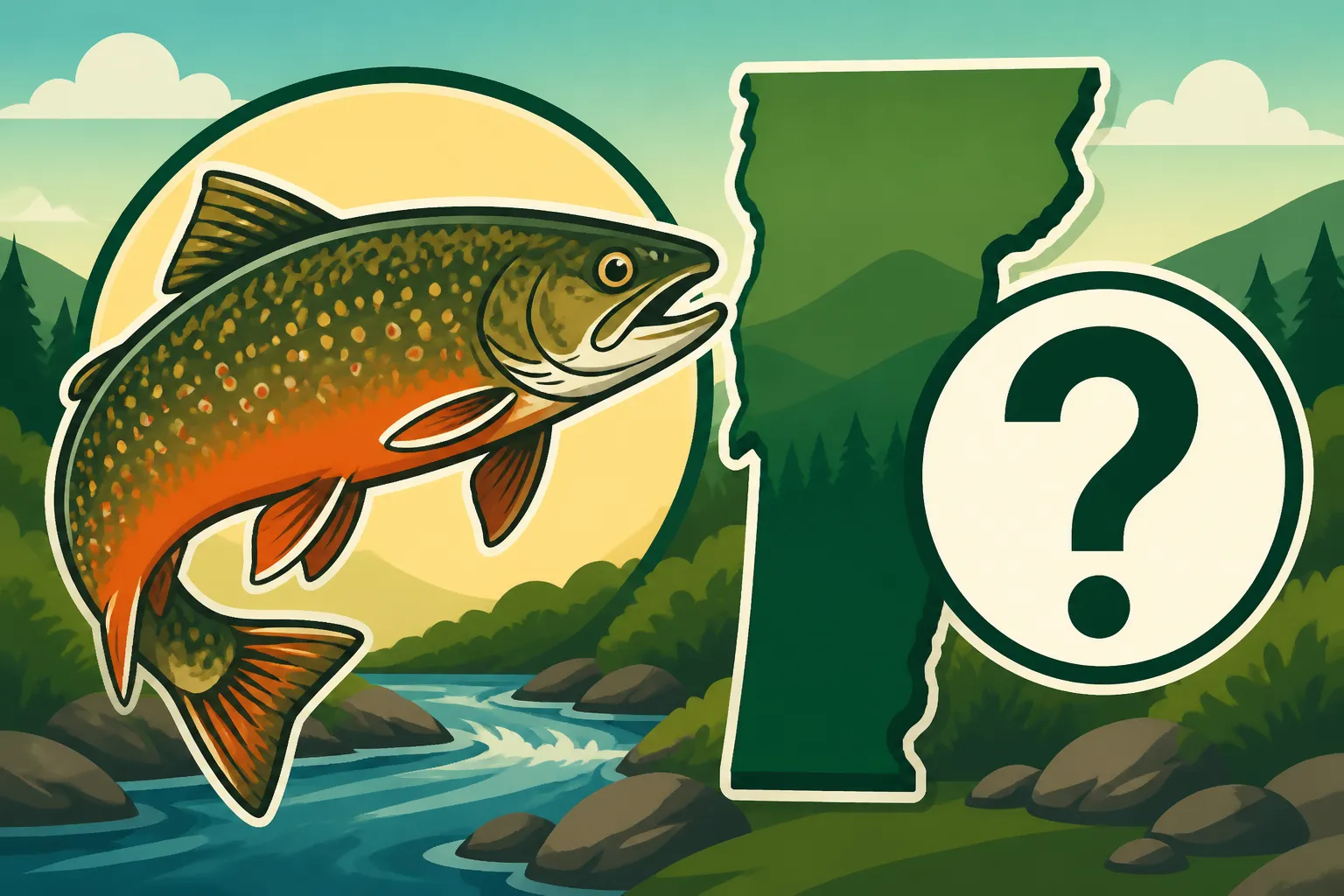
Beyond its native status, the brook trout is simply stunning to behold. Its appearance is truly iconic, a masterpiece of nature's artistry. Imagine iridescent blues and greens along its back, transitioning to a rich olive, punctuated by vibrant red and yellow spots, often ringed with electric blue halos. Its lower fins are usually rimmed with white, followed by a band of black and then brilliant orange-red. Catching one is an experience in itself—they're feisty fighters, especially in a swift current, and their beauty is unforgettable.
For many, pursuing brook trout, particularly with a fly rod, is the epitome of Vermont angling. It often involves wading through secluded, shaded streams, casting small dry flies or nymphs into pocket water, and enjoying the tranquility of the forest. The excitement of a subtle take, the flash of color, and the careful release are moments that stick with an angler long after the day is done. The thrill isn't just in the catch, but in the entire experience of connecting with nature. Whether you're searching for specific fly patterns or a new pair of wading boots, checking out angling gear on Amazon can provide a wide range of options to enhance your next brook trout adventure.
Other Notable Vermont Fish Species and Their Significance
While the brook trout holds a special place, Vermont is a state rich with diverse aquatic ecosystems, supporting a wide array of other incredible fish species. Many of these fish offer equally exciting angling opportunities and play crucial roles in their respective environments.
Lake Trout and Landlocked Salmon: Large Lake Giants
When you think of the deeper, colder lakes in Vermont, especially those like Lake Champlain, Lake Willoughby, or Lake Memphremagog, you’re often thinking about the domain of formidable lake trout and majestic landlocked salmon. These are the titans of Vermont's larger lake fisheries, offering a completely different angling experience than the humble brook trout.
Lake trout, known for their incredible size and longevity, are coldwater predators that inhabit the depths of Vermont's largest, deepest lakes. They can grow to impressive weights and provide a serious challenge to anglers, often requiring specialized gear and techniques like deep trolling. Landlocked salmon, a freshwater form of the Atlantic salmon, are equally powerful and sought after, prized for their acrobatic fights and stunning beauty. They too thrive in cold, clear lakes and often make spawning runs up tributary rivers, providing exciting opportunities for river anglers in the spring and fall. These species represent the wild, untamed power of Vermont's big waters. If you're looking to explore techniques for these fish, searching for specialized trolling spoons or downriggers on Amazon can provide some great options. To understand how these powerful fish are managed, you can delve into Vermont Landlocked Salmon Regulations or Vermont Lake Champlain Lake Trout Regulations.
Walleye and Bass: Warmwater Wonders
Shifting gears to Vermont's warmer, often shallower waters, particularly the expansive Lake Champlain and many smaller ponds, you’ll find a vibrant fishery for walleye and both largemouth and smallmouth bass. These species are incredibly popular targets, drawing thousands of anglers to the state each year.
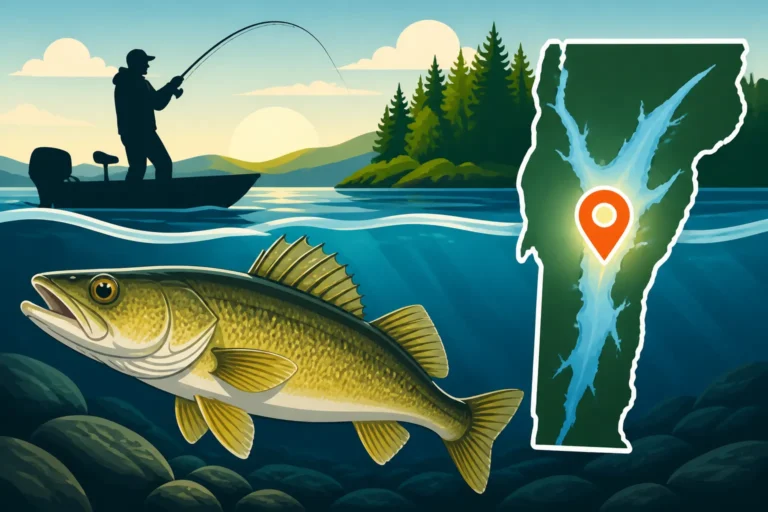
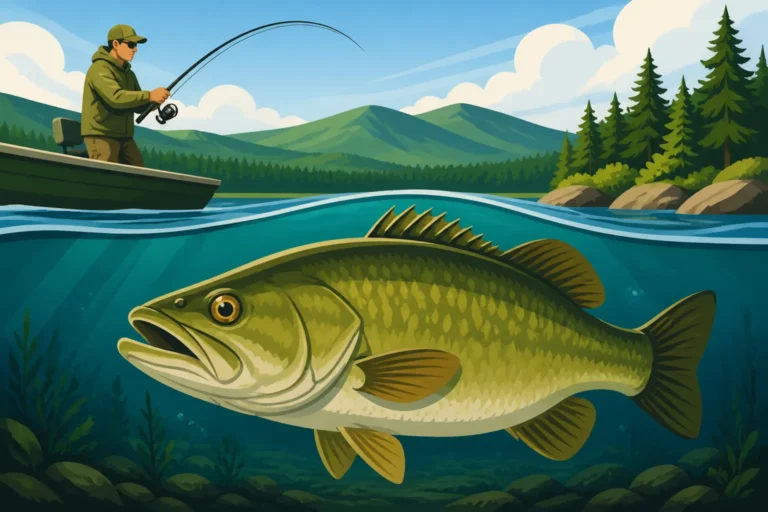
Walleye, famous for their delicious white flesh and often elusive nature, are a highly prized game fish, particularly in Lake Champlain. They can be found in various habitats, from rocky reefs to deeper mud flats, and are most active during low-light conditions. Anglers often target them with jigs, crankbaits, or by trolling. Smallmouth bass, known for their incredible fighting spirit and aggressive strikes, thrive in rocky areas of large lakes and rivers. They are acrobatic fighters that often jump clear of the water, making for thrilling battles. Largemouth bass, on the other hand, prefer weed beds, lily pads, and submerged timber in shallower, warmer waters, often ambushing their prey with explosive strikes. Their habitat preferences make them a favorite for anglers who enjoy topwater action. The diversity offered by these warmwater species ensures that no matter your preference, Vermont has a rich angling opportunity for you. Discover more about specific opportunities in Walleye Fishing on Lake Champlain or Smallmouth Bass Fishing in Vermont.
| Fish Species | Native Status in Vermont | Preferred Habitat | Angling Appeal |
|---|---|---|---|
| Brook Trout | Native | Cold, clean mountain streams, remote ponds | Iconic, beautiful, feisty, wild, fly fishing |
| Lake Trout | Native | Deep, cold, oxygen-rich lakes (e.g., Champlain) | Large size, powerful fight, deepwater challenge |
| Landlocked Salmon | Native | Cold, clear lakes, tributary rivers for spawning | Acrobatic, strong, elusive |
| Smallmouth Bass | Native | Rocky lake bottoms, river currents | Aggressive strikes, acrobatic fights |
| Largemouth Bass | Introduced | Warm, weedy ponds, shallow lake bays | Explosive strikes, cover fishing |
| Walleye | Native | Lake Champlain, large rivers; various depths | Excellent table fare, often elusive, nocturnal |
| Rainbow Trout | Introduced | Stocked rivers, lakes, ponds | Strong fighters, readily caught, stocked |
| Brown Trout | Introduced | Larger rivers, cooler lake sections | Wary, large size potential, challenging |
Protecting Vermont's Aquatic Heritage
The beauty and abundance of Vermont's fishing opportunities are not accidental. They are the result of conscious efforts to protect and manage the state's natural resources. For a state so deeply connected to its natural environment, conservation is not just a buzzword; it's a way of life.
Conservation Efforts for Native Species
For native species like the brook trout, conservation is absolutely critical. These fish are highly sensitive to environmental changes, meaning even slight alterations to water temperature, oxygen levels, or habitat structure can have significant impacts on their populations. Vermont actively works to maintain the health of its aquatic ecosystems through various programs. This includes monitoring water quality, restoring degraded stream habitats by planting riparian buffers to shade streams and prevent erosion, and managing land use to minimize pollution runoff.
Efforts are also made to remove barriers to fish passage, like old dams or culverts, allowing native trout to access more of their historical spawning grounds. The goal is not just to stock fish for anglers, but to ensure robust, self-sustaining wild populations that are indicators of a healthy environment. Anglers can play a huge part by following all regulations and supporting organizations dedicated to river and lake health. If you're interested in learning more about what makes a healthy trout habitat, you might find some useful guides or books on stream ecology via Amazon. These collective efforts are vital for preserving the delicate balance of Vermont's cherished waterways. You can find information about specific efforts, like those for trout, in Vermont Trout Season and Stocking Rules and Vermont Fish Stocking Search Tool, Explained.
How Anglers Can Help
Every angler has a role to play in protecting Vermont’s aquatic heritage. It’s not just about catching fish; it’s about being a steward of the environment. The first and most crucial step is to always know and follow all Vermont fishing regulations. These rules are put in place for a reason, often to protect fish during vulnerable spawning periods or to allow populations to grow.
Practicing responsible catch-and-release, especially for native species like brook trout or larger trophy fish, is another powerful way to contribute. This means minimizing handling time, using knotless nets, and ensuring fish are revived properly before release. Many anglers also support conservation through purchasing fishing licenses, as a significant portion of those funds goes directly to fish and wildlife management. Consider using lead-free tackle, as lead can be toxic to wildlife. Furthermore, never introduce non-native species into Vermont waters, and always clean, drain, and dry your boat and gear to prevent the spread of invasive species. By taking these simple but impactful steps, you ensure that the fishing experiences we cherish today will be available for future generations of Vermonters and visitors. Don't forget that many local tackle shops, and even platforms like Amazon, offer products specifically designed for responsible angling, such as knotless nets or environmentally friendly lures. Reading the Vermont Fishing Regulations Guide is an excellent resource to stay informed.
Disclaimer
This article is for general informational purposes only and does not constitute professional advice. Laws, prices and regulations vary by location and change over time. Consult a qualified professional for guidance on your specific situation.