Do Vermont Lakes Have Northern Pike?
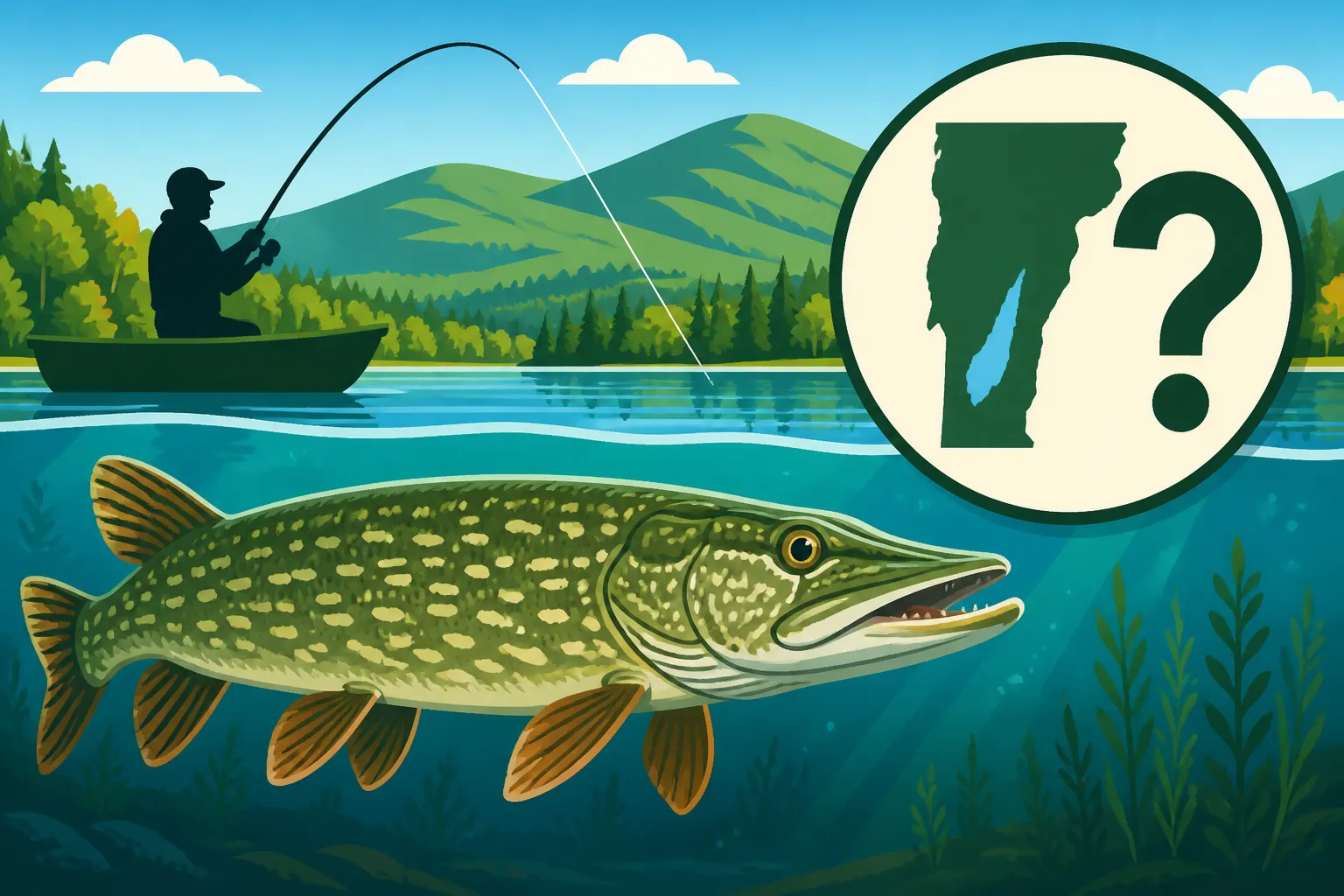
It's completely understandable to wonder about the presence of Northern Pike in Vermont's diverse waterways. Many anglers familiar with their aggressive nature and thrilling fight from other regions often ask if these formidable predators lurk beneath the surface of our beautiful lakes and rivers. This guide will dive deep into where Northern Pike can be found in Vermont, what makes them tick, how to effectively target them, and the rules that help us enjoy this exciting fishery responsibly.
The Presence of Northern Pike in Vermont Waters
For anglers new to the Green Mountain State or those curious about expanding their target species, the good news is, yes, Northern Pike do call some of Vermont's lakes and larger river systems home! While perhaps not as widespread as some other species, where they are present, they can offer some truly exhilarating fishing opportunities. These long, toothy, and powerful fish are a fantastic challenge for any angler, and their aggressive strikes are something you won't soon forget.
Historically, pike were not native to all of Vermont's waters, but they've established strong populations in certain areas, particularly in the Lake Champlain basin and other larger, interconnected water bodies. They’re a significant part of the food web in these ecosystems and a sought-after game fish for many. Understanding where they thrive is the first step to finding them.
Where Northern Pike Thrive in Vermont
Northern Pike are not shy about making themselves known in waters that suit their predatory lifestyle. The undisputed king of pike waters in Vermont is undoubtedly Lake Champlain. This massive lake, shared with New York and Quebec, offers the vast, fertile, and diverse habitats that pike absolutely adore. From shallow, weedy bays to deeper river mouths and rocky points, Champlain provides an ideal environment for pike to grow large and prosper. You'll find them lurking in places like Missisquoi Bay Lake Champlain fishing access, Shelburne Bay Lake Champlain fishing access, and other areas with ample vegetation and forage.
Beyond Lake Champlain, you'll also find healthy populations of pike in some of its larger tributaries, especially in their lower reaches before they become too swift or cold. Other larger lakes in Vermont, particularly those with connections to the Champlain system or those that have suitable weed beds and structure, can also hold pike. It’s always a good idea to check specific regulations for any given body of water, as some smaller ponds or isolated lakes may not support pike, or have different management goals.
Identifying a Northern Pike
Distinguishing a Northern Pike from its close cousin, the Chain Pickerel, is a common question among Vermont anglers, and it's an important one, as regulations can sometimes differ. Both are long, predatory fish with duckbill-shaped snouts and sharp teeth, but there are clear differences if you know what to look for.
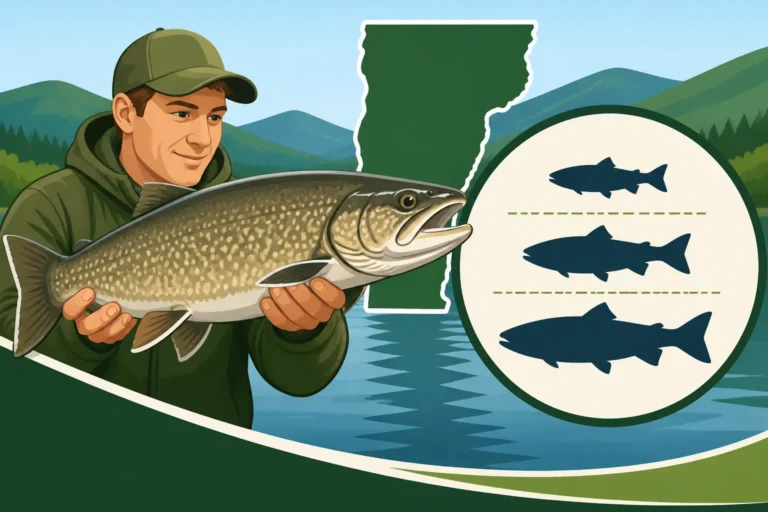
Northern Pike are generally much larger, with adults easily reaching lengths well over two feet, and often much more. Their coloration tends to be dark green to olive on the back, fading to white on the belly, with distinct, horizontal rows of light, bean-shaped spots or markings along their sides. The key identifier is the presence of scales on only the upper half of their gill cover, and usually no scales on the lower half. Additionally, their cheeks are fully scaled. The dorsal fin on a pike is located far back on its body, close to the tail, which is common for ambush predators.
Chain Pickerel, on the other hand, are typically smaller, rarely exceeding two feet in Vermont. Their most distinguishing feature is the dark, chain-like or reticulated pattern on their sides, which gives them their name. Pickerel have fully scaled gill covers and cheeks. While both have those formidable teeth, the overall body shape and scale patterns are your best bet for accurate identification. Knowing the Panfish Species Identification Guide for Vermont can further help you differentiate between these and other common fish.
Here’s a quick comparison table:
| Feature | Northern Pike | Chain Pickerel |
|---|---|---|
| Size | Typically larger, 24+ inches common | Generally smaller, rarely exceeding 24 inches |
| Color/Pattern | Dark green/olive with light, bean-shaped spots | Greenish with distinct dark, chain-like markings |
| Gill Cover | Upper half scaled, lower half scaleless | Fully scaled |
| Cheeks | Fully scaled | Fully scaled |
| Snout | Duckbill-shaped, prominent teeth | Duckbill-shaped, prominent teeth |
| Dorsal Fin | Set far back, close to tail | Set far back, close to tail |
Northern Pike Habits and Habitat
Understanding the behavior and preferred haunts of Northern Pike is paramount to successfully targeting them. These fish are true ambush predators, built for explosive bursts of speed to capture unsuspecting prey. They are highly attuned to their environment, using structure and cover to their advantage, and their feeding habits are driven by opportunity and instinct.
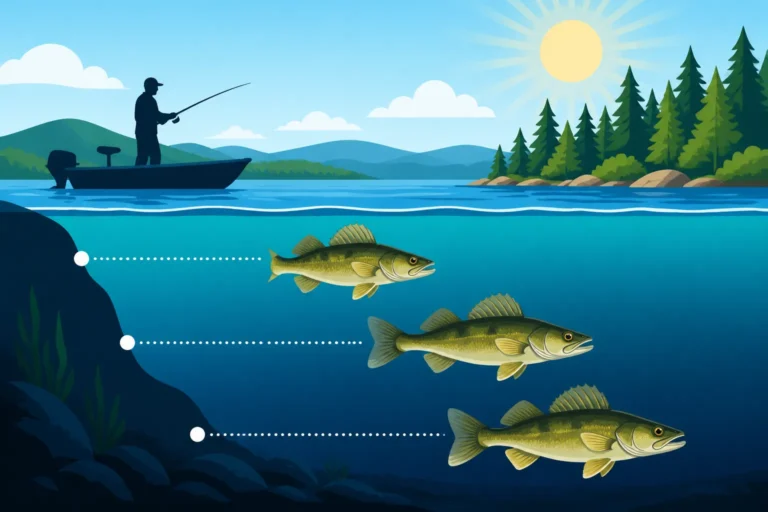
Pike are often found in relatively shallow, productive waters. They appreciate areas with submerged vegetation, fallen trees, rock piles, and points that offer both concealment and a strategic vantage point from which to ambush baitfish. They’re less likely to be found in fast-flowing rivers or deep, open water, preferring instead the calmer, more structured areas of lakes and river backwaters.
Pike's Preferred Lairs and Structure
When you're out on a Vermont lake, especially one known for pike, you should be looking for specific types of cover. Weed beds are absolutely crucial. Think about expansive shallow flats with lily pads, coontail, milfoil, or cabbage weeds. Pike will position themselves at the edges of these weed lines, in pockets within the weeds, or even completely submerged within dense cover, waiting for an unsuspecting baitfish, frog, or even a smaller duckling to pass by. These weed beds provide both camouflage and a cooler, shadier spot during warmer parts of the day.
Submerged timber, such as fallen trees or old dock pilings, also creates fantastic ambush points. A pike can sit perfectly still, camouflaged by the shadows, and then launch itself at prey. Rocky points, especially those that drop off into slightly deeper water, are another hotspot, as baitfish often congregate there. Areas around inflows and outflows of smaller streams can also be productive, as these currents bring in food and create seams that pike exploit. In short, if it looks like a good place for something to hide and wait, it's probably a good place for a pike. Consider checking out Best Kayak Fishing Spots in Vermont for ideas on accessing these types of habitats from a smaller craft.
What Northern Pike Eat in Vermont Lakes
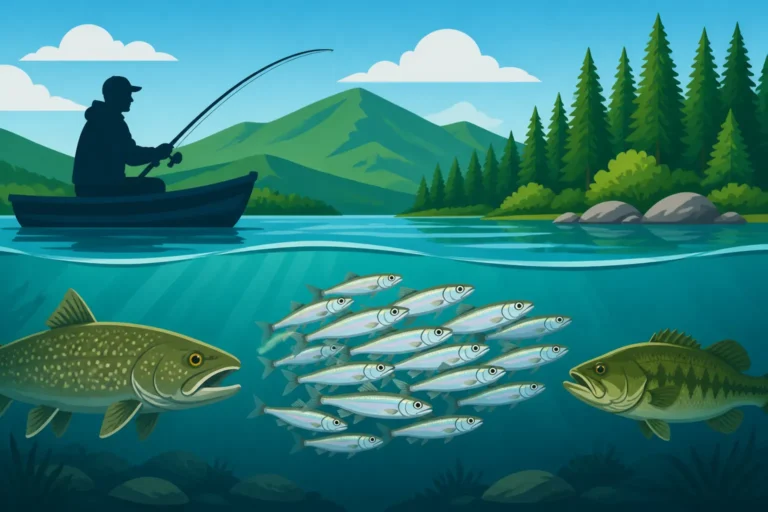
Northern Pike are voracious eaters and opportunistic predators. Their diet in Vermont lakes primarily consists of other fish, and they're not particularly picky about species. They'll gorge themselves on yellow perch, sunfish, smallmouth bass, suckers, and even smaller members of their own species. If it swims and fits in their mouth, it's on the menu. This aggressive feeding habit is why they grow so large and fight so hard.
Beyond fish, pike will also consume frogs, ducklings, and even small mammals if the opportunity arises. This broad diet means that lures and baits that imitate a wide range of prey can be effective. Think about the local forage in the waters you're fishing. Are there lots of perch? Then a perch-colored crankbait or soft plastic might be the ticket. Are minnows abundant? Spinnerbaits and spoons that mimic flashing baitfish will get their attention. Their powerful jaws and rows of razor-sharp teeth are perfectly adapted for seizing and holding onto slippery prey. Understanding their diet helps you "match the hatch" with your lure selection.
Fishing for Northern Pike in Vermont
If you're looking to challenge yourself against a true freshwater predator, fishing for Northern Pike in Vermont is an incredibly rewarding experience. They are known for their aggressive strikes, powerful runs, and often acrobatic fights. However, you can't just throw any old tackle out there and expect success. Pike demand a certain approach, especially when it comes to gear and technique.
Successfully targeting pike requires a blend of power and finesse, understanding their preferred habitats, and being ready for a fight. It's not uncommon to hear stories of anglers having their line snapped or lures destroyed by an unexpected pike strike – a testament to their strength and sharp teeth.
Essential Gear for Pike Fishing
When gearing up for Northern Pike, think "heavy-duty." These fish are not to be underestimated.
- Rod and Reel: A medium-heavy to heavy-action spinning or baitcasting rod, typically 6'6" to 7'6" in length, is ideal. You need backbone to handle the fish's weight and power, and to cast larger, heavier lures. Pair this with a sturdy reel spooled with strong line.
- Fishing Line: Braided line is a popular choice for pike anglers due to its strength, sensitivity, and lack of stretch. A 20-40 lb test braid is usually sufficient. Monofilament or fluorocarbon in the 12-20 lb range can also work, but braid offers superior hook-setting power over longer distances and through heavy cover.
- Leaders: This is non-negotiable for pike fishing. Their teeth are incredibly sharp and will easily sever monofilament or fluorocarbon mainline. You absolutely need a steel, titanium, or heavy-duty fluorocarbon (80-100 lb test) leader, at least 9-12 inches long. Many anglers prefer wire leaders for absolute security. You can find a wide selection of pre-made leaders, as well as bulk wire and crimps to make your own, on platforms like Amazon. Don't skimp here; it's the difference between landing a trophy and telling a heartbreaking "one that got away" story.
- Lures: Pike respond well to a variety of artificial lures.
- Spoons: Classic metal spoons like Dardevles or Johnson Silver Minnows are deadly, especially when retrieved erratically. Their flash and wobble perfectly imitate a fleeing baitfish.
- Spinnerbaits: Large spinnerbaits with tandem blades create significant flash and vibration, often triggering aggressive strikes from pike hiding in weeds.
- Crankbaits: Medium to large crankbaits, especially those with a wide wobbling action and perch or shiner patterns, can be very effective when retrieved over weed beds or along drop-offs.
- Soft Plastics: Large swimbaits or paddle tail grubs rigged on heavy jig heads can entice strikes, especially when bounced along the bottom or slowly retrieved through sparse cover.
- Jerkbaits: Suspending jerkbaits that can be twitched and paused are fantastic, allowing you to tempt wary pike with a stop-and-go action.
- Tools: A long-nosed pliers or a jaw spreader is essential for safe hook removal, as pike have many sharp teeth. A large, rubberized landing net is also highly recommended for landing these powerful fish safely and minimizing harm.
For a deeper dive into specific tackle, you might want to explore resources like Best Tackle for Vermont Smallmouth Bass which can offer some transferable insights on lure actions and presentations, even if the target species differs.
Best Techniques for Catching Pike
Pike fishing can be incredibly diverse, ranging from casting lures to still-fishing with bait, and even ice fishing.
- Casting and Retrieving Lures: This is perhaps the most common and active method. Focus your casts on weed lines, gaps in vegetation, submerged structures, and along rocky points. A varied retrieve is often key. Try fast retrieves, slow retrieves, twitching, pausing, and sudden jerks. Pike are often triggered by erratic movements that suggest an injured or fleeing prey. If a pike follows but doesn't strike, a sudden pause or a figure-eight motion at the boat can often seal the deal.
- Trolling: For covering larger areas, especially in big lakes like Lake Champlain, trolling can be highly effective. Use large crankbaits, spoons, or even large live baits rigged to run at various depths. Pay attention to your fish finder for schools of baitfish or structure, and troll along weed edges or contours.
- Live Bait Fishing: When allowed by regulations, live bait such as shiners, suckers, or smelt can be incredibly effective, especially when fished under a float or on a quick-strike rig. Position your bait near known pike hangouts and give them time to strike. This is particularly popular for Ice Fishing in Vermont where tip-ups are deployed with live bait.
- Ice Fishing: During the winter, Northern Pike remain active under the ice. Tip-ups rigged with large shiners or suckers are the go-to method. Set your tip-ups along weed lines or near drop-offs. Jigging with large spoons or lipless crankbaits can also be productive through the ice. Vermont Ice Fishing Season Dates gives you the window for these opportunities.
Remember, pike are strong fighters. Keep your drag set appropriately and be prepared for powerful runs, especially boatside. Always handle pike carefully, using your tools to unhook them quickly and safely.
Regulations and Conservation Efforts
Fishing in Vermont, for any species, comes with a responsibility to understand and adhere to local regulations. These rules are in place not just to manage fish populations, but to ensure healthy ecosystems and sustainable fishing opportunities for generations to come. Northern Pike, while abundant in some areas, are still subject to specific guidelines to maintain their numbers and manage their impact on other fish species.
It's a common misconception that all rules are the same across every body of water, but this isn't the case in Vermont. Different lakes or even sections of large lakes can have unique regulations, so always double-check before you cast your line.
Vermont Northern Pike Regulations
Vermont's fishing regulations for Northern Pike are designed to manage the population, provide ample angling opportunities, and consider the pike's role in the aquatic ecosystem. Typically, you'll find regulations regarding:
- Season Dates: While pike often have a fairly liberal season, especially compared to some trout or salmon species, it's crucial to confirm the exact dates. Generally, they are open year-round in many waters, but always verify.
- Daily Bag Limit: This refers to the maximum number of pike you can keep in a single day. This limit is often generous, reflecting healthy populations in key waters.
- Minimum Length Limit: A minimum length ensures that younger fish have a chance to mature and reproduce before being harvested. You'll need a measuring tape to ensure your catch meets the legal size.
- Special Regulations: Be aware that certain waters, or even specific bays within a large lake like Champlain, might have special regulations that differ from the general statewide rules. Always consult the official Vermont Fishing Guide before heading out.
For the most accurate and up-to-date information, anglers should always refer directly to the Vermont Fish & Wildlife Department's official fishing regulations guide. You can often find a physical copy at license vendors, or easily access a digital version online. This guide will also cover Vermont Fishing Regulations Explained in broader detail, giving you a full picture of what to expect. Knowing the Vermont northern pike limit and any length restrictions for the specific body of water you're fishing is non-negotiable.
Pike's Role in Vermont's Ecosystem
Northern Pike play a fascinating and important role in the aquatic ecosystems of Vermont where they reside. As apex predators, they help to control populations of smaller fish, including panfish, and act as a natural check on numbers of other species. This top-down control can be beneficial by reducing competition for resources among forage fish, potentially leading to healthier, larger individuals of those prey species.
However, their predatory nature also means they can impact populations of other game fish, like bass or trout, especially in waters where those species are a primary management focus. Fishery managers carefully monitor pike populations and their interactions with other species to maintain a balanced ecosystem. In some cases, regulations might be adjusted to encourage harvest of pike in specific areas if their numbers are seen as detrimental to other valued fish populations.
Conservation efforts for pike in Vermont largely revolve around managing harvest through length and bag limits, and maintaining healthy habitats, particularly the shallow, vegetated areas they rely on for spawning and foraging. By adhering to regulations and practicing responsible angling – such as proper catch and release techniques for fish you don't intend to keep – anglers contribute directly to the health and sustainability of Vermont's pike fishery and its broader aquatic environments.
Disclaimer
This article is for general informational purposes only and does not constitute professional advice. Laws, prices and regulations vary by location and change over time. Consult a qualified professional for guidance on your specific situation.