Where to find northern pike in Vermont
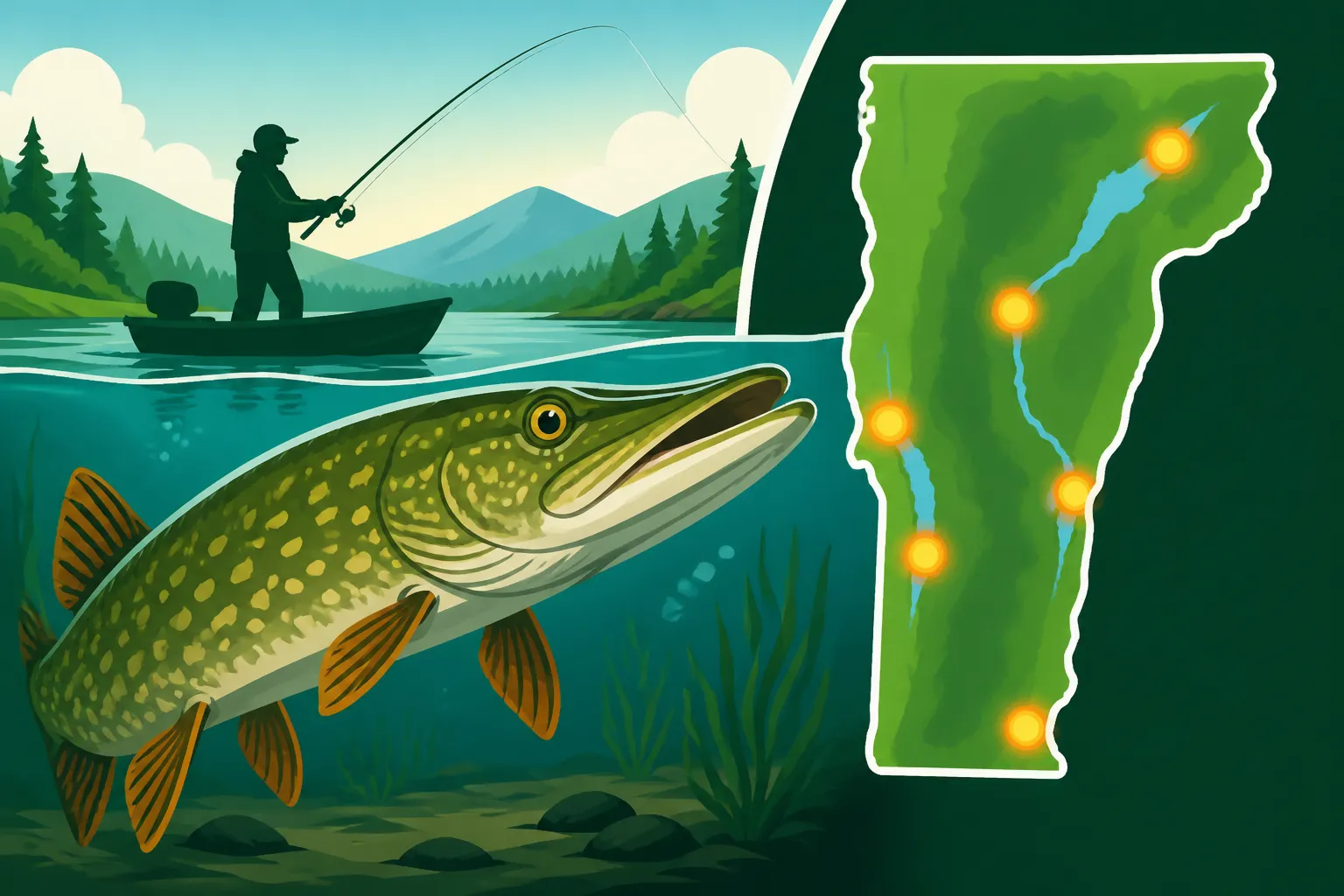
Finding northern pike in Vermont can feel like a bit of a treasure hunt, especially if you're new to targeting these toothy predators. Many anglers spend hours casting into seemingly prime spots only to come up empty-handed, leaving them wondering if Vermont even has decent pike fishing or if they're just looking in all the wrong places. This guide is here to cut through that frustration, leading you straight to the waters where northern pike thrive and giving you the insights you need to pinpoint their hideouts and bring more of these exciting fish to your net.
Understanding Northern Pike Habits in Vermont
Before we dive into specific locations, it’s incredibly helpful to understand why northern pike choose certain spots in the first place. These aren't just random wanderers; they're ambush predators with very specific preferences when it comes to their environment and how they hunt. Knowing what makes a piece of water appealing to a pike is the first step in finding them consistently, whether you're exploring a familiar lake or trying a new one.
Preferred Habitats and Water Characteristics
Northern pike are creatures of comfort, and their comfort zone often revolves around cover and food. They love weed beds, submerged timber, lily pads, and any other kind of structure that allows them to lurk unseen, ready to dart out and ambush unsuspecting prey. Think of them as the aquatic equivalent of a lion in tall grass – always looking for an advantage. This means you'll rarely find them in wide-open, featureless expanses of deep water, at least not for long. Instead, focus on areas where the bottom isn't a barren wasteland.
They also prefer cooler, somewhat stained water, though they can tolerate a wide range of conditions. Shallow bays that warm up quicker in spring or stay cooler due to spring-fed inputs can be particularly good. Access to deeper, cooler water is important, especially as summer progresses, allowing them to retreat when surface temperatures get too high. You'll often find them at the edges of drop-offs, where shallow cover meets deeper, cooler sanctuary. Look for areas with a good mix of vegetation, from dense milfoil and pondweed to emergent reeds and cattails along the shore. These areas not only provide excellent ambush points but also attract baitfish, which are, of course, a pike's primary diet.
Seasonal Movements and Feeding Patterns
Pike aren't static; their movements are heavily influenced by the seasons and the availability of food. Understanding these patterns is key to being in the right place at the right time.
- Spring: After the ice melts, pike become very active, often moving into shallow, warmer bays and flats to spawn. This post-spawn period sees them incredibly hungry and aggressive. They'll be found cruising the edges of emergent vegetation, points, and even along riprap shorelines where baitfish congregate to feed on new growth. This is an excellent time for targeting them with spoons, spinnerbaits, or large jerkbaits.
- Summer: As water temperatures rise, pike often retreat to slightly deeper water or denser cover where the water remains cooler. They might be found suspended over deeper weed beds, nestled in the thickest lily pads, or holding near underwater structures like rock piles or old submerged timber. Low light conditions, like early morning or late evening, often bring them into shallower feeding grounds. During the heat of the day, you'll need to work harder to coax them out of their shaded hideouts.
- Fall: As the water cools down again, pike experience a resurgence of activity. They'll be on the prowl, trying to pack on weight for the upcoming winter. Baitfish migrations into shallower bays or along main lake points can create incredible feeding opportunities. Trolling larger lures or casting big swimbaits can be very effective as pike become more aggressive and less wary. This is often when some of the biggest pike of the year are caught.
- Winter (Ice Fishing): Pike are highly sought after during the ice fishing season in Vermont. They'll generally hold in areas with consistent depth, often relating to the remaining green weed lines, channels, or drop-offs. Tip-ups with large shiners or suckers are incredibly popular and effective. Targeting transition areas, where shallow flats drop into deeper water, can be particularly productive. Vermont Ice Fishing Season Dates are something every angler needs to know to plan their winter adventures.
Being able to read the water, identify these key habitat features, and factor in the time of year will dramatically increase your chances of finding northern pike, regardless of the specific body of water you're fishing.
Top Vermont Waters for Northern Pike
Vermont is blessed with a variety of lakes, ponds, and rivers that host healthy populations of northern pike. While some waters are renowned pike havens, others might surprise you with their hidden potential. Knowing which waters to focus on will save you a lot of time and effort.
Lake Champlain: A Pike Angler's Paradise
It's almost impossible to talk about northern pike in Vermont without starting with Lake Champlain. This massive lake is truly a world-class fishery for pike, offering incredible opportunities for anglers of all skill levels. Its sheer size and diverse habitat make it a prime location.
Lake Champlain's vastness means there are countless bays, coves, and river mouths that serve as ideal pike habitat. Think about areas like Missisquoi Bay on the northern end, which is shallow, weedy, and absolutely teeming with baitfish – a perfect pike nursery. The broad, weedy flats in the southern part of the lake, closer to the Poultney River mouth, also hold excellent numbers of pike. Don't overlook smaller, protected coves on both the Vermont and New York sides, especially those with extensive submerged vegetation. These areas provide the cover and ambush points that pike crave. Anglers often do well casting large spoons or spinnerbaits along weed edges, or trolling big crankbaits in slightly deeper channels adjacent to these weedy flats. Understanding the Lake Champlain Fishing Guide can give you an even deeper dive into this magnificent waterbody.
Other Notable Lakes and Ponds for Pike
While Lake Champlain gets a lot of the spotlight, many other Vermont lakes and ponds offer fantastic northern pike fishing. These smaller waters often provide more intimate fishing experiences and can be less intimidating than the expansive Champlain.
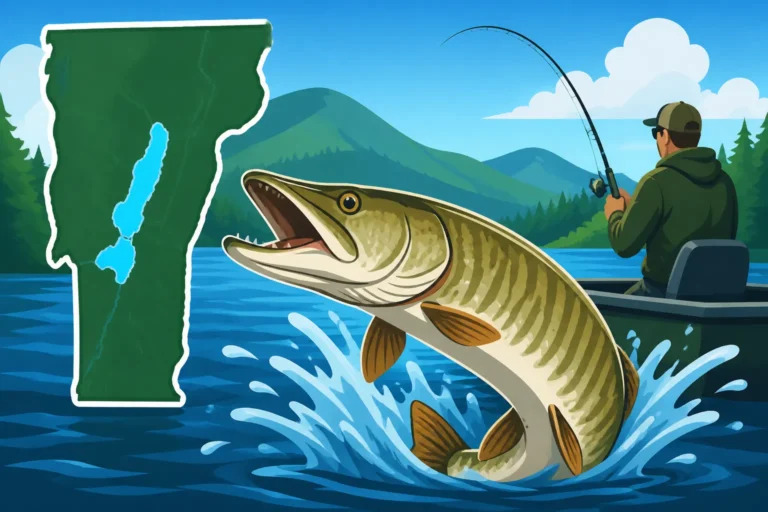
- Lake Memphremagog: Located on the northern border with Quebec, Lake Memphremagog is another gem. While famous for its muskellunge, it also holds a robust population of northern pike. The lake features numerous bays and coves with good weed growth and rocky structure, perfect for pike. Fishing near the mouths of tributaries or in the shallower, protected arms of the lake can be very productive. Lake Memphremagog Fishing Guide offers a more detailed look at this cross-border fishery.
- Lake Carmi: Up in Franklin County, Lake Carmi is known for its shallow, weedy nature, making it a classic pike lake. The abundance of vegetation provides excellent cover and forage. Anglers often find success working the edges of dense weed beds with weedless spoons or surface lures.
- Lake Bomoseen: In Rutland County, Lake Bomoseen is Vermont's third-largest lake and is known for a diverse fishery, including good pike numbers. It has a mix of shallow weedy areas, rocky points, and deeper sections. The various bays and inlets with submerged vegetation are prime targets.
- Harriman Reservoir: This large, elongated reservoir in southern Vermont offers some fantastic pike opportunities, especially in its shallower, more vegetated arms and coves. The irregular shoreline and diverse habitat make it a great place to explore.
These are just a few examples; many smaller ponds and even some state park lakes, especially those with ample weed growth and a good forage base, can hold pike. Always check the Vermont fishing regulations for specific rules on individual water bodies.
River Systems with Pike Populations
While lakes are often the primary focus for pike anglers, several river systems in Vermont also support thriving northern pike populations. Rivers offer a different kind of challenge and a unique fishing experience.
- Lamoille River: This river, especially its lower reaches as it flows towards Lake Champlain, is known for holding pike. The slower, deeper pools and oxbows, often lined with emergent vegetation, provide ideal ambush points. Kayak and canoe anglers can have a field day exploring these sections. Lamoille River Fishing Guide can offer more specific advice for this waterway.
- Missisquoi River: Similar to the Lamoille, the Missisquoi River's lower sections, particularly in the vicinity of Lake Champlain, are excellent for pike. The river meanders, creating numerous backwaters and side channels that are perfect pike habitat. Focus on slower currents, log jams, and dense weed beds.
- Otter Creek: Flowing through Addison County, Otter Creek is Vermont's longest river and another prime pike waterway. The river’s slow-moving sections and abundant aquatic vegetation create a fantastic environment for pike. Bank access can be good in many areas, and canoe or kayak fishing allows you to reach less pressured spots. Exploring Otter Creek Fishing Spots will provide more localized information.
- Poultney River: This river forms part of the border with New York and flows into Lake Champlain. Its lower stretches, particularly the expansive delta area before it empties into the lake, are classic pike territory with vast weed beds and shallow flats.
When fishing rivers for pike, pay close attention to current breaks, confluence points, and any significant changes in depth or cover. Pike will often position themselves just out of the main current, waiting for baitfish to be swept past them.
Strategies for Locating Pike in Specific Areas
Knowing where pike generally live is one thing, but pinpointing their exact locations within a chosen body of water requires a bit more finesse and strategic thinking. It's about breaking down the water into manageable sections and understanding how pike relate to different types of structure and cover.
Shoreline and Shallow Water Tactics
Many pike, especially smaller to medium-sized ones, and larger ones during cooler periods, will be found cruising in relatively shallow water, often very close to the shoreline. This makes them accessible to bank anglers, waders, and those fishing from smaller boats or kayaks.
When targeting shorelines, look for irregularities. A straight, featureless bank is far less likely to hold pike than a shoreline with a point, an indentation, a fallen tree, or a cluster of lily pads. Pike are ambush predators, and these features give them a place to hide and wait. Cast parallel to weed lines, letting your lure skirt the edge where the weeds meet open water. Pockets within weed beds can be dynamite, especially if they're slightly deeper or have some underlying structure. Amazon offers a wide selection of weedless lures that are perfect for fishing these snag-prone areas, allowing you to get your bait right into their living room without constantly getting hung up. For areas with sparse cover, long casts covering a lot of water with a search bait like a spoon or spinnerbait can help you locate active fish. Don't be afraid to cover water quickly until you get a strike, then slow down and thoroughly work that productive zone.
Open Water and Deep Structure Approaches
While shallow cover is crucial, bigger pike, especially during the hotter months, will often retreat to deeper, cooler water. This doesn't mean they're in the middle of a barren lake; it means they're relating to structure in deeper water.
Think about submerged humps, rock piles, deep weed lines, or even sharp drop-offs. Pike will position themselves at the top or along the sides of these structures, where they can easily move into shallower water to feed or retreat to deeper water when threatened. This is where a good fish finder becomes an invaluable tool. It allows you to identify these underwater features and mark baitfish schools that pike are likely to be shadowing. Trolling large crankbaits or spoons at various depths can be very effective for covering these open water structures. Using downriggers or lead core line can help you present your lures at the precise depth where pike are holding. Best Fish Finders for Vermont Lakes can help you choose the right electronics for this type of fishing. Pay attention to sudden changes in depth on your sonar screen, especially where these changes coincide with baitfish or bigger arcs that could be pike. Sometimes, a subtle depression or a slight rise in the bottom can hold a trophy pike waiting for an easy meal.
Gear and Tips for Northern Pike Success
Successfully finding northern pike in Vermont isn't just about knowing where they are; it's also about being prepared with the right tools and understanding how environmental factors can influence their behavior.
Essential Tackle and Lures
Pike are known for their sharp teeth and aggressive strikes, so your tackle needs to be up to the task.
- Rods and Reels: A medium-heavy to heavy action spinning or baitcasting rod, typically 6'6" to 7'6" in length, is ideal. This provides the backbone needed to cast larger lures and control powerful fish. Pair it with a sturdy reel spooled with 15-30 lb braided line, which offers strength and sensitivity.
- Leaders: This is perhaps the most crucial piece of tackle. Pike have razor-sharp teeth that will easily sever monofilament or fluorocarbon main lines. Always use a steel or heavy fluorocarbon leader (60-80 lb test) of at least 12-18 inches. Many anglers buy pre-made wire leaders, which are readily available on Amazon or at local bait shops.
- Lures: Pike are not particularly finicky and will hit a wide variety of lures.
- Spoons: Large, flashy spoons (like Daredevils or Five of Diamonds) in silver, gold, red/white, or chartreuse are perennial favorites. They cast well and have an irresistible wobble.
- Spinnerbaits: Heavy-duty spinnerbaits with large blades create a lot of flash and vibration, perfect for working through weeds.
- Jerkbaits/Crankbaits: Larger jerkbaits (5-8 inches) that suspend or dive to specific depths can be deadly. Choose colors that mimic local baitfish or vibrant patterns.
- Swim Baits: Soft plastic swimbaits, rigged weedless or on heavy jig heads, can imitate larger baitfish and tempt bigger pike.
- Live Bait: If legal (always check regulations), large shiners or suckers fished under a bobber or on a quick-strike rig are incredibly effective, especially when ice fishing. Best Tackle for Vermont Smallmouth Bass might overlap with some pike tackle, but pike often require larger, more robust options.
Remember to bring a pair of long-nose pliers or a hook-out tool for safe hook removal, and a sturdy landing net for handling these toothy critters. A glove for handling the fish can also be a good idea.
| Lure Type | Best Conditions | Pike Reaction |
|---|---|---|
| Spoons | Open water, weed edges, bright days | Flashy, erratic action triggers aggressive bites |
| Spinnerbaits | Weeds, stained water, low light | Vibration and flash through cover |
| Jerkbaits | Clearer water, points, depth changes | Erratic darting mimics fleeing baitfish |
| Swimbaits | Structure, deeper water, calm | Realistic profile, slow retrieve often effective |
| Live Bait | All conditions, especially ice | Natural movement, irresistible to hungry pike |
Reading the Water and Environmental Factors
Beyond understanding general pike habits, paying attention to real-time environmental cues can make a significant difference in your success.
- Water Clarity: Pike thrive in a range of water clarities, but excessively clear water can make them more wary. In clear water, consider using more natural baitfish patterns and making longer casts to avoid spooking them. In stained water, brighter, louder lures with more vibration tend to be more effective.
- Wind and Current: Wind creates chop on the surface, which can break up the light and make pike feel more comfortable moving into shallower water. It can also push baitfish, concentrating them into certain areas. Current, especially in rivers or connecting channels, provides excellent ambush points for pike. Fish the "down current" side of structures or eddies where pike can rest and wait for food.
- Barometric Pressure: Many experienced anglers swear by the effect of barometric pressure on fish activity. A rising or stable high-pressure system often means clear skies and can lead to slower fishing, while a falling barometer before a storm can trigger a feeding frenzy. While not always a hard and fast rule, it's something to keep in mind when planning your day.
- Time of Day: Like many predators, pike are often most active during low light conditions – dawn, dusk, or on overcast days. However, during cooler seasons or periods of high activity (like post-spawn or fall feeding binges), they can be aggressive all day long.
Always observe the water for signs of baitfish, diving birds, or even subtle disturbances on the surface that might indicate feeding activity. These small clues can often lead you right to a hungry pike. By combining your knowledge of pike habits with smart water reading and appropriate tackle, you'll be well on your way to finding and catching more northern pike in Vermont's fantastic waters.
Disclaimer
This article is for general informational purposes only and does not constitute professional advice. Laws, prices and regulations vary by location and change over time. Consult a qualified professional for guidance on your specific situation.