What a tiger trout is and whether they are in Vermont
Have you ever heard whispers about a "tiger trout" and wondered if such a uniquely patterned fish actually exists? Perhaps you've seen a stunning photo online and thought, "Could I ever catch something like that right here in Vermont?" It's a common point of curiosity for many anglers, especially when you see images of these distinctive fish with their striking, labyrinthine patterns. This guide is going to peel back the layers on this intriguing hybrid, explain exactly what a tiger trout is, and most importantly, answer the burning question of whether these elusive beauties are part of Vermont's diverse aquatic landscape.
What Exactly is a Tiger Trout?
Let's start by demystifying the tiger trout itself. This isn't just some fancy nickname given to a particularly colorful brook trout or brown trout. A tiger trout is a legitimate, albeit rare, hybrid fish that fascinates anglers with its unique appearance and robust fight. Understanding its origins helps to appreciate just how special (and uncommon) these fish truly are.
The Hybrid Origin Story
At its heart, a tiger trout is a sterile, intergeneric hybrid. That's a mouthful, I know! What it means in plain English is that it's a cross between two different species from two different genera: a female brown trout (Salmo trutta) and a male brook trout (Salvelinus fontinalis). Think of it like a mule – a hybrid of a horse and a donkey – typically sterile and born from two distinct parents. This natural cross is incredibly rare in the wild because brown trout prefer stream environments, and brook trout, while also stream dwellers, often occupy different niches or specific stretches, and their spawning times don't always perfectly align. When it does happen naturally, it's often a chance encounter in very specific habitats where their ranges overlap during spawning season.
Because natural hybridization is so infrequent, most tiger trout encountered by anglers are the result of deliberate efforts by fisheries managers. Hatcheries can carefully cross-fertilize brown trout eggs with brook trout milt. The resulting fry grow into these distinct tiger-striped fish. The reason for this hatchery intervention is often to create a unique sportfish or to utilize the hybrid vigor, which sometimes means faster growth or enhanced survivability in certain conditions, even if they can't reproduce themselves.
Distinctive Physical Characteristics
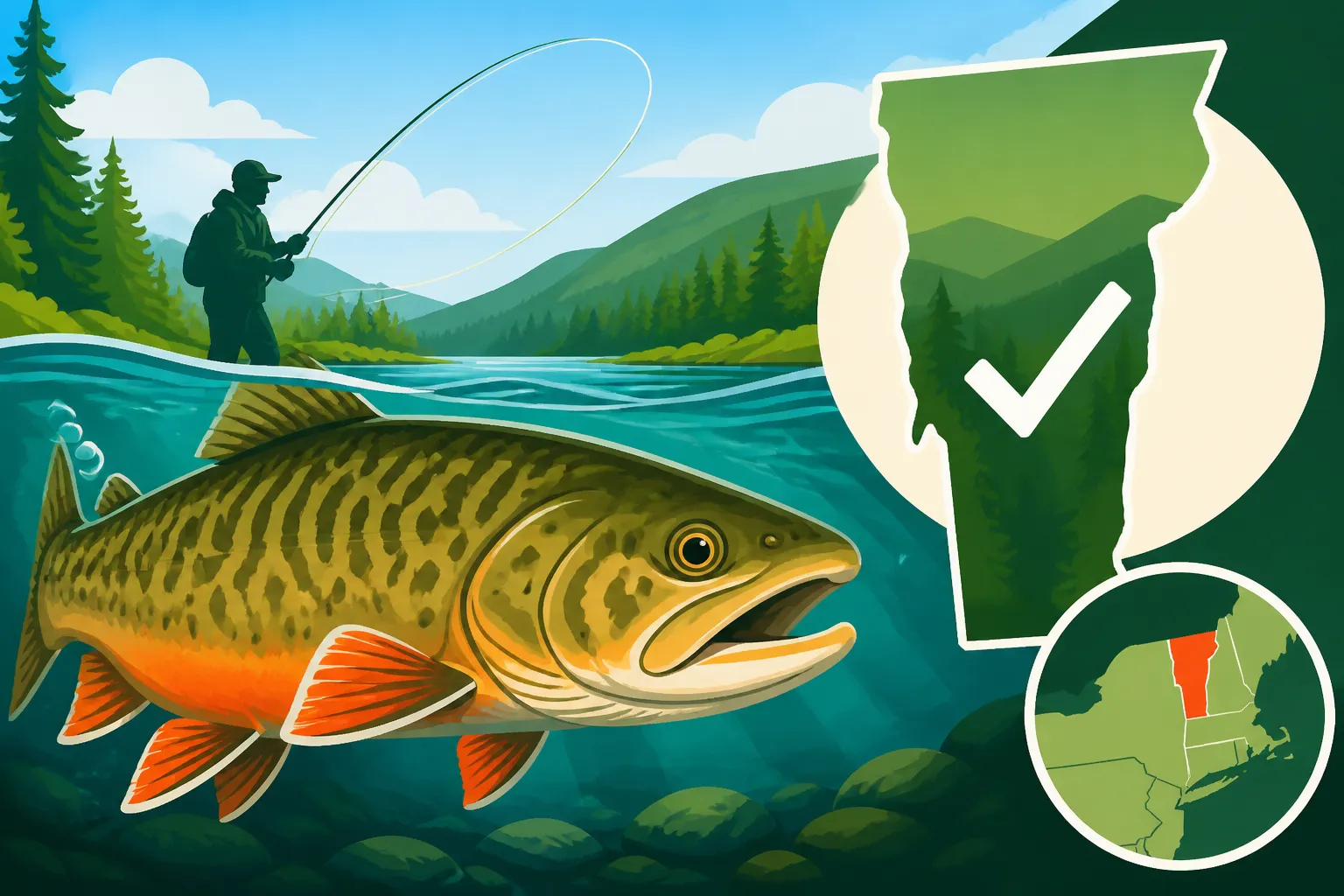
What makes a tiger trout so visually striking? It's all in the pattern! Their most notable feature is the intricate, worm-like (vermiculated) pattern that covers their entire body. These markings are dark and distinct, typically black or very dark brown, against a lighter, often yellowish-brown to olive-green background. Unlike the distinct spots you might find on a brown trout or the red and blue halos of a brook trout, the tiger trout's pattern looks almost like a topographical map or a maze.
Beyond the unique stripes, they generally have the body shape of a trout – torpedo-like and sleek. Their fins might carry some of the characteristic orange or reddish hues of a brook trout, often with a white leading edge on the pectoral, pelvic, and anal fins, though less pronounced than on a pure brook trout. Their mouths are typically larger, akin to a brown trout, hinting at their predatory nature. They also tend to have a more prominent jaw than a brook trout. These visual cues are what make them so instantly recognizable once you've seen one. You won't easily mistake it for another species after you've looked closely at their unique camouflage.
Unique Behavioral Traits
Tiger trout are often described as aggressive and hard-fighting, inheriting some of the feistiness from both parent species. From the brown trout, they get a tendency to be a bit more elusive and wary, especially as they grow larger. From the brook trout, they inherit a willingness to chase down prey. This combination makes them a thrilling target for anglers. They are typically predatory, feeding on smaller fish, insects, and crustaceans, much like a brown trout. Their sterile nature means they don't expend energy on reproduction, which some theories suggest allows them to put more energy into growth, though their growth rates can vary widely depending on their environment and available forage.
Because they are sterile, they don't participate in spawning runs like their parent species. This can sometimes mean they'll hold in a particular area for longer periods, making them a bit more predictable for anglers who know their habits. They adapt well to cold, oxygen-rich waters, similar to other trout species, often thriving in lakes and larger streams where they can find ample food and cover.
Are Tiger Trout Found in Vermont?
This is the million-dollar question for Vermont anglers, and it's where we need to get specific. While they are a fascinating fish, the answer for Vermont is generally: no, not typically, and certainly not as part of any official stocking program.
Vermont's Stocking Program (or lack thereof)
Unlike some other states in the U.S. that actively stock tiger trout to diversify their fisheries or offer a unique angling experience, the Vermont Fish and Wildlife Department does not include tiger trout in its stocking plans. Vermont's fisheries management focuses primarily on stocking native brook trout, as well as naturalized brown trout and rainbow trout, to support angling opportunities in appropriate waters. You can learn more about these efforts in guides like Vermont Trout Season and Stocking Rules or by using the Vermont Fish Stocking Search Tool, Explained to see what's being put into specific waters.
The decision not to stock tiger trout usually comes down to several factors:
- Focus on Native Species: Vermont has a strong commitment to its native brook trout populations and the natural integrity of its ecosystems. Introducing a hybrid, even if sterile, might not align with this conservation philosophy, especially when resources are dedicated to enhancing existing fisheries.
- Ecological Niche: There's also the question of whether tiger trout would truly thrive or compete with other stocked or wild trout species in Vermont's specific aquatic environments.
- Limited Demand/Necessity: With a healthy program of stocking brown, rainbow, and brook trout, there may not be a perceived need to introduce another, non-reproducing hybrid species. The existing trout populations already provide excellent fishing opportunities.
So, if you're checking the official stocking schedules, you won't find "tiger trout" listed for any Vermont lakes or streams.
Accidental Sightings and Wild Crosses
While Vermont doesn't stock them, could a tiger trout ever turn up? It's highly, highly unlikely, but not entirely impossible in the realm of natural phenomena. As we discussed, a tiger trout is a natural cross between a brown trout and a brook trout. If conditions were absolutely perfect – meaning a male brook trout and a female brown trout spawned in the same area at the same time, and their eggs and milt mixed just right – a natural tiger trout could theoretically occur. However, given the rarity of this happening naturally and the distinct habitat preferences and spawning timing differences between the two parent species, the chances of encountering a wild-born tiger trout in Vermont are astronomically low.
Any report of a tiger trout in Vermont would likely be met with great scientific interest, as it would be an extremely rare event. It's more probable that an angler might mistake a particularly uniquely patterned brown trout or brook trout for a tiger trout. Sometimes, individual fish within a species can display unusual markings that might resemble the vermiculated patterns of a tiger trout, especially if they're a bit older or have unique genetics. This is why careful identification, often aided by genetic testing in scientific cases, is crucial. For anglers, knowing the subtle differences, as covered in Trout Species Identification Guide for Vermont, can help clear up any confusion.
Why Some States Stock Them (and others don't)
It's helpful to understand why other states do stock tiger trout. Often, it's for novelty and to create a "trophy" fishery. Because tiger trout are sterile, they dedicate all their energy to growing large, which can be very appealing to anglers seeking a big catch. They also often exhibit a strong fight, making them a fun sportfish. Some states use them in waters where other trout species might struggle, hoping the hybrid vigor gives them an edge.
For instance, a state might stock tiger trout in waters that have issues with specific diseases that affect one parent species, or to control abundant forage fish. Their inability to reproduce is seen as a benefit in some management strategies, as they won't overpopulate a system or hybridize with existing wild populations, maintaining genetic purity of native fish. However, for a state like Vermont, which has robust and well-managed populations of its primary trout species, the perceived benefits of stocking tiger trout might not outweigh the costs or fit into the overall conservation strategy.
Fishing for Tiger Trout (If You Ever Get the Chance)
While you won't be targeting tiger trout in Vermont, it's fun to know how you'd approach them if you were fishing in a state where they are stocked. Thinking about these techniques can also improve your general trout fishing skills, especially for aggressive brown trout.
Preferred Habitats and Feeding Habits
Tiger trout, like their parent species, prefer cold, clear, oxygenated water. They are often found in lakes, ponds, and larger rivers that have ample cover like submerged logs, rocks, undercut banks, and weed beds. In lakes, they might cruise drop-offs, points, and areas near inlets and outlets. In rivers, they'll hold in deeper pools, behind structure, or in areas with current breaks.
Their diet is primarily carnivorous. They're opportunistic predators, meaning they'll eat what's available. This often includes aquatic insects (nymphs, larvae, emergers, adults), terrestrial insects (grasshoppers, ants), crustaceans (crayfish), and, crucially, smaller baitfish. As they grow larger, they tend to become more piscivorous (fish-eating), making them a target for anglers using larger streamers and lures. Understanding the forage base in a particular water body is key to successful tiger trout fishing.
Recommended Gear and Techniques
If you were venturing out to specifically target tiger trout in a state where they are stocked, you'd want gear similar to what you'd use for brown trout, perhaps a bit on the heavier side.
For spin fishing, medium-light to medium action rods, around 6-7 feet, paired with a reliable spinning reel spooled with 6-10 lb test monofilament or fluorocarbon line would be a good starting point. Lures that mimic baitfish are excellent choices:
- Inline Spinners: Brands like Mepps or Panther Martin in silver, gold, or brass.
- Small Crankbaits: Minnow-imitating crankbaits in natural colors (silver, perch, brown trout patterns) that dive to various depths.
- Spoons: Casting or trolling spoons in metallic finishes, especially those with a wobble.
- Jigs: Small bucktail jigs or soft plastic swimbaits rigged on jig heads can be very effective, especially bounced along structure.
For fly fishing, a 5-7 weight fly rod is appropriate, depending on the size of the water and fish you expect. A floating line with a 9-foot tapered leader for nymphing and dry flies, or a sink-tip/full-sinking line for streamers, would be versatile.
- Streamers: Patterns that imitate baitfish are often the most productive. Think Woolly Buggers (black, olive, brown), Clouser Minnows, or D&D's. Large attractor patterns can also provoke strikes.
- Nymphs: For active feeding on insects, stonefly nymphs, Caddis larvae, or Pheasant Tail nymphs can work.
- Dry Flies: While less common for targeting large, aggressive tiger trout, if there's a significant hatch, they will certainly rise to large terrestrial patterns like hoppers or Chernobyl Ants.
When selecting gear, whether it's specific fly patterns or a robust tackle box setup, many anglers often browse large online retailers. You might find specialty items on Amazon, for example, to round out your arsenal.
Catch and Release Best Practices
Because tiger trout are often stocked as a unique angling opportunity, and certainly if you ever encountered a wild one, practicing responsible Catch and Release Fly Fishing Only Waters or other catch and release principles is paramount.
- Minimize Fight Time: Bring the fish in quickly but gently to reduce stress.
- Wet Hands: Always wet your hands before touching the fish to protect its delicate slime coat, which is vital for disease resistance.
- Use Barbless Hooks: Barbless hooks make removal much easier and faster, minimizing injury. If you don't have barbless, crimp down the barb on your existing hooks with pliers.
- Keep it in Water: Keep the fish in the water as much as possible, especially during hook removal and photos. If you must lift it, support its full body weight horizontally.
- Revive Properly: Hold the fish gently facing into a current until it swims away under its own power. Don't simply toss it back; ensure it's strong enough to recover. A good landing net designed for catch and release can be invaluable here.
Why the Fascination with Tiger Trout?
So, why do these unique hybrids capture the imagination of anglers and fisheries managers in other regions? It’s not just their striking looks; there’s a deeper appeal.
Their Appeal to Anglers
For many anglers, the tiger trout represents a "holy grail" or a bucket-list fish. Their rarity, combined with their aggressive nature and beautiful, distinct patterns, makes catching one a truly memorable experience. It’s a trophy fish in every sense of the word, standing out from the more common trout species. The challenge of finding and hooking such an elusive and hard-fighting fish is a huge part of its allure. When you look at pictures of the vibrant stripes, it’s easy to see why someone would want to spend time trying to bring one to the net. The sense of achievement from landing a fish that few others have seen, let alone caught, is a powerful draw.
Moreover, their predatory instincts mean they often respond well to active fishing techniques like casting lures or stripping streamers, which many anglers find incredibly engaging. They’re not just sitting there waiting for a worm; they’re actively hunting, which requires different skills and tactics.
Conservation Considerations
While tiger trout offer exciting angling, their place in conservation is often debated. On one hand, the fact that they are sterile means they cannot interbreed with native populations, which is a significant advantage over stocking fertile non-native species that could dilute local genetics. This makes them a "safe" option for creating a unique fishery without long-term genetic impacts.
However, even sterile fish can have ecological impacts. They still consume food resources and occupy habitat, potentially competing with native fish for sustenance or space. For states like Vermont that prioritize wild and native fisheries, adding a hybrid might be seen as an unnecessary complication or a diversion of resources from more pressing conservation goals, such as protecting the habitat of Brook Trout: Vermont's Native Trout or managing the populations of Vermont Landlocked Salmon Regulations. Each state's fishery management approach reflects its unique ecological conditions and conservation philosophy.
To put it all in perspective, here's a quick comparison of tiger trout with its parent species:
| Feature | Tiger Trout | Brown Trout | Brook Trout |
|---|---|---|---|
| Scientific Name | Salmo trutta x Salvelinus fontinalis | Salmo trutta | Salvelinus fontinalis |
| Origin | Hybrid (Brown x Brook) | Europe/Asia (naturalized in VT) | Native to Eastern North America |
| Appearance | Dark, maze-like vermiculations | Dark spots, some red/haloed | Light spots, red/blue halos, vermiculations on back |
| Coloration | Yellowish-brown to olive-green | Golden-brown to silvery | Dark green/brown, reddish belly |
| Spawning | Sterile, cannot reproduce | Fall spawners | Fall spawners |
| Growth Potential | Can grow large, often aggressive | Excellent, can reach trophy size | Moderate, less than brown trout |
| Primary Diet | Fish, insects, crustaceans | Fish, insects, crustaceans | Insects, small fish, crustaceans |
| Vermont Stocking | No | Yes (often) | Yes (often) |
In conclusion, while the tiger trout is an incredibly unique and beautiful fish, you won't typically find them swimming in Vermont's waters as part of any official management program. Vermont's focus remains on sustaining its traditional trout populations and maintaining the ecological balance of its cherished fishing spots. So, when you're out on a Vermont stream, you can confidently identify those brown-spotted beauties as brown trout and the vibrant, red-spotted ones as brook trout, knowing you're engaging with the rich, natural heritage of the Green Mountain State.
Disclaimer
This article is for general informational purposes only and does not constitute professional advice. Laws, prices and regulations vary by location and change over time. Consult a qualified professional for guidance on your specific situation.