Which Vermont waters have fish consumption advisories
There's nothing quite like the satisfaction of catching your own dinner, but for many anglers in Vermont, a nagging question often surfaces: "Is this fish safe to eat?" It's a valid concern, and navigating the complexities of fish consumption advisories can feel like trying to read a map in the dark. This guide aims to shine a light on where these advisories exist in Vermont, what they mean for you and your family, and how you can confidently enjoy the bounty of our beautiful waters while making informed choices.
Understanding Fish Consumption Advisories in Vermont
For generations, Vermonters have enjoyed fish fresh from our lakes and rivers. It’s part of our heritage, a connection to the land and water that runs deep. But the world changes, and with it, the careful monitoring of our natural resources evolves. Fish consumption advisories aren't there to scare you away from fishing; they're a proactive measure, a safety net put in place by dedicated environmental and health professionals to ensure that the fish we eat remains a healthy and beneficial part of our diet. Think of it as knowing the speed limit on a tricky stretch of road – it’s about safe navigation, not stopping your journey.
What These Advisories Mean for Anglers
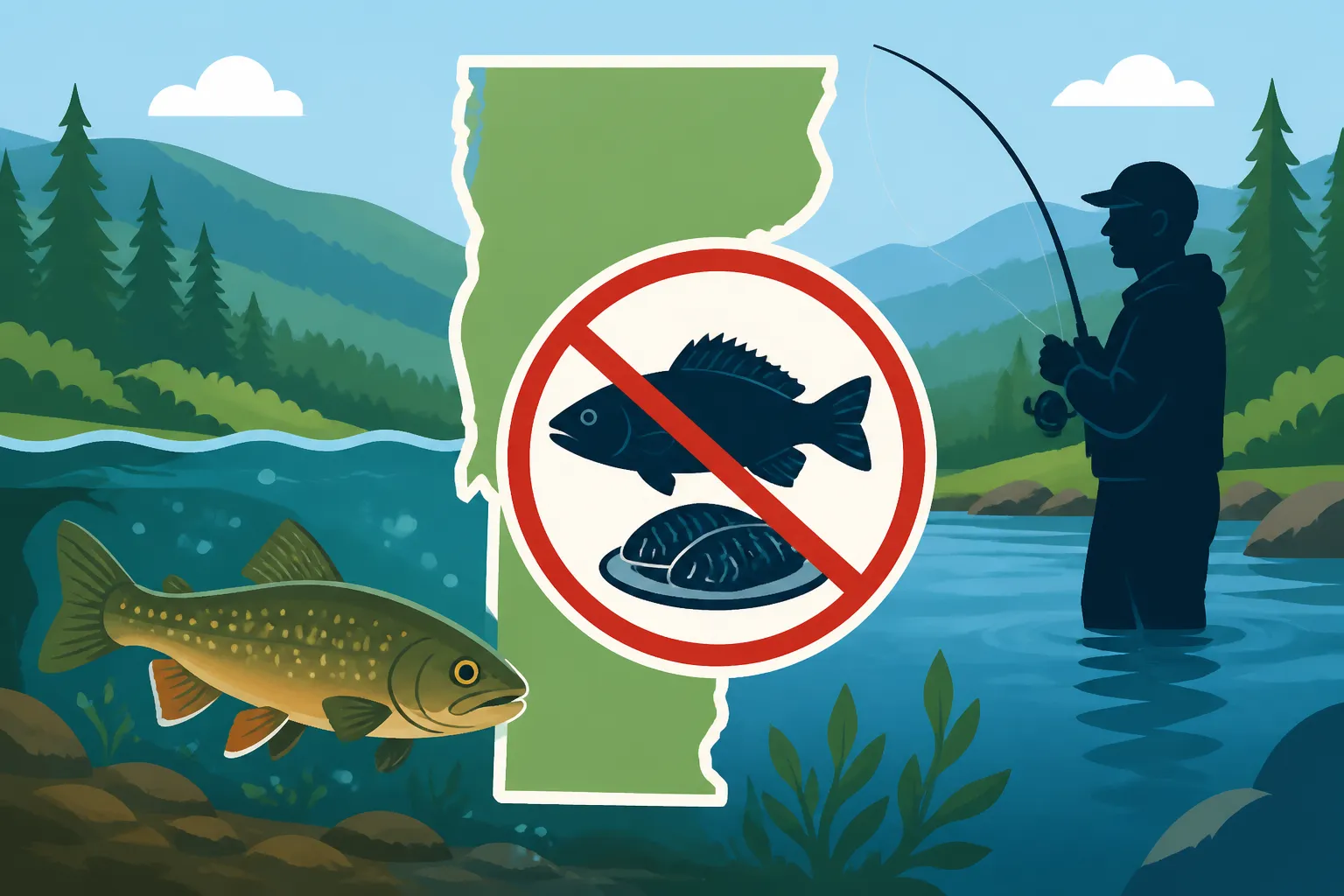
At its core, a fish consumption advisory is a recommendation about how much of a certain type of fish from a specific body of water is safe to eat. These aren't blanket bans, and they're definitely not a judgment on your fishing skills! Instead, they're carefully crafted guidelines, often varying based on the type of fish, its size, and who will be eating it. For example, a healthy adult might have different recommendations than a pregnant woman or a young child.
The crucial part is understanding that these advisories are based on scientific studies of contaminants that can accumulate in fish tissue over time. Common culprits in Vermont, like in many regions, include mercury and polychlorinated biphenyls (PCBs). These substances don't just disappear, and fish, being part of the ecosystem, can absorb them. The advisories help us balance the nutritional benefits of fish (hello, omega-3s!) with the potential risks of consuming too many contaminants. It means we can still enjoy our catch, but perhaps with a bit more mindfulness about quantity and frequency. You'll find that many of these advisories are outlined in the annual Vermont Fishing Regulations Explained guide.
The Science Behind the Warnings: Why Fish Can Be Affected
When we talk about contaminants like mercury, we're often looking at a long, complex journey. Mercury, for instance, enters our environment from various sources, sometimes from faraway industrial emissions that travel through the air and settle into our waters. Once in the water, microorganisms convert it into methylmercury, a form that readily enters the food chain.
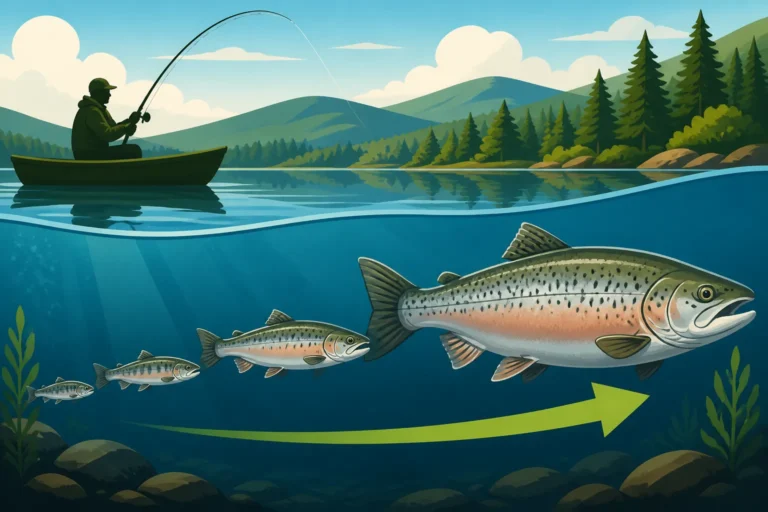
Small organisms eat it, then small fish eat those organisms, and larger predatory fish eat the smaller fish. With each step up the food chain, the concentration of methylmercury in the fish's tissue can increase – a process called bioaccumulation and biomagnification. This is why you often hear that larger, older predatory fish like walleye or lake trout are more likely to have higher levels of mercury than smaller, shorter-lived species like perch.
PCBs have a similar story. While their use was largely banned decades ago, these industrial chemicals are incredibly persistent in the environment. They settle into sediments and can be absorbed by organisms, again making their way up the food chain. PCBs tend to accumulate in the fatty tissues of fish, which is why some advisories also include recommendations for how to trim and prepare your fish to reduce exposure. It's all about minimizing potential risk while still allowing us to enjoy the traditions and rewards of fishing in Vermont.
Specific Vermont Waters and Species Under Advisory
Vermont is blessed with an abundance of diverse waterways, from the vast expanse of Lake Champlain to countless smaller lakes, ponds, and winding rivers. It's important to remember that not all waters have the same advisories, and what applies to one lake might not apply to another just a few miles away. This isn't because some waters are inherently "dirtier," but because contaminant levels can be influenced by local geology, historical industrial activity, and the specific fish species present. The Vermont Department of Health, in cooperation with the Vermont Fish & Wildlife Department, regularly monitors these waters and updates their advisories to provide the most current information. Checking their official website is always your best bet.
Navigating Lake Champlain's Guidelines
Lake Champlain, being Vermont's largest and most iconic body of water, naturally receives significant attention when it comes to fish consumption advisories. Because of its size, depth, and the variety of species it supports, advisories for Lake Champlain are often detailed and specific. Anglers targeting popular species like walleye, lake trout, and even some bass species should pay close attention.
For example, you might find advisories recommending limited consumption of larger lake trout or walleye due to mercury levels, especially for sensitive populations. Similarly, some areas might have specific concerns related to PCBs, particularly for fish that tend to accumulate these in their fats. The advisories usually break down recommendations by specific fish species and size ranges, sometimes even by general location within the lake (though often Lake Champlain is treated as a single entity for advisory purposes). If you're planning a trip to the big lake, make sure you're up-to-date on Vermont Lake Champlain Fishing Rules and the specific consumption advice for your target species. Learning about Walleye Fishing on Lake Champlain or Lake Trout Fishing in Vermont should always go hand-in-hand with understanding consumption guidelines.
Other Notable Vermont Lakes and Rivers
Beyond Lake Champlain, several other Vermont waters have advisories in place. These can vary greatly, with some smaller, more remote waters having no advisories, while others might have specific recommendations for certain species. For instance, you might find advisories for some larger, deeper lakes that hold lake trout or other longer-lived predatory species, due to mercury. Rivers that have historically been near industrial sites might have advisories for species that reside in those areas, potentially due to legacy PCB contamination.
It's a really good idea to check the Vermont Department of Health's current list of advisories before you head out, especially if you're exploring a new body of water or planning to keep some fish for dinner. While many smaller trout streams and ponds might be free of specific advisories, the larger and more heavily used waterways are where you'll most often find these important guidelines. This information is readily available on their official website, making it easy to check on your phone or print out a copy before you go.
Species-Specific Concerns: Walleye, Lake Trout, and More
As discussed earlier, the type of fish you catch plays a huge role in consumption advisories. Generally speaking, larger, older, and more predatory fish tend to accumulate higher levels of contaminants like mercury. Here's a quick overview of why certain species often show up on advisory lists:
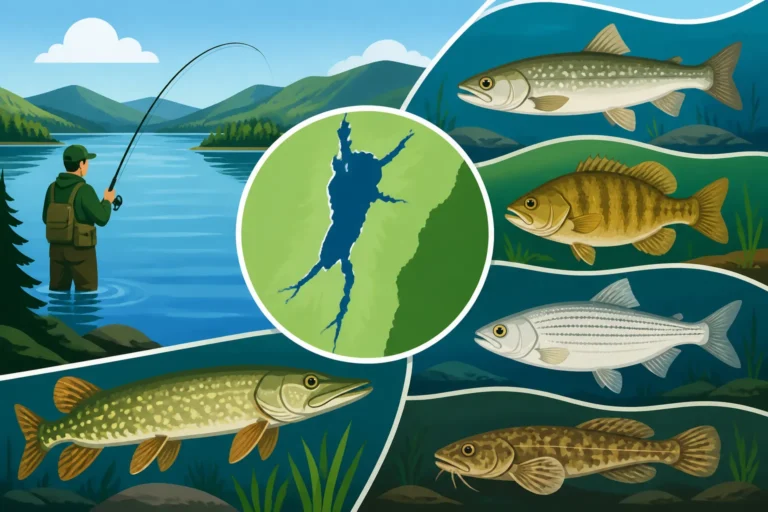
- Walleye: These popular game fish are efficient predators and can live for many years. Their diet often consists of smaller fish, leading to a higher potential for mercury accumulation, especially in larger individuals. This is why Lake Champlain walleye are often under specific advisories.
- Lake Trout: Another long-lived predator found in Vermont's deeper, colder lakes. Like walleye, their position at the top of the food chain means they can accumulate significant levels of mercury over their lifespan.
- Northern Pike and Chain Pickerel: These aggressive predators also feed on smaller fish, and larger specimens can also be subject to advisories due to mercury.
- Bass (Largemouth and Smallmouth): While generally less affected than walleye or lake trout, larger bass, particularly from certain waters, can also accumulate mercury. It's always wise to check for specific local advisories.
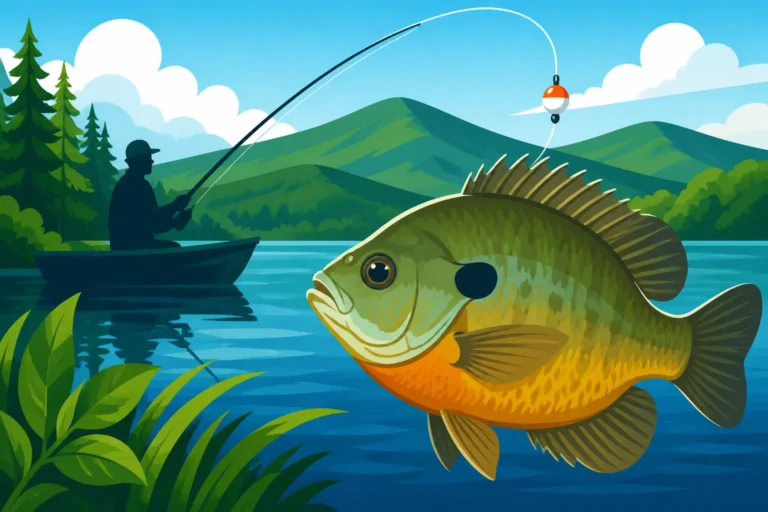
- Panfish (Perch, Bluegill, Crappie): Generally, smaller panfish are considered safer to eat more frequently because they are lower on the food chain and typically don't live as long. They accumulate fewer contaminants. However, even for panfish, advisories might exist for very large individuals or if they come from a highly contaminated local spot. If you're interested in Panfish Fishing in Vermont, you'll usually find these to be a safer bet for more frequent meals.
It's important to understand that advisories are about reducing risk, not eliminating fish from your diet. Fish are an excellent source of protein and healthy fats. The goal is to make smart choices.
Here’s a simplified table illustrating the types of advice you might encounter for common Vermont species. Remember, these are general patterns; always consult the current Vermont Department of Health advisories for precise, up-to-date guidance.
| Fish Species (Common in Vermont) | General Risk Factor | Typical Advisory Considerations | Affected Waters (Examples) |
|---|---|---|---|
| Walleye | Higher (Mercury) | Limit consumption, especially for larger fish and sensitive groups. | Lake Champlain, specific larger lakes |
| Lake Trout | Higher (Mercury) | Limit consumption, particularly for larger fish and sensitive groups. | Lake Champlain, deep cold lakes like Willoughby |
| Northern Pike | Moderate to Higher (Mercury) | Limit consumption of larger fish for all groups. | Various larger lakes and rivers |
| Largemouth/Smallmouth Bass | Moderate (Mercury) | Limited consumption for larger fish; varies by water body. | Lake Champlain, various lakes |
| Chain Pickerel | Moderate (Mercury) | Limit consumption of larger fish for all groups. | Ponds, slow rivers, shallow lakes |
| Yellow Perch | Lower (Mercury) | Generally considered safer for more frequent consumption. | Most Vermont lakes and ponds |
| Black Crappie / Bluegill | Lower (Mercury) | Generally considered safer for more frequent consumption. | Most Vermont lakes and ponds |
| Brook/Rainbow/Brown Trout | Lower (Mercury) | Generally considered safer, especially from streams/rivers or regularly stocked ponds. | Streams, rivers, stocked ponds |
Practical Steps for Safe Fish Consumption and Staying Informed
Understanding the advisories is the first step, but what about practical, day-to-day choices? As someone who loves to fish and share their catch, I've learned a few tricks to enjoy fresh Vermont fish confidently. It’s about being mindful, not paranoid. We want to celebrate the joy of fishing, not complicate it!
Smart Choices at the End of Your Line
Making smart decisions actually starts before you even cast. Here are a few things to keep in mind:
- "Eat Smaller, Younger Fish": This is often the golden rule when it comes to mercury. Smaller, younger fish haven't had as much time to accumulate contaminants. If you're targeting a species known to have advisories for larger individuals, consider keeping fish on the smaller end of the legal slot. This is a great way to enjoy your catch more often.
- Diversify Your Catch: Don't just focus on one species, especially if it's a predatory one. If you love walleye, balance it out with some panfish like perch or crappie from other trips. Exploring different species not only broadens your culinary horizons but also helps spread out potential exposure to any single contaminant. Try out some Best Techniques for Panfish in Vermont!
- Check the Water Body: As we've discussed, advisories are water-body specific. A walleye from Lake Champlain might have a different recommendation than a walleye from a smaller, less-impacted lake, if indeed it even holds walleye. Always double-check the specific water you're fishing.
- Consult the Experts: The Vermont Department of Health and the Vermont Fish & Wildlife Department are your best resources. They work hard to gather and disseminate this information. Don't hesitate to give the Fish & Wildlife Department's customer service line a call if you have specific questions – they are usually very helpful. You might also find valuable insights in the official Reading the Vermont Fishing Regulations Guide.
Preparing Your Catch to Minimize Risk
For contaminants like PCBs, which tend to accumulate in fatty tissues, how you prepare your fish can make a difference. Mercury, unfortunately, is uniformly distributed throughout the muscle tissue, so cooking methods don't reduce its levels. However, for PCBs, consider these preparation tips:
- Trim Away Fat: When filleting your fish, trim off the fatty areas. This includes the belly flap, the dark meat along the lateral line, and the skin. These are the areas where PCBs are most likely to concentrate.
- Remove Skin: Skin can also hold contaminants, so removing it before cooking is a good practice, especially for fattier fish.
- Broil, Bake, or Grill: Cooking methods that allow fats to drip away, such as broiling, baking, or grilling on a rack, can help reduce PCB levels in the remaining fish. Avoid frying with the skin on, as this can seal in contaminants.
These are simple steps that can offer an extra layer of peace of mind when you're preparing your hard-earned catch.
How to Stay Up-to-Date on Advisories
The world of environmental health is always evolving, and so too are fish consumption advisories. New research emerges, monitoring programs expand, and sometimes contaminant levels can change over time. It’s crucial to make it a habit to check for the latest information before you plan to eat your catch.
- Vermont Department of Health Website: This is your primary source. Their website will have the most current and detailed advisories, often presented in easy-to-understand formats. Bookmark it on your phone or computer.
- Vermont Fish & Wildlife Department: While the Department of Health issues the advisories, the Fish & Wildlife Department often links to them and provides complementary information in their annual regulation guides. Their website is also a treasure trove of information, and they are usually the first to know about changes to specific lakes, rivers, or species populations.
- Local Fishing Clubs and Forums: While not official sources, local fishing communities are often very tuned into what's happening on their waters. They can be a great place to hear about updates or specific concerns in real-time, prompting you to go check the official sources. Many experienced anglers keep a waterproof copy of the latest regulations and health advisories in their tackle box or boat bag, often purchased conveniently from retailers like Amazon.
- Sign Up for Alerts: Some state agencies offer email or text alerts for environmental health notices. See if the Vermont Department of Health offers such a service to get updates delivered directly to you.
Staying informed empowers you to make the best choices for your health and to continue enjoying the fantastic fishing opportunities Vermont offers. It's about being a responsible angler, knowing your waters, and cherishing the wholesome experience of harvesting your own food.
Disclaimer
This article is for general informational purposes only and does not constitute professional advice. Laws, prices and regulations vary by location and change over time. Consult a qualified professional for guidance on your specific situation.