How fast landlocked salmon grow in Vermont lakes
There's a special kind of magic that comes with pursuing landlocked salmon in Vermont's deep, cold lakes. These powerful, silver-sided beauties are truly a prize, and it's natural to wonder how these magnificent fish manage to reach impressive sizes in our waters. Understanding how fast landlocked salmon grow isn't just a matter of curiosity; it helps us appreciate the intricate ecosystems they inhabit and informs our strategies as anglers. This guide is dedicated to pulling back the curtain on the growth trajectory of landlocked salmon, exploring the myriad factors that influence their development from tiny smolt to formidable adults.
Understanding Landlocked Salmon in Vermont's Waters
Before we dive into the nitty-gritty of growth rates, let's take a moment to appreciate what makes Vermont's landlocked salmon so captivating. Unlike their anadromous Atlantic salmon cousins who migrate to the ocean, these fish spend their entire lives confined to freshwater lakes, relying entirely on the local ecosystem for survival and growth. They are a testament to adaptation, thriving in the cold, clear waters that mirror the oceanic conditions their ancestors once experienced. In Vermont, these fish represent a significant conservation success story and a challenging, rewarding target for anglers.
The Life Cycle of a Vermont Landlocked Salmon
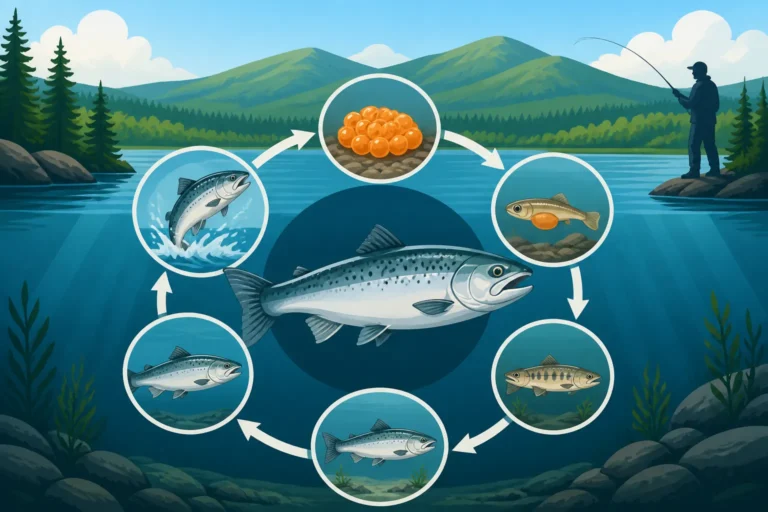
The journey of a landlocked salmon in Vermont begins in the cold, gravelly beds of tributary streams, usually in the fall. After hatching in early spring, the tiny alevins, then fry, spend a year or two in these natal streams, growing into parr (small, camouflaged juveniles). This stream-dwelling phase is critical, as they feed on aquatic insects and begin to develop the strength needed for their next great migration.
Once they reach a certain size, usually around 5-7 inches, they undergo a physiological transformation known as smoltification. Their bodies change to adapt to saltwater-like conditions, and they develop a silvery sheen. This is their signal to migrate downstream into the larger, colder lake environments. This move is a huge leap of faith, fraught with predators and new challenges, but it marks the beginning of their rapid growth phase as they tap into the lake's abundant food sources. Many anglers are curious about the complete Landlocked Salmon Life Cycle in Vermont Lakes, and it truly is a fascinating journey.
Key Vermont Lakes for Landlocked Salmon
Vermont is home to several spectacular lakes that offer prime habitat for landlocked salmon, each contributing to their growth in unique ways. Lake Willoughby, with its incredible depth and crystal-clear, oxygen-rich water, is a prime example. The pristine conditions and abundant forage here allow salmon to grow to impressive sizes, making it a bucket-list destination for many anglers seeking these powerful fish.
Lake Champlain, while more renowned for its diverse fishery, also supports a population of landlocked salmon, especially in its deeper, colder sections. Other notable lakes like Seymour Lake and Lake Dunmore also play vital roles, often benefiting from stocking programs that supplement wild populations. Each of these lakes presents different challenges and opportunities for salmon to feed and grow, influencing their overall health and size. If you're looking for where to find these beauties, checking out a Lake Willoughby Fishing Guide or exploring other Best Fishing Lakes in Vermont will be a great start.
Factors Influencing Landlocked Salmon Growth Rate
The speed at which a landlocked salmon grows is not a simple, fixed number. It's a complex interplay of environmental conditions, food availability, genetics, and population dynamics. Imagine trying to grow a garden; the soil, water, sunlight, and even how many plants are in the bed all affect how quickly and robustly each plant develops. It's much the same for these fish.
Forage Base and Diet
Hands down, the single most critical factor in how fast landlocked salmon grow is the availability and quality of their food source. These fish are predators, and in Vermont's lakes, their primary diet revolves around smaller schooling baitfish, with rainbow smelt being the absolute king. Smelt are packed with protein and fat, providing the high-energy fuel salmon need to pack on pounds rapidly.
When a lake has a robust and healthy smelt population, landlocked salmon can grow quite quickly. Conversely, if the smelt population is struggling due to environmental factors, over-predation, or disease, the salmon will grow much slower, appear leaner, and may not reach their full genetic potential. Think of it like a bodybuilder; without enough quality protein, they simply won't bulk up. The presence of other forage fish like alewives or even insect larvae in their younger years also plays a role, but smelt are the main driver for adult growth. Knowing What lures imitate the smelt landlocked salmon eat can definitely give you an edge when targeting them!
Water Quality and Habitat
Cold, clean, and well-oxygenated water is non-negotiable for landlocked salmon. They are coldwater species, meaning they thrive in water temperatures generally below 65°F (18°C) and require ample dissolved oxygen. Lakes that stratify deeply, maintaining cold, oxygen-rich layers even in the heat of summer, provide ideal conditions for salmon to feed and grow comfortably.
Poor water quality, such as elevated temperatures, low dissolved oxygen, or increased turbidity from pollution, can stress salmon, making them less efficient at feeding and more susceptible to disease. This stress directly translates to slower growth rates. A healthy, pristine habitat allows the fish to allocate more energy to growth rather than simply surviving. The deep, clear waters of Lake Willoughby, for instance, offer precisely the kind of habitat where these fish flourish.
Genetic Factors and Stocking Programs
Just like people, individual fish have genetic predispositions that can influence their potential growth rate and maximum size. Some strains of salmon might naturally grow larger or faster than others. In Vermont, many of our landlocked salmon fisheries are supported by robust stocking programs, where fish hatched and raised in hatcheries are released into lakes.
The genetic strain of the stocked fish, combined with the conditions they encounter after release, can impact their growth. Hatchery-raised fish often have a head start, but their long-term growth is still heavily dependent on the lake's forage and habitat. Wild-spawned salmon, on the other hand, are products of natural selection and typically exhibit strong, efficient growth within their environment. Understanding these dynamics helps the Vermont Fish & Wildlife Department manage populations effectively. You can learn more about how they manage these resources by checking out the Vermont Fish Stocking Search Tool, Explained.
Population Density and Competition
The number of salmon in a given lake also plays a significant role in individual fish growth. If a lake is "overpopulated" relative to its food supply, there will be intense competition for scarce resources. This increased competition means each fish gets less food, leading to slower growth rates and generally smaller average sizes across the population.
Conversely, in lakes where the salmon population is in balance with the forage base, individual fish have more access to food and can grow much faster and larger. Managing this balance is a continuous challenge for fisheries biologists, who often use stocking rates and harvest regulations to maintain a healthy ecosystem where fish can reach their potential.
Typical Growth Trajectories in Vermont Lakes
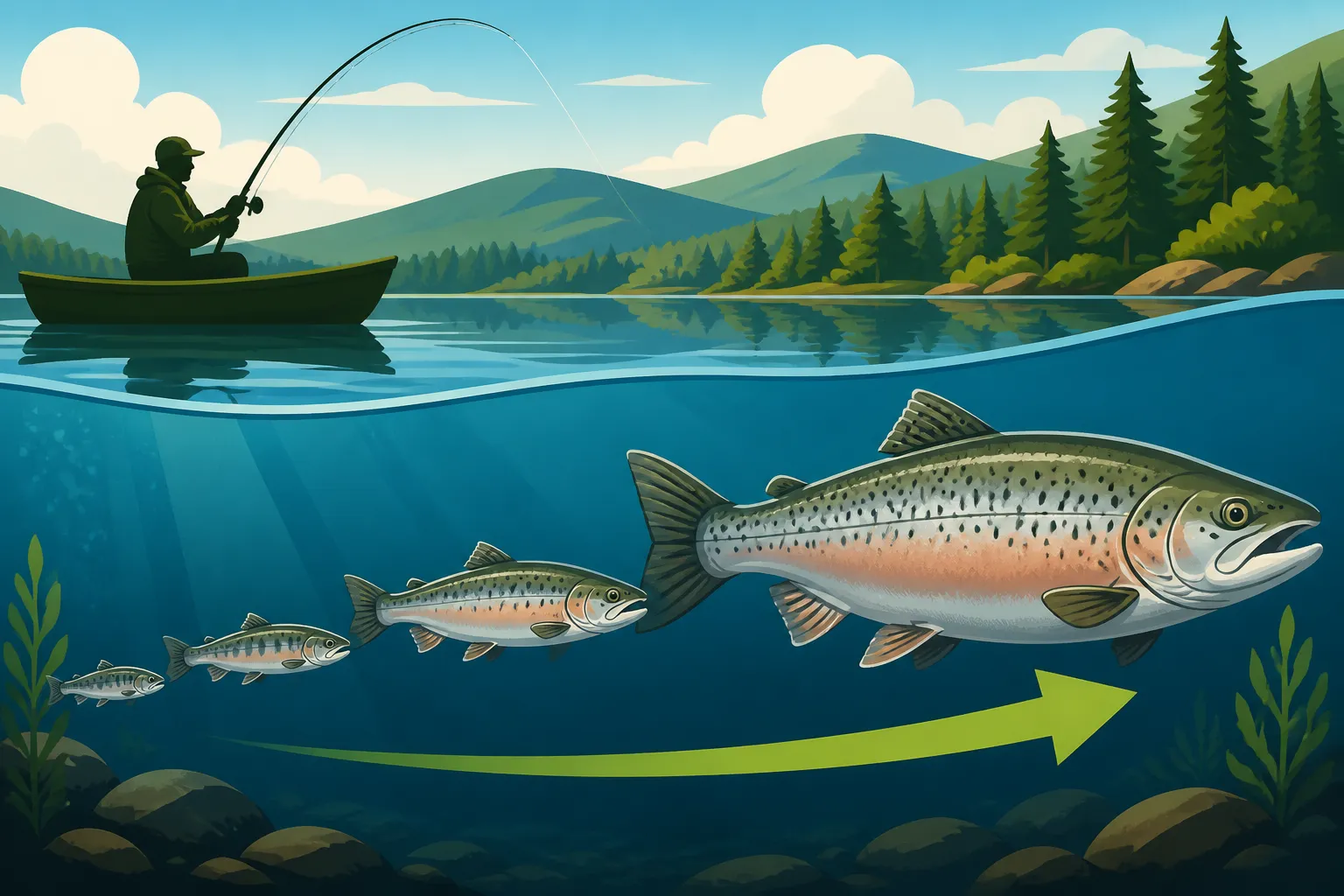
So, after all these factors, what does the growth of a landlocked salmon actually look like over its lifetime in a Vermont lake? It's not a linear progression; growth is often fastest in the early years when they first transition to the lake environment and slows down as they age.
Average Size and Age Milestones
Generally, landlocked salmon in Vermont lakes will spend their first one to two years in a stream, then migrate to the lake. Once in the lake, their growth accelerates dramatically.
- Year 1 (in lake): They often reach lengths of 12-16 inches and weights of 0.5 to 1.5 pounds. They're lean, fast, and aggressively feeding.
- Year 2 (in lake): These fish can grow to 18-22 inches and weigh 2-4 pounds. This is a period of very strong growth, especially with abundant forage.
- Year 3 (in lake): Salmon commonly hit 22-26 inches and 4-7 pounds. At this stage, they are formidable fighters and highly sought after by anglers.
- Year 4+ (in lake): Fish can reach lengths of 26-30+ inches and weights of 7-10+ pounds. These are often the true trophy fish, showcasing years of successful feeding and survival.
It's important to remember these are averages. A salmon in a lake with an exceptional smelt population and perfect conditions might outpace these figures, while one in a less productive lake might fall behind. You can often estimate a salmon's age by examining its scales, much like counting rings on a tree. If you're dreaming of landing one of these beauties, understanding How to Catch Landlocked Salmon in Vermont will be essential.
Here's a general look at approximate growth:
| Age (Total Years) | Length (Inches) | Weight (Pounds) | Notes |
|---|---|---|---|
| 1 (Stream) | 3-6 | <0.1 | Parr stage, in natal stream |
| 2 (Stream/Lake) | 7-14 | 0.2-1 | Smoltification and entry to lake, rapid growth begins |
| 3 (Lake) | 15-22 | 1.5-3.5 | Strong growth period, actively feeding |
| 4 (Lake) | 20-26 | 3-6 | Maturing, reaching good fighting size |
| 5 (Lake) | 24-29 | 5-8 | Often considered trophy class in many waters |
| 6+ (Lake) | 28-30+ | 7-10+ | Large, older fish, exceptional catches |
Note: These are averages and can vary significantly by lake and specific conditions.
Reaching Trophy Size
What constitutes "trophy size" for a landlocked salmon in Vermont varies slightly by personal definition, but generally, a fish weighing 5 pounds or more, or exceeding 24 inches in length, is considered a fine specimen. Reaching this size takes time – typically 4 to 6 years in a lake – and a consistent abundance of high-quality forage. These larger fish are often solitary, cunning, and have survived multiple seasons of angling pressure and natural predation.
Anglers targeting trophy salmon often use specialized gear and techniques, like deep trolling with large spoons or baitfish imitations. Quality gear, including sturdy rods and reels, and reliable depth finders, all of which can be found on Amazon, are crucial for success when you're trying to track down these bigger fish in the deep, cold water they inhabit. These fish are true survivors, and landing one is a testament to their resilience and your skill. For more on the specifics of how these fish get big, check out Landlocked Salmon Growth Rate to Trophy Size.
Seasonal Influences on Growth
Growth isn't constant throughout the year. Landlocked salmon, like most fish, experience seasonal fluctuations in their metabolic rate and feeding activity, which directly impacts their growth.
- Spring (Ice-out to early summer): This is a prime growth period. As ice leaves the lakes, smelt become more active and accessible, and salmon feed aggressively to recover from the lean winter months. Water temperatures are ideal, and their metabolism is high.
- Summer: As surface waters warm, salmon retreat to deeper, cooler sections of the lake. While they continue to feed, their activity might be slightly reduced compared to spring, and finding their preferred temperature and forage bands can be challenging. Growth continues, but perhaps at a slightly slower pace than the peak spring period. Using a good fish finder, perhaps one you scouted on Amazon, becomes incredibly important for locating these deeper fish.
- Fall: As lake temperatures begin to cool, salmon often become more active again, feeding heavily in preparation for the winter and the upcoming spawning season. This can be another excellent period for growth, as they pack on reserves.
- Winter (Under the ice): Growth slows significantly during the ice-covered months. Salmon are less active, and their metabolism is reduced. While they still feed, especially if smelt are available, the overall pace of growth is much diminished until spring returns. This is why multi-season persistence is key to understanding and predicting their full growth potential.
The growth rate of landlocked salmon in Vermont lakes is a fascinating metric, deeply tied to the health and productivity of their freshwater homes. From the swift streams of their birth to the deep, cold expanses of our iconic lakes, these fish navigate a challenging life cycle, culminating in the chance to become truly impressive game fish. Understanding their journey not only satisfies our curiosity but also deepens our appreciation for these incredible creatures and the efforts required to sustain them.
Disclaimer
This article is for general informational purposes only and does not constitute professional advice. Laws, prices and regulations vary by location and change over time. Consult a qualified professional for guidance on your specific situation.