How to Catch Landlocked Salmon in Vermont
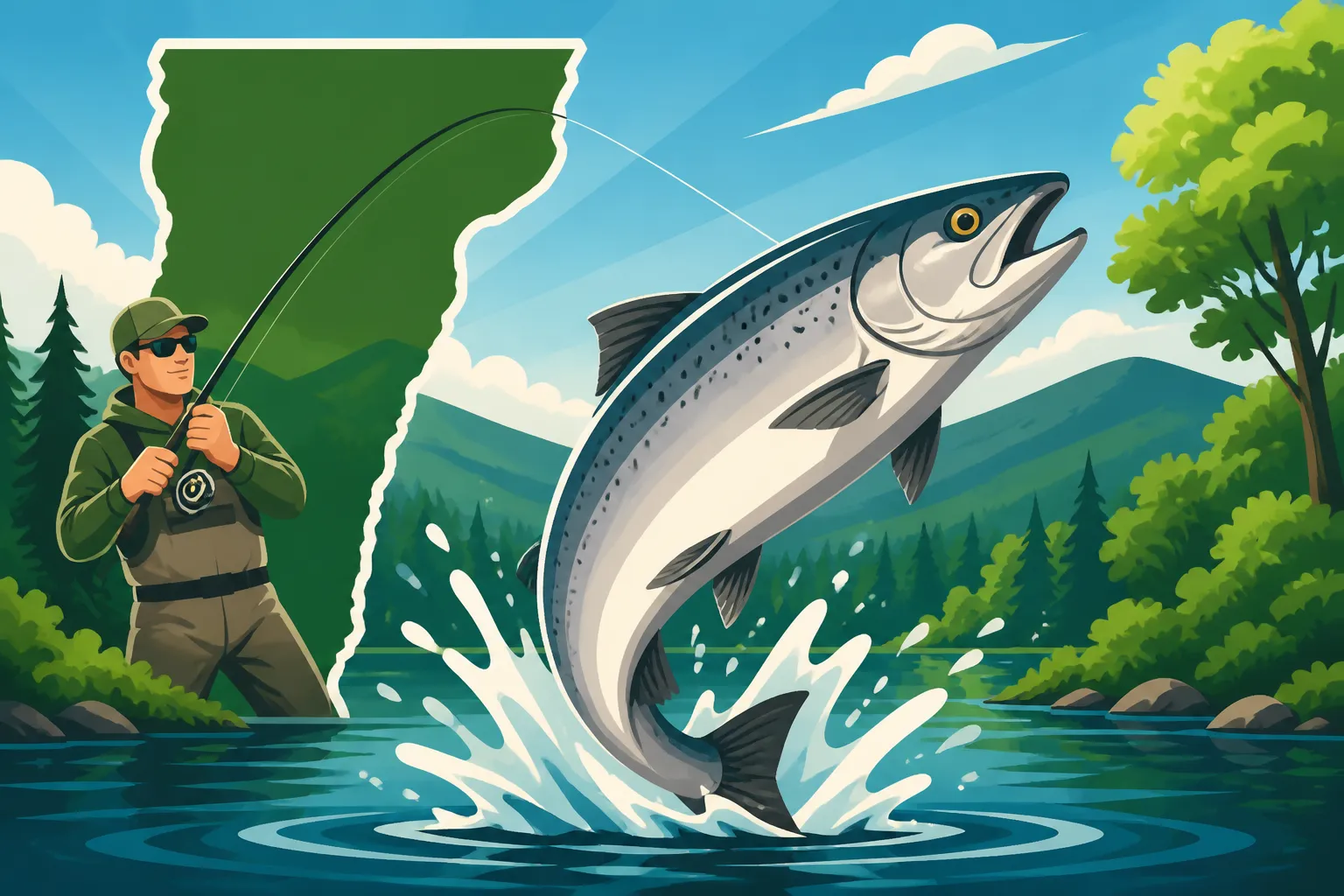
Battling a powerful, acrobatic landlocked salmon is an experience every Vermont angler dreams of, but these incredible fish can be notoriously challenging to locate and entice. Many struggle to understand their elusive habits and apply the right techniques in Vermont's vast and deep lakes. This comprehensive guide will arm you with the in-depth knowledge and proven strategies necessary to successfully pursue and land magnificent landlocked salmon, transforming your fishing adventures into memorable triumphs.
Understanding Vermont's Landlocked Salmon
Landlocked salmon, often called "Atlantic salmon" due to their heritage, are a prized game fish in Vermont. Unlike their anadromous relatives that migrate to the ocean, these fish complete their entire life cycle within freshwater lakes and their tributary rivers. Their reputation for hard fighting and aerial acrobatics makes them a bucket-list species for many, but unlocking their secrets requires a deep understanding of their biology and behavior.
The Landlocked Salmon Life Cycle and Habits
Landlocked salmon are truly fascinating creatures with a life cycle deeply tied to specific environmental conditions. They typically hatch in the cold, oxygen-rich gravel beds of tributary rivers, often in late spring. These juvenile salmon, called parr, spend several years in these rivers, feeding on insects and growing before they undergo a remarkable transformation known as smoltification. During this period, their bodies adapt to saltwater, even though they're headed for a freshwater lake, preparing them for a life of chasing baitfish in the open water.
Once smolts, they migrate downstream into the larger lakes, where they spend the majority of their adult lives. Here, they become apex predators, primarily feasting on forage fish like rainbow smelt and occasionally alewives. Their growth rate can be impressive, especially in lakes with abundant food sources, with individuals reaching significant sizes and offering incredible fights. When fall arrives, mature salmon answer an ancient call, returning to those same tributary rivers to spawn. They navigate often challenging currents to find suitable gravel beds, completing the cycle. Understanding this journey is key to knowing where and when to target them, as their locations and feeding patterns shift dramatically throughout the year.
Key Vermont Waters for Landlocked Salmon
While landlocked salmon are a sought-after species across Vermont, certain lakes stand out as prime destinations due to their deep, cold waters, ample forage, and robust stocking programs by the Vermont Fish and Wildlife Department. These are the fisheries where you'll find the best opportunities to tangle with these silver bullets.
Lake Willoughby, nestled in Vermont's Northeast Kingdom, is perhaps the most iconic landlocked salmon destination. Its immense depth, crystal-clear water, and thriving smelt population provide an ideal habitat for salmon that often reach impressive sizes. Anglers here regularly target salmon that are pushing double-digit weights. Similarly, Lake Memphremagog, shared with Quebec, also boasts a strong landlocked salmon fishery, particularly in its deeper sections. While Lake Champlain is primarily known for its bass and walleye, it does hold a respectable population of landlocked salmon, especially in its deeper, colder northern reaches where they share habitat with lake trout. Other smaller, but equally productive, lakes such as Caspian Lake and Maidstone Lake also offer excellent landlocked salmon fishing opportunities, particularly during the spring and fall runs. Each of these lakes presents its unique challenges and rewards, making it essential to understand the specific nuances of each water body you plan to fish. For a comprehensive look at specific locales, be sure to check out our Lake Willoughby Fishing Guide.
Identifying Landlocked Salmon vs. Lake Trout
It's not uncommon for anglers new to Vermont's deep lakes to confuse landlocked salmon with lake trout, especially since they often inhabit similar waters and share a somewhat similar torpedo-shaped body. However, knowing the distinctions is crucial not only for proper identification but also because regulations, such as Vermont Bag and Possession Limits by Species, can differ significantly between the two species.
The most noticeable difference lies in their coloration and fin patterns. Landlocked salmon typically have a more streamlined, silvery body with dark spots, often x-shaped, on their upper flanks, back, and dorsal fin. Their tail fin is usually deeply forked, almost V-shaped, and relatively slender. Lake trout, on the other hand, tend to be darker, often olive-green to gray, with lighter, worm-like markings (vermiculations) on their back and sides that extend onto their dorsal fin, and fewer, smaller spots. Their tail fin is also forked, but it's typically less deeply cut and appears squarer than a salmon's. Internally, salmon have a more pointed snout and a smaller mouth relative to lake trout. When you open their mouth, a salmon's upper jaw typically doesn't extend past the back of the eye, whereas a lake trout's often does. Pay attention to these details, as a quick identification can save you from potential regulation misunderstandings. For more detailed insights, our guide on How to Tell Landlocked Salmon From Lake Trout offers further clarification.
Essential Gear for Landlocked Salmon Fishing
Getting the right equipment is paramount when chasing landlocked salmon. These fish are powerful, fast, and often found in deep, open water, demanding tackle that can handle strong runs and the unique challenges of trolling or deep jigging. Skimping on gear can lead to frustration and lost fish.
Rods, Reels, and Line for Salmon
Choosing the right rod, reel, and line setup is foundational for successful landlocked salmon fishing. Given their fighting prowess and typical size, you'll want gear that offers a good balance of sensitivity, power, and durability.
For trolling, which is arguably the most effective method for open-water salmon, a medium-heavy to heavy action rod, typically 7 to 9 feet long, is ideal. These rods need enough backbone to handle planer boards, downriggers, or heavy lead core line, while also absorbing the shock of a powerful salmon strike. A moderate fast action will provide a good bend for fighting fish without being too soft for trolling heavy gear. Popular brands like Daiwa, Shimano, and Okuma offer excellent trolling rods. Paired with this, a baitcasting reel designed for trolling is essential. Look for reels with a strong drag system, a line counter (invaluable for replicating successful depths), and a high line capacity, capable of holding 200-300 yards of 15-20 pound test monofilament or braid. If you prefer spinning gear for casting to surfacing fish or lighter presentations, a 7-foot medium-heavy fast-action rod with a 3000-4000 series spinning reel spooled with 10-15 pound braid and a fluorocarbon leader would be a versatile choice. For line, a high-quality monofilament, typically 12-20 lb test, is a classic choice for its stretch, which acts as a shock absorber. However, many anglers prefer a low-stretch braided line, often 20-30 lb test, for its incredible sensitivity and strength, especially when fishing deep. When using braid, a fluorocarbon leader of 8-15 lb test is almost always recommended for its invisibility in clear water, which is often crucial for wary salmon. You can find a vast selection of these items on platforms like Amazon, offering a range of options for every budget.
Lures and Baits: What Salmon Crave
Landlocked salmon are primarily piscivores, meaning their diet largely consists of other fish. This understanding dictates the most effective lures and baits you'll use to target them. Mimicking their natural forage is key.
The undisputed champion baitfish in many Vermont salmon lakes is the rainbow smelt. Therefore, lures that imitate smelt are often the most successful. Small spoons, typically 2 to 4 inches in length, are incredibly effective. Favorites include names like Mooselook Wobblers, Sutton Spoons, and DB Smelt. Colors that mimic smelt, such as silver, blue/silver, black/silver, or even iridescent patterns, are excellent starting points. Trolling these spoons behind a downrigger, planer board, or lead core line at varying depths and speeds (typically 1.5 to 3 mph) can be deadly. Stickbaits (minnow-imitating plugs) like Rapala Original Floaters, Husky Jerks, or Smithwick Rogues in similar smelt patterns also shine, especially when trolled or cast to active, schooling fish. For live bait, nothing beats a fresh or brined smelt. Rigged on a plain hook or a small treble hook behind a Dodger or a small flasher, a properly presented smelt is often irresistible. When fly fishing, patterns that imitate smelt, such as gray or white Ghost Streamers, Marabou Smelt, or Supervisor patterns, are highly effective, particularly during the spring and fall runs in rivers or near shorelines. The exact size and color of your lure can depend on the time of day and water clarity, so it's always wise to have a selection on hand.
Essential Boating and Safety Gear
Fishing for landlocked salmon almost invariably means being on the water, often in large, deep lakes that can be exposed to sudden weather changes. Therefore, having appropriate boating and safety gear isn't just a recommendation; it's a necessity.
First and foremost, a reliable boat is essential. While smaller craft can work on calmer days, a boat with a solid hull and adequate horsepower is preferable for safely navigating larger lakes like Willoughby or Memphremagog. This vessel should be equipped with a capable fish finder and GPS unit. A good fish finder is invaluable for locating depth contours, baitfish schools, and salmon themselves, while GPS helps you mark productive spots and navigate safely, especially in fog or low light. For detailed info on using these tools, a guide like Best Fish Finders for Vermont Lakes can be really helpful. Trolling gear, such as downriggers, planer boards, or lead core setups, will significantly expand your ability to present lures at specific depths. Beyond fishing-specific gear, safety equipment is non-negotiable. This includes personal flotation devices (PFDs) for everyone on board, a sound-producing device (horn or whistle), navigation lights if you're out near dawn or dusk, a fire extinguisher, and a bailing device. Always carry an anchor, extra rope, and a fully charged cell phone. Weather conditions on Vermont lakes can change rapidly, so having appropriate rain gear and extra layers of clothing is also a smart move. Always inform someone of your float plan – where you're going and when you expect to return. Being prepared ensures a safe and enjoyable day on the water, allowing you to focus on the thrill of the catch.
Top Techniques for Open Water Salmon Fishing
Landlocked salmon in open water are typically pelagic, meaning they roam the water column chasing baitfish. This necessitates specific techniques that allow anglers to cover large areas and present lures at precise depths. Trolling is king here, but other methods have their place too.
Trolling Strategies: The Most Effective Method
Trolling is by far the most consistent and productive method for catching landlocked salmon in Vermont's large lakes. It allows you to cover vast expanses of water, mimic the swimming action of baitfish, and present lures at the exact depths where salmon are actively feeding. Mastering trolling involves understanding depth control, speed, and lure selection.
The cornerstone of effective trolling for salmon is depth control. Salmon will suspend at specific depths, often just above or within schools of their primary forage like rainbow smelt. This depth can vary significantly depending on water temperature, light conditions, and time of year. To achieve precise depth, anglers rely on several methods. Downriggers are perhaps the most accurate, allowing you to send lures down to a specific, measured depth and release the line when a fish strikes. Lead core line is another popular choice, where the colored line helps you estimate depth based on how many "colors" (typically 10 yards per color) you let out. A general rule of thumb for lead core is that each color gets your lure down about 5-7 feet at typical trolling speeds. Dipsy Divers or similar diving planers can also take lures down to specific depths. Planer boards are used to spread out lines horizontally, covering a wider swath of water and preventing tangles, especially when running multiple rods.
Trolling speed is also critical. Salmon generally prefer a faster presentation than lake trout, typically between 1.5 to 3.0 miles per hour. However, it's not uncommon to experiment with speeds, sometimes bumping it up to 3.5 mph or slowing down to 1 mph, to see what triggers a bite. The "sweet spot" will vary daily based on fish activity and forage behavior. Pay close attention to your fish finder to identify baitfish schools and temperature breaks; salmon will often be found just above or on the edges of these schools. When you find a productive depth or area, try to replicate your presentation precisely. Note down the depth, lure, and speed in a fishing log. This systematic approach, as detailed in many advanced Trolling Techniques for Vermont Lake Trout guides, can make all the difference in consistently finding and catching these elusive fish.
Still Fishing and Drifting for Salmon
While trolling dominates the open-water salmon scene, there are situations where still fishing or drifting can be effective, particularly when fish are concentrated in specific areas or when targeting them during their spawning runs. These methods offer a more relaxed approach, but still demand precision.
Still fishing for landlocked salmon is typically done by anchoring over a known piece of structure, a deep drop-off, or near a schooling baitfish aggregation. This method is less about covering water and more about patiently waiting for fish to come to you. Anglers often use live bait, like smelt, shiners, or even large shiners, presented on a simple ledger rig or a three-way swivel rig. The key is to suspend the bait at the depth where salmon are holding, using a sinker to keep it down. This can be effective in spots where salmon are funneling, such as near river mouths or along steep underwater contours. Similarly, drifting can be a productive technique, especially when you have a gentle breeze that moves your boat over productive areas. This method allows for a more natural presentation of your bait or lure, letting it slowly waft through the water column. You might drift live bait, small spoons, or even jigs tipped with bait. The natural movement imparted by the drift can be highly enticing to salmon that might be hesitant to chase a faster trolled lure. This technique requires good boat control and a keen eye on your sonar to ensure you're drifting over promising terrain. While less common than trolling, mastering these methods can offer a unique and rewarding way to target salmon, particularly during specific feeding windows or seasonal movements.
Fly Fishing for Landlocked Salmon
Fly fishing for landlocked salmon offers a dynamic and incredibly rewarding experience, especially when these fish move into shallower water or their spawning tributaries. It's a method that truly connects you to the fish and their environment, demanding skill, patience, and the right presentation.
During the spring, right after ice-out, and again in the fall during their spawning migrations, landlocked salmon will often move from the deep open waters into shallower areas of the lake or up into the tributary rivers. This is when fly anglers get their best opportunities. In the lake, targeting points, rocky shorelines, and river mouths where baitfish congregate can be highly productive. Large streamer patterns, designed to imitate smelt or other baitfish, are the go-to flies. Patterns like the Grey Ghost, Supervisor, Black Ghost, or various Marabou Smelt patterns, in sizes 4 to 2/0, are excellent choices. These are typically fished on a fast-sinking line or a sinking tip line, allowing you to get the fly down to the fish's depth. A retrieve that mimics a fleeing baitfish—a series of strips and pauses—can trigger aggressive strikes.
When salmon enter rivers for their fall spawning runs, the game changes. Here, you'll need to adapt your techniques to moving water. Swinging streamers across currents, nymphing deeper pools, or even dead-drifting egg patterns (where legal and ethical) can all be effective. A 7 to 9-weight fly rod, 9-10 feet long, provides the necessary backbone to cast large flies and handle powerful salmon runs. A good quality large arbor reel with a strong drag and plenty of backing is non-negotiable. Fluorocarbon leaders, ranging from 8 to 15 lb test, are highly recommended for their abrasion resistance and stealth in clear river water. Remember that river fishing for spawning salmon often comes with strict regulations, so always consult the Vermont Fishing Regulations Explained before heading out. Fly fishing for landlocked salmon is a challenging but deeply satisfying pursuit for those who appreciate the finesse and artistry of the long rod.
Adapting to Seasonal Salmon Behavior
Landlocked salmon are highly responsive to changes in water temperature and the availability of their primary forage. This means that successful salmon fishing in Vermont is a year-round endeavor, but your tactics must evolve dramatically with the seasons.
Spring Fishing: Ice-Out and Early Season Tactics
Spring is an exhilarating time for landlocked salmon anglers in Vermont, particularly right after the ice melts (ice-out). As the lake waters begin to warm, salmon become incredibly active and often move into more accessible areas, presenting prime opportunities.
During ice-out, the entire water column is roughly the same temperature, allowing salmon to range freely. They're often found cruising just below the surface or along shorelines, points, and river mouths, actively feeding on smelt and other baitfish that are also moving shallower. This is a fantastic time for casting spoons, stickbaits, or even large streamers from shore or a boat. Look for areas where spring runoff enters the lake, as these currents can concentrate bait and attract hungry salmon. As the season progresses and surface waters continue to warm, salmon will begin to seek out deeper, cooler water. They'll typically follow the thermocline, a layer of abrupt temperature change, as it develops. This means transitioning to trolling techniques with downriggers or lead core line to reach fish suspended at 15 to 40 feet, depending on the lake and specific conditions. Early spring is also a great time for fishing tributary river mouths, as some salmon may linger after the spawn, or others may be moving in to feed. The key during this period is to be versatile and observant, paying close attention to water temperature and fish activity levels to adjust your depth and presentation accordingly. The transition from ice fishing to open water brings a renewed energy to the fishing scene.
Summer Fishing: Deep Water Challenges
Summer in Vermont brings beautiful weather, but it also presents the most significant challenge for landlocked salmon anglers. As surface waters heat up, salmon are forced to retreat to the deepest, coolest, and most oxygenated parts of the lake. This makes them harder to locate and requires specialized deep-water tactics.
During the dog days of summer, landlocked salmon will typically suspend at depths ranging from 50 to 100 feet, sometimes even deeper, depending on the specific lake's thermal stratification and oxygen levels. Their preferred temperature range is usually in the low to mid-50s Fahrenheit. Finding this "comfort zone" is paramount. This is where your fish finder and downriggers become absolutely indispensable. Anglers will spend considerable time scanning deep basins and steep underwater structures, looking for schools of baitfish and the tell-tale arcs of salmon holding nearby. Trolling is the dominant technique, often employing long leader lengths (100 feet or more) behind the downrigger ball to present spoons or stickbaits naturally to wary fish. The choice of lure color might shift slightly, with some anglers finding brighter, more reflective patterns effective in the low light of deep water. Trolling speeds might also need to be slightly adjusted; sometimes a very subtle change can be the trigger. Remember that on large bodies of water like Lake Willoughby, the sheer volume of water makes finding these deep-dwelling fish a true test of patience and persistence. However, the reward of a summer salmon, battling hard from the depths, is well worth the effort.
Fall Fishing: Spawning Runs and Aggressive Bites
Fall is arguably the most exciting time for landlocked salmon fishing in Vermont. As lake temperatures begin to drop and the days shorten, salmon undergo significant behavioral changes, becoming more active and eventually initiating their spectacular spawning runs.
In early fall, as the lake's surface cools, salmon often become more aggressive feeders, putting on weight before their arduous spawning journey. They may still be found in deep water, but they will frequently move into shallower depths, particularly during low light conditions or cloudy days. Trolling can remain highly effective, and you might find success with a wider range of lures and presentations as the fish are actively chasing bait. The real spectacle of fall, however, begins when mature salmon start their annual migration from the lakes into their natal rivers and streams to spawn. This typically occurs from late September through November, depending on water temperatures and rainfall. During these runs, salmon congregate in river mouths and then push upstream, providing incredible opportunities for both spin and fly anglers. Fish in the rivers are less focused on feeding and more on reproduction, but they can still be enticed by aggressive lure presentations or large streamer flies. Focus on deeper pools, current seams, and areas with good gravel bottoms where they stage. Remember, during the spawning season, specific regulations often apply, including catch-and-release only sections or gear restrictions. Always consult the Vermont Fish and Wildlife regulations to ensure you're compliant. The fall run is a unique chance to witness and participate in one of nature's most impressive freshwater migrations, and for many, it's the best time to catch a truly memorable landlocked salmon.
Ice Fishing for Landlocked Salmon
While not as common as open-water trolling, ice fishing for landlocked salmon is a unique and challenging pursuit in Vermont, offering a distinct thrill for dedicated anglers. It requires specific knowledge and techniques to intercept these powerful fish through a hole in the ice.
Locating Salmon Under the Ice
Finding landlocked salmon under a thick sheet of ice can feel like searching for a needle in a haystack, but understanding their winter habits and leveraging technology can greatly improve your odds. Unlike many other ice-fishing species that hug the bottom, salmon often suspend in the water column.
During the winter months, landlocked salmon continue their pursuit of smelt and other baitfish, which often congregate in specific areas of the lake. The key is to find these baitfish schools. Salmon will typically be found patrolling the edges or just below these schools. Focus your search on large, deep basins, steep drop-offs, and deep points that were productive in open water. Underwater humps and saddles between deep areas can also act as ambush points. Using a high-quality portable fish finder or an ice fishing sonar unit is absolutely essential. These units allow you to scan the water column for baitfish, identify subtle depth changes, and most importantly, detect the presence of salmon. You're looking for suspended marks, often moving quickly, rather than fish holding tight to the bottom. Drilling a series of holes in a grid pattern across a promising area and systematically checking each one with your sonar is a common and effective strategy. Don't be afraid to drill many holes; the more water you explore, the better your chances of intercepting a cruising salmon. The patience required for ice fishing is amplified when targeting these deep-water predators.
Popular Ice Fishing Techniques and Rigs
Once you've located a promising area or spotted some fish on your sonar, employing the right techniques and rigs is critical to enticing a strike from a cold-water landlocked salmon. Ice fishing for salmon often involves both active jigging and passive tip-up fishing.
For active jigging, a medium-heavy action ice fishing rod, typically 30-40 inches long, is appropriate. You'll want a sensitive tip to detect subtle bites but enough backbone to handle a strong salmon run. Spool your reel with 8-15 pound braided line, often with a fluorocarbon leader. Popular lures include flashy jigging spoons, like Swedish Pimples, Kastmasters, or Crippled Herrings, which imitate wounded baitfish. Tipping these spoons with a small piece of smelt, a shiner head, or even a synthetic bait can significantly increase their effectiveness. Vertical jigging involves dropping your lure to the desired depth and then rhythmically lifting and dropping it, creating a fluttering action. Experiment with different jigging cadences and pauses until you find what the fish prefer. Often, a longer pause will trigger a strike from a following fish.
Tip-ups are another crucial tool for ice fishing salmon, allowing you to cover more area and present live bait. Set your tip-ups with a similar line setup, and use live smelt or shiners as bait. Rig them on a single hook or a small treble hook, weighted just enough to keep the bait at the desired depth. Set some tip-ups higher in the water column and some deeper, especially if you're marking fish at various depths on your sonar. The beauty of tip-ups is their passive nature; you can actively jig one hole while several tip-ups are doing the work for you. When a flag goes up, be prepared for a fight, as landlocked salmon often make strong runs immediately after hitting the bait. Remember to keep your hole clear of ice, especially when using live bait, to allow for unimpeded runs.
Safety First: Tips for Ice Anglers
Ice fishing for landlocked salmon, like all ice fishing, carries inherent risks. Prioritizing safety is paramount to ensure a fun and successful outing on Vermont's frozen lakes. Never compromise on safety.
The absolute most critical factor is ice thickness. As a general rule, aim for a minimum of 4 inches of clear, solid ice for safe foot travel, and 8-12 inches for snowmobiles or ATVs. Never venture onto ice that looks slushy, has visible cracks, or near open water, pressure ridges, or river inlets/outlets. Always check local ice conditions and always fish with a buddy. Bring essential safety gear: ice picks worn around your neck for self-rescue, a rope, a spud bar or auger to test ice thickness as you go, and a fully charged cell phone. Dress in layers to adapt to changing temperatures, and wear waterproof, insulated boots. If you plan to use an ice shanty, ensure it's properly anchored and consider the wind chill. The Vermont Fish & Wildlife Department provides guidelines on ice safety, and it's always wise to consult them before heading out. Remember, no fish is worth risking your life. Enjoy the unique experience of ice fishing, but do so with the utmost respect for the ice.
Reading the Water and Environmental Factors
Catching landlocked salmon isn't just about gear and technique; it's also about understanding the subtle cues the environment provides. These fish are highly sensitive to water conditions, and a keen eye for detail can make all the difference.
Understanding Water Temperature and Oxygen
Water temperature and dissolved oxygen are arguably the two most critical environmental factors influencing landlocked salmon behavior. Being cold-water species, salmon have a relatively narrow preferred temperature range, and they will actively seek out waters that meet their physiological needs.
Their ideal temperature window typically falls between 50-65 degrees Fahrenheit. In the spring and fall, when lake waters are in this range throughout much of the water column, salmon can be found in a wider variety of depths, including shallower areas. However, as summer progresses and surface waters warm, salmon are forced to retreat to deeper, cooler zones. This process, known as thermal stratification, creates distinct layers in the lake. The top, warm layer (epilimnion) is generally too warm for salmon. The bottom, cold layer (hypolimnion) is ideal temperature-wise, but can sometimes become depleted of oxygen in deeper lakes late in the summer, especially in the very deepest parts. This means salmon often congregate in the thermocline, the transitional layer between warm and cold water, where temperatures are suitable and oxygen levels remain high. Using a fish finder with a temperature gauge or a separate temperature probe is invaluable for locating this sweet spot. Understanding where these thermal refuges exist, and where the oxygen is sufficient, is key to consistently finding salmon, particularly during the challenging summer months. They will essentially follow their comfort zone, and if you can find that, you've found the fish.
The Role of Forage Fish: Smelt and Alewives
To consistently catch landlocked salmon, you absolutely must understand their diet. Landlocked salmon are predatory fish, and their presence and behavior are intrinsically linked to the availability and movements of their primary forage species. In Vermont, this often means rainbow smelt and, in some lakes, alewives.
Rainbow smelt are a cornerstone of the landlocked salmon's diet in many Vermont lakes. These small, silvery baitfish are rich in fat and protein, providing the energy salmon need to grow large and fight hard. Smelt often school in vast numbers, and salmon will shadow these schools, ambushing them from below or along their edges. Understanding the seasonal movements of smelt is crucial. In spring, smelt often move shallow to spawn, drawing salmon into shallower waters. In summer, smelt retreat to deeper, cooler water, taking the salmon with them. In lakes where alewives are present, they also form a significant part of the salmon's diet. These slender, oily baitfish can also drive salmon movements.
Therefore, locating baitfish schools on your fish finder is often synonymous with locating salmon. Don't just look for individual fish marks; look for dense clouds or arches representing bait. Salmon will rarely be far from their food source. Mimicking these forage fish with your lures, both in size, color, and action, is a fundamental principle of salmon fishing. From a conservation perspective, the health of these forage fish populations is vital for the health of the salmon fishery itself, as highlighted in discussions around Rainbow Smelt as Forage Fish in Vermont Lakes. Monitoring and protecting these smaller species is critical for ensuring vibrant salmon populations for years to come.
Weather, Barometric Pressure, and Salmon Activity
While water temperature and forage are primary drivers, other environmental factors like weather and barometric pressure can also subtly influence landlocked salmon activity, often dictating how aggressive they are or where they prefer to hold. Paying attention to these nuances can give you an edge.
Barometric pressure, the weight of the air above us, affects fish just as it affects us. Stable or rising barometric pressure (often associated with fair, clear weather) tends to correlate with more active and aggressive feeding behavior in many fish species, including salmon. Conversely, falling barometric pressure (often preceding a storm or front) can sometimes make fish lethargic or cause them to suspend deeper, making them less willing to bite. However, right before a major front moves in, fish can sometimes experience a feeding frenzy. Overcast conditions, light rain, or choppy water can sometimes improve salmon fishing. The reduced light penetration from cloud cover can encourage salmon to move shallower or be less wary of presentations, as they feel more secure. Choppy water breaks up light and surface reflections, making it harder for salmon to detect boats and lines, potentially making them more confident in striking. On bright, calm days, salmon often retreat to deeper water or become extremely line-shy, requiring longer leaders and more subtle presentations. While these are general guidelines, every day is different, and experienced anglers learn to adapt to the prevailing conditions, understanding that even small changes in weather can shift the bite.
Conservation and Regulations for Vermont Salmon
As a responsible angler, understanding and adhering to Vermont's fishing regulations and practicing ethical conservation are not just legal requirements but essential for ensuring the long-term health and vitality of the landlocked salmon fishery for future generations.
Catch and Release Best Practices
Landlocked salmon are a precious resource, and given their relatively slow growth rate to trophy size, practicing proper catch and release is vital for conservation, especially for larger breeding individuals. Releasing fish safely ensures they can continue to reproduce and contribute to the fishery.
When you hook a salmon, fight it efficiently and bring it to the boat as quickly as possible to minimize stress. Avoid playing the fish to exhaustion, particularly in warmer water. Use a net that is large enough to safely scoop the fish without bending or injuring it – a rubberized, knotless net is ideal as it protects the fish's slime coat and fins. Once in the net, keep the fish in the water as much as possible. If you must remove it for a quick photo, do so gently, supporting its belly and tail, and avoid touching its gills or putting fingers in its eyes. Have your camera ready so the fish is out of the water for the shortest time possible. Use needle-nose pliers or a dehooking tool to remove the hook quickly. If the fish is deeply hooked, especially in the gills, it might be best to cut the line as close to the hook as possible rather than attempt to rip it out. After dehooking, hold the fish gently in the water, facing into a mild current, until it regains its strength and swims away on its own. Never throw a fish back; always release it gently. These practices are crucial, especially when targeting larger, more mature salmon that are significant contributors to the gene pool and reproductive success of the population.
Key Vermont Regulations and Limits
Navigating the nuances of fishing regulations can sometimes feel like a puzzle, but it's a non-negotiable part of responsible angling. Vermont has specific rules for landlocked salmon, which are designed to protect the species and maintain a healthy fishery.
Before you even cast a line, ensure you have a valid Vermont fishing license. You can find out more about the process in our Vermont Fishing License Guide for 2026. Regulations typically specify open seasons, daily bag limits, and minimum length limits for landlocked salmon. These limits can vary not only by species but also by specific water body and even time of year, particularly during spawning runs. For example, some rivers or sections of rivers might be catch-and-release only during the fall spawning season, or have specific gear restrictions. The statewide general regulations for landlocked salmon often include a minimum length and a daily creel limit, but it is absolutely critical to check the current Vermont Fish & Wildlife regulations booklet or their website for the most up-to-date and specific rules for the body of water you intend to fish. These are subject to change, so what was true last year might not be true this year. Ignorance of the law is not an excuse, and penalties for violations can be steep. Always carry a copy of your license – whether a physical printout or a digital version accessible on your phone, as discussed in Printing or Carrying a Digital Fishing License in Vermont – and understand the rules.
Contributing to Salmon Conservation
Beyond simply following regulations, active participation in and support for conservation efforts are essential for the future of Vermont's landlocked salmon. Every angler has a role to play in protecting this magnificent fish and its habitat.
One of the most direct ways to contribute is through ethical angling practices, as outlined in the catch and release section. Minimizing stress on the fish and ensuring high survival rates for released individuals directly supports the population. Supporting organizations dedicated to coldwater fisheries conservation, such as Trout Unlimited or local watershed associations, also makes a significant impact. These groups often engage in habitat restoration projects, advocate for responsible resource management, and educate the public. Financial contributions, volunteering time for river cleanups, or participating in citizen science projects are all valuable forms of support. Additionally, reporting any observed poaching or environmental violations to the Vermont Fish & Wildlife Department is crucial. Maintaining clean waterways by properly disposing of trash, avoiding the spread of invasive species (always clean, drain, and dry your boat and gear), and respecting private property are all small but important actions that contribute to a healthier ecosystem for salmon and all aquatic life. By being a proactive steward of the environment, you help ensure that the thrill of catching a Vermont landlocked salmon remains a possibility for generations to come.
Advanced Tips and Local Wisdom
As you gain experience targeting landlocked salmon, you'll find that success often hinges on refining your approach with advanced techniques and tapping into the invaluable knowledge passed down by seasoned local anglers.
Targeting Trophy Landlocked Salmon
While any landlocked salmon is a prize, landing a true trophy-sized specimen is the ultimate goal for many. These larger fish are often older, wiser, and require a more specialized approach.
Trophy landlocked salmon are typically the biggest fish in the lake, and they've survived multiple seasons by being particularly wary and efficient predators. To target them, you need to think big: bigger baits, bigger lures, and sometimes, even deeper presentations. Larger spoons (4-6 inches), magnum stickbaits, or even larger live bait (where legal) can be more appealing to these bigger fish seeking a substantial meal. They often prefer to feed on larger individual smelt or even smaller perch if available. Focus on the most productive trophy waters, like Lake Willoughby, which consistently produces larger salmon due to its abundant forage and deep habitat. Targeting these fish often means fewer bites, but when you do hook up, the reward is substantial. Additionally, consider the Landlocked Salmon Growth Rate to Trophy Size and dedicate your efforts to lakes known for producing fish that exceed typical averages. Patience is an even greater virtue when hunting for trophies; these fish didn't get big by being easy to catch. They often hold to specific deep-water structures or patrol specific baitfish schools, so precise boat positioning and meticulous depth control are paramount.
Leveraging Sonar and Electronics
In modern landlocked salmon fishing, sophisticated electronics are not just a luxury; they are an essential tool for consistently finding and catching fish, particularly in large, deep lakes. Mastering your sonar and GPS can unlock new levels of success.
Your fish finder (sonar) is your window into the underwater world. Learn to interpret its readings beyond just identifying fish arches. Look for baitfish schools: dense clouds or clusters on the screen. Salmon will often be lurking nearby, either above, below, or to the sides of these schools. Pay attention to the thermocline, which often appears as a distinct band on your sonar, indicating a temperature change. This is frequently where salmon will suspend. Use your GPS to mark productive waypoints: spots where you've caught fish, observed significant bait schools, or identified promising underwater structure like humps, drop-offs, or rock piles. The ability to return precisely to these spots, especially in the vastness of a large lake, is invaluable. Modern side-imaging or down-imaging sonar can also reveal even more detail about bottom structure and suspended fish off to the sides of your boat, helping you identify ambush points that traditional 2D sonar might miss. Don't just motor around aimlessly; use your electronics to systematically search and mark. The more time you spend learning and utilizing these tools, the more effectively you'll find and catch landlocked salmon.
Local Knowledge and Fishing Reports
While technology is powerful, there's no substitute for local knowledge and real-time fishing reports. These insights can save you countless hours of searching and put you on fish faster, especially when fishing unfamiliar waters.
Local bait and tackle shops, like those found across Vermont, are often goldmines of information. The folks working there live and breathe fishing, and they hear daily reports from anglers. They can tell you what lures are currently working, what depths fish are being caught at, and which areas are producing. Don't be afraid to strike up a friendly conversation. Online fishing forums and social media groups dedicated to Vermont fishing are also excellent resources. Many experienced anglers share their successes and challenges, providing valuable real-time data. However, approach online information with a critical eye; some information might be outdated or purposefully vague to protect secret spots. When you do get a hot tip, use your own judgment and cross-reference it with your understanding of salmon behavior and your sonar readings. Observing other successful anglers on the water, without crowding them, can also provide clues about productive areas or techniques. The blend of your own skill, advanced electronics, and a healthy respect for local wisdom creates the most effective angler. This combined approach often reveals the Best Time of Day to Catch Landlocked Salmon or the optimal presentation for specific conditions.
| Season | Typical Depths (Feet) | Primary Forage Activity | Key Techniques | Recommended Lures/Baits |
|---|---|---|---|---|
| Spring | 0-40 (Ice-out) | Shallow, active | Trolling, Casting, Fly Fishing | Spoons, Stickbaits, Smelt, Streamers |
| Summer | 50-100+ | Deep, suspended | Deep Trolling (Downriggers) | Large Spoons, Deep-Diving Stickbaits, Smelt |
| Fall | 15-60 (Early); Rivers | Aggressive, Spawning | Trolling, Fly Fishing (Rivers) | Spoons, Stickbaits, Streamers, Egg Patterns |
| Winter | 20-80 (Suspended) | Deep, schooling | Ice Jigging, Tip-ups (Live Bait) | Jigging Spoons, Live Smelt/Shiners |
Disclaimer
The information provided in this guide is for general informational purposes only and is subject to change. Fishing regulations, seasons, and limits are set by the Vermont Fish and Wildlife Department and can be updated annually or even more frequently. Always consult the most current official Vermont fishing regulations booklet or website before engaging in any fishing activity. It is the angler's responsibility to know and follow all applicable laws and regulations. Fishing involves inherent risks, and safety should always be your top priority.