Bank Fishing Techniques for Vermont Lakes
It’s a classic Vermont dilemma: you’re standing on the shore of a stunning lake, gazing out at the shimmering water, maybe a rising trout or a bass breaking the surface, and all you can think is, "How do I get my line out there without a boat?" This guide is for every angler who's ever felt that frustration, proving that effective and exciting fishing is absolutely possible right from the bank on Vermont's many incredible lakes and ponds.
Understanding the Unique Challenges of Bank Fishing
Bank fishing in Vermont, while incredibly rewarding, definitely comes with its own set of unique challenges that boat anglers often don't have to contend with. It’s not just about casting farther; it’s about reading the water differently, being strategic about your approach, and making the most of what’s accessible from shore.
Limited Access and Casting Range
One of the most immediate hurdles you’ll face is the simple fact of limited access. When you're fishing from the bank, you can only cover so much water. Unlike a boat that can maneuver to any drop-off, weed line, or rock pile, you’re tethered to the shoreline. This means your casting range becomes paramount. You're constantly looking for those seams in the current, deeper pockets, or submerged structures that are within reach. Sometimes, you'll find yourself searching for that perfect casting lane through overhead branches or wading out a few feet into chilly water just to gain those extra precious yards.
Furthermore, dense vegetation along the shore, whether it’s thick cattails, brush, or overhanging trees, can severely restrict your casting angles and even make backcasting impossible for certain techniques. This often means sacrificing distance for accuracy or relying on different casting methods like roll casts if you're fly fishing. It’s all about working within these physical boundaries and still finding a way to present your bait effectively.
Reading Shoreline Structure and Fish Behavior
Without sonar to pinpoint underwater features, bank anglers must become masters of observation. You have to learn to "read" the water and extrapolate what lies beneath based on visible clues. Look for points that extend into the lake, indicating potential drop-offs. Observe changes in water color or current, which might suggest varying depths or submerged vegetation. Even the presence of specific insects or baitfish can tell you a lot about where game fish might be lurking.
Fish behavior from the bank can also differ. Shorelines often attract smaller baitfish seeking cover, which in turn can draw larger predators. However, these predators might be warier in shallower, more exposed areas close to shore, especially on busy days. You’ll often find that the first few feet of water are picked over, requiring you to cast beyond that immediate zone. Understanding how fish use shoreline structure for feeding, spawning, and protection is critical to maximizing your success when you're fishing a spot like Lake Bomoseen or even a quiet pond up in the Northeast Kingdom.
Identifying Prime Bank Fishing Locations in Vermont Lakes
Finding the sweet spot for bank fishing isn't just about showing up at any stretch of shoreline. It's about strategic scouting and understanding what features attract fish within casting distance from the land. Vermont's diverse lakes, from the vast expanse of Lake Champlain to the smaller, picturesque ponds, each offer unique opportunities.
Public Access Areas and State Parks
Vermont is blessed with numerous public access points, fishing access areas, and state parks that provide excellent bank fishing opportunities. These spots are often designed with anglers in mind, featuring cleared shorelines, designated fishing platforms, or easy trails to productive water. For example, many state parks, like those found in the Vermont State Park Fishing Guide, offer fantastic shore access to lakes known for bass, pike, or panfish. These locations are usually well-maintained and offer amenities, making them great choices for families or new anglers.
However, popularity can be a double-edged sword. Public access areas can see a lot of pressure, meaning fish might be warier. It pays to go during off-peak hours, like early mornings or late evenings, or even during weekdays. Always check the specific park rules, as some areas might have restrictions on fishing techniques or times. A quick look at the Vermont Fish & Wildlife Department website can often reveal detailed maps of these access points, sometimes even indicating prime spots.
Natural Features and Structure
When you're walking the bank, keep an eye out for natural features that create ideal fish habitat. Submerged rock piles, fallen trees (also known as laydowns), weed lines, and points that jut out into the lake are all magnets for fish. These structures provide cover from predators, ambush points for feeding, and important temperature breaks. For instance, a long point on Lake Dunmore that gradually slopes into deeper water is a prime location for smallmouth bass. You can often see these features either by careful observation from shore or by consulting bathymetric maps if available.
Another often overlooked natural feature is tributary mouths. Where a small stream or river flows into a larger lake, it creates a unique micro-ecosystem. These areas often bring in cooler, oxygenated water, and sometimes extra food, attracting a variety of species. Think about the smaller rivers that feed into Lake Champlain; their mouths can be hotspots for everything from walleye to northern pike, especially during certain times of the year. Always approach these spots quietly and scan the water before making your first cast, as fish can be surprisingly close to shore.
Essential Gear for the Vermont Bank Angler
You don't need a boatload of fancy equipment to be a successful bank angler in Vermont. In fact, one of the beauties of bank fishing is its simplicity. However, having the right, thoughtfully chosen gear can make a world of difference in your comfort, efficiency, and catch rate.
Rod and Reel Setup
For most bank fishing scenarios in Vermont, a versatile medium-light to medium-heavy spinning rod, paired with a reliable spinning reel, is your best friend. A rod in the 6'6" to 7'6" range offers a good balance of casting distance and sensitivity. Longer rods, especially those around 7' or 7'6", will give you more leverage for longer casts, which is often crucial when you're confined to the bank trying to reach deeper water or structure. You can find a wide array of options for "Best Fishing Rods for Vermont Lakes" online, and many anglers find reliable spinning combos on Amazon that offer great value.
Your reel should be spooled with 8-12 pound monofilament or fluorocarbon, or if you prefer the casting distance and sensitivity, 10-20 pound braided line with a fluorocarbon leader. Braided line, in particular, excels for bank fishing because its thinner diameter means you can cast further, and its lack of stretch allows you to feel subtle bites even at long range. Having a second, lighter setup, perhaps a 5'6" to 6' light action rod with 4-6 pound test, is excellent for targeting panfish or smaller trout in tight quarters or when fishing small ponds.
Tackle, Baits, and Lures
Your tackle box for bank fishing should be focused on versatility and efficiency. Instead of carrying everything you own, select baits and lures that are effective for a range of species and can be cast effectively from shore. Here's a table to give you some ideas:
| Species Targeted | Recommended Baits/Lures | Notes for Bank Fishing |
|---|---|---|
| Trout (Stocked) | PowerBait, Worms, Small Spinners (Mepps, Panther Martin) | Easy to cast, scent attracts recently stocked fish. Spinners cover water well. |
| Bass (Smallmouth/Largemouth) | Senkos, Spinnerbaits, Crankbaits, Jigs, Topwater Poppers | Versatile soft plastics for various retrieves. Spinnerbaits/Crankbaits cover lots of water. |
| Panfish (Perch, Bluegill) | Small Worms, Crappie Jigs, Micro Spoons, Bobbers | Simple, lightweight rigs. Ideal for close-to-shore action. |
| Pike/Pickerel | Large Spoons, Spinnerbaits, Jerkbaits, Live Minnows | Flashy, aggressive lures for predatory fish. Wire leaders are a must. |
Don't forget essential terminal tackle: a variety of hooks (EWG, worm hooks, treble hooks), sinkers (bullet, split shot), swivels, and perhaps some pre-tied steel leaders for toothy critters. Soft plastics, like stick baits or creature baits, are incredibly effective and can be fished weightless, Texas-rigged, or on a jig head, making them perfect for covering different depths and structures from shore. For panfish, simple bobber rigs with a small hook and a piece of worm are timeless. Consider a compact tackle bag that's easy to carry as you move along the bank, and you can find many excellent "Best Tackle Bag for Bank Fishing" options, some even on Amazon.
Comfort and Safety Essentials
While often overlooked, comfort and safety gear are paramount for an enjoyable bank fishing experience. Good footwear, like sturdy hiking boots or waterproof shoes, is essential for navigating potentially uneven, slippery, or muddy shorelines. Don't underestimate the power of a comfortable folding chair or stool if you plan on settling in for a while.
Sun protection is a must: a wide-brimmed hat, polarized sunglasses (they help tremendously with seeing into the water and identifying structure or cruising fish), and sunscreen will prevent painful burns and eye strain. A small backpack or a dedicated "Best Tackle Bag for Bank Fishing" can carry your water, snacks, bug spray (Vermont mosquitoes and black flies are legendary!), and a small first-aid kit. And, of course, a valid Vermont Fishing License Guide for 2026 is absolutely non-negotiable before you even make your first cast.
Effective Bank Fishing Techniques and Strategies
Bank fishing isn't just about throwing a line in the water; it's an art form that requires strategic thinking, careful presentation, and an understanding of how to maximize your limited reach. These techniques will help you turn those seemingly impossible shoreline spots into productive fishing grounds.
Fan Casting and Covering Water
When you're confined to a single spot on the bank, the most effective way to search for fish is through fan casting. This means making casts in a fan-like pattern, starting with a cast to your far left, gradually moving towards the center, and then casting to your far right. The goal is to systematically cover as much water as possible from your stationary position, exploring different depths and angles with each retrieve. Imagine you're painting a pie slice with your lure.
As you retrieve your lure or bait, pay close attention to any subtle changes or irregularities in the bottom, any bumps or snags that might indicate structure. If you get a bite or see a fish follow, narrow your focus on that specific area. Often, fish congregate in certain zones, so once you locate them, concentrate your casts there. Don't be afraid to try different retrieval speeds or lure actions within that fan pattern. Sometimes a slow, steady retrieve is key; other times, erratic jerks and pauses will trigger a strike from a wary bass or landlocked salmon. This systematic approach is especially useful when you're exploring new "Best Fishing Lakes in Vermont" from shore.
Utilizing Slip Bobbers and Bottom Rigs
Sometimes, fish aren't actively cruising near the surface or chasing fast-moving lures. They might be holding tight to bottom structure, suspended in deeper water just out of casting range with a traditional bobber, or simply being finicky. This is where slip bobbers and various bottom rigs become invaluable tools for the bank angler.
A slip bobber rig allows you to present your bait at a precise depth, even if that depth is significantly deeper than your rod length. The bobber stopper slides up your line, allowing your bait to sink as far as you need it to go, unhindered by the bobber itself until it hits the stopper. This is incredibly effective for targeting species like walleye or suspending bait for crappie or perch. You can rig it with a live minnow, a piece of nightcrawler, or even a small jig. For trout, particularly in the immediate aftermath of a stocking, a slip bobber with PowerBait can be deadly.
Bottom rigs, such as a Carolina rig or a simple bait-and-sinker setup, are perfect for presenting bait directly on the bottom or just above it. A Carolina rig, for instance, involves a sliding weight above a swivel, followed by a leader and your hook. This allows the bait to move naturally with the current, while the weight keeps it in the strike zone. This is a go-to for many anglers targeting smallmouth bass around rocky bottoms or walleye in deeper lake areas. Remember to adjust your weight based on current and desired casting distance.
Adapting to Water Conditions and Time of Day
Successful bank fishing, like all fishing, is about adapting. Water conditions, such as clarity, temperature, and current, along with the time of day, play a massive role in fish activity and location. On bright, sunny days with clear water, fish tend to be deeper or tucked into heavy cover to avoid predators and bright light. In these scenarios, targeting shaded areas, deeper drop-offs, or using natural-colored baits can be more effective. Consider fishing during low light hours – dawn, dusk, or even at night – when fish are often more active and less wary.
Conversely, after a good rain, water levels might rise, and turbidity might increase. This can bring fish closer to shore as rising water creates new feeding opportunities and the stained water provides more cover. This is a great time to use brighter colored lures or those that create more vibration, as fish will be relying more on their lateral line than sight. Understanding Vermont Fishing Seasons by Month can also give you crucial insights into what species are most active and where they might be found throughout the year. Always observe the conditions, and if one technique isn't working, don't be afraid to switch it up!
Targeting Specific Species from Shore
Vermont's lakes and ponds offer a diverse bounty of fish, and with the right approach, you can successfully target many popular species right from the bank. Each species has its own preferences when it comes to habitat, feeding, and what will entice them to bite.
Bass Fishing (Largemouth and Smallmouth)
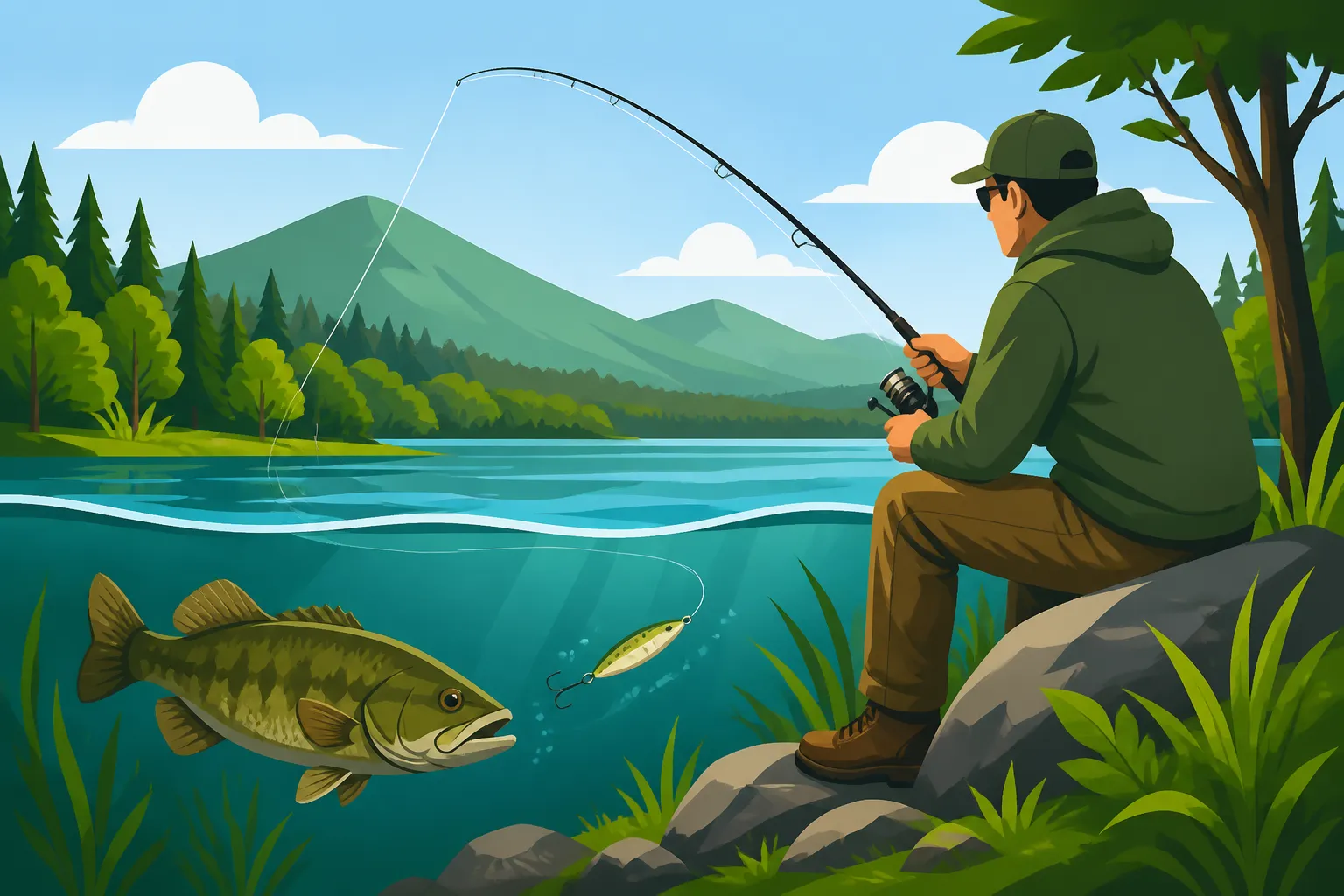
Bass are incredibly popular targets for bank anglers in Vermont, and for good reason—they're aggressive, fun to catch, and often hold close to shore.
When you're after largemouth bass, focus your efforts around heavy cover. Think lily pads, fallen trees, docks, and dense weed beds. These areas provide ambush points and shade. Soft plastics, such as Texas-rigged worms, creature baits, or Senkos, are incredibly effective here. Cast them into the thickest cover you can reach and work them slowly, allowing them to fall naturally. Topwater lures like poppers or frogs can also be exhilarating during low light conditions or when bass are actively feeding on the surface around vegetation. Consider areas like Lake Bomoseen or Waterbury Reservoir, which are known for their healthy largemouth populations.
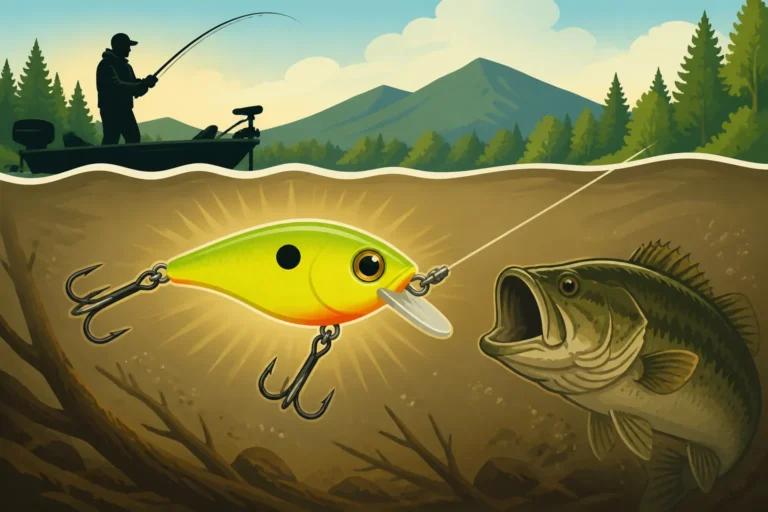
For smallmouth bass, shift your focus to rocky areas, points, humps, and drop-offs. Smallmouth love structure and cooler, clearer water. They're often found patrolling rocky shorelines or hunting baitfish over gravel flats. Lures that imitate crayfish or baitfish, such as crankbaits, tube jigs, and swimbaits, work wonders. Jigs with a soft plastic trailer are also highly effective when bounced along the bottom. On Lake Champlain, particularly in areas like Malletts Bay or Shelburne Bay, you can find excellent smallmouth action from accessible rocky points. You can learn more about "How to Catch Smallmouth Bass in Vermont Lakes" to refine your approach.
Trout and Landlocked Salmon
While many trout and landlocked salmon anglers prefer boats for trolling, significant opportunities exist for bank anglers, especially for stocked trout and during specific seasonal movements.
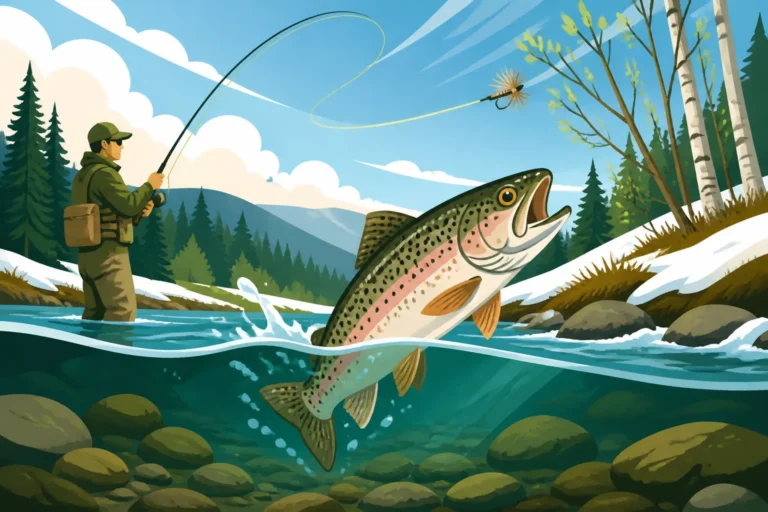
Stocked trout are often found near where they were released, so public access points on lakes and ponds that regularly receive stockings are prime locations. For these fish, traditional baits like PowerBait, corn, or worms fished on a simple bottom rig or under a slip bobber are highly effective. Small inline spinners (Mepps, Panther Martin) or spoons cast and retrieved at varying depths can also provoke a strike. Target points, coves, and areas where streams enter the lake, as these can concentrate cooler water and food. Early spring and fall are generally the best times for bank trout fishing.
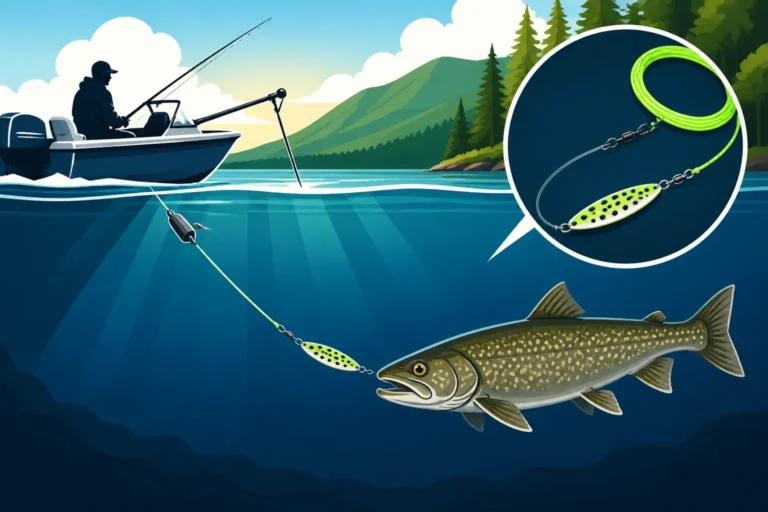
Landlocked salmon, particularly on lakes like Willoughby or Seymour Lake, can be trickier from shore, but not impossible. During spring ice-out and fall spawning runs, these fish will often come closer to shore or enter tributary mouths. Tossing spoons or small stickbaits (like a Rapala or Smeltinator) can be effective. Look for areas with deeper water access from shore or rocky points where baitfish might congregate. Patience and persistence are key, as salmon are often on the move. Sometimes, a long cast with a shiny spoon can be all it takes.
Panfish and Other Species
Don't underestimate the joy and consistent action of targeting panfish like yellow perch, bluegill, and black crappie from the bank. These species are abundant in almost all Vermont lakes and ponds and are fantastic for anglers of all skill levels, especially those introducing children to fishing.
Panfish typically congregate around docks, weed beds, submerged brush, and any shallow cover. A simple ultralight rod and reel setup, small hooks, and a bobber are often all you need. Worms, grubs, or small crappie jigs (often called "trout magnets" or similar micro jigs) are incredibly effective. You can often see these fish schooling in clear shallow water, making them an exciting sight-fishing opportunity. "Panfish Fishing in Vermont" is a fantastic way to spend an afternoon, and you'll find plenty of spots throughout the state that offer consistent action.
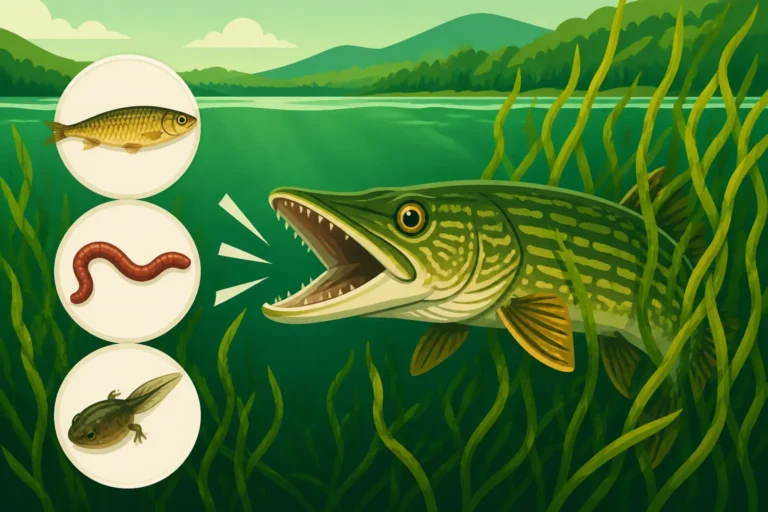
Other species like northern pike and chain pickerel can also be caught from the bank, particularly in weed-choked bays or shallow marshy areas. They are ambush predators, so cast large spoons, spinnerbaits, or even big jerkbaits parallel to weed lines or into pockets within the vegetation. Remember to use a steel leader, as their sharp teeth will easily cut through monofilament or fluorocarbon. These aggressive fish can provide a thrilling fight, making a bank fishing trip even more exciting.
Advanced Strategies and Tips for Maximizing Your Shoreline Success
Once you've mastered the basics, it's time to refine your bank fishing game. These advanced strategies and tips can help you consistently catch more fish and make the most of every shoreline opportunity, no matter how challenging it seems.
Spot Selection and Movement
One of the biggest mistakes bank anglers make is sticking to one spot for too long, especially if it's not producing. Think like a hunter: scout, cast, move, repeat. Don't be afraid to walk the shoreline, exploring different coves, points, and transition areas. Sometimes, moving just a few dozen yards can put you on a whole new school of fish or a previously undiscovered piece of structure. For instance, if you're fishing on Lake Bomoseen, and the main public access point isn't yielding, try walking further down the shore to a less-pressured section with more natural cover.
Before you even make your first cast, take a few minutes to observe the water. Look for any signs of fish activity: rising fish, baitfish scattering, or even subtle swirls. Scan the shoreline for clues about underwater structure – a rocky point on land usually means rocky bottom extending into the water. If you see birds diving, that's a strong indicator of baitfish, and where there's bait, there are usually predators. This pre-fishing reconnaissance can save you a lot of wasted casts. When moving, keep your gear light and organized; a good "Best Tackle Bag for Bank Fishing" makes this much easier.
Presentation and Retrieval Finesse
Casting far is one thing, but presenting your bait naturally and retrieving it effectively is where true skill lies. Fish, especially those in pressured shoreline areas, can be incredibly wary. Pay attention to how your lure enters the water – a heavy splash can spook nearby fish. Try to make accurate casts to the edges of cover or just beyond potential fish-holding spots, then retrieve your lure into the target zone.
Experiment with different retrieval speeds and cadences. Sometimes, a slow, methodical retrieve is what's needed for sluggish fish; other times, an erratic, stop-and-go action can trigger a reaction strike. If you're using soft plastics, practice feeling for subtle taps or changes in line tension, which often indicate a bite. For sensitive presentations, using a good fluorocarbon leader, which is nearly invisible underwater, can make a significant difference. Many anglers trust leader material they can easily order from Amazon for its quality and reliability. Small adjustments in your presentation can be the difference between a frustrating day and a memorable catch.
Integrating Technology and Resources
Even as a bank angler, you can leverage technology to your advantage. While you might not have a boat-mounted fish finder, portable, castable sonar devices have become incredibly sophisticated and affordable. Brands like Deeper or Humminbird offer compact units that you can cast out, and they transmit sonar readings directly to your smartphone or tablet. This allows you to identify depth, bottom contour, and even individual fish schools from shore, giving you an edge by revealing otherwise hidden underwater structure.
Beyond physical gear, a wealth of online resources can dramatically improve your bank fishing success. Consult bathymetric maps (depth charts) of Vermont lakes to identify drop-offs, humps, and channels that might be within casting distance. The Vermont Fish & Wildlife Department website offers valuable information on stocking schedules, public access points, and specific Vermont Fishing Regulations Explained. Forums and social media groups dedicated to Vermont fishing are also excellent places to learn about recent catches, effective techniques, and current conditions. Always respect local knowledge, but verify information against official regulations.
Disclaimer
Please be aware that fishing regulations, license requirements, and local conditions can change. Always consult the most current Vermont Fish & Wildlife Department regulations before heading out on your fishing trip. Ensure you have the proper licenses and adhere to all safety guidelines. The information provided in this guide is for general informational purposes only and should not be considered legal or professional advice.