Vermont Fishing Seasons by Month
It's incredibly frustrating when you're itching to hit the water, but you're not entirely sure what's biting, where to find them, or if the season is even open for your target species in Vermont. The Green Mountain State's fishing calendar can feel like a complex puzzle with its diverse waters and ever-changing regulations. This comprehensive guide will untangle Vermont's fishing seasons by month, helping you plan your angling adventures with confidence, no matter the time of year.
Understanding Vermont's Dynamic Fishing Calendar
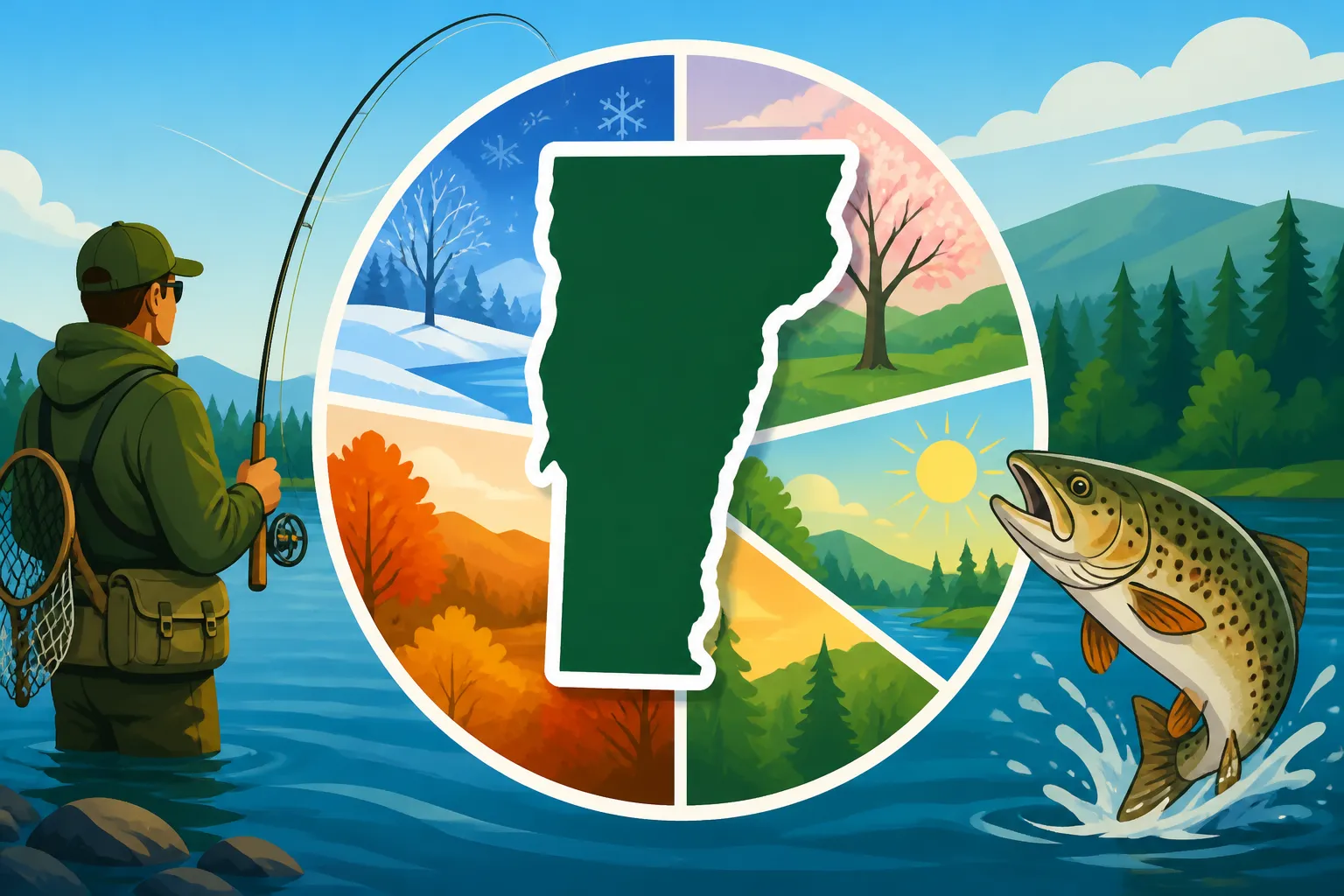
Vermont is a state of incredible natural beauty and diverse aquatic environments, from the vast expanse of Lake Champlain to the remote, crystal-clear mountain streams, and countless ponds and rivers in between. This variety means that fishing opportunities shift dramatically throughout the year, influenced by weather, water temperatures, and the biological cycles of different fish species. Knowing when and where to go is half the battle, and it all starts with understanding the rhythm of the seasons.
Why Vermont's Seasons Aren't One-Size-Fits-All
Unlike some places with more uniform fishing seasons, Vermont's calendar is highly segmented. You'll find different rules and optimal times for different types of fish, and even for the same species in different bodies of water. For instance, the sprawling, deep waters of Lake Champlain behave very differently from a small, high-elevation brook trout stream. The state's geography plays a huge role; temperatures can vary significantly from north to south, and from low-lying valleys to the peaks of the Green Mountains.
This complexity arises from a few key factors: the sheer diversity of fish species (cold-water trout and salmon vs. warm-water bass and pike), their unique spawning habits, and the Vermont Fish & Wildlife Department's efforts to manage populations sustainably. What's open and thriving in April might be closed or entirely unproductive by August. It can certainly feel overwhelming trying to keep it all straight, especially if you're new to the area or trying a new type of fishing.
General Considerations for Planning Your Trip
Before you even think about packing your gear, the absolute first step is to consult the most current Vermont Fishing Regulations Explained. These regulations are updated annually and are your definitive source for season dates, bag limits, and special water restrictions. Don't rely on last year's guide or what a friend told you, as things can change!
Beyond regulations, weather variability is a huge factor. A mild spring could mean an early ice-out on lakes and rivers, pushing up the start of the open water season. Conversely, a late, cold spring can delay things considerably. Water temperature is the ultimate driver for fish activity. As waters warm in spring, fish become more active and move into shallower areas. In summer, many species retreat to deeper, cooler waters, while in fall, cooling temperatures can trigger aggressive feeding frenzies before winter sets in. Always keep an eye on weather forecasts and water conditions before you head out.
Spring Awakening: March, April, May
Spring in Vermont is a season of dramatic change, a true awakening for both the landscape and its aquatic inhabitants. As the snow melts and ice recedes, the waters come alive, offering some of the most anticipated fishing opportunities of the year. It's a time of transition, from the last vestiges of ice fishing to the highly anticipated trout opener and the burgeoning bass season.
The Thaw and Early Ice-Out Opportunities (March/April)
March in Vermont can still feel very much like winter, especially in the northern parts of the state or at higher elevations. However, as the sun gains strength, ice begins to degrade, first in bays and shallower sections of lakes, then eventually across larger bodies of water. This period, often called "ice-out," marks a critical transition. For those who brave the chilly conditions, early season lake trout and landlocked salmon fishing can be absolutely fantastic on bigger lakes like Lake Champlain, Lake Memphremagog, and Lake Willoughby. These fish, hungry after a long winter, often cruise shallower waters as soon as the ice clears, making them more accessible to shore anglers or those with small boats.
It’s crucial to prioritize safety during this period. Ice can be deceptively thin and unstable, even if it looks solid. Once the ice is gone, the water itself is still dangerously cold, posing a hypothermia risk. Always wear a PFD (personal flotation device) and let someone know your plans. While some may still be ice fishing in early March, particularly for species like yellow perch on lakes with thick, stable ice, most anglers are eagerly awaiting the full thaw. For a deeper dive into winter fishing, our guide on Vermont Ice Fishing Season Dates can help you plan ahead.
Trout Opening Day Frenzy and Stream Fishing (April/May)
The last Saturday in April is practically a holiday for many Vermont anglers: Trout Opening Day. This date signals the official start of the stream and river trout season, and it's met with a flurry of activity. Stocked trout, fresh from the hatchery, are eager to bite, making it an excellent time for beginners and families. You'll find many popular streams and rivers teeming with anglers casting everything from worms and PowerBait to small spinners and early-season fly patterns.
As April transitions into May, water temperatures in rivers and streams continue to rise, spurring increased insect activity. This means fly fishing opportunities expand significantly, with hatches of caddisflies and mayflies bringing trout to the surface. Wading these picturesque streams becomes a quintessential Vermont experience. While stocked trout provide plenty of action, May also sees wild brown trout and brook trout becoming more active in their native habitats. Understanding the nuances of this celebrated day is key, and our article on Vermont Trout Opening Day Traditions delves into this further.
Early Bass and Panfish Action (May)
While trout might steal the early spring spotlight, May is also a fantastic month for warm-water species, particularly panfish and bass. As shallow bays and ponds warm up, yellow perch, bluegill, and crappie become incredibly active. They're often found congregating in sun-drenched areas, preparing to spawn, and can provide fast action for anglers of all ages. Simple tactics like bobber fishing with worms or small jigs work wonders.
For bass anglers, May on Lake Champlain and other larger lakes signals the start of the pre-spawn period. Largemouth and smallmouth bass begin moving into shallower staging areas, feeding heavily to build energy for spawning. While many waters have specific catch-and-release seasons or delayed openers for bass to protect spawning fish, Lake Champlain offers a fantastic catch-and-release bass season that begins in mid-May. This allows anglers to target these powerful fish using artificial lures while ensuring their successful reproduction. Our comprehensive guide on the Vermont Bass Catch-and-Release Season, Explained provides all the details you'll need.
Summer's Bounty: June, July, August
Summer in Vermont is a glorious time, and the fishing opportunities are as abundant as the sunshine. With consistent warm weather, the focus shifts heavily towards warm-water species in lakes and ponds, while cold-water species seek refuge in deeper haunts or cooler headwater streams. It’s a season for long days on the water, often punctuated by spectacular sunrises and sunsets.
Peak Warmwater Fishing (June/July)
Once June rolls around, the warm-water bite is in full swing. Largemouth and smallmouth bass, northern pike, and walleye are all highly active across Vermont's larger lakes and ponds. Lake Champlain, in particular, becomes a mecca for bass anglers, with both largemouth and smallmouth bass aggressively feeding in weed lines, rocky points, and submerged structures. Topwater action can be explosive during low-light conditions early in the morning or late in the evening. Crappie and bluegill fishing also remain excellent throughout these months, especially for families looking for steady action.
For northern pike, June and July see them holding in dense weed beds, waiting to ambush prey. These toothy predators offer thrilling fights and can be targeted with large spoons, spinnerbaits, or even live bait. Walleye on Lake Champlain will be found moving between shallower feeding grounds and deeper structure, often best targeted during dawn, dusk, or even into the night. If you’re looking for where to find these hard-fighting fish, check out our guide on the Best Bass Fishing Lakes in Vermont.
Deep Water Lake Trout and Salmon (July/August)
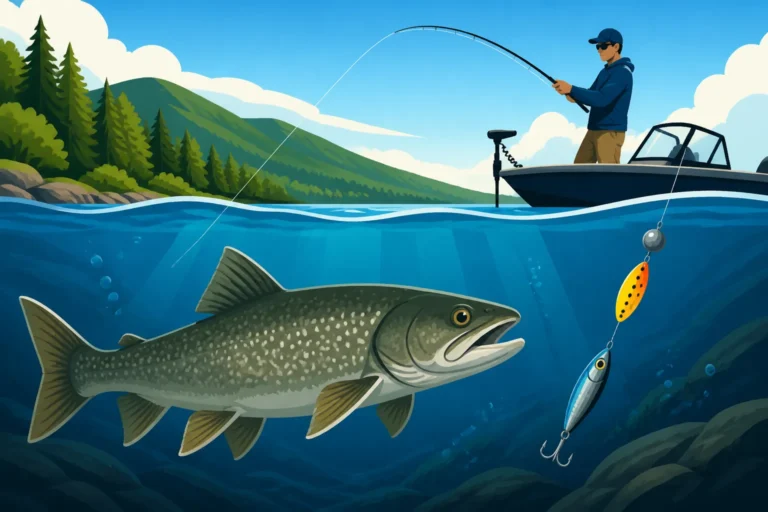
As surface water temperatures climb in July and August, cold-water species like lake trout and landlocked salmon retreat to the cooler, deeper sections of large lakes. This is prime time for trolling enthusiasts. Anglers employ downriggers, lead core line, and specialized trolling gear to present lures and baits at specific depths where these fish reside, often in the thermocline layer. Lake Champlain and Lake Willoughby are renowned for their deep-water fishing for these magnificent species.
Targeting lake trout in particular requires specialized knowledge of their habits and preferred depths. It's not uncommon to be fishing 80-120 feet deep on Lake Champlain during the peak of summer. Using a quality fish finder to locate schools of baitfish and changes in bottom structure is essential for success. Our guide to Lake Champlain Lake Trout Fishing goes into much greater detail about finding and catching these deep-dwelling giants.
River Smallmouth and Trout in Cooler Rivers (August)
Even as lake temperatures peak, August still offers fantastic fishing, especially for smallmouth bass in Vermont's larger rivers. The Winooski, Lamoille, and Otter Creek all offer excellent smallmouth opportunities, particularly where there are rocky stretches and deeper pools. These riverine smallmouth are incredibly strong fighters and can be targeted with a variety of lures, from crankbaits to soft plastics and even fly patterns.
For trout anglers, August means seeking out the cooler, higher elevation streams and brooks, or cold tailwater fisheries below dams. These waters often maintain lower temperatures, allowing wild brook trout and brown trout to remain active. Fly fishing with terrestrial patterns (imitating grasshoppers, ants, and beetles) or small nymphs can be very effective. It's also a time when responsible angling practices are paramount: handle trout gently, minimize their time out of water, and consider using barbless hooks, especially during periods of high water temperatures, to ensure their survival.
Autumn Gold: September, October, November
Autumn in Vermont is breathtakingly beautiful, with the foliage painting the landscape in vibrant hues. It's also a season of renewed vigor for many fish species, as cooling waters re-energize them, triggering aggressive feeding before winter sets in and initiating the spawning rituals for some of Vermont's most prized game fish.
Fall Trout and Salmon Runs (September/October)
As September arrives and water temperatures begin their gradual decline, a transformation occurs in many of Vermont’s lakes and rivers. Brown trout, in particular, become incredibly active, often putting on a spectacular show as they transition into their spawning colors and begin their migrations into tributaries. Trophy brown trout are often caught during this period as they become more aggressive and less wary.
Even more anticipated are the fall spawning runs of landlocked salmon. On lakes like Willoughby, Memphremagog, and even Lake Champlain, adult salmon migrate from the main lake into their natal rivers and streams, or into areas of significant current, to reproduce. This offers an incredible opportunity for anglers, particularly fly fishers, to intercept these powerful fish. Streamer patterns that imitate baitfish or brightly colored egg patterns can be highly effective. Meanwhile, walleye on Lake Champlain also become incredibly active and often school up in predictable areas, making them easier to locate and catch as they feed heavily. If you're keen to experience this spectacular natural event, our guide on How to Catch Landlocked Salmon in Vermont offers invaluable advice.
Late Season Bass and Pike (October/November)
The cooling waters of October and early November don't just benefit cold-water species; they also trigger a final, aggressive feeding spree for bass and pike. Largemouth and smallmouth bass will move into deeper water, often concentrating on humps, ledges, and rocky points where they can ambush baitfish. Larger crankbaits, jigs, and slow-moving soft plastics become the baits of choice as bass try to pack on weight for the lean winter months.
Northern pike, too, remain active throughout the fall, often still found in weed-line edges or transition areas between shallow and deep water. They'll readily strike larger spoons, spinnerbaits, and even dead bait presented effectively. Many anglers find the fall bite for these species to be some of the best of the entire year, partly because the fish are concentrated, and partly because they are truly feeding with purpose. However, it's essential to keep an eye on the official Vermont Fishing Season Dates and Closures, as many specific seasons will begin to wind down by the end of October or November, requiring careful attention to avoid unintentional violations.
Regulations Wind Down and Winter Prep
As November progresses, many of Vermont's general fishing seasons for warm-water species close entirely, and even some trout and salmon regulations may shift to catch-and-release only or specific terminal tackle restrictions. This period is a clear signal that the open-water season is drawing to a close for most anglers. It’s a good time to perform essential maintenance on your gear. Clean and oil reels, check your rods for any damage, and organize your tackle box. This preparation ensures that when the next season rolls around, you’ll be ready to go. Consider replenishing your tackle and line, perhaps grabbing some deals on Amazon as retailers clear out seasonal stock, ensuring you're stocked for next year's adventures.
Winter Wonderland: December, January, February
Winter in Vermont is synonymous with cold, snow, and ice, transforming the landscape into a serene, often starkly beautiful environment. For dedicated anglers, this isn't a time to put away the rods; it's the season for ice fishing, a unique and rewarding way to connect with Vermont's fisheries.
The Start of Ice Fishing (December/January)
Once consistent cold temperatures settle in, ice begins to form on Vermont's lakes and ponds. December, particularly in northern Vermont, often sees the first safe ice of the season. Anglers eagerly await conditions that allow them to walk out onto frozen waters, drill holes, and drop lines. Early ice is often fantastic for panfish like yellow perch and crappie, which congregate in predictable shallow to mid-depth areas. Pickerel also remain very active and aggressive, offering exciting flag-ups on tip-ups.
Safety is, without a doubt, the paramount concern during ice fishing. Never venture onto ice that hasn't been thoroughly checked or isn't confirmed safe by local sources. General guidelines suggest at least 4 inches of clear, solid ice for safe walking, but conditions can vary wildly. Always carry ice picks, a spud bar to test ice thickness, and go with a buddy. Many enthusiasts track the Vermont Ice Fishing Season Dates carefully to ensure they hit the earliest safe windows.
Mid-Winter Deep Freeze and Strategy (January/February)
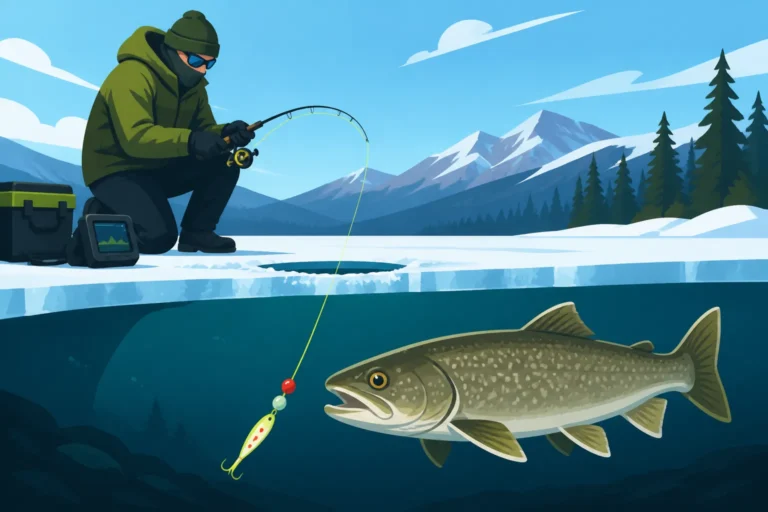
By January and February, Vermont's lakes typically boast thick, stable ice, opening up access to even the largest bodies of water, including sections of Lake Champlain and Lake Memphremagog. This mid-winter period often means targeting deeper water for species like lake trout, walleye, and landlocked salmon. Anglers use specialized ice fishing rods, electronic fish finders (like those readily available on Amazon), and a variety of jigs and spoons to entice bites.
Ice shanties, from simple pop-up shelters to elaborate heated shacks, become temporary villages on the ice, providing refuge from the elements. This is a time when the community aspect of fishing truly shines, with friends and families gathering on the ice. Jigging techniques are particularly effective for active fish, while tip-ups rigged with live bait can cover larger areas, waiting for a flag to signal a strike. Our comprehensive guide on Ice Fishing in Vermont offers a wealth of information for both beginners and seasoned ice anglers.
Late Ice Opportunities Before Thaw
As February gives way to March, the days lengthen, and the sun's intensity begins to hint at spring. This "late ice" period can be incredibly productive, as fish often become more active and feed more aggressively in anticipation of the spring thaw. Panfish frequently move shallower, and even lake trout and salmon can be found in more accessible depths.
However, late ice is also the most dangerous. Ice conditions can deteriorate rapidly from the edges inward, and sunny days followed by freezing nights can create weak, unstable layers. Always be acutely aware of changing conditions, look for signs of slush or open water, and exit the ice if you have any doubts about its integrity. It's a bittersweet period, offering some of the year's best fishing alongside the highest safety risks, a final hurrah before the open water season begins anew.
Species-Specific Seasonal Hotspots
Understanding the general flow of the seasons is one thing, but pinpointing when and where to best target specific fish species is the true art of Vermont fishing. Each species has its own rhythm, dictated by water temperature, spawning cycles, and feeding patterns.
Trout (Brook, Brown, Rainbow)
Vermont is a trout angler's paradise, home to native brook trout and robust populations of wild and stocked brown and rainbow trout.
- Spring (April-May): This is prime time for all trout species. Stream and river fishing kicks off with the last Saturday in April opener. Stocked rainbow and brown trout are abundant in easy-access waters. Wild brook trout become active in smaller mountain streams as flows subside from snowmelt. Our article on Vermont Trout Season and Stocking Rules provides specific dates and details on where to find these fish.
- Summer (June-August): As waters warm, rainbow and brown trout in larger rivers and lakes retreat to cooler, deeper sections or colder tributaries. Wild brook trout thrive in shaded, high-elevation streams. Lake trout fishing is excellent in the depths of Lake Champlain and Lake Willoughby, requiring specialized trolling gear.
- Fall (September-October): Brown trout become incredibly aggressive, preparing for their fall spawn, and can be found in rivers and streams, often displaying stunning colors. Streamer fishing can be highly productive. Lake trout remain active in the deeper parts of large lakes.
- Winter (December-March): Ice fishing for lake trout is a popular pursuit on major lakes, offering a unique challenge to target these deep-dwelling fish through the ice.
Bass (Largemouth & Smallmouth)
Vermont boasts excellent bass fishing, particularly for smallmouth bass in Lake Champlain and many rivers, and largemouth in numerous ponds and shallower lake sections.
- Spring (May-June): The pre-spawn period in May is fantastic for both species, as they move shallow to feed. Lake Champlain's catch-and-release bass season in May offers thrilling action. June sees the official opening of the harvest season for bass across most waters, following their spawn.
- Summer (July-August): Peak bass fishing. Largemouth hold in weed lines, lily pads, and fallen timber. Smallmouth dominate rocky points, shoals, and offshore structure in lakes, and fast-flowing sections in rivers. Early morning and late evening topwater action can be phenomenal. To find the best spots, consult our guide on Best Bass Fishing Lakes in Vermont.
- Fall (September-October): Bass remain very active as water temperatures cool, feeding aggressively to build fat reserves for winter. They often move deeper, but can still be caught on a variety of lures, including crankbaits and jigs.
- Winter (November-March): Bass become largely dormant, retreating to deep sanctuaries. Ice fishing for bass is generally not a primary target, though they can occasionally be caught incidentally while targeting other species.
Walleye
Lake Champlain is Vermont's premier walleye fishery, offering fantastic opportunities for these delicious game fish.
- Spring (April-May): Walleye spawn shortly after ice-out, often in river mouths and rocky shorelines. The post-spawn period in late April and May can be excellent as they recover and feed.
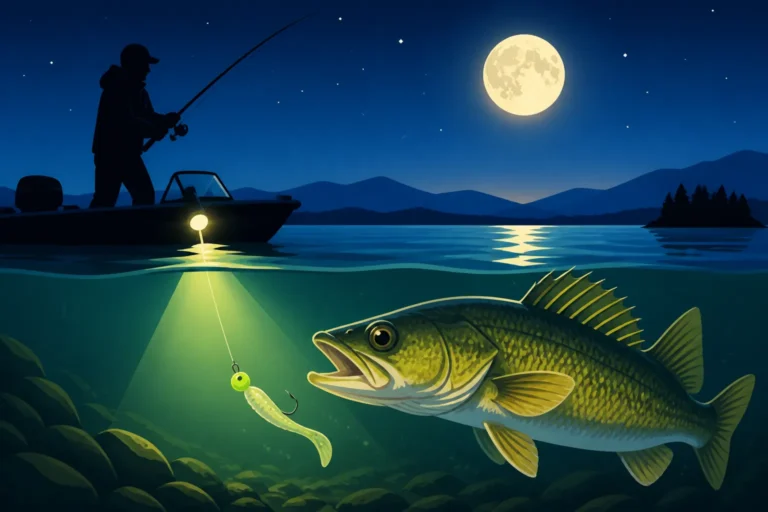
- Summer (June-August): Walleye typically move to deeper, cooler waters during the day, often relating to structure and humps. Night fishing or low-light trolling can be very productive. Our guide on How to Catch Walleye on Lake Champlain provides comprehensive strategies.
- Fall (September-October): As waters cool, walleye become very active again, schooling up and feeding aggressively in preparation for winter. This is often considered one of the best times to target trophy-sized fish.
- Winter (December-March): Ice fishing for walleye is popular on Lake Champlain and other select lakes, especially in areas with known walleye populations. They can be caught jigging or on tip-ups with live bait.
Landlocked Salmon
The epitome of cold-water trophy fishing in Vermont, landlocked salmon are primarily found in Lake Champlain, Lake Willoughby, and Lake Memphremagog.
- Spring (April-May): After ice-out, salmon can be found relatively shallow, feeding on smelt. This is a great time for surface trolling or casting near tributaries.
- Summer (June-August): Salmon retreat to deeper, cooler water, similar to lake trout. Downrigger trolling with spoons or baitfish imitations is the most effective method.
- Fall (September-October): This is the most exciting time for many salmon anglers, as mature fish migrate into rivers and streams to spawn. Anglers target them in these tributaries or at river mouths. Check out our guide on Landlocked Salmon Fishing in Vermont for more details.
- Winter (December-March): Ice fishing for landlocked salmon is possible on specific lakes like Lake Willoughby, often requiring deeper jigging or tip-ups.
Navigating Regulatory Changes & Resources
Staying on the right side of the law is just as important as knowing where the fish are biting. Vermont's fishing regulations are designed to protect fish populations and ensure sustainable angling for generations to come. Overlooking or misinterpreting a regulation can lead to fines, confiscation of gear, and a ruined day on the water.
The Importance of the Vermont Fishing Guidebook
The Vermont Fish & Wildlife Department publishes an official fishing guide annually. This isn't just a suggestion; it's your bible for navigating the state's waters. Regulations can and do change from year to year, sometimes subtly, sometimes significantly. For example, specific waters might have special length limits, different opening and closing dates for certain species, or even restrictions on bait use or the type of terminal tackle. Trying to remember every detail is a fool's errand. You might hear about a fantastic bass spot, only to find it's catch-and-release only during a specific period. Without the current guide, you’re flying blind.
It’s easy to access this vital information. You can pick up a physical copy at most license vendors, or even better, download the latest version directly from the Vermont Fish & Wildlife Department's website. Keep a digital copy on your phone or tablet for quick reference on the water. Trust me, a few minutes spent reading the guide is far better than the headache of a violation. Our comprehensive article on Reading the Vermont Fishing Regulations Guide offers tips on how to efficiently parse this crucial document.
Staying Informed with Vermont Fish & Wildlife
Beyond the annual guide, the Vermont Fish & Wildlife Department is an invaluable resource for real-time updates and essential information. Their website often features news releases about fishing conditions, stocking schedules, and any emergency regulation changes that might occur. Following them on social media can also provide timely alerts and insights from wardens and biologists.
One of the most useful tools they offer is the Vermont Fish Stocking Search Tool, Explained. This allows you to look up where and when trout have been stocked, which is incredibly helpful for planning early season trout trips or finding family-friendly fishing spots. They also provide information on conservation efforts, public access points, and boater education. Engaging with these resources not only helps you become a more informed angler but also supports the vital work of managing Vermont's precious natural resources.
Essential Gear Considerations for Each Season
Just as the fish change their habits throughout the year, so too should your gear. Trying to use your summer bass setup for ice fishing, or your heavy trolling rod for delicate spring stream trout, just won't cut it. Adapting your tackle and apparel to the specific demands of each Vermont season will drastically improve your success and enjoyment.
Adapting Your Tackle for Seasonal Success
- Spring: When trout season opens, lighter rods (5-7 ft ultra-light to medium-light action) paired with small spinning reels are perfect for stream fishing with bait or small spinners. If you’re fly fishing, a 3-5 weight rod is ideal for smaller streams. For early ice-out lake fishing, heavier spinning or baitcasting gear might be needed for powerful lake trout and salmon. Stocking up on a variety of inline spinners and small crankbaits for stream trout can be easily done on Amazon, ensuring you have the right lures.
- Summer: This is peak season for warm-water species. For bass, you’ll want a range of medium-heavy to heavy casting or spinning rods for everything from topwater frogs to Texas-rigged worms. For deep-water lake trout and salmon, dedicated trolling setups with downriggers or lead core line are essential. Make sure your tackle box is organized for efficiency.
- Fall: As fish feed aggressively, consider larger baits and lures. Streamer patterns for fly fishing salmon and aggressive brown trout require a heavier fly rod (6-8 weight). For pike and bass, larger crankbaits, swimbaits, and spinnerbaits can be highly effective. Upgrading your line to heavier fluorocarbon leaders for toothy critters is a smart move.
- Winter: Ice fishing demands specialized equipment. Short, sensitive ice rods (24-36 inches) paired with small spinning reels, tip-ups, and an ice auger are paramount. A variety of small jigs, spoons, and live bait are essential. You can find a huge selection of specialized ice fishing gear, including jigs and augers, on Amazon.
Dressing for Vermont's Variable Weather
Vermont's weather can be notoriously fickle, especially during transitional seasons. Layering is your best friend.
- Spring: Expect cold mornings, potentially warming up significantly by midday, and sudden rain showers. Waterproof and windproof outer layers are crucial. Thermal base layers, fleece mid-layers, and insulated boots are a must, especially if wading cold streams.
- Summer: Lightweight, breathable, moisture-wicking clothing is key. Long sleeves and pants offer sun protection, which is vital on exposed lakes. A wide-brimmed hat and polarized sunglasses (you can find excellent options on Amazon) are essential for spotting fish and protecting your eyes. Don't forget bug spray!
- Fall: Similar to spring, layering is critical. Temperatures can drop quickly, especially after dark. Insulated waterproof jackets and pants, warm hats, and gloves will keep you comfortable.
- Winter: This is where proper attire makes or breaks your trip. Heavy-duty insulated outerwear, often designed specifically for ice fishing, is vital. Thermal boots, warm hats, insulated gloves (or mittens), and multiple layers of wool or synthetic clothing are non-negotiable for staying warm and safe on the ice.
Safety First: Seasonal Precautions
No matter the season, safety should always be your top priority.
- Cold Water Immersion: In spring and fall, water temperatures can be dangerously cold, even if the air feels mild. Always wear a PFD when boating, and understand the risks of cold water immersion.
- Ice Safety: As mentioned, never take chances with ice. Always verify thickness, go with a buddy, and carry safety equipment like ice picks.
- Weather Awareness: Vermont weather can change rapidly. Be aware of incoming storms, especially thunderstorms in summer which can bring lightning and high winds. Always have a plan to get off the water quickly.
- Emergency Preparedness: Carry a fully charged cell phone (in a waterproof bag), a first aid kit (easily assembled with supplies from Amazon), extra food and water, and navigation tools. Let someone know your fishing plans and expected return time. It’s always better to be over-prepared than caught off guard by Mother Nature.
Vermont Fishing Seasons: A Monthly Overview
This table provides a quick glance at the primary opportunities and considerations for each month in Vermont. Remember that specific regulations, water conditions, and local weather patterns can always influence these general trends.
| Month | Primary Focus (Species & Activity) | Key Considerations & Gear Tips |
|---|---|---|
| March | Last chance for stable ice fishing (perch, pike), early ice-out lake trout/salmon. | Ice safety paramount. Cold water immersion risk. Heavier ice rods. |
| April | Trout Opening Day (stocked streams & rivers), early bass (catch & release), lake trout/salmon (ice-out). | Check specific trout regulations. Layered, waterproof clothing. |
| May | Peak trout stream fishing, pre-spawn bass (Lake Champlain C&R), active panfish. | Lighter tackle for streams. Bass C&R rules. Warmer layers. |
| June | Peak warmwater species (bass, pike, walleye). Trout in cooler waters. | Topwater lures for bass. Trolling for lake trout/salmon. |
| July | Summer warmwater fishing (bass, pike). Deep water lake trout/salmon. | Early morning/late evening for bass. Downriggers for deep fish. Sun protection. |
| August | Deep water lake trout/salmon, river smallmouth, high-elevation brook trout. | Heat can stress trout; practice catch & release carefully. |
| September | Fall trout/salmon spawning runs, active walleye, aggressive bass/pike. | Streamers for trout/salmon. Heavier lures for feeding bass/pike. |
| October | Late season aggressive feeding (bass, pike, walleye). Continued salmon runs. | Many seasons closing soon; check regulations. Warm, waterproof gear. |
| November | Very late season fishing for remaining active species. Prep for winter. | Few open seasons. Gear maintenance. Coldest open water conditions. |
| December | Start of ice fishing (panfish, pickerel), early lake trout/salmon on safe ice. | ICE SAFETY IS CRITICAL. Specialized ice fishing gear. |
| January | Mid-winter ice fishing (perch, crappie, walleye, lake trout, pike). | Insulated layers, ice shanty. Fish finders. |
| February | Late ice fishing, fish becoming more active before thaw. | ICE SAFETY IS CRITICAL, especially late in month. Final push for winter trophies. |
Disclaimer
The information provided in this guide is for general informational purposes only and is subject to change. Always consult the official Vermont Fish & Wildlife Department's current regulations guide for the most accurate and up-to-date rules, season dates, and license requirements before engaging in any fishing activities. Fishing conditions, including ice thickness and water levels, can vary significantly and rapidly; exercise extreme caution and prioritize safety at all times.