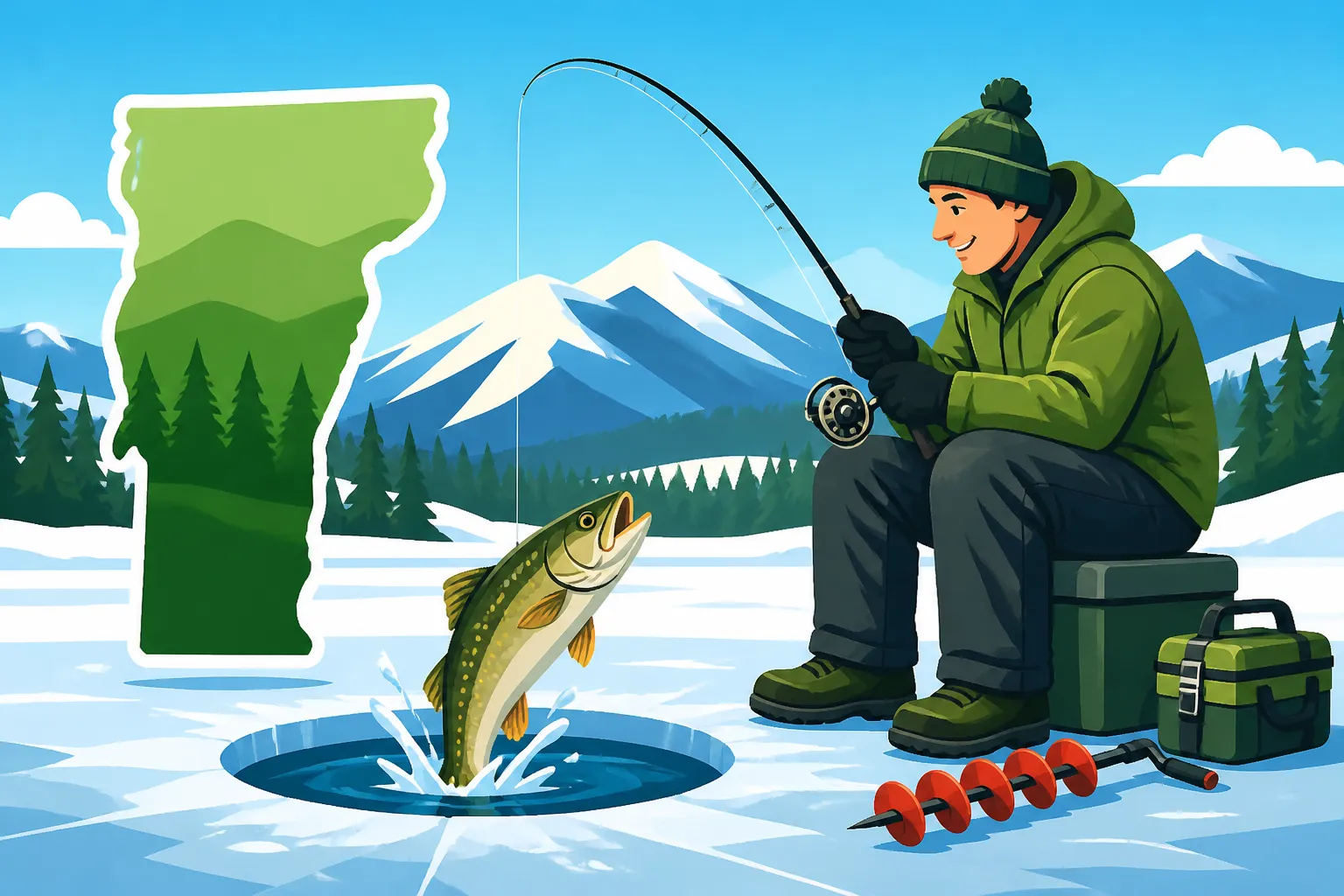
Ice Fishing in Vermont
The long, dark days of a Vermont winter can often feel like an endless stretch, leaving many of us longing for the open water and the thrill of a biting fish. But what if I told you that the cold season doesn't have to mean putting your fishing gear into hibernation? Ice fishing offers a unique, exciting, and incredibly social way to enjoy the outdoors and keep those lines wet, transforming frozen lakes and ponds into vibrant hubs of activity. This comprehensive guide will walk you through everything you need to know to safely and successfully embrace the hardwater season in the Green Mountain State.
Embracing the Vermont Winter: Why Ice Fishing?
For many, the thought of bundling up and venturing out onto a frozen lake seems daunting, perhaps even a little crazy. But for those who've experienced it, ice fishing isn't just a way to pass the winter months; it's a cherished tradition, a chance to connect with nature in a profound way, and often, a surprisingly peaceful escape. Vermont's winters are legendary, and while they can be challenging, they also offer unparalleled beauty and unique recreational opportunities, with ice fishing standing out as a true highlight for anglers.
The Allure of the Hardwater Season
There’s something truly magical about the world beneath the ice. The water becomes incredibly clear, the fish behavior changes dramatically, and the silence on a vast frozen lake, punctuated only by the whisper of the wind or the groan of the ice, is utterly captivating. Unlike open water fishing, where you might be casting from a boat or shore, ice fishing places you directly over the fish, giving you a distinct advantage once you locate them. You’re not just sitting there hoping; you're actively hunting, drilling holes, and adapting your strategy. It’s a cerebral game, a test of patience, and a reward for perseverance.
Moreover, ice fishing transforms fishing from a solo endeavor into a communal experience. On popular lakes, you’ll often find miniature villages of ice shanties popping up, with anglers sharing stories, tips, and even the occasional warm drink. It’s a wonderful way to beat the winter blues, soak in some much-needed vitamin D, and create lasting memories with friends and family. The satisfaction of pulling a feisty perch or a powerful walleye through a small hole in the ice, surrounded by a pristine snowy landscape, is a feeling unlike any other.
Dispelling Common Ice Fishing Myths
A lot of folks shy away from ice fishing due to misconceptions, often fueled by dramatic movies or a general fear of the unknown. One of the biggest myths is that it's inherently dangerous. While caution is always necessary, with proper knowledge and preparation, ice fishing can be incredibly safe. We'll delve into ice safety in the next section, but suffice it to say, understanding ice thickness and checking conditions are paramount, just like checking weather before any outdoor activity. You wouldn't hike in a blizzard, and you shouldn't fish on thin ice.
Another common myth is that ice fishing is boring. Far from it! Modern ice fishing involves sophisticated electronics like flashers and underwater cameras, allowing you to see your lure and the fish reacting to it in real-time. This interactive element makes the sport incredibly engaging. It's not just about staring at a hole; it's about interpreting signals, experimenting with techniques, and constantly adjusting to find success. From the thrill of a flag flying on a tip-up to the subtle tap on a jigging rod, the excitement is constant, even if it's sometimes more subdued than a violent open-water strike.
Safety First: Essential Ice Fishing Guidelines
Before you even think about drilling your first hole, safety has to be your absolute top priority. Vermont's frozen waters can be beautiful, but they demand respect. Neglecting basic safety precautions can turn a fun day into a perilous situation. Don't let enthusiasm override common sense; a little preparation goes a long way in ensuring a safe and enjoyable outing.
Understanding Ice Thickness and Conditions
The golden rule of ice fishing is: "No ice is 100% safe." Conditions can vary dramatically from one spot to another, even on the same body of water. Current, springs, pressure cracks, and changes in temperature can all affect ice stability. The Vermont Fish & Wildlife Department and other experts generally recommend a minimum of 4 inches of clear, solid ice for walking, 5-7 inches for a snowmobile or ATV, and 8-12 inches for a car or small truck. However, these are general guidelines, and darker or slushy ice is much weaker. Always bring an ice spud or chisel to test ice thickness as you go, especially if you're venturing onto a new spot or after a recent warm spell. Don't just follow tracks or assume others know best.
Pay close attention to recent weather patterns. A cold snap followed by a significant snowfall can be deceptive; snow acts as an insulator, slowing down ice formation. Similarly, a few days of above-freezing temperatures can significantly weaken existing ice. Always check local ice reports, talk to bait shop owners, and observe other anglers. If you see open water, stay far away. Be especially wary near inlets, outlets, bridges, and areas with currents where ice is almost always thinner. For more detailed information, check out our guide on How thick ice needs to be for Vermont anglers to walk on it.
Here's a quick reference table for safe ice thickness:
| Activity | Minimum Safe Ice Thickness (Clear, Solid Ice) | Notes |
|---|---|---|
| Walking, Ice Fishing | 4 inches | Always test as you go, especially in new areas. |
| Snowmobile, ATV | 5-7 inches | Distribute weight, avoid stopping in one place for too long. |
| Small Car, Light Pickup | 8-12 inches | Use extreme caution; avoid driving directly over cracks or thin spots. |
| Medium Truck | 12-15 inches | Very risky; generally not recommended. |
| Large Truck | 16+ inches | Highly discouraged; considerable risk. |
Disclaimer: This table provides general guidelines. Local conditions can vary dramatically. Always exercise extreme caution.
Gear for Personal Safety on the Ice
Beyond knowing the ice, having the right personal safety gear is non-negotiable. First and foremost, wear a personal flotation device (PFD). Even if you're confident in your swimming abilities, the shock of falling into icy water can quickly incapacitate you, making it impossible to swim, let alone remove heavy winter clothing. A PFD will keep you afloat until you can self-rescue or be rescued.
Ice picks are another essential item. These are two sharp, spiked handles connected by a cord that you wear around your neck. If you break through the ice, you can use them to pull yourself back onto the stable surface. They are inexpensive and incredibly effective. Also, carry a rope (at least 50 feet) in your sled or pack, which can be thrown to someone who has fallen in. A whistle or other signaling device can alert others to your distress. Finally, always fish with a buddy, or at the very least, let someone know exactly where you're going and when you expect to return. Never venture onto the ice alone, especially in remote areas.
What to Do in an Emergency
If the unthinkable happens and you or someone else falls through the ice, immediate action is critical. If you fall in, resist the urge to panic. Keep your head up and try to get a grip on the edge of the ice with your ice picks. Kick your legs vigorously to propel yourself horizontally onto the ice, like a seal. Once you're out, roll away from the hole to distribute your weight, then crawl back to thicker ice. Get to warmth immediately.
If someone else falls in, do NOT run directly towards them. This could cause you to fall in too. Instead, stay low, spread your weight, and try to reach them with something – a rope, a long branch, a ladder, or even your fishing auger (but hold onto it!). If you must go onto the ice, crawl, and always have a rope tied around you with someone else holding the other end. Once the person is out, get them into dry, warm clothes as quickly as possible and seek medical attention for hypothermia. Understanding these steps can save lives, reinforcing why preparedness is the foundation of any safe ice fishing trip.
Gearing Up for Vermont Ice Fishing
Ice fishing might seem minimalistic, but having the right gear makes a world of difference in your comfort, safety, and success. You don't need to break the bank to get started, but investing in a few key items will significantly enhance your experience. Think layers, portability, and specialized tools that handle the cold and the unique demands of hardwater angling.
The Core Equipment Checklist
Let's start with the absolute essentials. First, you'll need an ice auger to drill holes. Manual augers are great for beginners or if you're only drilling a few holes, while hand-powered models from brands like Eskimo or Strikemaster are efficient. For serious anglers or those who drill many holes, a power auger (gas, propane, or electric) is a game-changer. These make quick work of even thick ice. For a deeper dive into options, check out our guide on the Best Ice Auger for Vermont Lakes.
Next, you'll want short ice fishing rods and reels. These are typically 24-36 inches long, designed for jigging vertically through a small hole. Pair them with small spinning reels loaded with monofilament or fluorocarbon line, ideally 4-8 lb test for panfish and up to 12-20 lb for larger species like walleye or pike. Don't forget a variety of ice fishing lures and bait. Small jigs (tungsten or lead), spoons, and plastic grubs are effective for panfish, while larger spoons and jigging Rapalas work for predators. Live bait like small minnows or spikes (waxworms) are often irresistible. A bait bucket is essential to keep them lively.
A comfortable seat is also crucial. This could be a five-gallon bucket, which doubles for carrying gear, or a specialized ice fishing chair or sled. A skimmer or slush scoop is necessary to clear ice chips and slush from your holes. Finally, a sled is invaluable for hauling all your gear across the ice. Many anglers modify utility sleds from brands like Otter or Shappell to create mobile fishing platforms.
Staying Warm and Comfortable on the Ice
This is where many newcomers underestimate the challenge. Standing or sitting on a frozen lake for hours can be brutally cold if you're not properly dressed. The key is layering. Start with a moisture-wicking base layer (merino wool or synthetic, never cotton) to pull sweat away from your skin. Add a warm mid-layer like fleece or down for insulation. Your outer layer should be waterproof and windproof, such as a quality ice fishing suit. Look for suits with integrated flotation, like those from Striker Ice or Clam, which provide extra safety and warmth.
Warm, waterproof boots are absolutely essential. Look for boots rated for extremely cold temperatures (e.g., -40°F) with good traction. Combine them with thick wool socks. Don't forget hats that cover your ears and gloves or mittens that allow dexterity for handling tackle while keeping your hands warm. Many anglers use convertible mittens or fingerless gloves with a flip-over cover. Hand warmers and toe warmers, easily found on Amazon, can provide a much-appreciated boost of heat on frigid days. Consider bringing a thermos with hot coffee, tea, or soup to help warm you from the inside out.
Specialized Tools for the Serious Angler
Once you've got the basics down, you might want to explore some specialized gear that can significantly improve your success and enjoyment. A portable ice shanty or shelter is a game-changer, providing protection from the wind, snow, and extreme cold. These range from single-person flip-over models to larger hub-style shelters that can accommodate several people and even a portable heater. Brands like Clam, Eskimo, and Shappell offer excellent options. For an in-depth look, consult our guide on the Best Ice Shanty for Vermont Lakes.
Electronics have revolutionized ice fishing. A fish finder, often called a "flasher" in ice fishing circles, displays a real-time view of what's beneath your hole: the bottom, your lure, and any fish swimming by. This allows you to understand fish behavior and adjust your presentation. Brands like Vexilar, Marcum, and Humminbird are popular choices. Some anglers even use small underwater cameras to observe fish directly. These tools take the guesswork out of finding fish and make the experience incredibly interactive. Another useful tool is a glowing jig charger or UV flashlight to quickly charge glow-in-the-dark lures, which can be highly effective in deeper or darker water.
Top Vermont Lakes for Ice Fishing
Vermont is blessed with an abundance of lakes and ponds, many of which offer fantastic hardwater opportunities. From the vast expanse of Lake Champlain to tucked-away mountain ponds, there’s a frozen fishing adventure waiting for every angler. Knowing where to go is half the battle, and different lakes offer different species and experiences. For a broader overview, take a look at our Best Ice Fishing Lakes in Vermont article.
Lake Champlain: A Hardwater Paradise
Lake Champlain, the largest lake in Vermont, is truly an ice fishing paradise, offering diverse opportunities for nearly every species imaginable. Its sheer size means varied conditions and endless potential honey holes. Anglers flock here for walleye, yellow perch, northern pike, lake trout, and even landlocked salmon. The sheer abundance of forage fish, like smelt, makes for a thriving fishery. Popular access points include Malletts Bay, Keeler Bay, and Carry Bay on the Vermont side, as well as areas near Port Henry and Plattsburgh on the New York side, where reciprocity agreements sometimes apply.
The beauty of Lake Champlain is its variety. Shallow bays freeze earlier and offer excellent panfish and pike action, while deeper sections can hold monster lake trout and walleye. Ice shanty villages often sprout up in well-known areas, creating a vibrant community atmosphere. Be aware that the main lake's vastness and potential for strong currents mean ice conditions can be highly variable and dangerous, especially early and late in the season. Always check local reports and exercise extreme caution. For those interested in the social aspect, our Lake Champlain Ice Fishing Village Guide provides more insight.
Northeast Kingdom Gems and Southern Vermont Havens
Beyond Champlain, Vermont's Northeast Kingdom (NEK) is a treasure trove of incredible ice fishing lakes. Lake Memphremagog, straddling the US-Canada border, is famous for its muskellunge, lake trout, and landlocked salmon, along with excellent opportunities for perch and pike. It's a vast, deep lake that requires patience and robust gear, but the rewards can be truly exceptional. Smaller NEK lakes like Lake Willoughby offer stunning scenery and excellent landlocked salmon and lake trout fishing, often in very deep, clear water. Seymour Lake and Island Pond are also popular, yielding a mix of trout, salmon, and panfish.
In Southern Vermont, lakes like Lake Bomoseen and Lake St. Catherine are highly popular for their panfish (crappie, perch, bluegill), largemouth and smallmouth bass, and occasional northern pike. These lakes tend to freeze earlier and are often more accessible, making them great choices for family outings or beginners. Harriman Reservoir offers robust trout fishing, including stocked rainbows and browns, as well as some wild brook trout in its tributaries. Always consult the Vermont Fish & Wildlife Department's regulations for specific rules, as some lakes might have special restrictions or daily limits, which you can find in our Vermont Bag and Possession Limits by Species guide.
Lesser-Known Honey Holes
Don't overlook Vermont's smaller, less-pressured lakes and ponds. Many state park ponds and smaller bodies of water offer fantastic panfish action, particularly for yellow perch and black crappie. These often freeze reliably and provide a more intimate fishing experience. Places like Lake Dunmore, Silver Lake, or even some of the smaller ponds in the Groton State Forest can be incredibly productive, especially if you're willing to do a bit of exploring. These spots are often perfect for a relaxed day with family, where the emphasis is less on trophy fish and more on consistent action and enjoyment.
Local bait shops are an invaluable resource for discovering these hidden gems and getting up-to-date ice condition reports. They often know which smaller ponds are fishing well and what bait is working best. Remember, always practice ethical angling and leave no trace, especially when venturing into more pristine, less-traveled areas, to preserve these special places for future generations.
Targeting Vermont's Hardwater Species
The beauty of ice fishing in Vermont is the sheer variety of fish species you can pursue. Each species requires different tactics, baits, and locations, adding an exciting layer of strategy to your hardwater adventures. Understanding the habits of your target fish is key to filling your bucket.
Crappie and Perch: Panfish Fun for Everyone
If you're looking for consistent action and a great meal, yellow perch and black crappie are your go-to species through the ice. These panfish are abundant in many Vermont lakes and ponds, from Lake Champlain's bays to smaller, shallower waters. They often school in large numbers, so once you find them, the action can be fast and furious. Perch, with their distinctive tiger stripes, are delicious table fare, and crappie, known for their paper-thin mouths, offer a delicate fight.
For both species, presentation is key. Small tungsten jigs tipped with a grub, a piece of small minnow, or a few spikes (waxworms) are incredibly effective. You'll want ultralight or light action ice rods to detect their subtle bites. Focus on depths from 10 to 30 feet for perch, often near weed lines, drop-offs, or submerged structure. Crappie tend to suspend in the water column, especially during low light conditions, so varying your depth is important. Early morning and late afternoon are typically prime times. Our guide on Jigging for Perch Through the Ice offers specific techniques. And for more about these popular targets, see our article on Yellow Perch in Vermont Lakes.
Walleye and Pike: The Predatory Pursuit
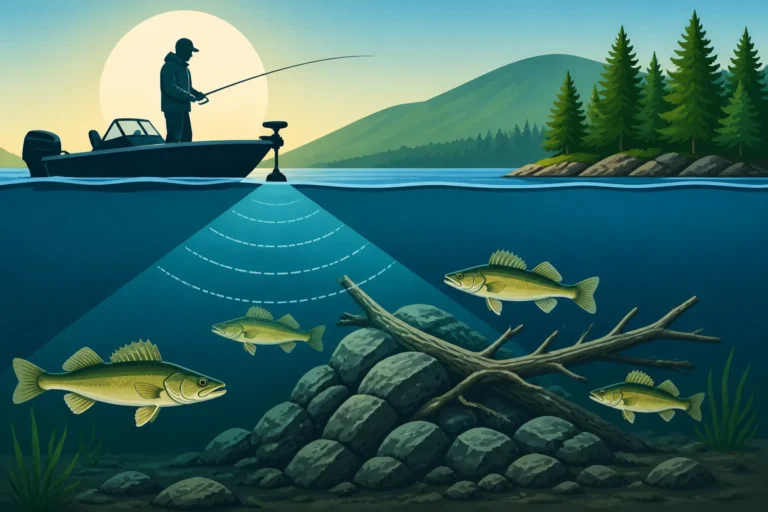
For anglers seeking larger, more aggressive fish, walleye and northern pike are fantastic hardwater targets. Walleye are highly prized for their challenging fight and exceptional table quality. On Lake Champlain, they often congregate around structure like humps, rock piles, and drop-offs in depths ranging from 20 to 50 feet. Jigging spoons, vertical jigging Rapalas, or deadsticking a live minnow under a bobber are proven methods. Walleye are light-sensitive, so low-light periods – dawn, dusk, and even night fishing – are often the most productive. Always check regulations, as Lake Champlain has specific rules for walleye, detailed in our Walleye Fishing on Lake Champlain guide.
Northern pike are aggressive predators found in many of Vermont's larger lakes and flowages. They favor shallower, weedy bays and areas with good forage. Pike can be caught on tip-ups baited with large shiners or suckers, or by aggressively jigging large spoons or lipless crankbaits. Their toothy mouths require a heavy fluorocarbon or steel leader to prevent bite-offs. Be prepared for a powerful fight and bring a large landing net (or grabber) and pliers for safe unhooking. These fish provide an exhilarating challenge and are often the highlight of an ice fishing trip.
Lake Trout and Landlocked Salmon: Deepwater Challenges
For the ultimate hardwater challenge, consider targeting lake trout and landlocked salmon. These powerful cold-water species inhabit some of Vermont's deepest and clearest lakes, including Lake Champlain, Lake Willoughby, and Lake Memphremagog. Lake trout typically dwell near the bottom, often around deep structure like humps, ledges, and channels, at depths from 40 to over 100 feet. Heavy jigging spoons, tubes, or deadsticking large live minnows (such as smelt or suckers) are effective. A stout medium-heavy rod and heavier line (10-20 lb test) are necessary to handle these powerful fish. For detailed insights into catching these giants, explore our Lake Trout Fishing in Vermont guide.
Landlocked salmon, known for their acrobatic fights, often suspend in the water column, following schools of baitfish like smelt. Trolling techniques, typically employed from a boat during open water, translate to specific ice fishing strategies here. While less common, they can be caught by jigging spoons or small baitfish imitations at varying depths, often shallower than lake trout, sometimes around 20-60 feet. Both species are a test of patience and skill, but landing one through the ice is an unforgettable experience. Again, checking specific regulations, including daily limits and minimum lengths, is crucial for these prized game fish.
Mastering Ice Fishing Techniques
Once you have your gear and know what you're targeting, it's time to talk tactics. Ice fishing isn't just about dropping a line down a hole; it involves strategic presentation, understanding fish behavior, and adapting to conditions.
Jigging and Deadsticking for Success
Jigging is perhaps the most active and popular ice fishing technique. It involves using a short, sensitive rod to impart action to a small jig or spoon, mimicking a wounded baitfish or insect. The basic premise is to drop your lure to the desired depth, then use subtle lifts, drops, and pauses to entice a bite. Experiment with different jigging cadences – short, sharp snaps; long, slow lifts; or simply holding the lure still. Many anglers pair jigging rods with flashers or fish finders to see how fish are reacting to their presentation in real-time, allowing for instant adjustments. Tungsten jigs are popular because their density allows them to sink quickly and maintain a small profile, making them less intimidating to finicky fish.
Deadsticking, on the other hand, is a much more passive approach, often used in conjunction with jigging. It involves setting a second rod (your "deadstick") in a rod holder, usually baited with a live minnow or a scented soft plastic, and leaving it largely motionless. The idea is to offer an easy meal to fish that might be hesitant to chase a jig. Often, fish will ignore an actively jigged lure only to take a subtly wiggling minnow on the deadstick. This technique is particularly effective for less aggressive fish or in very cold water conditions when fish are lethargic. You can use a small bobber or a spring bobber on your deadstick to detect the often subtle bites.
Tip-Ups: A Time-Honored Tradition
The tip-up is a classic ice fishing tool, especially popular for targeting larger predatory fish like northern pike, walleye, and even lake trout. A tip-up consists of a spool of line submerged beneath the ice, with a flag mechanism that "tips up" when a fish takes the bait and pulls the line. This allows you to cover a wider area, as you can spread multiple tip-ups across different holes (within legal limits, of course, which you can find in the Vermont Fishing Regulations Explained guide).
To set up a tip-up, you typically bait a hook (often a treble or circle hook) with a live minnow, shiner, or sucker, and suspend it at a desired depth using a split shot or small sinker. When the flag goes up, it's a sprint to the hole! Gently pick up the line, feel for the fish, and hand-over-hand pull it in. This method provides an exciting, adrenaline-fueled experience, as the sight of a flag flying high against the snowy backdrop is always a thrilling moment. Make sure your tip-ups are well-maintained and lubricated to prevent freezing, especially on bitter cold days.
Using Electronics to Your Advantage
Modern electronics have revolutionized ice fishing, transforming it from a guessing game into a more precise and efficient pursuit. Flashers are perhaps the most common and essential electronic device for serious ice anglers. These specialized fish finders provide a real-time, circular display of what's directly beneath your hole. You can see the bottom, your lure (often in a different color), and any fish that pass through the sonar cone. This allows you to adjust your jigging presentation, depth, and even bait choice based on how fish are reacting (or not reacting) to your offering. Seeing a fish rise to meet your lure is incredibly addictive and educational.
Beyond flashers, many anglers also employ GPS units (either handheld or integrated into their fish finder/chartplotter) to mark productive spots, navigate safely on large lakes, and return to previous honey holes. Some even use underwater cameras to literally see what's happening beneath the ice. While cameras are less useful for actively finding fish, they are fantastic for observing fish behavior, checking out bottom structure, and even getting a good look at the fish you're trying to catch. These technological aids, many of which can be found on Amazon, truly enhance the ice fishing experience, making you a more informed and successful angler.
Regulations and Respecting the Resource
Just like with any outdoor pursuit, responsible ice fishing means knowing and abiding by the rules, and always showing respect for the environment and the fish you pursue. The Vermont Fish & Wildlife Department sets these regulations to ensure healthy fisheries for everyone, now and in the future.
Understanding Vermont's Ice Fishing Rules
Before you head out, make sure you have a valid Vermont fishing license. Whether you're a resident or a nonresident, almost everyone needs one, with some exemptions for very young children or during special free fishing weekends. You can find detailed information about obtaining your license in our Vermont Fishing License Guide for 2026.
Beyond the license, familiarize yourself with the specific regulations for the waters you plan to fish. This includes season dates, bag and possession limits, and any length limits for various species. For instance, the general Vermont Ice Fishing Season Dates are important, but specific waters might have earlier or later closures, especially for certain trout species or during spawning periods. Lake Champlain, being such a large and unique body of water, often has its own set of rules, particularly for walleye, lake trout, and salmon. Always consult the most current Vermont Fish & Wildlife Department lawbook; it's your definitive guide. Pay attention to the number of lines or tip-ups you are legally allowed to use, as this varies by state and waterbody.
Responsible Angling and Conservation
Responsible angling extends beyond just legal compliance. It’s about practicing ethical behavior that minimizes impact on the fishery and the environment. Catch and release should be considered for larger, trophy-sized fish, especially species like lake trout and salmon that take many years to reach maturity. If you do keep fish, only take what you will eat, and be mindful of your possession limits. Handle fish gently, especially those you plan to release, to maximize their survival chances.
Leave no trace is another critical principle. Pack out everything you pack in, including any discarded fishing line, bait containers, and trash. This prevents litter from polluting the lakes and harming wildlife. If you're using a portable shanty, ensure it's removed from the ice by the specified dates (usually soon after ice-out warnings are issued) to avoid it becoming a navigational hazard or environmental debris. Proper disposal of dead bait and fish carcasses is also important to prevent the spread of diseases or invasive species. By following these practices, we all contribute to preserving Vermont's incredible ice fishing opportunities for generations to come.
Beyond the Catch: The Community and Culture of Vermont Ice Fishing
While catching fish is certainly a major draw, ice fishing in Vermont offers so much more. It's an opportunity to connect with fellow outdoor enthusiasts, enjoy unique winter events, and create cherished memories that extend far beyond the fish you reel in.
Ice Fishing Derbies and Events
Vermont hosts several popular ice fishing derbies throughout the winter, offering a fantastic way to engage with the ice fishing community, test your skills, and even win some prizes. Events like the Island Pond Winter Carnival or derbies on Lake Bomoseen and Lake Champlain draw crowds from across the region. These derbies often have categories for various species, offer cash prizes or gear, and provide a festive atmosphere with food vendors, bonfires, and camaraderie.
These events are particularly great for beginners or families, as they offer a supportive environment to learn from experienced anglers and enjoy the social aspect of the sport. They can also be excellent opportunities to learn about local hotspots and techniques directly from those who fish them regularly. Always check the Vermont Fish & Wildlife Department's calendar or local bait shop listings for upcoming derbies and events. Participating is a fun way to celebrate the hardwater season and maybe even go home with a new story (and perhaps a prize!).
Family Fun and Winter Memories
Ice fishing is arguably one of the most family-friendly outdoor activities in winter. Unlike open water fishing, where younger children might get restless in a boat, a portable ice shanty provides a warm, contained space for kids to play, read, or enjoy snacks while waiting for a bite. The thrill of a flag flying up on a tip-up is universal, bringing smiles to faces of all ages. Many families turn their ice fishing trips into full-day winter picnics, bringing portable grills, hot cocoa, and plenty of blankets.
It’s an excellent way to introduce children to fishing and the outdoors, teaching them patience, observation skills, and respect for nature. Imagine the joy of a child pulling their first yellow perch through the ice, its vibrant colors contrasting with the white snow. These shared experiences, whether it's huddling in a warm shanty, sharing stories over a thermos of hot chocolate, or watching a beautiful sunset over a frozen lake, forge strong family bonds and create treasured winter memories that last a lifetime. So, don't let the cold deter you; embrace the hardwater season and discover the unique magic of ice fishing in Vermont.
Disclaimer
The information provided in this guide is for general informational purposes only and is not intended as legal advice or an exhaustive list of all regulations. Fishing regulations, ice conditions, and safety recommendations can change frequently. Always consult the latest Vermont Fish & Wildlife Department regulations before fishing, and exercise extreme caution when venturing onto ice. The author and publisher are not responsible for any incidents or injuries that may occur.