Spring Trout Fishing Techniques for Vermont Streams
The chill in the air might still bite, and the rivers might be running high and cold from snowmelt, but for many of us, the arrival of spring means one glorious thing: trout season in Vermont. It’s a time filled with anticipation, the promise of bright, hard-fighting fish, and the unique challenges that come with ever-changing conditions. If you've ever found yourself staring at a rushing river, wondering where the trout are hiding or what they’ll possibly eat in these wild waters, you're not alone. This comprehensive guide is here to unravel the mysteries of spring trout fishing in Vermont, offering practical techniques and insights to help you connect with more fish, from the Battenkill to the Missisquoi, as the Green Mountain State awakens.
Understanding Vermont's Spring Trout Season
Spring in Vermont is a period of transition, and this is especially true for our trout streams. The landscape transforms from icy dormancy to vibrant green, and the fish themselves move through different phases, reacting to water temperature, flow, and the availability of food. Knowing what to expect and what the rules are is your first step to success.
Key Dates and Regulations
Vermont's fishing calendar kicks off with enthusiasm, often centered around the traditional opening day of trout season, which usually falls on the second Saturday in April. However, it’s absolutely critical to remember that not all waters open at the same time, and certain regulations can vary by specific river or lake. For instance, some waters might remain catch-and-release only for a period, or have different gear restrictions. It's easy to get caught up in the excitement, but a quick check of the latest Vermont Fishing Regulations Explained is always a smart move before you even tie on your first fly or lure. These regulations are designed to protect the fishery and ensure sustainable angling for everyone, so understanding them thoroughly is paramount.
Beyond the general opening day, pay close attention to any special regulations for specific stretches of water. Some rivers, particularly those renowned for their wild trout populations or those managed for trophy fish, might have unique rules regarding bag limits, minimum length, or even the type of bait or lure you can use. Don't assume that what applies to a stocked pond in one county will apply to a pristine mountain stream in another. The Vermont Fish & Wildlife Department provides incredibly detailed guides, often available online, that outline these nuances. Failing to consult these can lead to a frustrating encounter with a game warden, or worse, inadvertently harming the resource you love. Always remember that respecting these rules is part of being a responsible angler in Vermont.
Stocked vs. Wild Trout Opportunities
Vermont offers a fantastic mix of both stocked and wild trout fishing, and spring is a prime time to target both. The state’s extensive stocking program ensures that many popular streams, rivers, and ponds receive healthy injections of brook, brown, and rainbow trout. These freshly stocked fish are often eager to bite and can provide some fantastic action, especially right after they've been introduced to the water. They tend to be less wary than their wild counterparts and are often found in easily accessible areas, making them a great target for families or newer anglers. You can often find detailed information, including specific dates and locations of stocking events, by using the How to use the Vermont fish stocking search tool. This can be a real game-changer for planning your spring outings.
However, the Green Mountains are also home to countless miles of pristine rivers and small feeder streams that hold healthy populations of wild trout, particularly native brook trout. These fish, though often smaller, are absolute gems, displaying vibrant colors and offering a more challenging, rewarding experience. Wild trout are much more sensitive to pressure and conditions, requiring a stealthier approach and often more refined techniques. Targeting wild trout means seeking out more remote, harder-to-reach stretches of water, embracing the solitude, and appreciating the unspoiled beauty of Vermont's backcountry. Understanding the difference between these opportunities allows you to tailor your approach and expectations, ensuring a fulfilling day on the water, no matter your preference.
Reading the Water: Where Trout Hide in Spring
One of the most crucial skills for any successful trout angler, especially in the dynamic conditions of spring, is learning to "read the water." This means understanding where trout position themselves to conserve energy, avoid predators, and find food. Spring conditions, with fluctuating water levels and temperatures, often mean trout are concentrated in specific, predictable areas.
Identifying Prime Holding Lies
In the spring, trout are often looking for two main things: shelter from strong currents and easy access to food. Prime holding lies are essentially comfort zones for trout. This includes deeper pools where they can rest without expending too much energy fighting the flow, or areas with significant structure like large rocks, fallen trees (snags), or undercut banks. These features provide cover from predators, like ospreys or herons, and also act as current breaks, allowing trout to hold in slower water while waiting for food to drift by. Think about the energy expenditure – a trout sitting directly in the main current has to work much harder than one tucked behind a boulder.
Look for changes in the streambed or banks that create these sanctuaries. A large log jam, for example, might create a deep scour hole on its upstream side and a calm eddy downstream. Both are prime spots. Undercut banks, where the current has eroded soil from beneath the shoreline vegetation, are particularly effective as they offer overhead cover and a hiding place. In higher, colder water, trout will often hug the bottom, seeking refuge from the relentless flow. As the water warms, they might move higher in the water column or into shallower, sun-warmed riffles. Learning to spot these subtle (or sometimes not-so-subtle) changes in the river's topography is like having a secret map to where the fish are hiding.
Understanding Current Breaks and Eddies
Current breaks are your best friends in spring trout fishing. These are any features that disrupt the main flow of the river, creating areas of slower water. This could be a large boulder, a log, a bridge abutment, or even a subtle change in depth that creates a seam between fast and slow water. Trout will sit on the downstream side of these breaks, in what's known as an "eddy," conserving energy while ambushing passing prey. The seam where the fast water meets the slow water is often a high-percentage zone, as it acts as a conveyor belt for food items.
In spring, with increased flows from snowmelt or rain, these current breaks become even more vital. Trout will actively seek out the most comfortable pockets. Don't overlook smaller features either; even a cluster of smaller rocks can create enough of a break for a decent-sized trout to hold. When you approach a likely-looking stretch of river, cast your bait or lure upstream of the current break and let it drift naturally into the slower water. Pay attention to how your line behaves – if it’s dragging, you’re likely in the main current, and your presentation isn't natural. Adjust your position or casting angle to get that perfect, drag-free drift that mimics a natural food item tumbling downstream.
Scouting for Insect Activity
While early spring often sees sparse insect hatches, don't underestimate the importance of scouting for any signs of invertebrate life. Even a few early black stoneflies or midges can get trout looking up. Turn over a few rocks in the riffles and examine the underside for nymphs or larvae. Pay attention to the water's surface in slower pools or eddies; if you see the slightest ripple that isn't from the wind, it could be a rising trout. Early season hatches, though sporadic, can provide fantastic dry fly opportunities, especially on warmer, overcast days.
As spring progresses into late April and May, insect activity picks up significantly. Caddisflies, mayflies like Hendricksons and March Browns, and even some early stoneflies become more prevalent. Observing these hatches, even if they're small, helps you "match the hatch" if you're fly fishing. For spin or bait anglers, it tells you what kind of food the trout are keying in on, allowing you to choose lures or baits that mimic these natural food sources. Always keep an eye out for flying insects near the water, spider webs covered in drowned bugs, or even birds congregating near the river – they’re often feeding on the same insects that trout love.
Essential Spring Trout Gear and Tackle
Having the right gear makes all the difference when tackling Vermont's spring trout streams. The conditions can be challenging, from cold, high water to slippery banks, so reliable equipment isn't just a luxury – it's a necessity for safety and success.
Rods, Reels, and Line Choices
For most spring trout fishing in Vermont, a versatile setup is key. If you're primarily spin fishing, a light to medium-light action spinning rod, typically between 6 to 7 feet in length, is ideal. This length provides enough leverage for casting lures and baits while offering the sensitivity to detect subtle bites. Pair this with a small spinning reel, size 1000 or 2000, spooled with 4 to 6-pound test monofilament or fluorocarbon line. Monofilament offers a bit more stretch, which can be forgiving with aggressive takes, while fluorocarbon is nearly invisible in the water and more sensitive. Some anglers prefer braided line for its incredible sensitivity and strength, often adding a fluorocarbon leader for stealth.
Fly anglers will find a 7.5 to 9-foot fly rod in a 3 to 5-weight sufficient for most Vermont trout streams. A 4-weight is a fantastic all-around choice, capable of handling small nymphs and dry flies, but with enough backbone for smaller streamers and fighting decent-sized trout. Pair this with a matching fly reel, spooled with a weight-forward floating fly line. In spring, when nymphing is often the most productive technique, a floating line with a good taper for turning over weighted rigs is essential. For those times you might throw heavier streamers, a sink-tip line can be a valuable addition. Remember, good quality gear, which you can often find a wide selection of on Amazon, will last longer and perform better in varied conditions.
Waders and Footwear Essentials
Wading in Vermont's spring streams can be a chilly, and sometimes treacherous, affair. High-quality waders are non-negotiable. Neoprene waders offer excellent insulation against cold water, making them a popular choice for early spring, while breathable waders, often made from Gore-Tex or similar materials, provide comfort and versatility as the weather warms. Whichever type you choose, ensure they fit well – too tight and they restrict movement; too loose and they can sag, causing discomfort or even a tripping hazard. Look for durable construction and reliable seams.
Your footwear is equally, if not more, important. Sturdy wading boots with good ankle support are crucial for navigating slippery rocks and uneven streambeds. Many anglers prefer felt soles for their superior grip on slick, algae-covered rocks, although rubber soles with studs are gaining popularity, especially where felt is restricted due to concerns about invasive species. A good wading staff is also an invaluable safety tool, especially when probing deeper spots or crossing faster currents. It provides an extra point of contact, enhancing stability and confidence. Don't skimp on this gear; a cold, wet, or injured angler isn't catching fish. Investing in quality items like those found from reputable brands like Simms or Orvis will greatly enhance your comfort and safety.
Tackle Bags and Accessories
Staying organized and prepared on the water will make your fishing experience much smoother. A good tackle bag or vest for spin anglers, or a chest pack or vest for fly anglers, should be part of your essential spring kit. These allow you to carry a selection of lures, baits, extra line, leader material, forceps for hook removal, a small first-aid kit, and snacks, all within easy reach. For fly anglers, multiple fly boxes stocked with a variety of nymphs, streamers, and potential dry fly patterns are key. Having dedicated compartments or pockets for different types of gear helps you quickly find what you need without fumbling.
Beyond the basics, consider these accessories:
- Polarized Sunglasses: Essential for spotting fish, reading submerged structure, and protecting your eyes from stray hooks and UV rays.
- Line Nippers/Clippers: For clean cuts when tying knots.
- Forceps/Hemostats: Indispensable for safely removing hooks from trout, especially for smaller fish or deeply hooked ones.
- Small Landing Net: A rubberized or knotless mesh net is best for minimizing harm to fish, particularly if you're practicing Vermont Catch and Release Fly Fishing Only Waters.
- Wading Belt: Crucial for safety, helping to prevent your waders from filling completely with water should you take an unexpected spill.
- Small Thermometer: Water temperature is a critical factor in spring, and a thermometer can help you understand trout behavior.
Having these small but essential items on hand, readily accessible, ensures you're prepared for whatever the stream throws at you and allows you to focus on the fishing, not searching for gear.
Top Spring Trout Fishing Techniques
Spring trout fishing demands adaptability. The techniques that work best will depend heavily on water conditions, temperature, and what the trout are feeding on. Being proficient in a few different methods will significantly increase your chances of success.
Bait Fishing for Early Season Success
For many, especially in the cold, higher waters of early spring, bait fishing remains one of the most consistently productive methods. Trout, especially recently stocked ones, are often less discerning and more opportunistic feeders when the water is cold, and the metabolism is slower. Natural baits provide a strong scent trail and are an easy meal for sluggish fish. Popular choices include garden worms, mealworms, salmon eggs, and prepared baits like PowerBait, which comes in various colors and scents. For those looking to see Vermont Trout Opening Day Traditions, bait fishing is often at the heart of the experience.
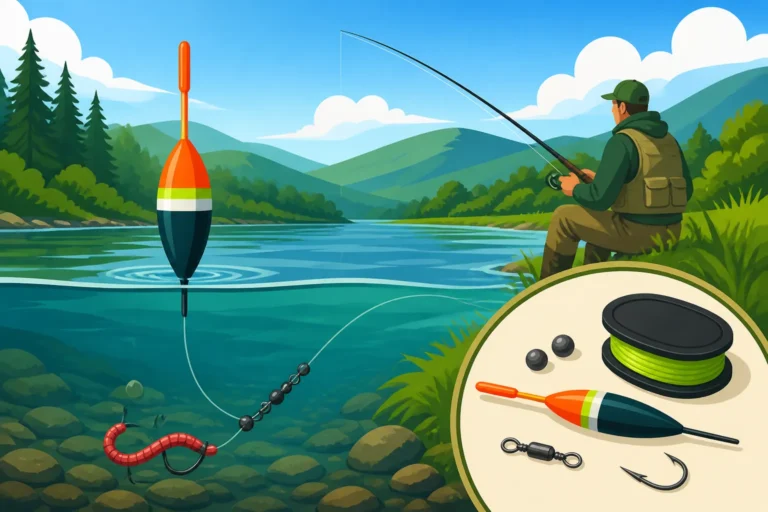
A simple rig for bait fishing typically involves a small hook (size 8-12), a split shot or two crimped a foot or so above the hook to get your bait down, and an optional small bobber if you're fishing slower pools. The key is to present the bait naturally. Cast upstream and let the current carry your bait downstream, mimicking a natural food item drifting with the flow. Focus your drifts through deeper pools, around current breaks, and near any visible structure. Often, the bite can be very subtle in cold water, so watch your line intently for any unnatural movement or pauses. Don't be afraid to experiment with different baits and colors; sometimes a bright, garish PowerBait will outfish a natural worm, and vice-versa.
Effective Spin Fishing Tactics
Spin fishing offers a highly mobile and versatile approach to spring trout fishing, allowing you to cover a lot of water quickly and effectively. A wide array of lures can be deadly in spring, including small inline spinners, spoons, and minnow-imitating stickbaits. The flash and vibration of these lures can trigger aggressive strikes from trout, even when they’re not actively feeding. Brands like Panther Martin, Mepps, and Acme Little Cleo are perennial favorites among Vermont anglers.
When spin fishing, presentation is crucial. Cast your lure upstream or quartering upstream and retrieve it at a speed that allows it to tumble naturally downstream, mimicking a baitfish or insect caught in the current. Vary your retrieve speed and add subtle twitches or pauses to entice strikes. In higher water, heavier lures or those with a deeper diving lip will help you get down to where the trout are holding. In clearer, lower water, smaller, more subtle lures might be more effective. Don't be afraid to cast into tight spots around cover; trout often hold close to structure. Remember to adjust your retrieve depth and speed based on the water temperature and clarity; faster retrieves in warmer water, slower in colder.
Fly Fishing: Matching the Hatch and Beyond
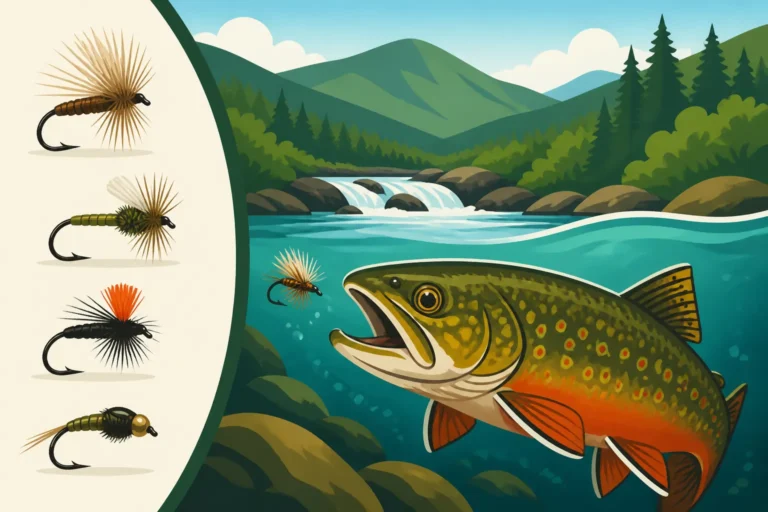
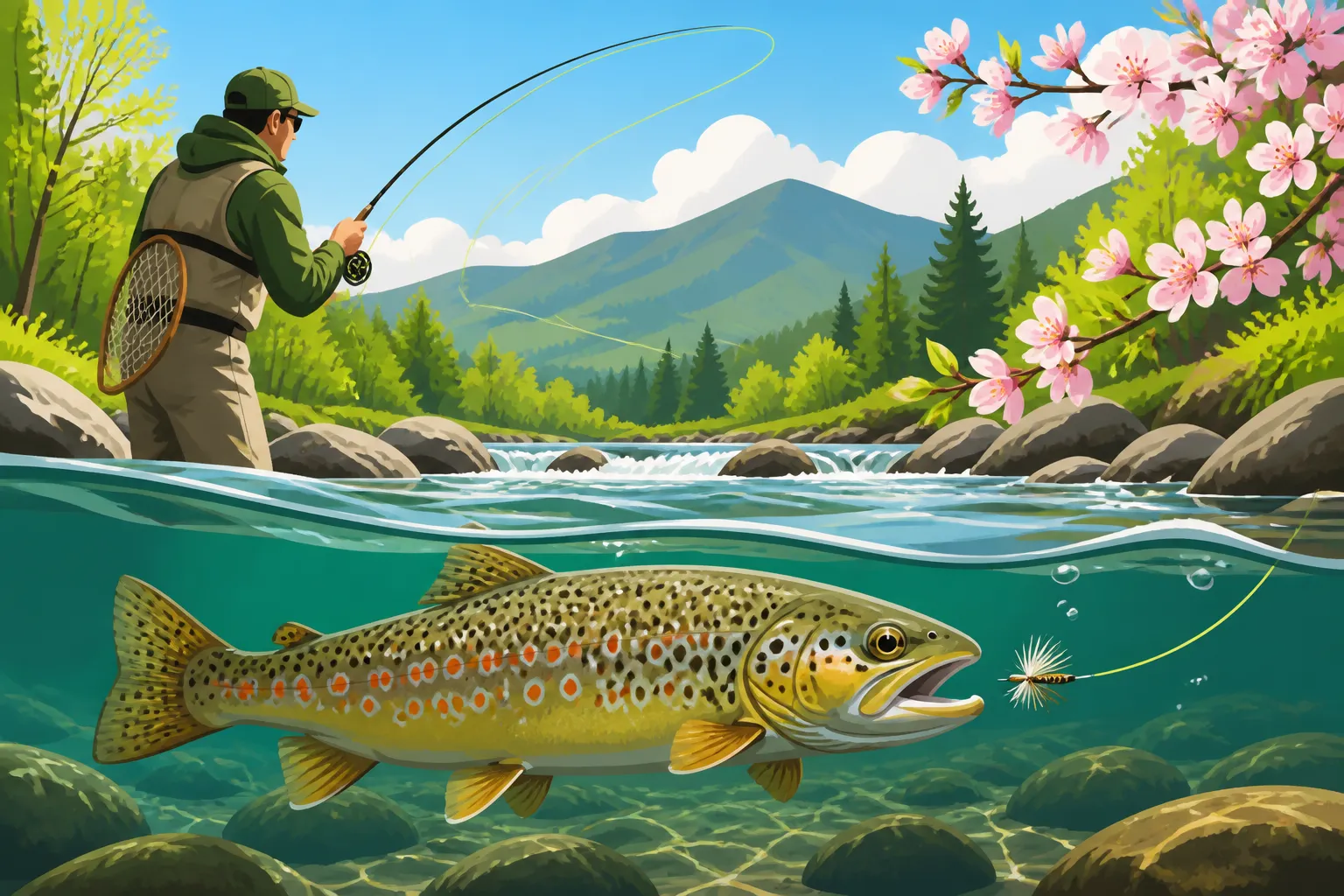
Fly fishing in spring can be incredibly rewarding, offering a diverse range of tactics to suit varied conditions. While true "matching the hatch" with dry flies might be sporadic in early spring, it becomes more common as the season progresses. Initially, subsurface techniques dominate. Nymphing, especially with weighted patterns or under an indicator, is often the most productive method when trout are feeding on aquatic insects near the bottom. Large stonefly nymphs, Caddis larvae, and various mayfly nymphs (like Hare's Ears or Pheasant Tails) are excellent choices.
As waters warm and hatches begin, transitioning to dry flies can be exhilarating. Look for specific insect activity and try to imitate the size, shape, and color of the natural insect. However, don't overlook streamer fishing. Large, baitfish-imitating streamers can provoke aggressive strikes from larger brown trout and even rainbows, especially in higher, off-color water. They key into the trout's predatory instincts. Swinging or stripping streamers through deep pools or along undercut banks can be incredibly effective. Regardless of the chosen method, mastering the art of a drag-free drift is paramount in fly fishing, ensuring your artificial offering looks as natural as possible to the wary trout. For more detailed insights, check out our guide on Fly Fishing for Trout in Vermont.
Choosing the Right Baits and Lures for Spring
Selecting the right bait or lure for spring trout in Vermont isn't about having a massive tackle box, but rather a thoughtful selection that covers various conditions and trout preferences.
Natural Baits for Hungry Trout
Natural baits are often the first choice for many anglers targeting spring trout, particularly during the colder periods. Their natural scent and texture are irresistible to trout that are still a bit sluggish from winter.
- Worms (Nightcrawlers, Red Wigglers): The undisputed king of trout baits. Worms are easy to find, cost-effective, and highly effective. They appeal to all trout species and can be fished on the bottom, under a bobber, or drifted naturally. Thread a piece of worm onto a small hook, leaving the ends dangling for maximum movement and scent dispersion.
- Salmon Eggs: Brightly colored and packed with scent, salmon eggs (both natural and artificial) are excellent, especially for stocked trout that are often conditioned to eat pellet-like foods. They're small, so use a tiny hook (size 14-18) and drift them naturally through pools.
- Mealworms/Waxworms: These smaller, high-protein baits are fantastic for finicky trout or when targeting panfish mixed in with trout. They can be fished singly or in clusters on small hooks.
- Prepared Baits (PowerBait, Gulp!): These scientifically formulated dough baits and artificial worms often float, which can be a huge advantage when fishing a slip sinker rig off the bottom. Their strong scent and vibrant colors are designed to attract trout from a distance. Experiment with different colors – often bright chartreuse, orange, or rainbow glitter are hot tickets.
The key to natural baits is to use enough to create a good scent trail but not so much that it's unnatural or hinders hook sets. Present them as naturally as possible, letting the current do most of the work.
Versatile Artificial Lures
Artificial lures shine when trout are more active or when you want to cover a lot of water efficiently. Their flash, vibration, and erratic movement can often trigger reaction strikes from even wary trout.
- Inline Spinners: Classics like the Mepps Aglia or Comet, Panther Martin, and Blue Fox Vibrax are deadly. Their rotating blade creates flash and vibration, irresistible to trout. Sizes #0 to #2 are generally best for Vermont streams. Vary your retrieve speed; often a slow, steady retrieve is all it takes.
- Small Spoons: Acme Little Cleo, Dardevle, and Kastmaster spoons offer a wobbling action that mimics a wounded baitfish. Their weight allows for long casts and getting down in current. Gold, silver, or brightly colored patterns are popular. Jig them subtly or retrieve them with an erratic stop-and-go motion.
- Minnow-Imitating Stickbaits: Lures like Rapala Original Floaters, countdowns, or similar models from brands like Rebel and Yo-Zuri are incredibly effective. Their lifelike profile and swimming action are hard for predatory trout to resist. Twitching these lures and pausing them can often induce strikes. Sizes from 1.5 to 3 inches are usually perfect.
- Jigs: Small marabou jigs, tube jigs, or micro jigs tipped with a small plastic grub or worm can be very productive. They can be drifted under a bobber, bounced along the bottom, or retrieved with a subtle jigging motion. White, black, olive, or brown are good color choices.
When selecting artificial lures, think about the water conditions. Brighter, more vibrant colors and larger lures might work in stained or higher water, while more natural colors and smaller sizes are better in clear, lower flows. And remember, a good selection of these can be easily found and shipped right to your door via Amazon, making it easy to stock up for your next outing.
Scent and Attractants
In cold water, where a trout's sense of sight might be diminished by turbidity and its metabolism slowed, scent can be a game-changer. Many anglers swear by adding an artificial scent to their lures or baits. Products like Pro-Cure, Berkley Gulp! Alive, or even simple anise oil can be applied to spinners, spoons, jigs, or even natural baits. The idea is to create a stronger olfactory presence that encourages trout to hold onto the bait longer, giving you more time to set the hook.
While some debate the efficacy of scent, especially in fast-moving water where it dissipates quickly, it can certainly help in slower pools or when fish are lethargic. It provides that extra edge, turning a curious sniff into a committed bite. Just a dab applied every 15-20 minutes can make a difference. It’s an easy and relatively inexpensive addition to your tackle box that could mean the difference between a frustrating day and a successful one.
Mastering Fly Fishing for Spring Trout
Fly fishing for trout in Vermont's spring streams is an art form, requiring patience, observation, and adaptability. While the "hatches" of summer might be sparse, spring offers incredible opportunities for subsurface and streamer tactics.
Indicator Nymphing Strategies
Indicator nymphing is often the most productive fly fishing method in early to mid-spring, especially when trout are feeding heavily on aquatic nymphs near the bottom. This technique involves suspending one or more weighted nymph patterns beneath a strike indicator (a fancy term for a bobber designed for fly fishing). The indicator floats on the surface, allowing you to detect even the most subtle takes as your nymphs drift naturally downstream.
The setup usually involves a leader tapered to a finer tippet (4x-6x, depending on water clarity and trout size), to which you tie your nymphs. Common nymph patterns for spring in Vermont include Prince Nymphs, Hare's Ears, Pheasant Tails, Caddis Larvae (e.g., green caddis), and larger Stonefly Nymphs. Sometimes, a "dropper" rig with two nymphs (a heavier one at the bottom, a lighter one above) can be very effective. The key is to get your nymphs down to the trout's feeding lane, which is often right on the bottom. Adjust the depth of your indicator frequently based on the water depth you're fishing. A truly drag-free drift is paramount; any drag on your line will make your nymphs look unnatural, causing trout to ignore them. For a deeper dive into this, consider our general guide on Fly Fishing for Trout in Vermont.
Streamer Fishing for Aggressive Trout
When the water is higher, slightly off-color, or when you’re specifically targeting larger, more aggressive brown trout, streamer fishing can be incredibly effective. Streamers imitate baitfish, leeches, or large aquatic insects, triggering a predatory response in trout. Patterns like Woolly Buggers (black, olive, brown), Clouser Minnows, and various sculpin imitations are excellent choices.
Streamer fishing is more active than nymphing. You cast your streamer across or slightly downstream and retrieve it with a series of strips and pauses, making the fly "swim." The key is to vary your retrieve until you find what triggers a strike. Sometimes a slow, steady strip works, other times an erratic, quick retrieve is better. Focus on fishing streamers through deeper pools, along undercut banks, around large boulders, and near fallen trees – anywhere a larger trout might ambush prey. A 5 or 6-weight fly rod can handle larger streamers more easily, and a sink-tip fly line can help get your streamer down quickly in deeper or faster water. The aggressive take of a trout on a streamer is one of the most exciting experiences in fly fishing.
Dry Fly Opportunities
While early spring primarily calls for subsurface tactics, warmer days and specific hatches can bring trout to the surface, offering thrilling dry fly opportunities. Usually, these opportunities are more consistent in late spring, around May. Look for early season stoneflies (like the Little Black Stonefly), midges, or early mayflies such as Hendricksons or March Browns. The key is observation: are trout visibly rising? What insects are flying around or floating on the water?
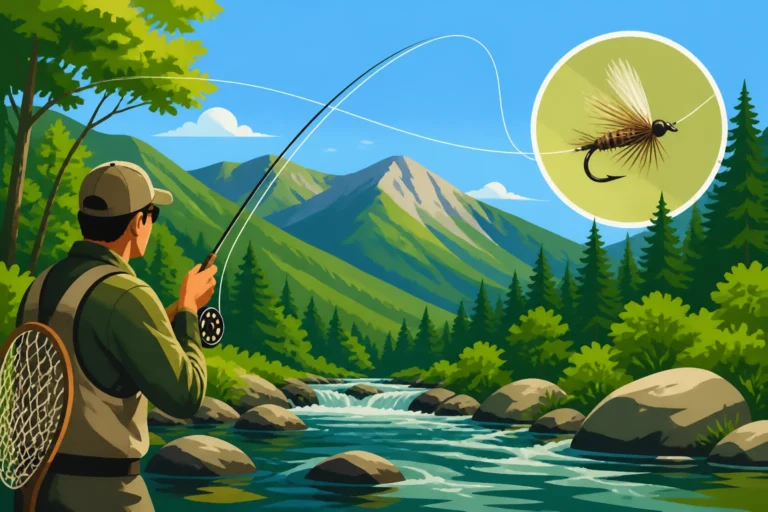
When you do spot rising trout, the challenge is to "match the hatch." This means selecting a dry fly pattern that closely mimics the size, shape, and color of the natural insect the trout are feeding on. A perfect, drag-free presentation is absolutely essential. Cast your dry fly upstream of the rising fish, allowing it to drift naturally over the trout. Any drag on your line will cause the fly to skate unnaturally, putting down even the most eager fish. Carrying a small selection of common early season dry flies is a smart move, and you can find a vast array of them, along with other Fly Patterns for Vermont Trout Streams on popular online retailers. Even if the hatches are sparse, the chance to cast a dry fly to a rising trout is often the highlight of a spring day on the water.
Navigating Spring Weather and Water Conditions
Spring in Vermont is notorious for its unpredictable weather, and these fluctuations directly impact water levels, temperature, and clarity. Adapting your approach to these dynamic conditions is paramount for consistent success.
Dealing with High, Cold Water
Early spring in Vermont often means high, cold water due to snowmelt and spring rains. These conditions present unique challenges but also great opportunities. Trout will typically move out of the fastest currents and seek refuge in slower, deeper pools, eddies behind large obstructions, and along the banks in calmer seams. Their metabolism is slower, so they're less likely to chase a fast-moving lure or fly.
In high, cold water, focus on getting your offering down deep and keeping it there. Heavier baits (like worms with ample split shot), heavier spoons, or weighted nymphs (often fished in tandem) are key. Look for areas where the current is broken significantly, creating a calm "pocket" where trout can rest comfortably. The edges of flooded banks, slow-moving eddies, or the tailouts of deep pools are prime targets. Don't be afraid to add extra weight to your setup to ensure your bait or lure is bouncing along the bottom where the fish are holding. Focus on slow, deliberate presentations, giving the trout plenty of time to react to your offering. Visibility might also be reduced, so baits with strong scent or lures with bright colors and strong vibrations can be more effective.
Adapting to Clearer, Lower Flows
As spring progresses and snowmelt subsides, or during periods of dry weather, stream levels can drop, and the water can become surprisingly clear. These conditions demand a stealthier approach and more subtle presentations. Trout in clear, lower water are much warier and can easily spot you or an unnatural presentation.
When fishing clearer, lower flows, it’s crucial to reduce your line and leader visibility. Use lighter fluorocarbon leaders (4x-6x for spin fishing, 5x-7x for fly fishing) and choose smaller, more natural-colored baits and lures. Presentations should be as delicate and drag-free as possible. For fly anglers, this means even more attention to mending your line to avoid drag. For spin anglers, precise casting and subtle retrieves are key. Approach the water slowly and quietly, staying low and using bankside vegetation or terrain features to break up your silhouette. Cast upstream and allow your offering to drift naturally downstream into prime holding lies. Target shaded areas, undercut banks, and deeper pockets, as trout will often seek cover from both predators and bright sunlight in these conditions. Sometimes, a perfectly presented small dry fly can work wonders, so having a selection of them is smart.
Post-Rain Fishing Strategies
A spring rain shower can drastically change river conditions in Vermont, sometimes for the better, sometimes for the worse. A light, warm rain can actually improve fishing, washing terrestrial insects into the water and slightly raising water levels, which can make trout more active and less wary. The water might get a little cloudy, providing additional cover for both fish and angler.
However, a heavy, cold rain can cause rivers to blow out – becoming muddy, high, and very cold. In these conditions, fishing can be very challenging. Trout will typically hunker down, holding close to the bottom and behind the largest obstructions to escape the powerful current. Your best bet is to look for smaller tributaries that might clear up faster, or target lakes and ponds that are less affected by runoff. If you must fish the main river, concentrate on the very edges of the river, in the slowest, most protected water, or near the mouths of clear feeder streams. Use larger, scent-rich baits or lures with strong vibrations and bright colors to cut through the murky water. The immediate aftermath of a heavy rain can be tough, but as the water begins to drop and clear, fishing can pick up dramatically, often creating some of the best fishing opportunities of the season.
Safety and Etiquette on Vermont's Trout Streams
Beyond just catching fish, being a responsible and considerate angler enhances the experience for everyone and helps protect our precious resources. Spring conditions often magnify the importance of safety and mindful behavior.
Wading Safety Tips
Vermont's spring streams can be beautiful but also dangerous. The water can be deceptively deep, the currents surprisingly strong, and the streambed incredibly slick. Always prioritize your safety.
- Wear a Wading Belt: This is non-negotiable. If you fall, a wading belt will help prevent your waders from filling completely with water, which can be life-threatening.
- Use a Wading Staff: An extendable wading staff provides a crucial third point of contact, helping you maintain balance and probe unknown depths before stepping into them. It's especially useful in fast currents or when crossing unfamiliar sections.
- Shuffle Your Feet: Instead of lifting your feet and potentially slipping, shuffle them along the bottom. This allows you to feel for solid footing and avoid dislodging rocks.
- Face Upstream When Crossing: When crossing a strong current, face upstream at an angle. This allows the current to push against your body, increasing your stability, rather than sweeping you off your feet.
- Know Your Limits: Don't wade in water that is too deep or currents that are too strong for your comfort level. If in doubt, find an easier crossing or fish from the bank. It's better to be safe than sorry.
- Check Conditions: Always check the river flow and weather forecast before heading out. Heavy rains can turn a calm stream into a raging torrent very quickly. Detailed information on Wading Techniques for Vermont Trout Streams can prevent mishaps.
Catch and Release Best Practices
Many anglers, particularly those targeting wild trout or larger specimens, practice catch and release. Doing so responsibly ensures the fish you release survive to be caught another day or to spawn.
- Minimize Handling: Try to keep the fish in the water as much as possible. If you must handle it, do so with wet hands and avoid squeezing it, especially around the gills or belly.
- Remove Hook Quickly: Use forceps or pliers to remove the hook as quickly and gently as possible. If the fish is deeply hooked, it's often better to cut the line as close to the hook as possible rather than tearing delicate tissues.
- Barbless Hooks: Consider crimping the barbs on your hooks or using barbless hooks. They make hook removal much easier and reduce damage to the fish.
- Revive the Fish: Hold the fish gently facing upstream in the current, allowing water to flow over its gills. Support it until it regains its strength and can swim away on its own. Don't simply toss it back; a tired fish is an easy meal for predators.
- Know the Regulations: Even if you plan to release fish, be aware of the Vermont daily trout limit and Vermont trout possession limit. Sometimes, regulations require release for certain species or in specific waters.
Respecting Other Anglers and Private Land
Vermont offers incredible fishing, but with that comes shared responsibility. Being courteous and respectful of others is part of the angling tradition.
- Give Space: If you see another angler fishing a stretch of stream, give them plenty of room. Don't crowd them or walk directly into the water upstream or downstream of them. Politely ask if you can fish a nearby section.
- Minimize Noise: Loud noises, splashing, or heavy footfalls can spook fish. Move quietly and thoughtfully along the banks and in the water.
- Pack It In, Pack It Out: Leave no trace. Take all your trash, including discarded fishing line, home with you. Better yet, pick up any trash you find, even if it's not yours.
- Respect Private Property: A significant portion of Vermont's stream banks is privately owned. Always be aware of property lines and seek permission if you need to access private land. Many landowners allow access as long as anglers are respectful.
- Check Your License: Ensure you have a valid Vermont fishing license, and if carrying a digital version, make sure your phone is charged. Understanding the Vermont Fishing License Guide for 2026 is your first step. Remember, you're a guest on these waters, and good stewardship ensures continued access for all.
Disclaimer
The information provided in this guide is for general informational purposes only and does not constitute legal advice. Fishing regulations and conditions in Vermont can change, and it is the responsibility of each angler to consult the most current regulations issued by the Vermont Fish & Wildlife Department before fishing. Always prioritize safety on the water.