Best setup for float fishing the Connecticut River
There's nothing quite like the rhythm of a float drifting down a river, subtly signaling a bite that makes your heart leap. But when you're on a big, diverse water like the Connecticut River, knowing exactly how to set up for float fishing can feel overwhelming. You want that perfect, natural drift that entices wary fish, not a messy tangle or a float that's dragging unnaturally. This guide is all about simplifying that process, helping you assemble the ideal setup to maximize your success and enjoyment on Vermont's mighty Connecticut.
Setting the Scene: Why Float Fishing the Connecticut River is Unique
Float fishing on the Connecticut River isn't just about tossing a bobber out; it's a nuanced dance with diverse currents, varying depths, and a wide array of fish species. Unlike smaller, more predictable streams, the Connecticut presents a grand stage, and understanding its unique character is the first step toward building your perfect float fishing setup. It's a river that demands respect and a thoughtful approach, but rewards those who learn its secrets with incredible fishing opportunities.
Navigating the River's Diverse Waterways
The Connecticut River, especially along the Vermont border, is a majestic waterway that flows from tranquil stretches through productive riffles, deep pools, and swift runs. This isn't a uniform body of water; you'll find everything from broad, slow-moving sections where you can cast a float a good distance, to faster, narrower channels that demand a quicker, more precise approach. Navigating these varied currents effectively with a float is key to success. You might be targeting smallmouth bass in a rocky eddy one moment and then drifting for trout in a deep, slow bend the next.
Consider a section near the confluence with the White River or stretches around Windsor, Vermont. Here, the river can offer a mix of everything. You'll encounter areas with subtle back-eddies where fish lie in wait for an easy meal, and then just downstream, the current might accelerate over a rocky bottom, requiring a different weighting strategy to keep your bait in the strike zone. The challenge, and the beauty, is adapting your float's speed to match the current, making your bait look as natural as possible. This requires a setup that offers flexibility, allowing you to quickly adjust to changing conditions without re-rigging entirely every time the river's mood shifts. Learning to read these water dynamics is crucial, much like understanding the nuances covered in a comprehensive guide to Reading the Vermont Fishing Regulations Guide.
The Fish You'll Encounter Under Your Float
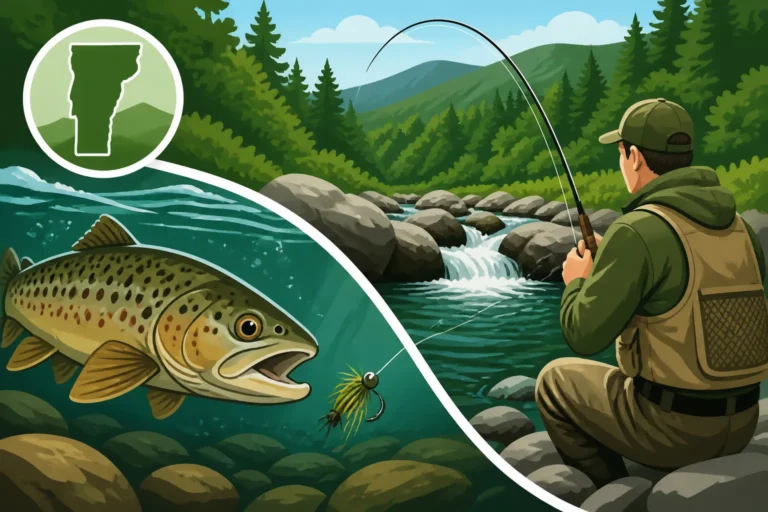
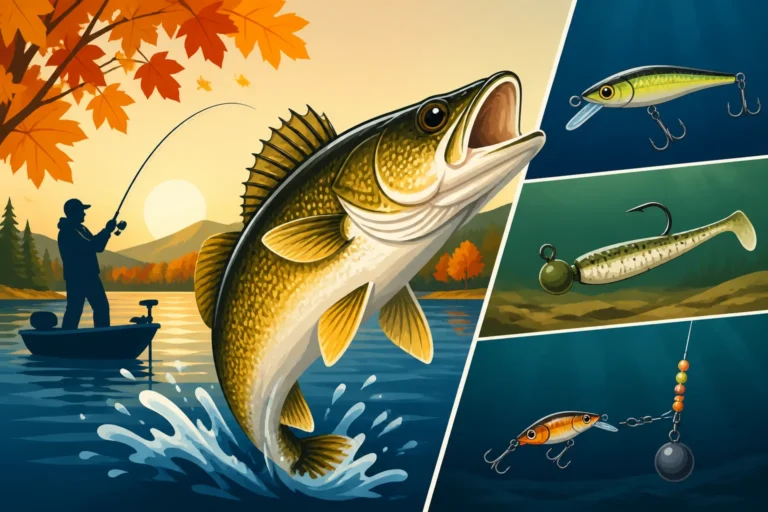
One of the great joys of float fishing the Connecticut River is the sheer variety of species you might encounter. While the river is famous for its trout fishing, particularly its brown and rainbow trout, it's also a phenomenal smallmouth bass fishery. You might also find opportunistic panfish like yellow perch or even the occasional walleye in certain stretches. Each species has its preferred holding patterns and feeding behaviors, influencing how you rig your float.
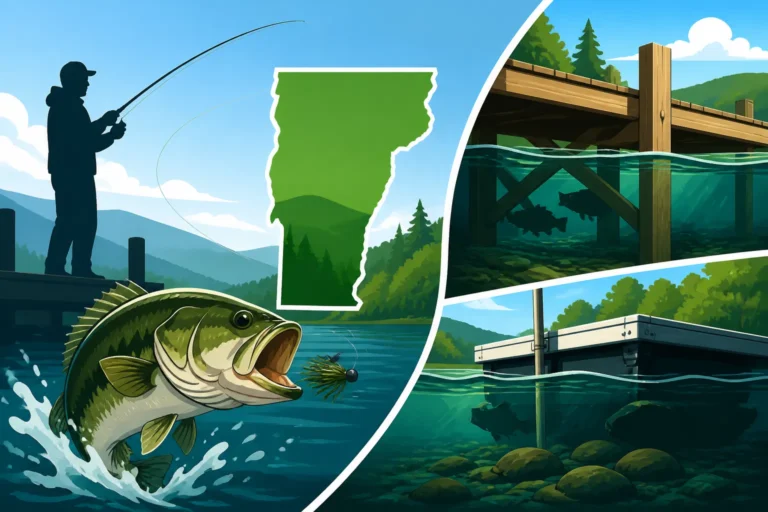
For instance, when targeting trout, especially holdovers or those freshly stocked, they might be found in current seams, behind rocks, or in deeper pools where the water offers both cover and a steady food supply. Your float setup needs to allow for a subtle, long drift that mimics natural food flowing downstream. If you're after smallmouth bass, which are often found near rocky structure, current breaks, or submerged timber, you might need a more durable setup that can withstand aggressive takes and allow you to quickly pull fish away from snags. The beauty of float fishing is its versatility; a well-designed setup can effectively present bait or lures to multiple species. Many of these fish, like the feisty smallmouth, share similar preferences to those found in the Connecticut's larger lakes, making knowledge of How to Catch Smallmouth Bass in Vermont Lakes surprisingly applicable here.
The Foundation: Rod, Reel, and Line for Optimal Control
Building the best float fishing setup for the Connecticut River starts with your core equipment: the rod, reel, and line. These components work together to give you the sensitivity to detect subtle bites, the power to manage fish in current, and the control to achieve that perfect, natural drift. Skimping here can lead to frustration, missed bites, and ultimately, fewer fish in the net.
Choosing the Right Rod for Sensitivity and Reach
For float fishing the Connecticut River, you're generally looking for a rod that offers a good balance of length, sensitivity, and backbone. A longer rod, typically between 7 to 9 feet, provides several key advantages. The extra length helps with casting lighter baits a good distance, which is often necessary on the broader sections of the Connecticut. More importantly, it allows for superior line control, enabling you to mend your line effectively to prevent drag and achieve longer, more natural drifts. This control is critical when your float is far downstream.
A medium-light to medium power rod with a fast action tip is usually the sweet spot. The fast action tip means the rod bends mostly at the top, offering excellent sensitivity for detecting those subtle taps from a wary trout or a curious smallmouth. The medium-light or medium power provides enough backbone to set the hook firmly and to fight larger fish in the river's current without feeling undergunned. Brands like St. Croix, Ugly Stik, or even some of the more affordable options available on Amazon, offer great rods that fit this description. You want something that feels good in your hand, allowing you to cast all day without fatigue, whether you're targeting trout or enjoying Spring Trout Fishing Techniques for Vermont Streams.
Pairing Your Rod with a Reliable Spinning Reel
A smooth, reliable spinning reel is the ideal partner for your float fishing rod on the Connecticut. For the rod sizes mentioned above, a 2000- to 3000-series spinning reel is typically perfect. This size offers a good balance of line capacity, a comfortable retrieve rate, and a relatively lightweight profile that won't make your setup feel tip-heavy.
Look for a reel with a smooth, consistent drag system. When a strong rainbow trout or a feisty smallmouth decides to make a run in the current, a sticky or erratic drag can lead to snapped lines and lost fish. A high-quality drag will give line smoothly under pressure, protecting your lighter leaders. Another key feature is a solid anti-reverse system, which prevents the handle from turning backward, giving you instant hook-sets. While there are many fantastic reels on the market, reliable options from manufacturers like Daiwa, Shimano, or even some well-regarded Okuma models often receive positive reviews from anglers and are readily available through retailers like Amazon. Pairing your rod with a reel like this will make your days on the Best Fishing Rivers in Vermont much more enjoyable.
Line Choices: Balancing Strength and Stealth
Your line choice is critical for float fishing, as it directly impacts casting distance, sensitivity, and the natural presentation of your bait. Many experienced anglers opt for a braided main line paired with a fluorocarbon leader.
- Braided Main Line: A 10-15 lb braided line is an excellent choice for your main line. Braid offers incredible strength-to-diameter ratio, allowing you to use a thinner line that casts further and cuts through the wind better than monofilament. Its most significant advantage for float fishing is its near-zero stretch. This means you feel even the most subtle bites, and your hook-sets are more direct and powerful, especially on long drifts. The brighter colors of braid (like yellow or green) also make it easier to see your line on the water, helping with line mending and drift control.
- Fluorocarbon Leader: Since braid is highly visible, you'll want to tie on a 4-8 lb fluorocarbon leader. Fluorocarbon is nearly invisible underwater, which is crucial for not spooking wary fish. It also has good abrasion resistance, offering some protection against submerged rocks and logs. The length of your leader can vary, but 4-6 feet is a good starting point. You can connect your braid to your fluorocarbon leader using a small swivel (size 10-12, barrel swivel) or a knot like the FG knot or Alberto knot for a more streamlined connection. This combination offers the best of both worlds: the sensitivity and strength of braid, with the stealth of fluorocarbon, a versatile setup for Best Gear for Vermont Trout Fishing.
Perfecting Your Presentation: Floats, Weights, and Hooks
The heart of float fishing lies in how you present your bait naturally in the current. This section focuses on the finer details: selecting the right float, strategically placing your weights, and choosing hooks that ensure a solid hook-set and gentle release. These elements are what truly turn a simple bobber setup into a highly effective fishing rig.
Deciding on the Best Float for Varied Depths and Currents
The term "bobber" often conjures images of bright red and white plastic balls. While those have their place, float fishing on the Connecticut River benefits from more specialized floats. The key is to match the float's buoyancy and type to the depth and current you're fishing.
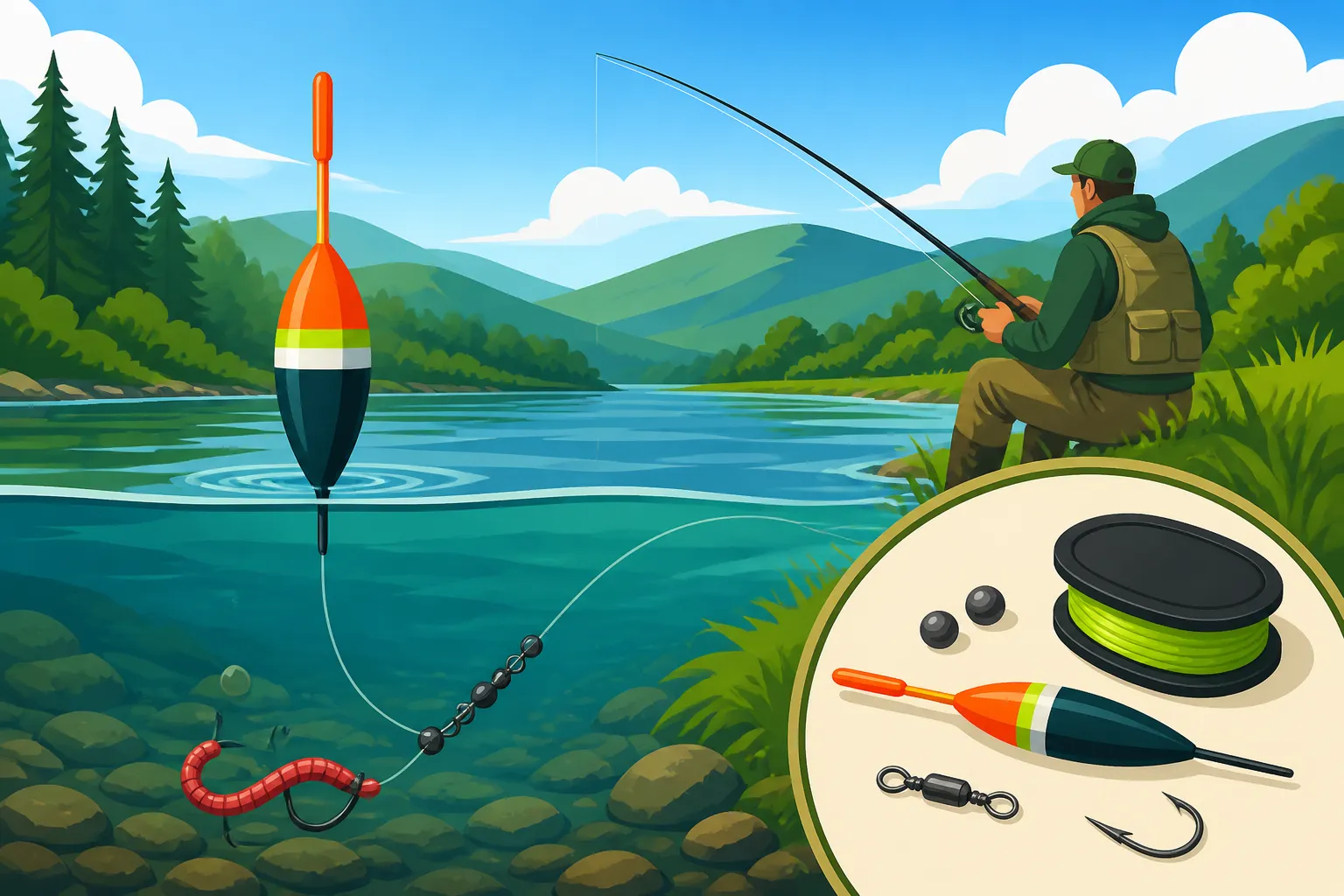
- Slip Floats: These are your go-to for deeper water or when you need to fish at varying depths. A slip float slides freely on your main line between a bobber stop (a small knot or silicone bead) and your weight/hook. This allows you to easily adjust your fishing depth, letting you reach fish holding near the bottom in a deep pool or target a specific depth in a long run. They're excellent for achieving long, natural drifts without resistance. Popular options include Thill Slip Floats or Raven floats, many of which can be found in various sizes on Amazon.
- Fixed Floats: For shallower water (typically less than 6-8 feet) or when you need very precise control in a shorter drift, fixed floats that clip or attach directly to your line at a set depth are useful. These are generally smaller and less bulky.
- Choosing Buoyancy: No matter the type, select a float with just enough buoyancy to keep your bait suspended but not so much that it causes excessive drag or makes it difficult to detect subtle bites. A float that's perfectly balanced with your weight will offer minimal resistance and dip noticeably at the slightest touch from a fish. Often, floats will indicate the amount of weight they can support.
The Art of Strategic Weight Placement
Proper weight placement is absolutely critical for a natural presentation and accurate bite detection. Too much weight, and your bait sinks unnaturally fast or drags the float down. Too little, and your bait might not get to the strike zone, or the float might be overly affected by surface currents.
- Split Shot: Small, soft lead (or lead-free) split shot weights are your best friend. Start by adding just enough weight to cock your float properly in the water, so only the brightly colored tip is showing. This maximizes sensitivity.
- Spaced Weighting: Instead of clumping all your weight together, distribute smaller split shots along your leader. For instance, place your heaviest shot about 12-18 inches above your hook, and then add one or two smaller shot above that, perhaps 6 inches apart. This creates a "shot string" that allows your bait to fall more naturally and keeps it suspended horizontally in the water column, mimicking a free-drifting morsel.
- Depth Control: Adjust the amount and placement of your weight based on current speed and depth. In faster currents, you might need slightly more weight closer to the hook to get down quickly. In slower, deeper pools, less weight and a longer shot string can allow for a slower, more enticing fall. This meticulous approach is key to enticing wary fish, especially when dealing with the discerning palettes of trout, as detailed in the guide to Vermont Trout Season and Stocking Rules.
Hook Selection for Effective Hook-Sets and Fish Care
The right hook ensures a good hook-set and, importantly, minimizes harm to the fish you intend to release.
- Size Matters: Match your hook size to your bait and the target species. For worms or small minnows, Aberdeen or Octopus style hooks in sizes #6 to #10 are typically good for trout and smallmouth. For larger baits, you might go slightly larger.
- Sharpness is Key: Always use incredibly sharp hooks. A dull hook can lead to missed bites or superficial hook-sets. Carry a hook sharpener and use it regularly.
- Barbless or Micro-Barbed: For catch-and-release fishing, especially if you're frequently targeting trout in the Connecticut, consider using barbless hooks or pinching down the barbs on your barbed hooks. This makes unhooking much easier and less traumatic for the fish, increasing their survival rate. Many anglers passionate about Fly Fishing for Trout in Vermont already adhere to barbless practices.
- Snell vs. Knot: While a simple Palomar or Improved Clinch knot works well for tying your hook to your leader, some anglers prefer a snelled hook, especially when using live worms, as it allows the bait to hang straighter.
| Component | Recommended Type | Key Features | Why it's Important |
|---|---|---|---|
| Rod | 7-9 ft Medium-Light to Medium Power, Fast Action | Sensitivity, reach, backbone, casting distance | Control drifts, detect bites, fight fish in current |
| Reel | 2000-3000 Series Spinning Reel | Smooth drag, good line capacity, reliable anti-reverse | Consistent performance, prevent line snaps, confident hook-sets |
| Main Line | 10-15 lb Braided Line | Near-zero stretch, high strength-to-diameter, visible | Enhanced sensitivity, long casts, easy line mending |
| Leader | 4-8 lb Fluorocarbon | Low visibility, abrasion resistance | Stealthy presentation, protect against snags |
| Float | Slip Float (Thill, Raven) | Adjustable depth, buoyant tip, various sizes for weight | Adapt to varying depths, minimal drag, clear bite indication |
| Weights | Soft Lead/Lead-Free Split Shot | Various sizes (B, BB, 3/0, 2/0, 1/0), easy to apply | Natural bait presentation, get to strike zone, balance float |
| Hooks | #6-#10 Aberdeen/Octopus (barbless preferred) | Sharpness, appropriate size for bait/fish, ease of removal for C&R | Secure hook-sets, minimize fish stress |
Enticing the Bite: Baits and Lures for Connecticut River Floats
Once your hardware is dialed in, the next crucial step is choosing what you'll put under that float. The Connecticut River supports a diverse forage base, and matching your offering to what the fish are naturally eating is paramount. Both live baits and artificial lures can be incredibly effective when presented correctly beneath a float.
Natural Baits That Consistently Perform
There’s a reason live bait has stood the test of time: it’s often irresistible to fish. The natural movement, scent, and texture are hard for any artificial to perfectly replicate. When float fishing the Connecticut River, a few natural baits consistently produce results.
- Worms: The classic nightcrawler or garden worm is a universal fish catcher. Rigged on a small, sharp hook (size #6 or #8 Aberdeen), a piece of worm wiggling under a float is deadly for trout, smallmouth bass, and panfish. Let it drift naturally, allowing the current to impart motion. Worms are particularly effective when targeting trout, which often respond well to this readily available food source. For tips on specific regulations regarding bait, checking up on the Vermont Fishing Regulations Explained is always a good idea.
- Minnows: Small shiner or dace minnows, if legal to use and easily sourced, are excellent for larger trout and especially smallmouth bass. Hook them lightly through the lips or just behind the dorsal fin to keep them lively. A struggling minnow under a float can trigger aggressive strikes. Just ensure your float is buoyant enough to support the minnow's weight without sinking.
- Crickets/Grasshoppers: During warmer months, these terrestrial insects can be incredibly effective, especially for trout. Hooked through the collar or behind the head, their natural kick and struggle on the surface, or just below, mimics food falling into the water. While often associated with still waters, a natural drift with these baits can be very productive in slower river sections. Many bait shops along the Connecticut River valley, from Brattleboro to St. Johnsbury, carry these dependable options.
The Versatility of Artificials Under a Float
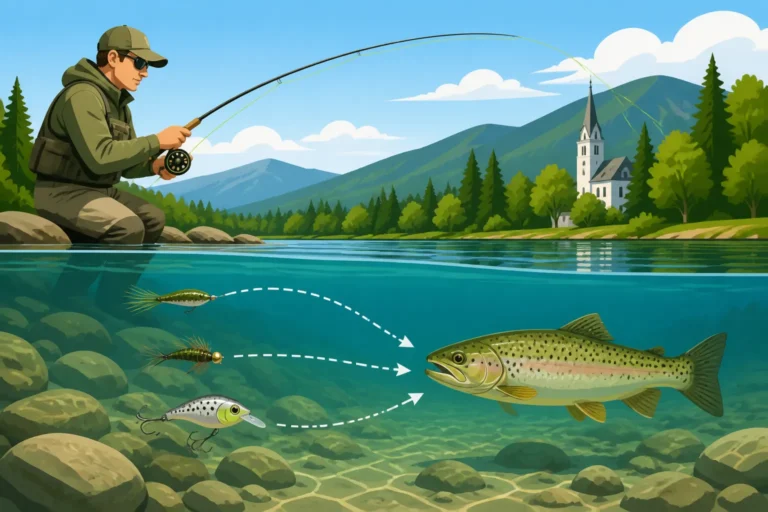
While live bait is fantastic, artificial lures and flies under a float offer their own advantages, especially for anglers who prefer to "match the hatch" or fish with specific patterns. This method, often called "float-n-fly" or simply indicator fishing, bridges the gap between traditional float fishing and fly fishing.
- Small Jigs: Tiny hair jigs or marabou jigs (1/32 to 1/8 oz) fished beneath a float are incredibly effective. The float suspends the jig at a specific depth, and the natural flow of the river gives the jig a lifelike pulsing action. Trout and smallmouth bass absolutely crush these. Experiment with natural colors like olive, black, brown, or white. You can tip them with a small piece of worm for added scent and appeal. Many of these jigs, perfect for targeting fish that feed on nymphs or small baitfish, are widely available on Amazon.
- Soft Plastics: Small soft plastic baits, such as tiny finesse worms, grubs, or creature baits (1-2 inches), can be rigged weedless or on a small jig head and suspended under a float. Their subtle movements in the current can imitate aquatic insects or small baitfish. This is a great option when fish are finicky, and you need a very natural-looking presentation. Again, the beauty is in the drift – let the river do the work.
- Nymphs and Small Streamers: For fly anglers who want to cover more water or reach greater depths without a fly rod, suspending an unweighted nymph (like a Pheasant Tail or Hare's Ear) or a small streamer (like a Woolly Bugger) under a traditional float can be a game-changer. This technique is particularly potent when fish are keying in on subsurface insects or baitfish, and it offers a unique way to present classic fly patterns. This method can be a fantastic complement to more traditional techniques like those explored in Fly Fishing for Trout in Vermont. The trick is to ensure your float is not too heavy or bulky, allowing the fly to drift as naturally as possible.
Advanced Techniques and Considerations
Beyond the basic setup, truly mastering float fishing on the Connecticut River involves a keen understanding of water dynamics, strategic positioning, and a strong commitment to safety and responsible angling. These advanced considerations can significantly elevate your success rate and your overall experience.
Reading the Water and Positioning Your Drifts
Being able to "read the water" is perhaps the most crucial skill for any river angler, and it's especially vital for float fishing. The Connecticut River constantly offers clues about where fish might be holding and how best to present your bait.
- Current Seams: Look for lines where two different current speeds meet. Fish often sit just out of the main current, in the slower water, waiting for food to be swept by the faster flow. Casting your float upstream of these seams and letting it drift along the seam itself is often highly productive.
- Eddies and Backwaters: These are areas of slower or even reverse current, often found behind large rocks, fallen trees, or along shorelines. They offer fish a resting spot out of the main current while still providing access to food. A float carefully drifted into an eddy, allowing the bait to swirl naturally, can be incredibly effective.
- Riffles and Runs: Shallower, faster-moving sections often hold actively feeding fish, particularly trout. The broken surface water also provides cover for fish. Here, you'll need to use enough weight to get your bait down quickly in the faster water, but still ensure a natural drift. Long casts upstream will give your float time to settle and drift through the productive zone.
- Deep Pools: These are prime holding areas, especially in winter or during periods of low, clear water. Use a slip float to reach the bottom, and be prepared for subtle bites.
- Positioning: Always try to cast upstream of your target area and allow your float to drift naturally. Avoid "dragging" your float, where the current pulls your line faster than your float, causing your bait to swing unnaturally. Mending your line (making small adjustments to keep slack out of the line upstream of your float) is a technique that takes practice but drastically improves your presentation. Think about how a skilled angler might strategically approach fishing spots like those found along Connecticut River Fishing Access in Vermont.
Safety and River Etiquette
Fishing the Connecticut River can be an incredibly rewarding experience, but it's a powerful body of water that demands respect. Safety should always be your top priority, followed closely by practicing good river etiquette.
- Wear a PFD: If you're fishing from a boat, kayak, or even wading in strong currents, always wear a personal flotation device (PFD). The river's currents can be deceptively strong, and conditions can change rapidly. This is not just a suggestion; it's a fundamental safety rule, aligning with the regulations outlined in Vermont Boating Laws for Anglers.
- Wading Safety: If wading, know your limits. Wear sturdy wading boots with good traction (felt soles offer excellent grip on slippery rocks, though rubber is more versatile for hiking). Use a wading staff for stability, especially in unfamiliar or swift water. Always be aware of drop-offs and changing current speeds. Never wade alone in strong currents, and always let someone know where you're going and when you expect to return. Consider investing in breathable chest waders for comfort and safety.
- Respect Private Property: Much of the river's shoreline is private land. Always be mindful of posted signs and obtain permission before accessing private property. Utilize designated public access points, boat launches, and fishing access areas.
- Give Space to Other Anglers: The Connecticut River is a popular fishing destination. When you encounter other anglers, give them plenty of space. Avoid crowding, casting over their lines, or making excessive noise. A simple nod or greeting is good etiquette. If you see someone already fishing a prime drift, move upstream or downstream to find your own spot.
- Practice Catch and Release: While taking fish for the table is part of the experience, consider practicing catch and release, especially for larger or wild fish. Handle fish gently, keep them in the water as much as possible, and use barbless hooks for easier release. Be mindful of Vermont daily trout limit and other species-specific regulations. A good landing net designed for gentle handling is an invaluable tool.
Float fishing the Connecticut River offers a fantastic blend of challenge and reward. With the right setup and a respectful approach to the river, you'll be well on your way to enjoying some truly memorable days on the water.
Disclaimer
Please be aware that fishing regulations, including license requirements, season dates, and catch limits, can change. Always consult the official Vermont Fish & Wildlife Department regulations before heading out on the water. This guide is for informational purposes only and should not replace official sources.