Best Fishing Rivers in Vermont
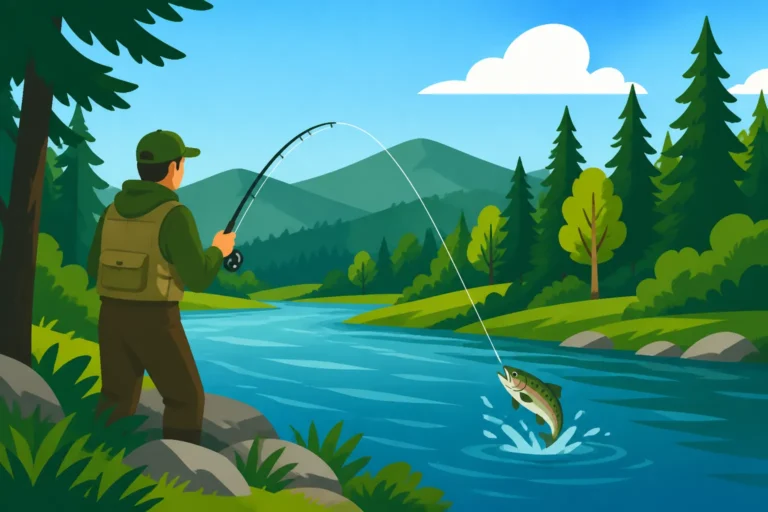
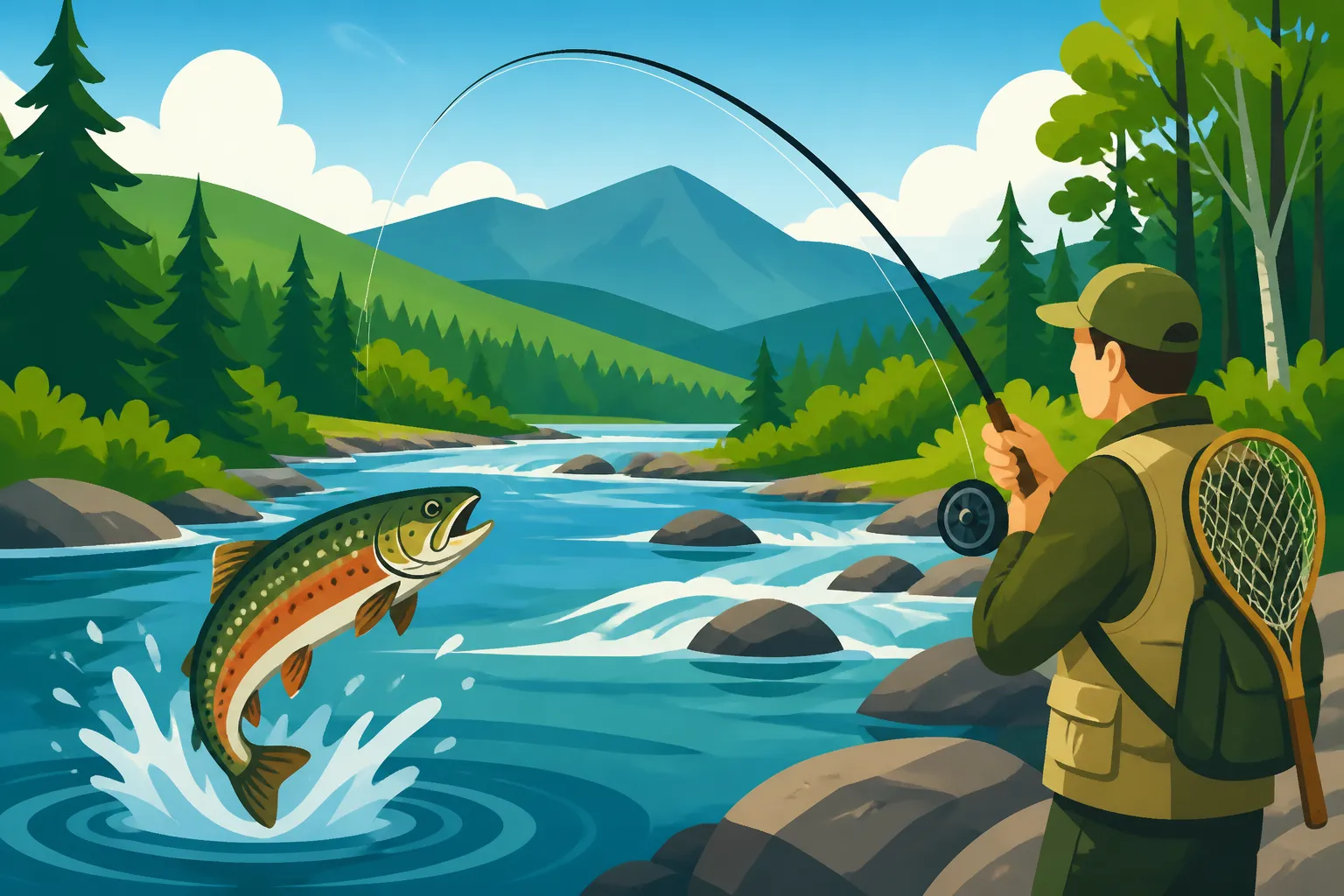
There's nothing quite like the feeling of wading into a Vermont river, the cool current against your legs, or launching a small craft onto its flowing waters, only to be met with the daunting question: where do I even start? Vermont boasts a stunning array of rivers, each offering unique fishing experiences, from wild trout havens to warmwater bass strongholds. This comprehensive guide is here to cut through the confusion, helping you discover the very best fishing rivers in Vermont, along with the secrets to making your next river adventure a success.
The Majesty of Vermont's River Fisheries
Vermont might be famous for its pristine lakes like Lake Champlain and Lake Willoughby, but its rivers and streams hold an equally captivating allure for anglers. These waterways cut through stunning mountain valleys, winding past historic villages and dense forests, offering a true sense of escape and connection to nature. For many, the rhythm of a river is inherently more intimate and challenging than still water fishing, demanding a different set of skills and a deeper understanding of current, structure, and fish behavior.
Why River Fishing is Unique in the Green Mountain State
Fishing in Vermont's rivers is an experience deeply intertwined with the landscape itself. Unlike lakes where fish might roam wide expanses, river fish are often tied to specific pockets, seams, and eddies dictated by the flow and structure of the riverbed. This creates a puzzle for anglers, forcing them to "read" the water and anticipate where fish might be holding. The constant flow brings fresh food, keeps the water oxygenated, and provides a dynamic environment that supports a surprising diversity of species. From the tiny brook trout darting in a mountain stream to the powerful smallmouth bass holding behind a mid-river boulder, each cast into a Vermont river feels like an exploration.
Moreover, the sheer variety of river types within Vermont is astounding. You have classic, well-manicured trout streams that are practically hallowed ground for fly anglers, alongside wide, slow-moving rivers perfect for targeting warmwater species from a canoe or kayak. Some rivers are fed by pristine mountain springs, maintaining cold temperatures year-round, while others broaden and warm as they approach the lowlands, creating different habitats. Understanding these distinctions is key to unlocking the full potential of Vermont's river fisheries.
Understanding Vermont's Diverse River Ecosystems
Vermont's rivers are generally classified into two main categories: coldwater fisheries and warmwater fisheries, though many rivers transition between these as they flow from source to mouth. Coldwater rivers, typically found in higher elevations or those fed by cold springs, are primarily home to trout species like brook trout, brown trout, and rainbow trout. These rivers often feature rocky bottoms, clear water, and swift currents, providing the oxygen-rich environment trout thrive in. They are often the focus of intense conservation efforts to maintain water quality and habitat integrity.
As rivers descend and pick up volume, their temperatures tend to rise, particularly in the summer months. These sections often become mixed-species or predominantly warmwater fisheries, supporting smallmouth and largemouth bass, northern pike, chain pickerel, various panfish like yellow perch and black crappie, and even walleye in larger rivers like the Connecticut and the lower Winooski. These sections might have more silted bottoms, slower flows, and abundant aquatic vegetation, offering different types of cover and food sources. Understanding these ecological shifts as you move along a river system is crucial for selecting the right gear and techniques. It's truly a testament to Vermont's natural bounty that you can pursue such a range of species within a relatively small geographic area, often just a short drive from one river section to another.
The Iconic Battenkill River: A Fly Angler's Dream
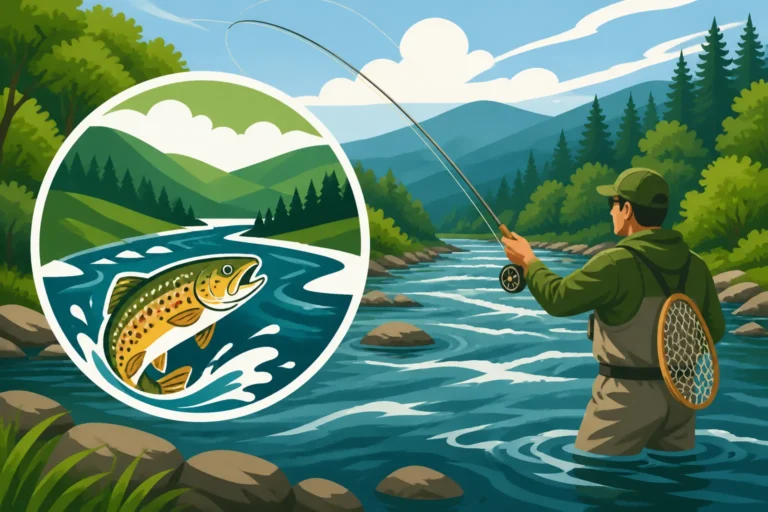
The Battenkill River isn't just a river; for many fly anglers, it's an institution. Flowing from the hills of Vermont through parts of New York, it's synonymous with challenging wild brown trout and a rich history of fly fishing. This isn't a river where you simply show up and expect to fill your creel; it demands skill, patience, and a deep appreciation for its subtle nuances.
A Legacy of Wild Brown Trout and Fly Fishing Lore
The Battenkill has earned its legendary status for a reason: it's one of the few rivers in the Northeast known for a self-sustaining population of wild brown trout. These fish are notoriously wary, having survived generations of angling pressure, and they are incredibly selective feeders. Catching a wild Battenkill brown is often considered a badge of honor among fly anglers, a testament to their dedication and finesse. The river itself, with its clear, cool waters, limestone bedrock, and abundant aquatic insect life, provides the perfect habitat for these elusive fish to thrive naturally.
Generations of anglers have walked its banks, perfecting their casts and deepening their understanding of its currents and hatches. This isn't primarily a stocked trout fishery, although the state does stock some sections with fish that quickly adapt to the wild environment. Instead, it's a place where the pursuit itself, the quiet contemplation, and the challenge of outsmarting truly wild fish are the main draws. If you're looking for a profound fly fishing experience rooted in tradition and respect for the resource, the Battenkill beckons.
Navigating the Battenkill's Special Regulations and Access Points
Given its unique status, the Battenkill is subject to very specific regulations designed to protect its wild trout population. These often include catch-and-release only sections, limitations on tackle (fly fishing only), and restrictions on the use of bait. Before heading out, it's absolutely essential to consult the latest Vermont Fishing Regulations Explained to ensure you're compliant. Ignorance of the rules won't exempt you from potential fines, and more importantly, adhering to them helps preserve this precious fishery for future generations.
Access to the Battenkill is generally good, with numerous public access points and parking areas along its course in Vermont. Towns like Manchester and Arlington serve as excellent bases for exploring the river. Many of these access points are well-marked by the Vermont Fish & Wildlife Department. Some popular spots include the covered bridge in West Arlington, the access near the Sugar Shack, and various road crossings where you can often find पुल-offs. It’s always a good idea to scout potential access points beforehand, especially if you plan on wading, as sections can be steep or have private land boundaries. Local fly shops in the Manchester area, such as Orvis Manchester, are invaluable resources for up-to-the-minute information on conditions and prime locations. If you're planning a trip and want to ensure you hit the best spots or even find a local guide, resources like FishingBooker can connect you with experienced Battenkill professionals who know the river intimately.
Recommended Techniques for Battenkill Success
Successfully fishing the Battenkill requires a nuanced approach. For many, it's exclusively a fly fishing destination. Dry fly fishing during a hatch is perhaps the most iconic method, and timing your visit to coincide with a strong mayfly or caddis hatch can lead to exhilarating action. However, due to the wariness of the fish, delicate presentations and long, fine leaders are often necessary. Small nymphs and emergers fished subsurface are also incredibly effective, especially when fish aren't actively rising. Techniques like Euro nymphing have also gained popularity for effectively presenting flies in varied currents.
Streamer fishing can also produce larger brown trout, especially during lower light conditions or when targeting fish holding in deeper pools or under cover. For a deeper dive into methods, check out our guide on Fly Fishing for Trout in Vermont. Remember, these wild trout are highly pressured, so minimizing your presence, stealthy wading, and precise casting are paramount. It's often said that if you can catch a wild brown on the Battenkill, you can catch trout anywhere. The challenge is part of the allure, transforming each outing into a masterclass in trout fishing.
The Winooski River: From Mountain Brooks to Lake Champlain Delta
The Winooski River, Vermont's second-longest river, is a true chameleon, transforming from a classic coldwater trout stream in its upper reaches to a robust warmwater fishery as it meanders towards Lake Champlain. This diversity makes it a fascinating river to explore, offering something for almost every type of angler.
Headwater Gems and Mid-River Dynamics for Trout
High in the Green Mountains, the Winooski starts its life as a series of cold, clear brooks and small streams. These headwaters and their immediate tributaries are classic coldwater environments, home to wild brook trout and some naturally reproducing brown and rainbow trout. Anglers willing to hike into these more remote sections will find pristine waters, often surrounded by dense forests, where stealth and light tackle are key. These upstream sections often boast swift currents, rocky bottoms, and numerous plunge pools and riffles – ideal habitat for trout.
As the Winooski gains size and flows through towns like Montpelier and Waterbury, it widens and slows in places, becoming a mix of deeper pools, runs, and riffles. While temperatures can rise in summer, these sections still hold good populations of stocked rainbow and brown trout, especially in spring and fall. The Vermont Fish & Wildlife Department regularly stocks various stretches, providing ample opportunities for those looking for more accessible trout fishing. Keeping an eye on Vermont Trout Season and Stocking Rules can give you an edge on when and where to find fresh fish.
Warmwater Opportunities Downstream: Bass and Pike
As the Winooski continues its journey westward and approaches Burlington and Lake Champlain, its character shifts dramatically. The river widens considerably, the current slows, and water temperatures become warmer, making it a prime warmwater fishery. This lower section, especially from Winooski to its mouth on Lake Champlain, is renowned for its excellent smallmouth bass fishing. Large sections are navigable by small boats, kayaks, and canoes, allowing anglers to explore its many bends, rock structures, and submerged timber.
Beyond smallmouth, the lower Winooski also offers fantastic opportunities for northern pike and chain pickerel. These predatory fish lurk in the slower, weedier backwaters and oxbows, providing exciting topwater and spinnerbait action. You'll also find a healthy population of various panfish, including yellow perch and black crappie, which can be abundant in deeper pools and around submerged structures. This transition from mountain trout stream to lowland warmwater haven makes the Winooski a truly unique and productive river system.
Practical Tips for Fishing the Winooski's Varied Stretches
Fishing the Winooski requires adaptability. For the upstream trout sections, standard trout gear—light spinning rods with small spinners or worms, or a 3-5 weight fly rod with nymphs, dry flies, or small streamers—will serve you well. Wading is often the best approach here, but always prioritize safety, especially during higher flows.
For the lower, warmwater sections, medium-light to medium-heavy spinning or baitcasting gear is appropriate. Smallmouth bass will hit a wide array of lures, including crankbaits, jigs, tube baits, and topwater lures, especially around rocky areas and current breaks. Pike and pickerel will readily strike larger spoons, spinnerbaits, and swimbaits in weedier cover. Public access points are plentiful, particularly around parks and road bridges, and boat launches are available closer to Lake Champlain. Whether you're targeting wild brookies or trophy smallmouth, checking the local Vermont Fishing Season Dates and Closures is always a smart move to ensure you're fishing within legal parameters. If you're a newcomer and want to ensure a productive trip, you might even consider booking a charter through a service like FishingBooker to learn the nuances of the local waters from an expert.
The Lamoille River: Northern Vermont's Angling Tapestry
Winding through the heart of northern Vermont, the Lamoille River offers a diverse angling experience that shifts as it flows from the highlands of the Northeast Kingdom towards Lake Champlain. From its pristine upper reaches to its wider, more sedate lower sections, the Lamoille provides opportunities for both coldwater and warmwater species.
Trout and Landlocked Salmon in the Upper Reaches
The Lamoille River begins its journey in the mountainous terrain near Craftsbury and Greensboro, where it forms a series of cold, clear streams that are classic trout habitat. These upper sections and their numerous feeder creeks hold healthy populations of brook, brown, and rainbow trout. Many of these fish are wild, presenting a rewarding challenge for anglers practicing catch and release. The fast-flowing water, rocky bottoms, and dense riparian vegetation create ideal conditions for trout to thrive, offering both excellent fly fishing and spin fishing opportunities.
Further downstream, but still in the cooler sections, particularly below some of the smaller dams, landlocked salmon can sometimes be found. These powerful fish, often migrating from Lake Champlain or stocked into specific impoundments, offer an exciting challenge. Targeting landlocked salmon often requires heavier gear and different techniques than trout, but the reward of a hard-fighting salmon is well worth the effort. Knowing the specific regulations for Vermont Landlocked Salmon Regulations is crucial if you plan to target them. The upper Lamoille, with its breathtaking scenery and abundant coldwater fish, provides a quintessential Vermont angling experience.
Smallmouth Bass and Pike in the Lower River
As the Lamoille River makes its way through towns like Fairfax, Cambridge, and Milton before emptying into Lake Champlain, its character broadens and slows significantly. In these lower sections, the water warms up, and the river transforms into an excellent warmwater fishery. Smallmouth bass are particularly abundant, thriving among the rocky structure, submerged timber, and current breaks found throughout this stretch. Anglers can expect fast action, especially during the summer months, with smallmouth readily hitting a variety of artificial lures.
Northern pike and chain pickerel also become prominent predators in the slower, weedier backwaters and oxbows of the lower Lamoille. These toothy fish offer aggressive strikes and can provide thrilling battles, especially when targeted with larger spoons, spinnerbaits, or topwater frogs. Panfish, including yellow perch and bluegill, are also widespread, making these sections ideal for family fishing trips or for anglers looking for consistent action. The transition zone, where the cooler trout waters begin to mingle with the warmer bass and pike habitat, can be particularly productive as various species overlap.
Prime Access and Seasonal Considerations
Access along the Lamoille River is generally good, with many public points available, including bridges, parks, and designated fishing access areas maintained by the Vermont Fish & Wildlife Department. For the upper trout sections, wading is often the most effective method, allowing you to carefully pick apart pockets and runs. In the wider, lower sections, canoes, kayaks, and small motorboats are excellent for exploring the vast stretches of river, opening up access to areas that would be unreachable from shore. Several boat launches are available closer to Lake Champlain.
Seasonal timing is important on the Lamoille. Spring and fall offer the best trout fishing in the upper river, as water temperatures are cooler and fish are often more active. Summer can still be good in the shadier, faster headwaters, but many trout will seek out thermal refuges. The warmwater fishing for bass and pike really heats up from late spring through early fall in the lower river. Always remember to consult the Vermont Fishing Season Dates and Closures for specific opening and closing dates, as well as species-specific regulations. Whether you prefer the delicate art of fly fishing for trout or the aggressive pursuit of bass and pike, the Lamoille River truly has a season and a section for you.
Otter Creek: Southern Vermont's Largemouth Bass Stronghold
Otter Creek, Vermont's longest river, presents a stark contrast to the swift, rocky trout streams that characterize much of the state. Flowing gently through a broad, fertile valley in southern and central Vermont, it’s primarily a warmwater fishery, particularly renowned for its excellent largemouth bass opportunities. Its slow currents, abundant vegetation, and numerous oxbows create a habitat that largemouth love.
Discovering the Best Largemouth Habitat
The sheer length and gentle flow of Otter Creek mean it’s packed with prime largemouth bass habitat. These fish thrive in the extensive weed beds, lily pad fields, submerged timber, and brush piles that line the river's banks and fill its slower sections. Unlike smallmouth, which prefer rocky, current-swept areas, largemouth bass are ambush predators that prefer heavy cover, making Otter Creek a perfect playground for them. Anglers often find success by casting spinnerbaits, jigs, Texas-rigged worms, and topwater frogs directly into or around this dense vegetation.
From its headwaters in Dorset to its eventual confluence with Lake Champlain near Ferrisburgh, Otter Creek offers consistent largemouth action. Some particularly productive areas include the sections around Middlebury and Vergennes, where the river widens and provides extensive backwaters and oxbows. These areas are often less pressured than major lakes, offering a more serene and often equally productive experience. If you want to dive deeper into techniques, our How to Catch Largemouth Bass in Vermont guide offers great insights, many of which are directly applicable to Otter Creek.
Targeting Panfish and Northern Pike in Slower Sections
While largemouth bass might be the star of Otter Creek, the river also hosts a thriving population of other warmwater species, making it an ideal destination for diverse angling. Panfish, including robust yellow perch, bluegill, and black crappie, are incredibly abundant throughout the slower-moving sections and backwaters. These species provide excellent light tackle action, making Otter Creek a fantastic place for beginners, kids, or anyone looking for consistent bites. Simple tactics like fishing small worms under a bobber, tiny jigs, or micro-spinners can yield impressive numbers of these delicious panfish.
Northern pike and chain pickerel are also significant predators in Otter Creek, especially in areas with dense aquatic vegetation. These toothy critters patrol the weed lines and can provide explosive strikes, particularly to larger spoons, spinnerbaits, or live shiners. They're an exciting target, offering a different kind of fight than bass or panfish, and can grow to respectable sizes in the nutrient-rich waters of Otter Creek. Remember, with pike and pickerel, a wire leader is often a good idea to prevent bite-offs. The abundance of these species ensures that every trip to Otter Creek has the potential for unexpected excitement.
Navigating Otter Creek by Boat or Bank
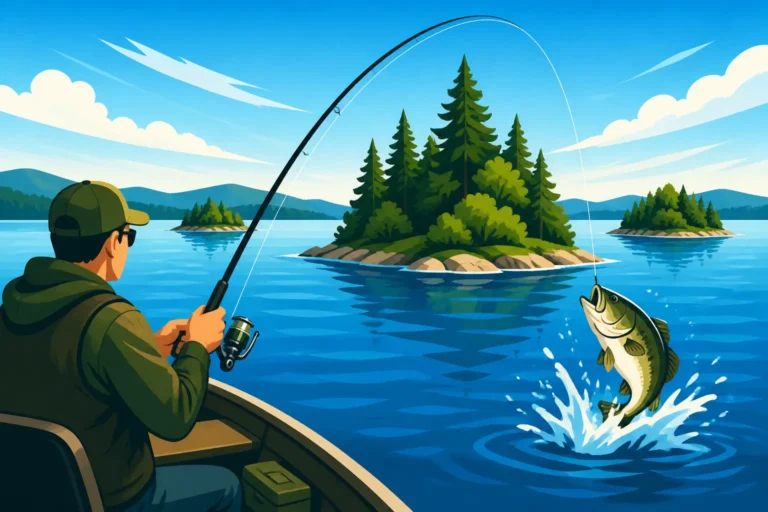
Due to its generally slow current and substantial width in many areas, Otter Creek is exceptionally well-suited for exploration by boat. Canoes, kayaks, and small jon boats with electric motors are ideal for navigating its winding course and accessing hard-to-reach pockets of cover. Several public boat launches are available along the river, providing convenient access points. Places like the Vergennes Falls Park or the access in Middlebury are popular starting points. Kayak fishing is particularly rewarding here, allowing anglers to quietly slip into prime bass and pike habitat.
Bank access is also good in many areas, especially near towns and bridges, but a boat offers the flexibility to cover more water and target fish in the dense cover they prefer. Always be mindful of private land postings and respect landowner rights. Regardless of your chosen method, Otter Creek offers a truly immersive warmwater fishing experience in a beautiful, often tranquil setting. It’s a place where you can relax, cast to visible structure, and truly enjoy the process of warmwater angling in Vermont. Before you head out, though, always double-check the Vermont Bass Catch-and-Release Season, Explained to make sure you're fishing within the current guidelines.
The Connecticut River: A Boundary Water Bounty
The Connecticut River forms Vermont's entire eastern border with New Hampshire, creating a unique and expansive fishery that offers diverse angling opportunities. As a boundary water, it operates under special regulations that often involve reciprocity agreements, allowing anglers with a license from either Vermont or New Hampshire to fish certain sections. This mighty river is a treasure trove of fish, from coldwater species in its upper reaches to significant warmwater populations further south.
Exceptional Warmwater and Coldwater Fisheries
The Connecticut River is a truly versatile fishery. In its northern, colder sections, particularly from the Canadian border down through the Northeast Kingdom, it harbors excellent trout fishing, including brook, brown, and rainbow trout. Many of these sections are managed for wild trout, providing challenging and rewarding experiences. These stretches often feature rocky runs, riffles, and deep pools, reminiscent of classic trout streams.
As the river flows south, widening and warming, it transitions into a phenomenal warmwater fishery. Large populations of smallmouth bass are found throughout the middle and lower sections, thriving amongst the river's varied structure, including rocky banks, submerged humps, and current breaks. Walleye are also present in significant numbers, particularly in the deeper pools and slower stretches, offering fantastic opportunities for anglers targeting these delicious gamefish. Northern pike, chain pickerel, and a plethora of panfish also call the Connecticut River home, ensuring there's always something biting. If you're new to fishing the river, finding a local guide through a platform like FishingBooker can really help you understand the river's complexities and find the current hotspots.
Understanding Reciprocity and Regulations on Boundary Waters
Fishing on the Connecticut River is a bit different due to its status as a boundary water. Generally, a valid Vermont fishing license or a New Hampshire fishing license allows you to fish the main stem of the river and its impoundments from shore or boat. However, this reciprocity often does not extend to the tributaries of the opposing state. For example, a Vermont license lets you fish the main stem, but if you enter a New Hampshire tributary, you'd need a New Hampshire license. It’s critical to thoroughly understand the specifics of Vermont fishing license reciprocity on Connecticut River boundary waters before your trip.
Beyond licensing, the general fishing regulations for the Connecticut River can vary by section, especially concerning species-specific limits and seasons. Always consult the official Vermont Fishing Regulations Explained booklet or the Vermont Fish & Wildlife Department website, paying close attention to the specific section pertaining to the Connecticut River. There might be different rules regarding tackle, bait, or possession limits depending on where you are on the river. Being informed ensures a legal and enjoyable fishing experience.
Top Spots and Species to Target
With over 200 miles forming Vermont's border, pinpointing "top spots" on the Connecticut River can be overwhelming. However, some areas consistently produce excellent results. For trout, the upper sections near Canaan and Brunswick offer excellent coldwater habitat. Further south, the stretch around Wilder and farther down through Bellows Falls and Brattleboro are renowned for smallmouth bass and walleye. These sections feature significant river mileage with ample public access and boat launches. Our Connecticut River Fishing Access in Vermont guide details many of these points.
When targeting smallmouth, look for current breaks, rocky points, and submerged timber. Crankbaits, jigs, and soft plastics are highly effective. For walleye, vertical jigging in deeper pools, trolling with stickbaits, or drift fishing with live bait are popular methods. During the spring and fall, these fish often become more concentrated. Pike and pickerel will be found in the slower, weedier backwaters and coves along the main stem. No matter your target species, the sheer size and productivity of the Connecticut River promise an adventure, making it one of Vermont's most important and dynamic fishing destinations. For a comprehensive overview, considering the Best Time of Year to Fish in Vermont will help you align your visit with peak fishing opportunities for your preferred species.
The White River: Central Vermont's Trout Powerhouse
The White River, originating in the heart of the Green Mountains and flowing southeast to join the Connecticut River, is arguably central Vermont's premier trout stream. Renowned for its cold, clear water and diverse habitat, it’s a favorite among fly anglers and spin fishermen alike, offering consistent action for brook, brown, and rainbow trout across its main stem and numerous productive tributaries.
The Main Stem and its Productive Tributaries
The White River system is a sprawling network, comprised of a significant main stem and four major branches: the First, Second, Third, and Fourth Branches. Each of these branches, along with countless smaller feeder streams, contributes to the river's overall health and productivity. The main stem of the White River, particularly from Rochester down through Sharon, is characterized by a mix of pocket water, long runs, deep pools, and riffles. This varied topography provides ideal holding lies for trout throughout the year. The water here remains relatively cool, even through much of the summer, thanks to its mountain origins and constant flow.
The tributaries are often wilder and more intimate, providing excellent opportunities for chasing native brook trout in their natural element. These smaller streams are perfect for stealthy approaches, delicate presentations, and embracing the true wilderness experience of Vermont trout fishing. Anglers often find success by carefully exploring these feeder creeks, especially during periods of higher flows or when the main stem might be crowded. The sheer mileage of fishable water within the White River system ensures that there are always new sections to discover, offering solitude and excellent fishing.
Balancing Wild Trout and Stocked Waters
The White River system represents a thoughtful balance in trout management. Many of its upper reaches and smaller tributaries support robust populations of wild brook and brown trout, revered by anglers who seek the challenge and reward of catching naturally reproducing fish. These wild sections are often managed with special regulations, such as artificial lures only or catch-and-release, to help preserve their integrity. Catching a vibrantly colored wild brook trout from a hidden White River tributary is a truly memorable experience.
Alongside these wild fisheries, the Vermont Fish & Wildlife Department actively stocks various sections of the White River and its larger branches with catchable rainbow and brown trout. These stocked fish provide more accessible opportunities, especially for those new to trout fishing or looking for more consistent action. The department does an excellent job of spreading out the fish, and you can even use the How to use the Vermont fish stocking search tool to find out specific dates and locations of stockings. The combination of wild and stocked waters ensures that the White River offers something for every angler, from the purist seeking native fish to families enjoying a day out with a spinning rod and worms.
Seasonal Strategies for White River Anglers
Fishing the White River successfully often comes down to understanding seasonal patterns. Spring, particularly from opening day (which is an event in itself for Vermont Trout Opening Day Traditions) through June, is prime time for trout. Water levels are typically good, fish are active after the winter, and insect hatches begin. Spin fishermen will find success with various spinners, spoons, and bait, while fly anglers will rely on nymphs, streamers, and emerging dry flies.
Summer fishing can still be excellent, especially in the cooler morning and evening hours or by targeting the higher, shadier tributaries. During the heat of midday, trout often become less active and seek refuge in deep, oxygenated pools. Fall is another fantastic season, as cooler temperatures revitalize the fish, and spawning brown trout become more aggressive. Streamer fishing can be particularly effective during this time. Remember that specific regulations, like Vermont Trout Season and Stocking Rules, will dictate when certain sections are open, so always confirm before you go. The White River's consistent cold water flow and diverse habitat make it a year-round destination, though the challenges and rewards certainly shift with the seasons.
Other Notable Rivers and Hidden Gems
While the Battenkill, Winooski, Lamoille, Otter Creek, Connecticut, and White Rivers grab a lot of the spotlight, Vermont is crisscrossed by countless other rivers and streams that offer fantastic, and sometimes less-pressured, fishing opportunities. Exploring these lesser-known or smaller waterways can lead to incredible discoveries and rewarding angling experiences.
The Missisquoi and Black Rivers: Northern Adventures
In the far northern reaches of Vermont, the Missisquoi River flows westward into Lake Champlain, offering a mix of coldwater and warmwater fishing similar to the Lamoille and Winooski. Its upper sections and tributaries, particularly in the mountainous regions near Montgomery and Richford, hold excellent populations of brook and brown trout, often wild and eager to strike a well-presented fly or lure. As the Missisquoi widens and slows closer to Lake Champlain, it becomes a superb warmwater fishery, known for smallmouth bass, northern pike, and a variety of panfish. Anglers exploring this river might also find migrating lake-run salmon or steelhead (rainbow trout) in its lower reaches during certain times of the year, offering an exciting and powerful fight.
Further east in the Northeast Kingdom, the Black River (not to be confused with the Black River that flows into Lake Champlain near Springfield) near Newport is another notable waterway. This Black River flows into Lake Memphremagog and offers opportunities for trout, salmon, and even muskellunge in its lower sections closer to the lake. The combination of its cold headwaters and its connection to a large, deep lake provides a unique blend of species, making it a truly adventurous northern Vermont fishing destination. It's the kind of place where, if you're looking for an experienced guide to help you tackle bigger fish like Muskie, a quick search on FishingBooker could link you up with a local expert.
Ottauquechee and West Rivers: Southern Vermont Delights
In southern Vermont, the Ottauquechee River, flowing through towns like Woodstock and Quechee, offers a more intimate trout fishing experience. While it does receive stockings of rainbow and brown trout, it also boasts sections of wild trout, particularly in its upper reaches and smaller tributaries. The river's varied character, from tumbling cascades to serene pools, makes it a picturesque and enjoyable place to cast a line. Public access is generally good, often alongside scenic routes and state parks.
Nearby, the West River, a tributary of the Connecticut River, provides another excellent option for southern Vermont anglers. Known for its strong populations of trout, especially in its headwaters and upper sections, the West River is a freestone stream that offers classic trout fishing. It’s also managed for both wild and stocked fish, giving anglers plenty of choices. During periods of higher flows, particularly in spring, some sections can even hold smallmouth bass or other warmwater species that migrate up from the Connecticut. Both the Ottauquechee and West Rivers are fantastic choices for those exploring the quieter, more traditional trout waters of southern Vermont.
Seeking Out Secluded Small Streams and Tributaries
Beyond these named rivers, Vermont is teeming with thousands of miles of smaller streams and nameless brooks that flow into larger rivers or directly into lakes. These are the true "hidden gems" where wild brook trout thrive, often untouched by heavy angling pressure. Exploring these secluded waters requires a sense of adventure, a willingness to hike, and a commitment to minimal impact. You’ll often find these streams tucked away in state forests, wildlife management areas, or off less-traveled roads.
Fishing these small streams is typically a bushwhacking affair, requiring light tackle, stealth, and precise casting in tight quarters. A small fly rod, a tenkara rod, or an ultralight spinning outfit are ideal. The brook trout here might not be large, but their vibrant colors and willingness to strike in their wild, pristine habitat make for an incredibly rewarding experience. Always double-check land ownership and access, but for those seeking solitude and the pure joy of catching native fish, Vermont’s countless small streams offer an unparalleled opportunity to connect with the wild heart of the Green Mountain State. Just remember, these sensitive ecosystems require extra care, and practicing catch-and-release is often the best approach to ensure their continued health. Always consult the Reading the Vermont Fishing Regulations Guide to avoid any unintended issues.
Vermont's Top Fishing Rivers Comparison Table
| River | Primary Species (Focus) | Key Characteristics | Popular Methods | Best Season | Special Notes |
|---|---|---|---|---|---|
| Battenkill | Wild Brown Trout | Legendary wild trout fishery, limestone influence | Fly fishing only (often) | Spring/Fall | Special regulations, delicate presentations needed |
| Winooski | Trout (upper), Smallmouth Bass, Pike (lower) | Transitions from coldwater to warmwater | Fly, Spin, Lure | Spring/Summer/Fall | Diverse sections, good boat access on lower river |
| Lamoille | Trout, Landlocked Salmon (upper), Smallmouth Bass, Pike (lower) | Northern VT scenery, varied habitat | Fly, Spin, Lure | Spring/Summer/Fall | Connection to Lake Champlain, migratory species |
| Otter Creek | Largemouth Bass, Panfish, Pike | Slow-moving, heavy cover, extensive weed beds | Lure (jigs, frogs), Live Bait | Summer/Early Fall | Best by canoe/kayak, great for warmwater species |
| Connecticut | Trout (upper), Smallmouth Bass, Walleye, Pike (mid/lower) | Boundary water, large and varied | Fly, Spin, Troll, Live Bait | All year (species-dependent) | Reciprocity rules with NH, diverse species, big water |
| White River | Brook, Brown, Rainbow Trout | Central VT trout mecca, numerous tributaries | Fly, Spin | Spring/Fall | Mix of wild and stocked sections, clear water |
| Missisquoi | Trout, Smallmouth Bass, Pike, Salmon | Northern VT, remote sections, Lake Champlain connection | Fly, Spin, Lure | Spring/Summer/Fall | Potential for migratory salmon/steelhead |
| Ottauquechee | Trout | Southern VT, scenic, mixed wild/stocked | Fly, Spin | Spring/Fall | Good access near popular tourist areas |
| West River | Trout | Freestone, wild and stocked trout | Fly, Spin | Spring/Fall | Tributary to Connecticut, consistent trout action |
Disclaimer
The information provided in this guide is for general informational purposes only and is subject to change. Fishing regulations, season dates, and access points can vary and are regularly updated by the Vermont Fish & Wildlife Department. Always consult the most current official Vermont fishing regulations before planning any fishing trip to ensure compliance and a safe, enjoyable experience. Fishing conditions, including water levels and temperatures, can also fluctuate significantly.