How to use the Vermont fish stocking search tool
One of the biggest head-scratchers for any angler in Vermont, especially those new to the state or just looking for a surefire bite, is figuring out where the fish actually are. It can feel like a secret society, right? Thankfully, the Vermont Fish and Wildlife Department has created a fantastic online resource, a fish stocking search tool, designed to take the guesswork out of finding those recently stocked waters, and this guide will walk you through exactly how to put it to good use.
Understanding the Vermont Fish Stocking Program
Before we dive into the nuts and bolts of the search tool, it helps to have a basic understanding of why Vermont even stocks fish in the first place. It's not just a random act; there's a well-thought-out program behind it all, aimed at enriching our fishing experiences across the Green Mountain State.
Why Vermont Stocks Fish
The primary goal of Vermont's fish stocking program is pretty straightforward: to enhance recreational fishing opportunities for everyone. Let's be honest, catching fish is fun, and stocking helps ensure that even waters with limited natural reproduction, or those that see heavy angling pressure, can still provide a good day out. Imagine showing up to a beautiful pond with your kids, only to find no fish – that's a disappointment the stocking program aims to prevent.
Beyond just increasing catch rates, stocking also plays a crucial role in supporting fish populations. Sometimes, environmental factors or past overfishing can depress a native population, and judicious stocking helps bring those numbers back up. You'll primarily find trout species like brook trout, rainbow trout, and brown trout being stocked, particularly in rivers and ponds, but certain lakes also receive a boost with species like landlocked salmon. These efforts are carefully planned to balance angler demand with the ecological health of each waterbody.
Types of Waters Stocked
Vermont is incredibly diverse when it comes to its aquatic environments, and the stocking program reflects that. You'll find fish being introduced into a wide array of waters, each serving a slightly different purpose and offering unique fishing experiences.
Many of the smaller lakes and ponds throughout the state, especially those easily accessible to the public, are prime candidates for stocking. These are often family-friendly spots, perfect for a casual afternoon with a bobber and a worm. Think of places like Silver Lake in Barnard or Half Moon Pond in Salisbury, which are regularly replenished to ensure consistent angling. The beauty of these smaller waters is their accessibility and the relatively quick action they can offer, especially right after a fresh delivery of fish. You can often find great opportunities in Vermont State Park Fishing Guide locations as well.
Rivers and streams also receive a significant number of stocked fish. The Connecticut River, for instance, along Vermont's eastern border, is a major recipient, providing ample opportunities for shore anglers and those with small boats. Many smaller, designated trout streams across the state also benefit, ensuring that even if wild populations are sparse, there's still a good chance of hooking into a feisty rainbow or brown trout. The Vermont Fish and Wildlife Department aims to spread these opportunities across different counties, so whether you're in the Northeast Kingdom or down in Bennington County, there's likely a stocked waterbody nearby.
Navigating the Vermont Fish Stocking Search Tool
Now for the main event! The Vermont Fish and Wildlife Department's online tool is your secret weapon for finding out exactly where and when fish have been stocked. It’s designed to be user-friendly, but a few pointers can make your experience even smoother.
Where to Find the Tool
Your first step is to head directly to the Vermont Fish and Wildlife Department's official website. Don't worry about trying to guess the exact URL; a quick search for "Vermont Fish and Wildlife Department" will get you there. Once on their homepage, you'll want to look for sections related to "Fishing," "Licenses," or "Regulations." Often, there will be a clear link for "Fish Stocking Information" or a similar title. As of my last check, it's typically found under the "Fishing" menu, sometimes directly listed or under a "Where to Fish" sub-section.
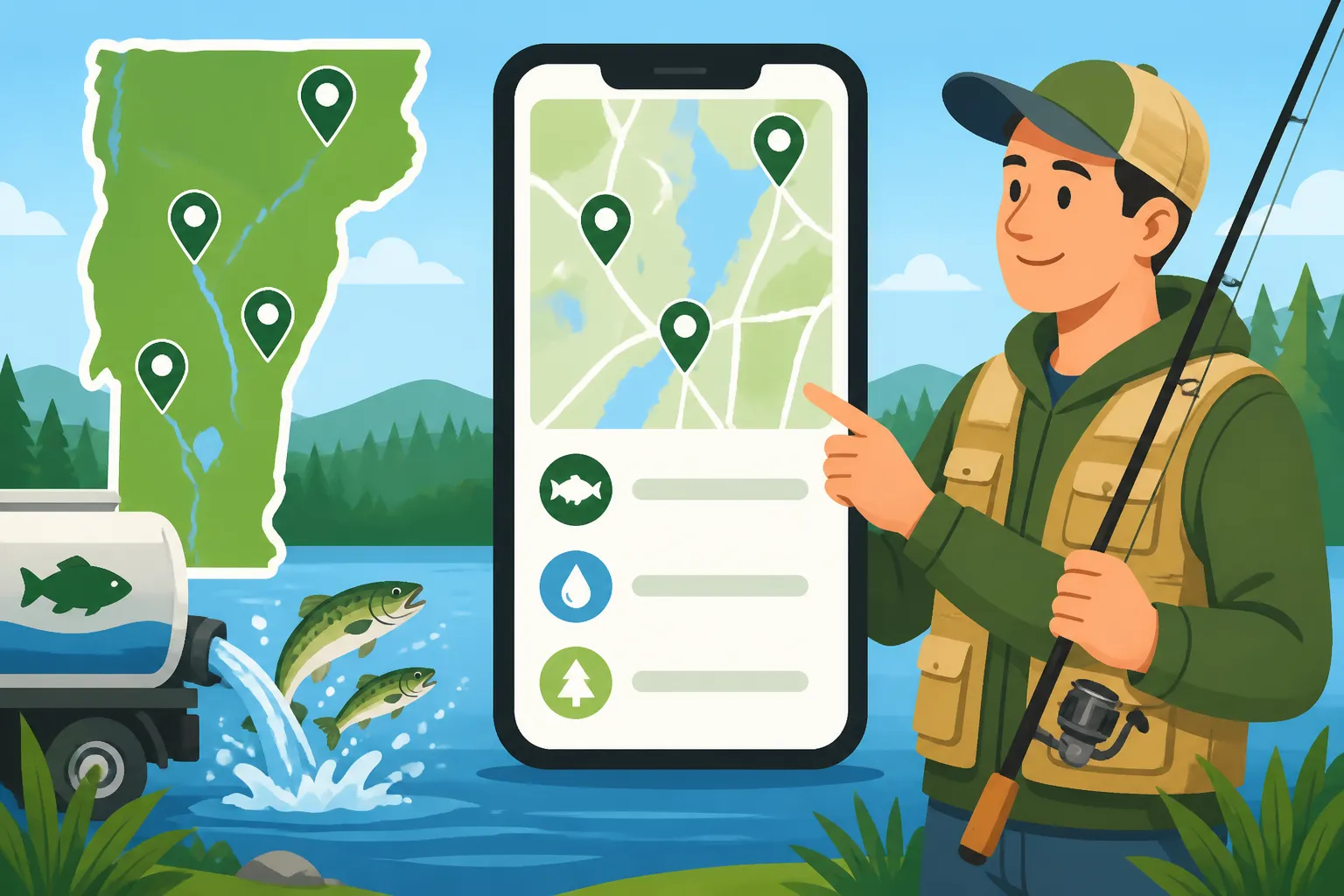
Once you click on the appropriate link, you'll be directed to the actual search page. It usually features a map of Vermont with various pins, and below or beside it, the crucial search filters. Bookmark this page once you find it – it'll save you time on future scouting missions! This tool is invaluable, perhaps even more so than just knowing How to Buy a Fishing License Online in Vermont, because it directs your actual efforts on the water.
Deciphering the Search Fields
The stocking search tool offers several filters to help you narrow down your search, which is really helpful given the sheer number of waters in Vermont. Understanding how to use each one effectively is key to finding exactly what you're looking for.
- Species: This is often your starting point. Are you specifically looking for rainbow trout, brown trout, brook trout, or maybe landlocked salmon? The dropdown menu will list the species that are part of the stocking program. If you select "All Species," you'll get a broader picture, which can be useful if you're just exploring options. For instance, if you're keen on the classic Vermont trout experience, selecting "Rainbow Trout" will show you where those spirited fighters have been released.
- Waterbody: This filter allows you to search for a specific lake, pond, or river. If you have a particular spot in mind, like "Lake Bomoseen" or the "Battenkill River," you can type it in here. Be precise with your spelling, as even small typos can prevent results from showing up. This is great if you're planning a trip to one of the Best Fishing Lakes in Vermont and want to see if it's been recently stocked.
- County: If you're planning a fishing trip within a certain geographical area, filtering by county is incredibly useful. Maybe you're staying near Rutland and want to know what's been stocked in Rutland County, or you're visiting the Northeast Kingdom and focusing on Orleans County. This helps you narrow down options without having to know every single waterbody name.
- Date Range: This is arguably one of the most important filters, especially if you're looking for fresh stockings. You can specify a start and end date to see what was stocked within a particular timeframe. For example, setting the range to the last week or two will show you the most recent activity. This is vital because freshly stocked fish are often the most cooperative!
Combining these filters is where the magic truly happens. For instance, you could search for "Rainbow Trout" in "Addison County" within the "last 7 days" to pinpoint specific, recent opportunities. Or, if you're planning for Vermont Trout Opening Day Traditions, you can look at historical data from previous years around that time to get a sense of which waters typically receive an early season boost.
Interpreting the Search Results
Once you've set your filters and clicked "search," the tool will present you with a list, and often a corresponding map. Understanding what you're seeing is crucial for planning your next outing.
The results table typically displays several key pieces of information:
- Stocking Date: This tells you exactly when the fish were introduced. As a general rule, the closer the date, the better your chances of encountering active fish.
- Species: Confirms the type of fish stocked (e.g., Brown Trout).
- Number Stocked: This gives you an idea of the volume of fish put into the water. A larger number usually means more opportunities, though it also might attract more anglers.
- Waterbody Name: The specific lake, pond, or river.
- Location/Access Point: Sometimes, the tool will even specify the general area or an access point where the fish were released, which is incredibly helpful if you're unfamiliar with the waterbody.
The map integration is a fantastic visual aid. Each stocking event is usually marked with a pin or an icon. Clicking on a pin will often bring up the same detailed information you see in the table. This allows you to visually identify clusters of stocked waters or plan a route that hits several promising spots in a single outing. It's like having a personalized fishing planner at your fingertips. If you're looking for specific spots, like those mentioned in a Lake Champlain Fishing Guide or an article about Best Trout Streams in Vermont, you can cross-reference what you find with the stocking data.
Maximizing Your Success After Using the Tool
Finding out where the fish have been stocked is just the first step. To truly make the most of this information and actually get those fish to bite, you need a strategy. It’s not just about showing up; it’s about timing, gear, and a bit of angler etiquette.
Timing Your Visit for Freshly Stocked Fish
This is perhaps the most critical piece of advice: go soon after the fish are stocked! There's a phenomenon known as the "stocking bump," where newly introduced fish are often less wary and more aggressive, making them easier to catch. They're usually hungry and unfamiliar with their new surroundings, so they'll readily take baits and lures. Aim to be on the water within a day or two of the stocking date for the best results.
However, consider the weather and water conditions. A fresh stocking immediately after a heavy rain might mean muddy, high water, which can make fishing tougher. Conversely, a few days after a stocking, with stable weather, can be ideal. Sometimes, waiting just 24-48 hours allows the fish to settle a bit, making them a little more distributed and less concentrated in the exact release point, which can reduce crowding. But don't wait too long; heavily pressured stocked fish quickly become wary. You can find more specific tips in our guide on How to catch trout right after stocking in Vermont.
Essential Gear for Stocked Waters
You don't need a boatload of fancy gear to catch recently stocked fish. In fact, simpler setups often work best, especially for the average stocked trout.
- Rod and Reel: A lightweight spinning rod and reel combo (like a 6-foot ultralight or light action rod) spooled with 4-6 pound test monofilament or fluorocarbon line is perfect. You can find excellent beginner-friendly combos on online retailers like Amazon, often bundled with a reel and some basic line. This kind of setup allows for sensitive feel and easy casting.
- Terminal Tackle: A small assortment of hooks (sizes 8-12), split shot weights, and small bobbers will cover most situations. Small swivels can help prevent line twist.
- Baits: Stocked trout are often raised on pellets, so they're not always picky. Classic baits like powerbait (the dough or nuggets work well), corn, or even small pieces of cheese can be incredibly effective. Live worms are almost always a winner. Small inline spinners (like a size 0 or 1 Mepps or Panther Martin) or tiny spoons are also fantastic options, especially for more active fish. Check out our guide on Best Bait for Opening Day Trout in Vermont for more ideas.
- Accessories: Don't forget a small pair of pliers for hook removal, a stringer or cooler if you plan to keep fish (make sure you know your Vermont Bag and Possession Limits by Species!), and of course, your valid Vermont Fishing License Guide for 2026. A small tackle box setup, like those found on Amazon, can keep all these essentials organized.
For those looking to explore fly fishing, small nymphs (like a Pheasant Tail or Hare's Ear), simple wet flies, or even tiny streamers can be very productive. Stocked fish might not rise readily to dry flies immediately, but as they acclimate, they can become more selective.
Respecting the Resource and Fellow Anglers
Stocked waters, especially immediately after a fresh release, can attract a crowd. It's important to practice good etiquette to ensure everyone has an enjoyable experience and to protect the resource for future generations.
- Give Space: Try to give other anglers ample space. If someone is already fishing a prime spot, move down a bit. There are usually plenty of fish to go around.
- Clean Up: Pack out everything you pack in, and then some. Nothing ruins a fishing spot faster than trash. Let's keep Vermont beautiful.
- Know the Rules: Always review the latest Vermont Fishing Regulations Explained before you head out. Understand bag limits, length limits, and any special regulations for the specific waterbody you're fishing. The Vermont Fish and Wildlife Department's regulations guide is readily available online and is your best resource. Ignoring these rules can lead to significant penalties, as detailed in our article on Fishing Without a License in Vermont: Penalties.
- Catch and Release (if applicable): If you're not planning to keep your catch, handle fish gently with wet hands, and release them quickly. This helps ensure their survival.
Common Challenges and Troubleshooting
Even with the best tools and preparation, fishing can throw you curveballs. Understanding some common challenges associated with stocked waters and how to overcome them will make you a more resilient and successful angler.
Dealing with Outdated Information or Missing Data
While the Vermont Fish and Wildlife Department does an excellent job keeping their stocking data up-to-date, it's not always real-time. There might be a slight delay between an actual stocking event and when it appears on the online tool. Sometimes, you might also find that smaller, less frequently stocked waters don't appear in the search results for a particular period.
If your search yields no recent results for your preferred waterbody, don't despair! Here are a few troubleshooting tips:
- Expand Your Date Range: Try widening your search to look back a few weeks or even a month. Fish can "hold over" in waters for a good while, especially in colder temperatures, so even an older stocking can still mean fish are present.
- Check Local Sources: Local tackle shops are often an incredible source of current information. Shop owners and employees usually have their ears to the ground and know when and where recent stockings have occurred, sometimes even before the online tool is updated. They can also provide hyper-local tips on conditions and bait.
- Community Forums: Online fishing forums or local social media groups dedicated to Vermont fishing can also be a good place to ask if anyone has heard of recent stockings or had success in certain areas. Just remember to be respectful and share information responsibly.
Overcoming Crowded Stocked Ponds
It's a common scenario: you find a recently stocked pond, show up, and it looks like a convention of anglers! While it's great that so many people are enjoying the outdoors, fishing elbow-to-elbow isn't everyone's ideal. Here's how to navigate crowded situations:
- Fish During Off-Peak Hours: Weekends, especially Saturday mornings, are typically the busiest. If your schedule allows, try fishing during weekdays, early mornings, or late evenings. You'll often find fewer people and more peaceful fishing.
- Walk Away From the Crowds: Most people tend to congregate right at obvious access points or near where they saw the stocking truck. Often, just walking a little further down the shoreline, away from the immediate hubbub, can lead you to less pressured fish and a more serene experience. Sometimes, a short hike to a more remote part of a stocked lake can feel like a whole different fishery.
- Target Less-Known Stocked Waters: The Vermont Fish and Wildlife Department stocks many waters, some more popular than others. Using the search tool to find smaller, perhaps lesser-known ponds or stream sections can lead you to quiet opportunities. These might require a little more research on your part to figure out access, but the reward of solitude can be well worth it. You might even find opportunities that apply to a Vermont youth fishing license age requirements if you're bringing kids along.
- Adjust Your Tactics: In heavily fished areas, fish can become "hook-shy." Try using lighter line, smaller baits, or more natural presentations. Switching from a flashy spinner to a tiny worm under a bobber can sometimes make all the difference when fish have seen it all.
By understanding the tool, planning your approach, and being mindful of other anglers and the environment, you'll greatly increase your chances of a successful and enjoyable fishing trip in Vermont's stocked waters.
| Search Filter | Purpose | Example Use |
|---|---|---|
| Species | Narrows results to specific fish types. | Find only "Rainbow Trout" stockings. |
| Waterbody | Searches for stockings in a particular lake, pond, or river. | See recent stockings in "Lake Dunmore". |
| County | Filters results by geographical region. | Show all stockings in "Windsor County". |
| Date Range | Displays stockings within a specified time frame. | Find all fish stocked in the "last 14 days". |
Disclaimer
The information provided in this guide is for general informational purposes only and is subject to change. Always consult the official Vermont Fish and Wildlife Department website and current regulations before planning your fishing trip. Fishing conditions and stocking schedules can vary.