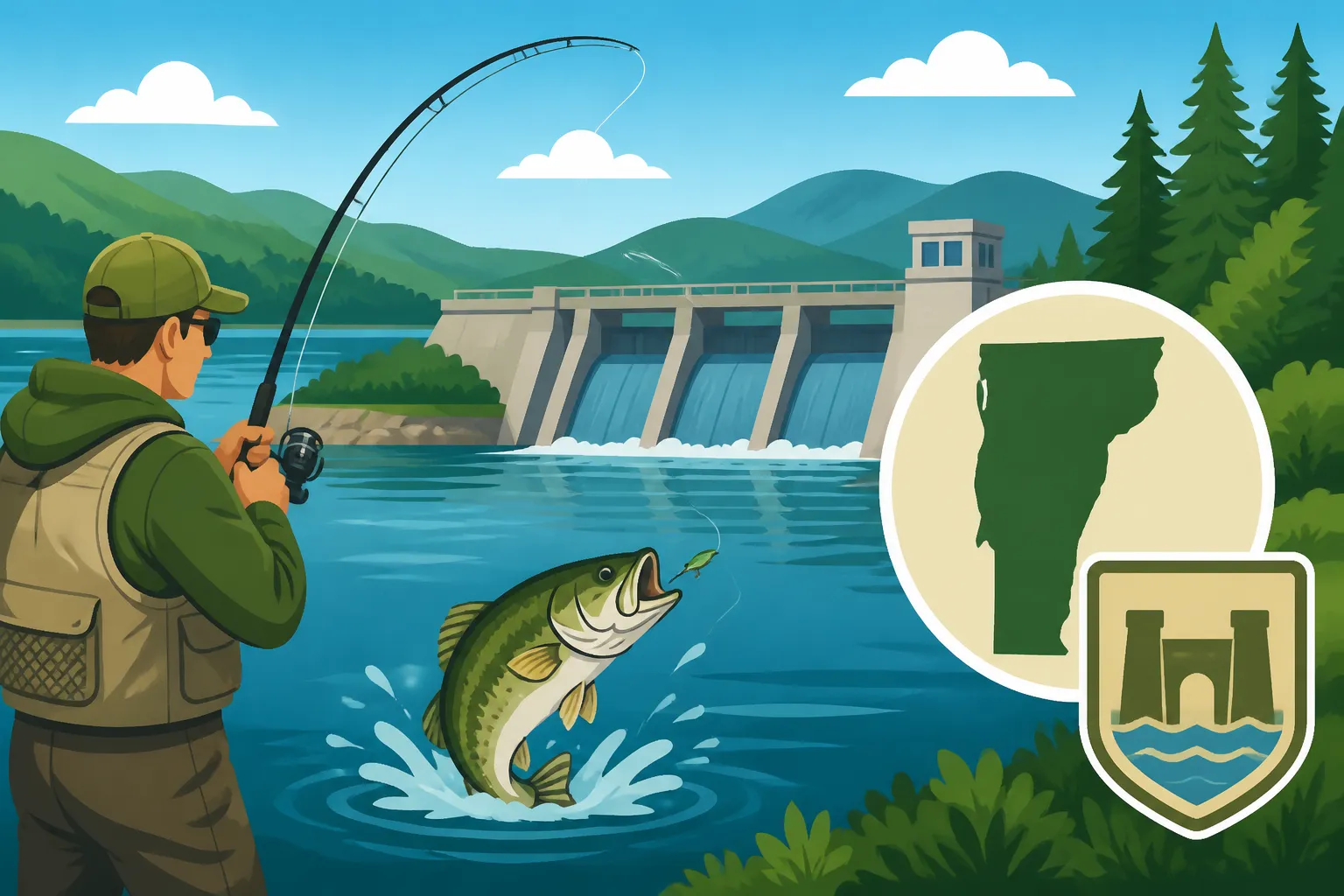
Vermont fishing rules on Army Corps of Engineers reservoirs
It's easy to feel a bit lost when you're trying to figure out fishing rules, especially when it comes to waters managed by federal agencies like the Army Corps of Engineers. You might wonder if federal rules override state laws, or if there's a whole separate set of permits you need. This guide is here to untangle the specifics of fishing regulations on Vermont's Army Corps of Engineers reservoirs, ensuring you understand exactly what's required for a legal and enjoyable day on the water.
The Role of Army Corps of Engineers in Vermont
The U.S. Army Corps of Engineers (USACE) manages several significant flood control projects throughout Vermont. These aren't your typical natural lakes; they are man-made impoundments designed with a very specific, critical purpose in mind: to protect downstream communities from devastating floods. While their primary function is flood risk management, these reservoirs also offer valuable recreational opportunities, including fishing, which many Vermonters and visitors cherish.
Understanding the core mission of these facilities is key to grasping why certain aspects of fishing or boating might differ from natural bodies of water. The fluctuating water levels, for instance, are not random; they are a direct result of the Corps' operational duties. This dynamic environment can present unique challenges and opportunities for anglers, making it all the more important to be prepared and informed.
Flood Control as a Primary Mission
The main reason the Army Corps of Engineers operates reservoirs in Vermont is for flood control. This means that at different times of the year, particularly during spring runoff or heavy rainfall events, the water levels in these reservoirs can fluctuate dramatically. They are designed to hold back water, preventing it from overwhelming rivers and communities further down the watershed. This mission takes precedence over recreational uses.
For anglers, this fundamental purpose has direct implications. A spot that was easily accessible from shore last week might be completely submerged or, conversely, left high and dry a week later. Boat ramps might be unusable during periods of very high or very low water. It's a constant dance with nature, managed by engineering, and understanding this helps set realistic expectations for your fishing trips. Always check local conditions before heading out, especially if you're planning to launch a boat.
Recreational Opportunities on USACE Lands
Despite their primary flood control mission, the Army Corps of Engineers actively promotes public access and recreation on the lands and waters they manage. In Vermont, this means the areas around reservoirs like North Hartland Lake, Townshend Lake, Ball Mountain Lake, Union Village Dam, and Wrightsville Reservoir offer more than just fishing. You'll often find picnic areas, hiking trails, and opportunities for boating, kayaking, and wildlife viewing.
The USACE works in conjunction with state and local partners to provide these amenities, ensuring that while the flood control mission is met, the public still has ample opportunity to enjoy Vermont's beautiful outdoors. These partnerships are crucial for maintaining access points, managing trails, and enforcing rules that protect both the environment and visitors. Many anglers appreciate these managed access points, as they often provide good infrastructure like parking and designated launch areas, making it easier to get out on the water.
Understanding Fishing Regulations on Army Corps Waters
When you're fishing on any Army Corps of Engineers reservoir in Vermont, the most critical thing to remember is that you are primarily governed by Vermont state fishing regulations. There isn't a separate "federal fishing license" or a unique set of federal creel limits that applies across all USACE projects. Instead, these waters are considered part of Vermont's broader fishery management system.
This simplifies things in many ways, as it means the general rules you follow for other lakes and rivers in the state typically apply here too. However, there can be some nuances, especially concerning access, boating, or specific site-use rules set by the local USACE park rangers. Always have your current Vermont fishing license handy, just as you would anywhere else in the state. If you need to purchase one, you can often do so online or through various vendors, as detailed in our guide on Where and How to Buy a Vermont Fishing License.
State Regulations Reign Supreme
For fishing purposes, the Vermont Fish and Wildlife Department (VFWD) is the primary authority on Army Corps of Engineers reservoirs in Vermont. This means all statewide rules regarding seasons, bag limits, length limits, and approved fishing methods are in effect unless explicitly stated otherwise by the VFWD for a particular water body. So, if you're targeting bass, you'll need to adhere to the Vermont Bass Catch-and-Release Season, Explained rules and subsequent open seasons. The same applies to trout; consult Vermont Trout Season and Stocking Rules for specific dates and limits.
It’s always a good idea to thoroughly read the current year's Vermont Fishing Regulations Explained guide, which you can usually pick up at license vendors or find on the VFWD website. Many anglers find it helpful to carry a physical copy or have a digital version on their phone, which you can easily download after checking out resources like the official VFWD website or even finding physical copies for sale on Amazon. This document is your ultimate resource for understanding legal requirements, regardless of whether you're fishing a state park pond or an Army Corps reservoir.
How to Find Specific Rules for Each Reservoir
While state regulations generally apply, local conditions or specific management goals for certain reservoirs might lead to unique rules. These aren't typically fishing regulations per se, but rather rules about boat size, motor restrictions, or specific access points. For instance, some smaller Army Corps reservoirs may have "no wake" zones or even prohibit gasoline motors entirely, allowing only electric trolling motors or paddle craft.
The best way to stay informed about any local variations is to check a few key sources:
- Vermont Fish and Wildlife Department: Always review the VFWD fishing guide for any "Special Regulations" sections that might pertain to specific Army Corps reservoirs.
- Army Corps of Engineers Project Office: Each USACE project, such as North Hartland Lake or Townshend Lake, usually has its own public website or a visitor center where specific recreational rules are posted. A quick web search for the specific reservoir name and "Army Corps of Engineers" will usually lead you to their official page.
- On-Site Signage: When you arrive at a reservoir, pay close attention to signs posted at boat launches, parking areas, and access points. These signs will often detail any specific rules or restrictions for that location.
By cross-referencing these sources, you can avoid any unintentional rule breaking and ensure a smooth fishing experience.
Navigating Access and Permitted Activities
Accessing Army Corps of Engineers reservoirs in Vermont usually involves well-maintained facilities, but it’s crucial to be aware of any restrictions on how you can get onto the water and what types of activities are allowed. The Corps prioritizes safety and resource protection, which means certain rules are in place to ensure everyone has a positive experience without harming the environment.
The fluctuating water levels common to these flood control projects can significantly impact access. A boat ramp that was perfectly usable one week might be high and dry, or completely submerged, the next. This requires anglers to be flexible and to always check conditions before heading out, especially if planning to launch a larger vessel.
Boat Launching and Motor Restrictions
Most Army Corps reservoirs offer designated boat launch facilities, though their accessibility can vary with water levels. It's common to find restrictions on motor types and sizes on these waters. For instance, several Vermont USACE reservoirs, like North Hartland Lake and Ball Mountain Lake, are classified as "electric motor only" or have strict horsepower limits to maintain a peaceful environment and prevent erosion.
Always check the specific rules for the reservoir you plan to visit before trailering your boat. These regulations are usually posted at the launch site and detailed on the USACE project's website. If you're a boater in Vermont, you'll also need to be familiar with Vermont Boating Laws for Anglers and Life Jacket Requirements for Vermont Boaters, as these state-level rules apply universally. For those new to boating or considering a smaller craft, kayaks are often a great option for these waters due to their versatility and ability to navigate shallow or restricted areas.
Shoreline Access and Day-Use Areas
For anglers who prefer to fish from shore, Army Corps reservoirs typically offer ample opportunities. Many projects include designated day-use areas with picnic spots, restrooms, and clear paths leading to the water's edge. These areas are usually well-maintained and provide a family-friendly environment for fishing.
However, anglers should also be mindful of restricted areas, which might include immediate vicinity of the dam structure itself or environmentally sensitive zones. Always respect any posted signs indicating "no trespassing" or "restricted access." Beyond designated areas, much of the shoreline may be accessible, but be prepared for varying terrain, especially given the fluctuating water levels that can expose muddy banks or rocky outcroppings. A sturdy pair of waterproof boots can be your best friend when exploring these variable shorelines, and you can find many suitable options on Amazon.
Fishing Opportunities at Vermont's Army Corps Reservoirs
Vermont's Army Corps of Engineers reservoirs, while primarily functional, are also vibrant ecosystems supporting a diverse array of fish species. These waters offer a unique fishing experience, often different from natural lakes and rivers, due to their managed nature and the specific habitat features they create. From warmwater species thriving in the shallower, fluctuating margins to trout and salmon in deeper, colder sections, there's a lot for an angler to explore.
Understanding the typical species present and how their behavior is influenced by the reservoir environment can greatly improve your success. The Vermont Fish and Wildlife Department often plays an active role in managing these fisheries, including stocking programs, to enhance the angling opportunities available to the public.
Popular Species and Stocking Programs
The fish populations in Army Corps reservoirs generally reflect the regional climate and the specific characteristics of each water body. Many of these reservoirs are excellent for warmwater species like largemouth and smallmouth bass, yellow perch, chain pickerel, and panfish like bluegill and crappie. Waters like Wrightsville Reservoir are particularly known for their smallmouth bass. You can often find detailed information about the best fishing spots in our comprehensive Best Fishing Lakes in Vermont guide, which often includes these managed waters.
The Vermont Fish and Wildlife Department often supplements natural populations with stocking programs, particularly for trout. Union Village Dam Lake, for instance, frequently receives trout stockings, providing good opportunities for brook, brown, and rainbow trout, especially in the cooler months. You can use the VFWD's fish stocking tool to see where and when fish have been recently released. This ongoing management ensures a robust fishery for anglers of all skill levels.
Seasonal Considerations for Anglers
Fishing on Army Corps reservoirs is heavily influenced by the seasons and, crucially, by the Corps' water management schedule.
- Spring: During spring runoff, water levels can be high and turbid, making fishing challenging but also concentrating fish in certain areas. This is often an excellent time for trout fishing shortly after stocking.
- Summer: Water levels may be more stable in summer, but the Corps might still release water, causing currents or dropping levels. Bass and panfish are generally active, especially in the mornings and evenings.
- Fall: As temperatures drop, fish often become more active, feeding heavily before winter. This can be a fantastic time for targeting bass, perch, and even holdover trout, provided water levels are cooperative.
- Winter: Ice fishing is popular on many Army Corps reservoirs once safe ice forms. However, pay extra attention to ice conditions, as fluctuating water levels underneath the ice can create dangerous thin spots. Always prioritize safety and know How thick ice needs to be for Vermont anglers to walk on it.
Always remember that these are flood control reservoirs, and water levels can change quickly based on weather and operational needs. Be prepared to adapt your fishing plans accordingly.
Practical Tips for a Successful Trip
Fishing on Army Corps of Engineers reservoirs presents a unique blend of challenges and rewards. Their primary flood control mission means you’re often dealing with dynamic environments, especially concerning water levels. Being prepared for these variations, and equipping yourself with the right gear and knowledge, can make all the difference between a frustrating day and a memorable one.
Beyond just the fish, a successful trip also means being comfortable and safe. Vermont weather can be unpredictable, and spending a day by the water requires some foresight. Whether it's having the right clothing or safety equipment, a little planning goes a long way.
Adapting to Water Level Fluctuations
The most significant factor impacting fishing on Army Corps reservoirs is the intentional fluctuation of water levels. These changes can expose new shoreline, create new pockets of submerged cover, or pull fish away from predictable structures.
- Scout Ahead: Before you go, check the USACE project's website for recent water level reports. Satellite imagery or even a quick drive-by can also give you an idea of current conditions.
- Be Mobile: If you're shore fishing, be prepared to move. Your favorite spot from last week might be bone dry or too deep this week.
- Understand Fish Behavior: When water rises, fish often move into newly flooded vegetation or structure to feed. When it drops, they might retreat to deeper channels or remaining cover. Adapt your presentation to these movements.
- Gear Up: Consider using lures and baits that are effective in varying depths. Portable fish finders, easily found on Amazon, can be invaluable for locating structure and fish in changing conditions, especially from a kayak or small boat.
Being flexible and observant will be your greatest assets when fishing these dynamic waters.
Essential Gear and Safety Considerations
Having the right gear is crucial for comfort and success on any fishing trip, but especially on waters where conditions can change.
- Waders/Waterproof Boots: Absolutely essential for navigating fluctuating shorelines or getting into shallow areas.
- Layered Clothing: Vermont weather can turn on a dime. Layers allow you to adjust to temperature changes throughout the day.
- Life Jackets: Mandatory for anyone under 12 on a boat and highly recommended for all anglers, especially those in kayaks or canoes. This is covered in Life Jacket Requirements for Vermont Boaters.
- Sun Protection: Sunscreen, hats, and polarized sunglasses are a must for long days on the water.
- First-Aid Kit: A basic kit for minor cuts, scrapes, or insect bites is always a smart addition to your tackle bag.
- Map/GPS: Even on smaller reservoirs, having a way to orient yourself, especially if exploring new shoreline, can be helpful. A waterproof map, perhaps one you ordered from Amazon, is excellent to keep on hand.
Always let someone know where you're going and when you expect to return, especially if you plan to fish alone or in remote areas.
Respecting the Resource and Other Users
Fishing on Army Corps of Engineers reservoirs means sharing the space with a variety of other users, from hikers and birdwatchers to kayakers and picnickers. Being a responsible angler involves not only adhering to fishing regulations but also practicing good environmental stewardship and showing courtesy to everyone else enjoying these beautiful Vermont outdoor spaces.
These reservoirs and the surrounding lands are maintained for public benefit, and their long-term health depends on how we treat them. By following simple principles of respect and conservation, we can ensure that these valuable resources remain available and enjoyable for generations to come.
Environmental Stewardship and Leave No Trace
As anglers, we have a special connection to the natural environment, and it's our responsibility to protect it. Practicing "Leave No Trace" principles is paramount on Army Corps lands, just as it is anywhere in Vermont.
- Pack It In, Pack It Out: Everything you bring in, take out. This includes fishing line, bait containers, snack wrappers, and anything else.
- Dispose of Waste Properly: If trash cans are provided, use them. If not, pack your garbage out with you.
- Respect Wildlife: Observe animals from a distance and never disturb their habitats.
- Protect Shorelines: Avoid unnecessary erosion by using existing trails and access points.
- Handle Fish Carefully: If you're practicing catch and release, do so quickly and gently to ensure the fish's survival. Our guide on Vermont Catch and Release Fly Fishing Only Waters offers excellent advice on proper fish handling.
By leaving these areas cleaner than you found them, you contribute directly to their preservation and ensure continued access for all.
Coexisting with Other Recreational Activities
Army Corps reservoirs are multi-use areas, which means you'll likely encounter people engaged in various activities. Mutual respect and understanding are key to everyone having a pleasant experience.
- Give Space: Whether it's a family picnicking on the shore or a group kayaking, give them ample space.
- Control Noise: Keep noise levels down, especially early in the morning or late in the evening. Sound travels easily over water.
- Yield to Others: If you're boating, understand right-of-way rules. If you're shore fishing, be mindful of hikers on trails.
- Share Information: If someone asks about fishing, be friendly and helpful (within reason, of course!). You might even inspire a new angler.
- Adhere to Posted Rules: These rules are designed to facilitate safe and enjoyable multi-use recreation. Always follow them.
Remember, a little common courtesy goes a long way in fostering a positive environment for all outdoor enthusiasts enjoying Vermont's Army Corps reservoirs.
Disclaimer
The information provided in this guide is for general informational purposes only and is not a substitute for checking the official regulations and advisories from the Vermont Fish and Wildlife Department and the U.S. Army Corps of Engineers. Regulations can change frequently, and it is the angler's responsibility to ensure compliance with all current laws and rules before fishing. Always prioritize safety and good judgment when engaging in outdoor activities.