Vermont Catch and Release Fly Fishing Only Waters
It can be incredibly frustrating to hit the river, thinking you're doing everything right, only to discover you're in a special regulation zone that completely changes your approach. Dedicated fly anglers in Vermont often seek out those pristine waters where the focus is solely on the art of the cast and the thrill of the catch, knowing the fish will swim another day. This comprehensive guide will illuminate Vermont's designated catch-and-release fly fishing only waters, helping you understand where they are, why they exist, and how to fish them responsibly.
Understanding Catch and Release Fly Fishing Only Waters in Vermont
Stepping into a "Catch and Release Fly Fishing Only" section of a Vermont river isn't just about adhering to a rule; it's about entering a unique ecosystem fostered by a specific conservation philosophy. These waters are sanctuaries, managed to cultivate robust fish populations, often wild or naturally reproducing trout, ensuring a sustainable and exceptional angling experience.
What "Catch and Release Fly Fishing Only" Truly Means
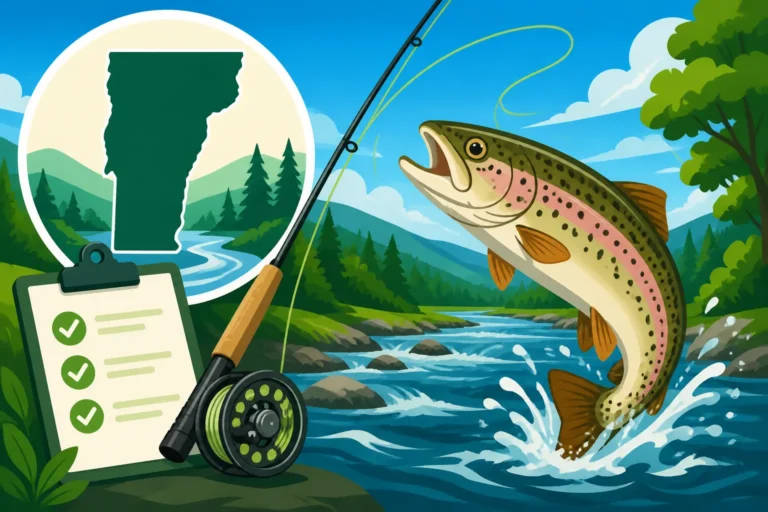
When you see a sign proclaiming "Catch and Release Fly Fishing Only," it's a clear directive with several critical implications. First, "Catch and Release" means that every fish you hook must be returned to the water alive and unharmed as quickly as possible. This isn't a suggestion; it's a non-negotiable regulation designed to protect and enhance the fish population. You might dream of a fresh trout dinner, but these specific waters are strictly for the sport and conservation of the species.
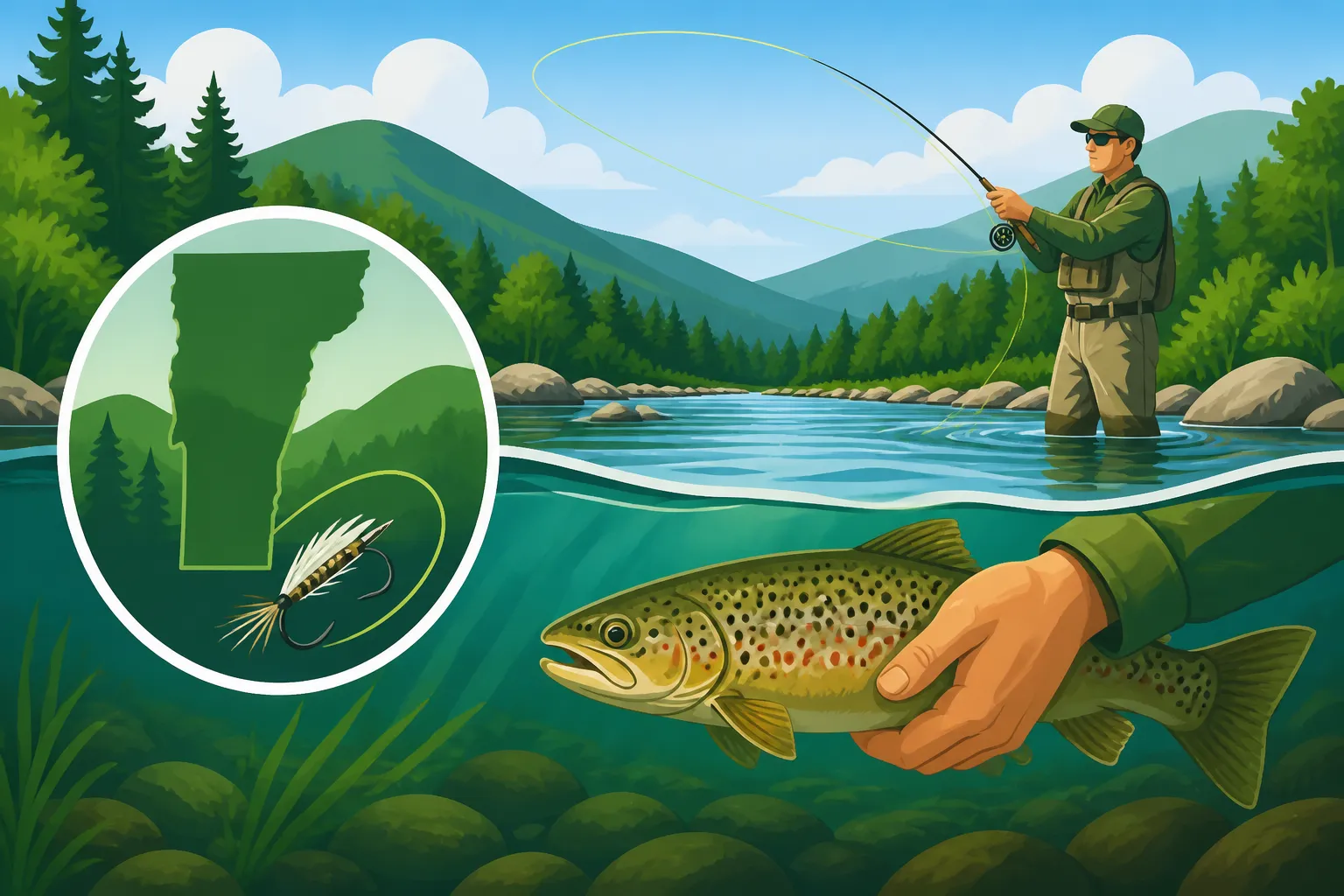
Secondly, "Fly Fishing Only" is equally important. This means you are restricted to using a fly rod, fly reel, and artificial flies. No spinning gear, no bait, no lures, no treble hooks, and definitely no worms or powerbait. This limitation is intentional, designed to minimize harm to fish, as flies typically result in hookups in the mouth, which are easier to remove cleanly. It also creates a distinct angling challenge, favoring skill, presentation, and an understanding of insect hatches and fish behavior. For many, it's the purest form of trout fishing, an immersive dance between angler and nature. These rules help maintain the integrity of the fishery and ensure quality experiences for all. You can learn more about general regulations in our Vermont Fishing Regulations Explained guide.
The Benefits of These Special Designations
The creation and maintenance of catch-and-release fly fishing only waters are a testament to Vermont's commitment to its aquatic resources and the angling community. The benefits are far-reaching and impact both the fish and the anglers who pursue them.
From a conservation standpoint, these regulations foster healthier, more resilient fish populations. By ensuring that all fish are released, it allows them to grow larger, spawn multiple times, and contribute to the genetic diversity of the stream. This is particularly crucial for native species like brook trout, which thrive in healthy, undisturbed environments. Over time, these areas become natural fish factories, supplying fish to downstream sections and boosting the overall health of the watershed. It's a proactive approach that prioritizes long-term ecological balance over short-term harvest.
For anglers, the advantages are equally compelling. Imagine a stretch of river where the fish are often more educated, larger, and more numerous, offering a consistent challenge and a higher probability of hooking into a trophy-sized trout. That's precisely what these special regulation waters provide. They become renowned for their quality fishing, attracting passionate fly anglers who appreciate the unpressured nature of the fishery. It’s a place where you can refine your techniques, experiment with different fly patterns, and truly connect with the rhythm of the river, knowing that the resource is being carefully managed for future generations. This often leads to a more satisfying and memorable experience than fishing heavily stocked, open-harvest waters.
Key Vermont Rivers and Streams with C&R Fly Fishing Only Regulations
Vermont boasts some truly iconic rivers and streams, and several of these have special "Catch and Release Fly Fishing Only" sections that draw anglers from near and far. These areas are carefully managed by the Vermont Fish and Wildlife Department to provide exceptional angling opportunities while safeguarding vital fish populations.
The Legendary Battenkill River
When you talk about fly fishing in Vermont, the Battenkill River inevitably comes up, often whispered with reverence. This river, particularly its famous "Trophy Trout Section" that flows from the confluence of the East and West Branch down to the New York border, is perhaps Vermont's most renowned catch-and-release fly fishing only water. It's a place steeped in fly fishing history, known for its challenging, wild brown trout and abundant insect hatches. The Battenkill's clear, limestone-influenced waters provide a rich environment for trout, but their wild nature means they are incredibly wary and require a stealthy approach and precise presentations.
Fishing the Battenkill is an education in itself. You'll encounter seasoned anglers patiently working runs and riffles, often using tiny dry flies or delicate nymph rigs. The river here flows through a mix of private and public lands, so understanding access points is crucial. Many sections require wading, and the riverbed can be notoriously slick, demanding good wading boots and often a Best Wading Staff for Fast Current. The challenge of the Battenkill is part of its allure; landing a wild brown trout from these waters is a true accomplishment. It's not about the numbers, but the quality of the fish and the pursuit itself. If you're looking for an unforgettable experience, this river should be high on your list. Learn more about the specific regulations and access points in our Battenkill River Trout Fishing guide.
Other Noteworthy Trout Streams
While the Battenkill holds a special place, it's certainly not the only game in town when it comes to Vermont's catch-and-release fly fishing only waters. Several other rivers and their designated sections offer fantastic opportunities, each with its own character and charm.
- Lamoille River (Upper Section): A beautiful river that offers a different kind of experience. While not entirely C&R fly fishing only, specific stretches upstream, particularly around the areas closer to the headwaters, may have special regulations for trout. It's known for its picturesque scenery and a mix of wild and stocked trout. Always check the current Vermont Fish and Wildlife regulations handbook, or consult the Vermont Fishing Regulations Guide for the most up-to-date information on specific stretches.
- White River (Selected Portions): The White River and its tributaries, particularly in the central Vermont region, are popular trout fisheries. Certain segments, often indicated by signage or explicit mention in the regulations, are managed as catch-and-release fly fishing only. These sections are typically chosen for their ability to support robust wild trout populations and provide a high-quality experience. The White River offers diverse water types, from faster runs to deeper pools, making it excellent for various fly fishing techniques, including nymphing and dry fly fishing during hatches.
- East Branch of the Nulhegan River: Nestled in the remote Northeast Kingdom, this river offers a truly wild and secluded experience. Its catch-and-release fly fishing only designation helps protect its significant populations of wild brook trout. This is a destination for anglers seeking solitude and the thrill of pursuing Vermont's native trout in a pristine environment. Access can be more challenging here, often requiring a bit of hiking, but the reward is an unparalleled connection with nature and unpressured fish.
These rivers, alongside other smaller, often unpublicized streams, form a network of protected waters that are vital for Vermont's fly fishing heritage. Each offers a unique challenge and a chance to experience the best of what Vermont's wild fisheries have to offer.
Lesser-Known Gems and Seasonal Considerations
Beyond the main rivers, Vermont also has smaller, often more intimate streams and even some ponds that might have seasonal or year-round catch-and-release fly fishing only rules. These hidden gems are often discovered through local knowledge, exploring the official regulations, or simply by venturing off the beaten path.
For example, certain smaller tributaries or sections of larger rivers might be designated as "wild trout waters" or have specific restrictions aimed at preserving fragile populations. These can be incredible places to find native brook trout, but they demand a high level of respect and careful handling. It's not uncommon for these smaller waters to be fly fishing only for part of the season, especially during sensitive spawning periods or to allow newly stocked fish to acclimate without immediate harvest pressure. Checking the Vermont Fish and Wildlife Department's Vermont Trout Season and Stocking Rules and specific stream regulations is paramount before wetting a line.
A table summarizing some of these areas and their general characteristics can be helpful, but always remember that regulations can change, so a current rulebook is your best friend.
| Waterbody/Section | Primary Species | General Character | Key Regulations (Always Verify) | Notes |
|---|---|---|---|---|
| Battenkill River (Trophy Sec.) | Wild Brown Trout | Classic freestone, clear, challenging, technical | C&R, Fly Fishing Only, artificial flies | Legendary, wary fish, requires skill. |
| White River (Specific Stretches) | Brown, Rainbow Trout | Diverse, pools, runs, varying flows | C&R, Fly Fishing Only | Check specific section boundaries. |
| East Branch Nulhegan River | Wild Brook Trout | Remote, pristine, wild, wilderness feel | C&R, Fly Fishing Only | For solitude seekers, native brookies. |
| Lamoille River (Upper Sec.) | Brown, Rainbow Trout | Picturesque, mixed habitat | Often C&R, Fly Fishing Only (check) | Specific sections vary, consult rulebook. |
| Select Wild Trout Streams | Native Brook Trout | Small, brushy, intimate, high elevation | C&R, Fly Fishing Only, sometimes seasonal | Local knowledge often key, fragile ecosystems. |
Many of these smaller, quieter waters truly shine during the early spring, when brook trout are active and water temperatures are ideal, or in the fall, when browns become more aggressive. During these times, the reduced pressure from bait or spin anglers can make for exceptional fishing experiences. However, always exercise extreme caution during high water periods, especially on smaller streams that can become torrents after heavy rain.
Why These Special Regulations Exist
The idea of limiting anglers to specific gear and mandating catch and release might seem restrictive to some, but these regulations are born from a deep understanding of fisheries science and a commitment to preserving Vermont's angling heritage. They are strategic tools used by the Vermont Fish and Wildlife Department to achieve specific ecological and recreational goals.
Protecting Wild Trout Populations
One of the primary drivers behind catch-and-release fly fishing only waters is the protection and enhancement of wild trout populations. Unlike stocked fish, which are raised in hatcheries, wild trout are born and bred in the river, perfectly adapted to their environment. They are often more colorful, hardier, and present a greater challenge to anglers.
However, wild trout populations can be vulnerable to overharvest, habitat degradation, and environmental changes. By designating certain stretches as C&R fly fishing only, the state ensures that these fish are not removed from the ecosystem. This allows them to reach larger sizes, contribute to multiple spawning cycles, and pass on their strong genetics. It's a long-term investment in biodiversity and natural resilience. For instance, on the Battenkill, the goal isn't to just have fish, but to ensure a self-sustaining population of wild brown trout, something that simply wouldn't be possible if anglers were regularly harvesting them. This approach also naturally creates a more challenging environment, as these fish aren't accustomed to an easy meal and are often spooked by heavy fishing pressure.
Enhancing the Angler Experience
Beyond conservation, these special regulations are designed to significantly improve the angling experience for those who seek it. Let's be honest, nothing beats the thrill of hooking into a truly wild fish, especially one that's grown large and wise from years of surviving in the river.
In a C&R fly fishing only section, the fish populations are typically denser and consist of larger, more mature individuals. This means a higher chance of hooking up and a greater likelihood of encountering a "trophy" fish. For the dedicated fly angler, this translates to more opportunities to hone their skills, test new patterns, and engage in a more profound interaction with the fish. The absence of bait fishing, which can often lead to deeper hooking and higher mortality rates, also contributes to a healthier fish population, making for a more vibrant and responsive fishery. It allows anglers to focus on the technical aspects of fly fishing – reading the water, precise casting, and delicate presentations – rather than simply trying to fill a creel. It's a quality-over-quantity approach that resonates deeply with many in the fly fishing community.
Maintaining Ecological Balance and Habitat
These regulations also play a crucial role in maintaining the overall ecological balance and health of the riverine habitat. Healthy fish populations are indicators of a healthy ecosystem. By protecting trout, these special designations indirectly protect the entire web of life within the river, from the aquatic insects they feed on to the riparian vegetation that provides cover and stability to the banks.
The "fly fishing only" component is particularly relevant here. Fly fishing generally has a lower impact on the surrounding environment compared to other methods. Anglers typically wade, rather than using heavy boats that can disturb sensitive streambeds. The use of artificial flies means no discarded bait containers or introduced non-native species (like minnows used as live bait that could become invasive). This commitment to minimal impact helps preserve the delicate balance of the ecosystem. It's a holistic approach that recognizes that a thriving fishery isn't just about the fish, but about the entire environment that supports them. For streams designated for Vermont wild trout waters regulations, this careful management is absolutely essential.
Gear and Tactics for Success in C&R Fly Fishing Only Waters
Successfully navigating Vermont's catch-and-release fly fishing only waters requires specific gear and a thoughtful approach. These aren't places for casual, unprepared angling; they demand respect for the fish and the regulations. Getting your setup right is the first step towards a rewarding day on the water.
Essential Fly Rod and Reel Setups
When it comes to your rod and reel, versatility and finesse are often key for these special regulation waters. For most trout fishing in Vermont, a 4-weight or 5-weight fly rod, typically between 8'6" and 9' in length, is a fantastic all-around choice. This setup offers enough backbone to handle larger trout and cast a variety of flies, yet remains sensitive enough for delicate presentations and smaller dry flies. If you're targeting smaller brook trout in brushier, tighter streams, a lighter 2-weight or 3-weight rod might be preferred for its finesse and ability to cast in tight quarters. On the other hand, if you're hoping to tangle with some of the larger browns on a river like the Battenkill, a slightly stiffer 6-weight might give you more control and fighting power.
Pair your rod with a reliable disc-drag fly reel that balances well with the rod. While the reel isn't typically used for "reeling in" the fish directly (that's mostly done by hand-lining), a smooth drag is crucial for protecting light tippets when a strong trout makes a run. A good quality floating fly line matching your rod weight (e.g., WF5F for a 5-weight rod) is standard. For those looking for durable and responsive equipment, many reputable brands offer excellent options. You can often find great deals on a complete starter outfit, including rod, reel, and line, on platforms like Amazon, which can be a convenient way to get set up for your adventures. Choosing the right rod ensures you're prepared for the specific challenges of Vermont's diverse trout waters. For more detailed advice, check out our guide on Best Fly Rods for Vermont Trout Streams.
Must-Have Fly Patterns and Leaders
Your fly box is your arsenal, and in catch-and-release fly fishing only waters, having the right patterns is critical. The key is to "match the hatch," meaning using flies that imitate the insects currently active in or on the water.
- Dry Flies: These imitate adult insects on the surface. Essential patterns include Elk Hair Caddis (various sizes), Adams (Parachute and Regular), Blue-winged Olives (BWO), Light Cahills, and Tricos (for tiny summer hatches). Having these in sizes from #12 down to #20 will cover most situations.
- Nymphs: These imitate immature aquatic insects drifting subsurface, where trout do most of their feeding. Pheasant Tail Nymphs, Hare's Ear Nymphs, Prince Nymphs, and Caddis Larva imitations (like a LaFontaine's Sparkle Pupa) are staples. Carry them weighted and unweighted in sizes #10 to #18.
- Streamers: These imitate baitfish or larger prey. Woolly Buggers (black, olive, brown), Clouser Minnows, and Sculpzillas are great for prospecting deeper pools or when fish are aggressive.
Your leader and tippet setup are equally important for delicate presentations and protecting your flies. A 9-foot tapered leader that starts strong at the fly line end and tapers down to a finer diameter (e.g., 5X or 6X) is standard. You'll then attach sections of tippet (often 5X, 6X, or even 7X for very wary fish or tiny flies) to match the fly size and water conditions. Fluorocarbon tippet is often favored for its invisibility underwater and abrasion resistance. Remember, these fish are often highly educated, so a drag-free drift with a fine tippet can make all the difference. Picking up a variety of essential fly patterns from Amazon can ensure you have a diverse selection before you even hit the stream. Learn more about specific patterns in Fly Patterns for Vermont Trout Streams.
Wading and Safety Gear
Safety should always be your top priority, especially when wading in potentially swift, cold, or slippery rivers. Investing in proper wading and safety gear is non-negotiable for comfortable and safe fly fishing.
- Waders: Breathable chest waders are essential for staying dry and warm. Look for quality brands that offer good mobility. Neoprene waders are an option for colder conditions but can be bulky. Many anglers prefer breathable waders for versatility across seasons. You can find excellent options on Amazon.
- Wading Boots: Paired with your waders, good wading boots provide critical traction. Felt soles are traditional for grip on slippery rocks, but rubber soles with studs are also popular, especially in areas where felt is restricted or for minimizing the spread of invasive species. Ensure they fit well and provide ankle support. You can explore the pros and cons of different soles in Best Wading Boots for Rocky Streams.
- Wading Belt: Always wear a wading belt cinched snugly around your waist. In the event of a fall, it can help prevent your waders from filling completely with water, significantly aiding buoyancy and making it easier to regain your footing or swim to shore.
- Wading Staff: A collapsible wading staff is an invaluable tool, especially in unknown waters or swift currents. It provides an extra point of contact, helping you gauge depth, test footing, and maintain balance.
- Life Vest/PFD: For deeper rivers or when fishing from a float tube or kayak, a lightweight, comfortable Personal Flotation Device (PFD) is a smart choice. Even strong swimmers can get into trouble in cold, moving water.
- Other Essentials: Always carry a small first-aid kit, insect repellent (especially in summer), sunscreen, plenty of water, and snacks. A multi-tool with pliers is great for hook removal. Having a good quality landing net with rubberized mesh helps minimize harm to fish during catch and release. Many compact and essential items can be easily purchased through Amazon for convenience.
Being well-prepared not only enhances your fishing experience but, more importantly, ensures your safety and the well-being of the fish you're targeting.
Respecting the Resource and Fellow Anglers
Fishing these special waters is a privilege, not a right. To ensure these unique opportunities endure for years to come, it's incumbent upon every angler to practice responsible angling and exhibit courteous behavior. This means going beyond just following the written regulations and embracing an ethos of conservation and respect.
Handling Fish with Care
The cornerstone of catch-and-release fishing is ensuring the fish you release survive to be caught another day. This requires a conscious effort to minimize stress and physical harm to the fish.
- Minimize Fight Time: While exhilarating, prolonged fights exhaust a fish, especially larger ones. Use appropriate tackle to bring the fish in as quickly as possible without horsing it.
- Wet Hands Only: Always wet your hands before touching a fish. Dry hands remove the fish's protective slime coat, making it vulnerable to infection. Avoid squeezing the fish.
- Keep Fish in Water: Keep the fish in the water as much as possible. If you need a photo, do it quickly with the fish mostly submerged, lifting it only for a second or two. Never drag a fish onto dry ground or rocks.
- Use Barbless Hooks: While often not explicitly required, pinching down barbs on your flies makes hook removal much easier and less damaging to the fish's mouth. Many dedicated C&R anglers use them religiously.
- Quick Hook Removal: Use hemostats or long-nosed pliers to quickly and gently remove the hook. If the fish is deeply hooked (which is rare with flies in the mouth), cut the line as close to the hook as possible rather than trying to force it out.
- Revive Gently: Hold the fish upright in the current, facing upstream, until it can swim away on its own. Don't simply toss it back; ensure it's strong enough to orient itself and disappear into the depths. This careful practice is vital for the success of Vermont Catch and Release Fly Fishing Only Waters.
Adhering to Leave No Trace Principles
The beauty and health of Vermont's catch-and-release waters depend on everyone leaving them exactly as they found them – or better. The "Leave No Trace" principles are a guiding philosophy for outdoor recreation, and they are particularly relevant to fishing.
- Pack It In, Pack It Out: Whatever you bring with you, take it home. This includes all trash, discarded fishing line (which can entangle wildlife), and any food wrappers. Even biodegradable items take a long time to break down and detract from the natural beauty.
- Stay on Designated Paths: Avoid trampling vegetation along river banks. Stick to established trails and access points to minimize erosion and protect sensitive riparian habitats.
- Respect Wildlife: Observe wildlife from a distance. Avoid disturbing nesting birds or other animals, and never feed wild animals.
- Dispose of Waste Properly: If nature calls, dig a small cat hole at least 200 feet from water sources, trails, and campsites, and cover it thoroughly.
- Be Careful with Fire: If fires are permitted (which they rarely are directly on riverbanks), ensure they are completely out before leaving.
- Minimize Disturbances: Fish quietly and avoid excessive noise that could disturb wildlife or other anglers. The goal is to blend into the environment, not dominate it. This mindful approach helps preserve the pristine character of these special places, ensuring a tranquil experience for all who visit.
Etiquette for Shared Waters
While you might seek solitude in these waters, you're likely to encounter other anglers, especially on popular stretches like the Battenkill. Good etiquette ensures everyone can enjoy their time on the river without conflict.
- Give Space: Always give other anglers ample space. A general rule of thumb is to allow at least 50 to 100 feet between yourself and another angler, or even more on smaller streams. If you see someone fishing a run, don't crowd them; find another spot or wait patiently.
- Ask Before Entering: If you need to cross a section an angler is working, politely ask if it's okay to pass. Walk quietly behind them and as far from the water as possible to avoid disturbing the fish they're targeting.
- "Fish Through" or "Work Upstream": When approaching a new section, always start below another angler and work your way upstream, or "fish through" a section, moving steadily, rather than casting in the same spot for extended periods. This allows others to follow behind you without feeling like you're holding up the works.
- Share Information (Respectfully): While it's great to share tips or discuss flies, avoid being overly intrusive or giving unsolicited advice unless asked. Some anglers prefer quiet contemplation.
- Respect Private Property: Many prime fishing spots are adjacent to private land. Always be aware of property boundaries and respect them. Trespassing is illegal and can lead to access restrictions for all anglers. Familiarize yourself with Vermont Landlocked Salmon Regulations and other species-specific rules to ensure you're always compliant.
- Keep Noise Down: Be mindful of your voice and any other noises. These waters are often sought out for their peaceful atmosphere. A quiet approach benefits both the fish and your fellow anglers.
By following these guidelines, you contribute to a positive and respectful community on the river, ensuring that Vermont's special catch-and-release fly fishing only waters remain cherished destinations for years to come.
Disclaimer
Please be aware that fishing regulations in Vermont can change. While this guide provides comprehensive information, it is your responsibility to consult the most current Vermont Fish and Wildlife Department regulations before fishing any waters. Always check for specific rules regarding seasons, gear restrictions, and possession limits, as these can vary by water body and even by section of a river.