Vermont White River fishing regulations
The beautiful White River, winding its way through central Vermont, offers some truly memorable fishing experiences. But let’s be honest, figuring out the exact rules for a specific river can feel like trying to untangle a particularly stubborn fishing knot. You’ve got statewide regulations, and then there are often special rules for individual waterways, leaving many anglers scratching their heads. This guide is here to unravel those complexities, specifically detailing the fishing regulations you need to know for the White River in Vermont.
Deciphering General Trout Regulations on the White River
When you think of the White River, trout often come to mind first, and for good reason! It’s a renowned trout fishery. The good news is that for most of its length, the White River follows the general statewide trout regulations. However, "general" doesn't mean "ignore," as there are still important details to keep straight.
Statewide Season Dates Apply
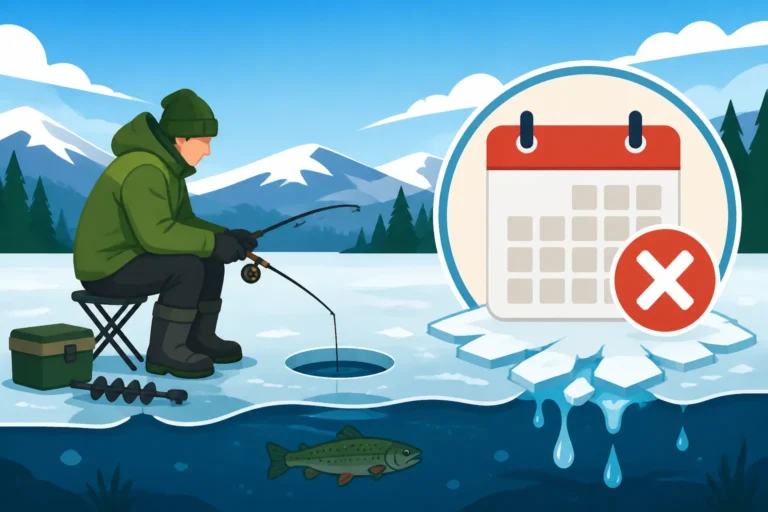
For the most part, the White River adheres to Vermont's statewide trout season dates. Typically, this means you can start chasing trout on the White River from the second Saturday in April, often referred to as "Opening Day," right through to the last day of October. It's a generous season, offering plenty of opportunities to hit the water, whether you're an early bird keen on spring hatches or a fan of the crisp air and vibrant foliage of fall fishing.
However, dates can shift slightly from year to year based on the Vermont Fish and Wildlife Department's (VFWD) assessment of fish populations and environmental conditions. So, before you even think about rigging up your rod, it's absolutely crucial to check the most current official guide. You can find all the up-to-date information on Vermont Fishing Season Dates and Closures to ensure your trip aligns with legal fishing times. Remember, going out even a day early or late can lead to unnecessary fines and impact conservation efforts, so staying informed is key.
Standard Daily Bag and Possession Limits
The White River, like most general regulation waters in Vermont, has specific daily bag and possession limits for trout. These limits are put in place to ensure sustainable fishing and healthy fish populations for years to come. Generally, the statewide regulation allows anglers to keep a combined total of six trout (brook, brown, or rainbow) per day. This means you can't, for example, catch six brook trout and then six brown trout; it's a cumulative total.
It's also vital to understand the difference between a "daily bag limit" and a "possession limit." Your daily bag limit is how many fish you can harvest in a single calendar day. Your possession limit, on the other hand, refers to the total number of fish you can have in your possession at any given time, including those from previous days' fishing trips. For most trout species on the White River, the possession limit mirrors the daily bag limit. This prevents anglers from accumulating large quantities of fish over multiple days beyond what is sustainable. Getting familiar with Vermont Trout Limit and Possession Rules will clear up any confusion and help you plan your fishing outings responsibly.
Minimum Length Requirements for Trout
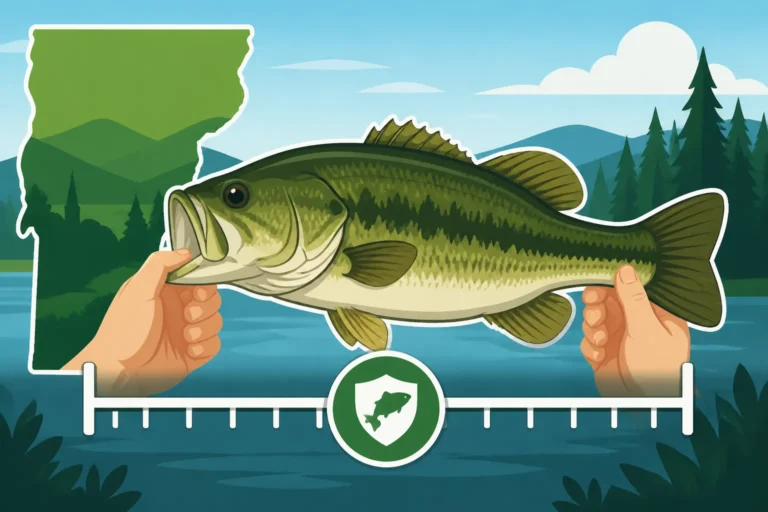
Beyond the number of fish you can keep, there are also rules about how long those fish need to be. For general regulation waters like the White River, a common statewide minimum length limit for trout is 6 inches. This regulation is incredibly important for conservation, as it allows younger, smaller trout to grow to maturity and reproduce at least once, contributing to the next generation of fish.
Imagine you're casting near the confluence of a small feeder stream and the main White River, and you hook into a beautiful, feisty brook trout. It’s a thrill! But before you reach for your creel, quickly measure it. If it’s under that 6-inch mark, even by a hair, it needs to be carefully released back into the water. Releasing undersized fish unharmed helps maintain a robust and thriving fishery. Always carry a small measuring tape or a stick with marked increments with you – you can find handy, inexpensive ones on Amazon. This simple act of measuring helps ensure that future generations of anglers will have just as much joy fishing the White River as you do today.
Navigating Specific Zones and Tributaries
While the main stem of the White River largely adheres to statewide general regulations, Vermont's vast network of waterways often includes specific sections or tributaries that have their own, sometimes stricter, rules. It's like finding a hidden gem that requires a special map!
Identifying Potential Local Deviations
It's crucial for any angler on the White River to know that while the main flow might be general regulation, some of its countless tributaries or highly localized sections could potentially operate under different guidelines. These unique regulations are typically implemented to protect especially sensitive wild trout populations, support specific conservation projects, or enhance particular angling experiences. Think of a small, crystal-clear mountain brook feeding into the White River, harboring a pristine population of native brook trout – it might have stricter rules to ensure those delicate fish thrive.
Therefore, never assume. The best practice is always to consult the "Special Regulation Waters in Vermont" section of the official Vermont Fishing Regulations Guide. This section will list any specific stretches of the White River or its tributaries that deviate from the general rules. The VFWD does an excellent job of outlining these areas, sometimes with detailed maps or descriptions of the exact boundaries, such as "from the Route 100 bridge downstream to the confluence with XYZ Brook." Ignoring these specific regulations, even unknowingly, can lead to penalties and, more importantly, can harm the very fish populations we all cherish.
Understanding Catch-and-Release vs. Harvest
For the White River's main stem, where general regulations apply, anglers typically have the option to harvest their daily limit of legal-sized trout. However, the philosophy of catch-and-release is increasingly popular and incredibly beneficial for maintaining robust fish populations, especially for wild trout. Many anglers, even when not mandated, choose to release most or all of their catch, particularly larger fish that are crucial for spawning.
While the White River itself isn't generally designated as a "Vermont fly fishing only special regulation waters" or a "Vermont catch and release only trout streams" along its main corridors, it's essential to recognize that such regulations exist elsewhere in Vermont and could apply to specific, smaller sections or tributaries. If you encounter signage or specific notes in the official guide about a certain area being "catch and release only," it means all fish caught must be returned to the water immediately and unharmed. These rules are usually accompanied by requirements for artificial lures and single, barbless hooks to minimize harm to the fish. Even when not legally required, practicing careful catch and release, using appropriate gear, and handling fish minimally is a sign of respect for the resource and helps ensure the long-term health of the White River fishery.
Essential Rules Beyond Trout Species
While trout are certainly the stars of the show on the White River for many anglers, it's not the only species you might encounter. Plus, there are overarching rules that apply to all fishing, no matter what you're targeting or where you are on the water.
Licensing is Non-Negotiable
This is perhaps the most fundamental rule: if you plan to fish anywhere in Vermont, including the White River, you absolutely must possess a valid Vermont fishing license. This isn't just a formality; it's how the state funds its vital fish and wildlife conservation programs, including trout stocking, habitat restoration, and enforcement. The only exception is for residents and non-residents under the age of 15, who can generally fish without a license. However, once you hit that 15th birthday, the license requirement kicks in.
Understanding Vermont Fishing License Age Requirements is critical, especially if you’re planning a family trip. For adults, whether you're a Vermont resident or visiting from out of state, there are various license options available, from annual permits to shorter-term choices like a 1-day, 3-day, or 7-day non-resident license. Getting your license is easy and convenient; you can often pick one up at authorized local vendors (like tackle shops or general stores), or most simply, buy it online through the Vermont Fish and Wildlife Department website. We've got a detailed guide on How to Buy a Fishing License Online in Vermont that walks you through the process step-by-step, making it a breeze to get legal before your lines hit the water. Never risk fishing without one – the penalties can be substantial and certainly put a damper on your peaceful day by the river!
Bait, Lure, and Tackle Regulations
When it comes to what you can actually use to catch fish on the White River, general statewide regulations mostly apply, allowing for a good variety of baits and lures. Typically, this means you can use natural baits like worms, grubs, and commercially prepared dough baits (like PowerBait), as well as a wide array of artificial lures such as spinners, spoons, crankbaits, and soft plastics. Fly fishing is also incredibly popular and, of course, permitted.
However, there are a couple of important statewide rules to always keep in mind that apply to most waters, including the White River:
- Lead Sinkers: Vermont has a "no lead sinkers" rule for sinkers weighing 1/2 ounce or less. This is an environmental measure to protect waterfowl and other wildlife from lead poisoning. Make sure your small weights are made of steel, bismuth, tungsten, or another non-toxic material. You can easily find compliant lead-free sinkers on Amazon.
- Specific Water Restrictions: While not widely applied to the main White River, some very specific waters in Vermont (often designated as "fly fishing only" or "artificial lures only") might restrict natural baits. Always double-check the special regulations section of the VFWD guide if you venture into a smaller, unnamed tributary.
For most of your White River adventures, you'll find plenty of freedom in choosing your preferred tackle. A good sturdy tackle box, like those from Plano or Flambeau, is indispensable for keeping all your lures, hooks, and weights organized and ready for action.
Respecting Private Property and Access
The White River, like many beautiful waterways in Vermont, flows through a mix of public and private lands. This means that while the river itself (up to the mean high water mark) is generally public domain, the land you use to access it or walk along its banks might not be. Ignoring private property signs or trespassing is not only illegal but also harms the relationship between landowners and anglers, potentially leading to reduced access for everyone.
Always be vigilant about identifying legal public access points. These often include designated Vermont Fish and Wildlife Department fishing access areas, state parks, town lands, or bridge crossings where clear public access is permitted. If you're unsure, it's always better to err on the side of caution. Look for signs, consult online maps that show public access points, or ask at a local tackle shop. If you find yourself needing to cross private land to reach a fishing spot, always seek permission from the landowner beforehand. A simple knock on the door or phone call can go a long way in building goodwill and ensuring continued access for the angling community. Respecting the land is just as important as respecting the fish, helping to preserve the serene experience of fishing the White River for years to come.
Your Role in White River Conservation
Beyond simply following the letter of the law, every angler has a vital role to play in safeguarding the White River's health and ensuring its fishing legacy endures. Think of it as being a steward, not just a visitor.
Practicing Responsible Angling
Responsible angling goes far beyond just having a valid license and adhering to bag limits. It encompasses a whole suite of practices designed to minimize your impact on the environment and maximize the well-being of the fish. When you're releasing fish, especially those wild trout that are so precious in the White River, handle them with the utmost care. Minimize their time out of the water, use wet hands, avoid squeezing them, and revive them gently until they swim away strongly. This is crucial for their survival and for the overall health of the fishery, particularly in a system like the White River that sees a good amount of angling pressure.
Furthermore, always strive to leave no trace. This means packing out everything you pack in, and perhaps even picking up any litter you find. Avoid trampling riparian vegetation, which is essential for bank stability and insect habitat. Being mindful of your footsteps and avoiding sensitive spawning areas (especially during the fall for brown trout) contributes directly to the river's ecological health. Understanding Vermont Trout Season and Stocking Rules can help you recognize times and places where fish might be particularly vulnerable, allowing you to adjust your approach for maximum conservation impact. By being thoughtful and considerate, you ensure that the White River remains a pristine and productive fishery for generations of anglers to come.
Staying Safe on the Water
The White River, while beautiful, is still a natural environment, and safety should always be a top priority. Wading in moving water, especially during higher flows or early spring when water levels are elevated and temperatures are cold, carries inherent risks. Always wear appropriate wading boots with good traction – felt or studded rubber soles are excellent for slippery riverbeds. A wading staff can be an invaluable tool for maintaining balance and testing depth, allowing you to probe the riverbed before you commit your weight.
Beyond wading gear, dress in layers appropriate for Vermont’s often unpredictable weather. Hypothermia can set in quickly if you take an unexpected dip in cold water. Consider wearing a personal flotation device (PFD) or an inflatable vest, particularly if you're venturing into deeper, faster currents or fishing from a boat or kayak. Keep a close eye on weather forecasts and water levels, which can change rapidly, especially after heavy rains. Carrying a basic first-aid kit (easily purchased on Amazon) and a way to communicate, like a fully charged cell phone (in a waterproof case), are also smart precautions. Your day on the White River should be about enjoyment and connection with nature, not about taking unnecessary risks.
Where to Find the Most Up-to-Date Information
While this guide aims to provide a comprehensive overview of the White River's fishing regulations, remember that the natural world is dynamic, and regulations can sometimes be adjusted. Therefore, the single most authoritative and current source for all Vermont fishing regulations is always the official Vermont Fish and Wildlife Department's Fishing Regulations Guide.
You can usually pick up a printed copy wherever fishing licenses are sold, or, more conveniently, access the digital version directly from the VFWD website. We highly recommend keeping a digital copy on your phone or tablet for quick reference on the water. We also have a dedicated article on Reading the Vermont Fishing Regulations Guide to help you navigate its sections effectively. If you have any specific, nuanced questions about a particular stretch of the White River or a unique situation, don't hesitate to reach out directly to the Vermont Fish and Wildlife Department. Their wardens and biologists are dedicated professionals who are there to help anglers understand and comply with the rules, ensuring everyone can enjoy Vermont's incredible fishing resources responsibly.
White River Trout Regulations Summary Table
To help you keep track of the key regulations for trout fishing on the White River, here's a quick summary. Remember, always refer to the official VFWD guide for the absolute latest information.
| Regulation Category | General White River (Statewide Rules) | Notes & Key Considerations |
|---|---|---|
| Trout Season | Second Saturday in April – October 31 | Dates can shift slightly year to year. Always confirm current dates with VFWD. |
| Daily Bag Limit | 6 combined trout (Brook, Brown, Rainbow) | This is a cumulative total across all trout species caught in a day. |
| Possession Limit | 6 combined trout (Brook, Brown, Rainbow) | Total number of fish you can have in your possession at any given time. |
| Minimum Length | 6 inches for all trout species | Fish under this length must be immediately and carefully released. |
| License Required | Yes, for ages 15 and older | Non-residents and residents aged 15+ need a valid license. |
| Lead Sinkers | Prohibited for weights 1/2 oz or less | Use non-toxic alternatives (steel, bismuth, tungsten). |
| Bait/Lure | Generally permitted (natural & artificial) | Specific tributaries or "special regulation" waters may have restrictions (e.g., artificial lures only). |
Disclaimer
The information provided in this guide is for general informational purposes only and is subject to change. While we strive to offer accurate and up-to-date details, fishing regulations can be complex and are regularly reviewed by the Vermont Fish and Wildlife Department. It is the angler's sole responsibility to consult and adhere to the most current official Vermont Fishing Guide and all applicable state and federal laws before engaging in any fishing activity. Failure to do so may result in penalties.