Vermont ice fishing season end date
The biting cold, the serene quiet, and the thrill of pulling a feisty fish through a hole in the ice—there's nothing quite like ice fishing in Vermont. But as the days slowly lengthen and the sun gains strength, many of us start to wonder: when exactly does this magical season come to an end? It's a question that brings with it a mix of anticipation for spring and a pang of sadness for the vanishing ice. This guide will walk you through the practical and regulatory end dates for Vermont's ice fishing season, focusing on safety, species-specific rules, and what to expect as the ice melts away.
Understanding the "End" of Vermont's Ice Fishing Season
When we talk about the end of Vermont's ice fishing season, it's not always a single, hard-and-fast date stamped across the entire state. Instead, it's a dynamic interplay of state regulations, species-specific seasons, and, most importantly, the ever-changing, warming conditions of Mother Nature. The Vermont Fish & Wildlife Department prioritizes angler safety above all else, which means the practical end of the season often arrives well before any official regulatory closure for many species.
The Reality of Ice Conditions and Melting
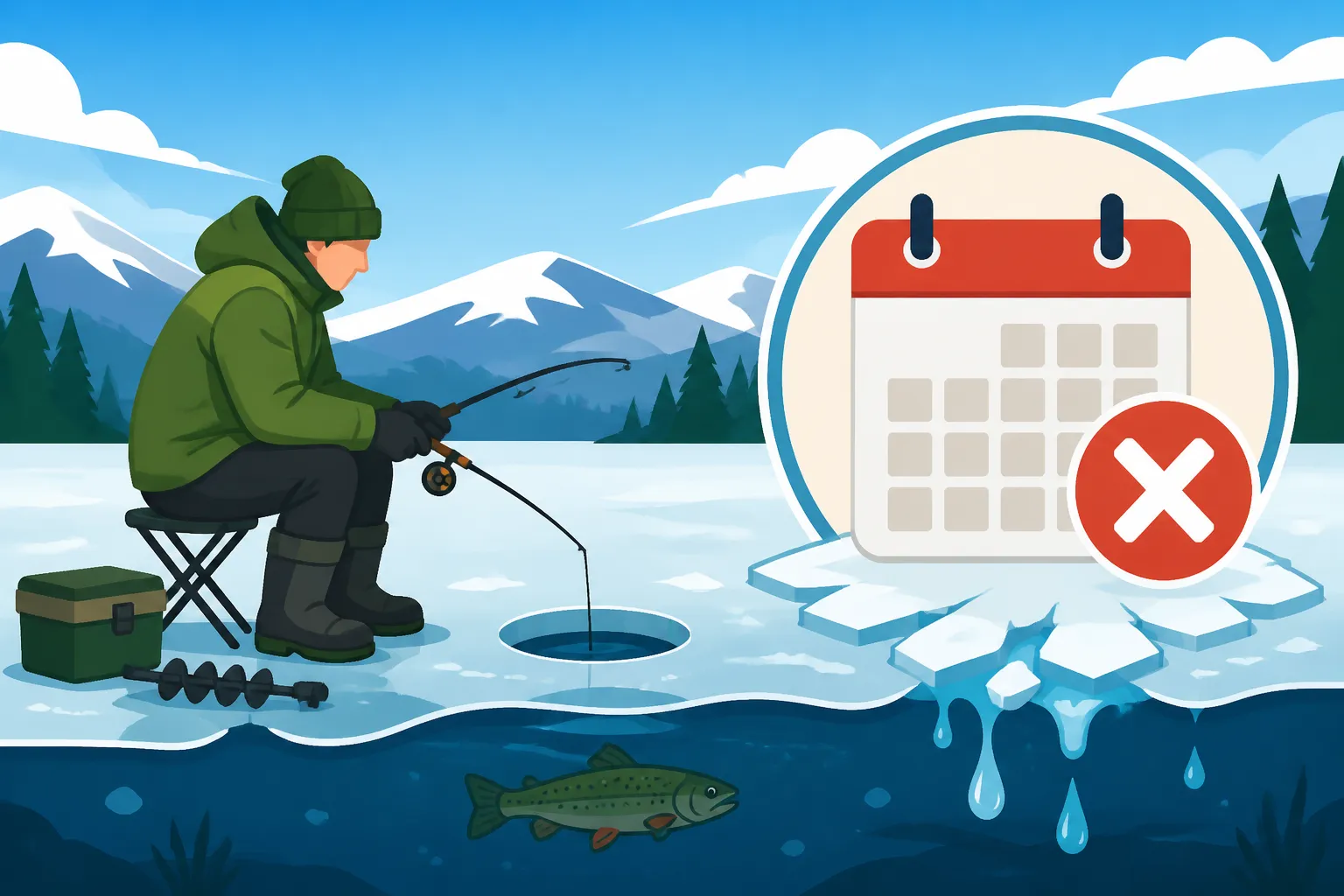
As March rolls around, Vermont experiences a dramatic shift. Days grow longer, the sun climbs higher in the sky, and the snowpack begins to dwindle. This warmth penetrates the ice, weakening it from the top down and from the edges inward. What might have been a solid sheet of 12 inches of ice in February can become dangerously unstable in a matter of days or even hours in March. It's a critical time when caution must override enthusiasm.
For most general ice fishing, especially for species like perch, crappie, and northern pike, the season effectively ends when the ice is no longer safe to walk on. While the state doesn't typically post a universal "no ice fishing after X date" for all waters, most anglers find that safe conditions rarely extend beyond mid-to-late March in southern Vermont, and perhaps into early April in the coldest, deepest lakes of the Northeast Kingdom. This natural transition, driven by spring thaw, is the true end for the vast majority of ice anglers.
Regulatory Nuances for Different Species
While the melting ice is often the primary factor, some specific species do have regulatory end dates that might impact your late-season ice fishing plans. These dates are generally part of the broader Vermont Fishing Regulations Explained and are crucial to observe.
For trout and salmon, the general season closure for most waters typically occurs in late October, reopening on the traditional "opening day" in mid-April. This means that if you're targeting trout or landlocked salmon through the ice, you're usually limited to specific waters designated for winter fishing or those with extended seasons, such as the famous Trophy Trout Program Waters. Always double-check the current Vermont fishing regulations guide for the water body you plan to fish, as these specific rules can change year to year.
Bass fishing is another area with specific regulations. During the general bass season, which runs from mid-June through late November, you can keep bass. However, Vermont also has a special catch-and-release bass season, which usually runs from early December through mid-June, encompassing the entire ice fishing period. This means you can often target bass through the ice, but you must release them immediately. This season, known as the Vermont Bass Catch-and-Release Season, Explained, allows for year-round angling for these popular species, provided you adhere to the catch-and-release rule outside the general season.
The Critical Role of Ice Safety as Winter Fades
No matter what the calendar says, the absolute final word on when the ice fishing season ends is always dictated by ice safety. As temperatures rise and spring approaches, ice conditions can deteriorate rapidly, turning a fun outing into a dangerous situation. This is why understanding and respecting ice thickness and quality is paramount, especially in late winter.
Minimum Ice Thickness for Safety
The Vermont Fish & Wildlife Department, much like other northern states, provides guidelines for safe ice thickness. These aren't just suggestions; they're vital recommendations based on years of experience and unfortunate incidents. The general rule of thumb for walking on clear, solid ice is:
- 2 inches or less: NO ice fishing.
- 4 inches: Safe for ice fishing on foot.
- 5-7 inches: Safe for a snowmobile or ATV.
- 8-12 inches: Safe for a car or small pickup.
- 12-15 inches: Safe for a medium truck.
It's important to remember that these are guidelines for clear, solid ice. Slushy ice, ice that has thawed and refrozen, or ice near inlets, outlets, or springs will be significantly weaker. As the season winds down, the ice is rarely uniform, and pockets of thin, unstable ice can develop almost anywhere. For a detailed breakdown, check out our guide on How thick ice needs to be for Vermont anglers to walk on it.
Recognizing Signs of Weakening Ice
Knowing when to call it a day, even if others are still out there, is a crucial part of being a responsible ice angler. Here are some red flags that indicate weakening ice:
- Darker Areas: Ice that appears darker than the surrounding ice might be thinner or have open water underneath.
- Slush Pockets: The presence of slush on top of the ice indicates that it's melting from the surface and may be saturated with water, weakening its structural integrity.
- Cracks and Pressure Ridges: While cracks can form throughout the winter, new or expanding cracks, especially those accompanied by groaning or cracking sounds, signal a shift in the ice sheet and potential instability.
- Flowing Water: If you see water flowing on the ice surface or hear it moving beneath, this is a clear sign of significant melt, and the ice is rapidly deteriorating.
- Honeycombed Ice: Late-season ice often develops a honeycomb structure, especially vertically. This type of ice, even if thick, is extremely weak and unreliable. It crumbles easily and cannot support weight like solid, clear ice.
Always check ice conditions as you go, particularly as you venture further from shore. A spud bar or ice chisel is an essential tool for testing ahead of you, even in late season.
Essential Safety Gear for Late Season Ice Fishing
Just because it's late in the season doesn't mean you can skimp on safety gear. In fact, it becomes more important. Before heading out, make sure you have:
- Ice Picks: These small, handheld picks can be a lifesaver, allowing you to pull yourself out of the water if you fall through. They are an absolute non-negotiable item, easily found on Amazon.
- Throw Rope: A buoyant rope that can be thrown to someone who has fallen through.
- Whistle: To alert others if you're in distress.
- Personal Flotation Device (PFD) or Float Suit: Wearing a PFD, even over your winter clothes, adds buoyancy and crucial minutes if you find yourself in the water. Full float suits, like those from brands such as Striker or Eskimo, offer insulation and flotation. You can find a good selection of these safety items on Amazon.
- Spud Bar or Ice Chisel: As mentioned, use this to test ice ahead of you, especially when exploring new areas or approaching pressure cracks.
- Buddy System: Never ice fish alone, particularly during late season. Having a companion can mean the difference between life and death in an emergency.
Remember, the warmth of the sun and the melting sounds can be deceiving. Always err on the side of caution.
Species-Specific Regulations and Ice-Out Fishing
While the ice might be disappearing, the angling opportunities in Vermont aren't. Understanding how specific fish species are regulated around the ice-out period is key to extending your fishing adventures.
Targeting Trout and Salmon Through the Ice
For many of Vermont's general fishing waters, the trout and salmon season closes in late October and reopens in April. However, there are exceptions. Some lakes and ponds, particularly those managed for 'trophy trout' or those with special winter fishing regulations, may remain open for trout and salmon through March. It's vital to consult the Vermont Fishing Regulations guide for the specific water body you intend to fish. For instance, specific lakes might have a Vermont Lake Champlain Lake Trout Regulations that dictates when and how you can pursue these prized fish through the ice.
When fishing for trout and salmon through the ice late in the season, remember that the fish can be very active. They often cruise shallower areas as meltwater provides increased oxygen and attracts baitfish. Techniques like Jigging for Perch Through the Ice or Best Techniques for Ice Fishing Lake Trout can be adapted, perhaps with slightly larger offerings, to target these aggressive predators.
Bass: Catch-and-Release Only During Ice Season
As previously mentioned, Vermont's bass season is largely catch-and-release during the ice fishing period, usually from December 1st through the Friday before the second Saturday in June. This means you can continue to target largemouth and smallmouth bass as long as safe ice persists, but every fish caught must be immediately and carefully released.
Late-season ice bass fishing can be incredibly rewarding. Bass often congregate in deeper holes or near structural elements like submerged timber and rock piles as the water warms slightly beneath the ice. They become more active and willing to strike larger baits or jigs. For those looking to target them, a medium-heavy rod with a good quality reel can make a big difference, and you can often find excellent options on Amazon.
Panfish and Pike: The True All-Winter Anglers
Species like yellow perch, black crappie, bluegill, and northern pike generally have continuous seasons in Vermont. This means you can legally pursue them through the ice as long as the ice is safe. These are often the last fish anglers target on the melting ice, providing some fast-paced action before the ice completely gives way.
Perch and crappie are schooling fish, and if you find one, you're likely to find many. They'll often feed aggressively in late winter as they prepare for their spring spawn. Northern pike, being apex predators, will also be active, often cruising shallower flats and weed lines looking for an easy meal. This makes them exciting targets on tip-ups or with larger jigging spoons. Just be aware of the Vermont Northern Pike Limit and Vermont Yellow Perch Limit for the specific water you're fishing.
Preparing for the Transition: From Ice to Open Water
As the ice inevitably disappears, it doesn't mean the fishing ends. It simply means a change of scenery and techniques. Many anglers actually look forward to ice-out, as it heralds the beginning of a whole new set of fishing opportunities.
Early Spring Open Water Opportunities
The moment the ice comes off the lakes and ponds, a new chapter begins for Vermont anglers. Early spring often offers fantastic fishing for several species:
- Trout and Salmon: The Vermont Trout Opening Day Traditions are a huge deal, often happening shortly after ice-out. Stocked trout become very active, and wild trout in rivers are also hungry. Landlocked salmon and lake trout often cruise shallow, accessible areas of lakes, making them vulnerable to casting or early season trolling. Check out the Vermont Fish Stocking Search Tool, Explained to find recently stocked waters near you.
- Pike and Pickerel: These predatory fish are often some of the first to become active in the chilly open water, moving into shallow bays and marshy areas to spawn. They can be targeted with spoons, spinnerbaits, or dead bait under a bobber.
- Perch and Crappie: Just like through the ice, these panfish remain active after ice-out, often schooling in warmer bays or along structure. Small jigs and live bait can yield incredible catches.
Gear Maintenance and Storage for Next Season
Once your ice fishing gear is put away, taking a little time to properly maintain and store it will save you headaches and money next winter.
- Augers: For gas-powered augers, drain the fuel or add a fuel stabilizer. Sharpen or replace dull blades. For electric augers, clean the battery terminals and store batteries in a cool, dry place at a partial charge (check manufacturer recommendations).
- Shanties and Shelters: Thoroughly dry out your ice shanty to prevent mold and mildew. Patch any holes or tears. Fold it neatly and store it in a clean, dry place away from rodents.
- Rods and Reels: Clean your reels, lubricate moving parts, and loosen the drag to prevent spring compression. Inspect your rods for any cracked guides. Store them vertically or in rod cases to prevent warping or damage.
- Clothing: Wash and re-waterproof your ice fishing suit if needed. Ensure it's completely dry before storing to prevent mildew.
- Tackle: Organize your tackle boxes. Replace rusted hooks, dull jigs, or frayed lines. Store soft plastics in their original packaging to prevent them from melting or reacting with other lures. You can always stock up on new lures and tackle organizers on Amazon for the next season.
Taking care of your gear now means you'll be ready to hit the ice as soon as Vermont Ice Fishing Season Dates begin next winter, without scrambling for repairs.
Summary of Ice Fishing End Dates and Safety Reminders
To help you keep track of the key considerations for the end of the Vermont ice fishing season, here’s a quick overview:
| Factor | General Guideline | Important Note |
|---|---|---|
| Practical End | Mid-to-late March (Southern VT) to early April (Northern VT) | Determined by ice conditions; usually before regulatory closures for most species. |
| Trout/Salmon | Check specific water body regulations; many close late Oct, reopen mid-April. | Some waters have extended winter seasons or are managed for trophy fish. Always verify. |
| Bass | Catch-and-release season runs through the ice season (Dec 1 – early June). | You can fish for bass, but all must be immediately released. |
| Panfish/Pike | Generally open year-round, season ends when ice is unsafe. | These are often the last species pursued on melting ice. |
| Minimum Ice | 4 inches for foot travel on clear, solid ice. | Always check conditions. Ice becomes unreliable and honeycombed in late season, even if thick. |
| Key Safety Gear | Ice picks, throw rope, whistle, PFD/float suit, spud bar. | Absolutely critical in late season when ice is most unpredictable. |
| Post-Ice | Transition to open water fishing for trout, salmon, pike, panfish, and bass. | Prepare for opening day. Maintain gear for next winter. |
Final Thoughts on Vermont's Ice Fishing Season
The end of the ice fishing season in Vermont is less about a firm date and more about a transition driven by nature's cycle. While regulatory seasons for certain species play a role, the paramount concern is always personal safety. As the days lengthen and the sun warms the Green Mountain State, be vigilant about ice conditions. Pack your safety gear, fish with a buddy, and know when to call it a season on the hard water. But don't despair! The melting ice simply clears the way for the incredible open water fishing opportunities that Vermont is famous for, and you'll be back on the water with a different approach in no time.
Disclaimer
The information provided in this guide is for general informational purposes only and does not constitute legal advice. Fishing regulations in Vermont are subject to change, and it is the responsibility of each angler to consult the official Vermont Fish & Wildlife Department regulations before engaging in any fishing activities. Always prioritize safety when on or near ice, and be aware of current conditions.