Best Techniques for Ice Fishing Lake Trout
There’s a unique thrill, and let’s be honest, a fair bit of challenge, that comes with targeting lake trout through the ice in Vermont. These magnificent fish often hold to deep, expansive waters, making them feel like ghosts beneath your feet. But don't let their elusive nature deter you; with the right approach, equipment, and a healthy dose of patience, you can absolutely unlock the secrets to a successful laker outing. This guide is all about equipping you with the knowledge to make those frosty mornings on the ice truly rewarding.
Understanding Vermont Lake Trout in Winter
Lake trout are cold-water specialists, and the Vermont winter offers them ideal conditions. Knowing their habits and preferred haunts is the first step to putting one on the ice.
Where to Find Them Beneath the Ice
Unlike some other species that might shallow up under the ice, lake trout generally stick to the deeper, colder parts of the lake. We’re talking about those vast, deep basins, the steep drop-offs, underwater humps, and points that extend into deep water. On a massive water body like Lake Champlain, these features are plentiful, but even on smaller, deep lakes like Lake Willoughby or Seymour Lake, you'll find them hugging similar structures.
They aren't always glued to the bottom, though. Lake trout will often suspend in the water column, especially if they're chasing baitfish like smelt. Sometimes you’ll mark them just off the bottom, other times 20, 30, or even 50 feet up from 100+ feet of water. It's truly a game of hunting, and having a good understanding of the lake’s underwater topography from a detailed map is invaluable. Don't be afraid to drill holes across different depths and structures to find their cruising paths.
Ideal Water Temperatures and Oxygen Levels
Lake trout thrive in cold, highly oxygenated water. In Vermont's deep lakes, the water column remains consistently cold through the winter, often hovering around 34-39°F (1-4°C). This stability means you won't see the drastic thermocline shifts you might encounter in summer. However, areas with some subtle current or springs can sometimes concentrate baitfish and, subsequently, the lake trout that prey on them.
While oxygen levels are generally good in winter, understanding their preference for clean, cold water helps you avoid stagnant, shallower bays. Look for open, main lake areas that offer vast expanses of deep water. These are the natural hunting grounds for larger lake trout, and they'll follow their forage into these areas. Paying attention to these subtle environmental cues can significantly increase your chances of finding active fish.
Essential Gear for Vermont Lake Trout Ice Fishing
Tackling lake trout through the ice demands a robust setup. These fish are powerful, and the conditions can be harsh, so your gear needs to be up to the task.
Rods, Reels, and Line Selection
For lake trout, you're going to want heavy-action ice fishing rods – think something in the 36 to 48-inch range with a good backbone. These fish aren't shy about fighting dirty, trying to bury themselves back into the depths. Paired with a sturdy spinning reel (size 3000-4000) or a large baitcaster if you prefer, you'll have the power needed to handle them. The key is a smooth drag system, because a screaming laker can peel line fast.
When it comes to line, a 20-30 lb braided main line is a popular choice for its no-stretch sensitivity and strength. You'll want to add a 10-20 lb fluorocarbon leader, typically 6-8 feet long, tied with a strong knot like a FG or Albright. This fluorocarbon is nearly invisible underwater, crucial for wary lake trout, and offers excellent abrasion resistance against the ice hole. The frustration of losing a big fish to a snapped line due to an inadequate setup is real, so invest in quality. For an excellent overview of the gear you'll need, check out our guide on Best Ice Fishing Gear for Vermont.
Electronics: Flashers, Sonar, and Underwater Cameras
If there's one piece of gear that's almost non-negotiable for lake trout ice fishing, it's quality electronics. Flashers like a Vexilar or Marcum are incredible for real-time depth readings and marking fish, allowing you to see your lure and any interested fish instantly. Side-imaging or down-imaging sonar units, often found on Humminbird Ice Helix models, give you a much broader view of the bottom structure and any fish holding nearby.
An underwater camera can be a game-changer, especially on clear lakes like Willoughby. Being able to visually confirm what you're seeing on your flasher – be it the lake trout itself, its reaction to your lure, or the type of bottom structure – adds a whole new dimension to your fishing. These tools help you understand how fish are reacting and adjust your presentation in real-time. You can often find a wide selection of these advanced electronics on Amazon, making it easier to compare models and features before hitting the ice.
Shelter and Safety Equipment
Vermont winters can be beautiful but unforgiving. A good ice fishing shelter, whether it’s a portable pop-up hub or a more permanent shanty, is essential for comfort and safety. It protects you from the biting wind and keeps your gear from freezing solid. Make sure it's well-ventilated if you're using a heater.
Safety on the ice is paramount. Always carry ice picks around your neck, a spud bar to test ice thickness, and wear a flotation suit or a life jacket, especially if you're venturing out early or late in the season. Understanding How Thick Ice Needs to Be for Vermont Anglers to Walk On It is crucial. While getting out on the ice is exciting, your well-being should always be your top priority. Hypothermia is no joke, and being prepared can turn a potentially dangerous situation into a manageable one.
Proven Ice Fishing Techniques for Lake Trout
Lake trout can be finicky, but with a few core techniques in your arsenal, you can effectively target them whether they're aggressive or lethargic.
Jigging with Artificial Lures
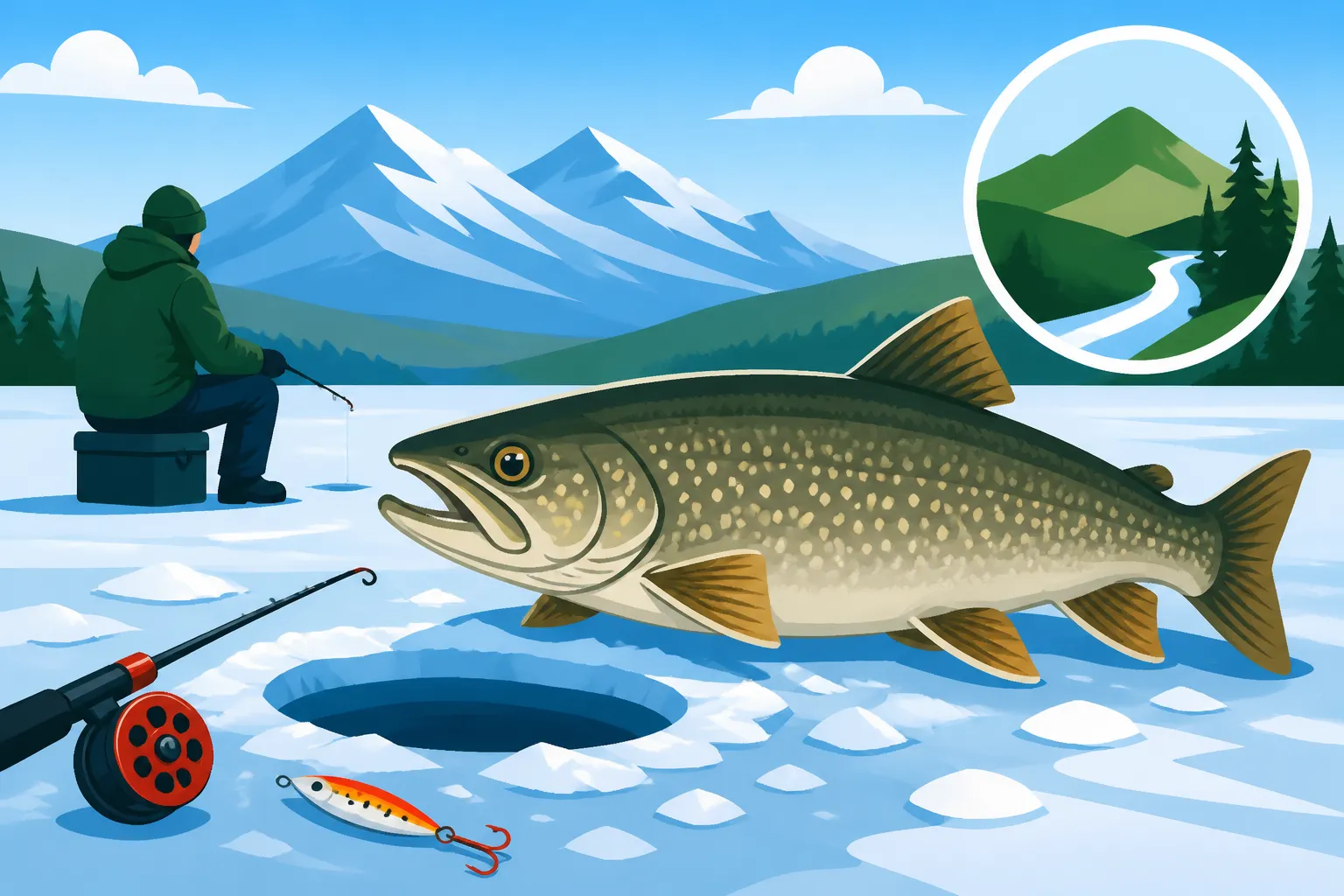
Jigging is often the most active and exciting way to catch lake trout through the ice. The general idea is to present a lure that mimics their natural prey, like a smelt or a struggling baitfish, and provoke a strike. Heavy jigging spoons, substantial tube jigs, or blade baits are your go-to options. The retrieve often involves lifting the rod tip sharply, then letting the lure flutter back down, often pausing for several seconds.
The key is experimentation with your jigging cadence. Sometimes they want aggressive, violent lifts, other times a subtle quiver is all it takes. If you mark a fish on your flasher that isn't committing, try slowing down, speeding up, or even just holding the lure perfectly still a few feet above the fish. A common frustration is when fish "look" at the lure but don't bite; this is where varying your presentation becomes crucial. Changing colors or sizes can also make a huge difference in sparking a reaction strike.
Deadsticking and Tip-Ups
While jigging is active, sometimes a more passive approach with deadsticking or tip-ups can be incredibly effective, especially for wary lake trout. A deadstick is simply a rod left in a rod holder, often with a live bait or a piece of cut bait suspended beneath it. The natural movement of the bait can be irresistible to a cruising laker.
Tip-ups, on the other hand, allow you to cover a wider area. Setting up a spread of several tip-ups, each baited with a lively smelt or shiner, increases your chances of intercepting a passing fish. The exhilarating sight of a flag flying up against the snowy backdrop is a classic ice fishing experience. Just be sure to check Vermont fishing regulations on the number of lines you can legally use, as these rules are in place to ensure fair fishing for everyone.
Trolling (Power Drifting) from Portable Shelters
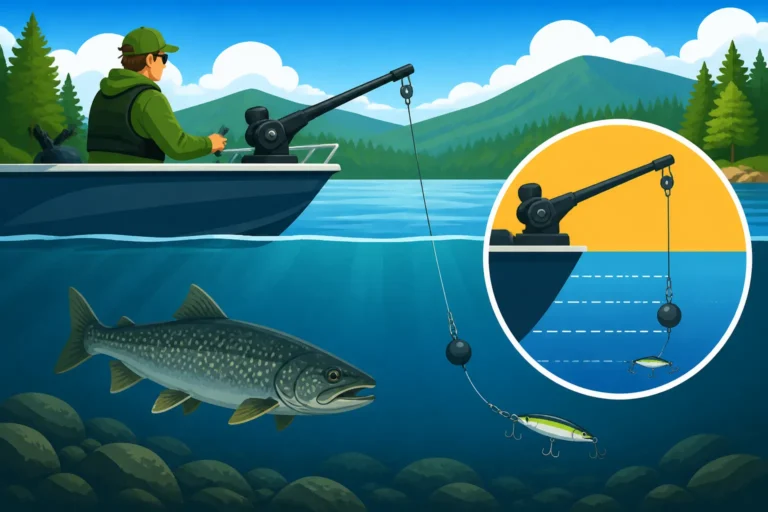
When lake trout are spread out and actively cruising, a technique sometimes called "power drifting" or "run-and-gun" can be highly effective. This involves drilling a series of holes over a large area, perhaps along a deep contour line or across a wide flat, and actively moving between them. You might spend 10-15 minutes jigging each hole, and if nothing shows up on your flasher, you move to the next.
This technique is excellent for covering a lot of water and finding those active fish. It’s particularly useful on larger bodies of water where lake trout aren't necessarily concentrated in one small area. While not traditional trolling, the principle is the same: bringing your lure to the fish rather than waiting for the fish to come to you. A portable auger, like those from Strikemaster or Eskimo, makes this much easier by allowing quick and efficient hole drilling. For more general approaches, reading up on Trolling Techniques for Vermont Lake Trout can provide insight into fish behavior that translates well to power drifting.
Bait and Lure Strategies for Finicky Lakers
Lake trout can be particular, and having a diverse selection of baits and lures, along with a strategy for presenting them, is key to success.
Top Artificial Lures and Their Presentation
When it comes to artificial lures, jigging spoons are perennial favorites. Brands like the Swedish Pimple, Acme Kastmaster, or Luhr-Jensen Krokodile spoons in silver, gold, or chartreuse patterns are deadly. For presentation, drop the spoon to the desired depth, then use a series of sharp lifts and drops, mimicking a struggling baitfish. Vary your pauses; sometimes a 10-second pause is what triggers a bite.
Tube jigs, especially in white, pearl, or glow colors, are another excellent option. Tipped with a small piece of minnow or a scent-infused plastic, they offer a more subtle presentation. Blade baits, such as a Vibrado or Johnson ThinFisher, create intense vibrations and are great for calling in fish from a distance. Experimentation is crucial; what works one day on Lake Champlain might not work the next on Lake Willoughby. Many anglers have a selection of these, often purchased from reputable online retailers like Amazon, ensuring they have the right tool for any situation.
The Power of Live Bait: Smelt and Shiners
There’s an undeniable truth in fishing: live bait often outperforms artificials, especially for finicky fish. For Vermont lake trout, a lively smelt or shiner, suspended naturally beneath a deadstick or tip-up, can be irresistible. The natural movements and scent trail of a live baitfish are hard for a predator to ignore.
Hook your bait carefully through the back, just behind the dorsal fin, making sure not to injure its spine, which allows it to swim freely. Position it at a depth where you expect trout to be cruising, or near visible structure. Always be aware of Vermont's specific regulations regarding the use of baitfish, as some waters may have restrictions to prevent the spread of aquatic invasive species. Using local bait shops often ensures you’re getting legal, healthy bait.
Scent and Attractants
Even with the best lures and bait, lake trout sometimes need a little extra coaxing. This is where scent and attractants come in. Products like Dr. Juice, Smelly Jelly, or Berkley Gulp! Alive, can be applied directly to your artificial lures or even to dead bait to enhance their appeal. The added scent trail can draw fish in from a greater distance, especially in low light conditions or when they are less aggressive.
The theory is that these scents mimic natural prey odors, encouraging fish to hold onto the lure longer, giving you more time to set the hook. This can be particularly effective when fish are "short-striking" or simply nudging the lure without fully committing. Don’t underestimate the power of a good scent trail when the bite is tough.
Here’s a quick overview of popular lure types for ice fishing lake trout:
| Lure Type | Description | Action/Presentation | Common Colors | Best Use Case |
|---|---|---|---|---|
| Jigging Spoons | Metal spoons that flutter and flash. Ranges from 1/2 oz to 2 oz. | Aggressive lifts/drops, long pauses, mimicking wounded bait. | Silver, Gold, Chartreuse, Blue/Silver, Firetiger | Actively searching, drawing strikes from aggressive fish |
| Tube Jigs | Soft plastic tubes, typically 3-6 inches, weighted internally. | Gentle jigging, subtle twitches, deadsticked. | White, Pearl, Clear, Smoke, Glow | Subtle presentation for wary fish, imitating dying bait |
| Blade Baits | Metal baits with a vibrating action on retrieve. | Fast lifts, yo-yo retrieve, high vibration. | Chrome, Gold, Perch, Bluegill | Attracting fish from a distance, reaction bites |
| Swim Baits | Soft plastic lures shaped like minnows, often on a jig head. | Slow retrieve, short hops, jigging along the bottom. | Shad, Smelt, White, Green Pumpkin | More realistic profile, slower presentation |
Locating Prime Lake Trout Ice Fishing Spots in Vermont
Finding lake trout through the ice is half the battle. Understanding where to look in Vermont’s diverse waters is key.
Key Lakes and Access Points
Vermont is blessed with several deep lakes that harbor healthy lake trout populations. Lake Champlain is, without a doubt, the crown jewel. Its sheer size and depth offer incredible opportunities, with areas like Burlington Bay, Malletts Bay, and points stretching into the deep main lake being popular choices. For a detailed exploration, check out the Lake Champlain Fishing Guide. Beyond Champlain, the Northeast Kingdom boasts gems like Lake Willoughby and Seymour Lake, both renowned for their deep, clear waters and robust laker populations. Lake Memphremagog also offers fantastic deep-water fishing for not only lake trout but also its famed muskellunge. If you're looking for more details on these specific spots, our Lake Willoughby Fishing Guide and Seymour Lake Fishing Guide can provide deeper insights.
Access points often involve public boat launches that are plowed in winter, or designated ice access points. Always check with local authorities or bait shops for the most up-to-date ice conditions and access information before venturing out. Respecting private property and following all posted signs is crucial for ensuring continued public access for all anglers.
Reading Contour Maps and Lake Topography
Modern GPS units and apps like Navionics or Lowrance's Insight Genesis have made it easier than ever to read lake contour maps right on the ice. Lake trout are structure-oriented, so understanding the underwater topography is paramount. Look for sharp drop-offs, deep humps that top out at 40-80 feet, saddles between islands, or points that extend far into the main lake basin.
These features act as highways and ambush points for lake trout. For example, a sharp breakline might be where lake trout cruise between deeper resting areas and shallower feeding grounds. Mark these key features on your map beforehand, then use your auger and electronics to thoroughly explore them. Remember, fish behavior changes with light conditions and pressure, so having multiple spots identified can make all the difference on a tough day.
Disclaimer
Fishing regulations can change. Always consult the most current Vermont Fish & Wildlife Department regulations guide before heading out on the ice to ensure compliance with all laws and to practice safe and ethical angling.