Best Ice Fishing Gear for Vermont
The crisp, biting air, the endless expanse of a snow-covered lake, and the sheer challenge of coaxing fish from beneath a thick sheet of ice – ice fishing in Vermont offers an incredibly unique and rewarding experience. But let's be honest, it can also be intimidating, especially if you're standing out there freezing, wondering if your gear is up to snuff or if you've forgotten something vital. This comprehensive guide is here to equip you with the essential ice fishing gear you'll need to stay safe, warm, and successful on Vermont's frozen waters, transforming those chilly doubts into warm memories.
Shelter and Warmth: Staying Comfortable on the Ice
One of the biggest hurdles to a truly enjoyable day of ice fishing in Vermont is battling the elements. Those Green Mountain winters are no joke, and a persistent wind can cut right through you, turning a fun outing into a miserable ordeal. Having the right shelter and layering system isn't just about comfort; it's about safety and extending your time on the ice.
Portable Ice Shanties
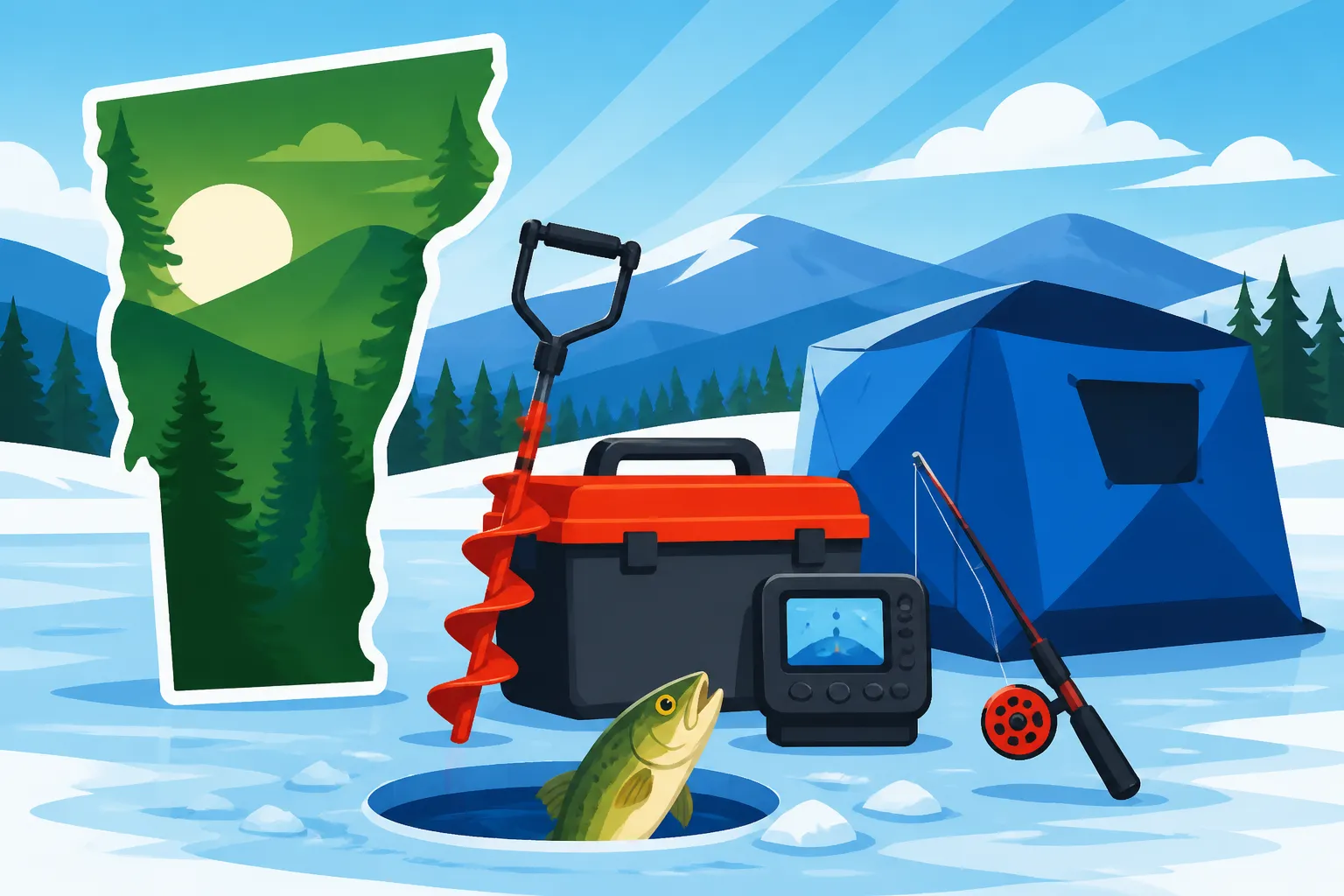
Gone are the days when an ice shanty meant dragging a cumbersome wooden box onto the ice. Modern portable ice shanties have revolutionized comfort on the hardwater. These ingenious shelters come in various forms, from flip-over models that attach to your snowmobile or ATV to pop-up tents that you can carry in a bag. They shield you from the wind, snow, and even provide a degree of insulation, making those single-digit temperatures feel much more manageable.
When choosing a portable shanty, consider the size of your fishing party and how much gear you typically bring. A solo angler might prefer a compact, lightweight pop-up that's easy to set up and move, while a group might opt for a larger, multi-person model. Many shanties are designed with black interiors, which absorb sunlight to create a warmer environment, and some even feature heavy-duty fabrics with increased thermal ratings. Think about how you'll transport it, too; lighter pop-ups can be hauled by hand or sled, while heavier flip-overs demand a machine. For more detailed information on selecting your ice home, check out Best Ice Shanty for Vermont Lakes.
Insulated Ice Fishing Suits and Layers
Layering is absolutely critical for ice fishing in Vermont. Forget your everyday winter coat; specialized ice fishing suits are designed to keep you warm, dry, and most importantly, safe. Many high-quality ice fishing suits feature built-in flotation material, acting as a personal flotation device (PFD) if you accidentally go through the ice. This is an invaluable safety feature that could literally save your life in an emergency. Beyond that, these suits are typically waterproof, windproof, and heavily insulated, allowing you to focus on the fishing rather than shivering uncontrollably.
Beneath your outer suit, a smart layering system is key to managing your body temperature. Start with a moisture-wicking base layer – something that pulls sweat away from your skin to keep you dry. Next, add a mid-layer for insulation, such as a fleece jacket or a down vest. Avoid cotton against your skin, as it absorbs moisture and loses its insulating properties when wet. Finally, your insulated ice suit goes over everything. This allows you to add or shed layers as conditions change throughout the day, ensuring optimal comfort whether you're actively drilling holes or sitting patiently waiting for a bite.
Heaters and Fuel
Even with the best shanty and layering, a small portable heater can make a huge difference in your comfort levels on a truly frigid day. Propane heaters are incredibly popular among ice anglers for their portability and efficient heat output. Brands like Mr. Heater offer various sizes, from compact models perfect for a solo shanty to larger units capable of warming a multi-person shelter. Always ensure your shanty has proper ventilation if you're using a propane heater to prevent carbon monoxide buildup. Safety is paramount when dealing with any type of fuel source in a confined space.
Beyond propane, some anglers utilize smaller, battery-powered radiant heaters, especially in very small, well-sealed shelters. No matter your choice, always carry extra fuel for your heater. Nothing ruins a comfortable day on the ice faster than running out of propane halfway through. It's also wise to have a backup ignition source, like a long-reach lighter, in case your heater's igniter decides to take a vacation.
Augers: Breaking the Ice Barrier
You can have the fanciest gear and the warmest shanty, but if you can't get a hole in the ice, you're just sightseeing. The auger is arguably the most fundamental piece of equipment for any ice angler, allowing you to access the fish beneath your feet.
Manual Augers
Manual augers are the classic choice and a great starting point for many anglers, especially if you're fishing shallower ice or plan to drill only a few holes. They're lightweight, require no fuel or batteries, and are virtually silent, which can be an advantage when fishing spooky fish in clear, shallow water. However, drilling through thick Vermont ice (which can easily reach 18-24 inches or more) can be a real workout, particularly as the day progresses.
For occasional outings or for those who prioritize simplicity and cost-effectiveness, a good quality manual auger with sharp blades is an excellent investment. Always carry a spare set of blades, as striking a rock or old fence post can quickly dull them and render your auger useless. Make sure to choose a model with an adjustable handle length to accommodate different ice depths and user heights.
Power Augers (Propane, Electric, Gas)
For serious ice anglers, those who drill many holes, or when facing exceptionally thick ice, a power auger is a game-changer. These save immense effort and allow for more mobility and exploration on the ice. Propane augers, like those from Strikemaster, are popular for their clean-burning fuel, relatively quiet operation, and reliability in cold weather. They start easily and don't have the fumes associated with gas.
Electric augers, powered by rechargeable lithium-ion batteries, have soared in popularity. They are incredibly quiet, environmentally friendly, and require no fuel mixing or fumes. Brands like ION and Eskimo offer powerful electric augers that can drill dozens of holes on a single charge, even through significant ice thickness. The main consideration here is battery life, especially on very cold days; always carry a fully charged spare battery if you can. Gas augers are the traditional workhorses, offering raw power and unlimited drilling as long as you have fuel. However, they are heavier, louder, and require fuel mixing and more maintenance. For a deeper dive into auger choices, refer to Best Ice Auger for Vermont Lakes.
Auger Maintenance
Regardless of the type of auger you choose, proper maintenance is crucial for its longevity and performance. Always inspect your auger blades before each trip. Dull or damaged blades won't cut efficiently and can be dangerous. Keep them sharp or replace them as needed. After each use, wipe down your auger, especially the blades, to prevent rust.
For power augers, follow the manufacturer's recommendations for engine or motor maintenance. This might include checking spark plugs on gas models, ensuring battery contacts are clean on electric models, and proper storage of fuel. Store your auger in a protective cover to prevent damage to the blades and ensure safe transport. A well-maintained auger is a reliable auger, and reliability is paramount when you're out in the middle of a frozen lake miles from anywhere.
Rods, Reels, and Line: Specialized Tackle for the Hardwater
Ice fishing isn't just open-water fishing shrunk down. The gear is specifically designed for fishing through a small hole, often in very cold conditions, which impacts everything from rod length to line type.
Ice Fishing Rods and Combos
Ice fishing rods are significantly shorter than open-water rods, typically ranging from 24 to 36 inches. This shorter length allows you to fish comfortably inside a shanty or close to the ice hole without hitting the ceiling or making awkward casts. They come in various actions and powers, just like open-water rods, to match different species and techniques. Ultra-light rods are perfect for panfish like perch and crappie, offering incredible sensitivity to detect subtle bites. Medium-light to medium-heavy rods are better suited for larger species such as walleye, lake trout, or northern pike.
Many anglers opt for ice fishing combos, which pair a rod with a matching reel, often at a great value. Spinning reels are common, but specific ice reels designed with larger handles and cold-weather lubricants are also popular. Look for rods with sensitive tips, often made of graphite or with a spring bobber, to see those incredibly light bites that can be hard to feel through heavy gloves. For instance, if you're targeting perch, you'll want a rod that can telegraph the faintest nibble.
Specialized Ice Fishing Line
The conditions of ice fishing demand specialized line. Monofilament line can absorb water and freeze, becoming brittle and prone to snapping. Braided lines, while strong, can also absorb water and freeze, making them stiff and difficult to manage. The best choices for ice fishing are often fluorocarbon or specific ice-fishing monofilament lines that are designed to resist water absorption and stay supple in cold temperatures.
Fluorocarbon is particularly popular because it's nearly invisible underwater, has low stretch for better sensitivity, and resists abrasion from the ice hole. Many anglers will use a small diameter braided main line for strength and sensitivity, then tie on a short fluorocarbon leader, usually 2-3 feet long. This gives you the best of both worlds. For targeting smaller species, a premium ice mono between 2-4 lb test is common, while larger species might require 6-12 lb test, depending on the lure size and fish fight.
Tip-Ups for Passive Fishing
Tip-ups are a quintessential piece of ice fishing gear, allowing you to cover more area and fish multiple lines simultaneously (within legal limits, of course). A tip-up consists of a spool of line placed over an ice hole, with a flag or indicator that "tips up" when a fish takes the bait. This passive fishing method is incredibly effective for species like northern pike, walleye, or even lake trout, which often prefer dead bait or large live bait.
There are various styles of tip-ups, from traditional wooden models to plastic ones with built-in spools and line guides. Some are designed to cover the hole, preventing it from freezing over as quickly. The key is to spool them with heavy, abrasion-resistant line (often Dacron or braided nylon) and use a suitable leader, typically fluorocarbon or even wire for toothy critters like pike. Running a few tip-ups while jigging a separate hole is a classic and highly effective Vermont ice fishing strategy. Remember to always check Vermont's specific regulations on the number of lines an individual angler can use.
Electronics: Finding the Fish Underfoot
In the vast expanse of a frozen lake, knowing what's beneath you can make all the difference. Modern electronics have become an indispensable tool for many ice anglers, transforming guesswork into informed decisions.
Ice Fishing Flashers
Flashers are perhaps the most popular electronic device for ice fishing. They provide a real-time, sonar display of what's directly beneath your ice hole. You can see your lure, bait, and most importantly, fish responding to your presentation. This immediate feedback allows you to adjust your depth, jigging action, or bait choice instantly. Brands like Vexilar, Marcum, and Humminbird dominate the flasher market, offering robust units built for cold weather.
Learning to read a flasher takes a little practice, but once you get the hang of it, you'll wonder how you ever fished without one. Different colors on the circular display indicate varying signal strengths, helping you distinguish between your lure, baitfish, and larger game fish. Seeing a fish rise to meet your jig or hesitate before striking adds an incredibly exciting dynamic to ice fishing. It's truly like playing a video game where the prize is a fresh fish dinner.
Portable Fish Finders
While flashers offer a dedicated, real-time circular display, many modern portable fish finders, often adapted from open-water units, also excel on the ice. These devices offer more traditional 2D sonar displays, mapping capabilities, and even GPS, allowing you to mark productive spots and navigate back to them later. Some models feature CHIRP sonar, which provides incredibly detailed images of structure and fish.
Many anglers who use portable fish finders year-round appreciate the versatility of simply purchasing an ice fishing transducer kit for their existing unit. This allows them to use the same device, complete with all their saved waypoints and maps, throughout the seasons. The larger, rectangular screens on these units can sometimes be easier to read for beginners than the circular flasher display, offering a more intuitive visual representation of the underwater world. For example, a quality Humminbird PiranhaMax or a Garmin Striker can be easily adapted for ice use.
Underwater Cameras
For a truly immersive experience, an underwater camera can be an incredible addition to your ice fishing arsenal. Imagine actually seeing a large lake trout swim up to inspect your bait or watching a school of perch dart around your jig. These cameras come with durable, cold-resistant cables and often feature infrared lighting for visibility in darker conditions or deeper water. Many units pair the camera with a small monitor, allowing you to watch the action unfold beneath the ice.
While not as essential for locating fish as a flasher or fish finder, an underwater camera offers invaluable insights into fish behavior, bottom structure, and how fish are reacting to your presentation. It's also an incredible tool for educating young anglers and adding a layer of entertainment to the day. Observing how fish approach your bait, or even what they're eating, can significantly improve your technique and success rate.
Safety Gear: Prioritizing Your Well-being on the Ice
Vermont's ice can be fickle. Early season, late season, and even mid-winter can present hazards. No fish is worth risking your life, so having the right safety gear and knowing how to use it is non-negotiable. Always check ice conditions and local reports, and never assume ice is safe. For a quick reference on ice safety, see How thick ice needs to be for Vermont anglers to walk on it.
Ice Picks and Spud Bars
Ice picks are small, handheld devices with sharp, pointed ends, worn around your neck or easily accessible on your jacket. If you break through the ice, these picks allow you to get a grip on the ice edge and pull yourself out. They are simple, inexpensive, and incredibly effective. Every angler, especially those fishing alone, should carry a pair.
A spud bar, or ice chisel, is a long, heavy metal bar with a sharp chisel-like end. It's used to test ice thickness as you walk, especially when venturing onto new or unfamiliar ice. By striking the ice ahead of you, you can gauge its integrity. If the spud bar goes through in one or two hits, the ice is likely too thin to proceed safely. This is an essential tool for early and late season ice, or whenever you're unsure of the ice quality.
Flotation Devices and Throw Ropes
As mentioned earlier, many specialized ice fishing suits have built-in flotation. However, even if your suit does, it's always a good idea to have additional flotation available, especially when fishing with others. A traditional life jacket (PFD) is always a smart choice, particularly for children or inexperienced ice anglers.
A throw rope is another critical piece of rescue gear. This is a bag containing a coil of floating rope, designed to be easily thrown to someone who has fallen through the ice. The rope allows you to pull them to safety from a distance, minimizing your own risk. Keep one readily accessible in your shanty or sled. Always tell someone where you're going and when you expect to return, and never fish alone, especially on questionable ice.
Footwear and Traction
Keeping your feet warm and dry is paramount to comfort on the ice. Waterproof, insulated boots are a must-have. Look for models rated for extreme cold, often -40°F or colder, with thick soles to insulate from the frozen ground. Muck Boots or insulated Baffin boots are popular choices among Vermont anglers.
Beyond warmth, traction is incredibly important. Ice can be deceptively slippery, and a fall can result in serious injury. Ice cleats or traction devices that strap onto your boots provide much-needed grip. These typically feature metal studs or coils that dig into the ice, preventing slips and falls. Even on seemingly stable ice, conditions can change rapidly, and a layer of fresh snow can conceal treacherous glare ice underneath.
Baits, Lures, and Tackle Management: What to Offer and How to Organize
Once you're warm and safe, the real fun begins: enticing fish to bite. Ice fishing often involves different presentations and bait choices compared to open water.
Best Baits and Lures for Vermont Species
The best baits and lures depend heavily on the target species. For panfish like yellow perch and black crappie, small tungsten jigs tipped with a grub (either live wax worms or spikes, or soft plastic imitations) are incredibly effective. Small spoons like Kastmasters or Swedish Pimples also work wonders. For more on this, see Jigging for Perch Through the Ice and Best Panfish Jig Colors for Winter.
When targeting walleye or lake trout, larger spoons, blade baits, and jigging raps are popular choices. These can be tipped with a piece of minnow or a fish eye for added scent and appeal. Live or dead bait, such as shiners or smelt, fished on a plain hook beneath a tip-up, can be irresistible to predatory fish. For northern pike, larger dead bait (sucker minnows or smelt) under a tip-up is a classic method. Always check current regulations for bait restrictions, especially concerning invasive species. You can find out more about targeting bigger fish in Lake Trout Fishing in Vermont and Vermont Northern Pike Limit.
Tackle Boxes and Gear Organization
Given the smaller size of most ice fishing lures and the need to keep things organized in tight quarters, a compact and well-arranged tackle system is essential. Many ice anglers prefer smaller, soft-sided tackle bags or hard plastic boxes with adjustable compartments. These allow you to keep your jigs, spoons, swivels, and leaders neatly separated and easily accessible, even with gloved hands.
Consider dedicated boxes for different lure types or species. For example, one small box for panfish jigs, another for walleye spoons, and a separate one for terminal tackle like split shot and hooks. Keeping your gear organized not only saves time but also prevents frustration when you're fumbling for a specific lure in the cold. A small magnet glued to the inside of your tackle box can be handy for holding tiny jigs or hooks. Many anglers find great deals on storage solutions from retailers like Amazon or Bass Pro Shops.
Live Bait Management
If you plan to use live bait like minnows, fatheads, or shiners, proper management is key to keeping them alive and lively. A good insulated bait bucket is crucial, especially one with an aerator or bubbler to provide oxygen. In extreme cold, an insulated bucket alone might not be enough; some anglers use small, battery-powered heaters designed for bait buckets, or simply keep their bait bucket inside the shanty where it's warmer.
When it's really cold, keep your minnow scoop and even your hands out of the bait water as much as possible to avoid thermal shock to the minnows. Use a small, long-handled scoop to retrieve bait quickly. Healthy, active bait is always more attractive to fish, so investing in good bait management practices will pay off with more bites.
Transportation and Comfort: Getting Around and Settling In
Getting your gear onto the ice and making yourself comfortable once you're there are crucial aspects of a successful and enjoyable ice fishing trip. Vermont's lakes can be expansive, and hauling heavy equipment by hand is no fun.
Sleds and Transport Systems
Unless you're fishing a small, easily accessible pond, you'll need a way to transport your gear. A sturdy ice fishing sled is indispensable. These often come with tow ropes and are designed to glide easily over snow and ice. You can pile your shanty, auger, tackle boxes, and heater into the sled, making one efficient trip to your fishing spot. Many anglers customize their sleds with dividers, rod holders, and even lights for night fishing.
For larger setups or longer distances, an ATV, snowmobile, or even a specialized tracked vehicle becomes essential. These allow you to cover ground quickly and pull heavier loads, including flip-over shanties or multiple sleds. Always adhere to local regulations regarding motorized vehicle use on ice, and be mindful of other anglers.
Seating and Caddies
Sitting comfortably for hours on end is a big part of ice fishing. While some shanties come with built-in seats, many anglers prefer a separate, portable ice fishing chair or bucket. A five-gallon bucket with a padded swivel seat lid is a classic choice – it serves as a seat and storage for tackle or bait. Dedicated ice fishing chairs are often compact, foldable, and sometimes even insulated.
Some advanced systems combine seating with storage and rod holders, creating a highly organized and portable fishing station. These caddies can be particularly useful for keeping your critical gear close at hand without cluttering your fishing area. Choose seating that provides good back support, as you'll be spending a lot of time in it.
Lighting and Accessories
Even if you're not planning to fish after dark, it's wise to have good lighting. Vermont winter days are short, and conditions can change rapidly. A reliable headlamp is essential for walking to and from your fishing spot in low light, tying knots, or rigging bait. Bring extra batteries, as cold temperatures can significantly reduce battery life.
Inside your shanty, a small LED lantern can provide ambient light. Some anglers even use strip lighting powered by portable battery packs. Beyond lighting, consider bringing a small, portable power bank to charge your phone or other electronic devices. Gloves with touch-screen capability can be a real blessing when dealing with electronics in the cold.
Essential Accessories: Small Details, Big Impact
It's often the small, easily overlooked items that can make or break an ice fishing trip. Having these essentials on hand can save you a lot of frustration and discomfort.
Scoops, Skimmers, and Pliers
Keeping your ice hole free of slush and refreezing ice is an ongoing battle, especially on cold or windy days. An ice scoop or skimmer is a simple but indispensable tool for clearing your hole. Look for a model with a long handle and a durable cup. Some come with built-in spud bar features for light ice chipping.
Fishing in the cold can make handling fish difficult, especially if they're thrashing. A good pair of long-nosed pliers or forceps is crucial for removing hooks safely and efficiently, minimizing harm to the fish and your fingers. For toothy species like pike, a pair of jaw spreaders can make unhooking much safer.
Lanterns and Headlamps
We touched on this briefly, but it bears repeating: don't underestimate the need for good light. A primary headlamp is a must-have, but a small lantern for ambient light in your shanty can save your eyes and make the space feel much more inviting. Modern LED lanterns are efficient and bright, with many offering adjustable settings. Remember to pack extra batteries or ensure your rechargeable devices are fully charged before heading out. Losing light when you're miles out on the ice can quickly turn a minor inconvenience into a serious safety concern.
First Aid and Emergency Supplies
Even on the safest trips, minor mishaps can occur. A basic first aid kit is an absolute must. This should include bandages, antiseptic wipes, pain relievers, and any personal medications. Beyond that, consider an emergency kit with items like a fire starter, an emergency blanket, hand warmers, and a whistle.
Always carry a fully charged cell phone, but don't rely solely on it for communication, as service can be spotty in remote areas of Vermont. A portable two-way radio can be a lifesaver if you're fishing with a group. Pack high-energy snacks and plenty of water or a warm beverage in an insulated thermos. Staying hydrated and fueled is crucial for maintaining body warmth and energy in cold conditions.
Comparing Auger Types
Choosing the right auger is a personal decision based on your fishing style, budget, and the conditions you typically encounter. Here's a quick comparison:
| Feature | Manual Auger | Propane Auger | Electric Auger | Gas Auger |
|---|---|---|---|---|
| Cost | Low | Medium | Medium to High | Medium |
| Weight | Very Low | Medium | Medium | High |
| Noise Level | Silent | Low to Medium | Very Low (Silent) | High |
| Fumes/Emissions | None | Very Low | None | High |
| Maintenance | Blades only | Engine, spark plug, blades | Battery, charger, blades | Engine, fuel mix, spark plug, blades |
| Fuel/Power | Angler power | Propane cylinders | Rechargeable battery | Gasoline/oil mix |
| Ideal Use | Light use, thin ice, budget-conscious | Moderate to heavy use, reliable in cold | Moderate to heavy use, quiet, eco-friendly | Heavy duty, thick ice, extended drilling |
| Common Brands | Eskimo, Mora, Strikemaster | Strikemaster, Eskimo | ION, Eskimo, Strikemaster | Jiffy, Strikemaster, Eskimo |
Ultimately, the best ice fishing gear for Vermont is the gear that keeps you safe, warm, and puts you on fish. Don't be afraid to start simple and gradually build your kit as you gain experience and discover what works best for your style of fishing. The joys of a successful day on the hardwater, reeling in a beautiful perch or a feisty trout, are truly incomparable, especially when you're well-prepared. Now, go forth and enjoy Vermont's incredible winter fishing! Don't forget to review Vermont Fishing Regulations Explained before you head out, and for specific season dates, see Vermont Ice Fishing Season Dates. If you're looking for prime spots, check out Best Ice Fishing Lakes in Vermont.
Disclaimer
This article is for general informational purposes only and does not constitute professional advice. Laws, prices and regulations vary by location and change over time. Consult a qualified professional for guidance on your specific situation.