Best boat for fishing Lake Champlain
Choosing the perfect boat for fishing on Lake Champlain can feel like trying to pick one lure for every fish in the lake – impossible! This massive, diverse body of water presents so many different scenarios, from calm mornings in protected bays to notoriously rough afternoons in the broad lake, leaving many anglers wondering what vessel can truly handle it all. This guide is here to help you navigate the tricky waters of boat selection, breaking down the best options to ensure your time chasing Vermont's finest catches is both productive and safe.
Understanding Lake Champlain's Unique Demands
Lake Champlain isn't your average pond. It's a vast inland sea, stretching over 120 miles long and boasting an incredible variety of depths, structures, and conditions. What works for a small river might be totally inadequate here, and what's perfect for the broad lake might be overkill in a narrow bay. It's crucial to appreciate these nuances before you even start looking at specific boat models.
Size and Conditions Vary Widely
Picture this: one moment you're gently drifting in the protected waters of Malletts Bay, casting for largemouth bass around lily pads. The next, you've ventured out to the main lake near the Sandbar Causeway, and a sudden northwest wind whips up 3-foot whitecaps that make your small craft feel like a toy. This isn't an exaggeration; Lake Champlain can turn from placid to perilous in a heartbeat. The lake's expansive open water sections, especially the broad lake portion, are exposed to strong winds that can generate significant waves. You absolutely need a boat that can handle these conditions if you plan to explore widely or fish offshore.
Conversely, there are countless smaller bays, coves, and the riverine sections like the Missisquoi River delta, where shallower drafts and quieter approaches are a huge advantage. These areas might call for a completely different type of boat, one that can navigate tight spaces and doesn't draw too much water. It's a real balancing act, and many anglers eventually realize that one "perfect" boat might not cover every single scenario perfectly, but it can certainly cover most of what they want to do.
Primary Fishing Styles on Champlain
Your chosen fishing methods will heavily influence the best boat for you. Are you an avid troller, hoping to land a trophy Lake Champlain Lake Trout Fishing or some elusive walleye? Then you'll likely need a stable platform with enough space for multiple rods, downriggers, and perhaps a small cabin or console to shelter from the elements. Walleye anglers, in particular, often target specific depths and structures, requiring steady boat control, especially when you're trying How to Catch Walleye on Lake Champlain.
Perhaps you're more into casting and retrieving, chasing the abundant smallmouth and largemouth bass populations. Bass anglers often prefer boats that allow for quick repositioning, quiet approaches to structure, and plenty of deck space for casting. Fly fishing, another popular pursuit on Champlain, especially in shallower bays or tributary mouths, also demands certain boat characteristics – typically a stable, open platform that allows for unobstructed backcasts. Ice fishing, of course, is a whole different ballgame and doesn't require a boat at all, but many of us think about year-round access, so it's part of the bigger picture of enjoying Champlain. The point is, don't just think "fishing boat"; think "fishing boat for my kind of fishing."
Top Boat Types for Lake Champlain Fishing
Given the diverse conditions and fishing styles, several boat types shine on Lake Champlain. Each has its strengths and weaknesses, making the "best" choice truly personal. Let's dive into some of the most popular and effective options.
Deep-V Walleye/Bass Boats
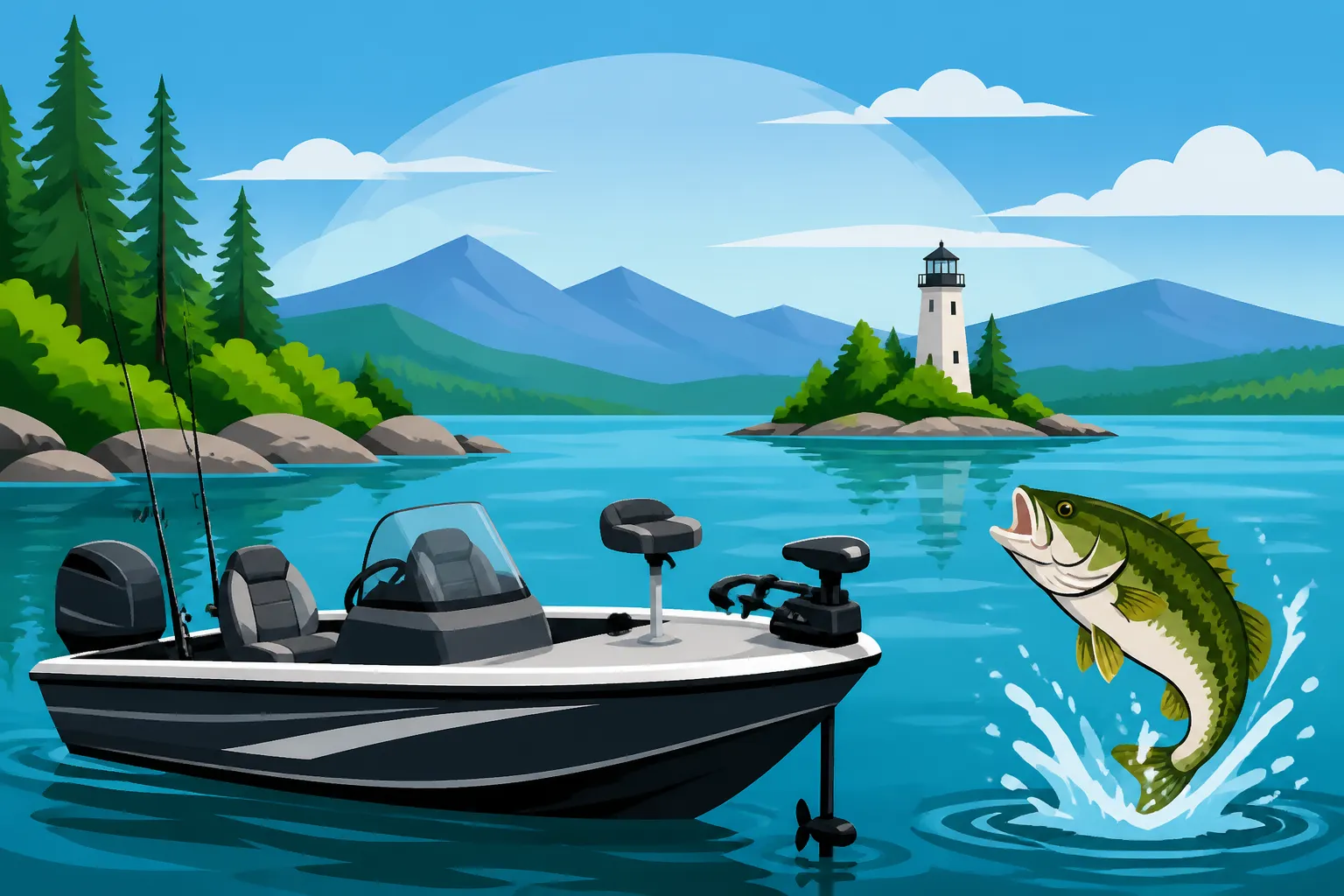
These are often the workhorses for serious anglers on large lakes like Champlain. Characterized by their pronounced V-shaped hull, deep-V boats are designed to cut through waves rather than bounce over them, providing a much smoother, drier ride in choppy conditions. This is an absolute blessing when you're heading across the broad lake or when an unexpected squall rolls in. They're typically longer and wider than many other fishing boats, offering greater stability and more deck space.
Deep-V boats usually come equipped with powerful outboards for getting to distant spots quickly, along with integrated features like large livewells to keep your catch fresh, ample rod storage, and often advanced electronics. Many models feature comfortable seating and a console that provides some shelter from wind and spray. While they offer fantastic performance on open water, their deeper draft means they might struggle in very shallow bay areas or skinny river channels. They can also be a significant investment, both in initial purchase price and ongoing fuel and maintenance costs. You'll often see these boats heavily customized with trolling motors, multiple fish finders, and even radar for navigating foggy conditions, making them ideal for someone dedicated to chasing species like walleye or Lake Champlain Smallmouth Bass Fishing across various depths.
Aluminum Jon Boats & Utility Boats
For anglers who prioritize versatility, affordability, and access to shallower waters, aluminum jon boats or general utility boats are excellent choices. While a flat-bottomed jon boat might not be your first pick for the broad lake on a windy day, modified-V aluminum boats offer a good compromise. They are lighter than their fiberglass counterparts, making them easier to launch, retrieve, and trailer, which is a huge plus when exploring multiple access points around Champlain.
These boats shine in the numerous bays, coves, and river mouths where a deeper draft boat simply can't go. They are fantastic for sight fishing bass in the reeds or sneaking into quiet channels. Many anglers start with a basic aluminum utility boat and customize it with a small outboard, a bow-mounted trolling motor, and a basic fish finder. While they might not offer the same luxurious ride or storage capacity as a dedicated deep-V, their robustness and ease of maintenance make them a favorite for many. You can find a huge array of accessories and modifications at places like Bass Pro Shops or even on Amazon to trick out a basic aluminum boat into a very capable fishing machine, especially if you're targeting smallmouth bass in the shallows or panfish in smaller ponds adjacent to the lake.
Center Console Boats
Center console boats are another strong contender, especially for those who value 360-degree fishability and a robust build. As the name suggests, the helm is located in the center of the boat, leaving open deck space around the entire perimeter. This design is fantastic for multiple anglers who want to cast from any angle without obstruction. Many center consoles are built with deep-V hulls, offering excellent rough water performance similar to specialized walleye boats, but with a different layout.
These boats are often favored for their offshore capabilities, making them suitable for the broad, open stretches of Lake Champlain where stability and seaworthiness are paramount. They typically have high gunwales, providing a secure feeling when battling a big fish or navigating choppy conditions. While they are incredibly functional for fishing, the open design means less shelter from the sun, wind, or rain compared to a boat with a full windshield or cuddy cabin. However, many come with T-tops or Bimini tops for some shade. For someone who frequently fishes with a crew or enjoys the freedom of movement while casting, a center console can be an unbeatable option on Lake Champlain.
Fishing Kayaks and Canoes
Not every angler needs a motor, especially if your focus is on peace, quiet, and accessing truly remote or shallow areas. Fishing kayaks and canoes have exploded in popularity for good reason. They offer unparalleled stealth, allowing you to sneak up on wary fish in crystal-clear water without the noise and disturbance of an outboard. Many of Vermont's smaller lakes, ponds, and even the calmer sections of Lake Champlain's bays are perfect for these human-powered vessels. Best Kayaks for Vermont Fishing covers these in much more detail.
Modern fishing kayaks, in particular, are purpose-built with features like rod holders, gear tracks for mounting electronics, comfortable seats, and incredibly stable hulls that allow for standing while casting. They are fantastic for exploring the reedy edges, lily pad fields, and shallow flats that larger boats can't reach. While they are limited by capacity and are definitely not designed for the rough open water of Lake Champlain, they excel in the protected pockets and tributary mouths. Plus, the exercise and connection with nature are undeniable bonuses. For the minimalist angler or those on a budget, a well-equipped fishing kayak or robust canoe can open up a whole new world of fishing opportunities on Champlain, allowing you to target anything from panfish to smallmouth bass.
Key Features to Consider When Buying a Lake Champlain Fishing Boat
Beyond the general type of boat, several specific features will make or break your Lake Champlain fishing experience. It’s not just about getting on the water; it’s about being comfortable, safe, and effective once you’re there.
Hull Design and Stability
This is perhaps the most critical factor for Lake Champlain. The hull design dictates how the boat handles waves, its stability at rest, and its draft.
- Deep-V Hulls: As mentioned, these are excellent for cutting through chop, providing a smooth, dry ride. They offer good stability when moving, but can sometimes feel a bit "rolly" at rest in rough water.
- Modified-V Hulls: A compromise between deep-V and flat bottom, these offer decent wave-handling capabilities while maintaining a shallower draft and better stability at rest than a pure deep-V. Many aluminum utility boats fall into this category.
- Flat Bottom Hulls (Jon Boats): Extremely stable at rest and have a very shallow draft, making them perfect for skinny water. However, they pound terribly in chop and should be avoided in the open, broad lake unless conditions are perfectly calm.
Think about where you'll spend most of your time. If it's mainly protected bays, a modified-V or even a sturdy jon boat might suffice. But if you dream of chasing walleye or salmon in the main lake, a deep-V is almost a necessity for safety and comfort.
Motorization and Fuel Efficiency
Your choice of motor is just as important as the boat itself. Lake Champlain is big, and covering ground quickly to reach different fishing spots or get back to shore when weather turns is crucial.
- Outboard Motors: The vast majority of fishing boats on Champlain are powered by outboard motors. Modern 4-stroke outboards are incredibly fuel-efficient and quiet, offering reliable performance. Consider horsepower that matches the boat's rating for optimal performance and safety. For a large lake like Champlain, having enough power to handle adverse conditions is vital.
- Trolling Motors: Essential for precise boat control, especially when casting for bass or slowly drifting for walleye. Bow-mounted electric trolling motors, often with GPS Spot-Lock features, have revolutionized boat positioning. Many serious anglers also opt for a small "kicker" motor (a secondary, smaller gas outboard) for trolling long distances or as a reliable backup in case the main engine fails. Make sure to check out Best Trolling Motor for a Fishing Kayak if you're going the kayak route.
Fuel costs can add up on a large lake, so factoring in fuel efficiency of your chosen engine is a wise move for the long run.
Storage, Livewells, and Rod Holders
Any serious fishing boat needs dedicated space for your gear.
- Rod Storage: Do you need horizontal rod storage in the gunwales, or vertical holders? Consider how many rods you typically bring and how you prefer to store them safely. Integrated rod lockers keep expensive gear out of the way and protected.
- Livewells: For anglers who practice catch-and-release tournaments or plan to keep their catch fresh for the dinner table, a well-aerated livewell is non-negotiable. Look for insulated, well-designed livewells that maintain water quality.
- General Storage: You'll need dry storage for safety gear, personal items, tackle, and rain gear. Plenty of accessible compartments are a huge plus, allowing you to keep the deck clear and safe. Good storage helps keep your boat organized, which is key for efficient fishing.
Electronics and Navigation
On a lake the size of Champlain, electronics aren't a luxury; they're a necessity.
- Fish Finders/Chartplotters: A quality fish finder (sonar) helps you locate fish, identify structure, and understand depth changes. Many modern units are combination chartplotters with GPS capabilities, allowing you to mark waypoints, follow routes, and safely navigate the lake. Brands like Humminbird and Lowrance are popular choices. This is especially true when you're trying to figure out Where to Find Walleye on Lake Champlain or locate deep-water structure.
- GPS: Even without a fancy chartplotter, a handheld GPS or a phone app with marine charts can be a lifesaver for navigation, especially if fog rolls in or you're out after dark.
- VHF Radio: For safety, a VHF marine radio is highly recommended. Cell service can be spotty on parts of Lake Champlain, and a VHF allows you to communicate with other boats, the Coast Guard, or marine rescue services in an emergency. This is a crucial piece of safety equipment. We talk more about this in our guide on Best Fish Finders for Vermont Lakes.
Practical Considerations for Lake Champlain Boating
Beyond the boat itself, there are several practical aspects of owning and operating a fishing boat on Lake Champlain that you need to factor into your decision.
Launching, Trailering, and Storage
Think about the logistics of getting your boat to and from the water.
- Boat Ramps: Lake Champlain has numerous public and private boat ramps, but their accessibility can vary. Some ramps are steep, some are shallow, and some have limited parking. Consider the size and weight of the boat you're looking at – can your vehicle comfortably tow it? Will it be easy to launch solo, or do you always need a partner? Our guide on Best boat ramps on Lake Champlain can offer some insight into various access points.
- Trailering: A good trailer is essential. Ensure it's properly sized for your boat, has functional lights and brakes, and is regularly maintained. Long drives on Vermont's roads can be tough on a poorly maintained trailer.
- Storage: Where will the boat live when it's not on the water? Do you have space in your driveway, or will you need to pay for off-site storage? Winterization and seasonal storage are significant considerations, especially in Vermont's climate. Protecting your investment from the elements is key to its longevity.
Safety Gear and Regulations
Safety should always be paramount when boating on Lake Champlain. It's a large body of water that demands respect.
- Life Jackets: Vermont law requires certain life jackets on board for everyone, and children under a specific age must wear them. Always have enough properly sized life jackets for all occupants. For specific rules, check out Life Jacket Requirements for Vermont Boaters.
- Other Required Gear: Beyond life jackets, you'll need things like a sound-producing device (horn or whistle), visual distress signals (flares or a flag), navigation lights for night operation, a fire extinguisher, and a throwable flotation device, depending on your boat's size.
- Boating Education: If you were born after a certain date, Vermont requires a boating safety education certificate to operate a motorized vessel. Even if not legally required, taking a boating safety course is always a good idea. Understanding the rules of the road and how to respond in an emergency can prevent serious incidents. Familiarize yourself with all the regulations in Vermont Boating Laws for Anglers.
Budgeting for Your Lake Champlain Fishing Boat
The purchase price of a boat is often just the beginning. It's crucial to budget for the ongoing costs of boat ownership.
- Initial Cost: This includes the boat, motor, and trailer. Prices vary wildly depending on size, features, new vs. used, and brand.
- Registration and Licensing: Your boat will need to be registered with the state, and this incurs fees.
- Insurance: Highly recommended to protect your investment and liability in case of an accident.
- Fuel: Especially with larger outboards, fuel can be a significant recurring expense.
- Maintenance: Routine maintenance, winterization, and unexpected repairs are part of boat ownership. Engines need regular service, and hulls require cleaning and occasional repairs.
- Storage: If you don't have space at home, factor in marina or storage facility fees.
- Gear: You'll constantly be adding or upgrading tackle, electronics, safety gear, and comfort items.
- Accessories: Things like anchor systems, fenders, lines, and covers are all necessary additions.
By considering all these factors, you can make a much more informed decision that matches your fishing ambitions, budget, and comfort level on the beautiful, yet sometimes challenging, waters of Lake Champlain.
| Boat Type | Primary Strength for Lake Champlain | Best For | Considerations |
|---|---|---|---|
| Deep-V Walleye/Bass Boats | Excellent rough water handling, speed, stability, specialized fishing features | Open water trolling (walleye, lake trout), covering large distances quickly | Higher cost, deeper draft in shallows, potentially less agile in tight spaces |
| Aluminum Utility/Jon Boats | Versatility, shallow draft, affordability, ease of transport | Protected bays, river mouths, shallow water bass fishing, panfish | Limited rough water capability, less deck space, fewer integrated features (often customized) |
| Center Console Boats | 360-degree fishability, robust build, good rough water performance | Multiple anglers, offshore trolling, casting in open water, general utility | Less shelter from elements, can be costly, often a deeper draft |
| Fishing Kayaks/Canoes | Stealth, shallow water access, low cost, exercise, environmental impact | Protected coves, reedy edges, tributary mouths, fly fishing, exploring narrow channels | Limited capacity, exposure to elements, not suitable for rough open water, slower travel |
Disclaimer
This article is for general informational purposes only and does not constitute professional advice. Laws, prices and regulations vary by location and change over time. Consult a qualified professional for guidance on your specific situation.