Where to Find Walleye on Lake Champlain
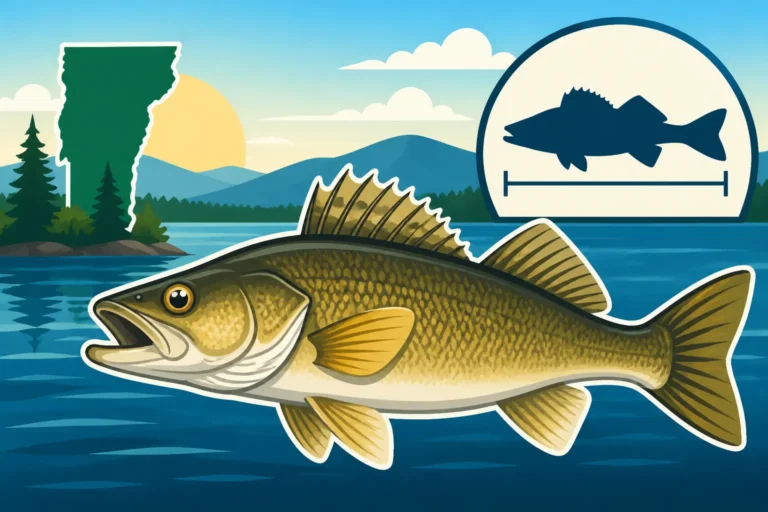
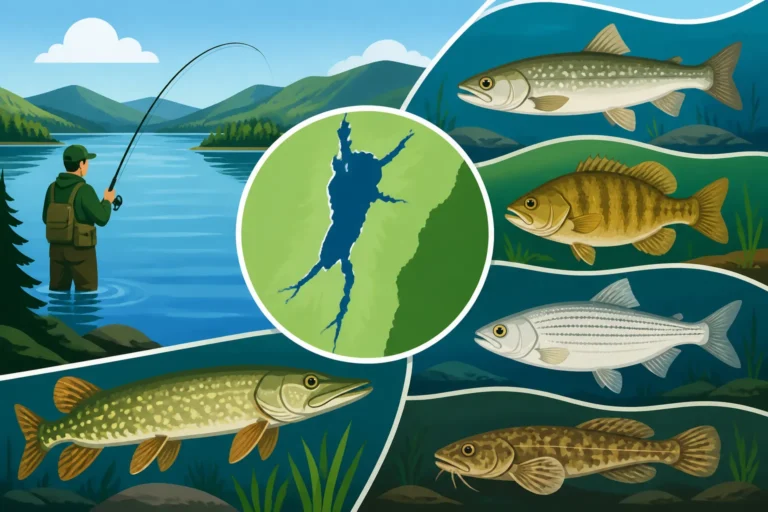
Trying to find walleye on Lake Champlain can feel like searching for a needle in a haystack, especially when you're faced with such a massive and diverse body of water. Many anglers get frustrated because what worked last week, or even yesterday, suddenly isn't producing. This guide is here to unravel the mysteries of Lake Champlain walleye, helping you understand their patterns, preferred habitats, and the best times and places to find them, so you can spend less time guessing and more time reeling in those beautiful 'eyes.
Understanding Walleye Behavior on Lake Champlain
Walleye are fascinating fish, and truly understanding their habits is the first step to consistently finding them. They aren't just swimming around aimlessly; their movements are dictated by a few key factors: their environment, their prey, and their biological urges. Ignoring these can lead to a lot of fruitless casting, which nobody wants after spending a morning out on the water.
Walleye's Preferred Environment
Walleye, often called "walleyed pike" by old-timers, really prefer specific conditions. They're primarily light-sensitive fish, which means they tend to shy away from bright sunlight. This isn't just a quirk; it's a survival mechanism. Their large, reflective eyes are incredibly efficient at gathering light in dim conditions, giving them a huge advantage over their prey, especially during low light periods like dawn, dusk, and even into the night. Because of this, you'll often find them hunkering down in deeper, darker water or tucked away under heavy cover during the brightest parts of the day.
Think about what this means for your fishing strategy. On a bright, sunny afternoon, don't expect them to be cruising in shallow, open water. Instead, they'll likely be in the deeper sections, congregating around structure that offers shade or reduced light penetration. Overcast days, however, can be absolute gold for walleye anglers, as the diffused light allows them to move more freely and aggressively throughout the water column. The clearer the water, the more pronounced this light sensitivity becomes, pushing them even deeper or into denser cover.
Diet and Forage on Lake Champlain
What walleye eat plays a monumental role in where you'll find them. On Lake Champlain, their diet is incredibly varied, but they are opportunistic predators, always keying in on the most abundant and easiest-to-catch baitfish. Smelt are a huge part of their diet, especially in the deeper, colder sections of the lake. These small, silvery fish provide a high-energy meal, and where you find large schools of smelt, you can bet walleye won't be far behind. Perch are another critical forage species, particularly in areas with aquatic vegetation or rocky bottoms where perch tend to hide.
Beyond smelt and perch, walleye will also feast on shiners, alewives, and even young of the year panfish. Understanding what their primary food source is in a given area and season is like having a secret map. If you know what the baitfish are doing – where they're schooling, what depths they prefer, how they react to water temperature – then you'll have a much better idea of where the walleye will be positioned for an ambush. Many experienced anglers will spend time just locating bait balls on their sonar before even thinking about dropping a line. If you're wondering What walleye eat on Lake Champlain, you'll find that adapting your presentation to mimic these key forage species can make all the difference.
Walleye Spawning Patterns
The walleye spawning season is a critical time that dramatically shifts their location. In Vermont, walleye typically spawn in the spring, often when water temperatures climb into the 40-50°F range. They prefer rocky or gravelly bottoms in moving water, like tributary rivers and streams that feed into Lake Champlain, or shallower, wind-swept shoals and reefs within the lake itself. These areas provide the ideal substrate for their eggs to adhere to.
During the pre-spawn period, walleye will stage in deeper waters adjacent to these spawning grounds, feeding heavily to build up energy for the arduous process. Once the spawn begins, their focus shifts entirely, and they become less interested in feeding. After the spawn, they disperse from these specific areas, often retreating to deeper, cooler water to recover before resuming their more aggressive feeding patterns. Knowing when and where walleye spawn, as covered in Walleye Spawning Season in Vermont, helps you predict their movements and capitalize on the pre-spawn bite or find them in their post-spawn recovery zones.
Key Lake Champlain Walleye Habitats
Lake Champlain offers an incredible variety of habitats, and walleye utilize many of them throughout the year. But certain features consistently draw them in, providing shelter, ambush points, and access to food. If you're not focusing on these types of structures, you're probably missing out on a lot of action.
Structure and Cover Attracting Walleye
Walleye are structure-oriented fish, meaning they gravitate towards distinct changes in the lakebed. This can be anything from rocky reefs and humps to sharp drop-offs, sunken islands, and even man-made structures like old bridge pilings or submerged roadbeds. These features provide vertical relief, creating current breaks, ambush points, and cover from predators and bright light. A key frustration for many anglers is just how much structure there is in Lake Champlain; it can be overwhelming! The trick is to identify the right kind of structure – the stuff that holds baitfish and provides those specific walleye comforts.
On Lake Champlain, you'll often find walleye holding tight to the edges of underwater points that extend into deeper water, or clustered around offshore humps that rise up from the main lake basin. They use these structures to stage ambushes as schools of baitfish pass by. Weed lines, particularly deeper, healthy green weeds, can also be excellent holding spots, especially in sections of the lake with more vegetation. The edges of these weed beds provide both cover and a fantastic hunting ground.
Depth and Water Temperature Preferences
Water temperature is a huge factor in where walleye will position themselves. They are cool-water fish, generally preferring temperatures between 60-70°F (15-21°C). However, they can tolerate a wider range, especially during different seasons. In the spring, as the water warms, they'll move shallower, often following baitfish into warmer bays. As summer progresses and surface waters heat up, walleye will seek refuge in deeper, cooler thermoclines, which is often where you'll find their primary forage. Understanding How deep walleye go in summer on Lake Champlain is crucial for summer success.
During the heat of summer, it's not uncommon to find walleye suspended over deep water, particularly if there's a thermocline present. This layer of abrupt temperature change often concentrates baitfish, and consequently, the walleye that prey on them. In fall, as the lake cools, they may move shallower again, following baitfish that are pushed by dropping temperatures. This constant ebb and flow with temperature and depth makes them a challenging but rewarding target.
Current and Flow Influences
Current, even subtle current, plays a significant role in where walleye position themselves. Lake Champlain has areas with noticeable current, particularly in constricted sections or near the mouths of its major tributaries like the Winooski, Lamoille, and Missisquoi rivers. Walleye are ambush predators, and current provides a natural conveyor belt for food. They'll often sit just out of the main flow, in a current seam or eddy, expending minimal energy while waiting for baitfish to be swept past them.
These current breaks can be formed by anything from a large rock or a sharp bend in a channel to a bridge piling or a subtle underwater hump. The key is to find those areas where the current slows down just enough for a walleye to comfortably hold, but is still strong enough to deliver food. Fishing upstream of these features, allowing your lure to drift naturally into the strike zone, can be incredibly effective. Even on a large lake like Champlain, understanding how wind-driven currents and subtle outflows influence baitfish movements can lead you right to where the walleye are holding.
Seasonal Walleye Movements and Locations
Walleye on Lake Champlain are constantly on the move, adapting their locations to the changing seasons, water temperatures, and availability of food. What works in April certainly won't work in August, and knowing these seasonal shifts is fundamental to consistent success.
Spring Walleye Hotspots Post-Spawn
After the arduous spawning ritual in early spring, walleye typically disperse from their spawning grounds and seek areas to recover and feed aggressively. This post-spawn period is often marked by them moving into shallower bays, river mouths, and flats that warm up quickly. These locations are teeming with baitfish, providing easy access to food as the walleye replenish their energy stores. Look for areas with a mix of rocky and sandy bottoms, often with some emerging vegetation.
The frustration here is that they can be scattered immediately post-spawn, making them hard to pinpoint. However, once they start actively feeding, they become more predictable. Focus on areas where baitfish are congregating, often along wind-blown shorelines or in the warmer back sections of bays. Trolling crankbaits or casting jigs are popular methods during this time, allowing you to cover water and find active fish. Many anglers find great success in the South Bay region or near the mouths of the larger rivers as the water temperatures rise.
Summer Walleye Patterns
As Lake Champlain fully warms up in the summer, walleye generally transition to deeper, cooler water. They'll follow the thermocline (that distinct layer where the water temperature changes rapidly) and school up around deep structures. This is where those offshore humps, deep points, and submerged islands become prime targets. They might also suspend over deep open water, particularly if large schools of baitfish, like smelt, are present.
During the daytime, these deep-water walleye can be challenging to target, often requiring downriggers or heavy weights to get your lures into the strike zone. Night fishing for walleye becomes extremely popular in summer, as they often move shallower under the cover of darkness to feed on baitfish that push up into the shallows. The northern sections of the lake, with their deeper basins and numerous structures, become particularly productive in summer. Understanding Night Fishing for Walleye on Lake Champlain is key for summer success.
Fall Walleye Congregation Areas
Fall is a fantastic time for walleye fishing on Lake Champlain, as the fish become highly active and put on the feedbag for winter. As water temperatures begin to drop, the thermocline breaks down, allowing walleye to roam more freely throughout the water column. They often follow baitfish into shallower waters and onto structures like reefs, humps, and points, where they feed aggressively. These fish are often larger and more concentrated as they prepare for the cold months ahead.
Look for classic walleye structures at various depths, from 15-20 feet down to 40-50 feet. Trolling crankbaits that mimic larger baitfish, or vertical jigging over schools of fish marked on your sonar, can be incredibly effective. The southern sections of the lake, with their diverse structure and good populations of forage, can be particularly productive in the fall. Many anglers target specific rocky reefs and shoals where walleye are known to congregate. You might find a whole school in a small area, making for some intense action. For more specific tactics, check out Best Techniques for Fall Walleye.
Winter (Ice Fishing) Walleye Spots
When Lake Champlain freezes over, walleye become a prime target for ice anglers. Their behavior shifts once again, as they often relate to subtle contours and structures on the lake bottom. While they can be found in deep water, many ice anglers target walleye in mid-depth ranges, often 20-40 feet, especially near drop-offs, underwater points, and flats adjacent to deeper basins. These areas tend to concentrate baitfish under the ice.
During the early and late ice periods, walleye might be found slightly shallower. As winter progresses, they tend to settle into more stable, deeper patterns. Look for areas with a mix of rock and soft bottom, which can hold invertebrates that attract smaller baitfish. Jigging spoons and various soft plastic baits, often tipped with a piece of minnow, are popular choices. Remember, walleye are still light-sensitive, even under the ice, so dawn, dusk, and even nighttime can be prime times for flagging those tip-ups.
Best Walleye Fishing Spots by Lake Section
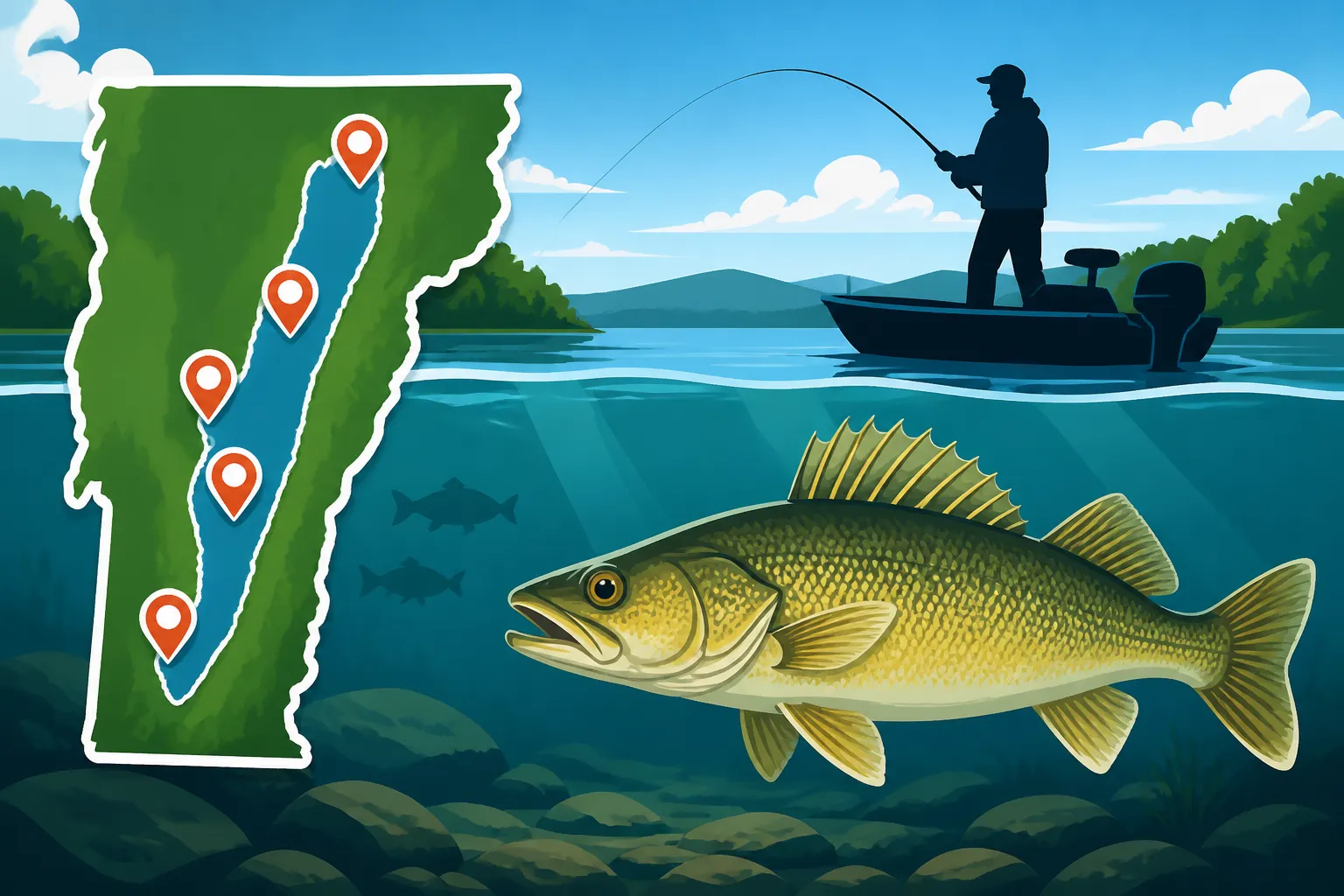
Lake Champlain is a vast body of water, stretching over 120 miles from north to south. It's not a monolithic fishery; rather, it's a series of diverse sections, each with its own characteristics and walleye hotspots. Breaking it down by section can help you narrow your focus and increase your chances of finding fish.
Northern Lake Champlain Walleye
The northern end of Lake Champlain, extending from the Canadian border down to roughly the Gut or the Sandbar causeway, offers some of the lake's most renowned walleye fishing. This area features deeper basins, numerous islands, and extensive rocky reefs and shoals. These features create complex underwater topography that walleye absolutely love. Areas like Missisquoi Bay, Alburgh Passage, and the waters around Isle La Motte are historically strong walleye producers. The key here is the abundance of structure and forage, especially smelt, in the deeper sections.
During the open water season, trolling crankbaits along the edges of deep channels or over submerged humps in this northern section can be incredibly effective. Pay close attention to your fish finder to mark schools of baitfish and any changes in bottom contour. Ice anglers also flock to these northern waters, particularly areas that offer stable ice and known walleye concentrations. The challenge here is the sheer size of the area, but if you can locate the bait and structure, the walleye fishing can be phenomenal.
Central Lake Champlain Walleye
The central section of Lake Champlain, generally from the Sandbar down to areas like Burlington or Port Kent, presents a mix of deep-water basins and shallower, more complex shorelines. While perhaps not as famous for walleye as the far northern reaches, this area still holds a significant population, especially around specific structures. The extensive deep-water areas here often hold suspended walleye, particularly in summer.
Look for walleye around areas like the "Four Brothers" islands, or off prominent points and reefs that jut out into the deeper lake. The mouths of rivers like the Lamoille and Winooski also attract walleye, especially during the spring and fall migrations. Trolling deep-diving crankbaits or using downriggers to target specific depths can be productive in the deeper, open water. For shore anglers, access points near river mouths or rocky points can offer opportunities, especially during low-light conditions.
Southern Lake Champlain Walleye
The southern end of Lake Champlain, from Burlington down to the "Narrows" and beyond, offers a different character. It tends to be shallower overall, with more pronounced current in certain areas and more extensive weed growth in its bays. While it might not boast the same deep-water walleye numbers as the north, it can be excellent for those targeting walleye in shallower, more vegetated environments, especially in spring and fall.
The South Bay and areas around Whitehall, New York (just beyond the Vermont border, but still part of the Champlain system) are known walleye spots. The Otter Creek mouth is another critical location, especially during spawning and post-spawn periods. Here, walleye often relate to current breaks, channel swings, and the edges of expansive weed beds. Casting jigs or working shallow-running crankbaits can be highly effective. Don't overlook the potential for a strong night bite in these southern waters during the warmer months, as walleye push into the shallows to hunt. For local tips, you'll find plenty of information in a comprehensive Lake Champlain Fishing Guide.
Reading the Water: Signs of Walleye Activity
Sometimes, the best fish finder isn't electronic; it's your own eyes and intuition. Learning to "read the water" can give you a significant advantage in locating walleye, even before you deploy your boat's sophisticated electronics. It's about looking for subtle clues that tell you where the food is, and where the predators might be lurking.
Baitfish Schools and Predator Presence
The most obvious sign of potential walleye activity is the presence of their food source: baitfish. If you see schools of small fish dimpling the surface, or if you notice birds (like gulls or terns) actively diving and feeding in a particular area, it's a strong indicator that baitfish are concentrated there. Where there are baitfish, there are usually larger predatory fish, and walleye are no exception. This is often more apparent during low-light hours or on overcast days when baitfish are less likely to be deep.
Even if you don't see them on the surface, your electronics should be screaming with baitfish marks. A dense cloud of baitfish is a magnet for walleye. Sometimes, you might even spot larger fish "crashing" through schools of baitfish on the surface, a clear sign of active predators. The frustration comes when the baitfish are deep or scattered, but keep observing, and eventually, a pattern might emerge. When you see this activity, it's time to slow down, cast, or troll through the area with confidence.
Water Clarity and Light Conditions
As we've discussed, walleye are light-sensitive. This means water clarity plays a huge role in their behavior and where you'll find them. In very clear water, walleye will often go deeper or seek out heavy cover during the day. In stained or slightly turbid water, their light sensitivity is reduced, and they might be found shallower or more active throughout the day. This can be a huge frustration because Lake Champlain's clarity can vary widely depending on recent rainfall, wind, and even the time of year.
Adjusting your approach based on clarity is crucial. If the water is gin-clear, think deeper presentations, low-light fishing, and more natural lure colors. If the water is stained, don't be afraid to fish shallower, use brighter or more contrasting lure colors, and experiment with presentations that create more vibration. Overcast days are a walleye angler's best friend regardless of clarity, as they reduce light penetration and encourage the fish to move and feed more aggressively.
Understanding Wind and Waves
Wind and waves, while sometimes unpleasant to fish in, can be a walleye angler's best friend. A consistent wind, especially if it's been blowing in the same direction for a day or two, will push warm surface water and baitfish towards specific shorelines or structures. This creates a "wind-blown" side of the lake or a particular point where baitfish become concentrated, and walleye will follow. The waves themselves can also provide a certain amount of cover and disorient baitfish, making them easier targets for walleye.
However, too much wind can make boat control difficult and make it challenging to effectively fish. The key is to find the "active" side of the lake or structure, where the wind is creating current or concentrating food, but where you can still safely and effectively present your lures. Think about how the wind might be creating a subtle current along a deep reef or pushing bait into a shallow bay. These are the areas where walleye will often be actively feeding.
Technology and Tools for Locating Walleye
While knowing walleye behavior and reading the water are invaluable, modern technology has made locating these elusive fish much more efficient. Investing in the right tools and learning how to use them effectively can drastically improve your success rate on a lake as big as Champlain.
Using Sonar and Fish Finders Effectively
A good quality fish finder is arguably the most important piece of technology for walleye fishing on Lake Champlain. It allows you to see what's happening beneath the surface, identifying depth contours, submerged structure, baitfish schools, and even individual fish. Modern units with CHIRP sonar, side imaging, and down imaging capabilities provide incredibly detailed views of the underwater world. The frustration is often that people have these tools but don't know how to interpret what they're seeing.
Learning to differentiate between baitfish, walleye, and other species, and understanding how different bottom compositions appear on your screen, takes practice. Use your fish finder to locate those key structures we discussed – humps, drop-offs, weed lines – and then look for signs of baitfish and arches representing walleye. Don't just motor around randomly; use your sonar to systematically scan productive-looking areas. Many anglers spend hours just idling around, mapping out new areas and marking potential hotspots. If you're looking for guidance, there are many excellent options available on Amazon for all budgets, and a good Best Fish Finders for Vermont Lakes guide can help you pick the right one.
GPS and Mapping for Structure Identification
GPS capabilities, often integrated into modern fish finders, are indispensable on Lake Champlain. With accurate mapping, you can easily navigate to known hotspots, mark new productive areas (waypoints), and precisely follow contour lines while trolling. High-definition lake maps, which often show detailed depth contours, submerged islands, and other key structures, are a game-changer. These maps take away the guesswork of "where was that spot again?" and allow you to return to productive areas with precision.
Before you even launch your boat, spend time studying your lake maps. Look for those classic walleye structures: offshore humps, long tapering points, sharp depth changes, and saddlebacks between islands. Once you identify potential areas, use your GPS to navigate to them and then deploy your sonar to confirm their presence and check for fish. The combination of GPS for navigation and mapping, and sonar for real-time underwater views, is a powerful duo for locating walleye. You can find excellent marine GPS units and mapping software on Amazon that will greatly enhance your fishing experience.
Other Essential Gear for Walleye Tracking
While sonar and GPS are the stars, other gear can significantly aid in tracking down walleye. Good quality trolling gear, including sturdy rod holders and perhaps even planer boards, allows you to cover vast amounts of water and present multiple lures effectively. Downriggers, as mentioned earlier, become crucial when walleye are holding deep in the water column, enabling you to precisely control your lure's depth.
For those who prefer jigging or casting, a sensitive graphite rod will help you detect subtle bites, especially when fishing deeper or in current. High-visibility braided line with a fluorocarbon leader is a popular choice, offering strength and sensitivity while keeping your presentation stealthy. Don't forget a good pair of polarized sunglasses – they help cut through surface glare, allowing you to spot subtle changes in water color, weed lines, or even cruising fish in shallower areas. Having the right tools, whether it's specific lures or specialized equipment, can often be found with a quick search on Amazon, ensuring you're ready for any situation Lake Champlain throws at you.
| Season | Typical Location | Depth Range (Approx.) | Key Factors |
|---|---|---|---|
| Spring (Post-Spawn) | Shallower bays, river mouths, flats | 5-20 feet | Warming water, baitfish congregation, recovery from spawn |
| Summer (Daytime) | Deep structures, thermocline, suspended over deep water | 20-60+ feet | Cooler water, oxygen levels, baitfish in thermocline |
| Summer (Nighttime) | Shallower flats, rocky shorelines, points | 5-20 feet | Low light provides cover, baitfish move shallower |
| Fall | Deep reefs, humps, points; sometimes shallower bays | 15-50 feet | Aggressive feeding for winter, breakdown of thermocline |
| Winter (Ice Fishing) | Mid-depth structures, drop-offs, flats adjacent to deep water | 20-40 feet | Baitfish concentrations under ice, stable patterns |
Disclaimer
This article is for general informational purposes only and does not constitute professional advice. Laws, prices and regulations vary by location and change over time. Consult a qualified professional for guidance on your specific situation.