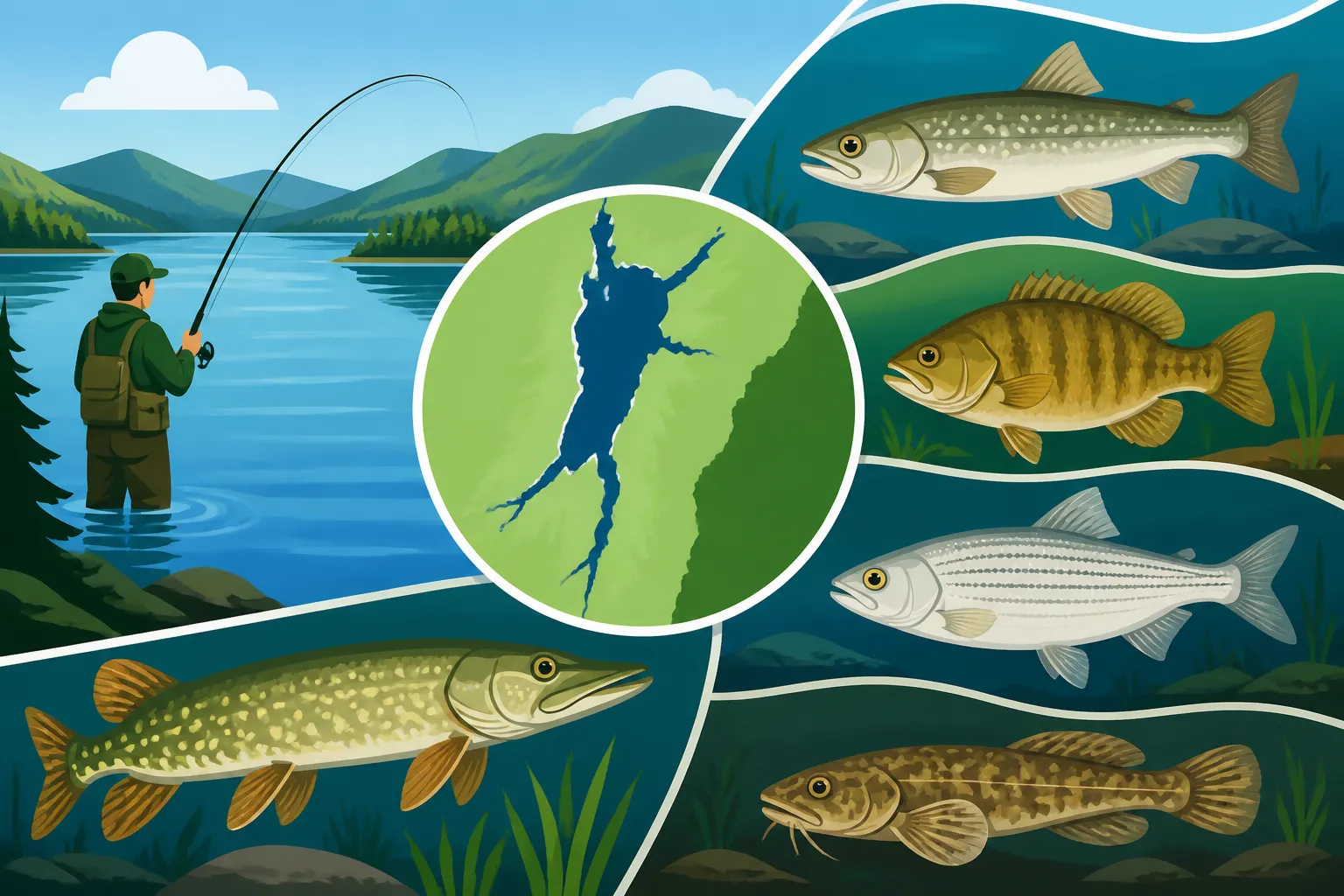
Fish species unique to the Lake Champlain basin
There’s a special kind of wonder that comes with pulling a fish from the depths of Lake Champlain, isn't there? But beneath those sparkling waters, there's an entire world of fish that many anglers, even seasoned Vermonters, might not realize are truly unique to this incredible basin. You might be used to hearing about trout and bass, but this guide is all about diving into the extraordinary aquatic life that makes the Lake Champlain basin in Vermont a truly special place, highlighting the species that stand out from the crowd.
Unveiling Lake Champlain's Distinctive Underwater World
Lake Champlain isn't just a big lake; it's an entire ecosystem, a basin that holds a fascinating history stretching back to the last Ice Age. This rich heritage has shaped its fish populations in ways that make it distinct from many other bodies of water in Vermont and beyond. Understanding this backdrop helps us appreciate the truly unique species that call it home.
A Basin Forged by Glaciers and History
Imagine enormous glaciers retreating, carving out this massive depression and leaving behind a freshwater sea that, for a time, even had a connection to the Atlantic Ocean. This historical connection allowed certain marine and anadromous species to enter the basin, some of which adapted to the freshwater environment over millennia. While the direct connection is long gone, the legacy remains. The sheer size and depth of Lake Champlain, combined with its diverse habitats—from shallow, reedy bays to deep, cold abysses—create a mosaic of environments that support a wider array of fish than many smaller, more isolated lakes in the region. This unique geological past and hydrological connection have allowed species to persist or evolve in ways that differentiate them from populations elsewhere. It’s like a living museum, preserving ancient lineages and supporting thriving communities. You can delve deeper into how these unique conditions influence fishing by checking out Vermont Lake Champlain Fishing Rules.
More Than Just Trout and Bass
When most people think of fishing in Vermont, their minds often jump to brook trout in mountain streams or maybe the trophy smallmouth bass in Lake Champlain. And while those fisheries are undeniably fantastic, they only tell part of the story. The Lake Champlain basin harbors species that are not just different, but genuinely distinctive within the state. These aren't necessarily the fish you target with a fly rod or a crankbait every weekend, but their presence is a testament to the lake's rich biodiversity and ecological significance. They represent ancient lineages, sensitive indicators of environmental health, or populations with restricted distributions that make them especially precious. To truly appreciate what makes Lake Champlain special, we need to look beyond the usual suspects and discover the rare gems swimming beneath the surface.
Spotlight on Truly Unique Fish Species of the Lake Champlain Basin
While some fish species, like Lake Champlain Smallmouth Bass Fishing or Lake Champlain Walleye Fishing, are highly popular and abundant, the true uniqueness of the Lake Champlain basin often lies in the less common, often overlooked, or historically significant species. These are the fish that tell a deeper story about the lake's past and its critical ecological role.
The Ancient Giants: Lake Sturgeon and Their Comeback Story
When you think of a fish that looks like it swam straight out of the dinosaur age, you're probably picturing a Lake Sturgeon. These magnificent creatures are truly incredible, boasting five rows of bony plates (scutes) instead of scales and an elongated, shovel-like snout. They are bottom-feeders, using their sensitive barbels to detect food like insect larvae and crustaceans. Historically, they were abundant in Lake Champlain, but overfishing, dam construction blocking spawning migrations, and habitat degradation led to a severe decline. For a long time, their future looked bleak in Vermont.
Today, Lake Sturgeon are listed as an endangered species in Vermont, and robust conservation efforts are underway to help them recover. This involves strict protections (it's illegal to fish for them in Vermont waters) and ongoing research into their populations and habitat needs. Catching one by accident is an awe-inspiring experience, reminding you of the lake's ancient past. If you ever do hook one, it's crucial to release it immediately and unharmed. These gentle giants can live for over 150 years and grow to immense sizes, making them one of the most unique and venerable residents of the Lake Champlain basin. Protecting them is a collective responsibility for all who appreciate Vermont's waters.
Primitive Wonders: Longnose Gar and Bowfin
Two other incredible species that give the Lake Champlain basin a truly unique feel within Vermont are the Longnose Gar and the Bowfin. These fish are often called "living fossils" because their physical characteristics have changed very little over millions of years.
The Longnose Gar is unmistakable with its incredibly long, slender snout filled with needle-sharp teeth. They are ambush predators, often found lurking motionless in shallow, weedy areas, waiting for unsuspecting prey to swim by. While they are found in other parts of North America, in Vermont, their primary stronghold is the Lake Champlain basin. Anglers often encounter them while targeting other species, and their prehistoric appearance and fighting spirit make them a memorable catch. They're a top-level predator in their habitat, helping to keep other fish populations in balance. Learning to identify them correctly is part of understanding the diverse ecosystem, and a good field guide, perhaps one you can find on Amazon, can be invaluable.
The Bowfin, also known by nicknames like "dogfish" or "mudfish," is another ancient fish with a single, long dorsal fin that runs almost the entire length of its back. What makes them particularly unique is their ability to breathe air using a specialized swim bladder, allowing them to survive in oxygen-poor waters where other fish would perish. Like gar, in Vermont, they are primarily found in the warmer, shallower, and often weedier sections of the Lake Champlain basin and its tributaries. They are incredibly hardy and aggressive fighters, making them a surprisingly fun catch for anglers looking for something different. Both gar and bowfin are fascinating parts of the basin's natural heritage, showing how diverse life can be in our freshwater systems.
Small but Significant: Eastern Sand Darter and Deepwater Sculpin
Not all unique fish are large predators; some of the most ecologically significant are small and often overlooked. The Lake Champlain basin is home to two such species that highlight the delicate balance of its varied habitats.
The Eastern Sand Darter is a tiny, slender fish, typically only a few inches long, that truly embodies its name. It lives exclusively in sandy or gravelly bottom areas of rivers and streams, often burying itself in the substrate with only its eyes exposed. In Vermont, this species is critically imperiled and found almost exclusively in certain tributaries of the Lake Champlain basin. Its presence is a strong indicator of clean water and undisturbed benthic habitats. They are incredibly sensitive to pollution and sedimentation, making them a canary in the coal mine for river health. Finding these darting little fish is a treat for researchers and a reminder of the precious, hidden biodiversity of the basin.
Then there's the Deepwater Sculpin, a small, bottom-dwelling fish with a large head and fan-like pectoral fins. This species is a true coldwater relict, a holdover from the last Ice Age. In Vermont, it's found almost exclusively in the deepest, coldest parts of Lake Champlain. They thrive in oxygen-rich, dark, cold environments, preying on small invertebrates. The Deepwater Sculpin is an important food source for larger, deep-dwelling predatory fish like Lake Trout. Their continued presence signifies the health and unique thermal stratification of Lake Champlain’s deep waters. These tiny fish might not be on an angler’s target list, but they are vital threads in the tapestry of the lake's ecosystem, representing the extreme conditions and adaptations found within its depths. To understand the wider ecosystem, it helps to learn about Lake Trout Fishing in Vermont and the species they interact with.
Why These Unique Species Matter: Conservation and Ecological Balance
The presence of these distinct fish species in the Lake Champlain basin isn't just an interesting biological quirk; it's a critical indicator of ecological health and a cornerstone of the region's natural heritage. Their survival is intertwined with the overall well-being of the entire ecosystem.
Guardians of Biodiversity: The Role These Species Play
Every species, from the smallest darter to the largest sturgeon, plays a role in the intricate web of life within Lake Champlain. The Lake Sturgeon, for example, are long-lived apex bottom-feeders, helping to cycle nutrients. The Longnose Gar and Bowfin are important predators in shallow, weedy areas, helping to control populations of smaller fish and insects. The tiny Eastern Sand Darter and Deepwater Sculpin, while not as flashy, are indicators of pristine habitats and provide food for other species.
Biodiversity isn't just about having many different kinds of fish; it's about the resilience and stability of the ecosystem. A diverse system is better equipped to handle environmental changes, disease, and invasive species. When a unique species like the Lake Sturgeon thrives, it suggests that the larger ecosystem is healthy enough to support these demanding, long-lived creatures. Their unique genetics and adaptations contribute to the overall genetic richness of life, which is a valuable resource in a changing world. It's a reminder that every creature, no matter how obscure, has its place and purpose.
Threats to Their Survival: Invasive Species and Habitat Challenges
Unfortunately, the unique fish species of Lake Champlain face numerous threats, primarily from human activities and the introduction of non-native species. Invasive species are a huge concern, often outcompeting native fish for food and habitat, or preying on them directly. For instance, Are Zebra Mussels Affecting Lake Champlain's Fishery? details how these tiny invaders can drastically alter the food web, impacting everything from plankton to the fish that feed on them. Other threats include habitat degradation from shoreline development, pollution runoff, and the impact of dams that block historical spawning routes for migratory fish.
Even necessary management efforts can have side effects. What sea lamprey control means for Lake Champlain highlights a program essential for protecting Lake Trout and Landlocked Salmon, but it's a constant balancing act to ensure broader ecosystem health. These challenges emphasize why it's so important for all of us, especially anglers who spend so much time on the water, to be aware and to contribute to conservation efforts. Understanding these threats is the first step in mitigating them and ensuring these unique species can continue to thrive for generations to come.
Protecting Lake Champlain's Living Treasures: How Anglers Can Help
As anglers, we have a unique connection to the waters and the fish that inhabit them. Our actions, both on and off the water, can significantly impact the survival and health of Lake Champlain's unique fish species. Being part of the solution starts with education and responsible practices.
Responsible Angling Practices for a Healthy Ecosystem
The most immediate way anglers can help is by practicing responsible angling. This means understanding and adhering to Vermont Fishing Regulations Explained for all species, not just the ones you're targeting. For critically endangered species like the Lake Sturgeon, accidental catches should be handled with extreme care, released quickly, and reported if possible to aid monitoring efforts. Knowing the difference between a Bowfin and a Largemouth Bass, or a Longnose Gar and a Northern Pike, is crucial. Resources like a good fish identification guide, readily available on platforms like Amazon, can be incredibly helpful for this.
Beyond regulations, catch and release practices, especially for larger or rarer fish, can make a huge difference. Using proper handling techniques, such as wetting your hands before touching a fish, using barbless hooks, and minimizing air exposure, increases the survival rate of released fish. Also, preventing the spread of Invasive Fish Species in Vermont Waters is paramount. Always clean, drain, and dry your boat, trailer, and gear after every outing, especially when moving between different bodies of water. Even something as simple as not discarding live bait from one lake into another can prevent an ecological disaster.
Supporting Research and Conservation Efforts
Beyond individual actions, anglers can play a vital role in supporting broader conservation initiatives. Many state agencies and non-profit organizations are dedicated to the research and protection of these unique species. This could involve volunteering for habitat restoration projects, participating in citizen science programs (like reporting observations of rare fish), or simply staying informed about local conservation news. Financial contributions to organizations focused on Lake Champlain's ecological health also go a long way.
Educating your fellow anglers, friends, and family about the importance of these unique species and the threats they face is another powerful contribution. The more people who understand and appreciate the incredible biodiversity of the Lake Champlain basin, the stronger the voice for its protection becomes. Look for opportunities to engage with local Vermont Fish and Wildlife Department programs or conservation groups. Together, we can ensure that these distinctive fish species continue to swim in Lake Champlain for generations to come, preserving the natural wonder that makes this basin so incredibly special.
| Species | Primary Habitat in Basin | Unique Feature in Vermont | Conservation Status (VT) | Angler Interaction |
|---|---|---|---|---|
| Lake Sturgeon | Deep lake, large rivers, spawning on rocky shoals | Ancient lineage, massive | Endangered | Accidental catch, must release unharmed |
| Longnose Gar | Shallow, weedy bays, slow-moving rivers | Long, toothed snout | Common | Aggressive fighter, often bycatch |
| Bowfin | Shallow, warm, heavily vegetated waters | Air-breathing, long dorsal fin | Common | Aggressive fighter, often bycatch |
| Eastern Sand Darter | Sandy/gravelly bottoms of specific tributaries | Buries in sand, indicator species | Critically Imperiled | Rarely encountered by anglers, highly sensitive |
| Deepwater Sculpin | Deep, cold, oxygen-rich waters of the main lake | Glacial relict, bottom-dweller | Common (deepwater) | Rarely encountered by anglers, food source for lake trout |
Disclaimer
This article is for general informational purposes only and does not constitute professional advice. Laws, prices and regulations vary by location and change over time. Consult a qualified professional for guidance on your specific situation.