Do Trout Reproduce Naturally in Vermont Streams?
Many Vermont anglers often ponder a crucial question as they cast their lines into a pristine mountain stream: Are these beautiful trout truly wild, born and raised right here, or are they hatchery-raised fish released to supplement the population? It's a question that cuts to the heart of what many of us cherish about fishing – the connection to untouched nature and the thrill of outsmarting a truly native fish. This comprehensive guide will dive deep into the fascinating world of trout reproduction in the Green Mountain State, exploring which species reproduce naturally, where they thrive, the challenges they face, and how we, as responsible anglers, can help protect these vital populations for generations to come.
The Wild Trout Dream: Why Natural Reproduction Matters to Vermont Anglers
There's something uniquely captivating about catching a fish that has spent its entire life battling the currents, surviving predators, and finding its own meals in the wild. For many of us, this is the very essence of Trout Fishing in Vermont. The idea of a trout lineage that has persisted for centuries, untouched by human intervention, adds a profound layer of meaning to every bent rod and every subtle rise. It’s not just about the size or quantity of fish; it’s about the quality of the experience and the inherent value of a self-sustaining ecosystem.
What "Naturally Reproducing" Truly Means
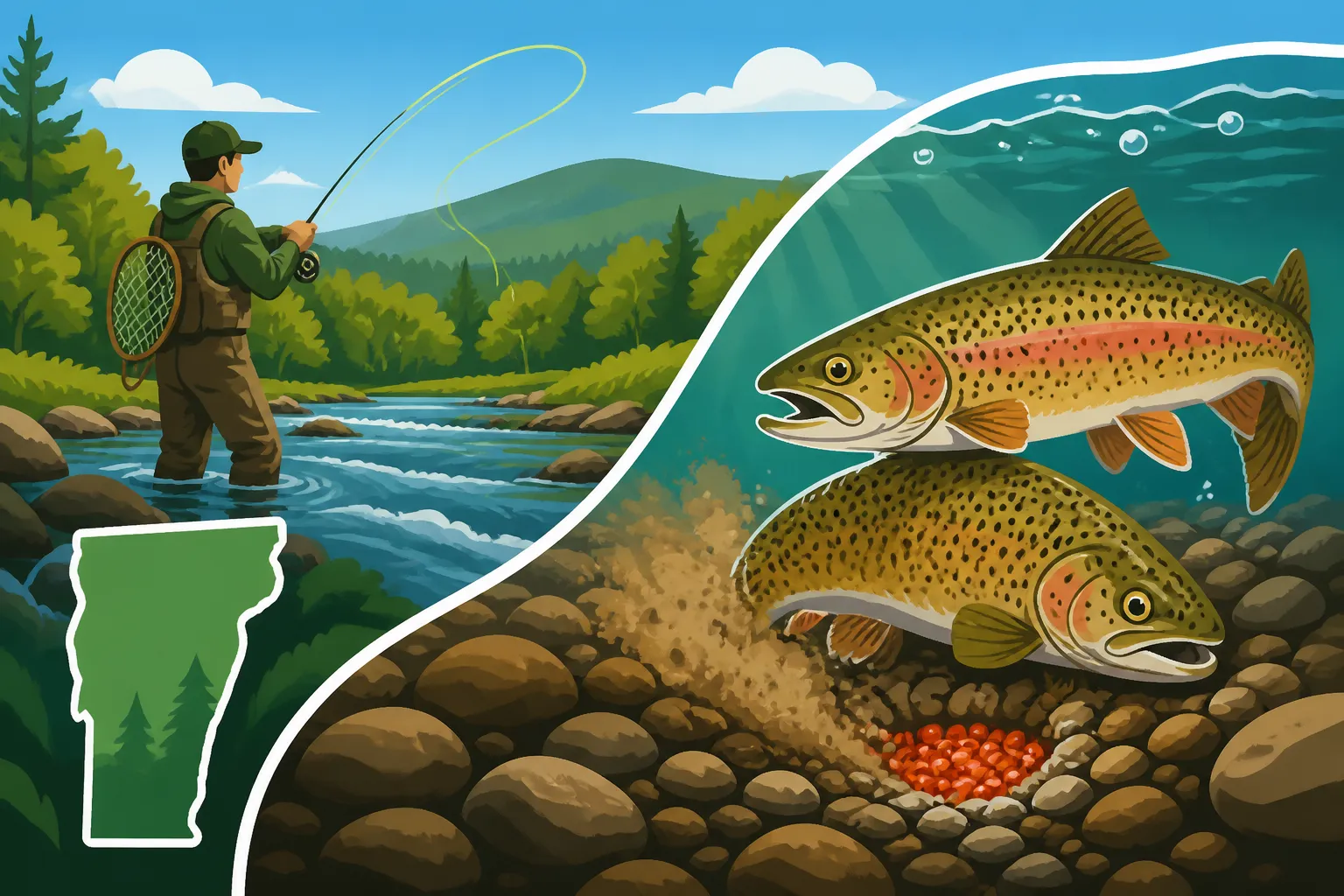
When we talk about trout "naturally reproducing," we're not just referring to a single act of spawning. It's a complex, multi-stage process where trout successfully lay their eggs, the eggs hatch into fry, and those tiny fry survive to adulthood, growing into mature fish capable of reproducing themselves, all without any help from state hatcheries or human intervention. This cycle includes everything from finding suitable gravel beds for nests (redds), to the proper water flow and temperature for egg incubation, to ample cover and food sources for the vulnerable young. It's a delicate balance of environmental factors that, when just right, allows a population to thrive on its own.
Think about it: no trucks pulling up to dump thousands of fingerlings, no genetic blending from different populations. These are fish that are perfectly adapted to their specific stream, having evolved over countless generations to handle its unique challenges, whether that's fluctuating water levels, specific insect hatches, or predatory birds and mammals. They represent the purest form of the species in that particular habitat.
The Angler's Connection to Wild Trout
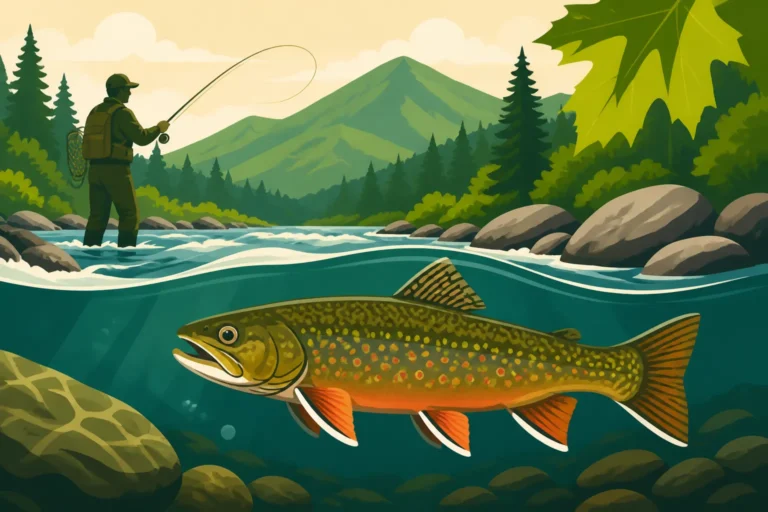
For the dedicated angler, the pursuit of wild trout is often seen as the ultimate challenge and reward. There’s a certain respect that comes with targeting fish that have never seen a pellet or a hatchery wall. These fish are typically warier, more attuned to their surroundings, and often demand a higher level of skill and stealth. The colors on a wild brook trout, for instance, are often more vibrant, the patterns more intricate, a direct reflection of its pristine environment and a lifetime spent camouflaging against stream beds and fallen timber.
It’s an experience that goes beyond just catching a fish; it’s about truly understanding the stream, reading the water, and connecting with a wild ecosystem. There’s a quiet satisfaction in knowing that the trout you released will continue its life cycle, contributing to the health and future of that stream. Many anglers specifically seek out these wild fish, finding deeper fulfillment in their pursuit than in any stocked pond. It elevates fishing from a simple pastime to an act of engaging with and appreciating nature's intricate design.
The Reality on the Ground: Where Vermont Trout Thrive Naturally
So, do trout reproduce naturally in Vermont streams? The resounding answer is yes, absolutely! However, it's not a universal truth for every species in every waterbody. Vermont is blessed with a diverse landscape, from high mountain brooks to wide, slow-moving rivers, and each offers different conditions for trout survival and reproduction. Understanding these nuances is key to appreciating the state's incredible fishery.
Brook Trout: Vermont's Native Survivors
When we talk about natural reproduction in Vermont, the Brook Trout: Vermont's Native Trout is undoubtedly the superstar. These beautiful, diminutive fish are Vermont's only native trout species, and they are incredibly adept at reproducing in the cold, clean, well-oxygenated headwater streams, mountain brooks, and remote ponds that dot the state. Their survival is a testament to the pristine conditions of many of Vermont's smaller watersheds.
Brook trout are particularly sensitive to habitat degradation and rising water temperatures, which is why their presence is often an indicator of excellent water quality. They seek out gravelly stream bottoms to create their redds, often in areas with groundwater upwellings that provide stable temperatures for their eggs. If you're hiking into the Green Mountains and stumble upon a tiny, crystal-clear stream tumbling over rocks and logs, chances are good you're in wild brook trout country. These fish complete their entire life cycle without any help from hatcheries, representing true wildness in the Vermont landscape.
Brown Trout and Rainbow Trout: A Mixed Bag
While brown trout and rainbow trout are abundant in many Vermont waters, their natural reproductive success is a bit more nuanced. Both are non-native species introduced to Vermont long ago, and while they have established self-sustaining populations in certain rivers and lakes, their numbers are often heavily augmented by stocking programs.
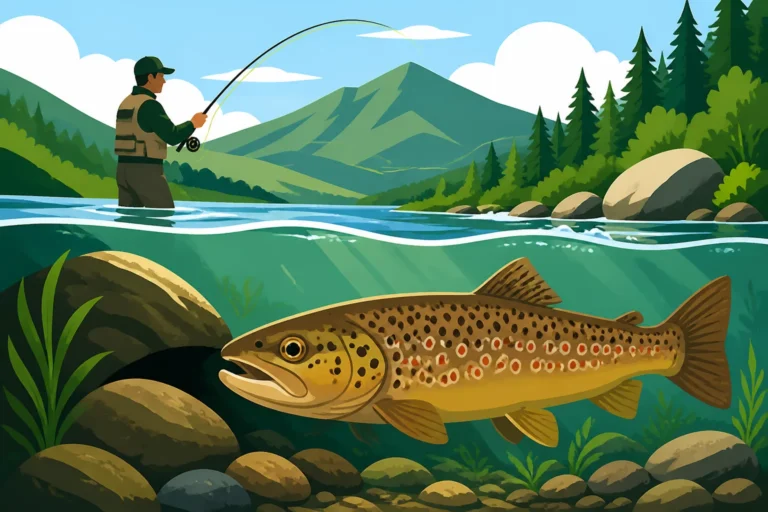
- Brown Trout: These adaptable trout can reproduce naturally in many of Vermont's larger rivers and even some lakes. They are a bit more tolerant of warmer water temperatures and some habitat disturbances than brook trout. Rivers like the Battenkill and the White River are known to have wild brown trout populations, which make for incredible angling experiences. However, many brown trout fisheries are supported by significant stocking efforts, so it's often a mix of wild and stocked fish you encounter. Understanding Brown Trout Habits in Vermont Streams can help anglers differentiate.
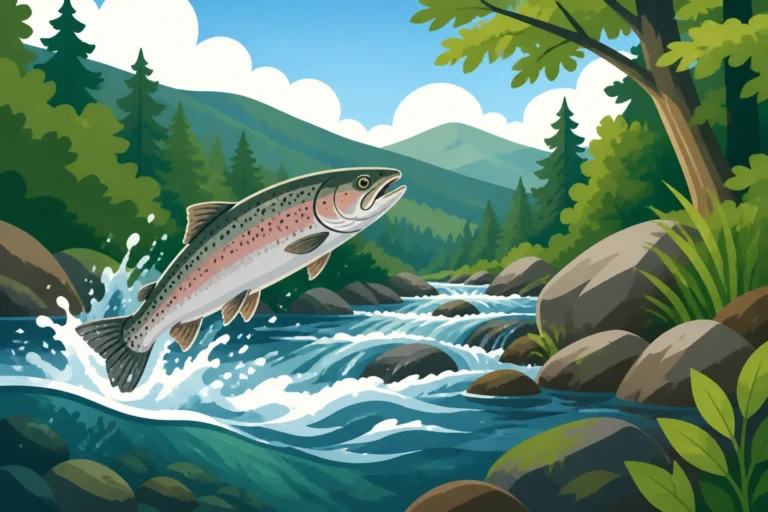
- Rainbow Trout: Rainbow trout are perhaps the most reliant on stocking in Vermont. While some rivers, particularly those with strong spring-fed sections, do support natural rainbow reproduction, it's generally less widespread and successful than that of brook or even brown trout. Many of the rainbows you encounter in open streams and rivers, especially early in the season, are likely hatchery-raised fish. This is why you'll often hear about Rainbow Trout Stocking in Vermont as a key management tool to provide fishing opportunities. Lake Champlain, too, has a thriving population of lake-run rainbows that reproduce in its tributaries, but these are a distinct subset.
Critical Habitat Requirements for Wild Trout
For trout to successfully reproduce and sustain their populations naturally, several key habitat components must be present:
- Cold, Clean Water: This is non-negotiable, especially for brook trout. Trout eggs and fry need stable, cold water temperatures to develop properly. Pollution, whether from agricultural runoff, industrial discharge, or stormwater, can be devastating.
- Suitable Spawning Substrate: Trout require clean, loose gravel beds (often called "redds") for successful egg deposition and incubation. Siltation from erosion, often caused by poor land use practices, can smother eggs and prevent successful hatches.
- Adequate Flow and Oxygenation: Water must flow over the redds to deliver oxygen to the developing eggs and flush away waste. Extremes of flow, either too little or too much, can be detrimental.
- Cover and Food Sources: Fry and juvenile trout need abundant cover – like undercut banks, fallen trees, and aquatic vegetation – to hide from predators. A healthy aquatic insect population provides the necessary food base for growth and survival. A stream rich in biodiversity generally indicates a healthy trout population.
Challenges to Natural Reproduction and Conservation Efforts
While Vermont is fortunate to have significant naturally reproducing trout populations, they face ongoing threats. It's a constant battle to protect these fragile ecosystems, and understanding the challenges helps us appreciate the work being done and how we can contribute.
Human Impact and Habitat Loss
Development, agriculture, and forestry, while essential to human life, can profoundly impact stream health. Runoff from impervious surfaces carries pollutants into waterways, while deforestation near stream banks can remove vital shade, leading to increased water temperatures. Agricultural practices can contribute to siltation and nutrient loading. Road crossings, culverts, and dams can block fish passage, isolating populations and preventing them from reaching crucial spawning grounds.
For instance, a seemingly small culvert under a road might create too high a drop for a trout to jump, effectively cutting off miles of upstream spawning habitat. Similarly, channelization of a stream to prevent erosion might remove the very undercut banks and gravel beds that trout rely on for cover and reproduction. These cumulative impacts, even when small individually, can significantly degrade the ability of a stream to support wild trout.
Climate Change and Water Temperature
Perhaps the most significant long-term threat to naturally reproducing trout, particularly brook trout, is climate change. As global temperatures rise, so do water temperatures in Vermont's streams and rivers. Brook trout, being highly stenothermal (requiring a narrow range of cold temperatures), are particularly vulnerable. When water temperatures exceed their tolerance levels, it stresses the fish, reduces their growth rates, and can prevent successful reproduction or even lead to mortality.
Warmer winters mean less snowpack, which translates to lower stream flows in summer. This combination of higher temperatures and reduced flow creates a perilous environment for wild trout. Conservation efforts are increasingly focused on protecting riparian buffers – the vegetated zones along stream banks – which provide crucial shade and help regulate water temperatures.
Vermont's Role in Protecting Wild Trout Waters
The Vermont Fish and Wildlife Department, alongside numerous conservation organizations and local groups, plays a critical role in protecting and enhancing naturally reproducing trout populations. This includes:
- Habitat Restoration: Projects like restoring stream banks, removing obsolete dams, and improving culverts help reconnect and revitalize trout habitat.
- Water Quality Monitoring: Regular testing of water quality ensures that pollution sources can be identified and addressed.
- Special Regulations: Many wild trout streams are designated with Vermont Wild Trout Waters Regulations, often imposing catch-and-release rules or specific gear restrictions, such as Vermont Catch and Release Fly Fishing Only Waters, to minimize impact on these vulnerable populations. Understanding these rules is crucial, and you can find comprehensive details in the Vermont Fishing Regulations Explained guide.
- Land Acquisition and Protection: Protecting key parcels of land along sensitive waterways ensures that critical habitats remain undisturbed.
- Research: Ongoing studies help biologists understand trout populations better, allowing for more effective management strategies.
Finding and Fishing Wild Trout Waters in Vermont
For those eager to experience the thrill of catching naturally reproducing trout, Vermont offers some incredible opportunities. It often requires a bit more effort to reach these pristine waters, but the reward is almost always worth it.
Identifying Prime Wild Trout Habitat
Wild trout, especially brook trout, thrive in certain types of environments. Look for:
- Headwater Streams and Tributaries: These smaller, colder streams high in the mountains are often less impacted by human activity and remain naturally cold and clean. They might not hold giant fish, but they're teeming with vibrant, wild brookies.
- Streams with Good Riparian Buffers: Look for streams with dense vegetation – trees, shrubs, and grasses – along their banks. This shade keeps the water cool and stable.
- Rocky, Gravelly Bottoms: These provide the necessary substrate for trout to lay their eggs. Avoid streams that are heavily silted or have sandy bottoms.
- Abundant Cover: Look for streams with plenty of fallen logs, undercut banks, boulders, and deep pools where trout can hide from predators and strong currents.
- Spring-fed Sections: Areas where cold groundwater seeps into a stream create stable, cold refuges for trout, especially during warm summer months.
To find these spots, consult local maps, talk to local bait shop owners, or explore areas near state forests and wilderness areas. You'll often find some of the Best Fly Fishing Rivers in Vermont or even smaller, unnamed brooks that hold incredible wild fish.
Responsible Angling Practices for Wild Trout
Fishing for wild trout comes with a responsibility to protect them. These fish are precious, and their survival depends on our careful stewardship.
- Practice Catch and Release: This is paramount. The goal isn't to take these fish home for dinner, but to appreciate their wildness and ensure they can continue to reproduce.
- Use Barbless Hooks: Barbless hooks minimize damage to the fish's mouth, allowing for quicker and easier release. You can often find a wide variety of barbless hooks or tools to crimp your existing barbs on platforms like Amazon.
- Minimize Handling: The less you handle a trout, the better. Keep the fish in the water as much as possible. If you must lift it for a quick photo, do so gently with wet hands, supporting its full body, and return it to the water immediately. Avoid squeezing it or holding it by its jaw.
- Use Appropriate Gear: Lighter tackle, such as a delicate fly rod or ultralight spinning gear, can make for a more enjoyable and less stressful fight for the fish. For small mountain streams, a lightweight setup is ideal. Spring Trout Fishing Techniques for Vermont Streams often emphasizes delicate presentations.
- Be Aware of Water Temperatures: During hot summer months, water temperatures can rise to dangerous levels for trout. If the water temperature is approaching 70°F or higher, consider fishing for other species or waiting for cooler conditions. This stress can be lethal, even if the fish swims away.
Essential Gear for the Wild Trout Pursuit
While you don't need a boatload of fancy equipment, having the right gear can certainly enhance your wild trout experience and help you be a more responsible angler.
- Lightweight Rod and Reel: A 2-5 weight fly rod or an ultralight spinning combo is perfect for the smaller streams and delicate presentations often required for wild trout. The best gear will depend on your chosen method, and you can explore many options for Best Gear for Vermont Trout Fishing in specialized guides.
- Waders and Wading Boots: To access many of these wild streams, you'll need to wade. Breathable chest waders are essential for comfort and staying dry, even on warmer days. A good pair of wading boots, which you can often find a great selection of on platforms like Amazon, will give you the grip you need on slippery stream beds. Consider reading about Best Waders for Vermont Trout Streams for more specific recommendations.
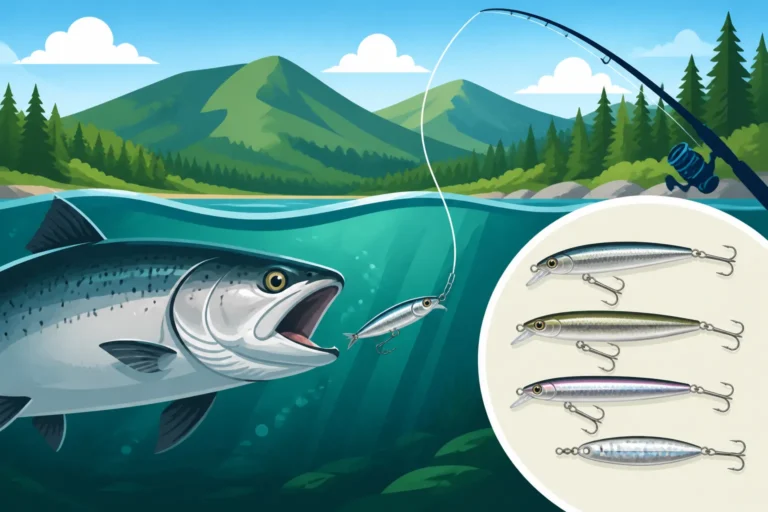
- Small Tackle Box or Fly Box: Keep your tackle minimal and organized. For fly anglers, a small fly box with a selection of dry flies, nymphs, and small streamers is usually sufficient. For spin anglers, a few small spinners, spoons, and soft plastics. When you're ready to fill it, a quick search on Amazon can show you countless options for flies, lures, and other terminal tackle.
- Forceps or Hemostats: These are crucial for quickly and safely removing hooks, especially when using barbless hooks and handling fish minimally.
- Polarized Sunglasses: A non-negotiable item! Polarized lenses cut through the glare on the water, allowing you to spot fish, read subtle currents, and identify potential hazards in the stream. Don't forget polarized sunglasses – a crucial piece of gear that you can easily pick up from Amazon to cut glare and spot those subtle wild trout lies.
- Landing Net: A small, soft, rubber-meshed landing net is ideal. It protects the fish's slime coat and scales, and helps you quickly land and release the fish with minimal stress.
- First-Aid Kit & Navigation: For remote wild trout forays, a basic first-aid kit and a reliable navigation tool (map, compass, or GPS device) are smart additions to your Best Tackle Box Setup for Vermont Anglers. Don't underestimate the potential for slips, scrapes, or getting disoriented in unfamiliar territory. Also, a trustworthy fishing vest or pack to carry your essentials. Amazon has a ton of options to browse, from minimalist chest packs to full-on backpack vests.
By respecting the wildness of Vermont's trout and supporting conservation efforts, we can all help ensure that future generations can continue to ask, and answer affirmatively, the question: Do trout reproduce naturally in Vermont streams?
Disclaimer
This article is for general informational purposes only and does not constitute professional advice. Laws, prices and regulations vary by location and change over time. Consult a qualified professional for guidance on your specific situation.