Where walleye get the biggest on Lake Champlain
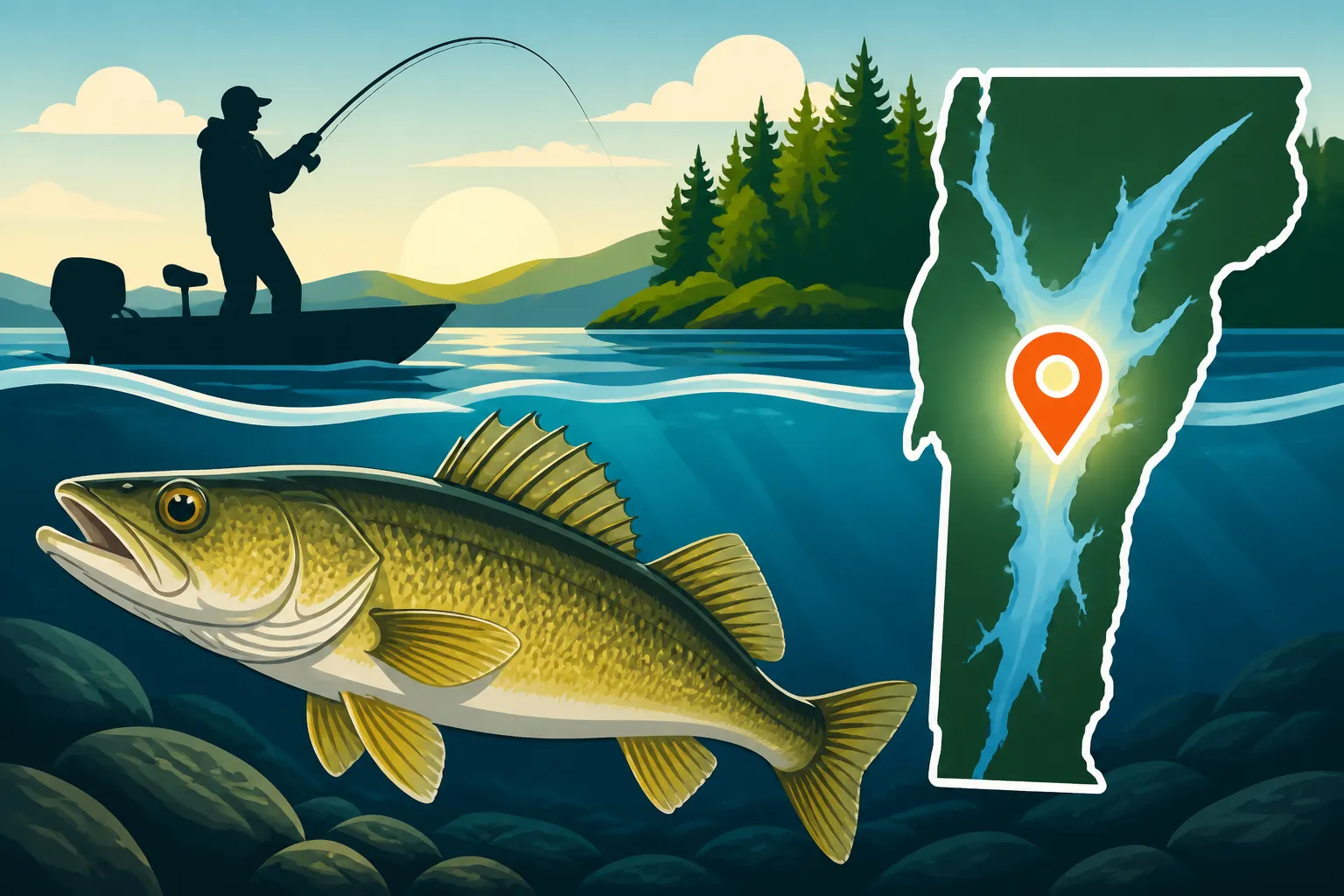
It's a dream many of us Vermonters share: pulling a truly giant walleye out of Lake Champlain. While smaller walleye are plentiful and provide fantastic action, it's those elusive, big-shouldered giants that really get the heart pumping. But finding where walleye grow to their biggest on Lake Champlain isn't always obvious; it takes understanding their habitat, their food sources, and their behavior. This guide is dedicated to helping you pinpoint those prime locations on our magnificent lake where the biggest walleye tend to thrive, offering insights into why certain spots produce larger fish and how you can increase your chances of landing one.
Understanding Walleye Growth Factors on Lake Champlain
Before we dive into specific locations, let's talk about why walleye get big in certain areas. It's not just luck; it's a combination of ecological factors that create the perfect environment for these fish to pack on the pounds and reach impressive sizes. Lake Champlain is a complex system, and understanding its nuances is key to finding those trophy fish.
Forage Richness and Water Quality
One of the primary drivers of walleye growth is an abundant and accessible food supply. Lake Champlain is renowned for its diverse forage base, including vast schools of baitfish like alewives, rainbow smelt, and various panfish. These smaller fish provide a high-protein diet that allows walleye to grow rapidly and maintain excellent health. Think of it like a kid in a candy store, except the candy is packed with nutrients! Areas of the lake that consistently hold large concentrations of these baitfish are natural magnets for larger walleye looking for an easy meal. Furthermore, excellent water quality—meaning good oxygen levels and healthy aquatic ecosystems—ensures that both the walleye and their food sources can thrive without undue stress, leading to more robust and longer-lived fish. A healthy environment just naturally leads to bigger fish.
Depth, Structure, and Thermal Refuges
Big walleye are smart walleye, and they often seek out specific types of habitat that offer them both protection and hunting advantages. Deep water structure, such as submerged humps, rock piles, ledges, and steep drop-offs, provides excellent ambush points and places to retreat from bright sunlight, which walleye generally dislike. These deeper zones also offer thermal refuges during the warmer summer months. As surface waters heat up, larger walleye, which are more sensitive to temperature fluctuations, will often move to deeper, cooler water where they can remain comfortable and metabolically efficient. Spots with a mix of these features – depth, varying bottom structure, and access to cooler water – create ideal year-round homes for bigger walleye, allowing them to conserve energy and grow without constant environmental stress. This is where your sonar becomes an invaluable tool, helping you "read" the bottom like a book. Many anglers find high-quality fish finders on Amazon to help them map these crucial underwater landscapes.
Age and Genetics of Lake Champlain Walleye
Like any species, individual walleye have different growth rates influenced by their genetics. However, consistently large walleye populations indicate that conditions are favorable for fish to reach old age, and older fish are almost always bigger fish. Lake Champlain's diverse habitats and robust management practices by the Vermont Fish & Wildlife Department help ensure that walleye have the opportunity to live long lives. Less fishing pressure in certain remote or harder-to-reach areas, combined with slot limits or specific harvest regulations, can also allow a greater number of walleye to survive long enough to become true giants. When a walleye reaches an impressive size, it often means it's been lucky, smart, and has spent years in a prime feeding ground with minimal disturbance. Walleye Spawning Season in Vermont is a critical time, and regulations help protect these fish during this vulnerable period, ensuring future generations of large walleye.
Prime Lake Champlain Locations for Trophy Walleye
Now that we understand why walleye get big, let's talk about where on Lake Champlain you're most likely to encounter those magnificent monsters. Lake Champlain is vast, stretching over 120 miles from north to south, and it's essential to narrow down your search.
The Vast Northern Reaches and Missisquoi Bay
When most seasoned walleye anglers on Lake Champlain talk about trophy fish, their minds often drift north. The northern end of Lake Champlain, particularly around Missisquoi Bay and the main lake areas leading into it, is legendary for producing some of the lake's biggest walleye. Why? This area combines several key factors: extensive shallow, fertile flats that warm up quickly in spring, abundant weeds that provide cover and hold baitfish, and proximity to the Missisquoi River, a major spawning tributary.
During the spring, after the ice recedes, the shallower waters of Missisquoi Bay become a crucial staging and feeding ground as walleye move towards their spawning areas in the river. Post-spawn, these fish disperse but often linger in the northern bays and main lake flats, gorging on newly hatched baitfish and larger forage. As summer progresses, while some walleye move deeper, many trophy fish will stay relatively shallow in these northern areas, particularly in low-light conditions or around heavy weed lines that offer cover and cool water near springs or deeper channels. Learning How to Catch Walleye on Lake Champlain often starts in these fertile northern waters.
Deep Water Structure in the Main Lake
While the northern bays are fantastic, don't overlook the main body of Lake Champlain, especially its deep water structure. Areas like "The Gut" between Grand Isle and North Hero, Button Bay, and various offshore humps, reefs, and ledges can hold incredibly large walleye, particularly during the summer and fall. These spots provide excellent holding areas for big fish that prefer cooler, more stable water temperatures and need deep cover to ambush prey.
Imagine a large, rocky hump rising from 80 feet of water to 30 feet. This kind of structure acts as a natural magnet for baitfish, which in turn attracts hungry walleye. These fish will often suspend over or near these structures, or they'll relate directly to the bottom in deeper crevices. It's often where you'll find the biggest, most aggressive fish that don't want to compete with smaller walleye in shallower, more crowded areas. Finding these subtle changes in depth and bottom composition requires a good understanding of your fish finder and patience, but the reward can be immense. For those looking for the ultimate challenge, exploring these deeper, less-fished structures can yield a true trophy. This is also where understanding How deep walleye go in summer on Lake Champlain becomes crucial.
Tributary Mouths and Transitional Zones
The mouths of rivers and large creeks that flow into Lake Champlain create dynamic transitional zones that are highly productive for walleye, especially during specific times of the year. Rivers like the Lamoille, Missisquoi, Winooski, and Otter Creek all contribute to Lake Champlain's rich ecosystem, and their confluence with the main lake often creates unique current breaks, sediment deposits, and concentrations of baitfish.
During spring, walleye stage heavily at these river mouths before and after their spawning runs. In the fall, as baitfish move into these areas seeking warmer water or shelter, walleye follow. These transitional zones offer a buffet for opportunistic predators, and the currents can help concentrate food. Look for areas where the river current meets the lake, creating eddies or current seams, as these are prime ambush points. The change in water clarity or temperature where river water mixes with lake water can also be a key indicator. Targeting these productive mixing zones can often lead to encounters with some of the lake's largest and most active walleye. It's truly one of the Best Fishing Lakes in Vermont for this reason.
Seasonal Strategies for Targeting Big Walleye
Catching a truly massive walleye on Lake Champlain isn't just about knowing where they live, but also when and how to fish for them. Walleye behavior shifts dramatically with the seasons, driven by spawning cycles, temperature preferences, and the availability of their favorite meals. Adapting your approach is paramount.
Spring Spawning Runs and Post-Spawn Recovery
Spring on Lake Champlain is an exciting time for walleye anglers, but also one that requires respect for the fish. After the ice melts, walleye stage near the mouths of their spawning rivers, like the Missisquoi. This is when they are often most concentrated, making them "easier" to find, though targeting them requires care to ensure the sustainability of the fishery. Once spawning is complete, typically by late April to early May, these fish are often exhausted but ravenously hungry. They'll drop back into the bays and main lake areas adjacent to the rivers, seeking easy meals to replenish their energy.
During this post-spawn period, look for large walleye in shallower bays and flats, often in 10-25 feet of water, especially where there's new weed growth or rocky structure. Trolling with crankbaits or casting jerkbaits can be highly effective. The walleye are aggressively feeding, so don't be shy about presenting larger baits. This is a fantastic window to catch a truly heavy walleye as they put on weight after the rigors of spawning. Remember to check Vermont Fishing Season Dates and Closures to ensure you're fishing legally and responsibly during this critical time.
Summer Deep Water Trolling and Jigging
As Lake Champlain warms up in the summer, those big walleye that weren't caught in the spring tend to retreat to deeper, cooler water. This is when the main lake basin and those deep-water structures we discussed earlier become prime territory. Trolling with specialized gear is often the most effective way to cover water and present baits to these suspended or bottom-hugging giants. Downriggers and leadcore line setups become indispensable for getting your baits down to the depths where the big walleye are holding, often 30-70 feet or even deeper.
Look for temperature breaks, distinct ledges, and deep humps. Walleye will often orient to these features. Large spoons, deep-diving crankbaits, and even live bait rigs can be incredibly effective. Pay close attention to your electronics; locating bait balls in deep water is often the key to finding the trophy walleye feeding beneath them. Best Trolling Gear for Lake Champlain Walleye can make a huge difference in your success here. If you're a fan of vertical jigging, hitting those specific deep structures with heavy jigs tipped with minnows or soft plastics can also trigger powerful strikes from big fish.
Fall Feeding Frenzy and Pre-Winter Prep
Fall on Lake Champlain offers another incredible opportunity for trophy walleye, arguably some of the best fishing of the year. As water temperatures begin to drop, walleye sense the approaching winter and embark on a furious feeding spree to pack on fat reserves. This "feeding frenzy" can last for weeks, often well into November, depending on the weather.
During the fall, walleye often become more active and less picky. They may move back into shallower areas during low light, especially around those river mouths and main lake points, but they'll also relate to deeper structures throughout the day. Trolling remains highly effective, but casting large jerkbaits or even live bait under floats can also produce results, especially if you find schools of baitfish. Many anglers swear by Best Techniques for Fall Walleye, which often involves targeting deeper rocky points and main lake humps where walleye stage to ambush migrating bait. The key is to find the bait, and the big walleye won't be far behind.
Gear and Tactics for Landing a Lake Champlain Giant
Catching a truly big walleye on Lake Champlain is often about more than just finding them; it's about having the right tools and knowing how to use them. These aren't your average panfish, and they require a robust approach.
Essential Rods, Reels, and Lines
For targeting trophy walleye, you'll want gear that can handle a powerful fish in potentially deep water. This means moving beyond light or medium-light setups.
- Rods: Look for medium-heavy to heavy power rods with a fast or extra-fast action. A rod around 7 to 8.5 feet is often ideal for trolling, allowing you to spread out lines and handle longer leads. For jigging, a sensitive 6'6" to 7' medium-heavy spinning or baitcasting rod will give you the feel you need. You can often find great deals on these specialized rods on Amazon.
- Reels: For trolling, robust baitcasting reels with a good line capacity and a smooth, strong drag are crucial. Level wind features are a bonus. For jigging or casting, high-quality spinning reels in the 2500-4000 series are suitable, known for their smooth drag systems.
- Line: Braid is almost a must for walleye, especially when fishing deep. It offers superior sensitivity and minimal stretch, which is vital for feeling subtle bites in deep water and getting solid hooksets. Use 15-30 lb braided line, often with a 10-20 lb fluorocarbon leader for abrasion resistance and invisibility. Many anglers consider a good Fluorocarbon Line for Clear Lake Water essential.
Best Lures and Baits for Trophy Walleye
The biggest walleye are often looking for a substantial meal, so don't be afraid to go big with your presentations.
- Crankbaits: Deep-diving crankbaits that can reach the walleye's depth zone are paramount for trolling. Colors vary, but natural baitfish patterns, perch, and bright, high-contrast colors (like firetiger or chartreuse) are often reliable. Brands like Rapala, Reef Runner, and Berkley all make excellent options. Best Lures for Walleye Trolling on Lake Champlain will give you more specific ideas.
- Spoons: Large trolling spoons, particularly those with a fluttering action, are incredibly effective in deeper water, especially when walleye are keying on smelt. Silver, blue/silver, and chartreuse patterns are good starting points.
- Jigs: Heavy jigs (1/2 oz to 1 oz+) tipped with soft plastics (paddle tails, curly tails) or live minnows are deadly for vertical jigging structure. Snap jigging can trigger reactionary strikes.
- Live Bait: Minnows (especially larger shiners or chubs) are often irresistible to big walleye. Fishing them on a bottom bouncer or a slip bobber over structure can be incredibly effective, especially when fish are finicky.
Mastering Electronics and Boat Control
In the vastness of Lake Champlain, your electronics are your eyes underwater. A quality fish finder with good sonar and GPS capabilities is not just a luxury; it's a necessity for consistently finding big walleye.
- Fish Finder/Sonar: Learn to interpret your screen to identify bait balls, individual large fish (often appearing as thick, distinct arches), and crucial bottom structure like humps, drop-offs, and rock piles. Side imaging and down imaging can reveal hidden structure that traditional 2D sonar might miss. Many anglers consult reviews on Amazon before investing in new fish finders. Best sonar settings for finding structure on Lake Champlain can significantly improve your success.
- GPS and Mapping: Mark productive waypoints – not just where you caught a fish, but where you saw big fish or significant bait. Use detailed lake mapping to identify potential structure before you even get there.
- Boat Control: Precision boat control is vital, especially when trolling or jigging specific structures. Maintaining a consistent speed and precise boat path, even in wind or current, ensures your lures are presented effectively. An electric trolling motor with GPS Spot-Lock features can be a game-changer for holding position over a promising spot, allowing you to focus on fishing rather than constantly steering. This can be especially important when targeting specific areas for Lake Champlain Walleye Fishing.
Catching a truly immense walleye from Lake Champlain is a memorable experience that often requires persistence, knowledge, and the right approach. By understanding their habitat preferences, seasonal movements, and arming yourself with the appropriate gear and tactics, you'll significantly increase your odds of reeling in one of Vermont's magnificent freshwater giants. Tight lines!
Disclaimer
This article is for general informational purposes only and does not constitute professional advice. Laws, prices and regulations vary by location and change over time. Consult a qualified professional for guidance on your specific situation.