Northern Pike Waters in Vermont
The search for northern pike in Vermont can sometimes feel like chasing a ghost, especially if you're hitting the wrong spots or using inadequate gear. Anglers often get frustrated trying to pinpoint these elusive, toothy predators, ending up with nothing but tales of "the one that got away" or just quiet days on the water. This guide is here to cut through that frustration, revealing the prime northern pike waters across Vermont and offering insights into how to successfully land these freshwater sharks.
Understanding Northern Pike in Vermont
Northern pike are truly fascinating fish, renowned for their aggressive strikes and powerful fights. In Vermont, they represent a thrilling challenge for anglers, offering the chance to catch a substantial fish that can make your reel sing. They are a native species, perfectly adapted to many of our varied aquatic environments, from vast lakes to meandering river systems. Their presence adds an exciting predatory dimension to our fisheries, but understanding their habits and preferred habitats is key to finding them.
Pike Biology and Behavior in Vermont
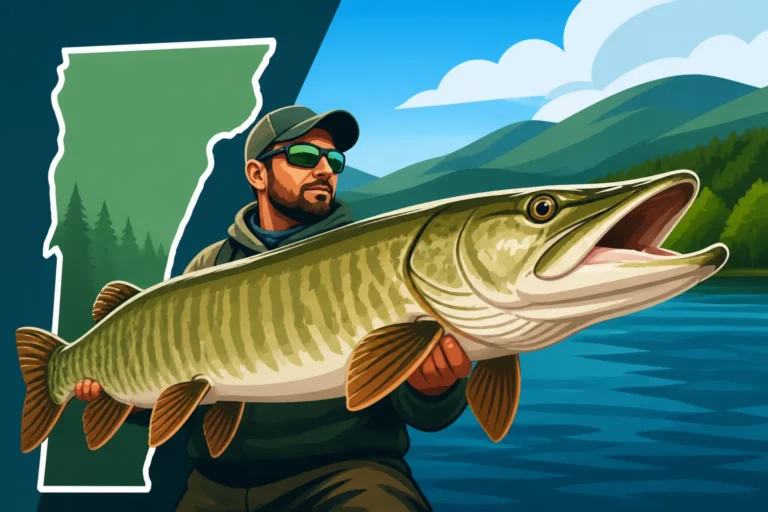
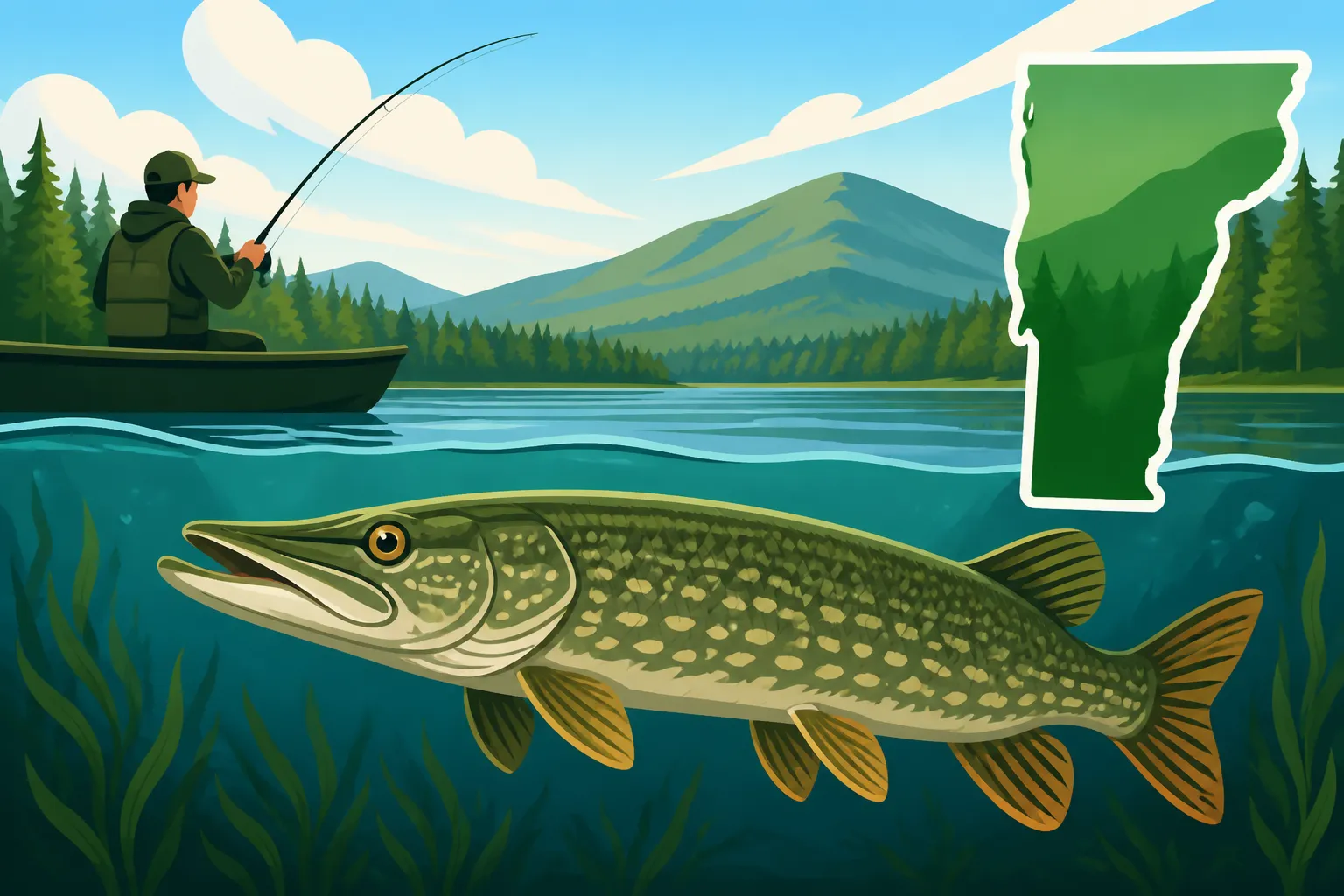
Northern pike, often called "water wolves," are ambush predators. This means they spend a good deal of their time lurking in submerged vegetation, under logs, or along sharp drop-offs, waiting for an unsuspecting baitfish or smaller panfish to swim by. Their elongated bodies, dorsal fin set far back, and large, duckbill-shaped mouth full of razor-sharp teeth are all perfectly designed for this explosive hunting style. They grow quite large in Vermont, with many fish reaching over 30 inches, and trophy-sized specimens pushing the 40-inch mark. Their diet is varied but heavily relies on abundant forage like yellow perch, suckers, and even smaller bass. They are opportunistic eaters, however, and won't hesitate to strike at frogs, ducks, or even mice if the opportunity arises.
Their behavior is heavily influenced by water temperature and light conditions. In warmer months, they tend to be more active during dawn and dusk, or on overcast days, as these conditions offer better ambush opportunities. As waters cool in the fall, they enter a "feeding frenzy" phase, aggressively putting on weight for the lean winter months. During ice fishing season, while their metabolism slows, they remain active, cruising under the ice in search of meals. Understanding these patterns is crucial for consistent success. Pike are often found alongside other cool-water predators like walleye and even muskellunge in certain bodies of water, which points to a shared preference for similar forage and habitat structure.
Why Vermont's Waters are Perfect for Pike
Vermont is blessed with a diverse array of water bodies that provide ideal conditions for northern pike to thrive. The key factors that make a water body a prime pike habitat include ample shallow, weedy areas, a good supply of forage fish, and relatively cool, well-oxygenated water. Many of our larger lakes, such as Lake Champlain, boast expansive weed flats and shallow bays that serve as perfect nurseries and hunting grounds for pike. These dense weed beds offer excellent cover for pike to hide and ambush their prey, as well as protection from larger predators.
Beyond the aquatic vegetation, many Vermont lakes and rivers feature plenty of underwater structure like submerged timber, rock piles, and distinct depth changes where pike can relate. The cold, oxygen-rich waters of Vermont's winters also allow pike to remain active under the ice, unlike some other fish species that become much more lethargic. The interconnectedness of some river systems with larger lakes also provides migration corridors for pike, expanding their available habitat and genetic diversity. Vermont’s fisheries management, including regulations like Vermont Northern Pike Limit, helps ensure a healthy and sustainable pike population.
Premier Northern Pike Destinations: Lake Champlain
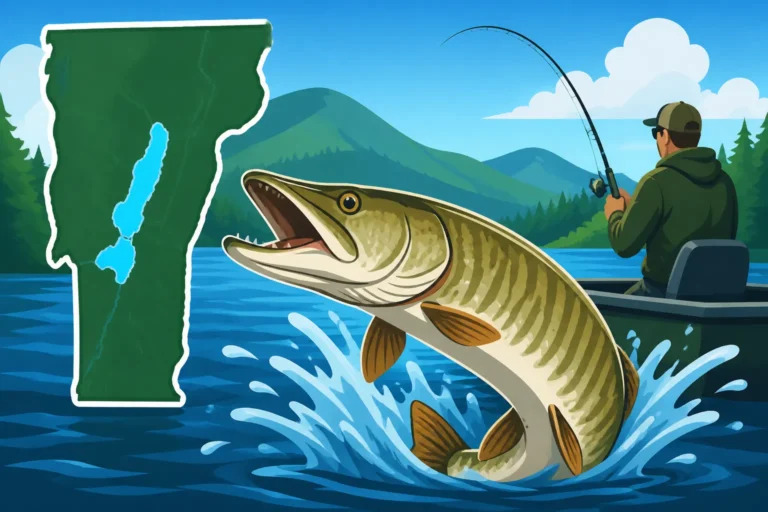
When you talk about northern pike in Vermont, you simply cannot avoid mentioning Lake Champlain. This massive, sprawling lake, shared with New York, is arguably the finest pike fishery in the state, if not one of the best in the entire Northeast. Its sheer size, diverse habitat, and abundant forage create an environment where pike not only survive but truly flourish, growing to impressive sizes.
Key Pike Hotspots on Lake Champlain
Lake Champlain offers a multitude of hotspots, but some areas consistently stand out for northern pike. The shallow, heavily vegetated bays are usually prime targets. Missisquoi Bay, located at the northern end of the lake, is a renowned pike factory. Its vast weed flats, marshy shorelines, and numerous inlets provide perfect ambush cover. Anglers often find success here casting large spoons, spinnerbaits, or even fly fishing with massive streamers. Further south, Malletts Bay is another excellent choice, with its varied depths, numerous points, and submerged structure providing ample hiding spots for pike. Don't overlook the mouths of tributaries flowing into Champlain, as pike will congregate there, especially during spring spawning runs and to ambush baitfish.
The southern end of Lake Champlain, often characterized by shallower, warmer waters and extensive weed growth, can also be incredibly productive. Areas around the Ticonderoga ferry and south into the narrower sections of the lake hold substantial populations. When ice fishing, many of these bays become accessible, drawing crowds of anglers with tip-ups hoping to flag a monster pike. For a broader understanding of fishing opportunities here, check out our Lake Champlain Fishing Guide.
Techniques for Targeting Pike on Champlain
Successfully targeting pike on Lake Champlain requires a combination of patience and aggressive tactics. For casting, large spoons are perennial favorites – think bright colors or classic silver/gold. Spinnerbaits with big blades, swimbaits, and oversized crankbaits are also excellent choices, especially when retrieved near weed edges or over submerged structure. Remember, pike have keen eyesight and are attracted to flash and vibration. When fishing thicker cover, a weedless spoon or a jig with a large plastic trailer can be highly effective at preventing snags while still presenting an enticing meal.
Trolling is another highly effective method on Lake Champlain, especially when covering large areas or searching for fish. Using large crankbaits that dive to different depths can help you locate active fish. During the winter, ice fishing for pike is extremely popular. Tip-ups rigged with live or dead bait (like large shiners or smelt) are the preferred method. Spreading several tip-ups across a weed flat or along a drop-off increases your chances. Don't forget that handling these toothy creatures requires specific tools, which we’ll discuss later, but having a large landing net readily available is a must.
Other Notable Lakes and Ponds for Pike
While Lake Champlain often steals the spotlight, Vermont is home to a host of other lakes and ponds that offer fantastic northern pike fishing. These smaller, often quieter waters can provide excellent opportunities for anglers looking for a different experience, or those closer to other regions of the state. Many of these waters share characteristics with Champlain's prime areas, offering the necessary habitat for pike to thrive.
Northern Vermont Lakes
Beyond Lake Champlain, the Northeast Kingdom boasts some beautiful waters that hold northern pike. Lake Memphremagog, straddling the Canadian border, is best known for its muskellunge and landlocked salmon, but its shallower bays and weed lines also hold good numbers of pike. Pike here can grow quite large, capitalizing on the abundant forage base. Anglers often target these pike in the spring and fall in areas away from the deeper, colder parts of the lake. For those interested in its larger predatory residents, read our guide on Muskellunge Fishing on Lake Memphremagog.
Other northern waters, such as Lake Willoughby, while famous for its deep, clear waters and trophy salmon and lake trout, also has shallower, weedy sections that can hold pike, particularly in its northern basin. These areas require a slightly different approach than the deep-water trolling typically associated with Willoughby, focusing more on casting or slower retrieves near structure. Even smaller ponds in the region with good weed growth and baitfish populations can surprise you with a nice pike.
Central and Southern Vermont Waters
Moving into central and southern Vermont, there are several more excellent pike waters. Lake Bomoseen, Vermont's second-largest lake entirely within the state, is a fantastic multi-species fishery, and northern pike are definitely among its prized residents. Its many coves, extensive weed beds, and varied shoreline provide ample habitat. Pike here are often found relating to these weed lines and rocky points, especially during warmer months.
Lake St. Catherine is another southern gem with a strong pike population. Like Bomoseen, it features ample shallow, fertile water with dense vegetation, making it ideal pike territory. Waterbury Reservoir, while known for its impressive smallmouth bass and trout, also holds a respectable population of northern pike, particularly in its shallower arms and submerged timber areas. Many smaller, unnamed ponds and flowages across the state, especially those with good fertility and cover, can also offer surprisingly good pike fishing. These are often the "secret spots" that locals cherish, so exploring maps and talking to bait shops can yield great results. When considering fish found in smaller, weedier waters, it's helpful to understand Chain Pickerel Habits in Vermont Ponds as they often share similar characteristics and habitats with pike.
River Systems and Backwaters
While lakes and ponds are often the first places anglers think of for northern pike, Vermont's intricate river systems and their associated backwaters offer equally exciting, and sometimes less pressured, opportunities. Pike thrive in slower-moving sections of rivers, oxbows, and marshy floodplains where they can find sanctuary and ample ambush points. These environments often mirror the weedy, shallow characteristics they prefer in lakes.
Connecticut River Pike Opportunities
The mighty Connecticut River, forming Vermont's eastern border, is a fantastic, often overlooked, pike fishery. While parts of the river are fast-flowing, there are numerous slower-moving sections, oxbows, and backwater areas that provide ideal pike habitat. These areas are usually rich in aquatic vegetation and provide perfect ambush cover. Pike in the Connecticut often relate to current breaks, fallen trees, and the mouths of smaller tributaries that feed into the main river. Anglers targeting pike here might use heavier gear than usual to contend with potential current, but the rewards can be significant.
Access to the Connecticut River is generally good, with various boat launches and shore fishing opportunities along its length. Early spring and late fall can be particularly productive as pike move into these areas to spawn or feed aggressively. During these times, casting large spinnerbaits or slowly retrieving big swimbaits through submerged structure and weed edges can be highly effective. The river’s complex ecosystem means you might also encounter other species, but with the right approach, pike are definitely within reach.
Smaller River Systems and Flowages
Beyond the Connecticut, several other Vermont river systems hold viable northern pike populations. The lower stretches of the Missisquoi River, particularly where it widens and slows down before entering Lake Champlain, offer excellent pike fishing. The extensive marshes and backwaters around Missisquoi Bay are essentially an extension of this river system and are prime pike territory. Similarly, the lower sections of the Lamoille River and the Winooski River, especially where they form wider pools or oxbows, can also be productive.
These smaller river systems often benefit from seasonal flows and can change considerably throughout the year. High water in spring might spread pike into floodplains, creating temporary but highly productive fishing grounds. As water levels drop, pike will consolidate into main river channels, deeper holes, and persistent backwater ponds. Kayaks and canoes are excellent for exploring these areas, allowing anglers to access remote stretches that larger boats cannot. Look for areas with abundant lily pads, cattails, and submerged woody debris – classic pike hangouts.
Seasonal Strategies for Pike Success
Northern pike are active year-round in Vermont, but their behavior and location change significantly with the seasons. Understanding these seasonal shifts is paramount to consistent success. What works in spring won't necessarily work in late summer, and certainly not through the ice. Adapting your approach to the fish's current patterns will dramatically increase your chances of landing a trophy.
Spring and Early Summer Pike Fishing
Spring is a fantastic time to target northern pike in Vermont. As the ice melts and water temperatures begin to rise, pike move into shallow, vegetated areas to spawn. This typically occurs shortly after ice-out, often in late March or April, depending on the specific water body. After spawning, which can be exhausting for them, pike remain in these shallow areas for a recovery period, feeding aggressively to regain energy. During this post-spawn phase, they are often incredibly accessible and willing to strike. Look for them in shallow bays, marshy inlets, and the mouths of feeder creeks where the water warms up fastest.
Early summer sees pike transitioning from the immediate post-spawn shallows to slightly deeper weed edges and submerged structure as water temperatures continue to climb. They will still utilize cover extensively, but might not be right up against the bank. This is a great time for casting large spoons, spinnerbaits, and topwater lures in low light conditions. As the sun gets higher and the water gets warmer, they might retreat to slightly deeper water, holding tightly to the densest cover. This phase is about finding the right balance between active feeding and seeking refuge from the heat.
Late Summer and Fall Pike Fishing
As late summer progresses and water temperatures hit their peak, pike can become a bit more lethargic during the brightest parts of the day. They'll often seek out deeper, cooler water, or hold tight to the thickest, shadiest cover available. Targeting them during this period might require fishing earlier in the morning, later in the evening, or on overcast days. Trolling deep-diving crankbaits or fishing soft plastics along drop-offs and main lake points can be effective for locating these deeper fish. Consider how other species like bass react to temperature changes when planning your trips; for instance, understanding "cold front fishing tactics for Vermont bass" might offer some transferable insights.
Fall, however, brings a resurgence of activity, often referred to as the "fall feeding frenzy." As water temperatures cool down, pike become incredibly active, feeding aggressively to build up fat reserves for the winter. They'll move back into shallower bays and weed lines, often in predictable patterns. This is arguably one of the best times of year for big pike. Large jerkbaits, swimbaits, and oversized spoons retrieved erratically can trigger explosive strikes. Fishing during the fall can be very rewarding, offering not only great action but also the chance at a truly trophy-sized fish.
Ice Fishing for Northern Pike
Vermont's long winters make ice fishing for northern pike a cherished tradition for many anglers. Pike remain active under the ice, cruising vast areas in search of food. The key to ice fishing success for pike often involves covering water and presenting the right bait. Tip-ups are the most popular method, allowing anglers to spread out multiple lines (within legal limits) across a suspected pike haunt. Large live minnows (shiners, suckers) or dead bait (smelt) are rigged on treble hooks or quick-strike rigs and suspended at various depths, often just above the weed tops or along drop-offs.
Drilling multiple holes and moving tip-ups can help locate active fish. Pike tend to hit baits on tip-ups with a powerful run, so having good flag visibility and quick reaction times are essential. Jigging with large spoons or swimbaits through the ice can also entice strikes, especially if you're marking fish on a sonar unit. Essential gear like ice shanties and augers make the experience more comfortable. For those eager to try this winter pursuit, our guide on Ice Fishing in Vermont offers comprehensive advice.
Essential Gear and Tackle for Vermont Pike
When it comes to northern pike, using the right gear isn't just about maximizing your chances of a catch; it's also about ensuring safety for both you and the fish. Pike have incredibly sharp teeth and can put up a serious fight, so having robust tackle and specific tools is non-negotiable. Don't show up with ultralight trout gear, or you'll likely end up with broken lines and a story of "the one that got away" that was probably bigger than you imagine.
Rods, Reels, and Line for Pike
For northern pike in Vermont, you'll want a heavy-duty setup.
Rods: Look for a medium-heavy to heavy power spinning or baitcasting rod, typically in the 6'6" to 7'6" range. This provides the backbone needed to cast large lures, set hooks into tough mouths, and battle powerful fish. A fast action tip is usually preferred for sensitivity and quick hooksets. Brands often have specific lines of "pike rods" that fit the bill perfectly, and you can find a great selection on Amazon.
Reels: Pair your heavy rod with a robust spinning reel (size 3000-5000) or a sturdy baitcasting reel. Ensure it has a smooth, strong drag system, as pike will make powerful runs. The reel's capacity should allow for plenty of line, as pike can strip line quickly.
Line: Braided line is almost always the preferred choice for pike. Its lack of stretch provides excellent sensitivity, and its high breaking strength (often 30-50 lb test) can handle the powerful surges of a big pike. Because pike have razor-sharp teeth, a wire leader is absolutely essential. A 9-12 inch steel or fluorocarbon-coated wire leader, rated for at least 30 lbs, will prevent bite-offs. Without it, you’re almost guaranteed to lose fish and expensive lures. Understanding specific line choices, like Best Line Weight for Muskellunge Fishing, can be helpful as similar principles apply to pike.
Top Lures and Baits for Northern Pike
Pike are opportunistic and aggressive, so a variety of lures and baits can be effective.
Spoons: Classic metal spoons, both wobbling and weedless varieties, are pike magnets. Colors like silver, gold, red/white, or chartreuse are popular. The flash and erratic action mimic an injured baitfish.
Spinnerbaits: Large spinnerbaits with big blades (Colorado or Willow Leaf) create a lot of vibration and flash, which pike find irresistible, especially when retrieved through weed beds.
Crankbaits: Medium to large crankbaits, especially those with rattles and diving lips that can reach different depths, are excellent for both casting and trolling. Firetiger, perch, or chrome/blue patterns are often productive.
Swimbaits: Realistic soft plastic swimbaits, especially those imitating perch or shiners, can be incredibly effective when retrieved steadily or with a stop-and-go action.
Jerkbaits: Long, slender jerkbaits that suspend or slowly sink can be deadly when fished with a twitch-pause retrieve, mimicking a struggling baitfish.
Live Bait/Dead Bait: For ice fishing or still-fishing, large live shiners, suckers, or dead baitfish like smelt are incredibly effective. Present them on a quick-strike rig or a large treble hook. You can often find specialized pike bait rigs and leaders on Amazon.
Crucial Accessories for Pike Anglers
Beyond rods, reels, and lures, a few essential accessories will make your pike fishing experience safer and more enjoyable.
Landing Net: A large, sturdy landing net with rubberized mesh is critical for safely landing and handling pike. It protects both the fish and your hands from those sharp teeth. A net designed for muskellunge, such as those recommended in Best Landing Net for Muskellunge, would be perfectly suitable for large pike.
Long-Nose Pliers or Jaw Spreaders: These are absolutely indispensable for removing hooks from a pike's mouth without getting your fingers dangerously close to their teeth. Long-nose pliers are great for smaller hooks, but jaw spreaders can be invaluable for larger, deeply hooked fish, keeping their mouth open wide.
Braid Scissors or Clippers: Cutting heavy braided line cleanly requires sharp scissors or clippers.
Fish Grips: A fish grip tool can help you securely hold a pike for photos or hook removal without harming the fish or risking injury to yourself.
Measuring Tape and Scale: If you're interested in measuring your catch or hoping to record a personal best, these are a must-have.
First Aid Kit: Accidents happen, and a basic first aid kit with bandages and antiseptic is always a good idea, especially when dealing with sharp hooks and toothy fish. Having everything organized in a tackle bag or box from a reliable brand (like those available on Amazon) can make a big difference.
Disclaimer
This article is for general informational purposes only and does not constitute professional advice. Laws, prices and regulations vary by location and change over time. Consult a qualified professional for guidance on your specific situation.