Black Crappie in Vermont Waters
You know, sometimes when folks talk about fishing in Vermont, their minds immediately jump to big lake trout, feisty smallmouth bass, or the elusive brook trout in a clear mountain stream. But there's a whole other world of fun, and a truly delicious fish, that often gets overlooked: the humble, yet incredibly rewarding, black crappie. It can be frustrating trying to find good information on these panfish, especially when you're used to chasing bigger game, but this guide is here to shed light on exactly where and how to find these speckled beauties in Vermont's waters.
Understanding Black Crappie in Vermont
Black crappie, or Pomoxis nigromaculatus, are a fantastic freshwater fish that often get overshadowed by their larger, more glamorous counterparts. However, for many anglers, especially those looking for consistent action and a tasty meal, crappie hold a special place. They're part of the sunfish family, but they grow larger than most traditional "panfish" like bluegills or pumpkinseeds, offering a bit more fight and a more substantial fillet. In Vermont, they might not be as widespread as perch, but where they exist, they can offer some truly exceptional fishing opportunities.
Crappie's Appeal to Anglers
What makes crappie such a draw? Well, for starters, their willingness to bite can be incredible. Once you locate a school, it's not uncommon to pull in fish after fish, making for an exciting day on the water, especially for kids or beginners. This makes them a perfect target for family outings, fostering a love for fishing in younger generations. Plus, they're renowned for their delicate, flaky white meat, making them one of the best-eating freshwater fish out there. Many folks consider them a real culinary treat after a successful day on the lake.
Beyond the sheer numbers and great taste, crappie also present a fun challenge. They can be finicky, especially in clear water or during certain times of the year, forcing anglers to really hone their techniques and try different presentations. Finding those schools can feel like solving a puzzle, which adds a layer of satisfaction when you finally crack the code. It’s a rewarding pursuit that combines patience, skill, and the promise of a delightful dinner.
Distinguishing Black Crappie from Other Panfish
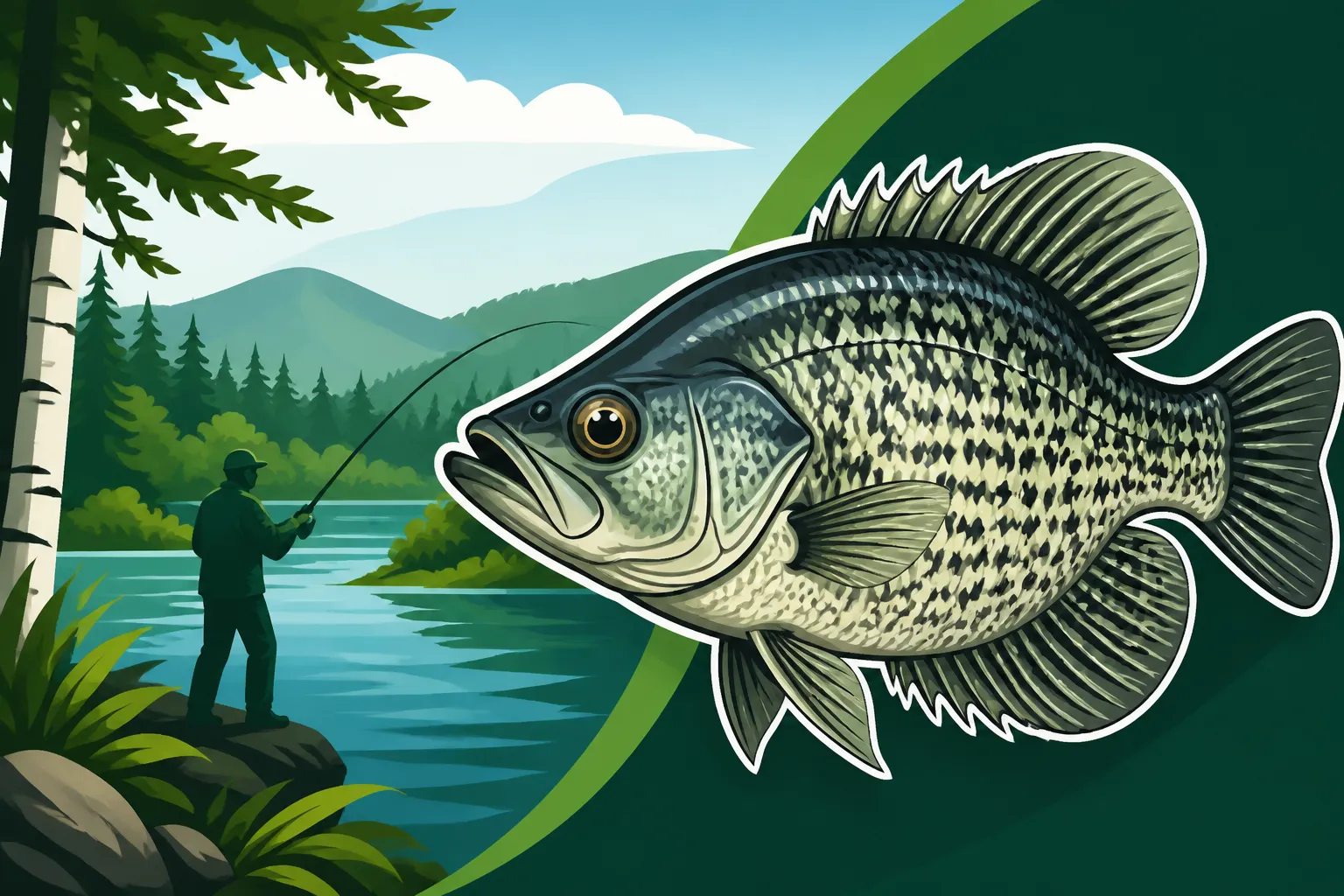
It's easy to confuse crappie with other panfish, especially when they're small, but there are some key differences that help identify the black crappie specifically. The most obvious characteristic is their dark, irregular blotches or spots scattered across their silvery-green bodies, which look almost like someone took a paintbrush and dappled them with dark paint. This is distinct from the more organized vertical bars you might see on white crappie (though white crappie are far less common in Vermont).
Another telling feature is the dorsal fin. Black crappie typically have 7 or 8 dorsal spines, whereas white crappie usually have 6. While counting spines might seem a bit extreme in the moment, it's a definitive way to tell them apart. Their body shape is also generally more rounded and disc-like compared to the more elongated perch, and they have a relatively large mouth. Learning these distinctions can not only help you identify your catch but also understand their habits better, as different species can prefer different environments or forage. For more on distinguishing different species, check out our Panfish Species Identification Guide for Vermont.
Crappie's Natural Habitat in Vermont
Black crappie tend to favor clear, calm waters with plenty of submerged vegetation, brush piles, fallen trees, and other forms of cover. These areas provide excellent ambush points for their prey, which largely consists of smaller baitfish and aquatic insects. In Vermont, this often means they're found in the shallower, warmer coves and bays of larger lakes, as well as in some of the state's smaller, nutrient-rich ponds. They prefer areas with a soft bottom where they can find structure and shelter.
Unlike some fish that prefer colder, fast-moving rivers, crappie thrive in slower, more stable environments. They're often associated with fertile waters that support a robust population of their primary forage, like minnows and young-of-the-year perch. While they are present in Vermont, they aren't quite as ubiquitous as yellow perch, and finding those key crappie strongholds is often the biggest challenge for anglers. They are an introduced species in many parts of the state, but they've established self-sustaining populations in several excellent fisheries.
Where to Find Black Crappie in Vermont Waters
So, you're convinced crappie are worth chasing, but where do you even start looking in Vermont? The key is to focus on specific types of water bodies and then narrow down your search within those areas to find the habitat they love. They aren't everywhere, but where they are, they can be abundant.
Prime Lake and Pond Locations
When it comes to lakes and ponds, think shallow, weedy, and structured. Large lakes like Lake Champlain, especially its southern bays and shallower sections, can hold excellent populations. Areas like Missisquoi Bay or the southern end near the Poultney River mouth are often good bets, offering extensive weed beds and slower currents. Look for areas with lily pads, submerged timber, or docks – anything that provides shade and cover.
Beyond Lake Champlain, smaller lakes and ponds across the state can also be crappie havens. Lake Bomoseen is a well-known crappie hotspot, with plenty of diverse structure, from shallow weed lines to deeper brush piles. Lake St. Catherine is another excellent option, offering similar characteristics. Smaller ponds throughout the Champlain Valley and even in some central Vermont regions can surprise you with healthy crappie populations, especially those with good fertility and aquatic vegetation. Sometimes, the best spots are the lesser-known local ponds where crappie have been quietly thriving for years. Check out our Best Fishing Lakes in Vermont guide for more inspiration on where to start.
River Systems with Crappie Potential
While crappie generally prefer lakes, some slower-moving river sections and their oxbows or backwaters can also hold them. The Connecticut River, particularly its calmer coves and floodplains, can be productive. Look for areas where the main current slows down significantly, allowing vegetation to establish, or where tributaries feed in, creating eddies and nutrient-rich zones. The slower stretches of rivers like the Lamoille River or Otter Creek could also potentially hold crappie, especially in their lower reaches closer to Lake Champlain, where they encounter less current.
The key in rivers is to avoid strong currents and focus on areas that mimic their preferred stillwater habitats. Think about where you'd expect to find largemouth bass – crappie often share similar preferences for cover and slower water in river environments. These riverine crappie often hold tighter to structure, making them a bit more challenging to pinpoint, but equally rewarding when you do.
Seasonal Movements and Key Structures
Crappie movements are highly dictated by water temperature and spawning cycles. In spring, as water temperatures rise into the 50s and low 60s, crappie move into very shallow water for spawning. Look for them in less than 5 feet of water, often around submerged brush, cattails, or lily pad stems in protected coves. This is an excellent time for shore anglers or those in kayaks, as the fish are very accessible.
As summer progresses, crappie will often retreat to deeper, cooler water, though they'll still relate heavily to structure. They might suspend over brush piles in 10-20 feet of water during the day, moving shallower at dawn and dusk to feed. Look for them on drop-offs, around submerged humps, or near docks and fallen trees that extend into deeper water. In fall, as water temperatures begin to drop, crappie will school up more tightly and move to deeper main lake basins, often relating to baitfish concentrations. This can be a fantastic time for jigging or slow trolling. Finally, during winter ice fishing season, crappie are found in deeper basins, often suspending in the middle of the water column over the deepest parts of a lake. They might move up and down in the water column depending on the time of day or light conditions. For specific ice fishing insights, our Ice Fishing in Vermont guide can be really helpful.
Best Times and Techniques for Catching Crappie
Crappie fishing isn't overly complicated, but like any species, understanding their behavior and matching your techniques to the conditions will dramatically improve your success rate. These fish are generally active feeders, which makes them a blast to target once you get the hang of it.
Seasonal Strategies: Spring, Summer, Fall, Winter
Spring: This is prime time for crappie, especially during their pre-spawn and spawn. As water temperatures hit the mid-40s to low 50s, crappie will start staging in slightly deeper water (8-15 feet) near their eventual spawning grounds. Small jigs or minnows fished slowly are deadly. When the water warms to the mid-50s into the low 60s, they'll move into very shallow cover. Cast small jigs or suspend minnows under a bobber right into the thick stuff. Often, fishing from shore or using a kayak can get you into these skinny water hotspots.
Summer: Crappie disperse more in the summer and will seek deeper, cooler water, often suspending over structure during the brightest parts of the day. This is a great time for slow trolling with small crankbaits or jigs, or vertically jigging over known brush piles. Dawn and dusk are still key feeding windows when they might move shallower to chase bait. Look for them near boat docks, under bridges, or over submerged timber.
Fall: As the air cools and days shorten, crappie begin to school up again and become more active. They'll follow baitfish into deeper pockets and along structure. Fishing deep weed edges, rock piles, or channel bends can be highly productive. Vertical jigging, especially with small spoons or blade baits, can elicit strikes from these tightly packed schools. This often mirrors some of the best times to find other panfish before the ice sets in.
Winter (Ice Fishing): Crappie are a fantastic ice fishing target. They tend to suspend in schools in the deeper sections of lakes, often over the original summer haunts like deep brush piles or submerged humps. Small jigs tipped with a grub or a wax worm are irresistible. Vary your depth until you find the school, as they can suspend anywhere from a few feet under the ice to just off the bottom. A good fish finder (available on Amazon, for example, if you're looking for portable models) can be incredibly helpful for locating these suspended schools under the ice. Our guide on Ice Fishing in Vermont offers more in-depth strategies.
Essential Crappie Fishing Lures and Baits
Crappie aren't picky when they're feeding, but they do have preferences for size and presentation. Small is usually the name of the game.
- Jigs: This is probably the most versatile crappie lure. Think 1/32 to 1/16 ounce jigs, often dressed with small plastic bodies like grub tails, tubes, or small minnow imitators. Colors like chartreuse, white, black, and pink are perennial favorites. You can find a huge variety of these tiny jigs and soft plastics on Amazon, making it easy to experiment.
- Live Minnows: A small live minnow, hooked lightly through the lip or back and suspended under a bobber, is often a crappie's downfall. This is especially effective in cooler water or when crappie are finicky.
- Small Spoons: Tiny Kastmaster-style spoons or other jigging spoons can be effective, especially for ice fishing or when crappie are deep.
- Crankbaits: Ultra-light crankbaits, often used for trout, can be deadly when trolled slowly for suspended crappie in open water. Look for baits that dive to the depth where you're marking fish.
- Grubs/Worms: Tipping your jig with a tiny piece of worm, a wax worm, or a mealworm can add scent and appeal, particularly in colder water or when fish are less aggressive.
Fishing Methods: Jigging, Trolling, and Bobber Fishing
Jigging: This is arguably the most common and effective method for crappie. Whether it's casting a small jig to structure, vertically jigging over a brush pile, or jigging through the ice, the technique is similar: cast out, let it sink to your desired depth, and impart subtle movements. A slow retrieve with pauses, or short lifts and drops, is usually best. Crappie often strike on the fall, so pay close attention to your line.
Trolling: When crappie are scattered or suspended in open water, slow trolling can be incredibly effective. Use multiple rods with small crankbaits or jigs at different depths until you find where the fish are holding. This method allows you to cover a lot of water and locate schools more quickly. Small electric trolling motors are perfect for maintaining the slow speeds crappie often prefer.
Bobber Fishing: This classic method is perfect for targeting crappie in shallow cover, especially during the spring spawn. Simply suspend a live minnow or a small jig a few feet under a bobber. Cast it near brush, lily pads, or docks and let it sit. The bobber acts as a visual strike indicator, making it easy to see even the slightest bite, and it's particularly fun for younger anglers. It's a relaxed way to fish that often yields big results.
Essential Gear for Vermont Crappie Fishing
You don't need a boatload of specialized gear to catch crappie, but having the right tools for the job will certainly make your experience more enjoyable and successful. Simplicity and finesse are often more important than heavy-duty equipment.
Rod, Reel, and Line Selection
For crappie, light tackle is the way to go.
- Rod: An ultralight or light action spinning rod, typically 5 to 7 feet long, is ideal. This softer action allows you to cast those tiny jigs and baits effectively, absorb the shock of a crappie's delicate mouth, and maximize the fight of even a modest-sized fish. A good quality ultralight rod can be found at various sporting goods stores or easily ordered from Amazon.
- Reel: Pair your ultralight rod with a small spinning reel (500 or 1000 size). These reels are lightweight and designed for lighter lines, balancing well with an ultralight rod.
- Line: Opt for light monofilament or fluorocarbon line, generally 2 to 6 lb test. Monofilament is forgiving with its stretch and easy to cast, while fluorocarbon offers less stretch and greater sensitivity, which can be crucial for detecting subtle crappie bites, especially when jigging deep. Some anglers even use light braided line with a fluorocarbon leader for maximum sensitivity. For instance, you can find excellent deals on high-quality fluorocarbon leader material on Amazon.
Tackle Box Staples for Crappie
Your crappie tackle box doesn't need to be huge, but it should be well-stocked with the essentials.
- Jigs: As mentioned, a variety of small jigs (1/32 to 1/16 oz) with different plastic bodies in various colors is a must. Don't forget some jig heads that allow you to attach soft plastics easily.
- Bobbers: Both slip bobbers and fixed bobbers are useful. Slip bobbers are great for fishing deeper water, allowing you to set your bait at any depth, while fixed bobbers are perfect for shallow presentations.
- Hooks: Small hooks, usually size 4, 6, or 8, are best for minnows. Light wire hooks are often preferred as they can bend out of snags more easily.
- Weights: Split shot weights are perfect for adding just enough weight to get your bait down without overpowering your light line.
- Pliers/Forceps: Crappie have delicate mouths, and small hooks can be tricky to remove. A good pair of long-nose pliers or fishing forceps will make hook removal easier and safer for the fish.
- Line Clippers: Keep a small pair of clippers or scissors handy for tying on new tackle.
Remember, organization is key! A small, compartmentalized tackle box or a compact tackle bag designed for panfish will keep your tiny baits and hooks from becoming a tangled mess.
Kayak and Boat Considerations for Crappie Hunters
Crappie's preference for shallow, weedy areas and submerged structure makes them ideal targets for certain types of watercraft.
- Kayaks and Canoes: These are fantastic for crappie fishing. Their stealth allows you to approach wary fish in shallow water without spooking them. They can easily navigate through weed beds and get into tight spots that larger boats can't reach. A fishing kayak with good stability, a comfortable seat, and some rod holders (you can find various accessories on Amazon to customize your kayak setup) can greatly enhance your crappie fishing experience. Our Best Kayaks for Vermont Fishing article delves deeper into kayak options.
- Small Jon Boats or Aluminum Skiffs: For those who prefer a motor, a small jon boat with an electric trolling motor is perfect. It offers stability, enough room for a few anglers, and the ability to move quietly around crappie hot spots. The electric motor is crucial for precise boat positioning, especially when vertically jigging over structure.
- Larger Boats: While you can certainly catch crappie from larger boats, especially on bigger lakes, the key is to be able to get into shallower bays or position yourself precisely over deep structure. A good depth finder and GPS are invaluable tools for marking brush piles and submerged humps where crappie congregate. Regardless of boat size, always ensure you're following Vermont's boating laws, including Life Jacket Requirements for Vermont Boaters.
Vermont Crappie Regulations and Conservation
Like all fishing in Vermont, targeting black crappie comes with specific rules designed to manage fish populations and ensure healthy fisheries for the future. It's always our responsibility as anglers to know and follow these regulations.
Understanding Daily Limits and Length Restrictions
The Vermont Fish and Wildlife Department sets regulations for all fish species, including crappie. These typically include daily bag limits (the number of fish you can keep in one day) and sometimes length limits (a minimum or maximum size of fish you can keep). These limits are in place to prevent overfishing and to allow enough fish to mature and reproduce. While specific numbers can change, generally, panfish like crappie often have a fairly generous daily limit, reflecting their abundance in certain waters, but it's crucial to check the most current Vermont Fishing Guide each year.
For crappie, there usually isn't a specific closed season, meaning you can often target them year-round, even through the ice. However, always double-check for any special regulations that might apply to a particular water body. Some lakes might have unique rules to protect certain populations or during specific times of the year. You can often find detailed information in the "Reading the Vermont Fishing Regulations Guide" section of the official fishing handbook.
Practicing Responsible Catch and Release
Even if you plan to keep a limit of crappie for dinner (and they are delicious!), practicing catch and release for some fish, especially the larger ones, is a great way to contribute to a healthy crappie fishery. Here are a few tips for responsible release:
- Handle Fish Gently: Wet your hands before touching the fish to protect its slime coat, which is vital for its health and disease resistance.
- Minimize Air Time: Keep the fish in the water as much as possible, especially if you're taking a photo. Their gills and internal organs are not designed for air exposure.
- Use Proper Tools: Small, barbed hooks can be tricky. Use needle-nose pliers or fishing forceps to quickly and safely remove hooks. Crimp down barbs on your hooks to make removal even easier, which is particularly beneficial when fishing for panfish that might swallow a hook deep.
- Revive If Necessary: If a fish seems sluggish before release, hold it gently in the water, facing into a mild current if possible, until it kicks strongly and swims away on its own.
By following these practices, you help ensure that crappie populations remain robust for years to come, providing enjoyment for future generations of anglers.
Crappie's Role in Vermont's Ecosystem
Black crappie play an interesting role in Vermont's aquatic ecosystems. As an introduced species in many waters, they have successfully established themselves in various lakes and ponds. They are an important forage fish for larger predators like northern pike and sometimes even larger bass and lake trout. At the same time, they are also predators themselves, feeding on smaller baitfish, zooplankton, and aquatic insects. This position in the food web makes them a key component of the overall health and balance of the waters they inhabit.
Their presence can also provide a great recreational fishery, diversifying the angling opportunities available in Vermont. While they may not be native, their established populations offer a unique and accessible fishing experience, particularly for those seeking consistent action and table fare. Understanding their ecological role helps us appreciate why responsible fishing practices, including adherence to Vermont Bag and Possession Limits by Species, are so important for managing all fish populations.
Disclaimer
This article is for general informational purposes only and does not constitute professional advice. Laws, prices and regulations vary by location and change over time. Consult a qualified professional for guidance on your specific situation.