American Eel in Vermont Rivers
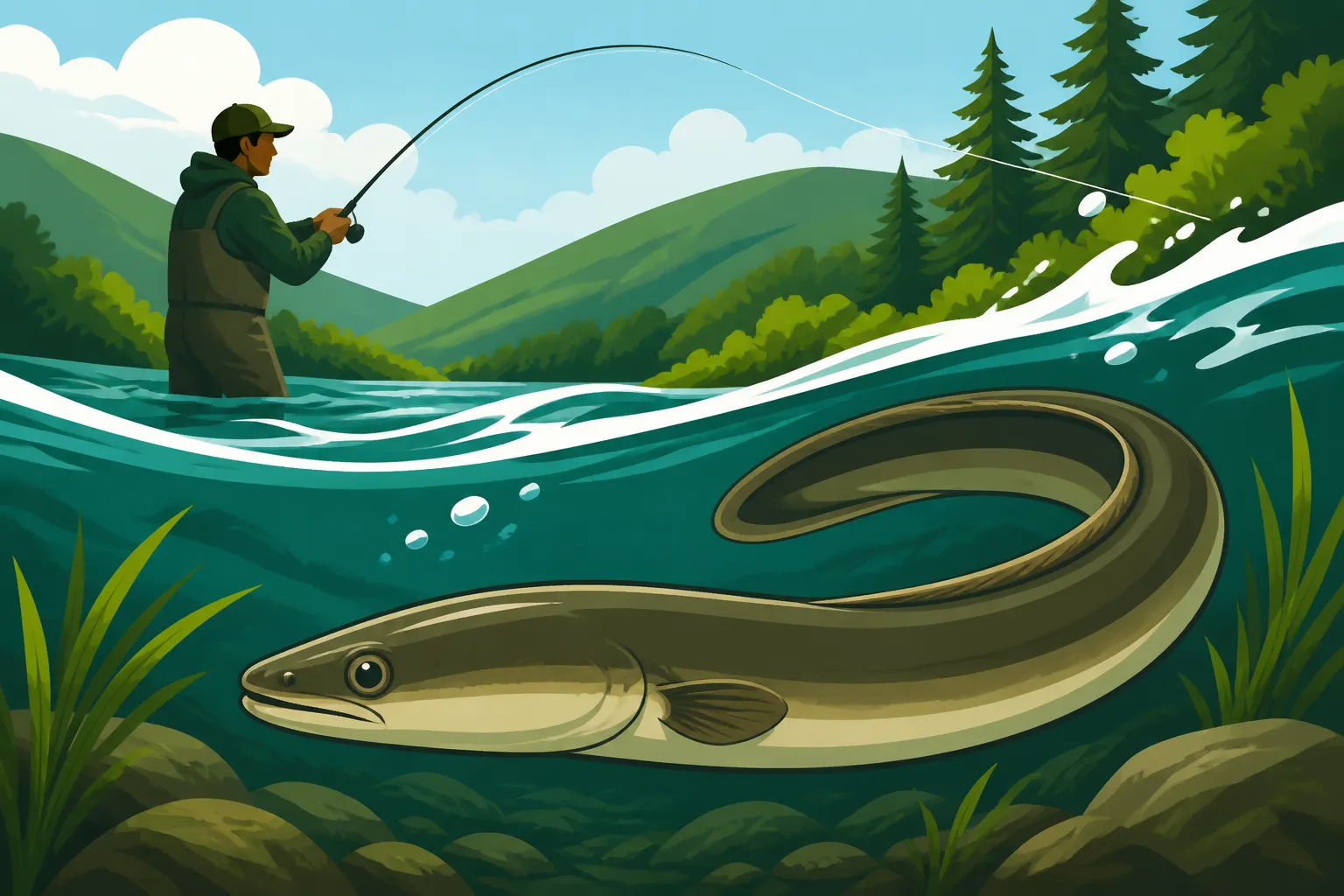
Imagine casting a line into a quiet Vermont river, feeling a strong tug, and then battling something that feels less like a fish and more like a powerful, writhing serpent. For many anglers, the American eel remains a creature of mystery, often misunderstood, and sometimes even a little startling when encountered. Yet, these unique, catadromous fish play a fascinating role in our waterways, undertaking an epic journey that truly beggars belief. This comprehensive guide will pull back the curtain on the American eel, exploring its incredible life cycle, where to find it in the Green Mountain State, its ecological importance, and even how to try your hand at catching one.
The Astonishing Life Cycle of the American Eel
The American eel ( Anguilla rostrata) possesses one of the most remarkable and challenging life cycles of any fish in North America. Unlike salmon, which are anadromous (living in saltwater and spawning in freshwater), eels are catadromous – meaning they live most of their lives in freshwater or brackish estuaries, but they undertake an epic migration to the ocean to spawn. It's a journey that rivals any tale of adventure.
A Journey from the Sargasso Sea to Vermont's Rivers
Their story begins in the vast, swirling, weed-filled expanse of the Sargasso Sea, a region of the North Atlantic Ocean east of Florida and south of Bermuda. Here, in the deep, warm waters, adult eels (known as silver eels) gather to spawn, laying millions of eggs before their lives conclude. From these eggs hatch tiny, transparent, leaf-shaped larvae called leptocephali. These incredibly delicate creatures, no bigger than a fingernail, begin an astonishing oceanic drift, carried by the Gulf Stream and other currents, a journey that can take anywhere from many months to over a year.
As they near the North American coastline, sometimes hundreds or even thousands of miles from their birthplace, these leptocephali undergo a dramatic metamorphosis. They transform into "glass eels"—miniature, transparent versions of their adult form, about 2-3 inches long. This stage is crucial as they prepare to enter freshwater. Finally, as they press further upstream into rivers and estuaries, their bodies begin to develop pigment, and they become "elvers"—small, dark, pigmented eels, still only a few inches long, but now equipped to navigate the fresh waters of continents. It’s during this elver stage that they push inland, finding their way into the vast network of river systems, including those that eventually lead to Vermont. The sheer determination and instinct that drives these tiny creatures to find their way from an obscure oceanic spawning ground to a specific inland river is one of nature's true marvels.
Growing Up in Vermont's Freshwater Realm: Yellow Eels
Once these determined elvers successfully ascend our rivers and find suitable habitat, they settle in and spend the vast majority of their lives in what's known as the "yellow eel" stage. During this phase, which can last anywhere from 5 to over 20 years, they are characterized by their greenish-yellow bellies and dark backs. They are truly masters of their environment, capable of living in a wide range of freshwater habitats, from large lakes like Lake Champlain Fishing Guide to smaller rivers and even isolated ponds.
Yellow eels are primarily nocturnal, preferring to hunt and feed under the cover of darkness. During the day, they'll burrow into soft, muddy bottoms, hide amongst dense aquatic vegetation, or tuck themselves away in rocky crevices, under submerged logs, or beneath undercut riverbanks. They are opportunistic omnivores, with a diet consisting of aquatic insects, crustaceans (like crayfish), worms, small fish, frogs, and even carrion. Their role as bottom-dwelling scavengers is incredibly important for the overall health of the aquatic ecosystem. They are long-lived residents, often growing to impressive sizes during their tenure in Vermont's waters, before they hear the ancient call of the Sargasso Sea, transforming into "silver eels" for their final, monumental journey back to their spawning grounds.
Finding American Eels in Vermont's Waterways
If you're an angler who spends time on Vermont's rivers and lakes, chances are you've probably had an encounter with an American eel, even if you didn't immediately recognize it or weren't targeting it. These adaptable creatures are more widespread than many might imagine, though their nocturnal habits often keep them hidden.
Major Arteries and Tributaries: Eel Highways
In Vermont, the primary pathways for American eels are the major river systems connected to the Atlantic Ocean. This means the majestic Connecticut River and its extensive tributaries are absolutely crucial. Eels making their way up the Connecticut River Fishing Access in Vermont can disperse into countless smaller streams and rivers throughout eastern Vermont. Similarly, the entire Lake Champlain basin serves as a massive eel habitat. Eels ascend rivers like the Winooski, Lamoille, and Otter Creek, spreading throughout Lake Champlain and its many arms and bays, providing ample opportunity for them to find secluded nooks and abundant food sources.
When thinking about where to find them, consider slower-moving stretches of these rivers, especially those with soft, muddy bottoms where they can burrow, or areas with plenty of submerged structure like rock piles, fallen trees, or dense weed beds. These offer both cover from predators and ambush points for their prey. While they might be found in faster currents, they usually prefer the calmer, deeper pools or eddies where they can conserve energy and find rich hunting grounds. These major river systems and large lakes form the essential "highways" and "neighborhoods" where eels thrive in Vermont.
Obstacles and Adaptations: A Challenging Landscape
Despite their incredible migratory instincts and remarkable physical capabilities, American eels face significant challenges in Vermont's fragmented river landscape, primarily from man-made barriers. Dams, whether for hydroelectric power, flood control, or older, abandoned mill dams, pose monumental obstacles to their upstream migration. While elvers possess an astonishing ability to climb wet surfaces, often squirming over rocks and even vertical concrete if damp enough, many larger, older dams present an impassable barrier, effectively cutting off vast stretches of potential upstream habitat.
This interruption to their natural life cycle can severely impact local eel populations. Efforts to mitigate this, such as installing "eel ladders" or fishways designed specifically for their unique climbing ability, have been implemented in other regions, and their potential benefit in Vermont is recognized. The resilience of the species is truly tested by these challenges, and their continued presence in upstream reaches is a testament to their powerful drive. Understanding these obstacles helps us appreciate the sheer tenacity of every eel that makes it to a Vermont river, underscoring the importance of considering their needs when managing our waterways, an aspect that often comes under the umbrella of Vermont Fishing Regulations Explained for all aquatic species.
The Ecological Significance of American Eels in Vermont
Beyond their unique biology and intriguing presence, American eels play a vital, if often unseen, role in the intricate web of life that defines Vermont's aquatic ecosystems. They are far more than just "snake-fish"; they are crucial components that contribute to the health and balance of our rivers and lakes.
More Than Just a "Snake-Fish": Their Role as Keystone Species
Within their freshwater habitats, American eels function as important predators and scavengers. As opportunistic feeders, they help control populations of smaller fish, insects, and crustaceans, preventing any single species from becoming overabundant. This predatory role is essential for maintaining biodiversity and a healthy food web. Furthermore, their scavenging habits mean they consume dead or decaying organic matter, effectively cleaning the river and lake bottoms. This natural cleanup service helps to cycle nutrients and prevent the buildup of detritus that could otherwise harm water quality.
While adult eels are robust predators, young eels and elvers serve as a food source for a variety of other species, including larger fish like Vermont Lake Champlain lake trout regulations, wading birds, and even some mammals. Their long lifespans in freshwater mean they are persistent players in the ecosystem, accumulating and transferring energy and nutrients over many years. This contrasts sharply with short-lived or heavily stocked species like Rainbow Trout Stocking in Vermont, which are often introduced for angler recreation and may not establish self-sustaining populations with the same long-term ecological impact as naturally reproducing native fish like the Brook Trout: Vermont's Native Trout. The eel's quiet, persistent presence underscores its unheralded importance as a keystone species, supporting a wide array of other life forms in complex ways.
Environmental Indicators: A Sign of River Health
Given their remarkable migratory journey spanning thousands of miles and their long residence in freshwater, American eels serve as excellent bio-indicators of environmental health. A thriving eel population suggests not only healthy conditions in their spawning grounds but also clean, connected, and unobstructed waterways all the way to their inland homes. Conversely, declines in eel numbers can signal significant problems, such as widespread habitat degradation, barriers to migration, or pervasive pollution.
Because they are relatively long-lived, eels can accumulate environmental toxins over time, making them useful for monitoring long-term water quality trends. Their presence, or lack thereof, can be a bellwether for the overall ecological integrity of a river system, connecting distant ocean processes to the very health of a small Vermont stream. They represent a global connectivity within our local ecosystems, reminding us that what happens far out at sea or hundreds of miles downstream ultimately impacts the waters right here in the Green Mountains. Protecting their habitat, therefore, contributes to the health of the entire aquatic community.
Angling for American Eels in Vermont
While not a primary target for most recreational anglers in Vermont, eel fishing holds a unique appeal for those who appreciate the unusual and enjoy a challenge. It's an activity steeped in tradition in some cultures and can be a surprisingly engaging way to connect with a less common, but highly tenacious, fish species.
The Art of Eel Fishing: Simple Gear, Unique Challenge
Eel fishing isn't about fancy lures or complex techniques; it's about simplicity, patience, and understanding the eel's nocturnal, bottom-dwelling habits. You don't need highly specialized gear, which is a relief. A medium to heavy action spinning rod, perhaps 6-7 feet long, paired with a sturdy reel spooled with 10-20 lb monofilament or even braided line, will serve you well. You'll want something robust enough to handle the powerful, twisting fight of a larger eel, especially if it burrows into structure.
For tackle, a simple bottom rig is usually most effective. This typically involves a heavy sinker (a few ounces, depending on current) to keep your bait on the bottom, a swivel to prevent line twist, and a strong, sharp hook. Circle hooks, in particular, are an excellent choice as they often result in a hook-up in the corner of the eel's mouth, making for easier, safer unhooking and better for catch-and-release if desired. As for bait, eels are not picky. Their keen sense of smell makes natural baits highly effective. Nightcrawlers (you can often find a good bulk supply on Amazon for convenience), chunks of cut fish (like smelt or panfish), chicken liver, or even pieces of clam are all excellent choices. Fish these baits directly on the bottom, preferably in deeper pools, eddies, or along undercut banks where eels like to hide. The best time to fish is after dark, especially on warm, humid nights, as eels are most active under the cloak of night.
Here’s a quick overview of common baits and rigs:
| Bait Type | Description | Ideal Use Case | Rig Recommendation |
|---|---|---|---|
| Nightcrawlers | Whole or cut earthworms, strong scent. | General-purpose, readily available. | Bottom rig with a single hook. |
| Cut Fish | Chunks of oily fish (smelt, perch, shad). | Highly effective due to strong scent trail. | Carolina rig or fixed sinker rig. |
| Chicken Liver | Soft, bloody, strong odor. | Great for drawing in eels from a distance. | Secured tightly to a hook, fixed sinker. |
| Clam Pieces | Salty, distinct aroma. | Good in brackish water or areas near estuaries. | Small pieces, fixed sinker rig. |
| Shrimp (peeled) | Strong scent, durable. | Versatile, can attract other bottom feeders too. | Small hook, often with a bobber or bottom rig. |
This type of simple tackle stands in contrast to the specialized gear often used for more technical fishing, like trying to fool a wary trout on a tiny fly or using specific lures for Best Tackle for Vermont Smallmouth Bass. Eel fishing is a different beast entirely, requiring a different approach and mindset.
Handling Your Catch and Understanding Regulations
So, you've hooked an eel! Now comes the truly memorable part: landing and handling it. Eels are famously strong, incredibly slippery, and will twist and turn relentlessly, often tying themselves into knots. This can be quite a surprise for anglers accustomed to handling trout or bass. To make handling easier and safer for both you and the eel:
- Use a Wet Towel or Gloves: This provides a better grip and protects your hands from their slime, which isn't toxic but can be hard to wash off.
- Unhooking Tool: Keep a pair of long-nosed pliers or a dedicated unhooking tool handy. Eels often swallow hooks deep, and this will help you retrieve it without damaging the eel or getting slimed.
- Containment: If you intend to keep your catch (and check local regulations first!), have a sturdy bucket with a lid ready. Otherwise, try to unhook them quickly near the water and release them gently.
Regarding regulations, while American eels aren't typically managed with specific bag or size limits in Vermont as many other game fish are, it is absolutely essential that you possess a valid Vermont Fishing License Guide for 2026 if you are planning to fish for any species, including eels. This applies to all anglers over the Vermont Fishing License Age Requirements, ensuring you're legally participating in the sport and contributing to vital conservation efforts. Always consult the most current Vermont Fish and Wildlife Department regulations before heading out, as rules can change and specific local regulations may apply. Though eels are not usually part of the Vermont Fish Stocking Search Tool, Explained program, they are a natural resource, and ethical angling practices should always be followed.
Conservation and the Future of Vermont's Eels
The incredible journey and vital ecological role of the American eel highlight the importance of their conservation. Their future in Vermont, and indeed across their entire range, is inextricably linked to how we manage our waterways and understand the broader impacts of human activity.
Navigating a Dammed Landscape: Human Impact
As discussed earlier, dams represent one of the most significant anthropogenic threats to American eel populations. The construction of countless dams over centuries has severely fragmented river systems, creating impassable barriers that prevent eels from reaching their historical upstream habitats. This is a challenge that many migratory species face, but for the eel, which is an obligate migrant traveling from the ocean, it's particularly acute. While some modern hydroelectric facilities incorporate fish passage solutions, many older, smaller dams – often abandoned and defunct – remain significant blockades, isolating populations and reducing their overall resilience.
Addressing these barriers is a complex but crucial task. It involves balancing energy needs, flood control, and historical uses with the ecological imperative of reconnecting river systems. Initiatives to remove obsolete dams or install functional eel passes are vital steps towards restoring the eel's natural migration routes. Without these efforts, eels that manage to reach Vermont's waters may find themselves trapped in lower river sections, unable to access the abundant, high-quality habitat upstream where they would typically spend decades growing. This is a very different conservation challenge than managing a fish that is regularly produced and released via the How to use the Vermont fish stocking search tool.
Broader Threats and the Path Forward
Beyond dams, American eels face a mosaic of other threats that collectively put pressure on their populations. Habitat degradation, including pollution from runoff, sedimentation, and changes in water quality, can diminish the carrying capacity of their freshwater homes. Climate change presents a more diffuse but potentially profound challenge, altering ocean currents that are vital for the leptocephali larvae's epic journey from the Sargasso Sea. Furthermore, localized fishing pressure for consumption or aquaculture in other parts of their Atlantic range also adds to the overall strain on the species.
For these reasons, the American eel is considered a species of concern across much of its range, even if it's not specifically listed as an Endangered and Protected Fish Species in Vermont. Conservation efforts must, by necessity, be international in scope, given their shared spawning grounds and vast migratory routes. Vermont, though seemingly far from the Sargasso Sea, plays a critical role by ensuring healthy freshwater habitats remain accessible and viable. This means continued efforts in water quality protection, responsible land use, and, crucially, evaluating and addressing migratory barriers. The future of the American eel in Vermont rivers depends on a sustained, collaborative effort to understand and mitigate these complex threats, ensuring that this enigmatic and vital creature can continue its astonishing life cycle for generations to come.
Disclaimer
This article is for general informational purposes only and does not constitute professional advice. Laws, prices and regulations vary by location and change over time. Consult a qualified professional for guidance on your specific situation.