Best Fluorocarbon Line for Clear Lake Water
Oh, the sheer beauty of a pristine Vermont lake or river on a bright, sunny day! It's breathtaking, isn't it? But for us anglers, that crystal-clear water, while gorgeous, can also be one of our biggest frustrations. It means the fish can see everything—your line, your knots, maybe even your hopes and dreams fading away with every ignored lure. If you've ever felt like the fish are spooking off your presentation long before it gets to them, this guide is for you. We're diving deep into the world of fluorocarbon fishing line and why it's often the game-changer you need when tackling Vermont's clear lake and river fisheries.
What Makes Clear Water Fishing So Challenging?
Fishing in clear water, especially the kind we find in many of Vermont's stunning lakes and rivers, presents a unique set of obstacles that can quickly turn a promising day into a head-scratcher. It's not just about the fish seeing you; it's about them seeing the unnatural elements of your presentation.
The Visibility Factor for Fish
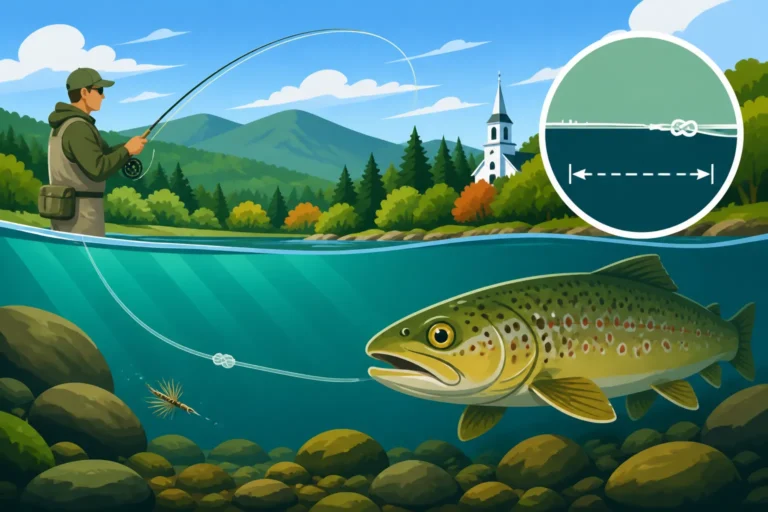
Imagine standing in front of a window. If the glass is perfectly clean, you can see right through it, can't you? Now imagine a piece of fishing line in that window. Even if it's thin monofilament, it still catches the light, casting a shadow or creating a visible "line" in the water. For fish, especially those in clear environments, this is exactly what they experience. Light passes through water, and any object with a different refractive index than water will stand out. Think about how a spoon looks in a glass of water—it appears bent. This optical distortion is what fish perceive, and when your line is clearly visible, it's a huge red flag.
This is particularly true in places like Lake Champlain, where certain areas can be incredibly clear, or when fishing for trout in the Best Fly Fishing Rivers in Vermont. Fish in these environments are often highly attuned to their surroundings, and an obvious fishing line can trigger their instinctual caution. They might inspect your bait or lure, notice the line, and simply turn away without a bite. It's incredibly frustrating when you know fish are present, but they just won't commit. They're not being finicky just to annoy us; they're being smart, avoiding anything that looks out of place in their otherwise transparent world.
Pressured Fish and Finicky Bites
It's a simple truth that the more a body of water is fished, the warier the fish become. In many popular Vermont fishing spots, especially those known for trophy Smallmouth Bass Fishing in Vermont or consistently stocked trout, fish learn quickly. They associate thick, visible lines with danger. This isn't just theory; it's something we've all experienced. One day, they're biting everything, and the next, they're ignoring the same presentation. Often, a key factor in that change is light conditions and water clarity.
When fish are pressured, their natural instinct is to be more cautious. They're not just looking for food; they're also looking for threats. A highly visible fishing line disrupts the natural presentation of your bait or lure, making it appear suspicious. This can lead to what we call "finicky bites"—light taps that don't result in a hook-up, or follows where the fish refuses to strike at the last second. They're curious, maybe even hungry, but the sight of that line is just enough to make them think twice. This level of suspicion is why anglers often go to great lengths to "match the hatch" with flies or use incredibly lifelike lures; the line is just one more piece of the puzzle that needs to disappear.
Why Fluorocarbon is Your Clear Water Secret Weapon
So, if clear water and smart fish are the challenges, what's the solution? Enter fluorocarbon fishing line, the unsung hero for countless anglers, especially when conditions demand stealth. It's not just another type of line; it's engineered with specific properties that directly combat the visibility issue.
Near-Invisibility Underwater
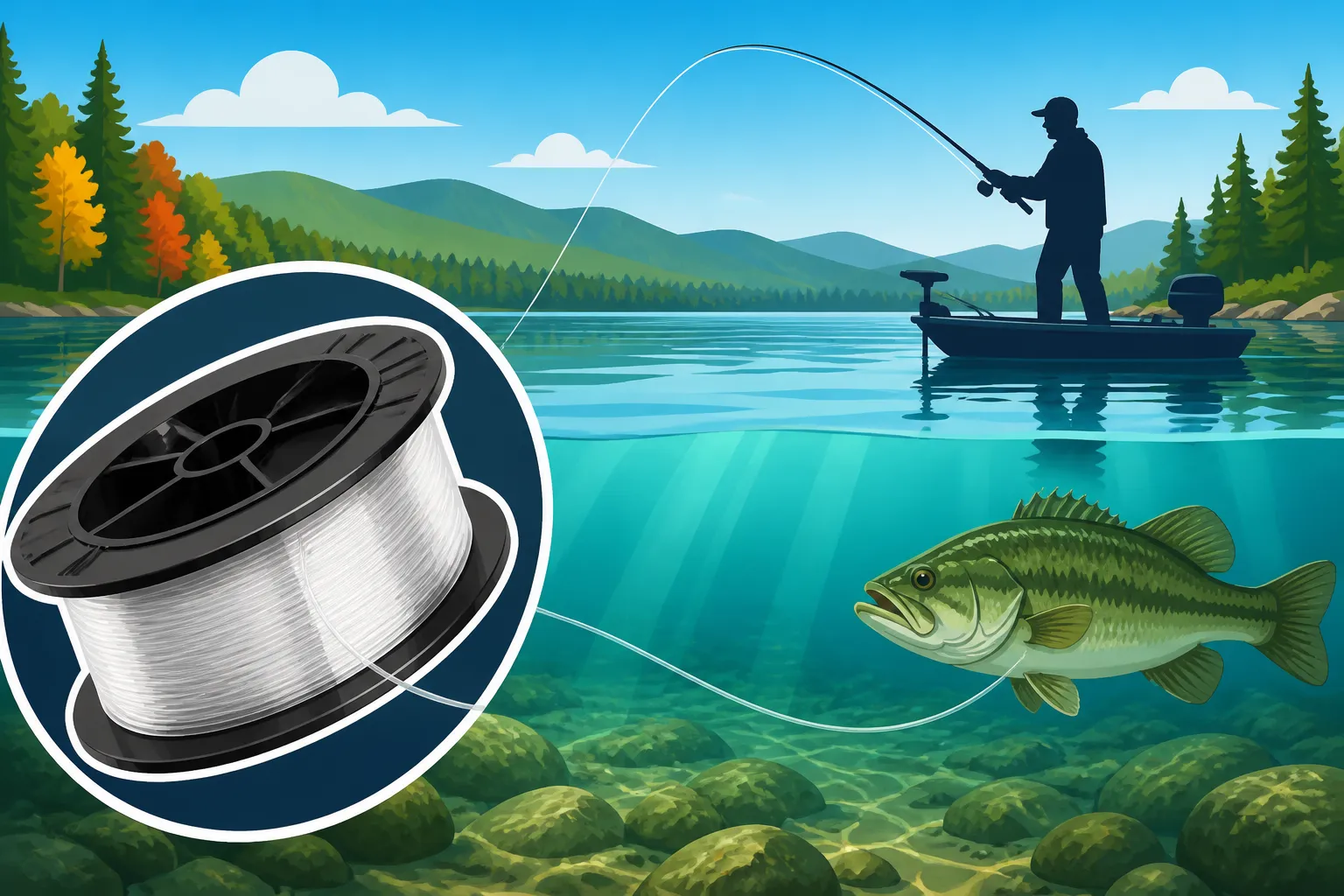
The absolute biggest advantage of fluorocarbon line is its almost magical invisibility underwater. This isn't just marketing hype; it's science. Fluorocarbon has a refractive index that is incredibly close to that of water. In simple terms, light bends almost the same way when passing through fluorocarbon as it does when passing through water. This means that when submerged, fluorocarbon line "disappears" to the fish's eye much better than traditional monofilament or even braided line.
Think about fishing for wary Landlocked Salmon Fishing in Vermont in the deep, clear waters of Lake Willoughby or casting for elusive lake trout in Lake Champlain Fishing Guide. In these environments, every bit of stealth helps. When your line is virtually invisible, your bait or lure presents much more naturally, like a free-swimming snack rather than one attached to a fisherman. This significantly reduces the chance of fish spooking, encouraging more aggressive strikes and fewer subtle "follows" that never quite commit. It's like having a superpower—you can present your offering without the fish ever knowing it's tied to your rod.
Excellent Sensitivity and Feel
Beyond its stealth properties, fluorocarbon boasts another critical advantage: exceptional sensitivity. This material is denser than monofilament, which means it sinks faster and transmits vibrations more efficiently. When you're fishing in clear water, often for finicky fish that might deliver incredibly light bites, this sensitivity is a game-changer. You'll feel those subtle "ticks" or the slightest change in pressure that you might completely miss with a less sensitive line.
Imagine jigging for walleye on Lake Champlain or feeling for subtle takes from trout in a cold Vermont stream. Every little bump, every slight hesitation from a curious fish, is communicated directly through the line to your rod tip. This enhanced feel allows you to react quicker, setting the hook with precision on those otherwise undetectable bites. For anglers who rely on feel, especially when fishing soft plastics or slow-moving baits, fluorocarbon gives you a direct connection to what's happening hundreds of feet away under the surface. It empowers you to fish with confidence, knowing you're not missing any of the subtle signals from below.
Superior Abrasion Resistance
Vermont waters, while beautiful, can also be rugged. We've got rocky lake bottoms, submerged timber, sharp ledges, and thick weed lines. All these elements are magnets for fish, but they're also notorious for shredding fishing line. This is where fluorocarbon's inherent toughness truly shines. It’s naturally more abrasion-resistant than standard monofilament.
This robust quality is invaluable when you're casting around docks, bouncing lures off rocky points for smallmouth bass, or retrieving a spinnerbait through thick aquatic vegetation. You'll experience fewer nicks and frayed spots that lead to unexpected break-offs. This added durability provides peace of mind, especially when you hook into that trophy fish that decides to dive straight for the nearest snags. You can fight the fish with more confidence, knowing your line is built to withstand the abuse of these challenging structures. This means less time retying and more time fishing, which, let's be honest, is what we all want.
Key Characteristics of Quality Fluorocarbon Line
Not all fluorocarbon lines are created equal, and choosing a quality product can significantly impact your fishing success. Understanding what makes a good fluorocarbon line helps you invest wisely and get the most out of this specialized material.
Low Memory and Suppleness
One common complaint about early generations of fluorocarbon was its stiffness and high "memory"—meaning it would retain the coil shape from the spool, leading to frustrating tangles and poor casting performance. Thankfully, advancements in manufacturing have largely addressed this. High-quality fluorocarbon lines today are engineered to be much more supple and have lower memory.
A supple fluorocarbon line will lay flatter on your reel, unwind smoothly during casts, and offer a more natural presentation underwater. It allows your bait to move freely and enticingly, without the line's stiffness impeding its action. When you're trying to achieve a delicate drift with a nymph for stream trout or a subtle flutter with a wacky-rigged worm for bass, suppleness is paramount. While fluorocarbon will always be inherently stiffer than monofilament due to its density, the best options on the market minimize this drawback, making for a much more pleasant and effective fishing experience. You can often find excellent, supple options at places like Bass Pro Shops, where you can feel the line before committing.
Consistent Diameter and Strength
The manufacturing process for fishing line is complex, and inconsistencies can lead to weak points. With fluorocarbon, a high-quality line will have a very consistent diameter throughout its entire length. This might seem like a minor detail, but it's crucial for both knot strength and overall breaking strength. A perfectly uniform line means reliable performance, free from unexpected weak spots.
Furthermore, premium fluorocarbon lines offer exceptional strength-to-diameter ratios. This means you can often use a lighter test line than you might otherwise, further enhancing its invisibility without sacrificing the power needed to land a good fish. When you're trying to fool wary fish with a finesse presentation, dropping down a pound or two in line test can make all the difference, and a high-quality fluorocarbon lets you do that with confidence. Whether you're targeting big Lake Trout Fishing in Vermont or battling powerful Walleye Fishing on Lake Champlain, consistent strength is non-negotiable for landing those hard-fighting fish.
UV Resistance and Longevity
Unlike monofilament, which can degrade over time due to exposure to ultraviolet (UV) light, fluorocarbon is remarkably resistant to UV radiation. This is a huge benefit for anglers who leave their rods rigged for extended periods or who fish frequently in bright sunshine. The line won't weaken or become brittle from sun exposure, maintaining its integrity and breaking strength much longer.
This UV resistance contributes significantly to the overall longevity of the line. While no line lasts forever, fluorocarbon maintains its performance characteristics for a considerable time, reducing the need for frequent respooling. This can save you money in the long run and ensures you're always fishing with line that's in top condition. When you invest in a quality spool of fluorocarbon, whether from a local tackle shop or through online retailers like Amazon, you can trust that it will perform reliably for many outings to come.
Choosing the Right Fluorocarbon Test for Vermont's Clear Lakes
Selecting the correct line test for your fluorocarbon is crucial, and it largely depends on the specific fish species you're targeting and the conditions of the water body. Too heavy, and you might negate the invisibility advantage; too light, and you risk break-offs.
Targeting Trout and Landlocked Salmon
For species like trout and landlocked salmon, which are often found in some of Vermont's clearest waters—think pristine mountain streams or deep, oligotrophic lakes like Willoughby—line visibility is paramount. These fish are renowned for their keen eyesight and can be incredibly line-shy.
For stream trout, especially when fly fishing or using light spinning gear, an ultralight fluorocarbon leader or even mainline in the 2-6 pound test range is often ideal. This allows for very subtle presentations, crucial for enticing spooky wild brook trout or wary brown trout in crystal-clear pockets. For larger river trout or for Landlocked Salmon Fishing in Vermont in lakes, where you might be trolling or casting larger baits, you'll want to bump up to 8-12 pound test for mainline, or use a 6-10 pound fluorocarbon leader with a braided mainline. This provides enough strength to handle larger fish, yet still retains the crucial low visibility. Remember, the clearer the water, and the brighter the day, the more critical it is to err on the side of lighter, more invisible line.
Battling Smallmouth Bass and Walleye
When it comes to smallmouth bass and walleye in Vermont's bigger lakes, such as Lake Champlain or Lake Memphremagog, you're often dealing with powerful, aggressive fish that can inhabit both open water and structure-rich areas. While stealth is still important, especially for smallmouth in clear conditions, you also need line that can stand up to their strong fights and the potential for abrasion.
For targeting smallmouth bass, particularly when fishing jigs, shaky heads, or crankbaits in clear water, 8-12 pound fluorocarbon is a popular choice for mainline. This offers a good balance of strength, sensitivity, and reduced visibility. If you're pitching into heavy cover or targeting larger, trophy-sized bass, you might go up to 15-17 pound test. For walleye, especially when jigging or casting soft plastics in clear sections of Lake Champlain, 8-10 pound fluorocarbon is excellent. If you're trolling with heavier lures or in areas with snags, a 12-15 pound test might be more appropriate. The key here is finding that sweet spot where invisibility doesn't compromise the backbone needed for a solid hookset and fight. To learn more about specific tactics, check out How to Catch Smallmouth Bass in Vermont Lakes and How to Catch Walleye on Lake Champlain.
Leader vs. Mainline Considerations
A common debate among anglers is whether to use fluorocarbon as a mainline or solely as a leader. Both approaches have their merits, and the best choice often comes down to your fishing style, target species, and the specific body of water.
Using fluorocarbon as a mainline (filling your entire spool with it) offers the maximum benefit of its properties: complete invisibility, direct sensitivity, and excellent abrasion resistance throughout your entire line system. This is often preferred by bass anglers using baitcasting reels for finesse techniques or by walleye anglers seeking maximum feel. The downside can be the cost, as fluorocarbon is generally more expensive than monofilament or braid, and its inherent stiffness can sometimes lead to more coils or knots on spinning reels if not spooled correctly.
Alternatively, many anglers opt to use a fluorocarbon leader tied to a braided mainline. This is a hugely popular setup for a reason. Braid offers incredible strength-to-diameter, zero stretch for ultimate sensitivity and hook-setting power, and exceptional casting distance. By adding a short (3-10 foot) fluorocarbon leader, you get the invisibility where it matters most—closest to your lure—while retaining the benefits of braid for the rest of your system. This combination is particularly effective for Trolling Techniques for Vermont Lake Trout, where a long, strong mainline is necessary, but the last few feet need to disappear. It's also a cost-effective solution, as you only use a small amount of the more expensive fluorocarbon. Learning to tie a strong knot, like an FG knot or an Albright knot, to connect your braid to fluorocarbon leader is essential for this setup.
Here's a quick comparison of line types for clear water fishing:
| Line Type | Key Advantage in Clear Water | Primary Use Case | Pros | Cons |
|---|---|---|---|---|
| Fluorocarbon | Near-invisibility due to low refractive index | Finesse fishing, clear lakes, wary fish | Highly sensitive, abrasion resistant, sinks | Can be stiff, more expensive, higher memory |
| Monofilament | Supple, great knot strength, buoyant | Topwater, general purpose, forgiving | Affordable, good stretch, easy to handle | Highly visible, UV degrades, less sensitive |
| Braided Line | No stretch, casting distance, strength | Mainline with leader, heavy cover, deep jigging | Highly sensitive, extremely strong, casts far | Highly visible, no stretch (can pull hooks) |
Tips for Spooling and Managing Fluorocarbon
Fluorocarbon, while incredibly effective, does have a few quirks that require specific handling to maximize its performance. Ignoring these can lead to frustration and lost fish.
Proper Spooling Techniques
Getting fluorocarbon onto your reel correctly is perhaps the most critical step to avoid issues like line twist, coils, and tangles. Because fluorocarbon has more memory than monofilament, it tends to retain the shape of the spool it comes on.
When spooling a spinning reel, always lay the bulk spool on the floor with the label facing up and let the line come off counter-clockwise (or vice versa, just find the way it unwinds naturally without twisting). This prevents line twist, which is a major culprit for wind knots and frustrating tangles. For baitcasting reels, the line typically comes off the top of the bulk spool, so keep the bulk spool rotating on a pencil or rod, applying consistent tension. Always spool slowly, keeping steady tension on the line with your fingers. Overfilling your spool is another common mistake; leave about an eighth of an inch of the spool lip visible. If you're having trouble, many tackle shops, including some Bass Pro Shops locations, will spool your reels for you, ensuring it's done correctly. This attention to detail will save you headaches on the water.
Knot Tying for Fluorocarbon
Fluorocarbon is a denser, stiffer line, and this means certain knots that work well for monofilament might not perform optimally. It's essential to use knots designed for or proven to work with fluorocarbon, and to always lubricate your knots before cinching them down.
Knots like the Palomar knot, the Improved Clinch knot, and the San Diego Jam knot are excellent choices for tying fluorocarbon directly to lures, hooks, or swivels. For connecting a fluorocarbon leader to a braided mainline, the FG knot is arguably the strongest and most streamlined, passing through rod guides smoothly. The Albright knot and Double Uni knot are also reliable options, though they tend to be bulkier. When tying any knot with fluorocarbon, take your time, ensure all turns are neat, and lubricate with saliva before slowly and steadily pulling the knot tight. Rushing or failing to lubricate can cause friction heat, weakening the line at the knot. Practice these knots at home; a strong, properly tied knot is your direct link to landing that trophy fish.
Storage and Maintenance
Even with its UV resistance, proper storage and maintenance will extend the life and performance of your fluorocarbon line. When not in use, store your rods and reels out of direct sunlight and away from extreme temperatures. While fluorocarbon is more robust than mono, prolonged heat can still affect its properties.
After each outing, especially if you've been fishing in brackish or dirty water, a quick rinse of your reel spool with fresh water can help. Periodically, it’s a good idea to strip off the first 10-20 feet of line, especially if you've been fishing around abrasive structure. This sacrificial length takes the brunt of the abuse and replacing it ensures you're always fishing with fresh, strong line where it matters most. Checking your line for nicks and abrasions throughout the day, particularly after a fight or a snag, is also a habit that will prevent frustrating break-offs. Taking these few extra steps will ensure your fluorocarbon performs at its peak when you need it most.
Fluorocarbon vs. Other Line Types for Clear Water
While fluorocarbon is a superstar in clear water, it's helpful to understand how it stacks up against its cousins: monofilament and braided line. Each has its place, and sometimes, a combination is truly the best approach.
Fluorocarbon vs. Monofilament
Monofilament (mono) has been the workhorse of fishing lines for decades, and for good reason. It's affordable, easy to tie, very supple, and has inherent stretch that can act as a shock absorber. However, in clear water, its visibility is its biggest drawback. Mono has a refractive index that's much different from water, making it quite visible to fish, especially in bright conditions or against a clear sky. It also absorbs water, which can affect its strength, and it's susceptible to UV degradation over time.
Where mono truly shines is in its suppleness and stretch. For topwater baits where you want your lure to sit high and have a little give, or for beginners who appreciate the forgiving nature of its stretch to prevent hook pulls, mono still has a strong argument. But when stealth is the absolute priority, especially for wary species in gin-clear Vermont waters like Lake Willoughby Fishing Guide or the Battenkill, fluorocarbon's near-invisibility makes it the undisputed champion. It allows for a more natural presentation, reducing the fish's ability to detect your line, which often translates directly to more bites.
Fluorocarbon vs. Braided Line
Braided line is a completely different beast altogether. Made from multiple strands of synthetic fibers woven together, it boasts incredible strength-to-diameter ratio, zero stretch, and exceptional casting distance. The lack of stretch provides unparalleled sensitivity, transmitting every bump and bite directly to your hand. This is fantastic for deep water applications, punching through heavy cover, or when you need immediate power for a hookset.
However, braid's major Achilles' heel in clear water is its visibility. It has a very low refractive index but is opaque and can look like a small rope underwater, easily spooking fish. This is why the popular "braid to fluorocarbon leader" setup was born. You get all the benefits of braid—strength, sensitivity, casting—while the fluorocarbon leader provides the necessary invisibility where it matters most, right at the lure. This hybrid approach allows anglers to optimize their setup for specific conditions and species, often combining the best aspects of both line types. For instance, when fishing for Muskellunge Fishing on Lake Memphremagog, a heavy braided mainline is essential, but a stout fluorocarbon leader might be used for abrasion resistance and some level of stealth near the bait.
Ultimately, the choice comes down to understanding the strengths and weaknesses of each line type and matching them to your fishing scenario. For clear lake water in Vermont, fluorocarbon, either as a mainline or a leader, is an indispensable tool in your tackle arsenal.
Disclaimer
This article is for general informational purposes only and does not constitute professional advice. Laws, prices and regulations vary by location and change over time. Consult a qualified professional for guidance on your specific situation.