Best Tackle for Panfish
There's nothing quite like the subtle tug of a panfish to get your blood flowing, yet so many anglers overlook the importance of having the right gear for these feisty little fighters. It’s easy to think a heavy bass rod or a trout setup will do the trick, but you'll miss so many of those delicate bites, or worse, make the fight less enjoyable. This guide is all about diving deep into the world of panfish tackle, helping you assemble a setup that maximizes your fun and your catch rate on Vermont's many lakes, ponds, and slow-moving rivers.
Why Panfish Deserve Their Own Specialized Tackle
Let’s be honest, for many, panfish like sunfish, crappie, and perch are considered "beginner fish" or something you target with kids and a cane pole. While they are indeed fantastic for introducing youngsters to fishing, that mindset often leads experienced anglers to overlook the joy and challenge these species can offer. The truth is, panfish can be incredibly rewarding targets, especially when you arm yourself with the right, specialized tackle. The frustrations often come from using gear that's simply too heavy, too clunky, or too insensitive to detect their often subtle takes, turning a potentially action-packed outing into a frustrating waiting game.
The Finesse Factor: Sensing Subtle Bites
Panfish, by nature, have smaller mouths and often feed with a delicate touch. A heavy fishing rod, designed for largemouth bass or northern pike, simply doesn't have the sensitivity to transmit these nuanced bites to your hands. It’s like trying to pick up a dime with oven mitts on – you just don't get the feedback you need. You'll feel a slight pressure, perhaps a tiny tap, and by the time your heavy rod registers it, the fish has often already spit the hook.
Imagine you're out on a calm Vermont pond, maybe a quiet cove on Lake Carmi or a peaceful spot on Lake Fairlee, targeting crappie. These fish are known for their incredibly light bite, often described as a "mushy" feeling rather than a distinct strike. If you're using a medium-heavy spinning rod, you might only notice your line twitching, or not even feel it at all. With a dedicated panfish setup, every little tick, every shift in pressure, is amplified, giving you precious seconds to react and set the hook. It makes all the difference between feeling frustrated and celebrating a successful hookset.
Maximizing the Fight: Fun on Light Gear
One of the great joys of panfish angling is experiencing their spirited fight, even if they're not massive fish. However, if you're battling a six-inch bluegill on a heavy casting rod designed for much larger game, the fight lasts about two seconds, and it feels like reeling in a wet sock. Where's the fun in that? This is where appropriate tackle truly shines.
By scaling down your gear, you transform a mundane retrieve into an engaging battle. An ultralight rod bends and loads beautifully under the weight of even a modest perch, making every head shake, every dart, feel like a significant event. It elevates the experience, turning a simple panfish into a worthy adversary. When you feel the rod arc and the drag sing on a feisty sunfish, you'll understand why so many anglers dedicate entire fishing trips to these underrated species. It's about respecting the fish and appreciating the fight it can offer, regardless of its size.
Rods and Reels: The Foundation of Finesse
When it comes to panfish, your rod and reel are your primary tools for detection and enjoyment. Trying to catch these small, often light-biting fish with a heavy-duty bass setup is like trying to swat a fly with a baseball bat—you might connect occasionally, but it's far from efficient or enjoyable. The right rod and reel combo will not only make it easier to feel those subtle nibbles but also make the fight of even a small bluegill feel incredibly exciting. This is where the world of ultralight and light action gear truly shines.
The Ultralight Advantage
If there’s one golden rule for panfish tackle, it’s "go ultralight." An ultralight rod is typically 5 to 7 feet long, with a very soft, parabolic action that bends deeply into the blank. This isn't just about fun; it's about pure, unadulterated sensitivity. Many anglers get frustrated trying to detect panfish bites, especially when they're hitting a tiny jig on the fall or just barely mouthing a piece of worm. The supple tip of an ultralight rod will visibly twitch or load up at the slightest disturbance, giving you a visual cue even if you don't feel a strong tug.
Think about a crisp fall morning on a small Vermont pond, perhaps one of the quieter state park lakes mentioned in our Vermont State Park Fishing Guide. You're casting a tiny 1/64 oz jig, slowly reeling it back. A crappie might inhale it, suspend, and not move an inch. A heavier rod would never tell you it's there. But with an ultralight setup, you'd see that delicate bend in the rod tip, that subtle thump transmitted right up your arm. Paired with a small, lightweight spinning reel (usually a 500 or 1000 size), you'll have a perfectly balanced system. Look for reels with a smooth, consistent drag, as you'll be using very light lines, and any stickiness in the drag can lead to break-offs when that surprisingly strong yellow perch makes a run. You can find excellent ultralight combos at places like Bass Pro Shops or online through Amazon, often at very accessible price points. For more detailed insights, check out our guide on Best Ultralight Rod for Panfish.
When a Light Action Rod is Enough
While ultralight is king for finesse, there are situations where a "light action" rod offers a valuable compromise. A light action rod is slightly stiffer and often a bit longer than an ultralight, typically in the 6 to 7.5-foot range. It still offers excellent sensitivity and a fun fight but provides a bit more backbone for casting slightly heavier lures, handling larger panfish, or fishing in windier conditions where an ultralight might feel too flimsy.
Consider fishing a larger body of water like Lake Bomoseen or Lake Dunmore, where you might encounter bigger perch or even small bass mixed in with your panfish targets. If you're casting a 1/8 oz spoon or a slightly larger bobber and jig combination, a light action rod can handle the casting weight more effectively. It also gives you a bit more control if you hook into a spirited 10-inch crappie that tries to dive into submerged brush. Pairing a light action rod with a 1000 or 2000 size spinning reel provides a versatile setup that can cover a broader range of panfish scenarios without sacrificing too much sensitivity or fun. It's a fantastic choice for anglers who want a single rod to tackle various panfish species across different Vermont waters.
Here's a quick comparison of rod types for panfish:
| Rod Type | Length Range | Power | Action | Ideal Reel Size | Best For | Pros | Cons |
|---|---|---|---|---|---|---|---|
| Ultralight | 5'0" – 6'6" | Ultralight | Slow-Medium | 500 – 1000 | Small jigs, tiny baits, ultimate sensitivity | Max sensitivity, maximizes fight of small fish, light lures | Limited casting distance for heavier lures, less backbone |
| Light | 6'0" – 7'6" | Light | Medium-Fast | 1000 – 2000 | Small spoons, larger jigs, versatility | Good sensitivity, more casting power, handles slightly larger fish | Less finesse than ultralight, may overpower smallest fish |
Lines and Leaders: Staying Stealthy
Choosing the right fishing line is paramount for panfish success. These fish often inhabit clear waters and can be quite line-shy, meaning they can see and be spooked by heavy, visible lines. Beyond visibility, the line's diameter, stretch, and strength play a huge role in how well you can cast those tiny lures, detect bites, and ultimately land your catch. For panfish, the goal is always to go as light as you dare, balancing stealth with enough strength to prevent frustrating break-offs.
Monofilament: The Classic Choice for Forgiveness
Monofilament line has been a panfish staple for decades, and for good reason. Its inherent stretch acts as a shock absorber, which is incredibly forgiving when a panfish suddenly darts or if you set the hook a little too enthusiastically. This stretch can prevent those tiny hooks from tearing out of a panfish's delicate mouth or your ultralight rod from snapping on a sudden, strong pull. It also tends to be very limp and has excellent knot strength, making it easy to tie those small, finicky knots required for tiny jigs and hooks.
For most panfish applications in Vermont, a 2 to 4-pound test monofilament is ideal. This light line is nearly invisible in clear water, allowing you to present your bait naturally without alarming wary crappie or bluegill. It also has a floating tendency, which can be beneficial when fishing with bobbers or for keeping light baits suspended just above the weeds. While it might not transmit every single vibration like a braid or fluorocarbon, its forgiving nature and ease of use make it a fantastic choice, especially for beginners or those who prefer a more subtle feel. Just remember that mono can develop memory over time, causing it to coil, so replacing it regularly (at least once a season) is a good practice to maintain optimal performance.
Fluorocarbon and Braid: When Stealth and Sensitivity are Key
While monofilament is great, there are specific situations where fluorocarbon or braided line can give you an edge. Fluorocarbon, often used as a leader material but sometimes spooled directly, is virtually invisible underwater due to its refractive index being similar to water. It also has very little stretch, offering superior sensitivity compared to mono. This lack of stretch means you'll feel every single subtle tap, even at deeper depths or when fishing in windy conditions that might otherwise mask bites.
For direct fluorocarbon, a 2 to 4-pound test is perfect, especially if you're fishing exceptionally clear waters for finicky fish like the perch found in deeper pockets of Lake Willoughby. However, fluorocarbon can be a bit stiffer and more expensive than mono. A common and highly effective setup for panfish is to use a very light braided line (4 to 6-pound test, which has the diameter of 1-2 pound mono) as your main line, and then tie on a 2 to 4-foot leader of 2 to 4-pound fluorocarbon. This combination gives you the best of both worlds: the incredible sensitivity and casting distance of braid, coupled with the invisibility of a fluorocarbon leader. The braid's lack of stretch also means more direct hooksets. This setup is particularly effective when Jigging for Perch Through the Ice or when you need maximum sensitivity to detect soft bites in deep water. Just be mindful that while braid is strong, it can be visible, making the fluorocarbon leader essential.
Baits and Lures: Tempting Tiny Mouths
Panfish aren't usually picky eaters, which is part of their charm, but having a selection of baits and lures tailored to their smaller mouths and feeding habits will significantly increase your success. Whether you prefer the classic allure of live bait or the active engagement of artificials, there's a world of tiny temptations waiting to be explored. The key is often to present something small, enticing, and easy for them to engulf.
Live Bait: The Irresistible Natural Offering
For sheer effectiveness, especially when the bite is tough, it's hard to beat live bait. The natural scent, movement, and taste are often irresistible to panfish, drawing them in even when they're not actively feeding. The classic choices are incredibly simple and readily available, making them a go-to for many Vermont anglers.
- Worms and Nightcrawlers: A small piece of a nightcrawler or a whole garden worm is deadly for almost any panfish. Bluegill and sunfish absolutely adore them. Thread a small piece onto a tiny hook, and suspend it under a bobber. The wriggling action and natural scent broadcast a dinner invitation no panfish can refuse. These are universally effective and can be fished almost anywhere panfish reside, from shallow weed beds to deeper drop-offs.
- Minnows and Shiners: For larger panfish like crappie and yellow perch, especially when targeting Black Crappie in Vermont Waters, live minnows (small ones!) are a phenomenal choice. A lively minnow, hooked lightly through the back or lip, suspended under a slip bobber, mimics natural forage and can trigger aggressive strikes from bigger fish. You can find these at most bait shops, and they're particularly effective in lakes like Lake Champlain or Otter Creek where crappie and perch grow to impressive sizes.
- Grubs and Maggots: Small, squirming grubs or maggots are fantastic for ice fishing or when fishing with tiny jigs. They stay on the hook well and provide constant subtle movement. For specific tips on how to use these effectively, especially in winter, take a look at our guide on Best Panfish Jig Colors for Winter.
Micro Jigs and Tiny Spoons: Artificials that Fool the Fussiest
While live bait is a powerhouse, artificial lures offer the advantage of being cleaner, easier to store, and allowing for more active fishing styles. The trick is to think small – truly microscopic, sometimes. Panfish often feed on aquatic insects, tiny crustaceans, and fry, so matching those forage sizes is crucial.
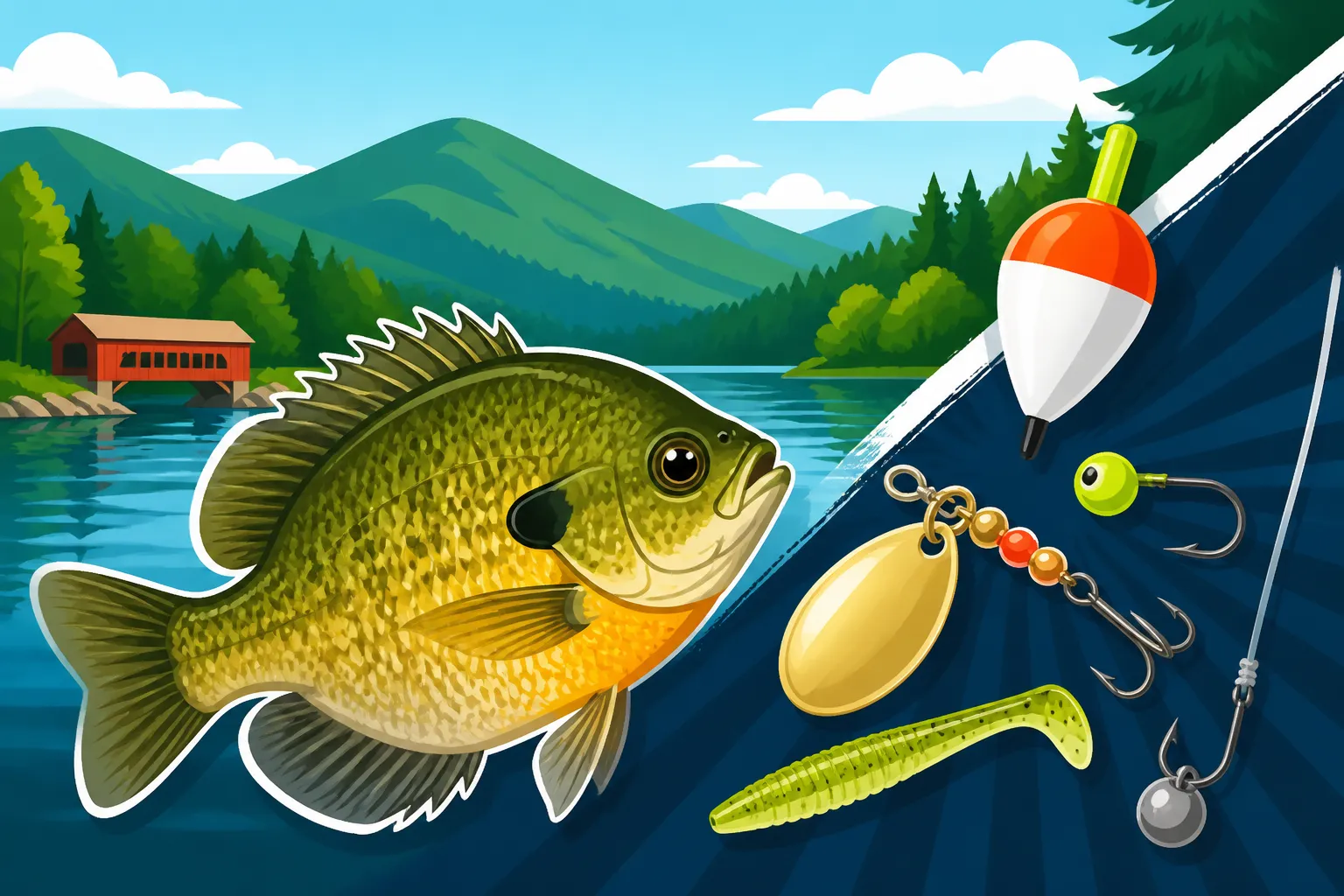
- Micro Jigs: These are tiny jig heads, usually ranging from 1/100 oz to 1/16 oz, paired with soft plastic bodies that mimic insects, larvae, or small baitfish. Think tiny tubes, curly-tailed grubs, or small insect imitations. Colors can vary widely, but often natural tones like black, brown, green, or white are effective, along with brighter "attractor" colors like chartreuse or pink. The key is to impart subtle action – a slow retrieve with tiny twitches, or vertical jigging if you're targeting suspended fish. For a deep dive into these, especially for our winter anglers, check out Best Jigs for Ice Fishing Perch.
- Small Spoons and Spinners: Tiny spoons, often 1/32 oz to 1/8 oz, and inline spinners are fantastic for actively searching for panfish. Their flash and vibration can draw fish from a distance. The classic Mepps or Rooster Tail spinners in sizes #0 to #1 are perennial favorites. Cast them out and retrieve steadily, allowing the blade to spin. Small Kastmaster-style spoons are also excellent, particularly for perch and crappie, especially when they are actively feeding. Try silver, gold, or brass finishes. These lures are perfect for casting from shore or a kayak on many Vermont lakes and rivers, and you can even try them for Best Techniques for Panfish in Vermont. The active presentation helps you cover water and locate schools.
Terminal Tackle: The Little Things that Matter
Often overlooked, but absolutely critical for panfish success, is your terminal tackle. These are the small components that connect your line to your bait or lure – hooks, bobbers, sinkers, and swivels. Get these wrong, and all the effort in choosing the perfect rod, reel, and line can be undermined. For panfish, the mantra is "small and light," ensuring your presentation is natural, and your hookset is effective.
Hooks: Small, Sharp, and the Right Shape
Panfish have notoriously small mouths, so your hooks must match. Using hooks that are too large will result in missed bites and a lot of frustrated anglers. Sizes ranging from #8 down to #14 are generally appropriate, with #10 and #12 being excellent all-around choices for most bluegill, sunfish, and smaller perch.
- Aberdeen Hooks: These are a fantastic choice for panfish. They have a long shank, which makes them easier to remove from small mouths without deep hooking, and a fine wire construction. The fine wire means they bend out more easily if snagged, allowing you to often retrieve your line without breaking off. Their wide gap also ensures good hook-ups even with small baits. For instance, when fishing for Bluegill Habits in Vermont Ponds with a piece of worm, an Aberdeen hook will serve you well.
- Jig Hooks: If you're using micro jigs, ensure the hook on the jig head is sharp and appropriately sized for the plastic body. Many cheap jig heads come with dull hooks, which is a recipe for disaster with light-biting panfish. A quick check with your thumbnail will tell you if the hook needs to be sharpened.
- Treble Hooks: While not common for most panfish, some tiny spoons and spinners will come equipped with small treble hooks. For catch-and-release, consider replacing these with single hooks, as trebles can cause more damage to the fish and make unhooking more difficult.
Bobbers and Indicators: Visualizing the Bite
For many panfish anglers, especially those using live bait, a bobber is an indispensable tool. It serves as a visual strike indicator, telling you when a fish is mouthing your bait, and also helps suspend your bait at a desired depth.
- Fixed Bobbers: These attach directly to your line with a spring or clip. They're great for shallow water (typically less than your rod's length) and offer simple, direct bite detection. Small, sensitive fixed bobbers are perfect for suspending a worm or a small minnow.
- Slip Bobbers: For deeper water or when you need to cast further, slip bobbers are superior. They "slip" up and down your line, stopping at a pre-set bobber stop knot. This allows you to fish at virtually any depth while still being able to reel your bait right up to your rod tip for casting. They are fantastic for covering a wider range of depths and are particularly useful when targeting suspended crappie or Yellow Perch in Vermont Lakes in deeper areas.
- Strike Indicators (Fly Fishing Style): For an ultralight spinning setup mimicking fly fishing, tiny, sensitive strike indicators can be used. These small floats offer incredible bite detection, barely resisting the fish, making them perfect for the lightest takes.
Sinkers and Swivels: Balancing the Rig
The small details of sinkers and swivels can make a big difference in presentation and preventing line twist.
- Split Shot Sinkers: These are small, crimp-on weights. For panfish, you generally want just enough weight to get your bait down or to cock your bobber correctly. A single #7 or #5 split shot is often all you need. Avoid heavy weights that will make your presentation unnatural.
- Swivels: While not always necessary, a tiny barrel swivel can be useful, especially if you're using spinning lures or if your line is prone to twisting. Ensure you use the smallest swivel possible – something like a #12 or #14 barrel swivel is often sufficient. They also provide a convenient connection point if you're tying on a fluorocarbon leader to a braided main line, as mentioned in our How to Fish a River for Smallmouth Bass guide (though here we're thinking smaller scale!).
Essential Accessories for Panfish Anglers
Beyond the core rod, reel, line, and terminal tackle, a few essential accessories can make your panfish adventures in Vermont much more enjoyable and efficient. These are the tools that address common frustrations, ensure fish welfare, and simply make your time on the water smoother. Think of these as the supporting cast that ensures your main tackle performs at its best.
Pliers, Clippers, and Forceps: Precision and Safety
You're dealing with small hooks and often delicate fish, so having the right tools for hook removal and line management is crucial.
- Small Pliers or Hemostats/Forceps: These are your best friends for removing tiny hooks from tiny mouths. Trying to dig out a #12 hook with your fingers is frustrating, can harm the fish, and might end up with a hook in your finger. A good pair of long-nosed pliers or, even better, a pair of fishing hemostats (like those doctors use) allows for precise grip and gentle hook extraction. This is especially important for catch-and-release, ensuring the fish can swim away healthy. Look for something slender enough to reach into small spaces.
- Line Clippers: Forget about trying to bite through fishing line – it dulls your teeth and is just not efficient. A small pair of dedicated line clippers (often found on a multi-tool) or even a simple nail clipper makes quick work of snipping excess line or tying knots cleanly. This tiny tool saves time and ensures your knots are neat and strong.
- File or Hook Sharpener: Even brand-new hooks can be sharper, and after a few fish or bumping against rocks, they'll dull. A small hook file or sharpener can quickly restore a hook's point, ensuring better penetration and fewer missed fish. This is a game-changer for maintaining peak performance of your terminal tackle.
Tackle Storage: Keeping Organized
There’s nothing more annoying than fumbling through a messy tackle box trying to find that one specific micro jig. Good organization is key to efficiency and enjoyment on the water.
- Small Tackle Box or Bag: For panfish, you don't need a massive, multi-tray tackle box. A small, compact box with adjustable dividers is often perfect for storing your array of tiny jigs, hooks, bobbers, and weights. This keeps everything organized and prevents tiny items from getting lost or tangled. Many anglers prefer a small tackle bag or sling pack for easy access while bank fishing or wading. Consider a dedicated storage solution like the "Plano" brand boxes, often available at Bass Pro Shops or on Amazon. For more ideas, see our Best Tackle Box Setup for Vermont Anglers guide.
- Fly Boxes: For micro jigs, a small, clear-lid fly box with foam inserts or compartments is an excellent storage solution. These boxes are designed to hold small, delicate items securely and make it easy to see your entire selection at a glance.
Landing Net and Cooler: For Care and Keeping
Even though panfish are small, a small net can be a surprisingly useful addition, and for those planning to keep their catch, a good cooler is non-negotiable.
- Small, Fine-Mesh Landing Net: While you can often simply hoist panfish into the boat or onto shore, a small, fine-mesh landing net can minimize handling, especially for delicate crappie or if you’re trying to prevent a hooked fish from flopping onto the ground. A rubberized mesh net is even better, as it protects the fish's slime coat for catch-and-release, and hooks won't get tangled as easily. You don't need a huge net, just something compact and easy to wield. A small trout net, as discussed in Best Landing Net for Trout, would be suitable for panfish.
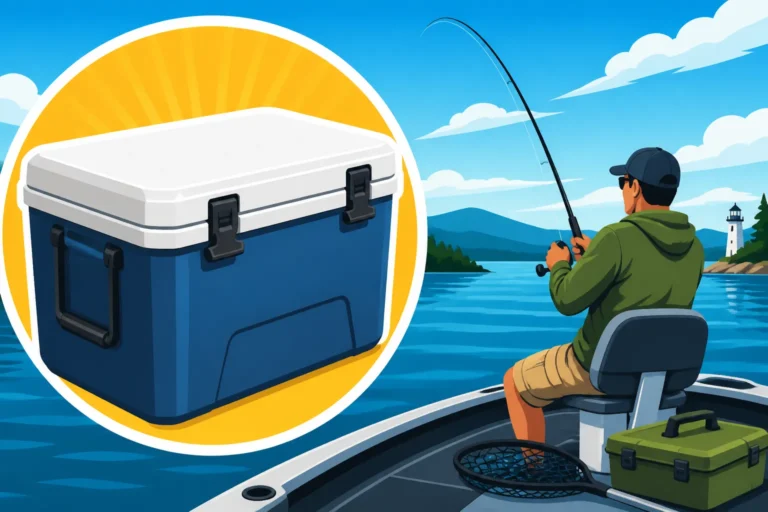
- Cooler with Ice: If you plan on keeping your catch for a delicious meal (and panfish are indeed excellent eating!), a small cooler with ice is essential. Getting fish on ice quickly preserves their flavor and ensures food safety. A small personal cooler, easily carried onto a dock or into a kayak, will suffice. Our guide on Best Cooler for a Fishing Boat offers some great options that can scale down for panfish outings. Remember, check Vermont Bag and Possession Limits by Species before you go!
Mastering Panfish Techniques with the Right Tackle
Having the right tackle is only half the battle; knowing how to use it effectively to tempt Vermont's panfish completes the equation. Panfish can be found in a diverse range of habitats, from shallow, weedy ponds to deep lake structures, and their behavior can change dramatically with the seasons. Adjusting your presentation and technique to match your specialized gear and the conditions will unlock consistent success.
Slow and Steady: The Key to Lure Presentation
One of the most common mistakes anglers make when targeting panfish with artificial lures is retrieving too quickly. Panfish are ambush predators, but they often feed on small, slow-moving prey. A lightning-fast retrieve might appeal to a bass, but it will often spook or simply be ignored by a panfish.
With your ultralight or light tackle, practice a slow, methodical retrieve. If you're using micro jigs or tiny spoons, cast them out and let them sink. Watch your line or bobber carefully for any subtle movements as the lure falls – this is often when a bite occurs. Once it reaches your desired depth, a slow, steady reel with tiny twitches or pauses can be incredibly effective. For crappie, a "lift and drop" motion, mimicking a dying baitfish, can be deadly. For bluegill and sunfish, a slow, continuous retrieve that barely keeps your spinner blade turning is often all it takes. This slower presentation not only gives the fish more time to react but also keeps your light lures in the strike zone longer, maximizing your chances. This technique is particularly important for crappie in Vermont, which are known for their preference for subtle movements.
Reading the Water for Panfish Hotspots
Panfish are structure-oriented fish, meaning they'll congregate around features that offer food, cover, or both. Your light tackle allows you to explore these areas effectively without getting constantly snagged or overpowering the subtle bites you're looking for.
- Shallow Cover: Look for lily pads, submerged weed beds, fallen trees, and docks in shallower water. These spots provide excellent cover from predators and are prime feeding grounds for bluegill and sunfish. Cast small jigs or live bait near the edges of this cover. Your sensitive rod will help you feel when your lure bumps against weeds, allowing you to subtly twitch it free.
- Deeper Structure: Crappie and larger perch often suspend in open water or hold tight to deeper structures like brush piles, rock piles, or channel edges, especially in larger lakes like Lake Champlain or Seymour Lake. Using a slip bobber rig with live minnows or vertically jigging small spoons and jigs (as we discussed in Jigging for Perch Through the Ice) allows you to precisely target these deeper fish. Your light line minimizes drag, helping your bait sink naturally and reducing line visibility in clear water.
- Seasonal Movements: Understand that panfish will move throughout the year. In spring, they'll often be shallower, spawning in bays and coves. In summer, they might move to deeper, cooler water during the day, returning to shallows at dawn and dusk. In fall, they might school up in preparation for winter. The right tackle, combined with seasonal knowledge, makes you a more versatile and successful panfish angler. Knowing how to read the water helps you apply the advice in our Best Techniques for Panfish in Vermont guide effectively.
By combining your specialized panfish tackle with thoughtful, patient techniques and a keen eye for fish-holding structure, you'll discover a whole new level of enjoyment and success targeting these wonderful, accessible fish across the beautiful waters of Vermont.
Disclaimer
This article is for general informational purposes only and does not constitute professional advice. Laws, prices and regulations vary by location and change over time. Consult a qualified professional for guidance on your specific situation.