Best cooler size for a day on Lake Champlain
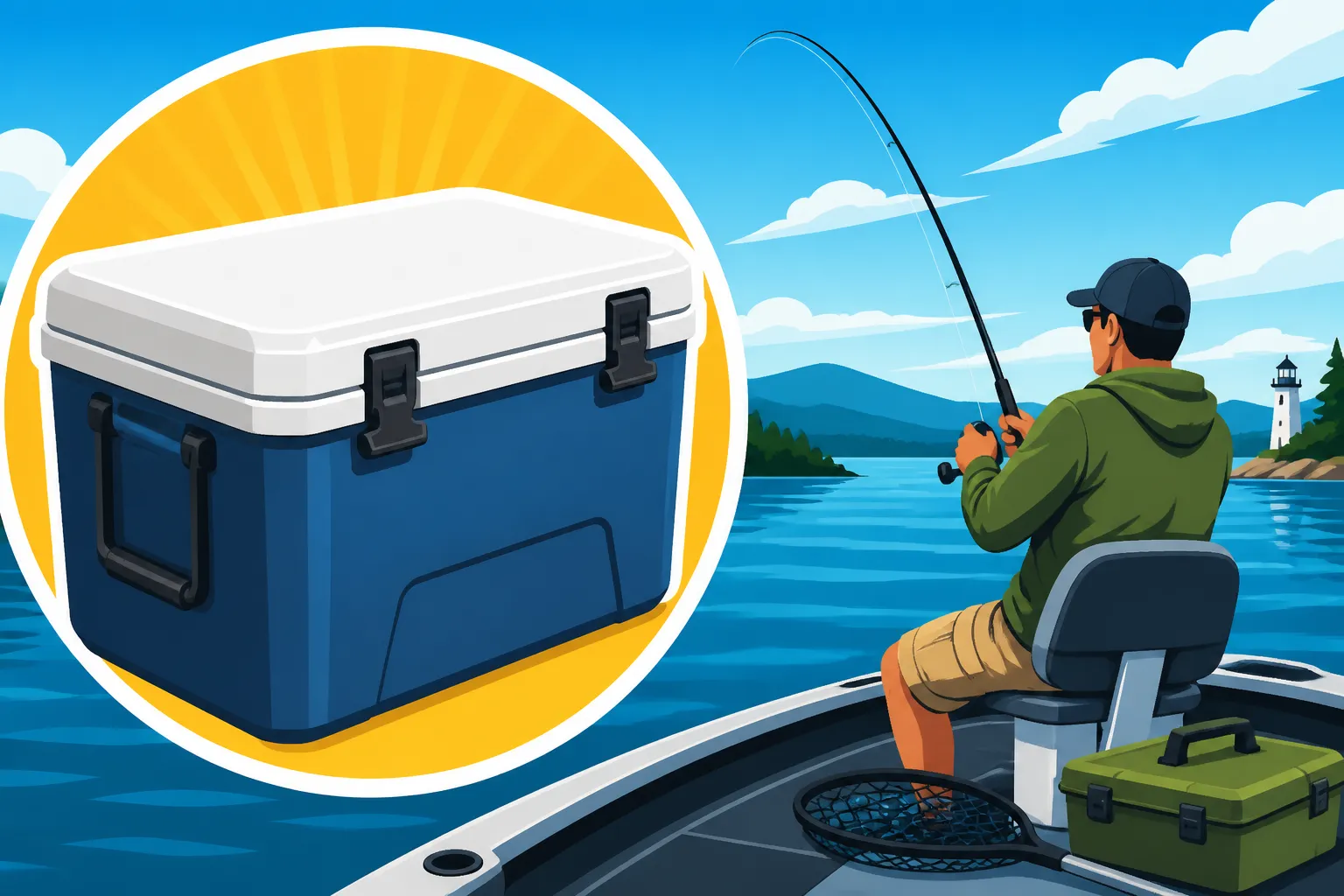
Oh, the age-old dilemma of the cooler! There's nothing quite like packing up for an exciting day of fishing on the vast, beautiful waters of Lake Champlain, only to realize halfway through that your cooler is either overflowing with melting ice and warm drinks, or it's a cavernous, empty beast taking up precious boat space. It's a real frustration, and it can definitely impact your enjoyment of an otherwise perfect day. This guide is here to walk you through how to pinpoint the ideal cooler size for your Lake Champlain adventures, ensuring your catch stays fresh and your refreshments stay chilled, no matter your fishing style.
Why Cooler Size Truly Matters on Lake Champlain
Choosing the right cooler for a day on Lake Champlain isn't just about throwing ice and fish into a box; it's about optimizing your entire experience. Lake Champlain is a massive body of water, and a "day trip" can easily stretch into many hours, sometimes even from dawn until dusk. You're not just running down to the local pond for an hour. This means you need gear that can stand up to the demands of a long outing, and your cooler is front and center for keeping everything from your lunch to your prize catch in prime condition.
The Problem with Too Small a Cooler
Picture this: you've planned a fantastic day chasing smallmouth bass on Lake Champlain, maybe around the rocky shoals of the Grand Isle area. You've packed a modest 20-quart cooler, thinking it'll be enough. But then, the fish start biting! You land a few beautiful smallmouth, maybe a hefty northern pike, and suddenly, your cooler is packed. Your lunch is now squished, your drinks are barely cool, and the ice you carefully packed this morning has dwindled to a few sad cubes floating in lukewarm water. Not only is this a bummer for your beverages, but it's also not ideal for preserving your catch, especially if you plan to keep a few for dinner. Undersized coolers lead to rapid ice melt, compromised food safety, and a general feeling of being unprepared, which can quickly take the shine off a great day. You're constantly worrying if things are staying cold enough, instead of focusing on the next bite.
The Hassle of an Overly Large Cooler
On the flip side, bringing a cooler that's much too large presents its own set of challenges. Maybe you opted for that massive 100-quart cooler, imagining a huge haul or a big family picnic. But today, it's just you and a buddy in a smaller utility boat or even a fishing kayak exploring the Missisquoi Bay. That cooler becomes an absolute behemoth. It takes up valuable deck space, making it harder to cast, move around, or even just sit comfortably. It's heavy to load and unload, even when empty, and it needs a disproportionate amount of ice just to keep the air inside cool, which is a waste of resources. Plus, it can actually make your boat less stable, especially if you're in a smaller craft. A huge cooler is simply overkill for most day trips, and it turns into a cumbersome obstacle rather than a helpful piece of gear.
Key Factors to Consider for Your Lake Champlain Cooler
When you're trying to decide on the perfect cooler size, there are several practical considerations specific to a large body of water like Lake Champlain. It's not a one-size-fits-all situation, and what works for a solo angler in a kayak won't work for a fishing party on a large pontoon boat.
How Many Anglers Are You Bringing?
This is probably the most straightforward factor. A solo trip requires significantly less cooler space than an outing with a full crew.
- Solo Angler: If you're heading out by yourself for a peaceful day, you really don't need a huge cooler. A compact 25-quart to 35-quart cooler is often more than enough. This will comfortably hold your lunch, snacks, a few drinks, and space for a couple of legal-sized trout, bass, or panfish you might decide to keep. The lighter weight and smaller footprint are big advantages when you're managing everything solo, whether you're navigating a small boat or launching a kayak.
- Two or Three Anglers: For a small group, you'll want to step up the size. A 45-quart to 65-quart cooler usually hits the sweet spot. This allows for ample drinks and food for everyone, plus sufficient space to keep a decent shared catch. Imagine a pair of you targeting Lake Champlain Smallmouth Bass Fishing; you'll want room for your refreshments and several fish, especially if you get into a good bite.
- Four or More Anglers / Family Outing: If you're taking out a larger party, perhaps on a pontoon boat for a fun day of fishing and relaxing, you'll need a substantial cooler. Sizes from 70-quarts up to 100-quarts become more appropriate. This capacity can handle a larger quantity of beverages, a full picnic spread, and a collective haul of fish without becoming overcrowded. When you've got multiple people, multiple preferences for drinks, and the potential for a bigger catch, you need the volume.
What Are You Planning to Keep (Food, Drinks, Fish)?
Beyond just the number of people, consider what you're putting in the cooler. Are you primarily concerned with keeping a trophy walleye fresh, or are you packing an elaborate lunch with delicate sandwiches and a variety of craft sodas?
- Food and Drinks Focus: If your primary concern is refreshments, you can often go a bit smaller, as food and drink containers are more uniformly shaped and pack efficiently. However, remember that Lake Champlain can get warm in the summer, and a good cooler with plenty of ice is essential for keeping things palatable and safe for hours.
- Fish Focus: If you're specifically targeting species like Walleye Fishing on Lake Champlain or lake trout, and you plan on keeping your limit, you need to factor in the size and quantity of those fish. A 20-inch walleye takes up more space than a panfish. You'll want enough room to lay the fish relatively flat and cover them adequately with ice. Some anglers even use a separate, smaller cooler just for drinks and food, dedicating the larger one solely to fish and ice to avoid any cross-contamination or "fishy" smells tainting their lunch.
How Long Will You Be Out on the Water?
A quick morning run of two to three hours is vastly different from an all-day expedition.
- Short Trips (2-4 hours): For brief outings, a smaller cooler (20-35 quarts) is perfectly fine. It'll keep a few drinks and snacks cold, and any fish you catch will stay fresh until you get back to shore for cleaning. You won't need an excessive amount of ice for these shorter durations.
- Half-Day Trips (4-6 hours): This is where many Lake Champlain fishing trips fall. A mid-sized cooler (45-65 quarts) is ideal. It provides enough space for more provisions and a better ice-to-contents ratio, meaning your ice will last longer, and everything will stay colder.
- Full-Day Trips (6-10+ hours): For those epic sunrise-to-sunset adventures, you'll want a larger cooler (70-100+ quarts) with excellent insulation. Long hours on the water, especially during warm summer days, will challenge any cooler's ice retention. A bigger cooler allows you to pack more ice, which is the key to keeping things cold for extended periods. Think about the need for sustained chill for Lake Champlain Lake Trout Fishing in deeper, cooler waters, where you want to keep that catch pristine until you're back on solid ground.
Your Boat's Size and Storage Capabilities
This is a practical consideration that many anglers overlook. The biggest, best-insulated cooler in the world is useless if it doesn't fit comfortably in your boat.
- Kayaks and Canoes: Space is at an absolute premium here. You're typically looking at compact, narrow coolers, often in the 15-quart to 30-quart range. Some anglers even prefer soft-sided coolers that can be tucked into hatches or strapped to the deck. You might consider a cooler that doubles as a seat. For serious kayak anglers, managing space is a constant puzzle. Best Kayak for Lake Champlain fishing means every piece of gear has to earn its spot.
- Small Jon Boats or Utility Boats: These often have open layouts but limited floor space. A 35-quart to 55-quart cooler often fits well, allowing for movement without tripping. You might place it under a bench seat or against a transom.
- Center Console, Bass Boats, Walleye Boats: Many dedicated fishing boats have more storage, including built-in cooler spaces or ample deck room. Here, a 65-quart to 100-quart cooler is more manageable, as it won't impede casting or movement. These boats are designed to handle larger gear, making a substantial cooler less of an imposition. Check out options at stores like Bass Pro Shops for coolers designed for boat use.
- Pontoon Boats, Cruisers: These larger vessels offer the most flexibility. You can easily accommodate a 100-quart or even larger cooler, especially if you're entertaining or planning a multi-generational fishing trip. Space isn't usually the limiting factor here.
Cooler Sizes for Lake Champlain Day Trips: A Quick Reference
To give you a clearer picture, here's a general guide for cooler sizes based on typical Lake Champlain fishing scenarios:
| Cooler Size (Quarts) | Approximate Capacity (12oz Cans w/ Ice) | Ideal Lake Champlain Use Case | Pros | Cons |
|---|---|---|---|---|
| 15-25 Quart | 15-20 cans | Solo Kayak/Canoe, Short Shore Fishing, Small Bass Boats (drinks only) | Lightweight, portable, minimal footprint, easy to carry | Limited capacity for fish, ice melts faster, less versatile |
| 30-45 Quart | 25-35 cans | Solo Angler (all-day), 2 Anglers (half-day), Small Boat | Good balance of capacity & portability, decent ice retention | Can get cramped with multiple fish, may still need more ice for full day |
| 50-70 Quart | 40-55 cans | 2-3 Anglers (all-day), Family Half-Day, Most Fishing Boats | Ample space for food, drinks & fish, good ice retention | Can be heavy when full, takes up more deck space |
| 75-100 Quart | 60-75 cans | 4+ Anglers (all-day), Group Outings, Pontoon/Larger Boats | Maximum capacity, best for large catches & long trips, excellent ice retention | Very heavy, bulky, requires significant boat space, expensive |
Note: The "cans with ice" capacity is an estimate and can vary greatly based on ice ratio and specific cooler design. Always prioritize space for ice; more ice equals longer retention.
Beyond Size: Features That Enhance Your Lake Champlain Cooler Experience
While size is paramount, it's not the only thing that makes a great cooler. For the demanding environment of Lake Champlain, certain features can elevate your cooler from merely adequate to truly exceptional.
Insulation Quality and Ice Retention
This is probably the single most important factor after size. Lake Champlain in July can be hot, and if your cooler can't hold ice, all the careful planning about size goes out the window. Look for coolers with:
- Rotomolded Construction: Many premium coolers, like those you find at Bass Pro Shops or even good options on Amazon, use rotomolded plastic, which means they're molded in one seamless piece. This eliminates weak points for heat transfer and makes them incredibly durable. They're often built like tanks, designed to withstand the bumps and scrapes that come with boat life.
- Thick Insulation: The thicker the walls and lid, the better the insulation. Many high-performance coolers boast 2-3 inches of pressure-injected polyurethane foam in their walls and lids. This traps the cold much more effectively than cheaper coolers.
- Good Gasket Seals: Just like your refrigerator, a good seal around the lid is crucial. Quality coolers use freezer-grade gaskets that create an airtight barrier, preventing cold air from escaping and warm air from sneaking in. This makes a huge difference in how long your ice lasts.
For a full day on Lake Champlain, especially if you're doing Vermont Ice Fishing Season Dates in the winter, having a cooler that truly locks in the cold (or prevents freezing in extreme cold) is invaluable. You want your ice to last, not just for a few hours, but potentially for 24-48 hours, providing a buffer against unexpected delays or heat waves.
Durability and Construction
A day on the water can be rough. Coolers get bumped, dropped, sat on, and generally abused.
- Robust Latches and Hinges: Flimsy plastic latches are a common failure point. Look for heavy-duty rubber T-latches or strong metal hinges that can withstand repeated opening and closing.
- Non-Slip Feet: On a wet boat deck, a cooler that slides around is a hazard. Non-slip rubber feet are a huge plus, keeping your cooler securely in place even when the boat is rocking.
- UV Resistance: If your cooler is going to be exposed to the strong Vermont sun all day, UV-resistant materials will prevent it from becoming brittle and cracking over time.
Think of it this way: your cooler isn't just a container; it's often extra seating, a casting platform, or a table. It needs to be tough enough to handle multiple roles throughout your fishing trip.
Portability and Ergonomics
While a large cooler means more capacity, it also means more weight. How easy is it to get from your vehicle to the boat and back again?
- Comfortable Handles: Wide, sturdy handles, often with rubberized grips, make carrying a heavy cooler much easier, especially with two people. Some larger coolers even come with wheels, which can be a godsend for getting it from your car to the dock.
- Drain Plug: A good, leak-proof drain plug is essential for easily draining melted ice water without having to tip the entire cooler over. Look for one that's securely attached so you don't lose it.
- Tie-Down Slots: Many fishing boats don't have perfectly flat surfaces. Tie-down slots or integrated points allow you to secure your cooler to prevent it from shifting around, which is a safety feature you'll appreciate on rougher days on Lake Champlain.
Practical Tips for Maximizing Cooler Efficiency on Lake Champlain
Once you've got the right-sized cooler, there are still some tricks to ensure it performs at its best throughout your long day on the lake.
Pre-Chilling is Key
Don't just throw warm drinks into a warm cooler with ice. Your ice will immediately begin working to cool down the cooler walls and the contents, wasting its precious chilling power.
- The Day Before: Place your empty cooler in a cool environment (garage, basement) overnight.
- Hours Before: A few hours before your trip, toss in a sacrificial bag of ice. Let it sit for an hour or two, then drain the melted water. This brings the cooler's internal temperature down, making your main ice supply much more effective.
- Chill Your Contents: Pre-chill all your drinks and food in your refrigerator at home before packing them into the cooler. Putting warm items directly onto ice is the fastest way to melt it.
Strategic Packing for Long-Lasting Cold
How you arrange your cooler can significantly impact ice retention.
- Ice First, Then Contents, Then More Ice: Start with a layer of ice on the bottom. Then, add your pre-chilled items, packing them as tightly as possible to minimize air pockets. Finish with another generous layer of ice on top. Cold air sinks, so a top layer of ice helps keep everything below it colder.
- Use Block Ice and Cubed Ice: Block ice melts much slower than cubed ice, making it ideal for the base layer of your cooler. Cubed ice is great for filling in gaps around your food and drinks, providing maximum contact for quick cooling. A combination of both is often the best strategy for a full day.
- Minimize Air Space: Air is the enemy of ice retention. Pack your cooler as full as possible. If you have extra space, fill it with crumpled newspaper, towels, or even empty plastic bottles to reduce the amount of warm air inside.
- Separate Ice for Drinks and Fish (Optional): As mentioned earlier, some anglers prefer to have two coolers. One smaller cooler for drinks and snacks that will be accessed frequently, and a larger, dedicated cooler for fish and the ice meant to preserve them. This prevents constant opening of the main fish cooler, which reduces ice melt.
Smart Cooler Management on the Water
Even the best cooler can't overcome poor management practices on a hot day.
- Keep it Closed: This sounds obvious, but resist the urge to constantly open the cooler. Every time you open it, warm air rushes in, and cold air escapes. Get what you need, then close it quickly and securely.
- Keep it Shaded: If possible, position your cooler in a shaded area of the boat. Direct sunlight will heat the cooler walls and significantly speed up ice melt. If shade isn't available, consider covering it with a light-colored towel or blanket to reflect the sun's rays.
- Avoid Draining Meltwater (Initially): While it might seem counterintuitive, a layer of cold water at the bottom of your cooler actually helps insulate the remaining ice. Only drain the water if the cooler becomes too full, or if the water is getting warm (which means your ice is probably gone anyway!). For fish, it's a bit different; you generally want to drain the water to keep the fish from sitting in a watery slush. This is where a separate "fish cooler" is ideal.
By paying attention to these details, you can significantly extend the life of your ice and ensure your provisions and catch remain perfectly chilled throughout your entire Lake Champlain fishing adventure. Whether you're chasing Vermont Lake Champlain Fishing Rules or just enjoying the scenery, the right cooler, properly managed, makes all the difference. You can find a huge variety of coolers and accessories that help with these tips on sites like Amazon, making it easy to outfit yourself for success.
Final Considerations for Your Lake Champlain Cooler Choice
Ultimately, the best cooler size for a day on Lake Champlain is the one that fits your specific needs, your boat, and your fishing style. Don't let marketing hype dictate your purchase entirely. Think realistically about your typical outings.
- Consider Multi-Purpose Use: Will this cooler also be used for camping trips, picnics, or tailgating? If so, a slightly larger, more versatile size might be a better investment.
- Budget: High-performance coolers can be a significant investment, but their durability and ice retention often justify the cost in the long run. There are also many excellent mid-range options that offer great value. Brands like Yeti, RTIC, and Orca are popular for their robust build and ice-keeping abilities, but don't overlook quality coolers from Igloo or Coleman, especially their marine-grade lines. You can often find great deals for various sizes at Bass Pro Shops or online through Amazon.
- Future-Proofing: If you anticipate getting a bigger boat or fishing with larger groups in the future, you might consider sizing up slightly. However, for a day trip specifically, avoid going excessively large, as the drawbacks often outweigh the potential benefits.
Choosing the right cooler for your Lake Champlain fishing adventures is about balancing capacity, portability, ice retention, and durability. By carefully considering the number of people, the duration of your trip, what you're packing, and the size of your vessel, you can select a cooler that enhances your time on the water, keeping your catch fresh and your thirst quenched from dawn till dusk. Happy fishing, and may your ice last longer than your bait!
Disclaimer
This article is for general informational purposes only and does not constitute professional advice. Laws, prices and regulations vary by location and change over time. Consult a qualified professional for guidance on your specific situation.