Best polarized sunglasses for sight fishing
There’s nothing quite as frustrating as being out on one of Vermont’s pristine rivers or serene lakes, knowing the fish are there, but a blinding glare on the water’s surface completely obscures your view. It's like having a secret world just beneath your feet that you can't quite access. This guide is dedicated to helping you unlock that hidden world by choosing the absolute best polarized sunglasses for sight fishing, ensuring you can spot those elusive bass, trout, or salmon before they ever see you.
Why Polarized Sunglasses are a Game Changer for Vermont Anglers
Ask any seasoned angler in Vermont, especially those who spend their days stalking trout on a clear mountain stream or peering into the shallows for cruising smallmouth, and they'll tell you that polarized sunglasses aren't just an accessory; they're essential gear. The difference they make isn't subtle; it's a monumental shift in how you interact with the water. Without them, you're essentially fishing blind in many situations, relying on guesswork rather than clear visual cues.
Cutting Through the Glare: Seeing Beneath the Surface
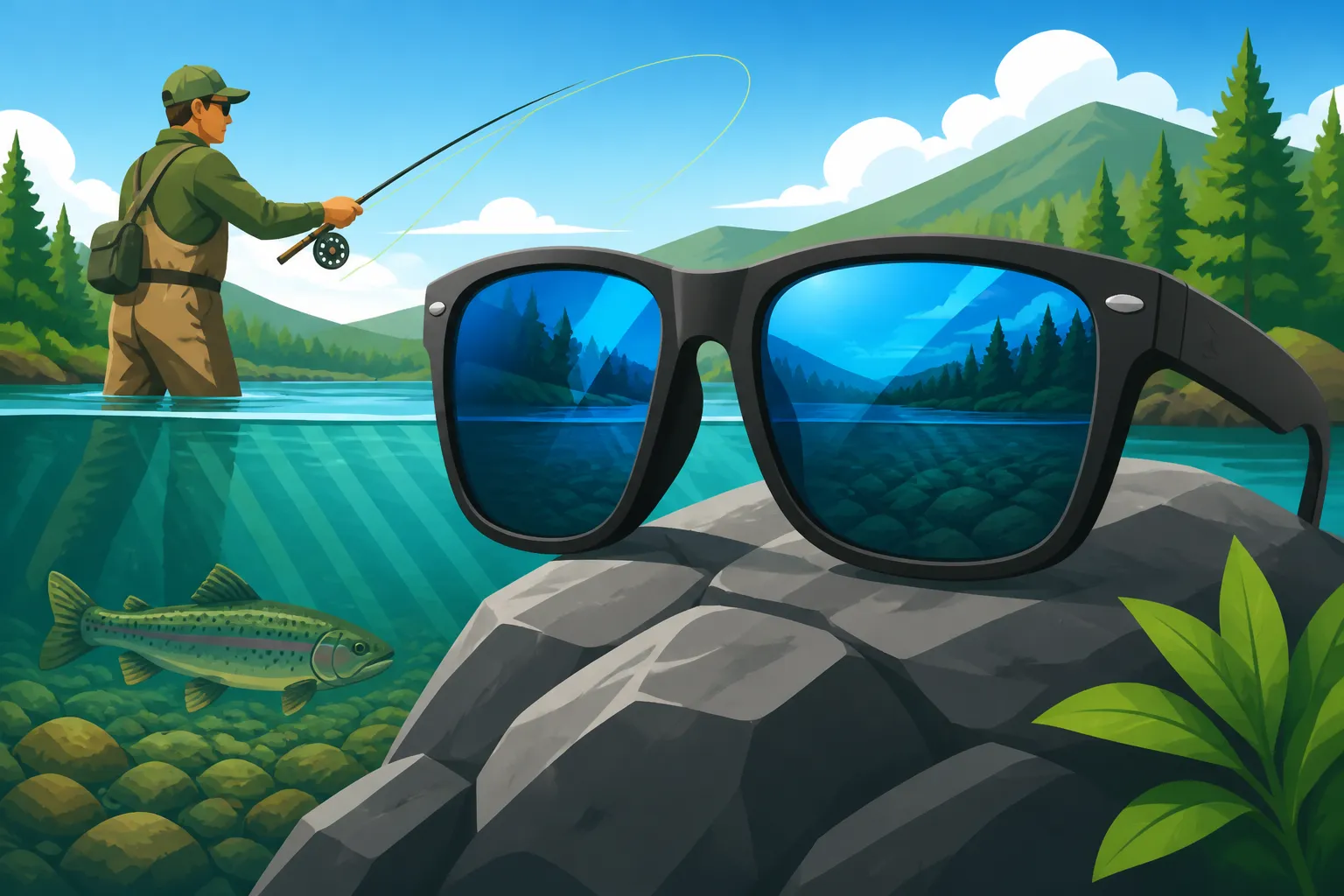
The primary, undeniable benefit of polarized lenses is their ability to cut through glare. When sunlight hits the water, it bounces off in all directions, creating a chaotic "whiteout" effect that obscures anything beneath the surface. This glare isn't just annoying; it makes it impossible to see submerged structure, detect subtle movements of fish, or even track your lure effectively. Polarized lenses have a special filter that blocks this horizontal glare, allowing vertical light to pass through. This optical magic means that instead of a shimmering, reflective surface, you'll see into the water with startling clarity.
Imagine standing on the bank of the Battenkill River, trying to pick out a feeding trout in a riffle. Without polarized lenses, it’s just a blur of sunlight. Slip on a good pair, and suddenly, the rocks, the gravel bottom, and yes, that dark shape holding in the current, all become visible. This isn't just about seeing the fish; it's about seeing their world, understanding the contours of the bottom, the subtle currents, and the hiding spots. It changes fishing from a guessing game to a strategic hunt, especially valuable when fly fishing on some of Vermont's renowned waters like the White River or the Lamoille River.
Eye Health and Reduced Fatigue: Beyond Just Seeing Fish
Beyond the immediate benefit of improved visibility, polarized sunglasses offer significant advantages for your long-term eye health and overall comfort on the water. Constant exposure to harsh glare and UV rays can lead to eye strain, headaches, and in the long run, more serious conditions like cataracts. Fishing all day under the Vermont sun, whether it’s a bright summer day on Lake Champlain or a crisp, clear fall morning on a high-elevation pond, puts a lot of stress on your eyes. Best Fishing Lakes in Vermont are beautiful, but they can be incredibly bright.
By reducing glare, polarized lenses dramatically lessen eye fatigue. You're not constantly squinting or struggling to see, which means you can stay out longer and remain more focused on the task at hand. The reduction in squinting also prevents those tension headaches that can creep in after hours of battling bright conditions. Most quality polarized lenses also come with 100% UV protection, shielding your eyes from harmful UVA and UVB rays. This combination of glare reduction and UV protection ensures that your vision remains sharp and your eyes stay healthy, allowing you to enjoy countless more days chasing fish across the Green Mountain State. It's a small investment for a lifetime of clearer vision and more comfortable outings.
Key Features to Look For in Sight Fishing Sunglasses
Choosing the right pair of polarized sunglasses for sight fishing isn't just about grabbing the first pair you see. There's a lot of nuance in design and materials that can significantly impact their performance and your comfort during those long Vermont fishing days. Think about the variety of conditions you encounter, from bright, open water on Lake Champlain to dappled light under the canopy of a trout stream. Your sunglasses need to be versatile and robust enough to handle it all.
Frame Design and Fit: Comfort for Long Days on the Water
The frame of your sunglasses is more than just a holder for the lenses; it's crucial for comfort and functionality. A poor fit can lead to discomfort, slipping, and even block your peripheral vision. When you're spending hours casting, paddling, or wading, every detail matters. Look for frames that are lightweight, durable, and offer a secure, snug fit without pinching. Many high-quality fishing sunglasses feature rubberized nose pads and temple tips that help grip your face, even when wet or sweaty, which is a real blessing when you're netting a feisty smallmouth or wading through a slippery riverbed.
Wraparound designs are often favored by anglers because they provide maximum coverage, blocking light from entering from the sides and top. This not only enhances glare reduction but also offers better protection from wind, spray, and errant hooks. Brands often use resilient materials like nylon, Grilamid, or proprietary blends that can withstand accidental drops and impacts, a common occurrence when you're focused on the fish. Trying them on is key – shake your head, look down, make sure they stay put comfortably. A good fit means you can practically forget you're wearing them, leaving you free to focus on the next cast. You can often find a wide selection at larger outdoor retailers like Bass Pro Shops where you can try on various styles to find the perfect fit.
Lens Material and Durability: Protecting Your Investment
The material of your lenses plays a huge role in both optical clarity and durability. You'll primarily encounter two main types: glass and polycarbonate. Each has its pros and cons, and your choice will often depend on your priorities and fishing style.
- Glass Lenses: These offer the absolute best optical clarity, minimal distortion, and are incredibly scratch-resistant. For anglers who demand the sharpest vision for spotting subtle movements or tiny flies, glass is often the preferred choice. However, glass lenses are heavier and can shatter upon impact, which might be a concern if you're particularly clumsy or engage in more rugged activities. They also tend to be on the higher end of the price spectrum.
- Polycarbonate Lenses: These are significantly lighter and far more impact-resistant than glass, making them a safer choice if you're prone to dropping your sunglasses or need extra protection. While they might not offer the absolute same level of optical clarity as premium glass, the difference is often imperceptible to the average angler, and modern polycarbonate lenses are exceptionally good. They are also typically more affordable. The trade-off is that polycarbonate scratches more easily than glass, so proper care is paramount.
Regardless of material, look for lenses that are coated to resist scratching, repel water (hydrophobic), and shed oils (oleophobic). These coatings help maintain clarity and make cleaning easier, which is vital when you're battling rain, spray, or sunscreen smudges. Investing in a good quality lens material means your sunglasses will perform better and last longer, enduring the varied conditions of Vermont fishing, from the harsh sun of August to the cold spray of spring runoff.
UV Protection and Optical Clarity: What Really Matters
While polarization is fantastic for cutting glare, it’s only half the battle. Comprehensive UV protection is non-negotiable for any outdoor activity, especially fishing. Look for sunglasses that explicitly state 100% UV400 protection, meaning they block 100% of harmful UVA and UVB rays. This is critical for protecting your eyes from long-term damage and reducing eye strain. Many polarized sunglasses offer this, but it’s always worth double-checking the specifications. Vermont Fishing Regulations Explained can guide you on rules, but your own eye protection is up to you!
Optical clarity refers to how undistorted and sharp your vision is through the lens. Cheap sunglasses, even if polarized, can cause distortion, leading to headaches and making it harder to accurately judge distances or spot fish. High-quality lenses are designed to minimize distortion across the entire lens surface. This means fish won't appear oddly shaped or at a different depth than they actually are, which is incredibly important for accurate casting and presentation. When you're trying to place a fly in a tiny eddy or drop a jig precisely onto a rock pile, every bit of clarity counts. Brands that focus on fishing often use advanced lens technologies to achieve superior clarity, making sure you see the water as it truly is, allowing for more confident and successful fishing throughout Vermont's diverse waters. Many anglers also browse Amazon for competitive pricing and reviews to compare different brands and their claims regarding optical clarity.
Lens Colors and Their Ideal Vermont Fishing Scenarios
The world of polarized sunglasses isn't just black and white (or gray, in this case!). The tint of your lenses plays a significant role in how well you see in different light conditions and environments. Just like you wouldn't use the same bait for every fish, you shouldn't use the same lens color for every fishing scenario in Vermont. Understanding which lens color excels in specific situations can drastically improve your sight fishing success.
Gray Lenses: General Purpose and Bright Conditions
Gray lenses are often considered the most versatile and are an excellent all-around choice, especially for bright, sunny days. Their primary benefit is that they transmit colors most naturally, without altering your perception of the environment. This means that everything you see, from the vibrant green of the Vermont foliage along a riverbank to the subtle hues of a fish's scales, will appear true to life.
For anglers on wide-open waters like Lake Champlain, where sunlight can be intense and reflective, gray lenses excel at cutting glare and reducing eye strain. They're also a solid choice for general fishing trips where you might encounter a mix of bright sun and intermittent clouds. If you're only going to own one pair of polarized sunglasses for fishing in Vermont, a good quality gray lens is usually the safest bet. They offer consistent performance across a broad spectrum of bright conditions, making them ideal for everything from open water trolling for walleye to casting for bass on sunny days.
Amber/Copper/Brown Lenses: Enhancing Contrast in Variable Light
When the light conditions are less than ideal—think overcast skies, dawn or dusk, or fishing in areas with mixed sun and shade—amber, copper, or brown lenses truly shine. These warm-toned lenses are exceptional at enhancing contrast, making it easier to distinguish structure, shadows, and fish against varying backgrounds. They filter out blue light, which can create haze and reduce visual sharpness, especially on cloudy days.
Imagine you're targeting trout in a shaded section of a stream like the Mettawee River, where the sunlight struggles to penetrate the tree canopy. Gray lenses might make everything a bit dim. But with amber or copper lenses, those submerged logs, rocks, and the outline of a trout holding near them become much more distinct. These lenses are also fantastic for early morning or late evening fishing, when the sun is low on the horizon and shadows are long, which is often when the bite is best. For serious sight anglers who pursue trout in streams or shallow-water bass in slightly murky conditions, a pair of amber or copper lenses can be a secret weapon. They essentially brighten your view and sharpen details, giving you an edge when the light isn't cooperating. This is especially true when learning How to Catch Smallmouth Bass in Vermont Lakes in varied light conditions.
Yellow/Rose Lenses: Low Light and Overcast Days
While less common for primary fishing use, yellow and rose-tinted polarized lenses have a niche but powerful application: extremely low light conditions, heavy overcast days, or deep shade. These lenses dramatically increase contrast and brightness, almost making it feel like you've turned up the lights. They're not designed for bright sun, as they can actually be too intense and cause eye strain in those conditions.
Consider a really foggy morning on Lake Willoughby, or a day so heavily overcast that it feels like perpetual dusk. Or perhaps you're deep in the woods, fishing a tiny brook where sunlight barely ever touches the water. In these specific scenarios, gray or even amber lenses might still leave you squinting. Yellow or rose lenses, however, can make a noticeable difference in illuminating the water, helping you spot subtle movements that would otherwise be invisible. They are excellent for specific conditions where maximum light transmission and contrast enhancement are needed. While they might not be your everyday pair, having a set of yellow or rose lenses in your kit can be invaluable for those truly dark and dreary fishing days in Vermont.
| Lens Color | Ideal Light Conditions | Key Benefit | Best For Vermont Scenarios |
|---|---|---|---|
| Gray | Bright, Sunny Days | Natural Color Perception | Open Lakes (Champlain), General Use |
| Amber/Copper/Brown | Variable Light, Overcast, Dawn/Dusk | Enhances Contrast, Reduces Haze | Trout Streams, Shaded Areas, Bass Flats |
| Yellow/Rose | Very Low Light, Heavy Overcast | Maximizes Brightness & Contrast | Foggy Mornings, Deep Woods Streams |
Caring for Your Investment: Longevity Tips for Your Shades
You've just invested in a fantastic pair of polarized sunglasses that are going to revolutionize your sight fishing experience in Vermont. Now, the key is to make them last. It's disheartening how quickly a good pair of shades can get scratched, bent, or lost due to simple negligence. Proper care isn't just about aesthetics; it's about maintaining the optical clarity and polarization that you paid for, ensuring they perform optimally for years to come.
Cleaning Best Practices: Avoiding Scratches and Smudges
One of the quickest ways to ruin a good pair of lenses is improper cleaning. That quick wipe on your shirt might seem convenient, but it can trap dirt and abrasive particles, leading to micro-scratches that degrade your vision over time. Always start by rinsing your lenses under clear, running water to remove any loose debris, salt spray, or dust. This is especially important after a day on the water, where dust, sunscreen, or fish slime can accumulate.
After rinsing, use a high-quality microfiber cleaning cloth specifically designed for lenses. Avoid paper towels, tissues, or rough fabrics, as these can also scratch the lens coatings. If your lenses are particularly greasy or smudged (from sunscreen or bug spray, a common foe for Vermont Fishing License Guide for 2026 holders), use a specialized lens cleaning spray or a mild soap solution. Gently wipe with the microfiber cloth until clean and dry. Never use harsh chemicals, window cleaner, or acetone, as these can damage the lens coatings or frame materials. A clean lens is a clear lens, and clear vision is paramount for spotting fish in those crystal-clear Vermont waters.
Proper Storage: Preventing Damage Off the Water
How you store your sunglasses when you're not wearing them is just as important as how you clean them. Leaving them loose in your tackle box, on the boat deck, or even hanging from your shirt collar is an open invitation for damage. They can get stepped on, crushed, or simply accumulate scratches from rubbing against other gear. This is a lesson many of us learn the hard way!
Always store your polarized sunglasses in a hard case when they're not on your face. This protects them from impacts, pressure, and abrasive materials. Many quality sunglasses come with a durable case, but if yours didn't, invest in one. It's a small expense that provides invaluable protection. If a hard case isn't practical for a quick moment, at least use a soft pouch or the microfiber cloth they came with. Never leave them on your dashboard, as prolonged exposure to extreme heat can delaminate lens coatings or warp plastic frames. By consistently storing your sunglasses properly, you're ensuring they're ready and clear for every adventure, whether you're fly fishing in a pristine Vermont Catch and Release Fly Fishing Only Waters or exploring the vastness of Lake Champlain.
Disclaimer
This article is for general informational purposes only and does not constitute professional advice. Laws, prices and regulations vary by location and change over time. Consult a qualified professional for guidance on your specific situation.