Best Trolling Gear for Lake Champlain Walleye
Oh, the allure of Lake Champlain walleye! There's something truly special about the anticipation of that distinctive thumping bite while you're steadily trolling across those vast waters. But let's be real, stepping into the world of walleye trolling, especially on a lake as big and diverse as Champlain, can feel overwhelming. You look at all the rods, reels, lines, and mysterious gadgets, and it’s easy to get lost, wondering if you’re even setting yourself up for success. This guide is here to untangle that knot of confusion, breaking down all the essential trolling gear you'll need to confidently chase those elusive Lake Champlain walleye, making your next outing much more productive and enjoyable.
Understanding Lake Champlain Walleye Trolling
Lake Champlain is a beast of a lake, a true inland sea that demands respect and the right approach, especially when you're targeting a cunning fish like the walleye. Trolling isn't just a method; it's often the most effective strategy for consistently finding and catching these fish across its immense and varied habitat. Understanding why trolling works so well here, and the specific challenges this lake presents, is your first step toward building the perfect gear setup.
Why Trolling is Effective for Walleye
Walleye are often nomadic, particularly in a large body of water like Lake Champlain. They follow baitfish, move between different depths and structures throughout the day, and can be spread out over vast areas. Trying to cast to them one by one can feel like finding a needle in a haystack. Trolling, however, allows you to cover immense amounts of water efficiently, systematically searching for active fish. You're presenting multiple lures at different depths and distances simultaneously, increasing your chances of intercepting a hungry walleye. It’s like having several lines in the water without needing several anglers, which is a huge advantage when fish are scattered or holding to subtle breaks in the bottom that are hard to pinpoint with traditional casting.
Furthermore, walleye are often sight feeders in low light conditions, and the consistent, controlled movement of a trolled lure can be irresistible. Whether it’s dawn, dusk, or a cloudy day, the steady action of a crankbait or the tantalizing sway of a crawler harness can draw a strike when static presentations might not. This method also lets you maintain a precise depth for extended periods, which is critical when walleye are holding tight to a specific thermal layer or a particular depth contour. It truly is a game of geometry and patience, and trolling gives you the tools to play it effectively on Champlain.
Lake Champlain's Unique Trolling Challenges
Fishing Lake Champlain is not like fishing a small pond; it presents unique challenges that directly influence your gear choices. First, its sheer size means you're often dealing with big water conditions – wind, waves, and strong currents can all impact your trolling spread and boat control. You need gear that can withstand these forces and maintain its effectiveness. Secondly, Champlain has an incredibly diverse bottom structure, ranging from vast, featureless flats to dramatic rock piles, deep channels, and submerged humps. Your trolling gear needs to be versatile enough to present lures effectively over these different terrains, without constantly snagging.
Then there's the walleye itself on Champlain. These fish can hold at various depths, from shallow weed edges in the bays to the deeper main lake basin. You need methods to precisely control your lure depth, whether that's inches off the bottom or suspended over deep water. Lastly, boat traffic, especially during peak season, can be a factor, requiring tight boat control and the ability to adjust your trolling pattern quickly. All these elements mean that a casual trolling setup might leave you frustrated; you need purpose-built gear and a thoughtful approach to truly unlock Champlain's walleye potential.
Key Walleye Habits to Consider
To effectively troll for Lake Champlain walleye, you need to think like a walleye. These fish are predators, but they're also opportunists and quite sensitive to light. This means they often become most active during periods of low light, such as dawn, dusk, or on heavily overcast days. During brighter conditions, they tend to retreat to deeper, darker water or seek cover in dense weeds or under structure. Understanding this light sensitivity directly impacts how deep you need to present your lures and at what times of day you should focus your efforts. You might be trolling shallow flats at first light, then transitioning to deep contours or open water during midday.
Walleye are also heavily influenced by baitfish presence. Smelt, alewives, and perch are common forage in Lake Champlain, and knowing where these bait schools are holding is paramount. Your electronics, which we'll cover later, become your eyes underwater, helping you locate these schools and the walleye lurking beneath them. Lastly, walleye are structure-oriented. While they might roam open water, they'll often relate to points, humps, drop-offs, channels, and weed lines. Your trolling passes should ideally trace these features, presenting your lure right in their strike zone. Considering these habits allows you to choose not just the right gear, but to deploy it in the most strategic way possible for success on Champlain.
The Foundation: Rods and Reels for Trolling
When you're committing to trolling on Lake Champlain for walleye, your rods and reels aren't just tools; they're the heart of your entire presentation. They need to be robust enough to handle the stress of pulling lures, precise enough to indicate a subtle bite, and durable enough to withstand the elements and the fight of a good walleye. Choosing wisely here will make all the difference in your comfort, efficiency, and success on the water.
Choosing the Right Trolling Rod
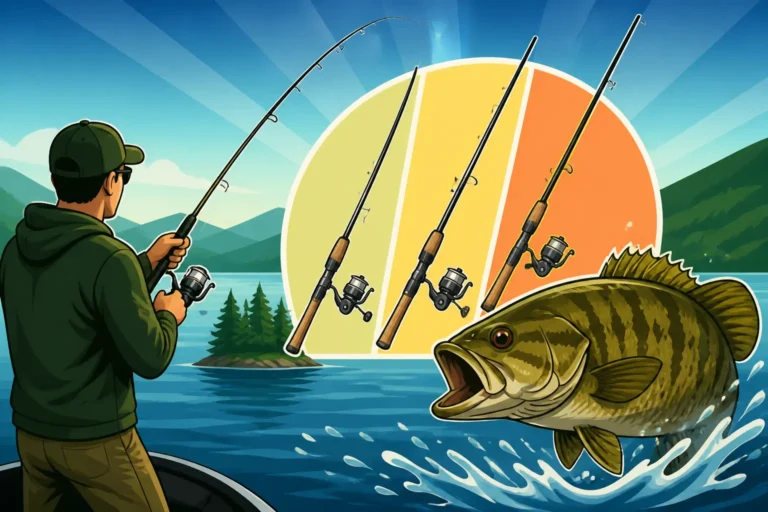
For walleye trolling on Lake Champlain, you're not looking for a flimsy ultra-light rod. You need something with a specific combination of power and sensitivity. Generally, a medium to medium-heavy power rod, with a moderate or moderate-fast action, is ideal. The moderate action is crucial because it allows the rod to absorb the shock of a strike without pulling the hooks out of a walleye’s soft mouth, especially when you're moving at speed. It also provides a forgiving flex when a fish runs, reducing the chance of a broken line.
Length is also important; rods typically range from 7 to 9 feet. Longer rods help spread out your lines when running multiple rods, preventing tangles. They also provide more leverage when fighting a fish and absorb more shock from waves. A good quality fiberglass or composite rod will offer the necessary durability and consistent action. Many anglers opt for specialized trolling rods that are designed with a slightly softer tip to detect the subtle vibrations of a lure running correctly, but with plenty of backbone to handle a decent walleye or even an incidental lake trout. When you're fishing on a vast body like Champlain, you'll appreciate a rod that can take a beating and keep on ticking, so don't skimp on quality.
Selecting the Ideal Trolling Reel
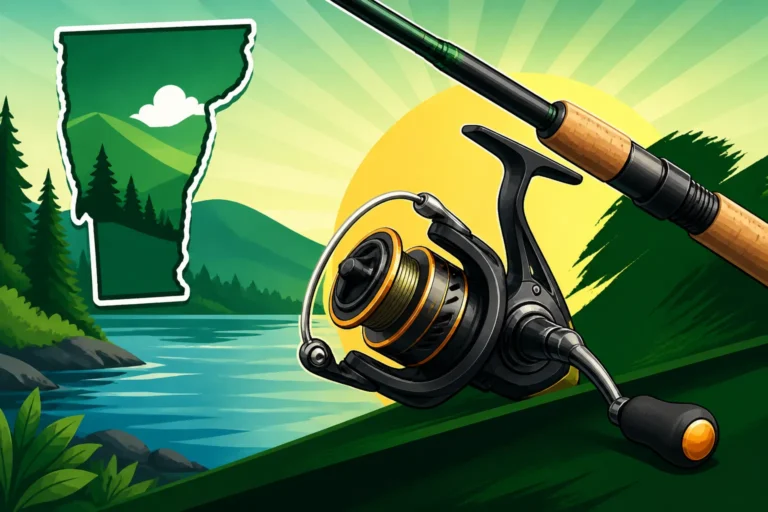
Matching your rod with the right reel is paramount. For walleye trolling, you’ll primarily be looking at baitcasting reels, and specifically, line counter models. A line counter reel is an absolute game-changer because it tells you exactly how much line you have out. This precision is invaluable when you're trying to replicate a successful trolling pass at a specific depth or when you need to match the depth of your buddy's successful lure. Consistency is key in trolling, and these reels deliver it.
Look for reels with a smooth, reliable drag system, as this is critical for fighting fish without breaking your line. A good gear ratio, often in the 4.0:1 to 5.0:1 range, provides ample power for reeling in larger fish or when retrieving long lengths of line and heavy diving lures. Durability is another factor, as these reels will be exposed to water, sun, and constant use. Sealed bearings and corrosion-resistant components are a major plus, especially on a large lake like Champlain where you might encounter varied conditions. Many anglers find reliable options from brands like Shimano or Daiwa, which offer models specifically designed for trolling that hold up season after season.
Line Choices: Mono, Braid, or Fluorocarbon?
The line you spool onto your trolling reels plays a vital role in how effectively your lures run and how well you detect bites. Each type of line has its advantages and disadvantages, and often, a combination is the best approach for Lake Champlain walleye trolling.
-
Monofilament (Mono): This is often a good choice for beginners due to its affordability and stretch. The stretch acts as a shock absorber, which can be forgiving when a fish strikes or during sudden boat movements. It's also more buoyant than other lines, which can be a factor with certain lures. However, mono has more diameter for a given breaking strength, which means more water resistance and a shallower dive for your lures. It also has memory, leading to coils, and its visibility can be a concern in clear water. For specific scenarios, especially with leadcore, a mono backing or top shot can work well.
-
Braided Line: Braided line has almost no stretch, offering incredible sensitivity. You'll feel every vibration of your lure and the lightest bite, which is a huge advantage for detecting subtle walleye takes. Its thin diameter for its breaking strength means less water resistance, allowing lures to dive deeper than with mono, or run with less drag. The downside is its visibility in clear water and its lack of stretch, which means less forgiveness during a strike or a strong run from a fish. Most experienced walleye trollers use braided main lines (e.g., 10-20 lb test) for their sensitivity and strength, often adding a leader.
-
Fluorocarbon: Fluorocarbon is virtually invisible underwater due to its refractive index being similar to water. It also has very little stretch and excellent abrasion resistance, making it fantastic for leaders. While it sinks, using it as a main line can be quite expensive, and its stiffness can make it less manageable on some reels. Many anglers will use a 10-20 foot fluorocarbon leader (e.g., 10-15 lb test) tied to their braided main line. This gives them the sensitivity and strength of braid, combined with the invisibility and abrasion resistance of fluoro right at the business end, where the walleye can see it. It's a fantastic compromise that often leads to more bites in clear Lake Champlain waters. Best Fluorocarbon Line for Clear Lake Water provides even more detailed insights.
Lures and Baits: The Walleye's Weakness
Once you have your rod and reel setup, the next critical component is what you're presenting to the walleye. Lake Champlain walleye are opportunistic feeders, but they can also be finicky. Having a diverse arsenal of lures and baits that can be trolled at various depths and speeds is essential for cracking the code on any given day. From hard-bodied crankbaits to delicate live bait rigs, understanding when and how to deploy each will significantly increase your success.
Crankbaits for Varying Depths
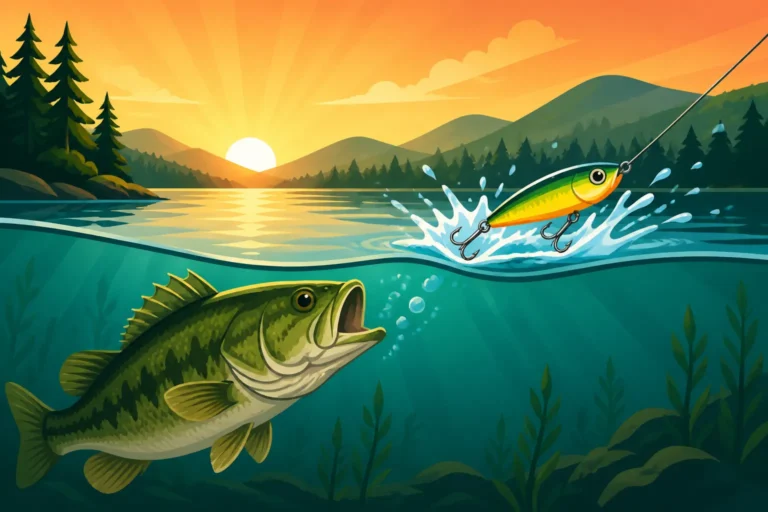
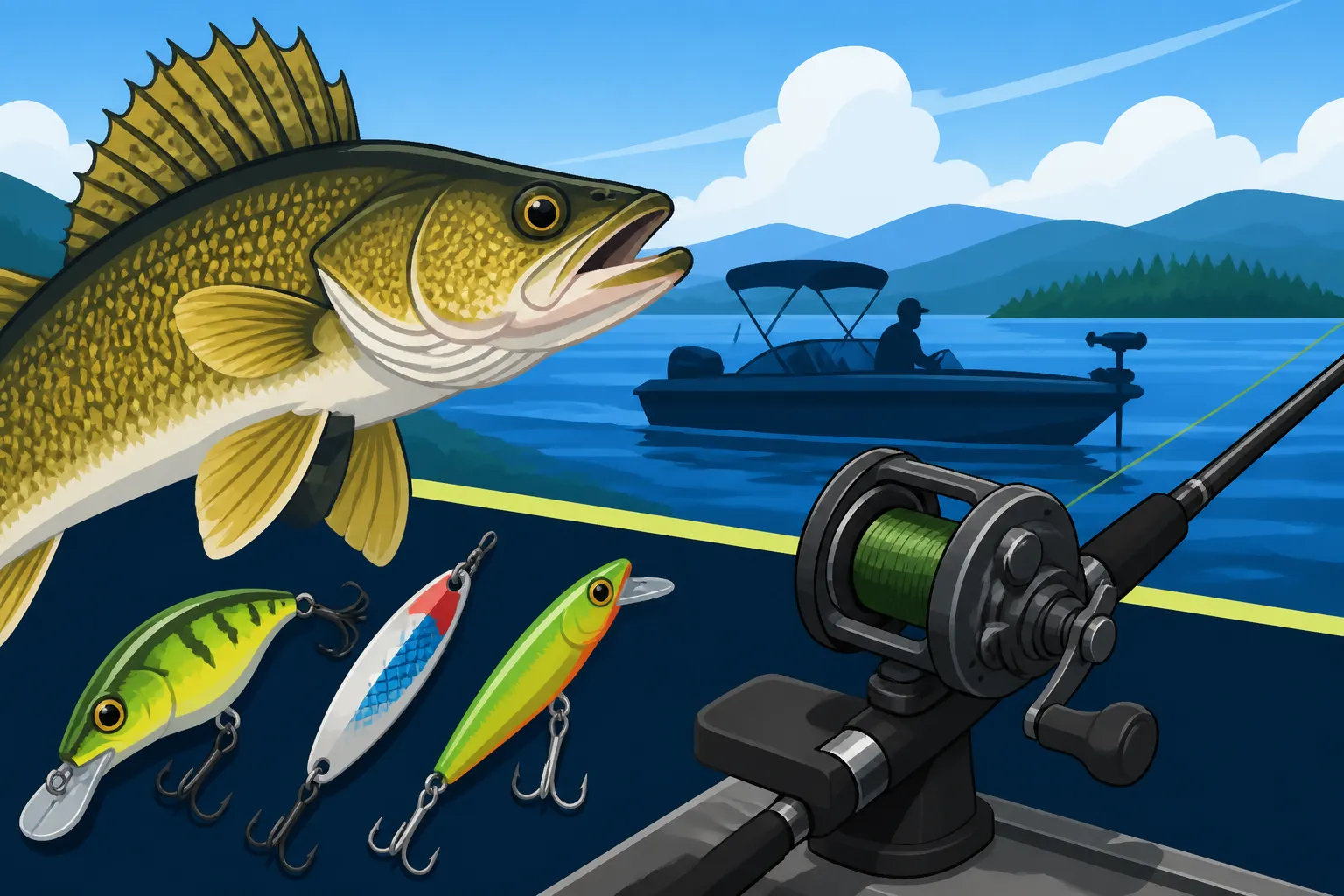
Crankbaits are arguably the most popular and versatile trolling lures for walleye on Lake Champlain. They come in countless shapes, sizes, colors, and lip designs, all of which dictate their action and how deep they dive. The key is to have a selection that covers a range of depths, from shallow to deep, and that can imitate the local baitfish.
- Shallow Divers: For trolling over weed flats, shallow bars, or during low light conditions, crankbaits that dive only a few feet are essential. These typically have smaller lips or a more streamlined body profile. Examples might include smaller Rapala Shad Raps or Berkley Flicker Shads. They’re excellent for drawing strikes from active walleye holding near cover or patrolling the shallows.
- Medium Divers: These are your workhorses, designed to reach depths from 8 to 15 feet on their own with standard line. They have a moderately sized lip and a more robust body. These are great for targeting deeper weed edges, drop-offs, or suspended walleye.
- Deep Divers: When walleye retreat to the cooler, darker depths of Lake Champlain, you need crankbaits with large, aggressive lips that can plummet to 20, 30, or even 40+ feet on their own. Brands like Bagley, Storm, and Rapala make excellent deep-diving models. These lures can be fished without additional weights or planer boards, making them simpler to manage for a two-rod spread. The important thing is to understand the diving curve of each lure with your specific line and speed, which often requires a bit of experimentation or consulting diving charts. Best Lures for Walleye Trolling on Lake Champlain offers more specific recommendations.
Crawler Harnesses and Live Bait Rigs
While crankbaits are fantastic for covering water, sometimes walleye prefer a slower, more natural presentation. This is where crawler harnesses and live bait rigs shine. These rigs are particularly effective when walleye are finicky, suspended, or when you're targeting specific structures where a slower pass is required.
- Crawler Harnesses: A crawler harness typically consists of a series of snelled hooks (often two or three) adorned with beads and a clevis that holds a spinner blade. A nightcrawler is threaded onto the hooks, providing scent and natural action. The spinner blade adds flash and vibration, attracting walleye from a distance. These rigs are often trolled behind bottom bouncers or inline weights to get them to the desired depth. Different blade colors, sizes, and shapes (e.g., Colorado, Indiana, Willowleaf) can be experimented with to find what the walleye prefer on any given day. They are incredibly effective for mimicking natural forage and can be deadly when walleye are hesitant to commit to faster-moving crankbaits.
- Live Bait Rigs: Beyond nightcrawlers, other live baits like minnows or leeches can be incredibly effective when trolled on simple snelled hook rigs, often behind a bottom bouncer or a small weight. Minnows, especially emerald shiners or fatheads, can be irresistible to walleye. Leeches are also a walleye favorite, offering a subtle, wiggling presentation. The key with live bait is to troll slowly, just fast enough to impart some action to the bait, but not so fast that it tears off the hook. Live bait introduces natural scent and movement that can trigger bites from even the most lethargic walleye, often when artificial lures fail.
Spoons and Jigging Raps for Deeper Waters
While less common for pure trolling compared to crankbaits and crawler harnesses, spoons and specific jigging lures can be incredibly effective when trolled in conjunction with systems like downriggers or leadcore, particularly in deeper Lake Champlain waters or when targeting suspended fish.
- Trolling Spoons: Thin, metallic spoons, designed to wobble and flash, are primarily known for salmon and lake trout, but they can be highly effective for walleye, especially those suspended in the water column or feeding on open-water baitfish like smelt. Spoons like Michigan Stingers or Warrior Lures in smaller sizes can be trolled behind downriggers or dipsey divers. The flash and erratic movement of a spoon can imitate a wounded baitfish, triggering aggressive strikes. Experiment with different colors and sizes to match the local forage or the mood of the fish. Their effectiveness often increases when walleye are chasing fast-moving bait in deeper water, and you're covering vast open areas of Champlain.
- Jigging Raps (or Glide Baits): While primarily designed for vertical jigging, lures like Rapala Jigging Raps can be effectively incorporated into a trolling spread, particularly when fished on leadcore line or short setbacks behind planer boards. The unique darting and gliding action of these lures, even at slow trolling speeds, can be incredibly enticing. They mimic a dying baitfish and are particularly good when walleye are tight to the bottom or structure. The key is to find the right speed to make them "dance" without spinning unnaturally. These can be particularly deadly during colder water periods when walleye are less aggressive but still respond to a subtle, erratic presentation.
Getting to Depth: Planers, Downriggers, and Leadcore
Lake Champlain's vastness and varied depths mean that simply casting a lure isn't always enough to reach walleye. You need precise depth control and the ability to spread your lines to effectively cover water. This is where specialized depth control methods come into play, each with its own advantages for different situations. Mastering these tools will greatly expand your walleye trolling repertoire.
Planer Boards: Spreading Your Spread
Planer boards are ingenious devices that allow you to take your lures away from the boat's prop wash and create a wide trolling spread. This is crucial for two main reasons: first, it presents your lures to fish that might be spooked by the boat itself, especially in shallower or clearer water. Second, it allows you to run multiple lines without tangling, covering a much broader swath of water on each pass.
There are two main types:
- Inline Planer Boards: These are smaller, often foam-filled boards that clip directly to your fishing line. When a fish strikes, the board often releases or slides down to a swivel, making the fight more direct. These are popular for targeting walleye in shallower to moderate depths (up to about 20-25 feet, using diving crankbaits or weights). You can run several inline boards on each side of the boat, creating a wide fan of lures. Brands like Off Shore Tackle are very popular among walleye anglers for their durability and consistent performance.
- Mast/Big Board Systems: These are larger, heavier boards that are tethered to a mast on your boat. Your fishing lines are then clipped to releases on the main board line, allowing you to run many lines from a single board on each side. When a fish strikes, the line pops free from the release, and you fight the fish directly. These systems are fantastic for covering extremely wide areas, especially when you need to run deep-diving crankbaits or leadcore lines far away from the boat. They are more complex to set up but offer unparalleled coverage on a large lake like Champlain.
Regardless of the type, planer boards are invaluable for presenting lures in areas where walleye are wary, and for efficiently searching vast open water.
Downriggers: Precision Depth Control
If precision depth control is your goal, especially in deeper waters or when walleye are suspended, downriggers are your best friend. A downrigger uses a heavy cannonball weight (often 8-12 lbs) on a cable, which is deployed to a specific depth. Your fishing line, with its lure, is attached to this cable via a release clip. When the downrigger weight reaches your desired depth, you set your rod in a holder, and the lure trails behind the weight.
The magic happens when a fish strikes: the line pulls free from the release clip, and you fight the fish directly on your rod and reel, without the weight of the cannonball. This allows you to fish very light lines and smaller lures at extreme depths, presenting them in a natural way. Downriggers are excellent for targeting walleye holding at specific thermal breaks or tight to a deep, submerged hump. They also allow you to see exactly where your lure is running on your fish finder, which is an enormous advantage. While they require a bit more setup and investment, the ability to precisely place your lure in the strike zone time and time again makes them indispensable for deep-water Lake Champlain walleye trolling. Many anglers find durable and reliable downriggers from brands like Cannon or Scotty, available at major retailers like Bass Pro Shops or through Amazon.
Leadcore Line: The Silent Depth Master
Leadcore line is another fantastic tool for achieving depth, offering a different approach compared to planer boards or downriggers. It's a specialized fishing line with a lead core encased in a braided or Dacron sheath. The lead makes the line inherently heavy, causing it to sink. The beauty of leadcore is that it achieves depth without the need for additional weights clipped to your line, making it a "cleaner" trolling system.
Leadcore is color-coded, typically with a new color appearing every 10 yards (30 feet). This allows you to easily track how much line you have out and, therefore, how deep your lure is running. A general rule of thumb for moderate speeds (around 1.5-2.5 mph) is that each "color" (30 feet) of leadcore will take your lure down approximately 5-7 feet, depending on the lure's inherent diving capability and speed. So, if you're running 5 colors, your lure might be 25-35 feet down.
Leadcore is excellent for covering a wide range of depths, from just below the surface to 30-40 feet or more, without the bulk of downriggers or the horizontal spread of planer boards. It's particularly effective when walleye are suspended over deeper water or holding to gradual depth changes. The heavy line also provides a bit of a shock absorber during a strike, which can be beneficial with certain lures. You'll often use a fluorocarbon leader (20-50 feet) at the end of your leadcore to connect to your lure, providing invisibility and abrasion resistance. Best Trolling Depth for Walleye on Lake Champlain delves deeper into how to estimate depths with various systems.
Essential Electronics: Fish Finders and Navigation
In a lake as large and complex as Lake Champlain, going out without proper electronics is like trying to navigate a maze blindfolded. Your fish finder and GPS are not just conveniences; they are absolutely essential tools for locating walleye, understanding the underwater terrain, and safely navigating the sprawling waters. They transform guesswork into informed decisions, drastically improving your chances of success.
Choosing a Quality Fish Finder
A modern fish finder is your window into the underwater world of Lake Champlain. For serious walleye trolling, you’ll want a unit that offers more than just basic sonar. Look for models that include:
- 2D Sonar: The traditional view that shows fish arches and bottom contours. Higher frequency transducers offer more detail.
- Down Imaging (or DownScan): Provides a photographic-like view directly beneath your boat, making it easier to identify structure like rocks, timber, or dense bait balls.
- Side Imaging (or SideScan): This is a game-changer for covering large areas and finding structure that might be off to the sides of your boat. It sends out sonar beams to the left and right, painting a detailed picture of the bottom and any fish or structure up to hundreds of feet away. For Lake Champlain's vastness, side imaging allows you to quickly scan large flats or map out contours, pinpointing subtle humps or rock piles where walleye might be holding.
- GPS/Chartplotter Integration: While we'll discuss GPS separately, having it integrated into your fish finder unit is incredibly convenient. It allows you to mark waypoints for baitfish schools, productive trolling passes, or specific structure directly on your map, and then navigate back to them with ease.
- High-Resolution Screen: A larger, higher-resolution screen makes it much easier to interpret the detailed information provided by advanced sonar technologies, especially when you're watching for subtle changes in bottom composition or faint fish arches.
Brands like Humminbird (with their MEGA Imaging) and Lowrance (with their ActiveTarget) are leading the pack in advanced sonar technologies that are incredibly useful for walleye fishing. Investing in a good quality fish finder is perhaps the single most important electronic upgrade you can make for walleye trolling on Lake Champlain. Best Fish Finders for Vermont Lakes offers a detailed comparison to help you choose.
GPS and Chartplotters for Lake Champlain
Beyond simply finding fish, navigating Lake Champlain safely and efficiently is paramount. A dedicated GPS unit or a combined GPS/chartplotter on your fish finder screen is indispensable.
- Precision Navigation: Lake Champlain is huge, and without a reliable GPS, finding your way back to a productive spot, a specific channel, or even the launch ramp can be challenging, especially in fog or low light. A GPS allows you to mark "hot spots" (waypoints) where you caught fish or saw significant bait activity. You can then create routes to revisit these areas, troll specific contours, or make precise turns.
- Detailed Mapping: A chartplotter, with its pre-loaded or purchasable detailed mapping chips (like those from Navionics or LakeMaster), provides contour lines, navigation aids, and hazard warnings directly on your screen. This is critical for understanding the lake's bottom topography, which is where walleye often relate. You can see drop-offs, humps, old river channels, and weed lines, allowing you to plan your trolling passes to intersect these features.
- Safety: Beyond fishing, a GPS with reliable mapping is a crucial safety tool. It helps you avoid submerged hazards, navigate through narrow channels, and can be a lifesaver if you encounter unexpected weather or mechanical issues, allowing emergency services to pinpoint your location. For a lake of Champlain's magnitude, robust navigation tools are non-negotiable.
Sonar Settings for Walleye Detection
Having a state-of-the-art fish finder is only half the battle; knowing how to properly adjust its settings to detect walleye on Lake Champlain is the other. Many anglers leave their units on factory default settings, missing out on crucial information.
- Sensitivity/Gain: This is perhaps the most important setting. Too low, and you'll miss fish and subtle bottom details. Too high, and you'll get excessive clutter and false readings. The goal is to set it as high as possible without creating too much noise. You want to see clear arches for fish and distinct bottom returns. This often requires constant adjustment based on depth, water clarity, and bottom type.
- Frequency: Most fish finders offer dual-frequency options (e.g., 83/200 kHz or similar). Lower frequencies (e.g., 83 kHz) penetrate deeper and cover a wider cone but offer less detail. Higher frequencies (e.g., 200 kHz) provide finer detail and better target separation in shallower water or for distinguishing fish close to the bottom. For side imaging, understanding the range and frequency settings is crucial for getting clear, broad images of the lake bottom.
- Chart Speed: This controls how fast the sonar history scrolls across your screen. A faster chart speed stretches out fish arches, making them easier to distinguish, but the screen refreshes more rapidly. A slower speed compresses the history. Experiment to find what works best for your trolling speed and personal preference.
- Range and Zoom: Properly setting your depth range and using zoom functions can help you focus on the specific water column where you expect walleye to be. If you're trolling in 30 feet of water and walleye are holding at 20 feet, zooming in on the 15-25 foot range can give you a much clearer view of those fish. Taking the time to learn and adjust these settings will significantly enhance your ability to interpret what your sonar is showing you and ultimately locate more walleye.
Boat Setup and Accessories for the Walleye Angler
Your boat isn't just a means of transportation; it's your mobile fishing platform. Optimizing its setup with the right accessories can make your Lake Champlain walleye trolling experience much more comfortable, efficient, and ultimately, successful. From securing your rods to keeping your catch fresh, every detail counts.
Rod Holders: A Troller's Best Friend
When you're running multiple lines, often spread out with planer boards or deep with downriggers, a robust rod holder system is non-negotiable. You can't hold all those rods yourself, and even if you could, you wouldn't be able to effectively fight a fish or manage your spread.
- Types of Rod Holders: There are various designs, including flush-mount, rail-mount, and track-mount systems. Track-mount systems, like those from Cannon or Berts Custom Tackle, are incredibly versatile, allowing you to slide and position multiple rod holders precisely where you need them along a track mounted to your gunwales. This adjustability is critical for fine-tuning your trolling spread.
- Angle and Strength: Look for holders that are fully adjustable in angle, allowing you to position your rod tips for optimal lure presentation and strike detection. The holders must be incredibly strong and securely mounted, capable of withstanding the force of a powerful walleye strike or even an incidental musky. A weak rod holder can lead to a lost rod, reel, and fish—a scenario every angler dreads. Many experienced Lake Champlain walleye anglers opt for metal (aluminum or stainless steel) rod holders for maximum durability.
Livewells and Coolers: Keeping Your Catch Fresh
Once you've successfully landed those beautiful Lake Champlain walleye, you want to ensure they stay fresh, whether you're keeping them for the table or just ensuring a healthy release.
- Livewells: If you plan on practicing catch and release, or if you're holding baitfish, a well-aerated livewell is essential. A good livewell system circulates fresh lake water, keeping your fish lively and healthy. For walleye, a larger livewell is preferable, allowing them enough space to avoid stress. Ensure your livewell has a good pump and aerator to maintain oxygen levels.
- Coolers: For fish destined for the dinner plate, a high-quality cooler is a must. Fill it with plenty of ice (preferably a mixture of block and cubed ice) to rapidly chill your catch. I usually bleed my fish immediately after landing them and then place them on ice. This process helps preserve the quality of the meat. A good marine cooler from brands like Yeti or Igloo Marine can keep ice for days, which is invaluable on long outings on Lake Champlain. Best Cooler for a Fishing Boat provides great options. Having a separate, smaller cooler for your drinks and snacks is also a smart move, keeping your food away from your fish.
Safety Gear and General Comfort
Being prepared on Lake Champlain goes beyond just fishing gear; personal safety and comfort are paramount, especially during long days of trolling.
- Life Jackets: This is non-negotiable. Ensure you have properly fitting, Coast Guard-approved life jackets for everyone on board. Inflatable PFDs are popular with anglers for their comfort and freedom of movement, but traditional foam vests are also effective.
- First Aid Kit: Accidents happen. A well-stocked first aid kit should always be on board, easily accessible, and regularly checked for expired items.
- Sun Protection: Days on the water, even cloudy ones, expose you to significant UV radiation. Wide-brimmed hats, quality polarized sunglasses (which also help with spotting subtle water changes), and long-sleeved sun shirts are highly recommended. Don't forget sunscreen!
- Rain Gear: Vermont weather can change on a dime. Quality waterproof and breathable rain gear (jacket and pants) will save you from a miserable, cut-short trip.
- Anchor and Rope: Even when trolling, you might need to anchor down for various reasons (eating lunch, making a repair, or in an emergency). A sturdy anchor suitable for your boat size and the lake's bottom, with plenty of rode, is crucial.
- Communication: A marine VHF radio is vital for communicating with other boats and contacting the Coast Guard or local authorities in an emergency. Don't rely solely on cell phones, as coverage can be spotty on parts of Lake Champlain.
Prioritizing these boat accessories and safety items ensures that your Lake Champlain walleye trolling adventures are not only productive but also safe and enjoyable for everyone on board. Vermont Boating Laws for Anglers covers specific regulations you should be aware of.
Maintenance and Storage of Your Trolling Gear
You’ve invested time, effort, and money into assembling your ideal Lake Champlain walleye trolling setup. To ensure that gear performs flawlessly season after season, proper maintenance and storage are absolutely critical. Neglecting your equipment can lead to premature failure, costly repairs, and frustrating malfunctions right when you need it most. Think of it as caring for a trusted partner in your fishing adventures.
Rod and Reel Care
Your rods and reels take a beating on the water, especially when constantly exposed to sun, spray, and the stress of trolling. A little preventative maintenance goes a long way.
- Rinse After Every Trip: After each outing on Lake Champlain, give your rods and reels a thorough rinse with fresh, clean water. This is especially important if you've been out in rough conditions where lake spray has coated everything. Pay attention to the guides on your rods and the moving parts of your reels. Never spray high-pressure water directly into your reel, as this can force water and contaminants past seals. A gentle stream or damp cloth is sufficient.
- Regular Cleaning and Lubrication: For reels, periodically (perhaps a few times per season, or more if you fish frequently) remove the spool and wipe down the internal components with a clean cloth. Apply a light coat of reel oil to bearings and moving parts, and a thin layer of reel grease to gears, following the manufacturer’s recommendations. This keeps the drag smooth and prevents corrosion. For line counter reels, ensure the counter mechanism is clean and spinning freely.
- Check Rod Guides: Before each trip, run a cotton swab or your finger along the inside of each rod guide. Look for any nicks, cracks, or rough spots. Damaged guides can fray or even cut your fishing line, leading to lost fish. Replace any damaged guides promptly. Also, check that all guides are securely wrapped and the tip-top is intact.
- Inspect Line: While you're at it, inspect your line for any abrasions, nicks, or weak spots. Pay particular attention to the first few feet near your lure. If you've been snagged or fought a strong fish, it's wise to cut back a few feet of line or even replace it entirely if it looks compromised. Braided line, in particular, can fray.
Lure and Tackle Box Organization
A well-organized tackle box not only makes fishing more efficient but also protects your lures from damage and corrosion.
- Rinse Lures: After a day on the water, especially if using live bait or fishing in silty areas, rinse your crankbaits, crawler harnesses, and spoons with fresh water. Let them air dry completely before returning them to your tackle box to prevent rust. This is a critical step for preserving the sharpness of your hooks and the finish of your lures.
- Check Hooks: Inspect all hooks for sharpness and rust. Dull hooks lose fish. Carry a small hook sharpener and touch up any dull points. If hooks are heavily rusted or bent, replace them. Carrying extra treble hooks and split rings of various sizes is a good practice.
- Organize by Type/Depth: Group similar lures together in your tackle boxes. Consider organizing crankbaits by diving depth (shallow, medium, deep) or by color pattern. Keep crawler harnesses in separate compartments to prevent tangles. Using clear, hard-plastic tackle boxes with adjustable dividers, like those found at Bass Pro Shops or on Amazon, allows you to quickly find what you need and keeps everything neat.
- Desiccants: Placing small desiccant packets (like silica gel) in your tackle boxes can help absorb moisture and further prevent rust on hooks and metal components, especially during humid Vermont summers.
Winterizing and Off-Season Storage
As the glorious Vermont fishing season winds down and the chill of winter approaches, proper off-season storage is vital to ensure your gear is ready to go come spring.
- Deep Clean: Before putting everything away for the winter, perform a more thorough cleaning of all your gear. For reels, this might involve a more detailed disassembly, cleaning, and re-lubrication (if you're comfortable doing so, otherwise consider professional servicing). Strip off old line, especially if it's been on the reel for more than one season.
- Loosen Drags: Always back off the drag on your reels before storing them. Keeping the drag tight for extended periods can compress and damage the drag washers, leading to uneven performance next season.
- Store Rods Properly: Store rods horizontally or vertically in a rod rack, ensuring they are not leaning against anything that could bend or stress the blanks. Keep them in a cool, dry place away from direct sunlight, which can degrade rod blanks over time.
- Dry Storage for Tackle: Ensure all tackle boxes are completely dry, and lures are rust-free before sealing them up. Store them in a climate-controlled area if possible, to avoid extreme temperature fluctuations that can cause condensation or material degradation.
- Battery Maintenance: If you have any rechargeable batteries for electronics or trolling motors, ensure they are fully charged and then stored according to manufacturer recommendations. For lead-acid batteries, a trickle charger to maintain them over winter is often a good idea.
- Boat Winterization: This is a whole separate topic, but ensure your boat itself is properly winterized, especially the engine and any built-in livewell systems, to prevent freezing damage. Vermont Boat Registration Requirements and other boating articles can provide more details.
By following these maintenance and storage practices, your Lake Champlain walleye trolling gear will remain in peak condition, ready to help you reel in those magnificent fish for many seasons to come.
Disclaimer
This article is for general informational purposes only and does not constitute professional advice. Laws, prices and regulations vary by location and change over time. Consult a qualified professional for guidance on your specific situation.