Best Gear for Vermont Trout Fishing
Stepping into the world of Vermont trout fishing can feel a bit overwhelming, can't it? You scroll online, visit a tackle shop, and suddenly you're faced with an endless array of rods, reels, lines, and lures, all promising to be "the best." It's enough to make your head spin, especially when you're just trying to figure out what you actually need to be successful and comfortable on our beautiful Green Mountain streams and lakes. This guide is here to cut through the noise, offering you a comprehensive breakdown of the essential gear for trout fishing in Vermont, so you can spend less time guessing and more time casting.
Understanding Vermont's Trout Waters: Why Gear Matters Here
Vermont isn't just one big fishing hole; it's a tapestry of diverse aquatic environments, each with its own quirks and challenges. The gear you choose really needs to reflect where you plan to cast your line, because what works perfectly for a wide, slow-moving river might be a nightmare on a tight, brush-lined mountain brook. It's about being prepared for the realities of our local landscape.
The Diverse Habitats: Rivers, Streams, and Ponds
From the expansive, storied waters of the Battenkill to the tiny, unnamed trickles tumbling down a mountain ravine, Vermont offers an incredible variety of trout habitats. You have everything from large, powerful rivers like the Winooski and Lamoille, which demand longer casts and heavier tackle, to the intimate, pocket-water streams that require delicate presentations and precise short casts. Then there are the countless ponds and smaller lakes, many of which hold beautiful trout, where boat or bank fishing might be your only option. Each of these settings calls for a slightly different approach and, consequently, different gear. Thinking about where you'll most often fish is the first step in assembling your ideal setup.
When you're targeting a wider river, for instance, a longer rod can help you manage more line, make longer drifts, and reach those elusive seams on the far bank. Conversely, a shorter rod is your best friend when you're navigating overgrown banks, trying to get a lure into a tight corner under a fallen log, or making precise roll casts on a tiny brook where backcasting is impossible. For pond fishing, especially from a kayak or shore, a medium-length spinning rod often provides the most versatility for casting various lures or bait rigs. Understanding these nuances before you buy will save you a lot of frustration and wasted money.
Wild vs. Stocked Trout: Adapting Your Approach
Vermont is home to both thriving populations of wild trout and an excellent stocking program that provides ample opportunities for anglers. Wild trout, particularly brook trout, are often found in colder, clearer, and more remote waters. These fish tend to be warier, more sensitive to pressure, and often prefer natural presentations of smaller flies or baits. Your gear for wild trout should reflect this: lighter lines, more delicate rods, and an emphasis on stealth. Brook Trout: Vermont's Native Trout are truly a jewel to catch, and they'll challenge your finesse.
Stocked trout, on the other hand, especially those recently released, might be less discriminating, often hitting a wider variety of baits and lures, sometimes even flashy ones. They might also be found in more accessible, larger bodies of water. For these situations, a slightly heavier setup might be appropriate, allowing for longer casts with heavier spinners or PowerBait rigs. Many anglers enjoy the excitement of Vermont Trout Opening Day Traditions and the chance to quickly hook into some recently stocked fish. It's not about being less skilled, but about understanding the fish's current behavior and adapting your gear to maximize your chances.
Seasonal Considerations: Spring, Summer, Fall
The trout fishing experience in Vermont changes dramatically with the seasons, and your gear choices should evolve right along with it. Spring, with its often high and cold water, might call for heavier lines, larger split shot to get baits down, and more robust waders to handle swift currents. The fish are often hungry after winter and eager to chase a larger offering. This is a prime time for Spring Trout Fishing Techniques for Vermont Streams.
As summer progresses, water levels drop, and temperatures rise. Trout become more lethargic in warmer waters and often seek refuge in deeper pools or cold feeder streams. Your tackle might become lighter, with smaller flies, micro-lures, or natural baits presented delicately to avoid spooking finicky fish. You might also want lighter, more breathable clothing as you hike to cooler, higher-elevation streams. Fall brings cooler temperatures, often lower, clearer water, and aggressive trout feeding before winter. This can be a fantastic time for streamer fishing or targeting larger browns and rainbows with bigger lures, as they become more active.
Rods and Reels: Your Primary Connection to the Fish
Your rod and reel are the heart of your trout fishing setup. They dictate your casting ability, how you fight a fish, and ultimately, how enjoyable your time on the water is. Getting these right is paramount to a successful day. Many anglers find themselves starting with an all-purpose setup and gradually specializing as they discover their preferred fishing styles and locations.
Fly Rods: The Classic Vermont Trout Experience
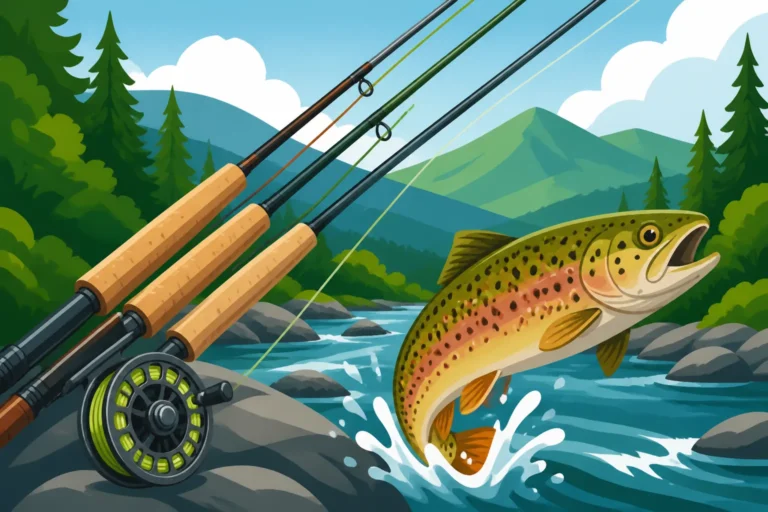
For many, fly fishing embodies the quintessential Vermont trout experience. There's an art to the cast, a connection to the insect life, and a thrill in presenting a delicate imitation to a rising trout. If you're looking to truly immerse yourself in the tradition, a fly rod is indispensable. For most trout fishing in Vermont, a 4-weight or 5-weight fly rod is an excellent all-around choice. A 4-weight offers a more delicate presentation, perfect for smaller streams and wary wild trout, while a 5-weight provides a bit more backbone for larger flies, windier conditions, or handling slightly bigger fish in broader rivers. The length typically ranges from 8'6" to 9 feet, offering a good balance of casting distance and control.
Pairing your rod with a quality fly reel is crucial, though for trout, the reel mostly serves as a line holder and balancer. A smooth drag system is important for fighting larger fish, but it doesn't need to be incredibly complex. What does matter is your fly line – a weight-forward floating line is the most versatile for starting out, allowing you to present dry flies, nymphs, and even small streamers effectively. Investing in a decent fly line often makes a bigger difference to your casting than the most expensive rod or reel. You can often find great entry-level combos at places like Bass Pro Shops that provide a good foundation for getting started. For a deeper dive, check out Best Fly Rods for Vermont Trout Streams.
Spinning Rods: Versatility for All Anglers
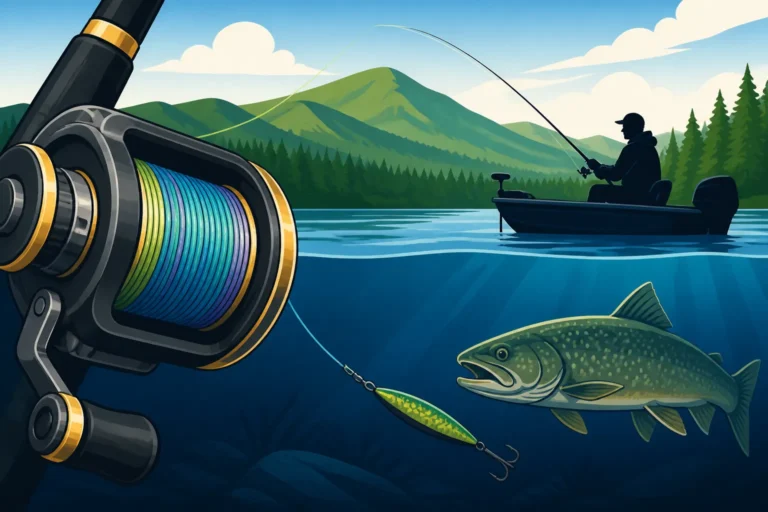
Spinning rods are arguably the most versatile option for trout fishing in Vermont, especially for beginners or those who want to cover a lot of different techniques without investing in multiple specialized setups. They excel at casting a wide array of lures, baits, and even weighted fly patterns. A light or ultralight spinning rod, typically between 6 and 7 feet in length, is ideal. This length provides good casting distance while still being maneuverable in brushy areas. The "light" or "ultralight" power rating ensures that even smaller trout feel like a respectable fight, making the experience more engaging.
When choosing a spinning rod, look for one with a fast or moderate-fast action. This means the rod bends mostly in the tip section, offering good sensitivity for detecting subtle bites and enough backbone for setting the hook. A medium-light power rod might also be a good choice if you anticipate fishing larger rivers or lakes where you might encounter bigger trout or even stray bass. The beauty of a spinning setup is its ease of use; just tie on a lure or bait, cast, and retrieve. For new anglers, it’s a much more intuitive way to get started than learning to fly cast right away.
Selecting the Right Reel and Line
For spinning setups, a good quality spinning reel in the 1000 to 2500 size range is perfect for trout. Look for a reel with a smooth retrieve, a reliable drag system that prevents line breaks when a trout makes a sudden run, and a lightweight build that balances well with your chosen rod. A smooth retrieve reduces line twist and makes for a more pleasant experience overall. You'd be surprised how much difference a few extra ball bearings can make in the feel of the reel.
When it comes to line, a 4-pound test monofilament or fluorocarbon line is often ideal for trout. Monofilament is more forgiving, has a bit of stretch, and is easy to knot, making it a great choice for beginners. Fluorocarbon is less visible underwater, more abrasion-resistant, and has less stretch, offering better sensitivity, but it can be a bit stiffer and harder to manage on a spinning reel. Many anglers opt for a main line of monofilament and use a fluorocarbon leader for stealth. Braided line isn't typically necessary for trout but can be used with a fluorocarbon leader if you need extreme casting distance or sensitivity. Remember that lighter line often leads to more bites from wary trout, especially in clear Vermont waters.
Terminal Tackle: The Business End of Your Rig
Once you've got your rod and reel sorted, it's time to think about the smaller, yet equally critical, components that connect your line to the fish. This is where precision and quality really come into play, as these are the parts the fish will actually see and interact with. Having a well-stocked tackle box means you're prepared for whatever Vermont's trout might be biting on.
Hooks, Sinkers, and Swivels: Small but Crucial
Don't underestimate the importance of these little pieces. A sharp hook is absolutely non-negotiable for trout fishing; a dull hook means missed strikes and lost fish. For bait fishing, a variety of small, sharp hooks in sizes from 10 to 14 (smaller number = larger hook, remember!) will cover most situations. Aberdeen hooks are popular for their thin wire, which helps keep bait alive, and their tendency to bend rather than break, which can save your line if snagged. Circle hooks are also gaining popularity, especially for catch-and-release, as they tend to hook fish in the corner of the mouth, reducing gut hooking.
Sinkers help you get your bait or lure down to where the fish are. A selection of split shot in various sizes is essential for adjusting your depth and drift in current. You might need just one small shot in a slow pool or several heavier ones in faster water. Remember, you want just enough weight to get down without hindering your bait's natural drift. Swivels, especially small barrel swivels, help prevent line twist when using spinners or fishing in current. They also provide a convenient way to attach a leader to your main line. Carrying a small assortment of these ensures you can adapt your rig to changing conditions.
Baits and Lures: Matching the Hatch (or the Stocking Truck)
This is where the fun really begins! For bait anglers, classic choices like worms (nightcrawlers, red wigglers) are perennial favorites. Live minnows, where legal, can also be highly effective, especially for larger trout. For convenience, many anglers rely on prepared baits like PowerBait dough or PowerEggs, which come in a rainbow of colors and scents designed to attract trout. These can be particularly deadly for recently stocked fish. It's always a good idea to have a few options in your tackle box.
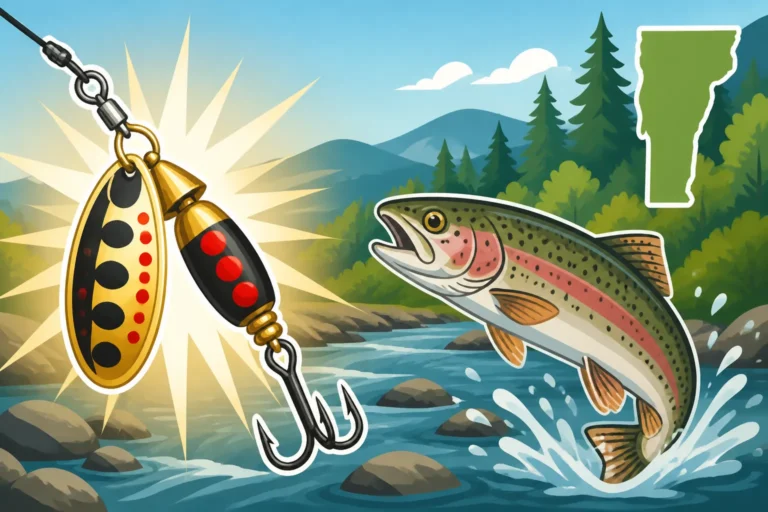
For lure fishing, small spinners are incredibly effective. Mepps and Panther Martin are iconic brands that have caught countless Vermont trout. Silver, gold, and brass blades with various colored dressings are all good to have. Small spoons, like Kastmasters or Little Cleos, also work wonders, particularly in ponds and larger rivers where you need a bit more casting weight. And don't forget small crankbaits; those mimicking minnows can be very successful in tempting aggressive trout. For a deeper dive into what works on Lake Champlain for other species, you might look at Best Baits for Smallmouth Bass on Lake Champlain as some of those principles can cross over.
Fly Patterns: Essential for the Fly Angler
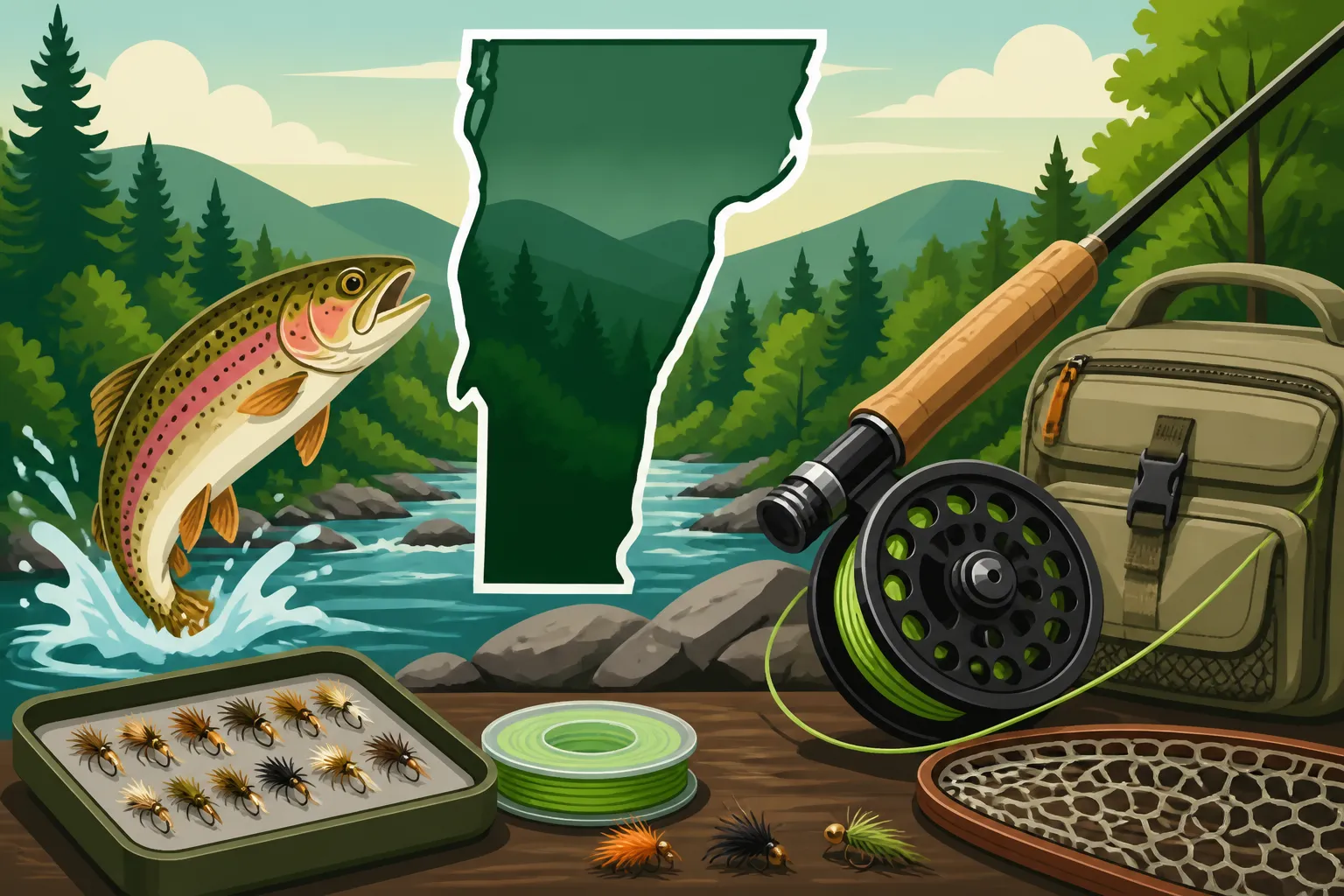
If you're delving into fly fishing, your fly box is your treasure chest. For Vermont trout, having a good selection of dry flies, nymphs, and streamers is key. For dry flies, classic patterns like Elk Hair Caddis, Adams, and Parachute Adams in sizes 12-18 will cover most surface feeding situations, mimicking a wide range of aquatic insects. Terrestrial patterns like grasshoppers and ants are fantastic for summer and early fall.
Nymphs are often even more critical, as trout spend most of their time feeding subsurface. Patterns like the Pheasant Tail, Hare's Ear, Prince Nymph, and Walt's Worm in sizes 12-20 are absolute essentials. These mimic the larval and pupal stages of insects that trout feed on constantly. Lastly, streamers, such as Woolly Buggers (black, olive, brown) or small Clouser Minnows, are excellent for imitating baitfish and can entice larger, more aggressive trout, especially after a rain or in colder water. Always carry a variety of sizes and colors to match what the fish are keying in on.
Waders and Wading Gear: Staying Dry and Safe
Unless you plan to only fish from the bank, good waders are a game-changer for trout fishing in Vermont. They allow you to access prime fishing spots, maintain stealth, and stay comfortable in cold water. But it's not just about staying dry; it's also about staying safe in often slippery and unpredictable river environments.
Chest Waders vs. Hip Waders: What's Right for You?
The choice between chest waders and hip waders largely depends on the type of water you'll be fishing and the time of year. Chest waders are the most versatile and, for most Vermont trout anglers, the preferred choice. They offer full protection up to your chest, allowing you to wade deeper, stay warmer in cold water, and protect against unexpected plunges. If you're venturing into rivers like the White River or the Lamoille, where wading depth can vary significantly, chest waders are essential. Look for breathable models made from Gore-Tex or similar materials, especially if you plan to hike to remote spots or fish during warmer weather. They might be a bigger investment, but the comfort and protection are well worth it.
Hip waders, which only come up to your waist, are lighter and less restrictive. They can be a good option for small streams where you know the water won't get deep, or for warmer summer days when you just need to keep your lower half dry. However, they offer less protection and can quickly become inadequate if you misjudge a crossing or stumble. They're generally a secondary option for dedicated trout anglers in Vermont. No matter which type you choose, ensure they fit well – too tight, and they're uncomfortable; too loose, and they can snag or become a tripping hazard.
Wading Boots and Soles: Grip on Slippery Rocks
Your wading boots are just as important, if not more so, than your waders themselves. Vermont's rivers and streams are notoriously rocky and slippery, thanks to algae-covered boulders and irregular stream beds. A good pair of wading boots provides crucial ankle support and, most importantly, traction. There are generally two main sole types: felt and rubber. Felt soles offer superior grip on wet, slimy rocks, making them a favorite for many river anglers. However, they can potentially transfer aquatic invasive species between waterways if not properly cleaned and dried, and they perform poorly on muddy banks or snow.
Rubber soles have advanced significantly and now offer excellent grip on various surfaces. They are more durable on trails, don't carry invasives as easily, and perform better on muddy or snowy terrain, making them a more versatile choice for varied conditions. Some rubber soles also feature studs or cleats for enhanced grip. If you do opt for felt, be extremely diligent about cleaning and drying your boots between trips to different bodies of water. Whichever sole type you choose, ensure the boots fit snugly over your wader booties, allowing for thick socks, and provide good ankle support. For more details on staying upright, see Best Waders for Vermont Trout Streams.
Safety Essentials: Wading Staffs and Belts
Safety in the water cannot be overstated. A wading belt is an absolute must with chest waders. It cinches around your waist, forming a seal that helps prevent your waders from filling with water should you take a fall. If your waders fill up, they can become a dangerous anchor. Make sure your wading belt is properly tightened before entering the water.
A wading staff is another critical piece of safety gear, particularly if you're exploring unfamiliar waters or wading in swift currents. It provides a third point of contact with the stream bed, helping you maintain balance and test the depth and stability of the bottom before you commit your weight. Collapsible wading staffs are convenient for carrying when not in use. Even experienced anglers benefit from a wading staff, especially when dealing with the unpredictable conditions of a Vermont river after a good rain. These simple items can prevent a minor stumble from becoming a serious accident.
Essential Accessories for the Vermont Trout Angler
Beyond the core gear, a handful of accessories can significantly enhance your comfort, efficiency, and success on the water. These aren't just luxuries; they're practical tools that can make a big difference in your overall fishing experience. From handling fish to protecting yourself from the elements, these items round out a thoughtful kit.
Nets and Release Tools: Protecting Your Catch
Whether you're practicing catch-and-release or keeping a few for the pan, a good landing net is essential for trout fishing. A net allows you to safely subdue a fish, especially larger ones, without stressing it unnecessarily or potentially damaging its delicate fins and slime coat by dragging it onto rocks or dry ground. Look for nets with rubberized or knotless mesh. Rubberized nets are particularly good for catch-and-release, as they don't abrade the fish's slime coat, prevent hooks from tangling, and are easy to clean. A net with a longer handle is useful for reaching fish, especially when wading. Consider a magnet or clip system to keep your net securely out of the way until needed, but easily accessible. Best Landing Net for Trout offers more guidance on selection.
In addition to a net, a pair of hemostats or long-nosed pliers is crucial for safely and quickly removing hooks, especially from smaller trout. Forceps are excellent for working with tiny flies and delicate mouths. If you're using barbless hooks, removal is often swift and easy. If you're using barbed hooks and plan to release fish, consider pinching down the barbs with your pliers – it makes a huge difference in fish survival. A small measuring tape (often printed on your net handle or waders) can also be handy for checking legal lengths against Vermont Trout Limit and Possession Rules before deciding whether to keep or release.
Tackle Storage and Organization
Keeping your tackle organized and easily accessible means less fumbling and more fishing. For fly anglers, a good fly box (or several) is indispensable. Clear-lidded boxes allow you to see your flies at a glance, while various foam and clip systems keep them secure. For spinning anglers, a small, lightweight tackle box or a compact tackle bag is ideal. Look for models with adjustable compartments to customize for your lures, hooks, and weights. Many anglers prefer soft-sided tackle bags that can be slung over a shoulder or worn as a hip pack, keeping essentials within easy reach while wading.
When selecting tackle storage, consider the conditions you'll face. Waterproof boxes are great for protecting delicate items like flies from rain or an accidental dip. If you're hiking to remote spots, prioritize lightweight and compact options. Remember to regularly clean out your tackle storage, removing any rusty hooks or tangled lines, and checking the integrity of your leaders. A well-organized kit not only makes your trip more efficient but also ensures your gear lasts longer. For those who dabble in other species, a different approach might be needed; for example, Best Tackle for Vermont Smallmouth Bass might involve larger boxes for bigger lures.
Layering and Weather Protection
Vermont weather is notoriously unpredictable, often changing dramatically within a single day. Layering your clothing is key to staying comfortable. Start with a moisture-wicking base layer (not cotton!), add an insulating mid-layer (fleece or wool), and top it with a waterproof and windproof outer shell. Even on sunny days, a light rain jacket can be a lifesaver for unexpected showers or cool breezes. A wide-brimmed hat or a baseball cap will protect you from the sun and help you spot fish, while polarized sunglasses are essential for reducing glare and improving visibility into the water.
Don't forget sun protection – sunscreen for exposed skin and lip balm with SPF are important, even on cloudy days. In cooler weather, thin fishing gloves can help keep your hands warm and protected, especially when handling wet line or fish. A small, lightweight backpack or sling pack can carry your extra layers, snacks, water, and other essentials. Being prepared for varying temperatures and precipitation will allow you to fish longer and more comfortably, focusing on the trout rather than shivering or overheating.
Navigation and Safety: Beyond the Basic Gear
Fishing safely and responsibly in Vermont means more than just having the right rod and reel. It involves being aware of your surroundings, understanding where you are and how to navigate, and knowing how to handle unexpected situations. Vermont's wild places are beautiful, but they demand respect and preparedness.
Understanding Maps and Access Points
Before you even leave your driveway, knowing where you're going and how to get there is crucial. Vermont offers numerous public fishing access points, many well-marked by the Vermont Fish and Wildlife Department. However, some of the best trout fishing can be found on lesser-known stretches of rivers or smaller ponds that require a bit more navigation. Carrying a physical map of the area, even if you rely on a GPS device, is always a good idea, as cell service can be spotty in remote parts of the state. Apps like Gaia GPS or OnX Hunt can be incredibly helpful on your phone for identifying public lands and tracking your location, but don't solely rely on them.
Understanding property boundaries is also vital. Always respect private property and know where you have legal access. The Vermont Fish and Wildlife Department's website is an excellent resource for maps and public access information. You might find specific regulations about certain waters, for instance, Vermont Lake Willoughby special regulations or Vermont Catch and Release Fly Fishing Only Waters, which could impact your gear choices and fishing methods. Taking the time to scout an area beforehand, either online or with a quick drive, can save you a lot of time and frustration once you're on the water.
First Aid and Emergency Preparedness
Even on a short fishing trip, accidents can happen. A small, well-stocked first aid kit is an absolute must-have. It should include bandages, antiseptic wipes, pain relievers, blister treatment, and any personal medications you might need. A sharp pair of scissors or a small knife can also be invaluable. Consider taking a basic first aid course if you spend a lot of time in the outdoors. It's not just about treating yourself; it's about being able to help a fishing buddy too.
Beyond physical injuries, other emergencies can arise. A fully charged cell phone is important, but again, don't rely solely on it. Consider carrying a whistle to signal for help, especially if you're alone or in a remote area. Knowing basic survival skills, like how to start a fire or build a makeshift shelter, can provide significant peace of mind. Always tell someone where you're going and when you expect to return, especially if you're venturing off the beaten path. This simple step can be a lifesaver if something goes wrong.
Bear and Wildlife Awareness
Vermont is home to a rich diversity of wildlife, including black bears, moose, coyotes, and various smaller creatures. While most encounters are harmless, it's wise to be aware and prepared. When fishing in bear country, make noise as you hike to avoid surprising a bear, and carry bear spray if it makes you feel more comfortable. Store food securely and don't leave any trash or food scraps behind. If you encounter a bear, make yourself look big and make noise; do not run.
Moose, while generally docile, can be unpredictable, especially during mating season or if they have calves. Give them plenty of space. Other critters like ticks and mosquitoes are also a consideration. Use insect repellent and check yourself thoroughly for ticks after every outing, especially from spring through fall. Learning about local wildlife and their behaviors will help you coexist peacefully and safely. Being prepared means you can focus on the beauty of Vermont's nature, rather than worrying about what might be lurking in the woods.
Maintaining Your Gear: Longevity and Performance
Your fishing gear is an investment, and proper care and maintenance will ensure it performs well for years to come. Neglecting your equipment can lead to premature wear, malfunctions, and costly replacements. A little effort after each trip goes a long way in keeping your setup in top shape and ready for your next Vermont adventure.
Rod and Reel Care
After each outing, especially if you've been fishing in rain or wet conditions, take a few minutes to wipe down your rod and reel. For your rod, simply wipe it with a damp cloth to remove dirt, grit, and any fish slime. Pay attention to the guides to ensure no debris is stuck there that could abrade your line. Store your rod in a protective rod sock or tube to prevent nicks and scratches, particularly to the delicate tip. Avoid storing your rod assembled for long periods, as this can put stress on the ferrules.
Your reel, being a mechanical device, requires a bit more attention. If it got wet, particularly if you've been fishing in silty or sandy conditions, a quick rinse with fresh water (avoiding direct high-pressure spray into bearings) and thorough drying is recommended. Every so often, apply a small drop of reel oil to moving parts and a tiny bit of reel grease to the main gear, following the manufacturer's instructions. Over-oiling can attract dirt, so a little goes a long way. Regularly check your line for nicks, abrasions, or excessive twist and replace it as needed. These simple steps keep your reel smooth and extend its life. Amazon and other online retailers offer great deals on cleaning kits specifically designed for fishing reels.
Wader and Boot Maintenance
Waders are perhaps the most abused piece of gear, constantly exposed to water, mud, and sharp objects. After each use, turn your waders inside out to allow the inside to dry completely. Then, turn them right side out and hang them in a well-ventilated area, out of direct sunlight, to dry the exterior. Never store wet waders in a crumpled heap, as this can lead to mold and damage to the waterproof membranes. Regularly inspect your waders for pinholes or small leaks, which can often be repaired with a dab of Aquaseal or a patch kit.
Your wading boots also need proper care. Rinse them thoroughly with fresh water to remove all mud, sand, and debris from the soles and laces. If you have felt soles, cleaning them thoroughly is paramount, not just for longevity but to prevent the spread of aquatic invasive species. Let your boots air dry completely, again, out of direct sunlight. If they get particularly muddy or smelly, a light wash with a mild detergent and a brush can help. Store them in a way that allows air circulation. Proper wader and boot maintenance is key to staying dry and comfortable on your fishing excursions.
Organizing Your Tackle Between Trips
Taking a few moments to organize your tackle box or fly boxes between trips can save you a lot of headaches later. Restock any baits or lures you used up, replace dull hooks, and repair any broken leaders. This is also a good time to reassess your setup for your next planned trip. Are you heading to a small stream that calls for tiny dry flies, or a larger lake requiring some beefy streamers or spoons? Tailoring your tackle to the specific outing reduces clutter and ensures you have exactly what you need without carrying unnecessary weight.
Checking the integrity of your fishing line, both on your reel and any pre-tied leaders, is a habit worth forming. Monofilament line can degrade over time, especially with sun exposure, and fluorocarbon can develop memory. Old line is weak line. Properly disposing of old line is also crucial; never leave it on the bank or in the water where it can harm wildlife. A well-maintained and organized tackle kit is a sign of a prepared angler, ready to tackle any of Vermont's beautiful trout waters.
Disclaimer
This article is for general informational purposes only and does not constitute professional advice. Laws, prices and regulations vary by location and change over time. Consult a qualified professional for guidance on your specific situation.