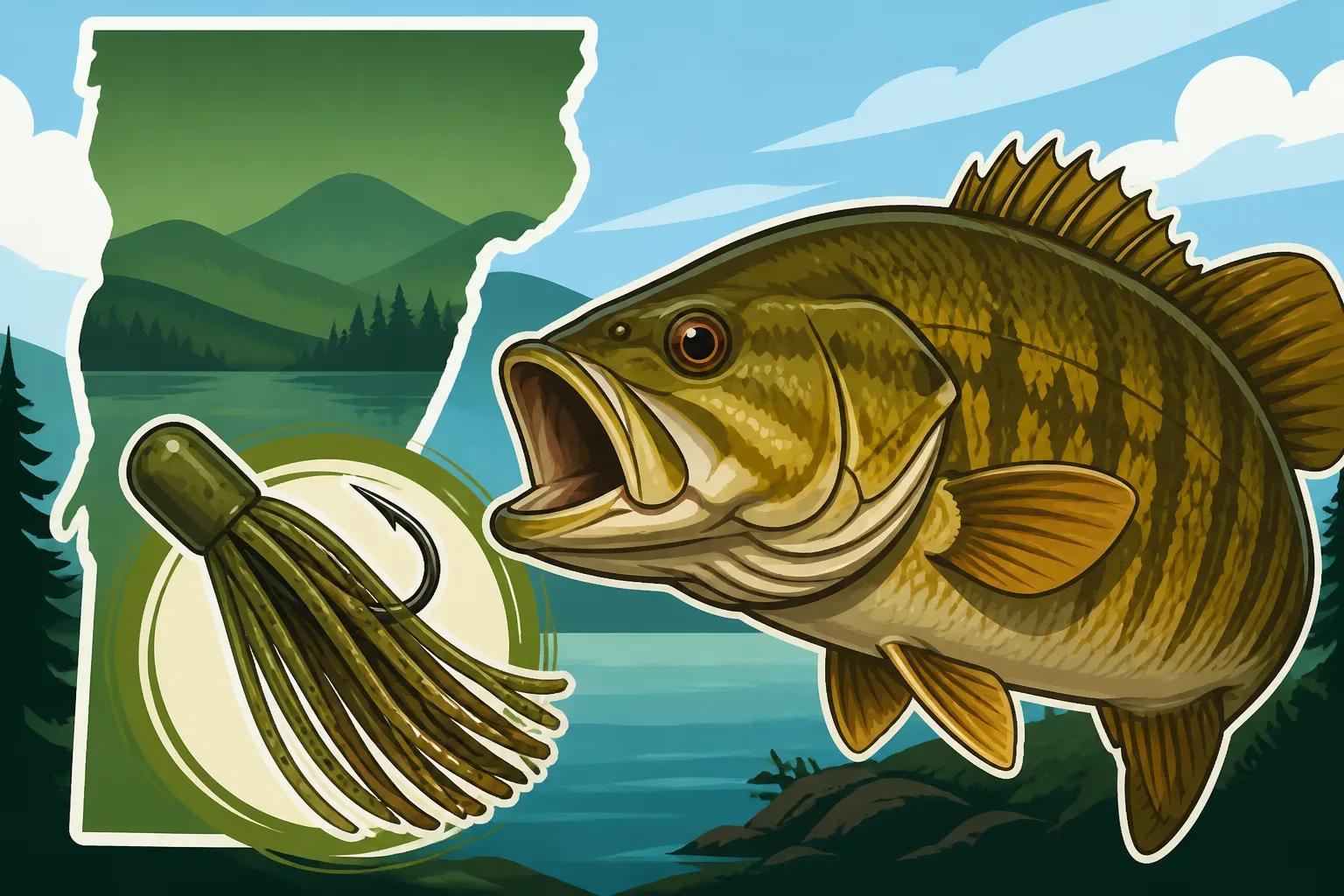
Best tube jig for smallmouth bass
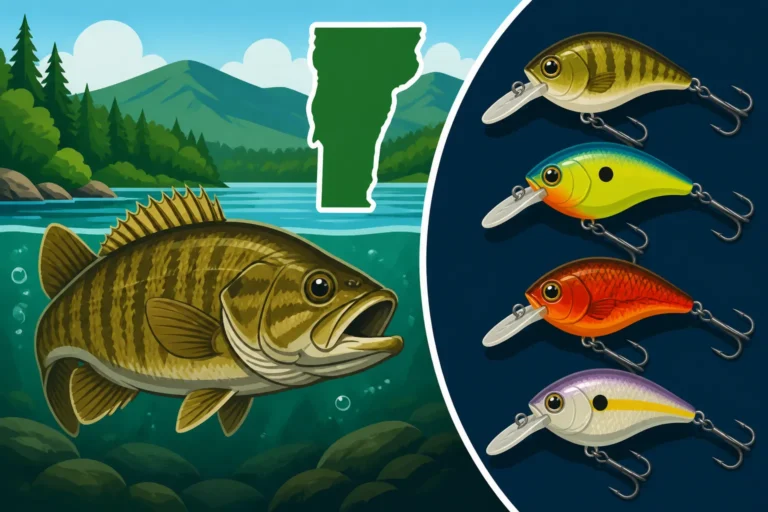
Catching smallmouth bass in Vermont can be an incredible experience, but sometimes those bronze bombers can be notoriously tricky, especially when they're hunkered down or finicky about what they'll strike. You’ve likely cast every crankbait, spinner, and worm in your box, only to feel that familiar frustration of an empty retrieve. That's why diving into the world of tube jigs is such a game-changer for many Vermont anglers, and this guide is here to walk you through everything you need to know to make them your next secret weapon.
Why Tube Jigs are a Smallmouth Bass Secret Weapon in Vermont
When it comes to consistently catching smallmouth bass, especially in Vermont's diverse and often challenging waters, tube jigs stand out as an absolute powerhouse lure. They might look deceptively simple, but their effectiveness is undeniable, largely due to their uncanny ability to imitate natural prey and their incredible versatility in presentation.
Mimicking Natural Prey: Crayfish and Baitfish
One of the primary reasons tube jigs are so effective for smallmouth bass is their remarkable ability to mimic the smallmouth's favorite foods. Think about it: Vermont's lakes and rivers, like the rocky shores of Lake Champlain Fishing Guide or the clear waters of Lake Willoughby Fishing Guide, are teeming with crayfish. These crustaceans are a staple in a smallmouth's diet, and a tube jig, with its hollow body and fluttering tentacles, perfectly imitates a scurrying or defensive crayfish. When you twitch it along the bottom, those soft plastic tentacles flare out, looking exactly like a crayfish trying to escape or defend itself.
Beyond crayfish, tube jigs also do a fantastic job of imitating various baitfish species that smallmouth ambush. Whether it's a shiner darting through the water or a dazed sculpin trying to hide among the rocks, the subtle darting and gliding action of a tube jig can fool even the wariest bass. This dual impersonation—crayfish on the bottom, baitfish in the water column—makes the tube jig an incredibly adaptable lure that appeals to a smallmouth's core predatory instincts throughout the season.
Versatility in Presentation: Jigging, Dragging, and Swimming
The beauty of the tube jig isn't just in its realistic profile; it's also in how you can fish it. Few other lures offer such a wide array of presentations, making them indispensable for adapting to different conditions and bass moods here in Vermont.
-
Bottom Dragging and Hopping: This is arguably the most classic and often most effective way to fish a tube jig, especially when bass are relating to structure or feeding on crayfish. You cast your tube out, let it sink to the bottom, and then slowly drag it, occasionally hopping it a few inches off the bottom with your rod tip. This mimics a crayfish scuttling along or a baitfish trying to feed. It's deadly on rocky points, ledges, and transition areas in lakes like Bomoseen or Dunmore. You're really trying to make that tube "feel" like it's crawling, bouncing off rocks, creating little puffs of sediment. The smallmouth often pick it up on the pause or as it's settling.
-
Swimming and Rippin': When smallmouth are more active, perhaps chasing baitfish in the mid-water column or cruising shallower flats, you can swim a tube jig. Cast it out, let it sink to your desired depth, and then reel it in with a steady retrieve, adding occasional twitches or short rips of the rod. This makes the tube dart and glide erratically, much like a wounded or fleeing baitfish. It's an excellent tactic for covering water quickly and locating aggressive fish, especially in warmer months on lakes or around submerged vegetation.
-
Vertical Jigging: For deeper water or when bass are suspended over structure, vertical jigging a tube can be incredibly productive. This involves positioning your boat directly over a likely spot—think deep humps or channel edges on Lake Champlain—and dropping the tube straight down. Then, you use short, sharp lifts and drops of the rod tip, letting the tube fall on a semi-slack line. The tube will spiral and dart on the fall, often eliciting strikes from reluctant bass that won't chase a horizontal presentation. This is a common tactic during the colder months or when fish are holding tight to offshore structure.
This incredible versatility means that with just a handful of tube jigs, you can effectively fish a wide range of depths, cover types, and water conditions, making it a staple for serious smallmouth anglers across Vermont.
Key Features to Look for in a Vermont Smallmouth Tube Jig
Choosing the right tube jig isn't just about grabbing any old package off the shelf. To maximize your success on Vermont's smallmouth waters, it pays to understand the nuances of size, color, and jig head design. These details can make all the difference between a productive day and a frustrating one.
Size Matters: Matching the Hatch (and the Mouth)
Just like with any other bait, matching the size of your tube jig to the prevalent forage and the size of the bass you're targeting is crucial.
-
2.75-inch Tubes: These smaller tubes are fantastic for when bass are finicky, pressured, or when the primary forage is particularly small. They're also great for clear, cold waters where a subtle presentation is key. Think early spring on shallower rivers or when targeting smaller smallmouth that might not commit to a larger bait. They're also a good choice if you're getting short strikes on larger tubes.
-
3.5-inch Tubes: This is often considered the "standard" or all-around size for smallmouth bass, and for good reason. It's large enough to appeal to bigger bass but not so large that it deters smaller, more aggressive fish. This size perfectly imitates many common crayfish and baitfish species in Vermont and is a great starting point for most situations on lakes like Bomoseen or rivers like the Missisquoi. If you're buying a pack of tubes for the first time, this is where you want to focus.
-
4-inch Tubes: When you're specifically targeting trophy smallmouth, or if the local forage base (like sculpins or larger shiners) is substantial, bumping up to a 4-inch tube can be incredibly effective. These larger profiles offer a bigger meal, which can attract bigger fish. They also have a slower, more deliberate fall rate, which can be advantageous in deeper water or when bass are lethargic. Consider these for big smallmouth on Lake Champlain, especially when fishing deeper breaks or rocky humps.
Always pay attention to what the fish are telling you. If you're getting bites but not hooking up, size down. If you're not getting any attention, try upsizing to offer a more tempting meal.
Color Choices for Vermont's Diverse Waters
Color is another critical factor, and it's less about matching the "real" color of a crayfish and more about creating the right contrast and visibility for the conditions.
-
Natural/Subtle Colors: When you're fishing clear waters, such as Lake Willoughby or many of Vermont's pristine trout streams where smallmouth might reside, natural colors like greens (pumpkin green, watermelon, green pumpkin), browns, and muted grays are often best. These colors blend in naturally and don't spook wary bass. Colors with flakes (gold, silver, black) can add a subtle shimmer that mimics scales. "Smoke" or "clear with black flake" are also excellent choices for gin-clear conditions.
-
Darker Colors: For stained or murky water, or on overcast days and in low light conditions, darker colors provide a better silhouette. Black, dark brown, and black-and-blue are fantastic choices. These colors stand out better against a dark background or in limited visibility, allowing the bass to track the lure more easily. Think about fishing after a heavy rain on rivers like the Winooski or Lamoille, where the water might be a bit discolored.
-
Bright/Flashy Colors: Sometimes, you need to trigger a reaction strike or make your bait highly visible. Chartreuse, white, or firetiger tubes can be effective in heavily stained water, especially on bright days, or when bass are aggressive and you want to really get their attention. These colors can also be surprisingly effective in clear water during certain conditions, acting as an irritant rather than pure forage mimicry. Don't be afraid to experiment, especially if the bite is slow.
A good rule of thumb is: clear water, clear/natural colors; stained water, darker/bright colors. However, sometimes bass will surprise you, so carrying a variety of colors is always a smart move. You can find a vast selection of these tubes and jig heads at Bass Pro Shops or browse through options on Amazon.
The Right Tube Head: Internal vs. External, Weight, and Hook
The jig head inside or attached to your tube jig is just as important as the plastic body itself. It dictates the action, fall rate, and hook-up percentage.
-
Internal Tube Heads: These are by far the most popular choice for smallmouth. The lead head slides inside the hollow tube, giving the bait a more natural, streamlined profile. The weight is distributed internally, allowing the tube to spiral and glide enticingly on the fall, a motion that bass find irresistible. When purchasing, make sure the head size matches your tube body size for the best fit and action. They are typically unpainted lead, though some anglers paint them to match the tube or provide a flash.
-
External Jig Heads: While less common for smallmouth-specific tube fishing, external jig heads (where the tube is threaded onto a standard jig head) have their place. They can be easier to rig quickly, and some anglers prefer the slightly different action. However, the exposed lead can sometimes be less weedless and alter the natural fall. If you're in a pinch, or if you have a lot of standard jig heads on hand, they'll work.
-
Weight Considerations: The weight of your tube head is critical for controlling depth and action.
- Lighter Weights (1/8 oz to 1/4 oz): Ideal for shallower water (under 10 feet), minimal current, or a very slow, subtle fall. These are great for casting to shorelines, shallow flats, or small rivers.
- Medium Weights (3/8 oz to 1/2 oz): Your workhorse weights. Perfect for most smallmouth scenarios, from 10-30 feet of water, and handling moderate current. This is what you'll use most often when fishing deeper rocky structures on many Vermont lakes.
- Heavier Weights (5/8 oz to 3/4 oz+): Necessary for deep water (30+ feet), strong currents, or extremely windy conditions where you need to maintain bottom contact. If you're vertical jigging Lake Champlain's deep rock piles, these heavier heads are a must.
-
Hook Quality and Gap: Don't skimp on hook quality! Smallmouth bass are strong fighters, and a cheap, dull hook will lead to lost fish. Look for sharp, strong, black nickel hooks with a wide gap. A wide gap ensures that when a bass compresses the tube, the hook has enough exposed point to penetrate the jaw cleanly. Some tube heads come with a stout straight-shank hook, while others might have a slightly offset O'Shaughnessy bend. Both can be effective, but sharpness is paramount. Many experienced anglers replace stock hooks on cheaper jig heads if they feel they are inadequate.
Here’s a quick table to help visualize tube jig size and application:
| Tube Jig Size | Recommended Depth/Conditions | Primary Forage Mimicked | Target Bass Size |
|---|---|---|---|
| 2.75 inches | Shallow (0-10 ft), clear water, pressured fish | Small crayfish, minnows | Fussy, smaller bass |
| 3.5 inches | Versatile (5-30 ft), most conditions | Medium crayfish, shiners | All-around smallmouth |
| 4 inches | Deep (20-50+ ft), darker water, larger forage | Large crayfish, sculpins | Trophy smallmouth |
Top Tube Jig Techniques for Vermont Smallmouth Success
Now that you know what to look for, let's talk about how to actually fish these fantastic lures. Mastering a few key techniques will significantly improve your catch rate for Vermont's smallmouth bass. Remember, the key is to experiment and let the fish tell you what they prefer on any given day.
The Classic Drag and Hop
This is the bread and butter of tube jig fishing for smallmouth, especially when they're feeding on crayfish or holding tight to bottom structure. It's a subtle technique that requires patience but often yields big results.
- Execution: Cast your tube jig out and let it sink all the way to the bottom on a semi-slack line. You'll feel a slight "thump" or see your line twitch when it hits. Once on the bottom, simply engage your reel and slowly drag the tube a foot or two using your rod. Don't reel the bait in with the handle; use your rod tip. Then, drop your rod tip back down to the line, reeling in the slack as you do, and let the tube sit for a few seconds. After the pause, give your rod tip a sharp, short hop (about 6-12 inches) off the bottom, letting the tube fall back down on a slack line. Repeat this drag-pause-hop sequence.
- Why it works: The dragging motion mimics a crayfish scuttling, while the hop makes it look like it's trying to escape. The fall on slack line is crucial, allowing the tube to spiral enticingly, and this is often when the bass will strike. They pick it up as it falls or when it’s sitting motionless.
- Best Vermont Locations: This technique shines on rocky points and humps on Lake Champlain Walleye Fishing areas, rocky ledges in Lake Bomoseen, or gravelly sections of rivers like Otter Creek. Anywhere you suspect crayfish are hiding, this technique is deadly. It's particularly effective during the pre-spawn and post-spawn periods when bass are actively feeding on bottom critters.
Swimming and Rippin' for Active Bass
Sometimes, bass are just more active. Maybe they're chasing schools of baitfish, or perhaps they've moved shallower to feed aggressively. This is when a swimming or "rippin'" retrieve for your tube jig can be highly effective.
- Execution: Cast your tube out, and instead of letting it sink all the way to the bottom, count it down to your desired depth (e.g., 5-10 feet if you see baitfish higher in the water column). Then, begin a steady retrieve, periodically twitching your rod tip or giving a sharp "rip" with your rod, much like you would a jerkbait. The key is to make the tube dart and glide erratically, mimicking a wounded or fleeing baitfish. Don't let it sit still for too long; keep it moving.
- Why it works: This method capitalizes on the tube's ability to imitate a baitfish. The erratic movement triggers a predatory response from aggressive bass. It's a great way to cover water quickly and locate schools of active smallmouth.
- Best Vermont Locations: This is excellent for fishing around the edges of weed beds, over submerged grass flats, or along rocky shorelines where smallmouth are actively hunting. Think the shallow bays of Lake Champlain or even faster-moving sections of rivers where baitfish congregate. It’s also a good choice during overcast days when bass might be more willing to chase. This technique is often effective in warmer summer months when bass are really keyed into baitfish. For specific locations, consider using How to use the Vermont fish stocking search tool to find waters with good forage bases.
Vertical Jigging Structure
When smallmouth retreat to deeper water, often suspending over prominent structures, vertical jigging with a tube jig becomes an indispensable technique.
- Execution: This technique requires a good fish finder. Navigate your boat directly over humps, drop-offs, underwater points, or channel edges where you see bass on your sonar. Drop your tube jig straight down, letting it freefall on a semi-slack line until it reaches the desired depth (either the bottom or the depth where you see fish suspended). Once there, use short, sharp lifts (1-2 feet) of your rod tip, then immediately drop it back down, allowing the tube to spiral and flutter on the fall. Reel in the slack as the bait falls to maintain contact. Repeat this lift-and-fall action.
- Why it works: The spiraling fall of the tube is incredibly attractive to bass. By keeping the lure directly beneath your boat, you maintain precise control and can keep it in the strike zone longer. This method is particularly good for inactive or cold-water bass that might not chase a horizontally retrieved lure. The precision of this technique can be enhanced by using a good Best Fish Finder for Deep Lake Fishing.
- Best Vermont Locations: This technique is a must for deep-water smallmouth on Lake Champlain Fishing Guide, especially around the main lake's numerous rock piles, humps, and steep breaks. It's also effective on the deeper sections of lakes like Seymour or Memphremagog when you're targeting fish holding to specific contours. During the dog days of summer or late fall, when bass move offshore, this can be your most consistent producer.
Setting Up Your Gear for Tube Jigging in Vermont
Having the right tube jig is only half the battle; the other half is making sure your rod, reel, and line are properly matched to get the most out of this versatile lure. The goal is sensitivity and control, allowing you to feel subtle bites and impart the right action.
Rod, Reel, and Line Recommendations
-
Rod Choice: For most tube jigging applications, especially the drag-and-hop method, a medium-light to medium power spinning rod is ideal. Look for a rod that is 6'6" to 7'2" long with a fast to extra-fast action. The fast tip allows you to impart subtle movements to the tube and feel those light bites, while the medium power provides enough backbone to set the hook and fight a strong Vermont smallmouth. If you're going for larger tubes (4-inch) or heavier jig heads in deeper water, you might step up to a medium-heavy power, but keep that fast tip.
- Why spinning? Spinning gear handles lighter lines and baits better, which is often what you're using with tube jigs. It also allows for easier casting of lighter weights and better feel.
-
Reel Choice: A 2500 or 3000 series spinning reel is a perfect match for these rods. These reels offer a good balance of line capacity, smooth drag, and comfortable retrieve ratio for tube jigging. A smooth drag system is crucial for fighting hard-running smallmouth, especially if you're using lighter lines. When buying fishing gear, I often check out what's available at Bass Pro Shops or on Amazon to compare different models and brands.
-
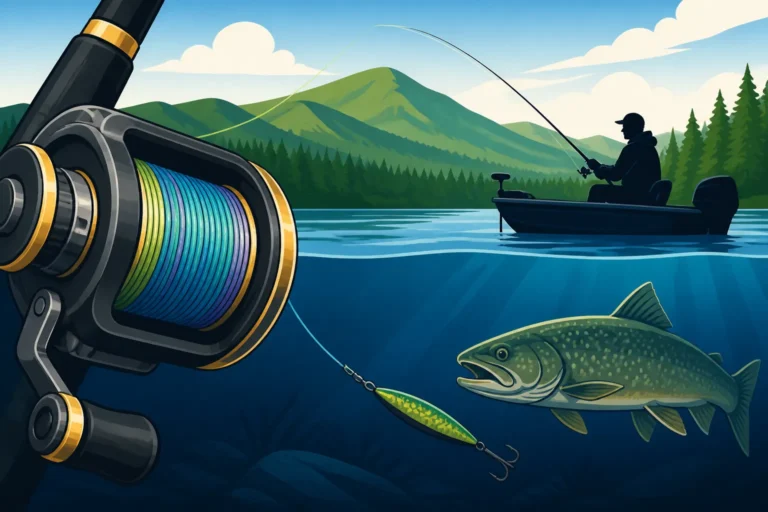
Line Selection: This is paramount for tube jigging.
- Fluorocarbon: If you prefer a straight-line setup, 6-10 lb test 100% fluorocarbon line is an excellent choice. Fluorocarbon is nearly invisible underwater, extremely sensitive (low stretch), and sinks, which helps the tube get down and stay down. It's a fantastic choice for clear water conditions on lakes like Willoughby.
- Braided Line with Fluorocarbon Leader: Many anglers, myself included, opt for 10-15 lb braided line with a 6-10 lb fluorocarbon leader. The braided main line offers incredible sensitivity (zero stretch) and strength, allowing you to feel every bump, tick, and subtle bite. The fluorocarbon leader (6-10 feet long, tied with an FG or Albright knot) provides the invisibility needed in clear Vermont waters and some abrasion resistance when fishing rocky bottoms. This combo offers the best of both worlds.
Essential Accessories for Tube Jig Anglers
Beyond your core rod and reel setup, a few key accessories can make your tube jigging experience more successful and enjoyable.
- Extra Jig Heads: You'll inevitably lose jig heads to snags on Vermont's rocky bottoms. Always carry a variety of weights (1/8 oz to 1/2 oz or heavier, depending on your target waters) to adapt to changing depths and currents.
- Tube Jigs in Various Colors and Sizes: As discussed, having a range of options is key. A small tackle box dedicated to tubes and heads can be a lifesaver.
- Scent Attractant: Applying a scent, like a crawfish or garlic scent, to your tube can sometimes entice finicky smallmouth to hold onto the bait longer, giving you more time to set the hook. This is especially useful in colder water or when fish are less aggressive.
- Line Clippers/Scissors: Essential for re-tying and cutting braided line, which can be tough on standard clippers.
- Pliers/Forceps: For safely removing hooks from a smallmouth's mouth, minimizing harm to the fish and yourself. Consider a good pair of Best pliers for unhooking pickerel, which will also work well for bass.
- Landing Net: A rubberized landing net is ideal for smallmouth bass. It helps protect the fish's slime coat and scales, and makes landing bigger fish much easier, especially if you're practicing catch and release. You'll want a Best landing net size for trout that is also adequate for bass.
- Mapping/Sonar Unit: Especially for vertical jigging and finding deep structure, a reliable fish finder with good mapping capabilities will help you locate those prime smallmouth haunts.
By assembling the right gear and familiarizing yourself with these techniques, you'll be well on your way to unlocking the power of the tube jig and enjoying some incredible smallmouth bass fishing here in beautiful Vermont!
Disclaimer
This article is for general informational purposes only and does not constitute professional advice. Laws, prices and regulations vary by location and change over time. Consult a qualified professional for guidance on your specific situation.