Best spoon color for walleye trolling
One of the most common frustrations for walleye anglers, especially when you're out on the vastness of Lake Champlain or another big Vermont waterbody, is staring at a tackle box overflowing with spoons and wondering, "Which color is actually going to work today?" It feels like a guessing game sometimes, doesn't it? This comprehensive guide is here to demystify the art and science behind choosing the best spoon color for walleye trolling, ensuring you spend less time second-guessing and more time reeling in those beautiful fish.
Understanding Walleye Vision and Their World Underwater
Before we dive into specific colors, it’s really helpful to understand how walleyes see and what conditions influence light underwater. These aren't just pretty fish; they're incredibly adapted predators, and their eyes play a huge role in their success.
The Science Behind Walleye Eyes and Light Conditions
Walleyes are known for their large, reflective eyes, which are packed with rods (the cells responsible for detecting light and movement, especially in dim conditions) and a special reflective layer called the tapetum lucidum. This feature is what gives their eyes that characteristic "eye shine" at night or when illuminated by a light. It essentially acts like a natural amplifier, allowing them to gather more available light than many other fish species. This is precisely why walleyes thrive in low-light conditions, like dawn, dusk, cloudy days, or in deeper, darker waters.
When you're trolling, the amount of light penetrating the water column directly impacts how visible your spoon is to a walleye. On a bright, sunny day, light can penetrate deeper, and fish might be able to discern more subtle color variations. Conversely, on an overcast day or during twilight hours, the available light is greatly reduced, and highly contrasting or fluorescent colors can become more crucial for visibility. Think about how much harder it is for you to see fine details in a dim room; it's a similar principle for fish, but they're much better at it than us in their element!
Water Clarity and Color Perception
Water clarity is another huge piece of the puzzle. Vermont waters, from the broad expanse of Lake Champlain to smaller, more tannin-stained lakes, offer a variety of conditions. In crystal-clear water, walleyes can be quite discerning. They might shy away from overly bright or unnatural presentations, preferring more muted or natural baitfish patterns. Here, your spoon's action and flash can be just as, if not more, important than its specific hue.
However, in turbid or stained water, where visibility is limited, brighter, more vibrant, or even UV-reactive colors become essential. These colors tend to hold their pigment better in low-visibility situations and stand out against the murky background. Imagine trying to find a needle in a haystack – a bright orange needle is a lot easier to spot than a dull gray one, right? The same goes for your spoon. This is especially true when you're fishing areas that might have recently experienced heavy rains or spring runoff. Consider the clarity of the water you're fishing on Lake Champlain to help determine your starting point for spoon color.
Top Spoon Colors for Walleye in Various Vermont Scenarios
Let's get down to the brass tacks: what colors should you be reaching for when you're out on the water? There isn't one magic bullet, of course, but there are definitely patterns and go-to options that experienced Vermont walleye anglers swear by.
Bright and Bold for Low Light and Stained Water
When the sun is low, the clouds are thick, or the water has that characteristic tannic stain or a good churn from recent weather, don't be shy with your color choices. Walleyes rely heavily on contrast and vibration in these conditions, and a bright spoon can create the necessary visual trigger.
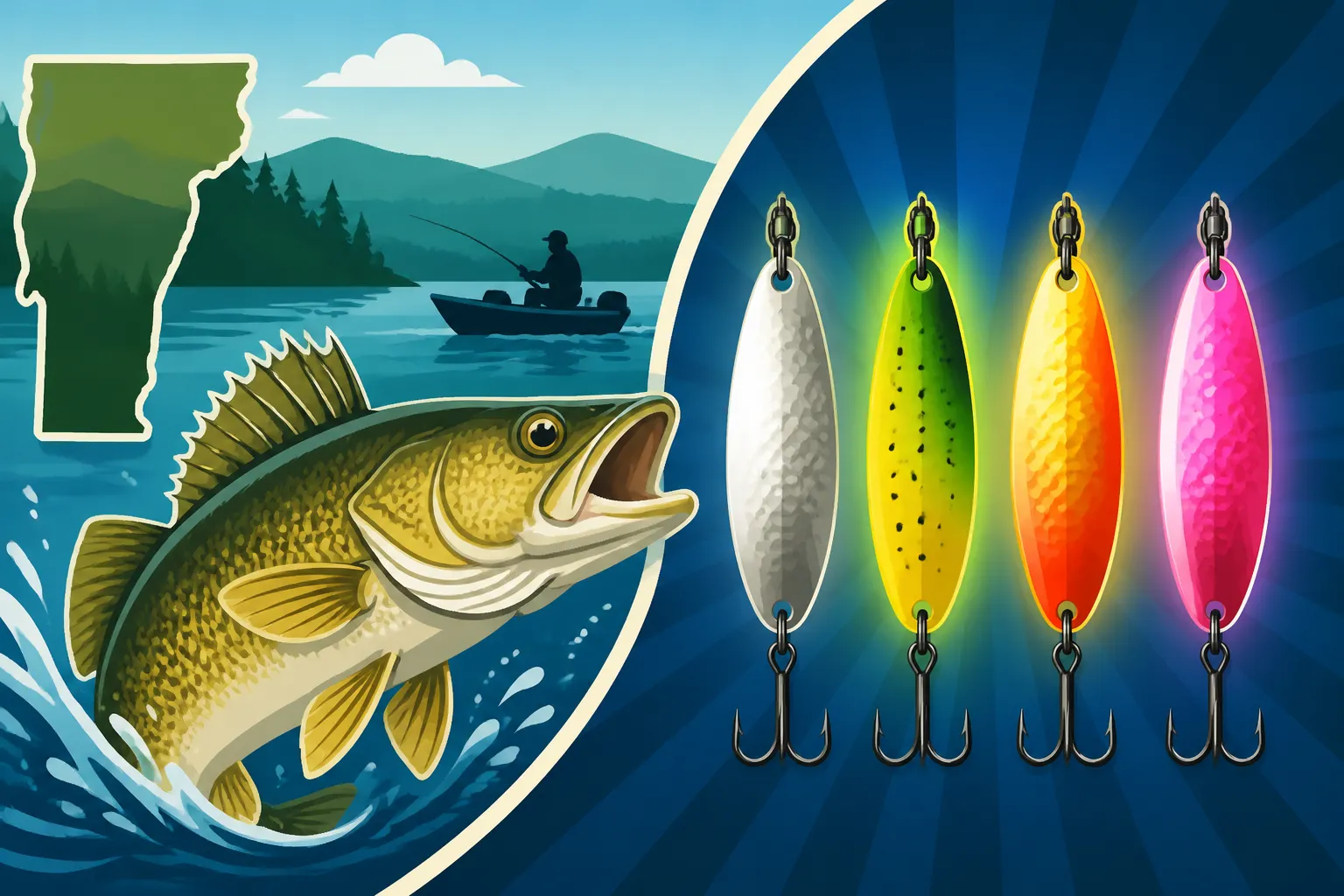
Colors like chartreuse, fluorescent orange, hot pink, and firetiger (a wild combination of chartreuse, orange, and black stripes) really shine here. These colors are highly visible in low light and tend to stand out. Think about it: if a walleye only has a few feet of visibility, you want a color that screams "EAT ME!" even from a distance. Many anglers find success with these vibrant hues during early morning, late evening, or on those classic "walleye chop" days when the wind has the water stirred up. You can often find a great selection of these high-visibility spoons at your local Bass Pro Shops or even online through retailers like Amazon, making it easy to stock up on a variety of patterns.
Natural and Subtle for Clear Water and High Sun
When the sun is beaming and the water is gin-clear, walleyes can become more finicky. They've got a great view, and they're looking for something that genuinely mimics their natural forage. This is where subtle, natural patterns come into play.
Silver, gold, white, and various baitfish patterns are excellent choices. A silver spoon, especially one with a blue or black back, can perfectly imitate a shiner or a smelt, which are common food sources for walleye in many Vermont lakes, including parts of Lake Champlain Walleye Fishing. Gold spoons can mimic yellow perch or other golden-hued baitfish. Sometimes, just a simple white spoon can be incredibly effective, especially if there's a good whitefish or alewife population in the lake. Experiment with spoons that have a natural scale pattern or a subtle holographic finish. The key is to present something that looks less like a lure and more like a meal they're used to seeing.
The "Flasher" Factor: Metallic and Holographic Hues
Beyond solid colors, the flash and shimmer of a spoon are incredibly attractive to walleyes. This is where metallic finishes and holographic patterns come in. The way light reflects off these surfaces can mimic the flash of a fleeing baitfish, triggering a predatory response.
Silver, gold, and copper spoons, especially those with hammered finishes or embedded glitter, create a lot of flash. This flash is what often draws a walleye's attention from a distance, even before they get close enough to discern the specific color. Holographic spoons, which shimmer with multiple colors as they move through the water, offer another dimension of attraction. They can effectively imitate the erratic flash of a wounded baitfish, which is a prime target for any opportunistic walleye. The combination of color and flash is often a one-two punch that can be irresistible. Consider how these types of spoons perform under different light conditions; a highly reflective spoon might be too much in bright, clear water, but perfect for grabbing attention in deeper, darker spots.
Here's a quick reference table to help guide your initial color choices:
| Water Conditions | Light Conditions | Recommended Spoon Colors | Rationale |
|---|---|---|---|
| Stained/Turbid | Any | Chartreuse, Fluorescent Orange, Firetiger, Hot Pink, Bright Green | High visibility and contrast in low-clarity water. |
| Clear | Bright Sun (High Noon) | Silver/Blue, Silver/Black, Gold, White, Natural Baitfish Patterns | Mimics natural forage; less alarming to wary fish. |
| Clear | Overcast/Dawn/Dusk | Silver/Blue, Gold, Pearl White, Holographic patterns | Provides subtle flash and natural appearance; good visibility in moderate low light. |
| Deep Water (regardless of clarity on surface) | Low Light (inherent) | Bright metallics (silver, gold), Chartreuse, Fluorescent Orange, Glow-in-the-dark | Maximum visibility where light penetration is minimal. |
| Tannic Stained (Coffee-colored) | Any | Orange, Yellow, Firetiger, Black/Orange, Gold | Colors that hold pigment well and create contrast in unique water hue. |
Beyond Color: Action, Size, and Presentation
While spoon color is a critical factor, it's never the only factor. A walleye's decision to strike is often a combination of several elements. The way your spoon moves, its size relative to the forage, and how you present it through trolling are equally important.
Spoon Action and Vibration
Every spoon has a unique wobble, flutter, or flash as it moves through the water. This "action" creates vibrations that walleyes can detect through their lateral line, even when they can't clearly see the lure. Some spoons have a wide, slow wobble, while others have a tight, erratic flutter.
Matching the spoon's action to the mood of the fish is key. Sometimes, an aggressive, wide wobble is exactly what's needed to trigger a reaction strike from an active walleye. Other times, especially when fish are lethargic or pressured, a subtle, natural flutter might be more effective. If you're using a Best Trolling Gear for Lake Champlain Walleye setup with a planer board, pay attention to how your spoon is swimming back there. You want to see that consistent, enticing action. Don't be afraid to try different styles of spoons until you find one that the walleyes respond to on a given day. Sometimes a unique action will get a strike even if the color isn't "perfect."
Matching the Hatch: Size Matters
Just like in fly fishing, "matching the hatch" applies to walleye trolling as well. The size of your spoon should generally correspond to the size of the baitfish that walleyes are feeding on in that particular body of water and at that specific time of year. If the walleyes in a given area of Lake Champlain are gorging on young-of-the-year smelt, a smaller spoon might be more productive. If they're targeting larger shiners or perch, a bigger spoon could be the ticket.
Keep an eye on what you see jumping or showing up on your fish finder. A school of tiny baitfish could indicate that smaller spoons are in order. If you're having trouble getting bites on a certain size, don't hesitate to size up or down. A subtle change in profile can make all the difference, especially when fish are being picky. Don't overlook the impact of size when troubleshooting a slow bite.
Trolling Speed and Presentation Depth
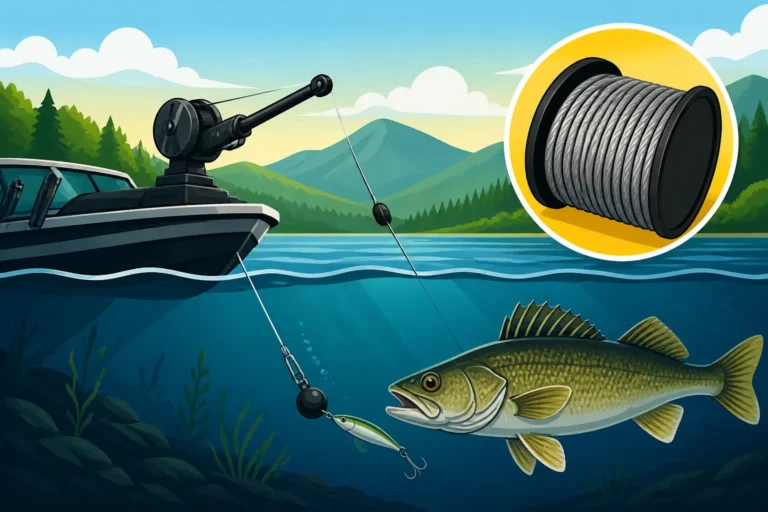
Finally, how fast you troll and at what depth you present your spoon are arguably as important as color and action. Walleyes are often suspended at specific depths, and if your spoon isn't in their strike zone, it doesn't matter what color it is. Using a fish finder to locate schools of baitfish or marks of walleyes is crucial. Then, deploy your Best Downriggers for Walleye Trolling or other depth-controlling devices to get your spoon right in front of them.
Trolling speed also dictates the action of your spoon. Generally, walleyes prefer a relatively slow to moderate trolling speed, often between 1.0 and 2.5 miles per hour, but this can vary greatly. Faster speeds often create a wider, more erratic wobble, while slower speeds can produce a subtler flutter. Experiment with different speeds until you find what triggers bites. On some days, a slight acceleration or deceleration of your boat can be enough to entice a follower to strike. It's often a delicate dance between speed, depth, and the spoon's inherent action. Remember, walleyes are often ambush predators, so presenting your bait in a way that gives them time to react and commit is important. Check out guides on Best Trolling Depth for Walleye on Lake Champlain for more detailed insights.
Seasonal Color Shifts and the Power of Experimentation
Walleye behavior and, consequently, their preference for spoon colors can change dramatically throughout the year, influenced by water temperature, available forage, and spawning cycles. Being aware of these seasonal shifts and, more importantly, being willing to experiment are hallmarks of a successful walleye angler.
Spring, Summer, and Fall Color Considerations
- Spring: After ice-out, as water temperatures rise, walleyes are often shallow and looking for baitfish. Colors that mimic the new hatches of smelt or shiners (silver, white, gold) can be excellent. However, if the water is still cold and murky from runoff, don't forget those bright, high-contrast colors like chartreuse or firetiger to grab attention. This is a time of transition, so be prepared to adapt.
- Summer: As the water warms, walleyes often move deeper to find cooler temperatures and oxygen. They might be feeding on larger baitfish. In clear, deep water, natural patterns and deep-diving cranks or spoons that get down to them are key. If you're fishing low light periods, those bright colors can still produce. The sun can be intense, so sometimes a subtle flash is better than an overwhelming one.
- Fall: This is often a fantastic time for walleye, as they feed aggressively to put on weight for winter. They can be found at various depths, often moving into shallower feeding flats during low light. Again, both natural baitfish patterns and bolder colors can work, depending on the day and water clarity. Many anglers find success with orange, gold, and firetiger as the water cools and baitfish are schooling up. Understanding Best techniques for fall walleye will definitely include a robust discussion of spoon colors.
Don't Be Afraid to Experiment!
The absolute best advice for choosing spoon colors for walleye trolling is to never stop experimenting. What worked yesterday might not work today, and what works on one part of Lake Champlain might not work on another. Start with your tried-and-true favorites based on the conditions, but always be ready to change.
Carry a variety of spoon colors, sizes, and actions. If you're not getting bites after 20-30 minutes, switch something up. Change color, change size, change depth, change speed, or even change the action of your spoon. Run multiple rods with different colors to see what's hitting. Keep a log of your successful patterns: date, time, water clarity, light conditions, depth, speed, and, of course, the winning spoon color. This personal data is invaluable for becoming a more consistent walleye angler. Sometimes, a color that seems completely "wrong" will be the one that saves the day, proving that walleyes don't always read the rulebook! You'll find a massive array of options, from classic patterns to brand new innovations, at Bass Pro Shops and on Amazon, making it easy to build a diverse arsenal for any situation.
Disclaimer
This article is for general informational purposes only and does not constitute professional advice. Laws, prices and regulations vary by location and change over time. Consult a qualified professional for guidance on your specific situation.