Best Jigs for Ice Fishing Perch
Oh, the sheer joy – and sometimes the utter frustration – of ice fishing for perch in Vermont! There's nothing quite like setting up your shanty, drilling your holes, and waiting for that telltale tap-tap-tap, only to find the perch are playing hard to get. We've all been there, staring at a blank screen on the fish finder or feeling absolutely nothing on the line, wondering if our jig choice is the problem. This guide is all about cutting through the overwhelming number of options out there and helping you find the absolute best jigs to entice those often-finicky Vermont perch, turning those slow days into memorable ones.
Understanding Perch Behavior Under the Ice
Ice fishing for perch isn't just about dropping a line and hoping for the best. These little guys change their habits significantly once the hard water sets in, and understanding those shifts is key to choosing the right jig. It's a whole different ballgame than open-water fishing, and it demands a more nuanced approach.
Metabolism and Feeding Habits
Think about it: the water temperature under the ice hovers just above freezing, and that means everything, including a perch's metabolism, slows down. They're not chasing down frantic baitfish like they might in summer. Instead, they're conserving energy, moving slower, and often prefer a smaller, less aggressive meal that doesn't require much effort to catch. This is why those tiny, subtle jigs often outperform larger, more boisterous presentations during the deepest parts of winter. A perch might ignore a big, fast-moving lure, but a tiny offering slowly dancing in front of its nose? That's a different story. They're still looking for food, but they're pickier and lazier, making your presentation incredibly important. It's about triggering an opportunistic strike rather than a predatory chase.
Schooling Patterns
Perch are social creatures, and under the ice, they tend to gather in schools, sometimes quite large ones. This is fantastic news for us anglers, because if you find one, you've often found a whole mess of them! However, these schools aren't always in the same place. They'll roam basins, cruise along drop-offs, or hold to specific weed lines or structural elements, always on the lookout for their next meal, albeit a slow one. Your goal is to find these schools, and then once you do, present a jig that mimics what they're already accustomed to eating, or something that stands out just enough to pique their interest without scaring them off. Locating these schools is often the first and most critical step; without them, even the best jig is just swimming in circles. How to locate perch in Vermont lakes can give you a head start on finding those schools.
Depth Preferences
The depth where perch hold can vary greatly depending on the lake, time of year (early, mid, or late ice), and even time of day. In many Vermont lakes, particularly those with good weed growth, perch might hang out in shallower areas, say 8-15 feet, especially during early and late ice. But during the coldest, darkest days of mid-winter, they might retreat to deeper basins, sometimes 20-40 feet or more, particularly if there's a strong thermocline or specific bottom structure holding invertebrates. The key is to start scouting different depths, perhaps drilling a series of holes at varying intervals, until you find where they're comfortable. Your fish finder will be your best friend here, showing you exactly where the schools are congregating and at what depth, allowing you to fine-tune your jig presentation to their precise location.
Key Characteristics of an Effective Perch Jig
When you're staring at the wall of jigs at your local tackle shop or browsing online through retailers like Bass Pro Shops or Amazon, it can feel like a labyrinth. How do you pick the one? It really comes down to a few core characteristics that make a jig effective for ice fishing perch.
Size and Weight: Why Tiny Jigs Often Win
This is perhaps the most crucial factor for ice fishing perch. Forget the big, flashy spoons you might use for lake trout or pike. Perch, especially when their metabolism is slow, prefer smaller offerings. We're talking jigs in the 1/32 to 1/16 ounce range, sometimes even smaller if the bite is really tough. Why? Because small invertebrates, insect larvae, and tiny minnows are their primary forage in winter. A tiny jig perfectly mimics these natural food sources. The weight, however, needs to be enough to get down to the desired depth reasonably quickly and to maintain contact with your line in deeper water or light currents. This is where materials come into play. A tiny jig made of tungsten, for example, will be significantly heavier for its size than a lead jig, allowing for a smaller profile with better sink rate and feel. Often, a jig that is too light will simply flutter aimlessly and won't get noticed by a lethargic perch.
Color and Finish: Matching Forage, Attracting Attention
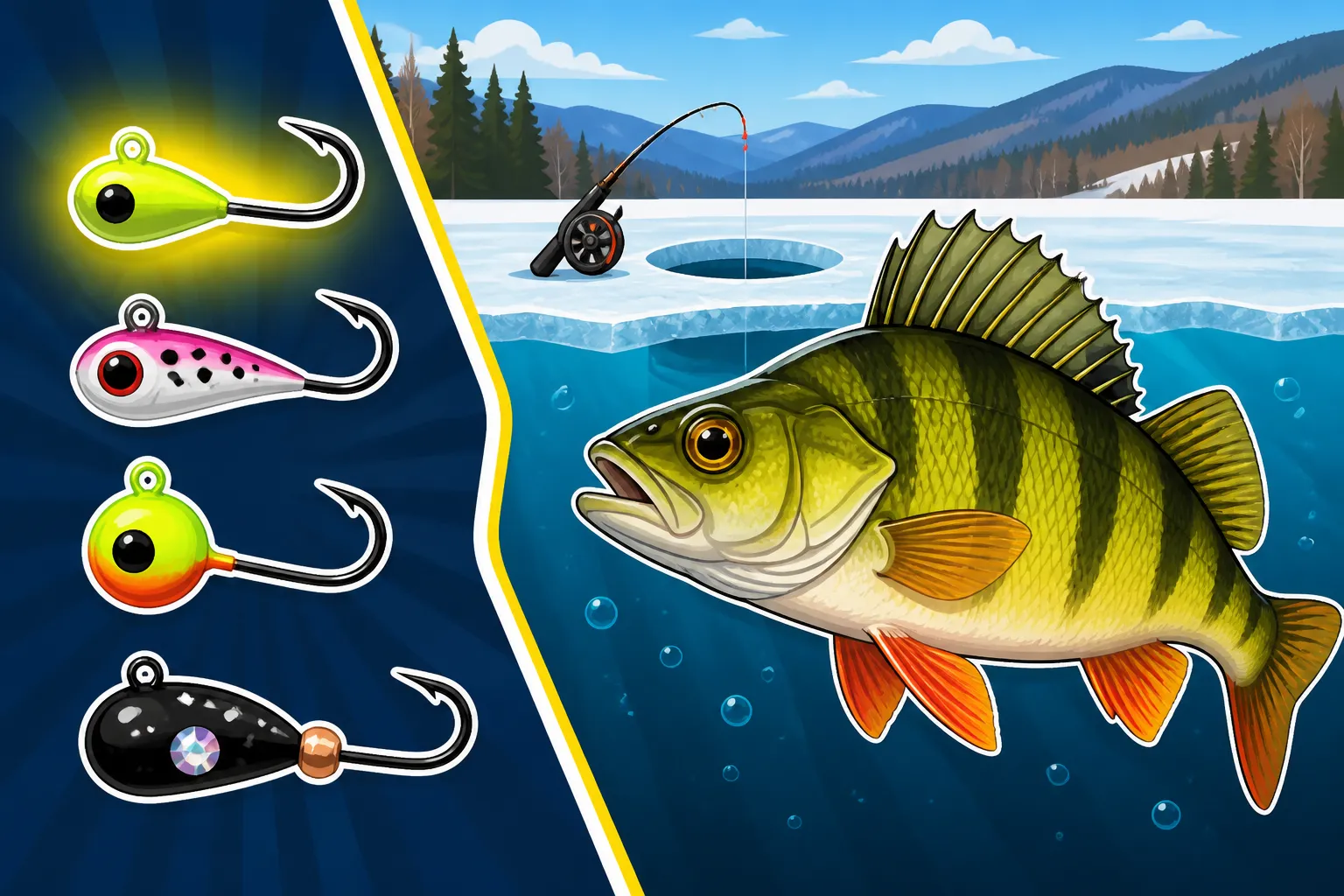
Color can be surprisingly critical, though sometimes less about an exact match and more about contrast or flash. Natural colors like olive, brown, black, and dull silver often mimic aquatic insects and small baitfish, making them excellent choices for clear water or finicky perch. On the other hand, bright, vibrant colors like chartreuse, orange, or pink can be phenomenal attractors in stained water, low light conditions, or when perch need a little extra coaxing. Glow-in-the-dark jigs are also fantastic, especially in deeper water or on cloudy days, as the added luminosity can draw perch in from a distance. Many anglers find success by having a range of colors and experimenting until they find what the perch are keying in on that particular day. Sometimes, it's not just the color, but the finish—matte, metallic, or glittery—that makes the difference.
Hook Design: Sharpness, Gap, and Ease of Baiting
A super sharp hook is non-negotiable for perch. Their mouths are relatively small and often soft, so you need a hook that penetrates easily with minimal effort. Look for jigs with chemically sharpened hooks right out of the package. The hook gap is also important; it needs to be wide enough to get a good hookset but not so wide that it overwhelms the small jig body or makes it difficult to bait. Many ice fishing jigs come with smaller, finer wire hooks that are perfect for perch. Additionally, consider how easy the hook is to tip with bait. Some jig designs have the hook oriented in a way that makes it awkward to thread on a maggot or waxworm. Jigs with a small barb or a "keeper" barb on the shank can also help hold your bait securely, which is a blessing on a cold day when your fingers are numb.
Top Jig Styles for Vermont Ice Perch
Vermont's frozen lakes and ponds offer diverse conditions, and having a variety of jig styles in your tackle box will definitely put you ahead of the game. Each type has its strengths, and knowing when to deploy them can be the difference between a limit and a lonely day.
Tungsten Jigs: The Modern Favorite
Tungsten jigs have revolutionized ice fishing. The main advantage of tungsten is its density; it's much heavier than lead. This means a tungsten jig can be much smaller in profile for the same weight as a lead jig, or it can be heavier for the same tiny size. This allows for a faster sink rate, crucial for getting back down to a hot school quickly, and excellent sensitivity because the line remains taut. When the bite is subtle, that extra sensitivity can mean the difference between feeling a gentle inhale and missing the fish entirely. Their compact size also mimics small insects and larvae perfectly, which is often what finicky perch are looking for. Tungsten jigs come in a dizzying array of shapes and colors, from tiny tear drops to horizontal "pill" jigs, and are readily available from online retailers like Amazon or in dedicated fishing sections at Bass Pro Shops. They are often tipped with a single maggot, a couple of spikes, or a tiny soft plastic tail to add a bit of scent and action. These jigs are especially effective when jigging for perch through the ice in deeper water.
Lead Jigs and Traditional Teardrops: Tried and True Options
Before tungsten took the ice fishing world by storm, lead jigs were the undisputed champions. And for good reason! They are still incredibly effective, often more budget-friendly, and come in countless traditional shapes like teardrops, small fish profiles, and rounds. While they don't have the same sink rate or density as tungsten, their natural flutter and presentation can be exactly what perch want on certain days. Lead jigs often have a slightly larger profile for their weight, which can be advantageous when perch are a bit more aggressive or when you want a slower, more deliberate fall. Many classic Vermont ice anglers still swear by their trusted lead teardrops, often tipped with a juicy waxworm. Don't discount these old faithfuls; sometimes the simplest approach is the most effective. Their slower fall can sometimes entice a hesitant perch more than a quickly dropping tungsten jig, giving the fish more time to react.
Spoon Jigs and Flashers: For Attracting From a Distance
When you need to call perch in from afar or when they're in a more aggressive mood, spoon jigs and flashers really shine. These aren't your typical tiny jigs; they're designed to create flash, vibration, and a larger profile in the water. Spoon jigs, with their wobbling action on the fall, mimic injured baitfish and often have a rattle or a flashy finish to grab attention. Popular options might be small, slender spoons in silver, gold, or holographic finishes. Flashers, on the other hand, are designed primarily to attract. They're typically larger, brightly colored, and often have a small jig or bare hook suspended below them, sometimes even multiple hooks. The idea is that the flasher draws the perch in, and then they'll key in on the smaller, more natural-looking offering below. These are fantastic for actively searching for perch schools, especially if you're working a larger area or Best Ice Fishing Lakes in Vermont where schools might be spread out. A quick lift and drop of a spoon jig can often trigger a reaction strike from perch that might otherwise ignore a smaller presentation.
| Jig Type | Material | Key Advantage | Best Use Case | Common Bait Tippers |
|---|---|---|---|---|
| Tungsten | Tungsten | High density, small profile, fast sink, sensitive | Finicky fish, deep water, subtle bite | Maggots, spikes, micro plastics |
| Lead | Lead | Affordable, natural flutter, slower fall | Moderate bite, shallower water, classic approach | Waxworms, maggots, small minnows |
| Spoon | Metal | Flash, vibration, attracts from distance | Aggressive fish, searching, stained water | Small minnows, soft plastic tails |
Pairing Jigs with Bait and Presentation
Having the right jig is only half the battle. The other half is knowing what to tip it with and, perhaps even more importantly, how to present it. Perch can be incredibly sensitive to both scent and motion, so a thoughtful approach here can make all the difference. This is where the artistry of ice fishing truly comes into play.
Live Bait Options: Maggots, Spikes, Waxworms
For perch, live bait is often the ace up your sleeve, especially on tough days. Nothing beats the natural scent and subtle wiggling action of a live offering.
- Maggots and Spikes: These are arguably the most popular choice for ice fishing perch. They're small, readily available, and incredibly lively. Threading one or two maggots onto a tiny jig hook adds just enough enticement without overpowering the small jig. Their constant movement, even when the jig is still, can be irresistible to a lethargic perch. Spikes are essentially larger maggots and can offer a bit more bulk and scent if the perch are slightly more aggressive.
- Waxworms: These soft-bodied larvae are another excellent option. They have a sweet, buttery scent that perch seem to love, and their white or creamy color offers good contrast underwater. They're a bit less active than maggots but provide a potent scent trail. Use one or two on your jig, ensuring the hook point is exposed.
The key with live bait is to use just enough to cover the hook point and provide scent/action without hindering the jig's natural movement. Too much bait can make a tiny jig look unnatural or make it harder for a perch to inhale.
Soft Plastic Tipping: Micro Plastics
While live bait is king, tiny soft plastic trailers or "micro plastics" have become incredibly popular, especially with tungsten jigs. These are artificial baits designed to mimic insect larvae, small minnows, or even just provide a bit of visual appeal and action.
- Tiny Tails and Nymphs: Think small, straight tails, tiny grubs, or miniature nymph patterns. They come in a vast array of colors, many with glow properties or infused with scent. The advantage here is durability – one soft plastic can last through many fish, unlike delicate live bait. They also offer consistent action, often vibrating subtly with the slightest twitch of the rod. On days when perch are hitting aggressively, a soft plastic can be faster to re-bait than live bait. Experiment with different colors and shapes; sometimes a tiny red or white plastic tail is all it takes to trigger a strike.
The best approach often involves a combination: start with a small soft plastic, and if the bite slows, add a single maggot or spike to the tip of the hook for added scent and appeal. This hybrid approach often gives you the best of both worlds.
Jigging Techniques: Pounding, Deadsticking, Subtle Lifts
How you move your jig is just as important as the jig itself.
- Pounding: This aggressive technique involves rapidly lifting and dropping your rod tip to make the jig "pound" the bottom or create a lot of vibration. It's often used to attract perch from a distance, especially with spoon jigs or when you're searching for active fish. Once a school arrives, you'll want to switch to a more subtle presentation.
- Deadsticking: Sometimes, the most effective technique is to do absolutely nothing. "Deadsticking" involves holding your jig perfectly still, often just a few inches off the bottom, or even placing your rod in a holder and letting it sit. The subtle movement of your live bait, or the slow sway of a soft plastic in the current, can be enough to entice incredibly lethargic perch. This is where a sensitive spring bobber is invaluable, as it will show even the slightest "inhale" bite.
- Subtle Lifts and Twitches: This is the bread and butter of perch ice fishing. Slowly lift your jig a few inches, let it fall, and then hold it still for a few seconds. Repeat. Vary the speed, the height of the lift, and the duration of the pause. Sometimes, a tiny, almost imperceptible quiver of the rod tip is all it takes to make your bait dance just enough to trigger a bite. The perch often hit on the fall or during the pause, so pay close attention. Often, a tiny tap is all you'll feel, making a sensitive rod and Spring Trout Fishing Techniques for Vermont Streams invaluable even for panfish.
Seasonal and Water Condition Considerations
The beautiful thing about ice fishing in Vermont is that conditions are rarely static. From early ice to late ice, and across different water clarities, perch behavior and your optimal jig choice will shift. Being adaptable is key to consistent success.
Early Ice Tactics: Aggressive Perch, Shallow Water
When the first safe ice forms on Vermont's ponds and smaller lakes, perch are often still relatively active and feeding aggressively. The water hasn't had a chance to get truly cold yet, and they're often found in shallower areas, perhaps 8-15 feet, around remaining green weeds or rocky structure.
- Jig Choice: During early ice, you can often get away with slightly larger jigs, or even small spoon jigs that create more flash and vibration. While tiny jigs are still excellent, you might find that 1/16 to 1/8 ounce tungsten or lead jigs work well, especially if tipped with a small minnow or a larger cluster of maggots. The perch are still willing to chase and hit more aggressively.
- Presentation: More aggressive jigging, including pounding the bottom or longer lifts and drops, can be very effective for calling in schools. Don't be afraid to move around and drill multiple holes to find these active fish. They're often grouped up and willing to bite, making early ice a prime time for fast action. Remember to check How thick ice needs to be for Vermont anglers to walk on it before venturing out.
Mid-Season Slump Strategies: Finesse, Deep Water
The heart of winter, typically late December through February, can bring the toughest bites. The ice is thick, days are short, and water temperatures are at their coldest. Perch often move to deeper basins or specific structural elements, and their metabolism slows to a crawl.
- Jig Choice: This is prime time for tiny, tiny jigs – 1/32 ounce tungsten or even smaller. Think micro jigs, often with very little or no added weight, that have a very slow, natural fall. Fluorescent or glow-in-the-dark colors can be particularly effective in the deeper, darker water.
- Presentation: Extreme finesse is the name of the game. Focus on deadsticking, incredibly slow lifts of just an inch or two, and long pauses. The bite might be almost imperceptible, often just a slight "mushy" feeling on the line or a twitch of your spring bobber. You'll need all the sensitivity you can get from your rod and line. Sometimes, simply leaving the jig perfectly still for minutes at a time is what it takes. Jigging for Perch Through the Ice really highlights the need for a subtle hand during these times.
Late Ice Perch: Renewed Activity
As March approaches and the days lengthen, the sun's penetration warms the water slightly, and melting snow introduces oxygen, signaling a renewed burst of activity for perch. They often move shallower again, preparing for the upcoming spawn, and can become quite aggressive once more.
- Jig Choice: Similar to early ice, you can often return to slightly larger jigs and spoons. The perch are feeding up, so a larger profile or more flashy presentation can be appealing. Don't shy away from bright colors or jigs tipped with small minnows.
- Presentation: While not as frantic as early ice, you can typically be more active with your jigging. Moderate lifts and drops, with shorter pauses, can be very effective. Perch might be found in 10-25 feet of water, often around the edges of melting ice or areas where snowmelt is entering the lake, bringing with it nutrients and active forage. This can be some of the most rewarding fishing of the season, but always be acutely aware of ice conditions as spring approaches. Vermont Ice Fishing Season Dates often run right up to the point where safe ice becomes a real concern.
Essential Jigging Accessories and Tips
Beyond the jigs themselves, a few key pieces of gear and strategic tips can elevate your perch ice fishing experience, making you more efficient and successful on the hard water. After all, the best jig in the world won't do much good if you can't feel the bite or get it to the fish!
Spring Bobbers and Sensitive Rods: Seeing the Lightest Bite
Perch bites under the ice are notoriously subtle. It's rarely a violent tug; more often, it's a slight pause, a tiny lift, or a barely perceptible sag in your line. This is where specialized gear truly shines.
- Spring Bobbers: These small, flexible indicators attach to the tip of your ice fishing rod. Their extreme sensitivity allows them to detect the slightest movement, often showing a "lift bite" (when a fish inhales the jig and swims upwards, causing the bobber to rise) that you'd never feel in the rod. They come in various tensions, so match the bobber to the weight of your jig to ensure it's holding just the right amount of curve. A perfectly set spring bobber will have a slight bend when your jig is at fishing depth, allowing it to easily indicate either a drop or a rise.
- Sensitive Rods: Pair your spring bobber with a light-action, sensitive ice fishing rod. Graphite rods with fast tips are excellent because they transmit even the faintest tap up the line. A good sensitive rod, even without a spring bobber, will allow you to feel those subtle bumps and scrapes that indicate a curious perch. For many anglers, the combination of a high-quality rod, like those found at Bass Pro Shops, and a finely tuned spring bobber is the ultimate setup for detecting finicky perch. Having the right Best Ice Fishing Gear for Vermont can make a huge difference in your success.
Line Choice and Knot Tying: Low Visibility, Strong Connections
Your line is the crucial connection between you and the fish, and for perch, finesse is paramount.
- Line Type and Test: Generally, lighter line is better for perch. Think 2-4 pound test monofilament or fluorocarbon. Monofilament offers a bit of stretch, which can be forgiving on light bites, while fluorocarbon is nearly invisible underwater and has less stretch, offering more sensitivity. Many anglers opt for a main line of thin braid (like 4-6 lb test) for its incredible sensitivity and no-stretch properties, then tie on a short, 2-3 foot leader of 2-4 lb fluorocarbon to the jig. This gives you the best of both worlds: sensitivity and stealth. Low visibility is key in clear Vermont waters where perch can be spooky.
- Knot Tying: With light line, strong, reliable knots are absolutely essential. Learn a good loop knot, like the Rapala knot or a non-slip mono loop, for tying your jig to the leader. This allows your tiny jig to have maximum action. For connecting braid to fluorocarbon, a strong knot like the FG knot or a double uni knot is a must. Practice these knots at home in the warmth, not on the ice with numb fingers!
Reading the Electronics: Fish Finders for Perch
Modern ice fishing electronics have transformed the game, making it much easier to locate perch and understand their behavior.
- Flashers and Sonars: Devices like Garmin's LiveScope or traditional Vexilar flashers allow you to see your jig in real-time, along with any fish that come into its zone. This is invaluable. You can see how fish react to your presentation: do they ignore it? Do they swim up to inspect it? Do they shy away? This immediate feedback helps you adjust your jigging style, depth, and even jig choice until you find what triggers a bite.
- Understanding the Display: Learn to interpret the signals. A faint red line might be a school of baitfish or small perch, while a thicker, brighter signal indicates a larger fish. Watch how your jig appears on the screen – its size and motion. If fish are coming up to your jig but not committing, it's a sign to change something – perhaps the action, the bait, or even the jig itself. These tools dramatically reduce guesswork and make you a much more efficient angler. You can identify schools, understand their depth, and adapt your tactics on the fly, saving precious time on the ice.
Disclaimer
This article is for general informational purposes only and does not constitute professional advice. Laws, prices and regulations vary by location and change over time. Consult a qualified professional for guidance on your specific situation.