How to locate perch in Vermont lakes
It's a common frustration for even seasoned anglers: you know the perch are in a Vermont lake, but actually locating those schools can feel like trying to find a needle in a haystack. These popular panfish can be incredibly elusive, moving with the seasons, feeding patterns, and even the time of day. This comprehensive guide will help you decipher the mysteries of perch movement, understand their preferred habitats, and equip you with the knowledge to consistently put them on your line, no matter the time of year or the lake you're fishing.
Understanding Perch Behavior and Preferred Habitats in Vermont
Before you can find perch, you've got to think like a perch! These feisty little fish, particularly the yellow perch, are schooling predators that thrive in a variety of Vermont's aquatic environments. They aren't usually solitary creatures, so when you find one, you're likely to find many more. This schooling behavior is key to understanding where they'll be.
Perch are opportunistic feeders, meaning they'll munch on a wide array of delicious (to them!) items found in their environment. This includes smaller minnows, shiners, insect larvae, tiny crustaceans, and even the eggs of other fish. This varied diet means they'll often be found near areas where these food sources are abundant. For instance, if there's a good hatch of aquatic insects, you might find perch moving into shallower areas to feast. Conversely, if schools of baitfish are holding deeper, the perch will follow.
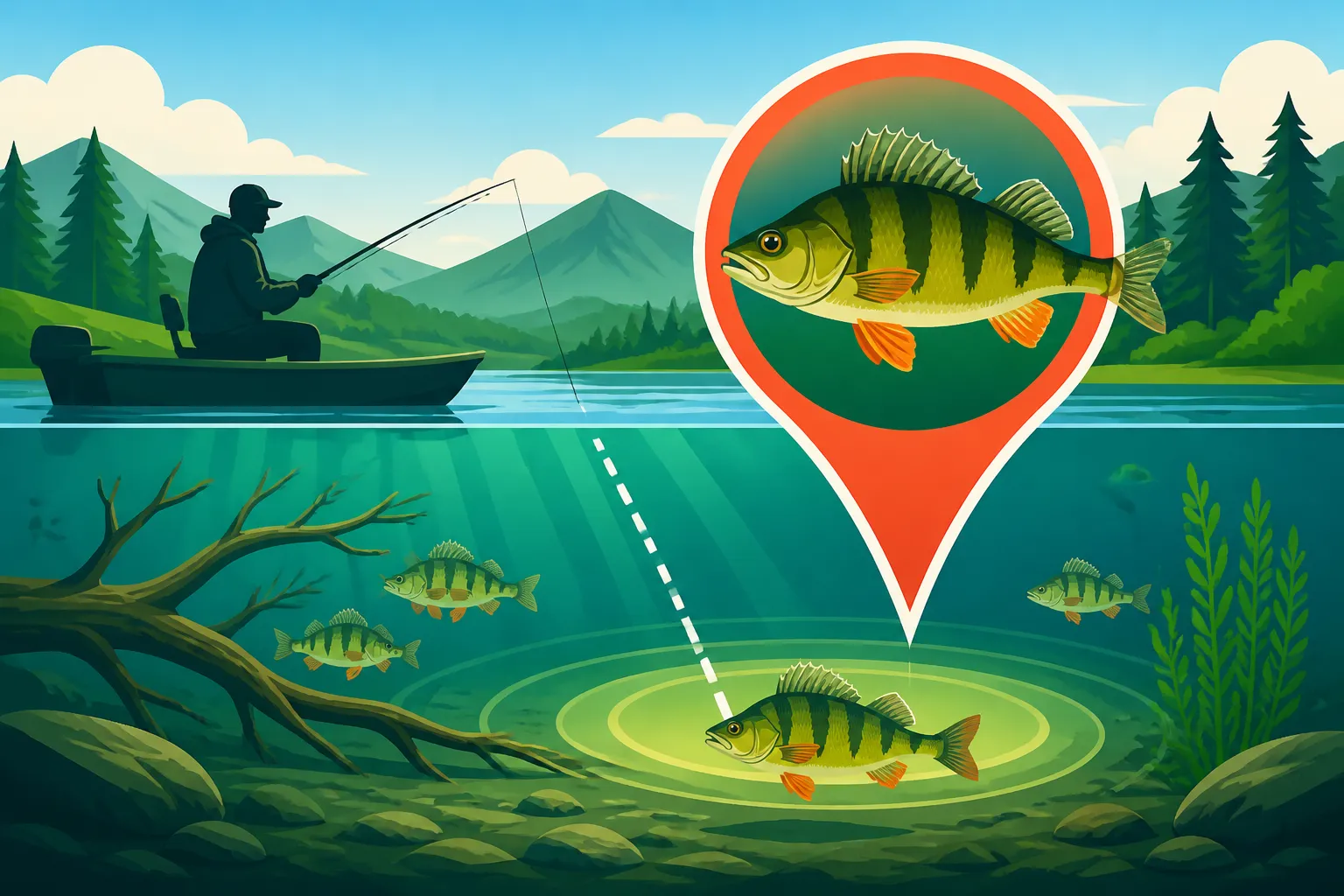
Their preferred habitats are often tied directly to both food availability and protection from larger predators like northern pike and lake trout. Think structure, structure, structure! This could mean submerged weed beds, rocky points, gravel humps, sunken timber, or sharp drop-offs. In many Vermont lakes, extensive weed lines stretching out from shore offer fantastic perch habitat, particularly the edges where the weeds meet open water. These transitions provide both cover and a highway for baitfish. Understanding the specific structure of the lake you're fishing – whether it's the shallow, weedy expanse of Lake Bomoseen or the rocky depths of Lake Willoughby – will give you a huge advantage. They also appreciate areas with a slightly softer, silty or sandy bottom, especially when foraging for insect larvae.
Seasonal Perch Movements and Where to Find Them
Perch are not static residents; their location in a Vermont lake shifts dramatically throughout the year. What worked in July won't necessarily work in January, and vice versa. Being attuned to these seasonal migrations is paramount to consistent success.
Spring: Post-Spawn Shallows and Warming Waters
As the ice retreats and Vermont's lakes begin to warm in early spring, perch embark on their spawning ritual. This usually happens in shallow, weedy areas or near submerged brush piles and fallen trees. After they've laid their eggs, they don't move far. In fact, post-spawn, perch are often ravenous and can be found gorging themselves in these same shallow bays, coves, and near tributary inflows. The slightly warmer water in these areas also attracts baitfish and activates insect hatches, providing an easy buffet. Focus your efforts in 5 to 15 feet of water, especially where you find dense new weed growth or woody debris. This is a fantastic time for shore anglers or those in kayaks, as you don't need to venture far from access points. You might even find success fishing areas that appear featureless, as submerged vegetation that hasn't fully bloomed can still hold fish.
Summer: Deeper Retreats and Thermocline Tactics
Summer in Vermont brings warmer surface temperatures, and as the heat sets in, perch tend to move to deeper, cooler waters. This is especially true during the midday sun. They'll often relate to the thermocline – that invisible boundary layer where warm surface water meets cooler, deeper water. This zone often concentrates baitfish and oxygen, making it a prime location. Look for perch holding along deep weed edges, on top of submerged humps, or suspended over deep water near structure like a rocky point that drops off sharply into the abyss. Depths of 15 to 30 feet, or even deeper in some of Vermont's larger lakes, are common. Early mornings and late evenings might see them venture briefly into shallower weed beds to feed, but during the bright daylight hours, they'll usually be in their deeper summer haunts. A good fish finder can be absolutely invaluable during this time, helping you pinpoint these deeper structures and bait schools. For those looking to explore new waters, checking out a Lake Champlain Fishing Guide or a Lake Memphremagog Fishing Guide can offer insights into these larger lake's deep-water structures.
Fall: Aggressive Feeding and Shallow Returns
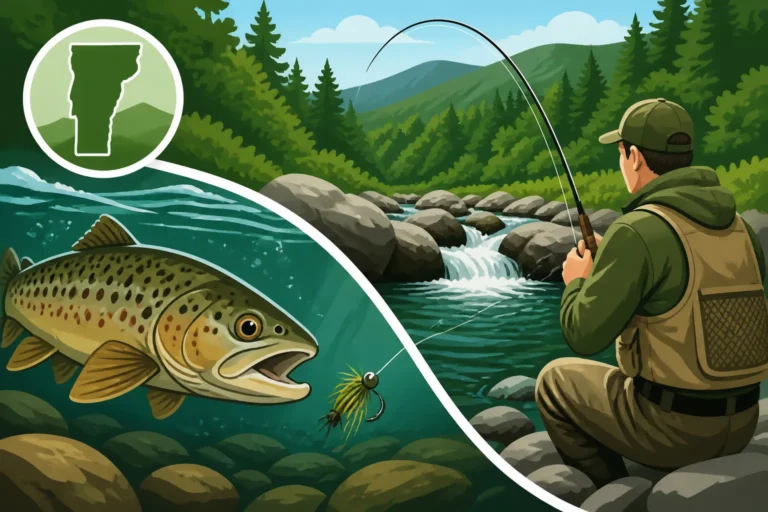
As autumn colors explode across the Vermont landscape and water temperatures begin to cool, perch enter an aggressive feeding period. They know winter is coming, and they need to pack on the calories. This often means they'll move shallower again, similar to their spring patterns, but with more urgency. Focus on main lake points, large flats adjacent to deep water, and the deeper edges of bays. Depths of 5 to 20 feet are typical. They'll actively chase baitfish, so any areas where schools of minnows are congregating are prime targets. This can be one of the most exciting times to target perch, as they are often very willing to strike. Keep an eye out for bird activity, such as loons or gulls diving, as this can be a huge indicator of baitfish (and therefore perch) presence. Many anglers enjoy the beautiful scenery of the season while they are Fly Fishing for Trout in Vermont, but perch fishing can be equally rewarding.
Winter: Ice Fishing Hotspots
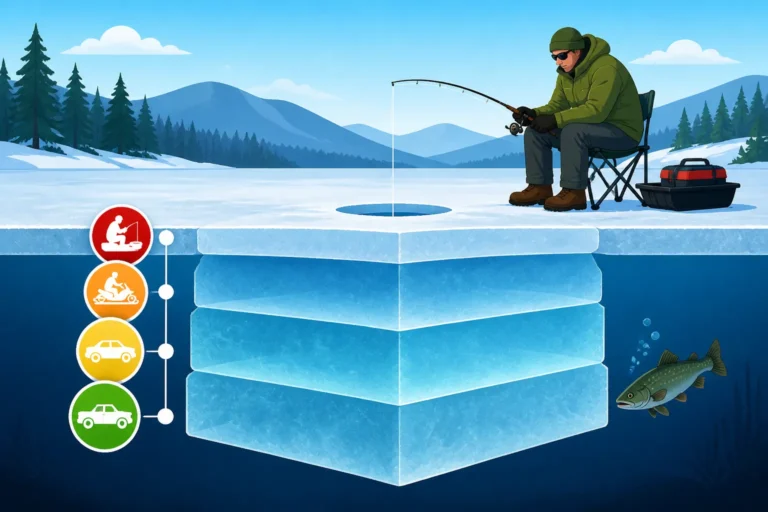
Once Vermont's lakes freeze over, the game changes entirely, but perch remain a prime target for ice anglers. During the hardwater season, perch often school up tightly and can be found in predictable locations. Early ice might see them along the edges of weed beds in slightly shallower water, but as winter progresses, they tend to migrate to deeper basins, humps, and drop-offs. Look for subtle changes in bottom contour – a rise from 30 feet to 20 feet, or the edge of a deep flat. They'll often hug the bottom, but don't be afraid to try different depths if you're marking fish suspended. Ice shanties and portable shelters are a common sight, as anglers brave the elements for these tasty fish. If you're new to the game, our guide to Ice Fishing in Vermont can get you started, and for specific tactics, learn about Jigging for Perch Through the Ice. Checking a local bait shop will often provide valuable intel on current hotspots and depths.
Reading the Water: Visual Cues and Electronics for Perch
Finding perch isn't just about knowing the season; it's about actively "reading" the water and using the tools at your disposal. This combination of observation and technology can dramatically shorten your search.
Observing Natural Indicators
Nature often provides clues if you know what to look for. One of the biggest indicators of perch presence is the activity of other predators. Are you seeing loons diving repeatedly in a certain area? Are gulls circling and plunging into the water? These birds are often feeding on the same baitfish that perch are pursuing. Where there's a buffet for birds, there's a good chance perch are joining the feast.
Another visual cue can be subtle disturbances on the water's surface. Small flickers or ripples in a calm area might indicate baitfish schools being driven to the surface by feeding predators below. If you're fishing a river, look for current breaks – areas where the main current slows down, creating an eddy. These spots can concentrate food and provide a resting place for perch. Similarly, any visible structure like docks, fallen trees, or rocky outcroppings are always worth investigating, as perch will often relate to these features.
Leveraging Modern Electronics
For those with access to a boat or a Best Portable Fish Finder for Kayak Fishing, modern electronics are game-changers for locating perch, especially in deeper water. A good fish finder allows you to "see" what's beneath the surface.
- Sonar: Your basic sonar will show you depth contours, structure, and fish arches. Perch often appear as dense schools, so look for a "cloud" or multiple arches packed together.
- Down Imaging/Side Imaging: These technologies provide photographic-like views of the bottom and structure. Down imaging is excellent for seeing exactly what's beneath your boat, while side imaging can scan large areas to either side, helping you locate weed lines, rock piles, or submerged timber that might be holding fish before you even get on top of them. You can find a wide selection of these devices, from basic models to advanced units, on platforms like Amazon.
- GPS and Mapping: Modern fish finders often come with detailed GPS mapping. Use these maps to identify drop-offs, humps, and points. Mark any spots where you find perch or baitfish schools, creating a personal library of hotspots for future trips. Many Vermont lakes, including Lake Champlain, have excellent bathymetric maps available that can be loaded onto your fish finder.
- Understanding Bait Balls: Perch are often found in close proximity to their food. Your fish finder can help you distinguish between bottom structure and schools of baitfish. Look for dense, often irregularly shaped masses on your screen – that's likely a bait ball, and where there's a bait ball, hungry perch are often not far behind.
Practical Tips for Pinpointing Perch Hotspots
So, you've got a good handle on perch behavior and you're ready to hit the water. Here are some actionable strategies to help you narrow down those promising locations and find those elusive schools.
Start Broad, Then Refine
Don't just motor out and start fishing anywhere. Begin by identifying likely areas based on the season and the lake's topography. If it's summer, you're probably looking for deeper structure. If it's fall, check those main lake points and deeper edges of bays. Once you're in a general area, then start to refine your search.
Instead of dropping anchor immediately, consider drifting. Let the wind or a very slow trolling motor push you along a contour line or over a promising flat. This allows you to cover more water and, if you're using a fish finder, constantly scan for signs of fish or bait. Once you get a bite or mark fish on your electronics, you can then deploy a shallow water anchor (if you're fishing from a boat) or drop a marker buoy and drift back over the area to anchor precisely. This "search and destroy" method is highly effective for schooling fish like perch. For those fishing from a kayak, knowing the Best Kayaks for Vermont Fishing can give you excellent mobility for this tactic.
Focus on Edges and Transitions
Perch love edges. Think about where different types of habitat meet:
- Weed Line Edges: Where a dense weed bed ends and open water begins. This is a classic perch ambush point.
- Drop-Offs: Where a shallow flat suddenly plunges into deeper water. Perch will often stage along these ledges, moving up to feed and retreating to the depths for safety.
- Hard to Soft Bottom Transitions: Where a rocky or gravel bottom meets a silty or sandy bottom. This often indicates a change in food sources and can be a congregating point for both bait and perch.
- Current Breaks: As mentioned, any area where moving water slows down, such as behind an island, a large boulder, or a point, can be a magnet for perch.
These transition zones offer the best of both worlds: access to food and nearby cover or deeper water for safety.
The "Find the Bait" Rule
This is an old adage, but it holds true: if you can find the baitfish, you will likely find the perch. Perch are predators, and their movements are largely dictated by where their food source is. Use your fish finder to actively look for schools of minnows, shiners, or smelt. If you mark a dense cloud of baitfish, start fishing that area aggressively. Perch won't be far away. In many of Vermont's larger lakes, Rainbow Smelt as Forage Fish in Vermont Lakes are a crucial part of the food chain, and finding smelt schools is a surefire way to find hungry perch.
Don't Be Afraid to Move
Perhaps the most important tip for locating perch is to not get stuck in one spot. If you've given an area a good 15-20 minutes of effort and haven't had a bite or marked fish, move. Perch are often either there or they're not. They're not like some species that might eventually cruise through. When you find a school, you'll often get bites quickly. If the bites stop, it might mean the school has moved on, or you've caught the aggressive ones. Either way, it's time to relocate. Sometimes, a move of just 50 yards can put you on a whole new school.
Here's a quick summary table of common perch locations by season:
| Season | Typical Depth Range | Primary Habitat Focus | Key Tactics/Gear Notes |
|---|---|---|---|
| Spring (Post-spawn) | 5-15 feet | Shallow bays, coves, tributary mouths, new weed growth, woody debris | Focus on warming water; light jigs, small minnow imitations |
| Summer | 15-30+ feet | Deep weed edges, submerged humps, rocky points, thermocline | Fish finders crucial; small spoons, dropshot rigs, deeper presentations |
| Fall | 5-20 feet | Main lake points, flats adjacent to deep water, deeper bay edges | Aggressive feeders; faster retrieves, larger baits to mimic active baitfish |
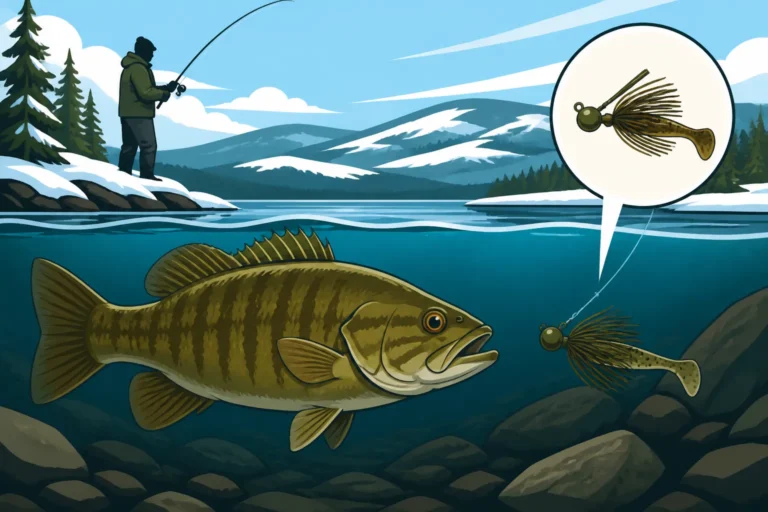
| Winter (Ice Fishing) | 10-40+ feet | Deep basins, humps, drop-offs, current breaks | Jigging spoons, tungsten jigs with bait; move frequently to find schools |
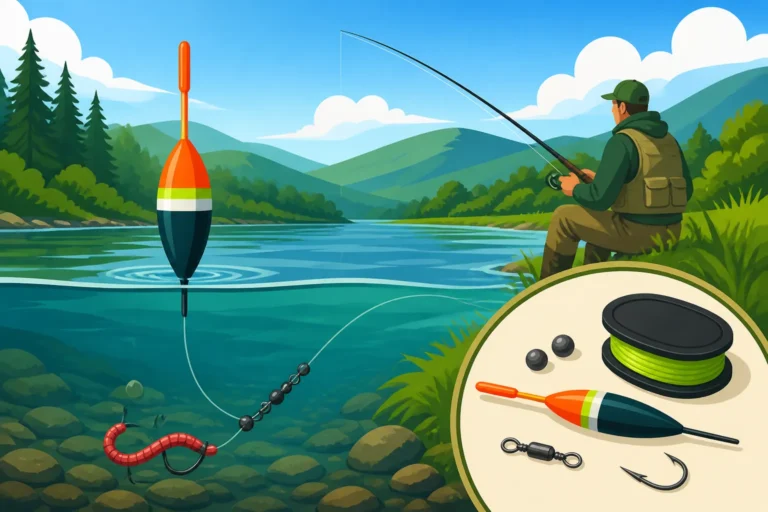
Remember, perch are a fantastic sport fish and even better table fare, making the effort to locate them incredibly rewarding. With a keen eye, the right gear (which you can often find great deals on through Amazon, from specific Best Jigs for Ice Fishing Perch to full Best Tackle for Panfish setups), and a little patience, you'll be consistently finding those golden-sided beauties in Vermont's waters.
Disclaimer
This article is for general informational purposes only and does not constitute professional advice. Laws, prices and regulations vary by location and change over time. Consult a qualified professional for guidance on your specific situation.