Best technique for pre-spawn perch
Chasing pre-spawn perch in Vermont can sometimes feel like trying to catch ghosts. They’re there, you know they are, but their moodiness before they start laying eggs can make them incredibly challenging to entice. Many anglers get frustrated, thinking the perch just aren't biting, when really, it's about understanding their unique behavior during this critical time and adjusting your techniques. This guide is all about breaking down the best strategies to successfully target and catch these elusive pre-spawn beauties, turning those frustrating days into memorable ones.
Understanding Pre-Spawn Perch Behavior in Vermont
Before you even think about dropping a line, it's crucial to understand what makes pre-spawn perch tick. This isn't just a random phase; it's a period of intense biological preparation, and their priorities shift dramatically, impacting where they are and how they feed.
When and Where to Find Pre-Spawn Perch
The "pre-spawn" window for yellow perch in Vermont generally kicks in during late winter, often under the ice, and continues right through ice-out into early spring. You're looking for that sweet spot when water temperatures are still on the colder side, typically in the high 30s to low 40s Fahrenheit. During this time, perch aren't actively thinking about spawning yet, but they're staging, congregating in anticipation.
They'll often pull away from their deeper winter haunts and start migrating towards shallower bays, points, and coves that will soon become their spawning grounds. Think about areas that offer a mix of gradual slopes, weed beds (even dormant ones), and some kind of structure like old docks, submerged timber, or rock piles. These spots offer both cover and potential ambush points for feeding before the main event. On a larger body of water like Lake Champlain, this might mean exploring the shallower, protected bays and inlets. Even smaller lakes like Lake Bomoseen or Lake Dunmore will have these specific transition areas where perch stage before moving into the very shallow spawning areas. Knowing Where to Locate Perch in Vermont Lakes is half the battle, and during pre-spawn, it's about predicting their next move to the shallows.
Why Pre-Spawn Perch Are So Finicky
This is where many anglers lose hope. Perch during this pre-spawn period aren't necessarily ravenous. Their bodies are focused on developing eggs and milt, conserving energy, and preparing for the arduous task of spawning. While they still need to feed, their metabolism is slower in the cold water, and their bites can be incredibly subtle. They're not chasing down aggressive lures with abandon.
You might find large schools of Yellow Perch in Vermont Lakes on your fish finder, but getting them to commit can be a whole other challenge. They might nose your bait, mouth it gently, or just subtly shift it without ever really "hitting" it. This requires a level of sensitivity in your gear and an acute awareness from you, the angler. Any sudden movements, heavy lines, or overly aggressive presentations can easily spook an entire school, sending them scurrying or simply shutting them down entirely. It's a game of finesse and patience.
Essential Gear and Tackle for Pre-Spawn Perch
When perch are finicky, your gear can make or break your day. This isn't the time for heavy, clunky setups. You need sensitive, lightweight tackle that allows for subtle presentations and detects even the most tentative bites.
Rods, Reels, and Line: The Finesse Setup
For pre-spawn perch, think ultralight or light action spinning gear. A sensitive rod is paramount – something with a fast or extra-fast tip that can telegraph those faint taps directly to your hand. I personally love a 6-foot to 6-foot-6-inch ultralight rod for this. It gives you enough length for casting but maintains the sensitivity needed. You can find excellent options for these sensitive rods on Amazon, often from brands known for their panfish-specific gear.
Pair that rod with a small spinning reel, something in the 1000 or 2000 series. Fill it with a light monofilament line, perhaps 2-4 pound test, or even better, a 4-6 pound braided line with a fluorocarbon leader. The braid offers incredible sensitivity and no stretch, helping you feel every subtle movement. A 2-4 pound fluorocarbon leader, approximately 3-4 feet long, provides invisibility in clear water, which is often crucial when targeting wary pre-spawn fish. Remember, the lighter your line, the more natural your bait will look, and the less resistance a fish will feel.
Baits and Lures That Get Bites
This is where the art of subtlety truly shines. Forget big, flashy lures. Pre-spawn perch prefer small, unassuming offerings that require minimal effort to "eat."
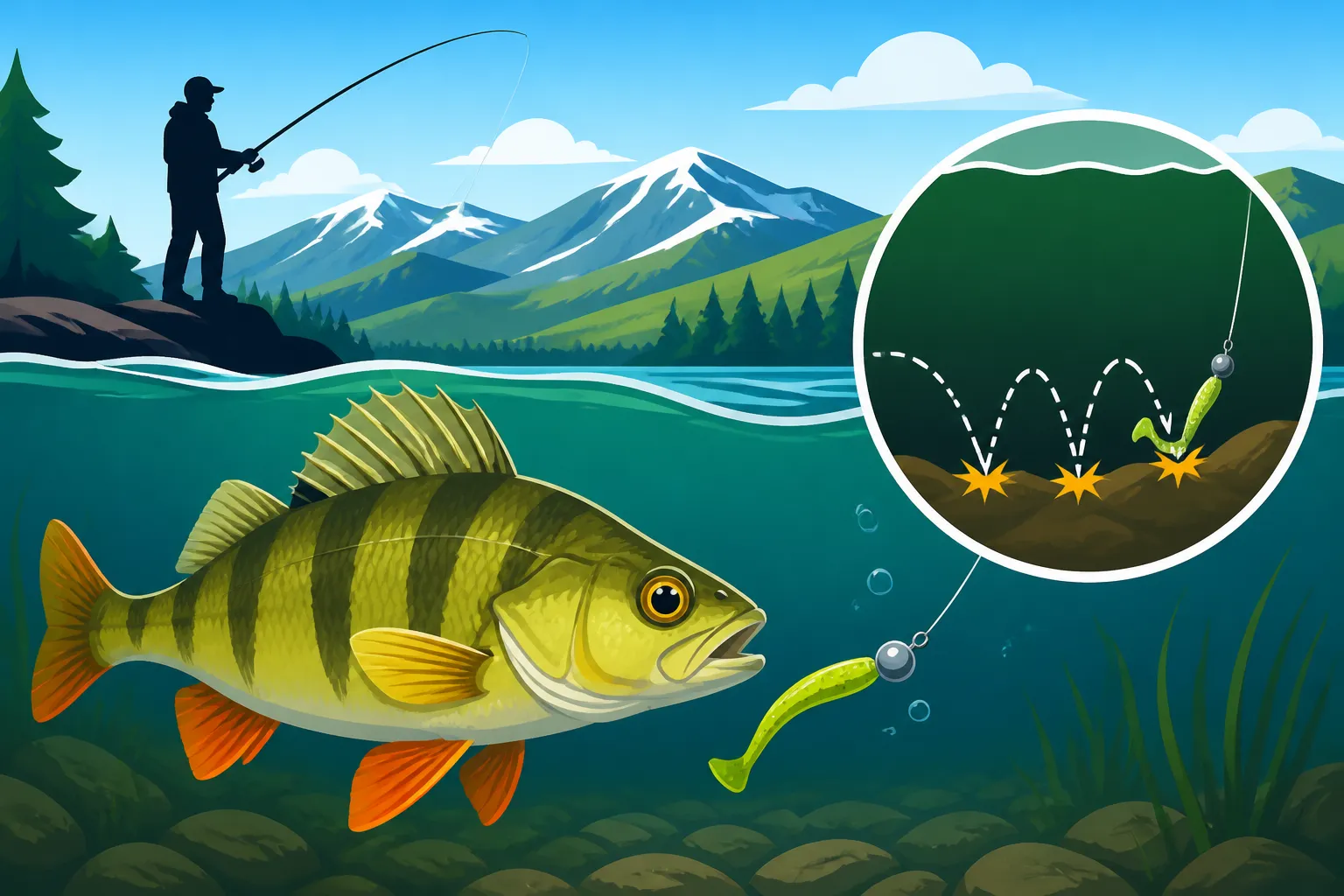
- Small Jigs and Grubs: Tiny jigs, often 1/32 to 1/16 ounce, tipped with small plastic grubs (like a 1-inch or 2-inch Gulp! Minnow or a soft plastic micro-grub) are absolute killers. Colors like white, chartreuse, motor oil, or natural smelt patterns tend to work well. The key is to impart very little action – just enough to make the tail quiver. This mimics small aquatic insects or tiny baitfish.
- Live Bait: There's simply no substitute for live bait when fish are picky. Small minnows (shiners, fatheads), tiny worms (red wigglers), or even maggots (spikes) are irresistible to pre-spawn perch. Hook them lightly through the lip or just behind the dorsal fin on a small, sharp hook (size 8 or 10). A common setup is a small jig head tipped with a minnow or a simple snelled hook under a small bobber, fished just off the bottom.
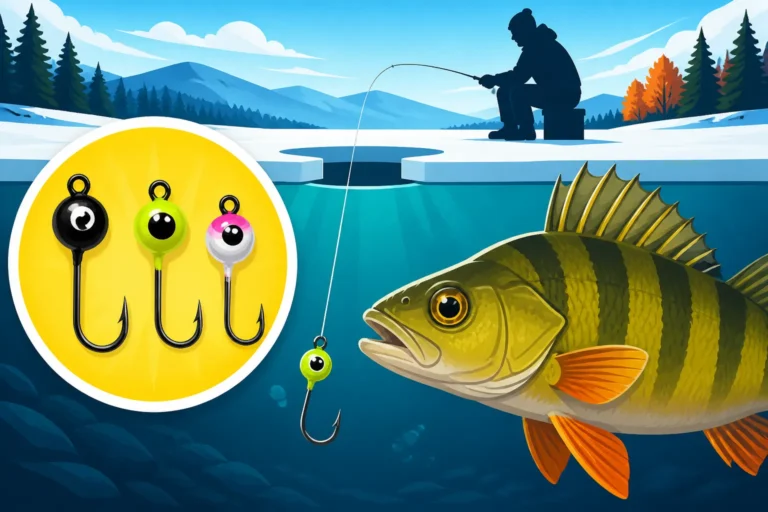
- Tiny Spoons: Small, slender jigging spoons, like a Swedish Pimple or a slender spoon, can also be effective, especially when tipped with a piece of minnow or a waxworm. The flash and flutter on the drop can attract attention, but again, the retrieve should be very subtle, with minimal lifts. These are particularly effective if you're Jigging for Perch Through the Ice during the late winter pre-spawn.
| Bait/Lure Type | Best Use Case | Key Features | Action to Impart |
|---|---|---|---|
| Small Jigs/Grubs | Finesse presentations, imitating small prey | 1/32 – 1/16 oz, 1-2 inch plastics | Very subtle lifts, quivering, dead-sticking |
| Live Minnows | Most effective when fish are extremely finicky | Small shiners, fatheads | Nose-hooked, fished under a bobber or lightly weighted |
| Worms/Maggots | Excellent for subtle bites, bottom presentations | Red wigglers, waxworms, spikes | Small pieces on tiny hooks, minimal movement |
| Tiny Jigging Spoons | Attracting attention, tipped with live bait | 1/16 – 1/8 oz, flashy, slender profile | Small lifts and drops, pause and quiver |
Top Techniques for Pre-Spawn Perch Success
Once you have the right gear, it's all about how you present your offerings. Patience and precision are your two best friends.
Vertical Jigging and Finesse Presentations
This is arguably the most effective technique for pre-spawn perch. Whether you're in a boat, on the shore, or even on the ice, the principle is the same: keep your bait directly below you and work it with extreme subtlety.
- Hovering and Quivering: Once you've cast out or dropped your line, let your jig or bait sink to the bottom. Then, reel up just enough so it's suspended 6-12 inches above the bottom. This is often where perch are looking, scanning for food. Instead of aggressive jigs, think "quiver." Barely move the rod tip, just enough to make your lure or minnow tremble in the water. Hold it still for 10-20 seconds, then a tiny quiver, then pause again. Sometimes, the bite comes when the lure is completely still, or on the absolute slowest drop.
- Dead-Sticking: If the fish are extremely wary, sometimes doing almost nothing is the best approach. Lower your bait to the desired depth and then just hold it perfectly still, or prop your rod up if you're ice fishing or bank fishing. This passive presentation can tempt the most reluctant perch. Just be ready for that incredibly light "tap."
- Searching the Water Column: While pre-spawn perch often relate to the bottom, don't be afraid to experiment with depths. Sometimes they might be suspended a few feet off the bottom, or even mid-column if there's a thermocline or baitfish present. Use your fish finder to identify the depth of the school and position your bait accordingly.
Using Electronics to Your Advantage
In this scenario, a good fish finder is more than just a luxury; it's a vital tool. You might even find some highly rated, portable models on Amazon that are perfect for boat or bank fishing.
- Locating Schools: Pre-spawn perch are often schooled up. Your fish finder will help you pinpoint these concentrations of fish. Look for "clouds" or distinct arches near structure or along contours leading to spawning flats. Without electronics, you're essentially fishing blind, which dramatically reduces your chances.
- Targeting Depth: Once you've found a school, your fish finder will tell you exactly how deep they are. This allows you to present your bait precisely at their eye level, rather than guessing. You can even watch your lure on the screen as it drops, making sure it gets into the strike zone.
- Reading the Bite: Some advanced fish finders, especially those used for ice fishing, allow you to see your jig and the fish reacting to it in real-time. This feedback is invaluable for refining your technique, showing you which subtle movements draw a response and which ones are ignored.
Ice Fishing Considerations for Pre-Spawn Perch
As mentioned, a significant portion of the pre-spawn period occurs while the ice is still thick on Vermont lakes. This means many of the best techniques for pre-spawn perch overlap with specific ice fishing tactics. Many anglers gear up for Ice Fishing in Vermont specifically for these early season, hungry-but-finicky perch.
- Hole Hopping: Don't be afraid to drill multiple holes and move frequently until you locate an active school. Perch will often move throughout the day, so what was hot at 8 AM might be cold by 10 AM.
- Sight Fishing: If you're fishing in clear, shallow water, consider using a dark ice shanty or even just covering your head with a dark cloth. This allows you to peer down the hole and actually see the perch reacting to your bait. This visual feedback can be incredibly helpful for learning how subtly you need to move your lure.
- Jigging Raps and Small Jigs: In addition to the small spoons, compact jigging lures like Rapala Jigging Raps or small horizontal jigs can be deadly. Again, minimal action is key. Think short, gentle lifts and long pauses. The lighter the Best Jig Weight for Perch Through the Ice the better, to allow for a more natural fall. For the rest of your kit, check out Best Ice Fishing Gear for Vermont to ensure you have everything needed for a comfortable and successful outing.
Reading the Water and Adapting Your Approach
No two days are exactly alike on the water, and pre-spawn perch are especially sensitive to environmental factors. Being observant and willing to change your strategy is vital.
Importance of Water Temperature and Structure
Always be mindful of the water temperature. Even a one or two-degree difference can significantly impact where perch hold. As the water slowly warms towards spring, they'll often move from slightly deeper staging areas into even shallower zones closer to their eventual spawning grounds.
Look for areas with distinct structure. This could be rock piles, transition lines where hard bottom meets soft bottom, or submerged vegetation. These features offer cover, ambush points, and often hold baitfish, which the perch are still opportunistic about eating. For instance, on a big lake like Lake Champlain, even small irregularities in the bottom contour can hold a large school of pre-spawn perch. A good Lake Champlain Fishing Guide will highlight these types of structural elements that are key for all species, including perch.
The Art of the Subtle Bite
This is perhaps the most challenging aspect of pre-spawn perch fishing. You won't always feel a distinct "thump." Sometimes it's just a slight pressure, a feeling of "heaviness," or your line might simply go slack or move horizontally a tiny bit.
- Watch Your Line: Often, the most reliable indicator of a bite is your line itself. Any twitch, stop, or subtle movement that isn't caused by current or wind should be treated as a bite. Keep a close eye on where your line enters the water, or on your bobber if you're using one.
- Feel for Weight: Instead of a strike, you might just feel a slight increase in weight as you very slowly lift your rod. This often means a perch has picked up your bait. When you feel anything unusual, gently lift the rod tip to "set" the hook.
- Patience and Persistence: There will be times when you know fish are there, but they just won't commit. This is when patience pays off. Keep working your baits slowly, try different colors or types of live bait, and don't be afraid to scale down even further in lure size or leader strength. Sometimes just a tiny change makes all the difference. Remember, the goal is to make it as easy as possible for them to eat, given their finicky pre-spawn state. For general Panfish Fishing in Vermont, these nuanced approaches are often the most rewarding. Also, consider reviewing Best Tackle for Panfish for additional gear suggestions that align with this finesse approach.
Disclaimer
This article is for general informational purposes only and does not constitute professional advice. Laws, prices and regulations vary by location and change over time. Consult a qualified professional for guidance on your specific situation.