Best jig weight for perch through the ice
There's nothing quite like the crisp air and serene silence of a Vermont winter day out on the hard water, patiently waiting for that tell-tale twitch. But let's be real, many of us have spent hours staring down a hole, wondering why the perch aren't biting, only to realize our jig might be all wrong for the conditions. This comprehensive guide is dedicated to helping you master the art of selecting the best jig weight for perch through the ice, ensuring your bait gets seen and strikes are more frequent.
Understanding Perch Behavior Under the Ice
Ice fishing for perch can be incredibly rewarding, but it pays to understand what these striped beauties are up to beneath that frozen surface. They aren't just lounging around; their behavior changes dramatically with the seasons, and winter is a whole different ballgame.
Perch Feeding Habits in Winter
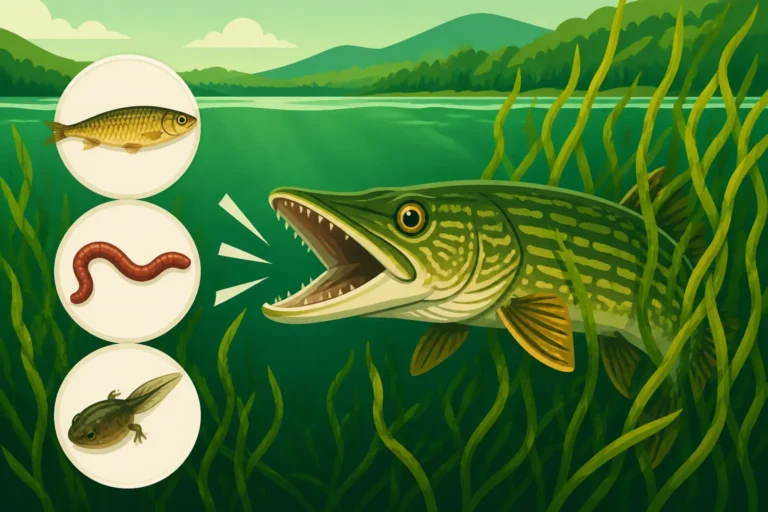
When the water temperatures drop, everything in the lake slows down, and perch are no exception. Their metabolism slows considerably, meaning they don't need to eat as much, or as often, as they do in the warmer months. This makes them less aggressive and more discerning about what they'll strike. They're often found in schools, conserving energy, and when they do feed, they're looking for an easy meal. This translates to subtle bites, and sometimes, they'll just mouth a bait without really committing. You might feel a slight pressure or a tiny tap, rather than the aggressive tug you'd get in open water. This reduced aggression means your presentation has to be absolutely dialed in, and jig weight plays a massive role in how naturally your offering moves through the water.
Locating Perch in Vermont Lakes
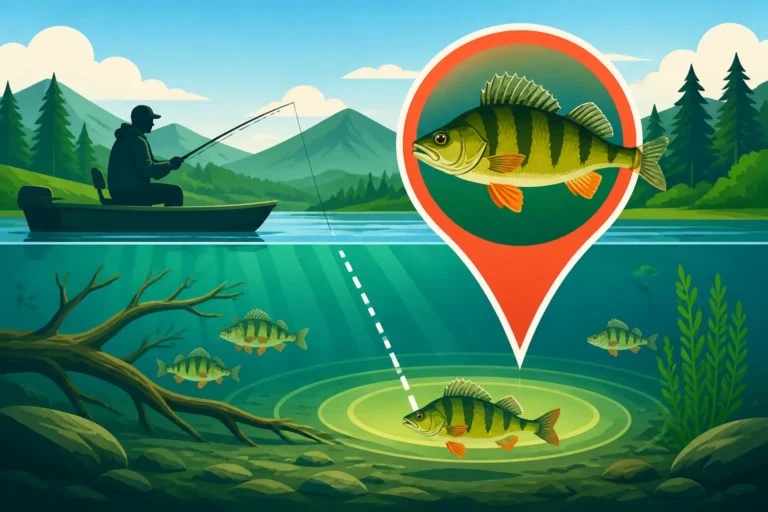
Finding perch under the ice is half the battle. They tend to congregate in specific areas, often relating to structure or depth transitions. Early ice, you might find them in shallower bays, often still clinging to weed lines or the edges of drop-offs where lingering green weeds provide cover and oxygen. As winter progresses and ice thickens, they often move to deeper main lake basins, especially near humps, sunken islands, or rocky points. They love subtle changes in contour, places where the bottom structure gives them an advantage for ambushing baitfish like smelt or minnows. For example, on a vast lake like Lake Champlain, you might find schools of perch holding just off the main channel breaks or around submerged reefs. A good fish finder is invaluable here, helping you pinpoint these subtle changes and mark schools of fish. Knowing where to look is crucial, and once you find them, you'll need the right jig weight to entice them. For more on targeting these spots, check out our guide on Jigging for Perch Through the Ice
The Science Behind Jig Weight for Ice Fishing Perch
Choosing the right jig weight isn't just guesswork; there's a real science to it that takes into account the environment you're fishing in and the behavior of the fish. It's about achieving the perfect balance between presentation and functionality.
Factors Influencing Jig Weight Choice
Several critical factors influence what jig weight will perform best on any given day. First, depth is paramount. In shallower water, say 5-15 feet, a lighter jig allows for a slower, more natural fall, which is often crucial for finicky winter perch. In deeper water, 20 feet or more, a heavier jig is necessary to get down quickly and maintain control, especially if there's any sort of current.
Current is another major consideration. Even under the ice, lakes can have subtle currents, particularly in areas near inlets, outlets, or constrictions. A lighter jig might get swept away, making it difficult to keep it in the strike zone. Ice thickness and wind aren't direct factors for jig weight underwater, but they affect your experience above the ice, making a stable, easily detectable presentation more important. For example, fishing in a strong wind might require a slightly heavier jig to counteract line bow and maintain contact with your bait, even if the fish prefer a lighter presentation.
Finally, the mood of the fish is perhaps the most important, albeit intangible, factor. On days when perch are actively feeding, they might strike at a wider range of jig weights. But when they're lethargic and reluctant, a super-subtle, slow-falling presentation with a very light jig can be the only thing that triggers a bite.
Common Jig Weight Ranges for Vermont Perch
For perch in Vermont, most ice anglers will find themselves reaching for jigs in the 1/32 oz to 1/8 oz range, with some going as light as 1/64 oz or as heavy as 1/4 oz in specific scenarios.
- 1/64 oz to 1/32 oz: These ultralight jigs are your bread and butter for shallow water (under 15 feet) and when perch are incredibly finicky. They offer an almost suspended, weightless fall that can mimic natural prey. Think tiny insects or slow-moving larvae. These are particularly effective in small, clear ponds or early ice situations where perch are still somewhat active but easily spooked.
- 1/16 oz to 1/8 oz: This is the sweet spot for many Vermont ice fishing situations. It's heavy enough to get down efficiently in most medium depths (15-30 feet) without being so heavy that it appears unnatural. It offers a good balance of fall rate and control, making it versatile for both active and moderately finicky perch. Many anglers will start with a 1/8 oz jig and adjust lighter if necessary.
- 1/4 oz and heavier: While less common for perch, these heavier jigs come into play in deep water (30+ feet) or when fishing in strong current. They're also useful if you're trying to punch through a school of smaller perch quickly to get to potential larger fish holding underneath. However, the faster fall can sometimes spook less aggressive perch, so it's often a last resort or for specific conditions.
Understanding these ranges and the factors that influence them will dramatically improve your success rate on the ice. For a comprehensive look at the season, be sure to check out our Vermont Ice Fishing Season Dates.
Matching Jig Weight to Conditions and Presentation
The true art of ice fishing for perch lies in adapting your approach. What works one day, or even one hour, might not work the next. It’s all about reading the conditions and the fish.
Light Jigs for Finicky Perch and Shallow Water
When the perch are being particularly picky, or you're fishing in relatively shallow water—say, 5 to 15 feet deep—reaching for those super light jigs, like a 1/32 oz or even a 1/64 oz, can be a game-changer. These tiny jigs have a remarkably slow fall rate. Imagine a natural insect or a tiny piece of debris slowly fluttering down through the water column; that's the kind of subtle presentation these light jigs offer.
This slow, tantalizing descent is often exactly what it takes to trigger a strike from lethargic winter perch. They don't have to chase it; it practically floats right into their strike zone. You might find this technique particularly effective in crystal-clear waters, such as some of the high-elevation ponds, where fish have excellent visibility and are easily spooked by anything that looks unnatural. Pairing these light jigs with equally light line, like 2-4 lb test fluorocarbon, is crucial for maximum sensitivity and to avoid hindering that delicate fall. Brands like VMC Tungsten Jigs, often found on Amazon, are excellent choices for their compact size and dense material which helps them sink relatively quickly for their small profile, even at lighter weights.
Heavier Jigs for Deep Water and Aggressive Bites
Conversely, there are times when sizing up your jig weight is absolutely the right move. If you're fishing in deeper water—20 feet, 30 feet, or even more—a lighter jig simply takes too long to reach the bottom. You lose precious fishing time waiting for your bait to descend, and it's much harder to detect those subtle bites when there's a lot of slack or bow in your line.
A heavier jig, typically 1/8 oz to 1/4 oz, gets down to the strike zone much faster. This efficiency is critical, especially when you've located a hot school of perch and you want to keep your bait in front of them. Furthermore, in areas with even a slight current, a heavier jig helps maintain vertical presentation, preventing your line from drifting too far off-center. And surprisingly, sometimes, when perch are in an aggressive feeding mood, a faster-falling, more active jig presentation can actually trigger more strikes. The increased weight allows for a more pronounced "thump" on the bottom or a quicker jigging motion, mimicking a fleeing baitfish. For more about specific tackle, our guide on Best Ice Fishing Gear for Vermont, has some excellent recommendations.
The Role of Line and Rod in Jig Weight Sensitivity
Your line and rod are essentially extensions of your hand, transmitting information from your jig to you. The wrong setup can completely negate the benefit of choosing the perfect jig weight.
When using lighter jigs, especially those 1/32 oz or 1/64 oz offerings, light fishing line is non-negotiable. Monofilament lines in 2-4 lb test are popular for their stretch, which can act as a shock absorber for light bites, but many experienced anglers prefer fluorocarbon in similar weights for its near invisibility underwater and low stretch, which enhances sensitivity. The minimal diameter of light line also allows the jig to fall more naturally without resistance.
As for your rod, a light or ultralight ice fishing rod with a fast or extra-fast action tip is ideal. The sensitive tip will visibly telegraph even the lightest tap or the slightest pressure change that indicates a perch mouthing your bait. A good quality graphite rod will have the backbone to fight a decent fish but the finesse in the tip to let you feel everything. Matching your rod's power and action to your chosen jig weight and line ensures you maintain maximum contact and sensitivity, which is vital for detecting those elusive winter perch bites.
Popular Jig Styles and Weights for Vermont Perch
Beyond just the weight, the style and material of your jig can also make a significant difference. Each type has its own unique action and appeal to perch.
Teardrop, Spoon, and Tungsten Jigs
When it comes to ice fishing for perch in Vermont, you'll encounter a few core jig styles that consistently produce results.
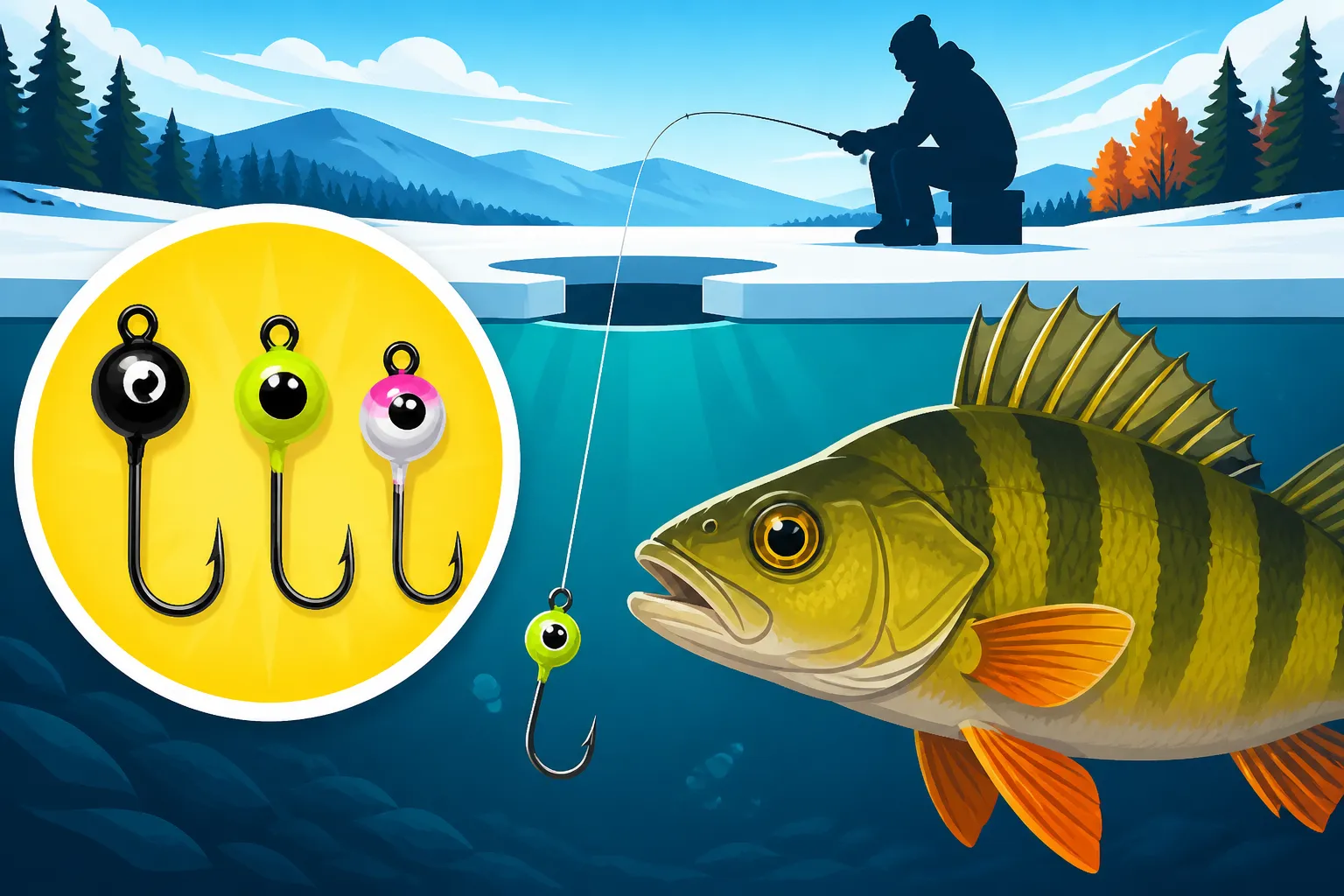
- Teardrop Jigs: These are perhaps the most classic ice fishing jigs. They're typically made of lead and have a simple, tear-drop shape. They come in a wide array of colors and often have an eye-spot or other attractor painted on. Teardrops are great for a subtle, natural presentation. They typically fall slowly and can be tipped with a small piece of bait like a grub or a wax worm. Their simplicity makes them very versatile, and they're effective across many depths. Common weights for perch are 1/32 oz to 1/16 oz.
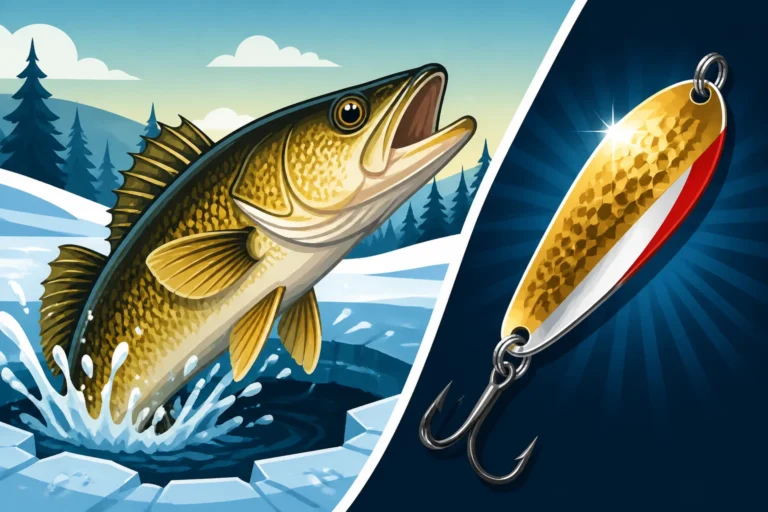
- Spoon Jigs: Spoon jigs are designed to flutter and flash on the fall, mimicking a wounded baitfish. They come in various shapes, from long, slender flutter spoons to shorter, wider options. The flash and vibration can be excellent for attracting perch from a distance, especially in stained water or when the fish are more aggressive. They often have treble hooks, which can be a bit more challenging for smaller perch, but they are effective. Popular spoon weights for perch typically range from 1/8 oz to 1/4 oz, though smaller sizes exist. Brands like Northland Fishing Tackle and Clam offer a fantastic selection of spoons.
- Tungsten Jigs: Tungsten has become incredibly popular in ice fishing, and for good reason. Tungsten is much denser than lead, meaning a tungsten jig can be significantly smaller than a lead jig of the same weight. This compact size combined with a heavier weight allows for a faster fall rate, getting your bait down to the fish quickly, while still maintaining a small, subtle profile. This is crucial when perch are finicky and prefer a tiny presentation but you need to fish deep. Tungsten jigs in 1/32 oz to 1/8 oz are incredibly effective for perch and can be a lifesaver in tough conditions. Many top brands, readily available on Amazon, now produce a wide range of tungsten jigs designed specifically for ice fishing. If you're curious about colors, check out our guide on Best Jig Color for Winter Perch.
Attractors and Baits
Simply dropping a bare jig down the hole rarely works as well as tipping it with something extra. Attractors and baits serve multiple purposes: adding scent, visual appeal, and even a bit of subtle weight or action.
- Live Bait: The undisputed champion for perch is often live bait. A single wax worm, a piece of a minnow, or a small grub threaded onto your jig hook adds natural scent and wriggling action that perch find irresistible. This natural appeal is often the key to converting curious perch into committed biters. Be mindful of local regulations on minnow use; some Vermont waters have restrictions.
- Plastics and Soft Baits: Tiny plastic "finesse" baits, such as micro plastics that imitate insect larvae, bloodworms, or tiny minnows, are also highly effective. These can be particularly good when the perch are ultra-finicky, as they offer a consistent profile and action. They're also great for those times when you run out of live bait or prefer to use artificials. Companies like Maki Plastics and Clam make excellent micro plastics perfectly sized for perch jigs.
- Adding Attractors: Some anglers like to add a small plastic or feather "attractor" to their jig, just above the hook, or even a small bead. These additions can provide extra flash, color, or vibration, helping to draw attention to your jig without significantly altering its fall rate or presentation.
The combination of the right jig style, weight, and a natural bait or attractor creates a package that is hard for even the pickiest perch to resist.
Here's a quick reference table for jig weights:
| Condition / Depth | Recommended Jig Weight Range | Jig Type Examples | Notes |
|---|---|---|---|
| Shallow Water (5-15 ft) | 1/64 oz – 1/32 oz | Tungsten, Teardrop | Slow, natural fall crucial for finicky fish. |
| Medium Depth (15-30 ft) | 1/32 oz – 1/8 oz | Tungsten, Teardrop, Small Spoon | Good balance of fall rate and control for most situations. |
| Deep Water (30+ ft) | 1/8 oz – 1/4 oz | Tungsten, Spoon | Faster fall, maintains contact, useful in current. |
| Finicky Perch | 1/64 oz – 1/32 oz | Tungsten, Teardrop | Ultra-subtle presentation, often with live bait. |
| Aggressive Perch / Current | 1/8 oz – 1/4 oz | Spoon, Heavier Tungsten | More active presentation, faster retrieve. |
| Heavy Wind / Line Bow | Slightly heavier than usual | Tungsten, Spoon | Helps maintain vertical presentation and feel. |
Troubleshooting and Adapting Your Jig Weight
Even with the best intentions and the perfect starting point, sometimes the fish just aren't cooperating. That's when you need to be ready to adapt and make adjustments. Ice fishing is all about subtle changes and reading the mood of the water below.
When to Go Lighter or Heavier
The most common mistake ice anglers make is sticking with one jig weight, even when it's clearly not working. If you've been fishing a 1/8 oz jig for a while and haven't had a bite, it's time to switch.
- Go Lighter If: You're marking fish on your electronics but they aren't committing. This is the classic sign of finicky perch. They're seeing your bait, they're curious, but something about the presentation isn't quite right. A lighter jig will slow the fall, make it appear more natural, and give them more time to inspect it. This is especially true if you see them rising slowly to the bait or just tapping it softly. Another reason to go lighter is if you're getting a lot of "false positives" on your flasher – marks that seem to come up and then disappear without a bite. This could mean your jig is falling too fast past them, or they're spooked by a too-aggressive presentation.
- Go Heavier If: You're struggling to get your bait down to the fish efficiently, or if your line is bowing significantly in the wind or current, making it hard to feel bites. If you're in deep water and want to quickly re-present your bait after catching a fish, a heavier jig will get you back in the game faster. Sometimes, a faster drop can even provoke a reaction strike from less finicky fish, or help you penetrate through a small school to get to the larger fish below. Remember, the goal is always to get your bait into the strike zone effectively and keep it there.
Don't be afraid to experiment. Pack a range of jig weights and styles, easily purchased from retailers like Amazon, and cycle through them until you find what triggers a response.
Reading the Fish and Your Electronics
Your electronics, whether it's a flasher or an LCD fish finder, are your eyes below the ice. Learning to interpret what they're telling you is crucial for successful jig weight adjustments.
- Flasher Insights: A flasher shows you real-time activity. If you see fish marks coming up quickly to your jig and then veering away, your presentation might be too aggressive or falling too fast. Try going lighter and slowing your jigging motion. If fish are holding tight to the bottom and not moving much towards your jig, try subtle lifts and drops with a slightly heavier jig to stir up the bottom sediment, mimicking feeding activity. You can learn a lot about fish locations by leveraging tools like the Vermont Fish Stocking Search Tool, Explained.
- Bite Detection: This is where your rod, line, and jig weight all come together. With light jigs, especially, bites can be incredibly subtle. It might be a slight pressure, a momentary slack in your line, or just a tiny "tick" that's barely perceptible. If you're missing bites, it could be that your jig is too heavy for the fish's mood, and they're spitting it out before you can react. Or, conversely, if you feel nothing, your jig might be too light and not getting to the fish efficiently, or not moving enough to attract attention. Constantly adjust your jigging cadence, lure presentation, and weight until you start consistently hooking up. Mastering these nuances comes with time, but paying close attention to your electronics and feel will accelerate your learning curve. If you want to dive deeper into how technology can help, check out our insights on Best Fish Finders for Vermont Lakes.
Essential Tips for Successful Ice Fishing Perch in Vermont
Beyond just jig weight, there are a few core tenets of successful perch ice fishing that every angler in Vermont should keep in mind. These tips will help you maximize your time on the ice and put more fish in your bucket.
The Importance of Hole Hopping
One of the biggest mistakes novice ice anglers make is setting up one hole and staying there all day, hoping the fish will eventually swim by. Winter perch are often found in roving schools, and they can move quickly. If you're not getting bites within 15-20 minutes, it's time to move.
Hole hopping is the most effective strategy for finding active perch. Drill multiple holes in a grid pattern or along a suspected structure, covering different depths and areas. Start fishing one hole, and if nothing's happening, move to the next. Use a portable ice auger for quick transitions. This active approach allows you to quickly locate schools of fish and stay on top of them as they move. Don't be afraid to drill 10-20 holes in a session; it might seem like a lot of work, but it dramatically increases your chances of finding a cooperative school. Remember, an un-fished hole is a wasted opportunity!
Safety First on the Ice
While the pursuit of perch is exciting, nothing is more important than your safety on the ice. Vermont winters can be unpredictable, and ice conditions can change rapidly.
Always check the ice thickness before venturing out. A minimum of 4 inches of clear, solid ice is generally considered safe for walking, but this is a bare minimum, and 6-8 inches is much safer for a single person. Never trust ice solely based on its appearance; always check with an ice chisel or auger as you go. Be aware of pressure cracks, areas around inlets/outlets, and springs, as these spots often have thinner ice. Always inform someone of your fishing plans and expected return time. Carry safety gear like ice picks, a spud bar, a rope, and wear a PFD, especially during early or late ice. Dressing in layers is also crucial to stay warm and dry in the frigid Vermont air. For more critical information on safety, our guide on How Thick Ice Needs to Be to Fish Safely in Vermont, is an absolute must-read.
By prioritizing safety and staying mobile, you'll not only have a more successful perch fishing experience but also a much more enjoyable and secure one.
Disclaimer
Please note that fishing regulations, conditions, and best practices can change. Always consult the latest Vermont Fish & Wildlife Department regulations before heading out. This guide is for informational purposes only and does not guarantee fishing success. Exercise caution and good judgment when on the ice or water.