Panfish Fishing in Vermont
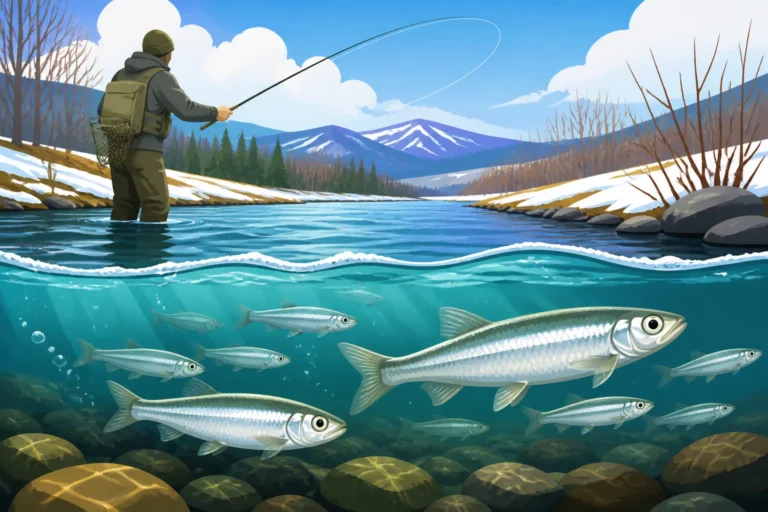
There's something uniquely satisfying about chasing panfish in Vermont, isn't there? For many anglers, especially those just starting out or folks who just want a relaxing day on the water, panfish are often overlooked, sometimes dismissed as "kids' fish." But let me tell you, that's a huge mistake! Panfish offer incredible action, are found in almost every water body, and let's not forget, they make for some of the finest eating fish Vermont has to offer. This comprehensive guide is here to change any preconceived notions you might have and show you exactly why and how to get in on the fantastic panfish action right here in our beautiful Green Mountain State.
Understanding Vermont's Panfish Population
When we talk about "panfish" in Vermont, we're really talking about a fantastic group of smaller, prolific species that are generally easy to catch and, as the name suggests, fit perfectly in a frying pan. These aren't the trophy-sized monsters of legend, but they are abundant, feisty on light tackle, and a pure joy to pursue. They're also an integral part of our aquatic ecosystems, providing food for larger predatory fish and helping maintain balance.
Key Panfish Species in Vermont
Vermont is blessed with a diverse array of panfish, each with its own charm and characteristics. Knowing what you're targeting can definitely help you refine your approach and increase your success. The most common species you'll encounter are yellow perch, black crappie, bluegill, and various sunfish.
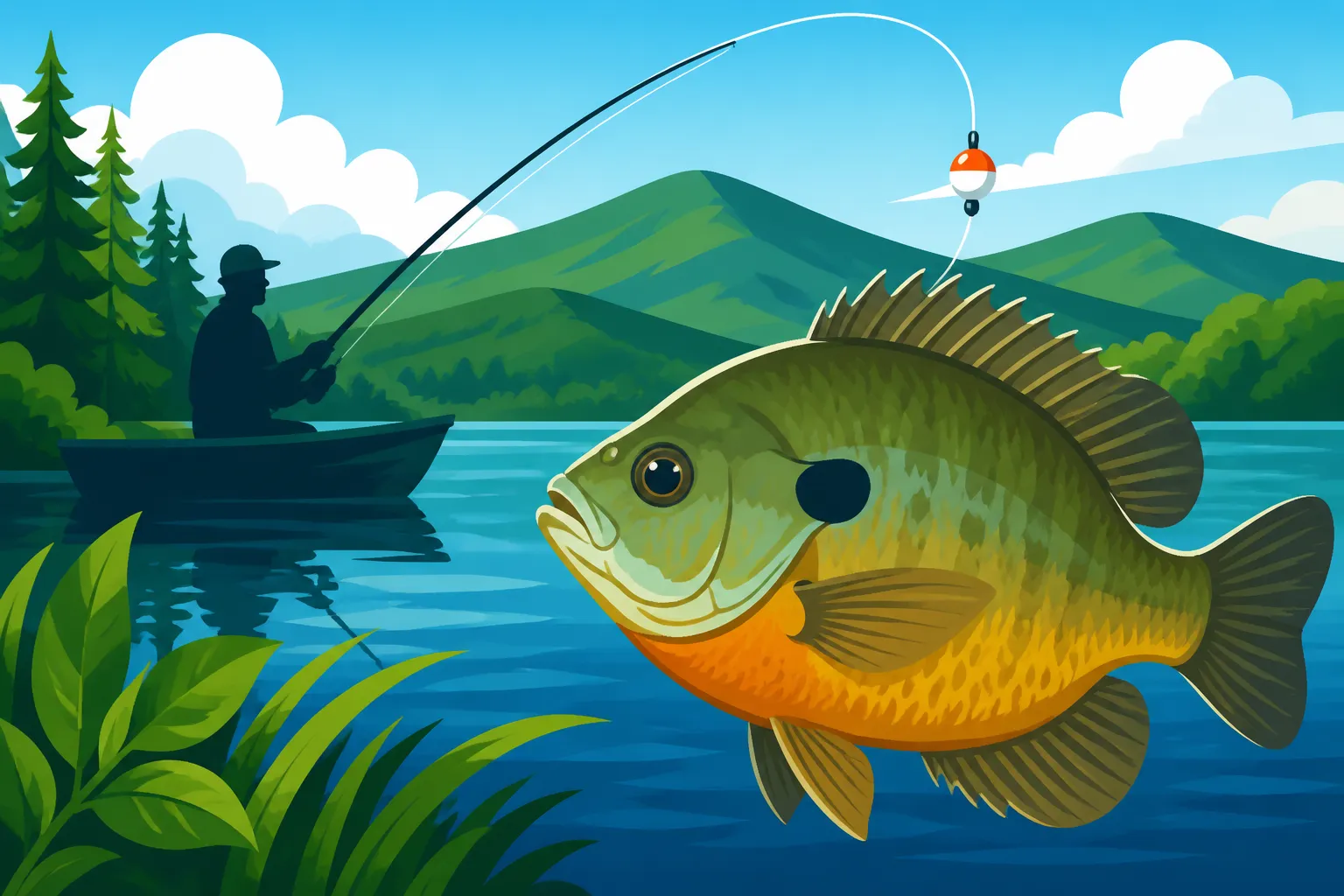
Yellow perch are probably the most recognizable, with their distinctive vertical stripes and often bright orange fins. They are schooling fish, so where you find one, you usually find more. They can grow to a decent size, offering a good fight, and are absolutely delicious. Then there are black crappie, beautiful fish with a speckled pattern that can be incredibly fun to catch, especially when they gather in large schools around submerged cover. They have a delicate, flaky white meat that's highly prized. Bluegill, a type of sunfish, are perhaps the quintessential panfish, known for their vibrant colors, small mouths, and aggressive strikes. They're often found in shallow, weedy areas. Beyond bluegill, Vermont also has other sunfish species like pumpkinseed and rock bass, all offering similar angling opportunities and a splash of color to your catch. For a deeper dive into these species, check out Panfish Species Identification Guide for Vermont.
Each of these species presents its own slight nuances in behavior and preferred habitat, but generally, if you're set up for panfish, you'll likely encounter a mix of them. Their abundance makes for consistent action, which is a huge draw for anglers who might get frustrated by long waits for larger, more elusive fish. You'll often hear tales of anglers catching dozens in a single outing, making for a truly memorable experience.
Where Panfish Thrive
Panfish are incredibly adaptable, which is a major reason why they are so widespread across Vermont. Generally, they prefer warmer, shallower waters with plenty of cover, but you'll find them in a surprising variety of environments. Think of lakes, ponds, slow-moving rivers, and even larger reservoirs – if there's water, there's a good chance panfish are calling it home.
They love structure: submerged logs, weed beds, lily pads, docks, brush piles, and even rock formations. This cover provides them with both protection from predators and ambush points for their prey. You'll often find them congregating in these areas, making them prime targets. For example, Yellow Perch in Vermont Lakes often school near drop-offs and weed lines, while Bluegill Habits in Vermont Ponds means they stick close to lily pads or fallen trees. Crappie, in particular, are notorious for suspending themselves around submerged timber or bridge pilings. Understanding these habitat preferences is key to locating them, and often, a little bit of observation can go a long way. Look for areas where the water changes depth quickly, where different types of vegetation meet, or where any man-made structure enters the water.
These fish are also quite tolerant of varying water conditions, though they do prefer waters that aren't overly turbid or fast-moving. This means you'll find them in pristine mountain ponds as well as larger, more developed lakes. Their widespread distribution means you don't always need a fancy boat to reach them; many excellent panfish spots are accessible from shore or with a simple kayak.
Why Panfish are Perfect for Vermont Anglers
So, why should you dedicate a day, or even a season, to chasing panfish? Beyond the simple enjoyment of fishing, panfish offer a unique blend of accessibility, consistent action, and culinary rewards that make them an ideal target for virtually any angler in Vermont. They represent the pure, unadulterated fun of fishing, often without the pressure or complex gear demands associated with larger species.
Accessibility and Abundance
One of the greatest appeals of panfish fishing in Vermont is how incredibly accessible it is. You don't need a high-powered bass boat or specialized deep-water electronics to find them. Panfish literally abound in almost every lake, pond, and slow-moving river section across the state. This means less travel, more time fishing, and often, more opportunities to introduce friends and family to the sport. Many state parks and local access points have excellent shore fishing for panfish, making it a low-barrier-to-entry activity.
For example, a short drive to a local pond or a visit to a state park like those highlighted in Vermont State Park Fishing Guide can put you right on top of a hungry school of bluegill or perch. You can often walk to these spots, or launch a small canoe or kayak with minimal fuss. This ease of access is a huge advantage, especially for spontaneous fishing trips or when you only have a few hours to spare. The sheer numbers of these fish also mean you're rarely left wondering if there are any fish around; if you find the right spot, the bites can be relentless, providing continuous excitement.
This abundance also means that even on days when the "big" fish aren't biting, panfish are often willing to cooperate. They're generally less finicky than trout or bass, making them a reliable option when you just want to feel a tug on your line. It's truly a fishery that gives back, offering consistent enjoyment throughout the open water season and well into ice fishing season.
Fun for All Ages and Skill Levels
If you're looking to introduce a child or a newcomer to fishing, panfish are absolutely the best place to start. Their aggressive nature and tendency to school up mean frequent bites, which is crucial for keeping spirits high, especially with young anglers. There's nothing quite like the thrill of a bobber disappearing under the water, or the jigging rod bending over, to hook someone on fishing for life. Even seasoned anglers find a tremendous amount of joy in targeting panfish with ultra-light tackle, which elevates the fight and adds a layer of challenge.
Imagine a sunny afternoon, a small pond, and a group of kids, each with a simple rod, reeling in yellow perch one after another. The smiles, the laughter, the shared experience – that's the magic of panfish. Vermont Youth Fishing License Rules by Age makes it clear how easy it is to get youngsters involved. It's not about the size of the fish, but the quantity of the action and the memories being made. For the more experienced angler, scaling down your gear to ultra-light rods and tiny lures can turn a seemingly simple panfish outing into a test of finesse and skill, proving that even small fish can offer big thrills.
The learning curve is minimal for panfish, but the opportunities for refinement are endless. You can master basic bait fishing techniques, then progress to tiny jigs, micro-crankbaits, or even fly fishing for them. It’s a fantastic way to develop foundational angling skills that will translate to other species, all while having a blast.
Delicious Table Fare
Let's be honest, for many, the ultimate reward of a successful fishing trip is a delicious meal, and panfish truly excel in this department. Species like yellow perch and black crappie are widely regarded as some of the finest eating freshwater fish, boasting firm, white, flaky meat with a mild, sweet flavor. Even bluegill, though smaller, are fantastic when cleaned and cooked properly.
There's a reason why panfish fries are a beloved tradition in many parts of the country, and Vermont is no exception. A fresh catch, lightly breaded and fried golden brown, is a culinary delight that simply can't be replicated with store-bought fish. The taste of a freshly caught perch, pulled from the clear waters of a Vermont lake, is an experience in itself. Preparing your catch is also part of the process, and it's surprisingly simple. Just a sharp fillet knife, a few minutes per fish, and you're ready to go.
Many anglers view panfish as a renewable resource for the dinner table. With generous bag limits in most areas (always check Vermont Bag and Possession Limits by Species), you can often gather enough for a family meal without impacting the overall fish population. This makes panfish not just a fun catch, but a sustainable source of fresh, healthy protein. It’s a full circle experience, from the tug on the line to the plate, and one that truly connects you with the natural bounty of Vermont.
Essential Gear for Panfish in Vermont
One of the beauties of panfish fishing is that you don't need to break the bank to get started. In fact, some of the most effective setups are incredibly simple and affordable. However, having the right gear can certainly enhance your experience, making it more comfortable and increasing your success rate. From the basics to more specialized equipment, let's look at what you'll need to chase panfish in Vermont.
Rods, Reels, and Line Choices
For panfish, the name of the game is light tackle. An ultra-light or light action spinning rod, typically in the 5 to 6.5-foot range, is ideal. This kind of rod allows you to cast those tiny baits and lures that panfish love, and it makes even a small bluegill feel like a heavyweight fighter. Pair that with a small spinning reel (in the 500 to 1000 size range) spooled with 2 to 4-pound test monofilament or fluorocarbon line. Monofilament is a great all-around choice, offering good knot strength and stretch, while fluorocarbon offers excellent sensitivity and is nearly invisible underwater, which can be a plus in clear Vermont waters. Braided line in a light test (say, 4-6 lb braid with a fluorocarbon leader) can also be used for increased sensitivity and casting distance, though it's often overkill for panfish.
When selecting a rod, consider one with a sensitive tip. This will allow you to detect those subtle bites that panfish are known for, especially when they're just "pecking" at the bait. The light action ensures that the rod bends deeply, cushioning the fight and preventing hooks from tearing out of their delicate mouths. Brands like Ugly Stik or St. Croix often have great options that strike a balance between performance and affordability, readily available on platforms like Amazon. Remember, you're not trying to horse in a pike; you're enjoying the lively dance of a panfish on light gear.
Having a good quality, smooth drag on your reel is also crucial. Even though panfish are small, a locked-down drag can quickly lead to snapped lines or pulled hooks, especially if you hook into a particularly feisty crappie or an unexpected bonus bass. Setting your drag appropriately light allows the fish to take line when it needs to, wearing itself out without putting undue stress on your tackle.
Terminal Tackle and Baits
This is where panfish fishing gets fun, as they're often not very picky! Your terminal tackle will include small hooks, sinkers, and bobbers. For hooks, size 8 to 12 Aberdeen or plain baitholder hooks are perfect. Aberdeen hooks are thin-wired, which helps them straighten out if snagged, potentially saving your line. Small split shot sinkers are all you usually need to get your bait down, and a selection of small bobbers – clip-on or slip bobbers – will let you present your bait at a specific depth and signal bites. For more detail, check out Best Tackle for Panfish.
When it comes to bait, the classics are often the best. Live bait like small worms (red wigglers or pieces of nightcrawlers), grubs, or small minnows (where legal) are deadly effective. A single piece of corn, a small bread ball, or even a tiny piece of hot dog can work in a pinch, especially for bluegill. For artificial lures, think small! Tiny jigs (1/32 to 1/16 ounce) tipped with a small plastic grub, tube, or a feather jig are fantastic. Micro-spoons and tiny spinners are also incredibly effective, especially for perch and crappie. You can find a huge variety of these small jigs and spinners on Amazon, making it easy to stock up.
Consider also a small pair of needle-nose pliers or a hook remover, as panfish often swallow tiny hooks. A small stringer or a cooler with ice will keep your catch fresh if you plan on taking them home for dinner. Don't forget a basic tackle box to keep everything organized.
Specialized Gear for Ice Fishing
Vermont winters bring a whole new dimension to panfish fishing: ice fishing! This requires some specialized gear to stay safe and comfortable while chasing those winter panfish. First and foremost, safety gear like ice picks, a spud bar (to check ice thickness), and appropriate cold-weather clothing are non-negotiable. You absolutely need to know How thick ice needs to be for Vermont anglers to walk on it.
Your rod and reel setup for ice fishing will be scaled down even further. Ice fishing rods are typically very short, often 24 to 36 inches long, with sensitive tips to detect light bites. Paired with a small spinning reel, they create a compact and effective system. You'll need an ice auger to drill holes – either a hand auger for thinner ice or a power auger for thicker ice and more holes. A portable ice shanty, even a simple windbreak, can make a huge difference in comfort on a blustery day. Best Ice Shanty for Vermont Lakes can provide more detail on these options.
For terminal tackle, small vertical jigs, often called "spoon jigs" or "tear drops," tipped with a wax worm, grub, or even a small piece of plastic, are the go-to baits. Jigging for Perch Through the Ice is an art form, and having a variety of tiny jigs in different colors can make all the difference. A flasher or an ice fishing sonar unit can also be a game-changer, allowing you to see fish approaching your bait and monitor their reactions. Even a simple bucket to sit on and carry your gear can be a piece of specialized equipment in the ice fishing world.
Top Techniques for Catching Vermont Panfish
Panfish might be abundant and often eager to bite, but employing the right techniques can turn a good day into a truly epic one. While they aren't usually considered "smart" fish, understanding their behavior and presenting your bait or lure effectively will consistently put more fish in your cooler. Let's explore some of the most popular and effective methods.
Still Fishing and Bobber Rigs
This is perhaps the most classic and widely used method for panfish, and for good reason: it works! Still fishing simply involves casting your bait out and waiting for a bite, often with the aid of a bobber. A bobber rig is incredibly effective because it allows you to suspend your bait at a specific depth, right where the fish are feeding. It also provides a clear visual indicator when a fish takes the bait – that thrilling moment when the bobber dips, twitches, or completely disappears under the surface.
To set up a basic bobber rig, you'll thread your line through a bobber, attach a small split shot or two a foot or so above your hook, and then tie on a small hook (size 8-12) at the end. The distance between the bobber and the hook determines your fishing depth. Adjust this depth based on where you're seeing fish on a fish finder, or by experimenting until you find the strike zone. This technique is fantastic for bluegill and other sunfish in shallow, weedy areas, or for suspended crappie and perch over deeper structure. Live baits like worms, grubs, or pieces of nightcrawler are incredibly effective with a bobber rig. The natural movement of the bait, combined with the subtle jiggle of the bobber in the water, is often irresistible to hungry panfish. You can also fish multiple rods this way if regulations allow, increasing your chances.
This method is particularly great for family outings because it's so easy to learn and requires minimal active technique. Cast it out, relax, and watch the bobber. When it goes down, set the hook with a gentle upward sweep of the rod. It's a foundational skill that can lead to countless hours of enjoyment, making it a perfect starting point for any panfish adventure.
Jigging and Live Bait Presentations
Beyond the bobber, active jigging and carefully presented live bait can be incredibly effective, especially for crappie and perch that might be holding a bit deeper or are less inclined to chase. Jigging involves using a small jig (a lead head with a hook, often dressed with a plastic body, hair, or feathers) and imparting a subtle up-and-down motion to mimic a struggling baitfish or insect. This motion triggers a predatory response in panfish, even when they're not aggressively feeding.
For jigging, tiny jigs in the 1/32 to 1/16 ounce range are usually best. Experiment with colors, but chartreuse, white, black, and pink are often reliable. Tip your jig with a small piece of live bait like a wax worm, mealworm, or even a tiny chunk of minnow for added scent and attraction. This combination is particularly deadly for Black Crappie in Vermont Waters and yellow perch. When ice fishing, vertical jigging is absolutely king. Drop your jig to the desired depth, then gently lift and drop your rod tip a few inches, pausing occasionally. Watch for subtle taps or a slight weight in your line, as panfish bites can be incredibly light, especially in cold water. Using a sensitive rod and braided line with a fluorocarbon leader can significantly improve your feel for these light bites.
Beyond jigging, sophisticated live bait presentations can make a difference. Using a slip bobber rig allows you to fish deeper water efficiently by letting the bobber slide down to your hook, then stopping at a pre-set depth. This is excellent for targeting crappie suspended over brush piles. You can also fish live minnows on a bare hook or small jighead, allowing them to swim naturally. This is often the ticket for larger perch and crappie that are looking for a bigger meal. Always check local regulations regarding the use of live minnows and their source.
Fly Fishing for Panfish
While often associated with trout, fly fishing for panfish is a fantastically fun and increasingly popular technique in Vermont. On light fly gear, even a small bluegill provides a spirited fight, and the visual aspect of catching fish on a fly from the surface is incredibly rewarding. It's a great way to hone your fly casting skills and explore new water, especially in the quieter backwaters and shallow, vegetated areas where panfish thrive.
A 2 to 4-weight fly rod is perfect for panfish, paired with a floating line. You'll want a leader that tapers down to a light tippet (4x to 6x) to present those small flies naturally. The fly patterns themselves are often simple and mimic insects that panfish regularly feed on. Small poppers, foam spiders, and grasshopper patterns are exhilarating when fished on the surface – watch the water explode as a bluegill smashes your fly! Beneath the surface, small nymphs (like a Prince Nymph or Hare's Ear), micro-woolley buggers (in black or olive), and tiny wet flies are also very effective. You can find a wide range of these patterns on Amazon, often in "panfish assortment" packs.
Fly fishing for panfish typically involves casting to visible structure like lily pads, weed edges, or fallen trees. Let your fly sit for a moment, then give it a gentle twitch or two. The takes can be aggressive and immediate, or subtle and slow. It's a highly interactive form of fishing that allows you to feel truly connected to the water and the fish. It also offers a peaceful alternative to conventional tackle, letting you enjoy the serenity of Vermont's smaller ponds and streams. If you've always wanted to try fly fishing but found trout intimidating, panfish are the perfect gateway.
Seasonal Strategies for Vermont Panfish
Vermont's distinct seasons bring unique opportunities and challenges for panfish anglers. Understanding how panfish behave throughout the year – from the excitement of spring to the chill of winter ice – is crucial for consistent success. Adjusting your tactics to match the season will ensure you're always in the right place at the right time.
Springtime Panfish Bonanza
Ah, spring in Vermont! As the ice melts and water temperatures begin to rise, panfish become incredibly active, kicking off some of the year's best fishing. This is a prime time, especially for crappie and bluegill, as they move into shallower waters to spawn. The warming water signals their metabolism to pick up, and they begin to feed aggressively to regain energy after winter and prepare for reproduction.
During early spring, look for panfish in shallow, sun-warmed bays and coves, especially those with dark bottoms that absorb heat. These areas will warm up first and attract both baitfish and the panfish themselves. Vermont Bass Season Opening Date for 2026 usually coincides with excellent panfish action, as many species become active around the same time. Crappie will often be found around submerged brush, fallen trees, or old docks in 3-10 feet of water. Bluegill and other sunfish will be closer to shore, near weed lines and lily pads, setting up their spawning beds. Small jigs tipped with plastic or live bait, fished under a bobber, are incredibly effective in these shallow zones. Patience and stealth are key, as panfish can be easily spooked in clear, shallow water.
As spring progresses into late spring, crappie might begin to move slightly deeper after their initial spawn, but they'll still be accessible, often relating to the edges of weed beds or deeper submerged timber. Bluegill will continue to be strong in the shallows. This is a time of high activity, so don't be afraid to cover water until you find a school. Once you do, be prepared for fast and furious action!
Summer Structure and Shade Fishing
Summer in Vermont is glorious, and panfish fishing remains excellent, though the tactics often need to shift slightly. As water temperatures climb and the sun beats down, panfish tend to seek out deeper, cooler water or dense cover to escape the heat and bright light. They'll still be feeding, but often during cooler parts of the day or in very specific locations.
During the heat of summer, focus your efforts on areas with significant structure or shade. This could mean fishing under boat docks, around bridge pilings, in the shade of overhanging trees, or targeting submerged weed lines and drop-offs where the water is a few degrees cooler. Crappie will often suspend themselves in deeper pockets or over brush piles, making a fish finder incredibly useful for locating them. Yellow perch will often hold on deeper humps and along the thermocline if present, particularly in larger lakes like those mentioned in Best Fishing Lakes in Vermont. Bluegill and sunfish will still be in the shallows but often tighter to dense cover like heavy lily pads or fallen trees.
Topwater action can still be fantastic for bluegill, especially during dawn and dusk with small poppers. During the day, small jigs, worms, or crickets fished slowly and precisely into cover or along deep edges are productive. Kayak anglers have a distinct advantage here, as they can quietly access tight spots under docks or deep within weed beds that larger boats cannot reach. The key is to be precise with your casts and presentation, hitting those small, shaded pockets where panfish are hiding out from the sun.
Fall Feeds and Winter Ice Fishing
As autumn colors explode across Vermont, panfish enter another fantastic feeding period. They sense the impending winter and aggressively feed to build up fat reserves. Water temperatures cool down, and fish often become more active throughout the day, spreading out more than in the summer heat. This can be a particularly great time for larger perch and crappie.
In the fall, panfish will often be found shallower again, moving from their deep summer haunts to feed on abundant baitfish that are also schooling up. Look for them around transitions – where deep water meets shallow flats, or along the edges of remaining green weed beds. Trolling small crankbaits or casting small spinners can be effective for covering water and locating schools. Once found, switch to vertical jigging or slow-retrieving jigs tipped with live bait for consistent action. This time of year often yields some of the biggest panfish of the season, as they are at their prime weight.
And then, of course, comes the magical world of winter ice fishing. Vermont's frozen lakes and ponds offer some of the best panfish opportunities, drawing anglers out onto the hard water. Panfish are active under the ice, often schooling in specific areas. Look for them in areas where there's still some residual weed growth, or over deeper humps and drop-offs. Jigging for Perch Through the Ice is the ultimate winter panfish technique, using tiny jigs tipped with wax worms or other grubs. A portable ice shanty, a reliable ice auger, and a warm thermos are essential. Remember to always prioritize ice safety – no fish is worth the risk!
Finding the Best Panfish Waters in Vermont
Vermont is practically overflowing with fantastic panfish opportunities, from the smallest farm ponds to the biggest lakes. Knowing where to start can feel a bit overwhelming, but with a little guidance, you'll be dropping a line into prime panfish habitat in no time. The key is understanding the different types of water bodies and what makes them attractive to these delightful fish.
Lakes, Ponds, and Reservoirs
When you think of panfish, many anglers immediately picture a quiet lake or a serene pond, and for good reason – these are often panfish paradises. Vermont's numerous lakes and ponds, both large and small, are teeming with yellow perch, crappie, bluegill, and various sunfish. Larger bodies of water like Lake Champlain, while famous for bass and walleye, also hold incredible populations of trophy-sized perch and crappie. On Champlain, look for them around weed beds in bays, along breaklines, and near submerged timber. Lake Champlain Fishing Guide can give you more details on general fishing on this massive lake.
Smaller, more intimate ponds and reservoirs are often the unsung heroes of panfish fishing. These waters, such as those found in many state parks, are usually shallower, warm up quickly, and provide abundant vegetation and structure that panfish adore. Best Fishing Lakes in Vermont is a great resource, but almost any body of water on that list will have panfish. When exploring a new lake or pond, look for visual cues: lily pad fields, visible downed trees, boat docks, and areas where reeds or cattails grow along the shore. These are all prime indicators of panfish holding areas. Pay attention to maps for contours and drop-offs; panfish will often relate to these changes in depth.
The sheer variety means that whether you prefer casting from shore with a picnic basket or venturing out in a small boat or kayak, there’s a lake, pond, or reservoir perfect for your panfish adventure. The calmer waters of ponds are particularly great for families and beginners.
River Backwaters and Slow-Moving Sections
While panfish are generally considered lake dwellers, don't overlook Vermont's rivers and larger streams, particularly their backwaters, oxbows, and slow-moving stretches. Many of our rivers, like the Connecticut River, the Lamoille, or the Otter Creek, have sections with slower currents, deeper pools, and plenty of submerged structure that provide ideal habitat for panfish, especially yellow perch and crappie.
In these riverine environments, focus on areas where the current is significantly reduced, such as eddies behind islands, large rocks, or log jams. Tributary mouths, where smaller streams flow into larger rivers, can also be hotspots, especially in spring. Look for bays and sloughs that are somewhat cut off from the main current flow; these act almost like small ponds within the river system, providing safe havens for panfish. Connecticut River Fishing Access in Vermont often reveals excellent spots for these river-dwelling panfish. These fish tend to orient themselves facing into the current, waiting for food to drift by, so presenting your bait or lure upstream and letting it drift naturally past suspected holding areas can be very effective.
Fishing these river spots can offer a different challenge and reward. You might encounter larger, stronger panfish that have grown in the moving water, and the river environment itself often provides a sense of wildness and solitude. Just remember to be mindful of current strength and potential snags when fishing rivers.
State Parks and Public Access Spots
Vermont goes above and beyond in providing fantastic public access for anglers, and this is especially true for panfish. Many state parks, boat launches, and designated fishing access areas offer excellent opportunities to catch panfish, often with convenient amenities like parking, restrooms, and even fishing piers. This makes them ideal for spontaneous trips or for introducing new anglers to the sport.
Checking out Vermont State Park Fishing Guide is an excellent starting point. Parks often have smaller ponds or sections of larger lakes with easily accessible shorelines, docks, or even universally accessible fishing platforms. These spots are frequently stocked with other species, which means a healthy forage base for panfish, and they are usually well-maintained. The convenience cannot be overstated; you can drive right up, unpack your gear, and be fishing within minutes. Furthermore, these areas are often family-friendly, with picnic spots and other recreational opportunities, making it a full day out for everyone.
Even outside of state parks, Vermont's Fish & Wildlife Department maintains numerous public fishing access areas across the state. These are usually marked with signs and provide boat launches, parking, and often shore access to lakes, ponds, or rivers. Utilize online mapping tools to identify these public points, and don't be afraid to ask local bait shops for recommendations – they are a wealth of hyper-local knowledge about what's biting where. These accessible spots ensure that no matter where you are in Vermont, a great panfish adventure is likely just a short drive away.
Regulations and Conservation for Panfish
While panfish are abundant and generally managed with generous limits, it's still crucial for every angler to understand and adhere to Vermont's fishing regulations. Responsible angling not only ensures the health of our fisheries for future generations but also prevents potential fines and legal troubles. Conservation is a collective effort, and even with panfish, every little bit helps.
General Panfish Limits and Rules
The Vermont Fish & Wildlife Department sets specific regulations for all fish species, including panfish. These regulations cover everything from daily creel (bag) limits and possession limits to length limits for certain species or in specific waters, and even the types of gear you can use. While panfish often have more liberal limits compared to, say, trout or bass, it's never a good idea to assume. Always consult the official Vermont Fishing Guide before you head out, and keep a copy handy, either physically or digitally. The guide is available through the Department and at license vendors.
Typically, panfish species like yellow perch, crappie, bluegill, and other sunfish will have a combined daily limit. This means you can catch a certain number of fish in total across those species. For instance, the limit might be a generous 50 panfish total. However, there might be specific waters with special regulations, such as reduced limits or even catch-and-release only rules for certain panfish species if they are being managed for quality or recovery. These special regulations are usually listed in a separate section of the fishing guide. Remember that these limits apply to possession, meaning the number of fish you can have on hand, whether in your livewell, cooler, or at home. Be sure to check Vermont Fishing Regulations Explained and Vermont Bag and Possession Limits by Species for the most current information.
Ignoring regulations, even for panfish, can lead to unpleasant encounters with game wardens and significant penalties. It's a simple act of respect for the resource and the law to be informed. Plus, knowing the rules helps you plan your fishing trip, determining how many fish you can realistically keep for a meal.
Promoting Sustainable Panfishing
Just because panfish are abundant doesn't mean we should take them for granted. Sustainable fishing practices are vital to ensure that these productive fisheries continue to thrive. This means making conscious choices about what you keep, how you handle fish you release, and minimizing your impact on their habitat.
One key aspect of sustainable panfishing is practicing selective harvest. While it might be tempting to keep every fish you catch, consider keeping only a portion for your meal and releasing the rest. For species like crappie and perch, which can sometimes "stunt" (grow slowly due to overpopulation), taking some of the smaller fish can actually be beneficial, allowing the remaining fish to grow larger. Conversely, if you're targeting a water body known for trophy panfish, releasing the largest individuals can help ensure their genes stay in the population. The mantra "take what you need, release the rest" is a good one to live by.
Proper handling of fish you intend to release is equally important. Use a rubberized landing net if possible, and minimize the time the fish is out of water. Handle them gently with wet hands, supporting their body. If a fish has swallowed the hook deeply, it's often best to cut the line as close to the hook as possible rather than trying to rip the hook out, as this can cause fatal damage. Using barbless hooks, or crimping down the barbs on your hooks, can also make releases much easier and less traumatic for the fish. Finally, always pack out everything you pack in – leave no trash or fishing line behind. This preserves the beauty of Vermont's waters and protects wildlife.
Beyond the Catch: Cooking and Enjoying Your Panfish
Congratulations, you've had a fantastic day catching panfish in Vermont! Now comes the truly rewarding part – transforming your fresh catch into a delicious meal. There's an immense satisfaction that comes from eating fish you've caught yourself, and panfish are particularly well-suited for the table. Let's talk about getting them ready and some simple ways to enjoy your bounty.
Cleaning Your Catch
Before you can cook your panfish, they need to be cleaned. While it might seem daunting at first, cleaning panfish is a relatively straightforward process and gets easier with practice. You have a couple of main options: filleting or gutting whole. Filleting yields boneless, skinless pieces of meat, while gutting leaves the fish whole (with head and tail often removed) but cleaned internally, which is great for frying.
For filleting, you'll need a sharp fillet knife, a cutting board, and possibly a pair of fish-cleaning gloves to prevent slippage. Start by making a cut behind the gills, down to the backbone. Then, turn the blade flat and run it along the backbone towards the tail, separating the fillet from the bones. Flip the fillet over, remove the skin, and then repeat on the other side. This method is popular for crappie and larger perch, as it yields beautiful, boneless pieces. There are many excellent tutorials online and even some great fish-cleaning knives available on Amazon that can make the process simpler.
If you prefer to cook panfish whole (especially smaller bluegill), gutting is much quicker. Simply make a cut from the vent to just behind the gills, remove all the internal organs, and scrape out any bloodline along the spine. You can leave the head and tail on for presentation, or quickly snip them off. Rinse the fish thoroughly under cold water, and they're ready for seasoning. Regardless of the method, the key is to clean your fish as soon as possible after catching them, and keep them on ice until you're ready to process them, to ensure the freshest flavor.
Simple and Delicious Recipes
With your panfish cleaned and ready, it's time to cook! Panfish are incredibly versatile, but their mild, sweet flavor shines with simple preparations that let the natural taste of the fish come through. A classic panfish fry is always a winner, but don't be afraid to experiment a little.
For a traditional panfish fry, pat your fillets or whole, gutted fish dry. Season them with salt, pepper, and your favorite fish seasoning blend. Then, dredge them in a mixture of flour, cornmeal, or a seasoned breading mix. You can buy pre-made breading mixes or create your own with a blend of cornmeal, flour, garlic powder, onion powder, paprika, and a pinch of cayenne for a little kick. Fry the fish in hot oil (vegetable, canola, or peanut oil are good choices) in a cast iron skillet or deep fryer until golden brown and flaky, usually just a few minutes per side depending on thickness. Serve immediately with lemon wedges, tartar sauce, and a side of coleslaw or hushpuppies for a true taste of Americana. This method is particularly good for Is Walleye Good to Eat? and other similar white-fleshed fish, including panfish.
Beyond frying, consider baking or grilling your panfish. Brush fillets with olive oil, sprinkle with herbs like dill or parsley, and bake at 375°F (190°C) until opaque and flaky. For grilling, larger fillets can be placed in a fish basket, brushed with butter or a marinade, and cooked over medium heat. Panfish are also excellent in fish tacos, flaked into a salad, or even made into fish cakes. The possibilities are endless once you have that fresh, delicious Vermont panfish in hand. Enjoy the bounty of your efforts!
| Panfish Species | Typical Habitat | Common Baits/Lures | Average Size (Length) | Culinary Notes |
|---|---|---|---|---|
| Yellow Perch | Lakes, ponds, slow rivers; near weeds & structure | Worms, small minnows, jigs, small spoons | 6-12 inches | Excellent firm, white, flaky meat; very popular fried |
| Black Crappie | Lakes, ponds; around submerged timber, docks | Small minnows, jigs, tube baits | 8-12 inches | Delicate, flaky white meat; highly prized for frying |
| Bluegill (Sunfish) | Lakes, ponds, river backwaters; shallow, weedy areas | Worms, crickets, small poppers, tiny jigs | 4-8 inches | Mild, sweet flavor; best whole-fried due to small fillets |
| Pumpkinseed (Sunfish) | Similar to bluegill, slightly more tolerant of cold | Worms, crickets, tiny jigs | 4-7 inches | Similar to bluegill, good fried whole |
| Rock Bass | Rivers, rocky lake shores; often around rocky structure | Worms, minnows, small crankbaits | 6-10 inches | Flaky white meat, can have slightly stronger flavor |
Disclaimer
This article is for general informational purposes only and does not constitute professional advice. Laws, prices and regulations vary by location and change over time. Consult a qualified professional for guidance on your specific situation.