Is Walleye Good to Eat?
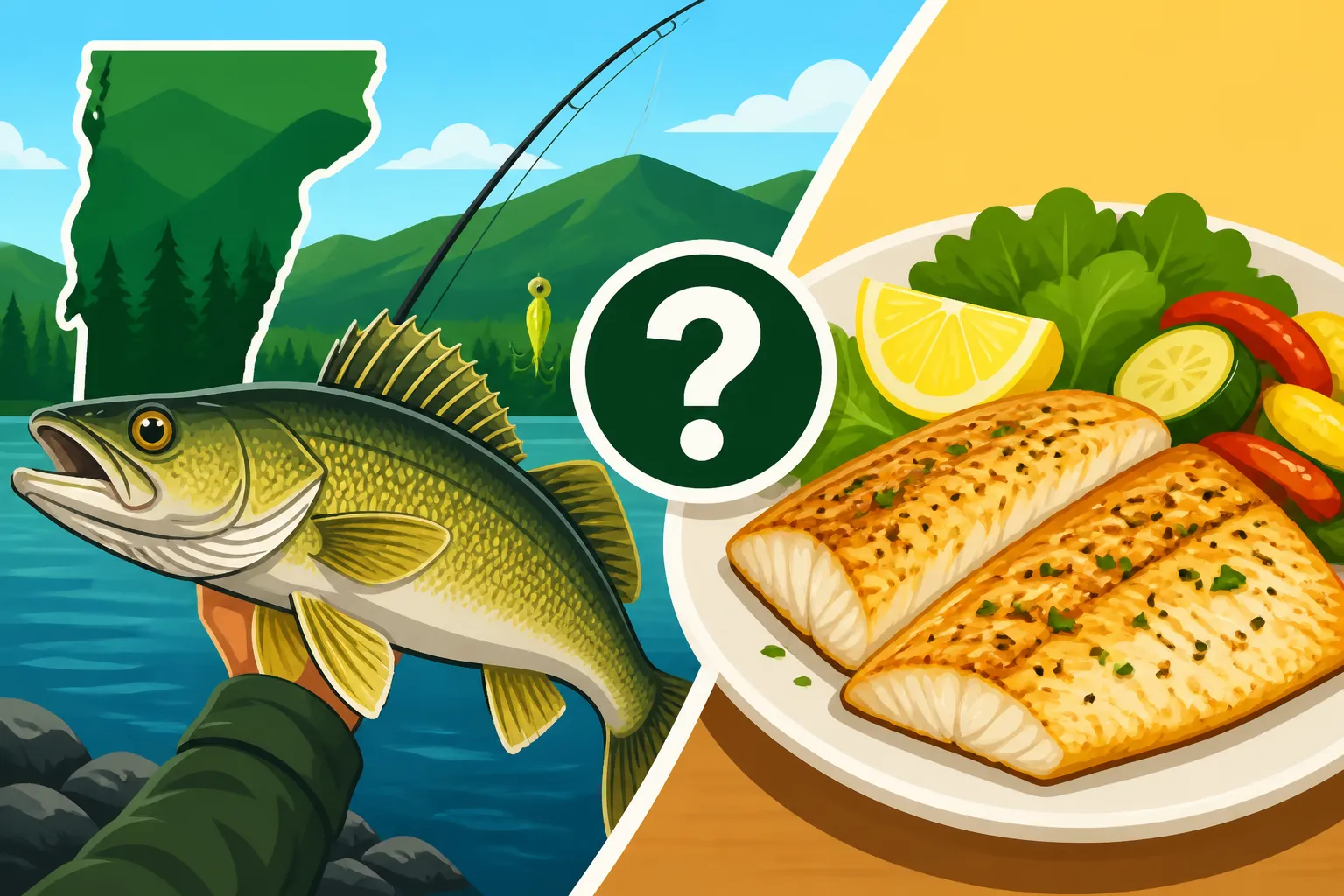
There's a question that often pops into the mind of any angler, especially after a successful day out on Vermont's beautiful waters, reeling in some plump walleye: "Is walleye actually good to eat?" It’s a valid question, and one I hear all the time. After all, you put in the effort, you followed the regulations, and now you have this magnificent fish. You want to know if it's going to be a delicious reward for your hard work, or if you should consider catch and release. Let me tell you right now, for most folks, walleye is absolutely a fantastic table fish, often hailed as one of the best freshwater species you can put on your plate.
This guide is going to walk you through exactly why walleye has such a stellar reputation in the kitchen, what makes its flavor and texture so unique, and how you can prepare your Vermont-caught walleye to maximize that culinary delight. We'll also touch upon some important considerations for enjoying your catch responsibly.
What Makes Walleye So Prized by Anglers and Chefs?
When you talk to experienced anglers or culinary enthusiasts about freshwater fish, walleye almost always comes up in the conversation about top-tier eating. It's not just hype; there are very good reasons for this fish's esteemed reputation, especially when caught from the clean, cold waters that Vermont is known for.
The Unmistakable Flavor Profile of Walleye
One of the primary reasons walleye is so beloved is its incredibly mild, delicate flavor. Unlike some other freshwater fish that can carry a "fishy" or muddy taste, walleye offers a clean, almost sweet subtlety. This makes it incredibly versatile in the kitchen, as it doesn't overpower other ingredients but rather complements them beautifully. It's often compared to other white-fleshed fish like cod or snapper, but with its own distinct, freshwater charm.
Imagine a crisp autumn evening, a slight chill in the air after a day on Lake Champlain. You've brought home a couple of nice walleye. That mild flavor means you can go simple with just a squeeze of lemon and some herbs, or you can get creative without worrying about the fish fighting back with an overwhelming taste. It truly is a blank canvas for culinary exploration, making it a favorite for families, even those with picky eaters who might shy away from stronger-tasting fish.
The Desirable Texture and Flakiness
Beyond its flavor, the texture of walleye is another major selling point. When cooked properly, walleye fillets are firm yet incredibly flaky. The flesh separates easily with a fork, revealing moist, tender flakes that practically melt in your mouth. This isn't a mushy fish; it holds its form well, whether you're baking it, frying it, or grilling it. This firm-yet-flaky characteristic means it stands up well to various cooking methods, providing a satisfying bite every time.
Think about a perfectly pan-fried walleye fillet: golden brown and slightly crispy on the outside, steaming and succulent on the inside. That beautiful flakiness is what sets it apart and contributes immensely to the eating experience. It’s a texture that speaks to the quality of the fish itself, reflecting the health and vitality of the walleye swimming in Vermont's diverse aquatic environments.
From Lake to Plate: Preparing Your Vermont Walleye
Getting a walleye from the pristine waters of Vermont to your dinner plate involves a few key steps. Proper handling and preparation are crucial to maintaining its excellent quality and ensuring the best possible eating experience. After all, even the best fish can be ruined by improper care!
Field Dressing and Filleting Your Catch
The moment you land a walleye that's destined for the dinner table, the clock starts ticking. To preserve that amazing flavor and texture, it's vital to handle your fish correctly. Bleeding your walleye immediately after catching it is a common practice among seasoned anglers, as it helps to remove blood from the flesh, resulting in a cleaner, milder taste. Then, getting it on ice as quickly as possible is non-negotiable. A good cooler packed with ice is your best friend when you're out Walleye Fishing on Lake Champlain or any other productive walleye water.
Once you're home, it's time for filleting. Walleye are relatively easy to fillet, with a nice bone structure that lends itself well to yielding clean, boneless fillets. You'll want a sharp fillet knife, and maybe a filleting glove for safety. If you're new to filleting, there are tons of great tutorials online, and with a little practice, you'll be zipping through your catch in no time. The goal is to remove the skin and any remaining bones, leaving you with pure, pearly white flesh. Many anglers will tell you that a quality fillet knife, readily available on platforms like Amazon, makes this process much smoother and more enjoyable.
Popular Cooking Methods for Walleye
Once you have those beautiful, boneless walleye fillets, the culinary possibilities are endless! Its mild flavor and firm, flaky texture make it incredibly versatile. Here are some of the most popular and delicious ways to cook walleye:
- Pan-Frying: This is arguably the most classic and beloved method for walleye. A light dredge in seasoned flour, cornmeal, or breadcrumbs, then pan-fried in butter or a mix of butter and oil until golden brown. The result is a crispy exterior and a moist, flaky interior that highlights the fish's natural goodness. It's simple, quick, and universally loved.
- Baking/Roasting: For a healthier option or when cooking for a crowd, baking or roasting is fantastic. Place fillets on a baking sheet, drizzle with olive oil, season with salt, pepper, and herbs like dill or parsley, and bake until opaque and flaky. You can also add some lemon slices on top for extra brightness.
- Grilling: If you love the smoky flavor of grilled food, walleye holds up well on the grill. Thicker fillets are best for this method to prevent them from falling apart. A cedar plank can add an incredible aroma and moisture, making for an unforgettable meal. Just brush with oil and season well.
- Deep-Frying: For that classic fish fry experience, deep-frying walleye is a treat. A light batter or breading will give you that irresistible crispy crunch, perfectly complementing the tender fish inside. This is a popular choice for larger gatherings or when you're really craving that classic indulgence.
- Broiling: Similar to baking but with more intense, direct heat, broiling can give your walleye fillets a lovely crust quickly. Keep a close eye on it, as fish cooks fast under the broiler.
Regardless of your chosen method, remember that fish cooks quickly. Overcooking is the enemy of any good fish dish, turning it dry and tough. Cook until the flesh is opaque and flakes easily with a fork, and no longer.
Health Benefits and Consumption Considerations for Walleye
Beyond its delicious taste, walleye offers a range of nutritional benefits, making it a healthy addition to your diet. However, like with any wild-caught food, there are considerations to keep in mind, particularly regarding advisories in certain waters.
Nutritional Value of Walleye
Walleye is an excellent source of lean protein, essential for muscle repair and growth. It's also low in saturated fat, which is great for heart health. But the real nutritional stars in walleye, as with many fish, are the omega-3 fatty acids. These healthy fats are crucial for brain function, reducing inflammation, and supporting cardiovascular health. Incorporating fish like walleye into your diet regularly can contribute significantly to overall well-being.
Additionally, walleye provides important vitamins and minerals such as Vitamin D, B vitamins (especially B12), selenium, and phosphorus. So, when you're enjoying a freshly cooked walleye meal, you're not just savoring incredible flavor; you're also fueling your body with vital nutrients.
| Nutrient Type | Benefit | Walleye Contribution |
|---|---|---|
| Protein | Muscle building, satiety | High-quality, lean protein |
| Omega-3 Fatty Acids | Heart health, brain function, anti-inflammatory | Good source, though less than oily fish like salmon |
| Vitamin D | Bone health, immune function | Natural source |
| Vitamin B12 | Nerve function, red blood cell formation | Excellent source |
| Selenium | Antioxidant, thyroid health | Good source |
| Low Saturated Fat | Heart health, cholesterol management | Very low |
Understanding Vermont's Fish Consumption Advisories
While walleye is generally a very healthy choice, it's crucial to be aware of local fish consumption advisories, especially if you're fishing in Vermont. Like many states, Vermont issues guidelines based on water quality and potential contaminants like mercury or PCBs, which can accumulate in fish flesh over time. These advisories are designed to help you make informed decisions about how much and how often to eat certain fish from specific bodies of water.
For example, large predatory fish, which walleye can be, sometimes have higher levels of mercury than smaller, shorter-lived species because they've accumulated it over their lifespan. It's vital to check the latest advisories published by the Vermont Department of Health or the Vermont Fish and Wildlife Department. These resources will provide specific recommendations for different age groups, pregnant women, and children, for fish caught from various lakes and rivers, including sections of Lake Champlain. You can often find information on Mercury advisory fish species in Vermont waters on the state's official websites. Always prioritize your health and consult these official advisories before consuming your catch, as guidelines can change.
The Connection Between Catching and Culinary Quality: Vermont Walleye
The quality of the walleye on your plate is intrinsically linked to where and how it was caught. Vermont's diverse fishing grounds and dedication to natural resources play a significant role in making its walleye a culinary delight.
Cold, Clean Waters Produce Better Fish
Vermont is blessed with a variety of cold, clean waterways, from the vast expanse of Lake Champlain to numerous smaller lakes and rivers. These environments are ideal for walleye, allowing them to thrive and develop excellent flavor and texture. Fish from cold, clear water tend to have firmer flesh and a cleaner taste compared to those from warmer, murkier habitats. The robust health of walleye populations in places like Lake Champlain directly contributes to their superior eating quality.
Understanding What walleye eat on Lake Champlain can also give you insight into their flavor. A diet rich in natural forage, like smelt or perch, helps to develop that desirable mild taste. When you're fishing these waters, you're connecting with a vibrant ecosystem that supports truly remarkable table fare.
Responsible Angling for Sustainable Enjoyment
To ensure that future generations can also enjoy the culinary pleasures of Vermont walleye, responsible angling practices are key. This includes adhering to Vermont Walleye Limit on Lake Champlain and other regulations, respecting slot limits, and practicing careful catch-and-release for fish you don't intend to eat. For those walleye you do keep, promptly bleeding and icing them down, as mentioned earlier, is a vital step in maintaining their quality.
Whether you're targeting walleye with specific lures like those discussed in Best Lures for Walleye Trolling on Lake Champlain or exploring Best walleye spots on Lake Champlain, remembering the connection between good stewardship and good eating enhances the entire experience. Protecting these fisheries is about more than just ensuring there are fish to catch; it's about ensuring there are healthy, delicious fish to enjoy for years to come. Even a simple, reliable cooler you can find on Amazon can make a huge difference in keeping your catch fresh from the water until you're ready to prepare it.
Conclusion
So, is walleye good to eat? Absolutely, a resounding yes! Its delicate, mild flavor, coupled with a firm, flaky texture, makes it one of the most highly regarded freshwater fish for the table. When caught from the cold, clean waters of Vermont and handled with care, a walleye fillet is a culinary treat that stands out. From a simple pan-fry to more elaborate preparations, it adapts beautifully to various cooking methods, consistently delivering a delicious and healthy meal. Just remember to always consult local fish consumption advisories to ensure you're enjoying your catch safely and sustainably. Tight lines and happy cooking!
Disclaimer
This article is for general informational purposes only and does not constitute professional advice. Laws, prices and regulations vary by location and change over time. Consult a qualified professional for guidance on your specific situation.