Best eating fish species from Vermont lakes
There’s nothing quite like the satisfaction of reeling in a beautiful fish, but for many of us, the true joy comes later, gathered around the dinner table with friends and family. However, if you've ever wondered which of Vermont's abundant fish species truly taste the best, or how to get that perfect, delicate flavor from your catch, you're not alone. This guide is here to demystify the best eating fish found in Vermont's sparkling lakes and rivers, ensuring your next angling adventure ends with a truly delicious meal.
Understanding What Makes a Fish "Good Eating"
Before we dive into specific species, let's talk about what actually makes a fish taste good. It's not just about what swims in the water; it's a combination of inherent qualities in the fish itself and how we handle it once it's caught. Think of it like a fine cut of meat – the breed matters, but so does how it's aged and cooked. With fish, flavor, texture, and even the environment they come from play huge roles.
Flavor Profiles and Textures to Look For
When we talk about "good eating" fish, we're often looking for a delicate, mild flavor that isn't overly "fishy." A clean, fresh taste is paramount. Beyond flavor, texture is key. Some fish are known for their firm, flaky white flesh, while others might be a bit oilier, which lends itself well to different cooking methods.
- Mild vs. Strong Flavor: Generally, lighter colored flesh indicates a milder flavor. White-fleshed fish are almost always milder than darker-fleshed, oilier fish. This is why species like walleye are so highly prized – they have a wonderfully delicate, almost sweet flavor. Stronger flavors can be delicious too, but they often require specific cooking techniques or marinades to truly shine.
- Flaky vs. Firm Texture: A flaky texture, where the cooked flesh separates easily into distinct layers, is often a sign of a well-prepared, high-quality fish. Think of how a perfectly steamed cod or baked haddock flakes apart. Firmer fish, like some of the larger trout or salmon, can hold up better to grilling or pan-frying, offering a more substantial bite. The fat content of the fish also influences texture; leaner fish tend to be flakier, while fattier fish can be more moist and tender, sometimes almost steak-like.
The Impact of Water Quality and Fish Diet
It might sound obvious, but what a fish eats and the water it lives in directly impacts its taste. A fish living in pristine, cold, clear Vermont waters, feeding on natural forage, is going to taste significantly better than one from murky, warm, stagnant conditions, or one that has been stressed.
- Clean Water, Clean Taste: Vermont is blessed with an abundance of clear, cold lakes and streams. Fish from these environments generally have a cleaner, less muddy taste. Pollutants, even at low levels, can taint fish flesh, giving it an off-flavor. Always choose fish from healthy, well-managed waters, like many of Vermont's beautiful lakes. You can learn more about specific regulations in our guide to Vermont Fishing Regulations Explained.
- Dietary Influence: A fish's diet is another major factor. Fish that primarily eat baitfish like smelt or shiners, or insects, tend to have a milder, more pleasant flavor. Bottom feeders that root around in muck for worms and insect larvae might sometimes carry a more "earthy" or "muddy" taste. For example, a walleye feeding on silvery baitfish in Lake Champlain will have a different flavor profile than a carp rooting in the shallows of a warm, silty pond. This isn't to say one is inherently bad, but understanding this helps set expectations for your culinary experience.
Top Vermont Fish Species for Your Dinner Plate
Now for the exciting part! Let's talk about the stars of the show – the fish species in Vermont's waters that consistently rank high on the "best eating" list. Each offers a unique experience, and understanding their characteristics will help you choose your next target, whether you're casting a line or picking up dinner.
Walleye: The Prized Northern Delicacy
If you ask many seasoned anglers in Vermont, walleye often tops the list for eating quality, and for very good reason. These fantastic game fish are abundant in places like Lake Champlain and offer a culinary experience that's hard to beat.
Walleye are known for their incredibly mild, sweet, and delicate white flesh. It's firm yet flaky, making it incredibly versatile for cooking. There's almost no "fishy" taste, which makes it a favorite even among those who are usually hesitant about seafood. Its clean flavor allows it to take on seasonings beautifully without being overpowered. You can pan-fry it with a light breading, bake it with herbs and lemon, or even grill it gently. Many restaurants in the region will feature walleye when available, a testament to its popularity. For those interested in pursuing these delicious fish, our Walleye Fishing on Lake Champlain guide offers some great starting points.
Yellow Perch: Sweet, Flaky, and Abundant
Yellow perch are a true panfish delight, and they are incredibly popular throughout Vermont for their abundance and superb table fare. While they might be smaller than a walleye, what they lack in size, they more than make up for in flavor.
Yellow perch have sweet, white, flaky meat that is remarkably tender. They are fairly easy to clean, despite their smaller size, and yield beautiful little fillets. They are particularly fantastic pan-fried, often simply dusted in flour or cornmeal and cooked until golden and crispy. The taste is consistently mild and delicious, making them a family favorite. If you're looking for a bountiful catch that's also delicious, targeting perch is a fantastic option. You'll find them in many lakes and ponds across the state, and our article on Yellow Perch in Vermont Lakes delves deeper into where to find them.
Brook Trout: Vermont's Native Gem
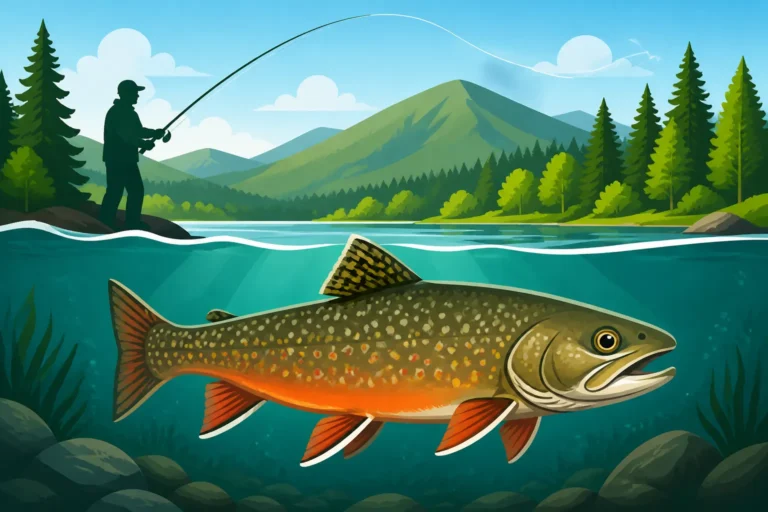
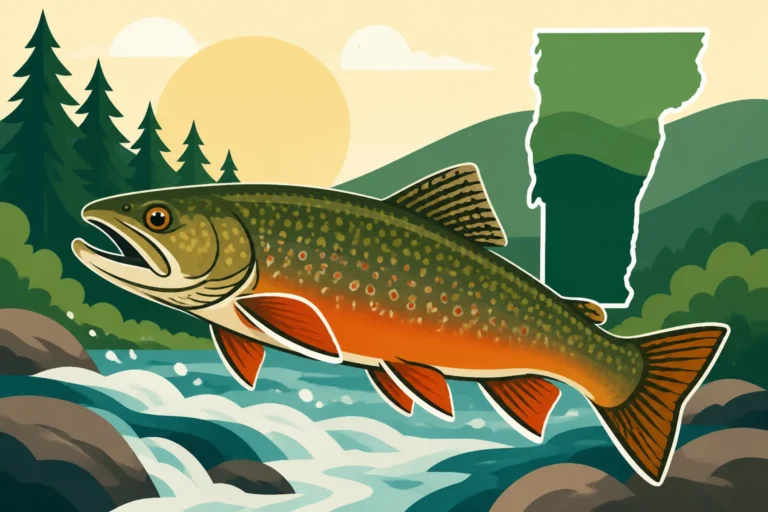
As Vermont's official state fish and a true symbol of the wilderness, the brook trout holds a special place in the hearts of anglers. Beyond their stunning beauty, they are also a wonderful eating fish, especially when caught from clear, cold mountain streams.
Brook trout have delicate, finely textured flesh that can range from pale pink to orange, depending on their diet (often more vibrant if they're eating lots of crustaceans and insects). The flavor is mild, fresh, and slightly nutty. They are fantastic pan-fried whole, allowing the skin to crisp up, or baked simply with a bit of butter and herbs. Because their flesh is so delicate, minimal seasoning is often best to let their natural flavor shine. Catching a brook trout from a remote mountain stream is an unforgettable experience, and bringing that fresh taste to the table is equally rewarding. Our comprehensive guide Brook Trout: Vermont's Native Trout provides more insights into these beautiful fish.
Lake Trout: A Versatile Larger Option
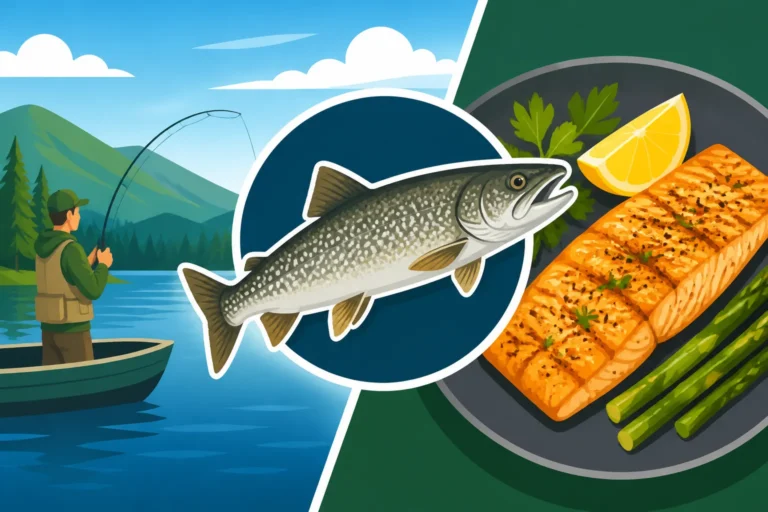
Lake trout are the undisputed heavyweights of many Vermont lakes, offering a thrilling fight and a substantial amount of meat. Found in deep, cold waters, particularly in larger bodies like Lake Champlain and Lake Willoughby, they are a great option for those looking for a larger catch to feed a crowd.
The flesh of lake trout can vary in color from white to deep orange-red, again, largely dependent on their diet (often redder if they consume a lot of smelt). They have a richer, oilier flavor than brook trout, which makes them excellent for smoking, baking, or grilling. The oil content keeps the meat moist and flavorful, even with longer cooking times. Because of their size, they yield thick, beautiful fillets or steaks. While some might find their flavor a bit stronger than walleye or perch, it’s a robust and satisfying taste that many absolutely adore. Learn more about targeting these giants in Lake Trout Fishing in Vermont.
Panfish (Crappie, Bluegill, Sunfish): Small but Mighty
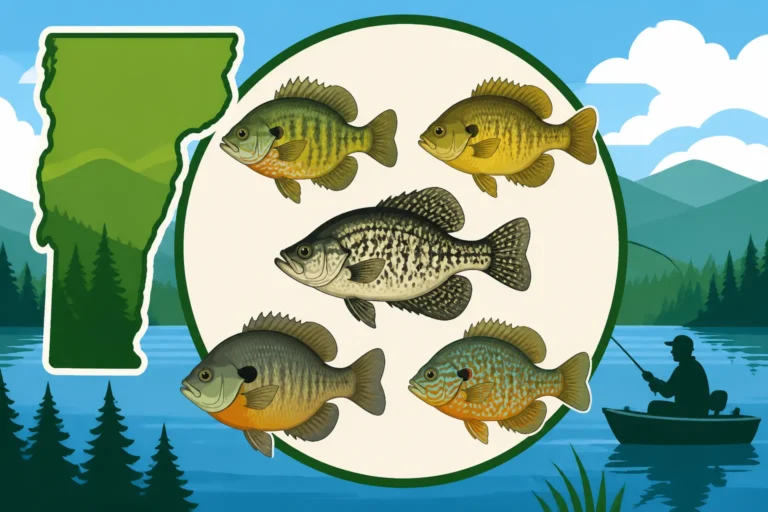
Beyond yellow perch, Vermont's lakes and ponds are teeming with other "panfish" like black crappie, bluegill, and various sunfish species. These smaller fish are often overlooked by anglers pursuing larger game, but they are absolutely delicious and provide fantastic light tackle action, making them perfect for family outings.
Like yellow perch, these panfish have sweet, firm, white, and flaky meat. They are perfect for pan-frying whole (after scaling and gutting) or as small fillets. They are remarkably mild and consistently tasty, with bluegill often praised for its particularly clean, sweet flavor. While they require a bit more effort to clean due to their size, the reward of a plate full of crispy panfish fillets is well worth it. They're an excellent introduction to eating your catch for children and novice anglers. Our general guide to Panfish Fishing in Vermont offers tips on catching these small, but mighty, eating fish.
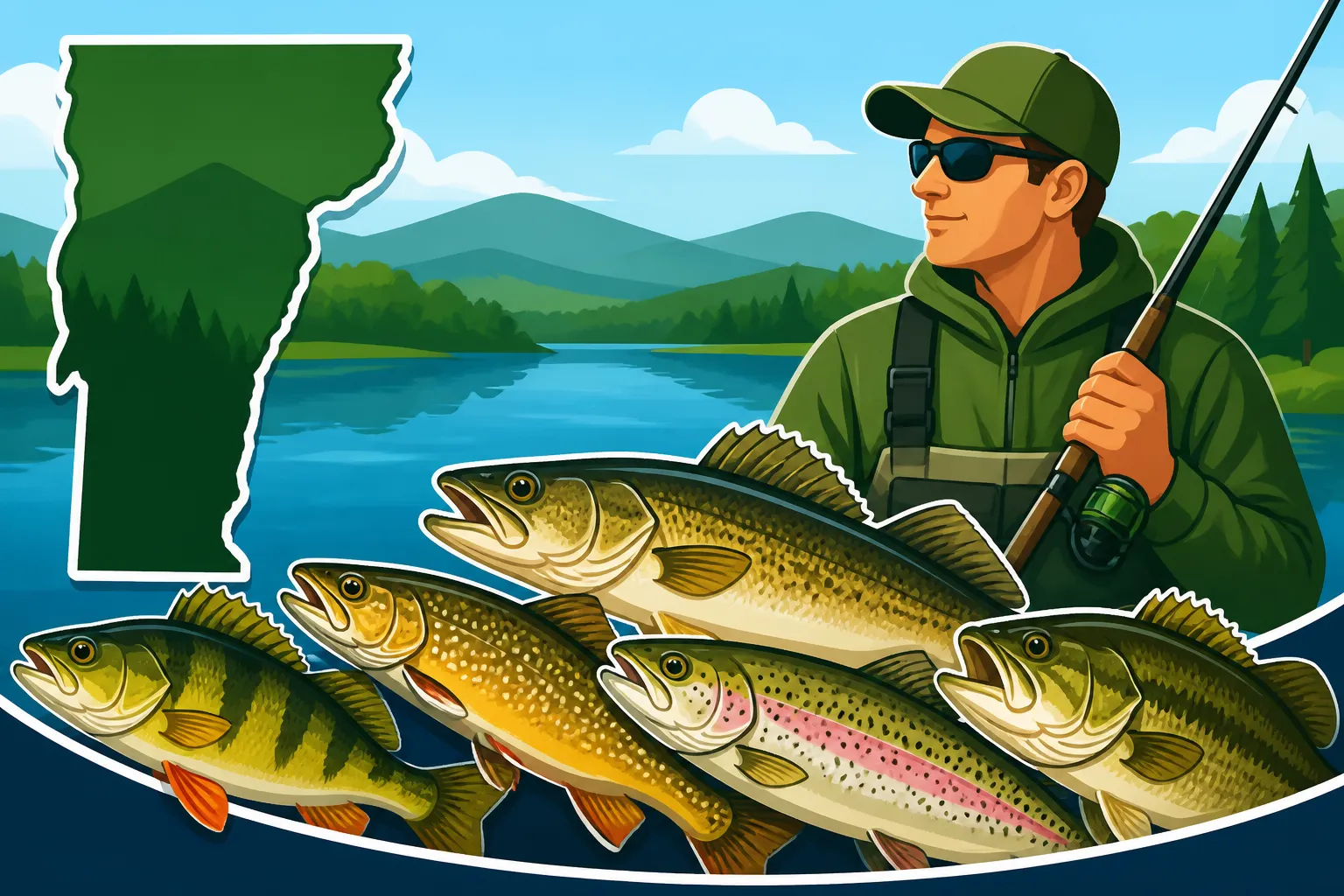
Here's a quick comparison of some of Vermont's best eating fish:
| Species | Flavor Profile | Texture | Common Cooking Methods | Size (Average) |
|---|---|---|---|---|
| Walleye | Mild, sweet, delicate | Firm, flaky, white flesh | Pan-fry, bake, grill, broil | Medium to Large |
| Yellow Perch | Sweet, very mild | Flaky, tender, white flesh | Pan-fry, deep-fry | Small to Medium |
| Brook Trout | Mild, fresh, slightly nutty | Delicate, fine-flaked | Pan-fry (whole), bake, smoke | Small to Medium |
| Lake Trout | Rich, oilier | Firm, moist, can be steak-like | Bake, grill, smoke, broil | Large to Very Large |
| Black Crappie | Mild, sweet | Flaky, tender, white flesh | Pan-fry, deep-fry | Small to Medium |
| Bluegill | Sweet, clean | Flaky, tender, white flesh | Pan-fry (whole), deep-fry | Small |
Responsible Harvesting and Handling for Optimal Flavor
Catching the right species is only half the battle. The quality of your meal dramatically depends on how you handle your fish from the moment it leaves the water until it hits your plate. Proper care ensures the freshest taste and best texture.
Icing Your Catch Immediately
This is perhaps the single most important step for preserving fish quality. As soon as a fish is caught, its body temperature rises, and enzymes begin to break down the flesh, leading to a "fishy" taste and softer texture.
- The Cooler is Your Friend: Always bring a cooler filled with ice, or even an ice-slurry (ice and a little water), on your fishing trip. As soon as you decide to keep a fish, dispatch it humanely and place it directly into the ice. This rapidly drops its core temperature, halting enzyme activity and bacterial growth.
- Why Temperature Matters: Think of it like buying groceries. You wouldn't leave raw chicken in a warm car for hours, would you? The same principle applies to fresh fish. Keeping it cold is paramount to maintaining its delicate flavor and firm texture. Many anglers will even bleed their fish immediately after catching them, which also helps to improve the flavor by removing blood from the flesh.
Filleting and Storing Your Fish Properly
Once you're off the water, the next steps are crucial. Knowing how to fillet your fish efficiently and store it correctly will safeguard that fresh taste.
- Sharp Knives Make a Difference: A good, sharp fillet knife is indispensable. You can find excellent options on Amazon, designed specifically for delicate fish filleting. Take your time to learn proper filleting techniques; there are many great tutorials online. The goal is to maximize edible meat while removing bones and skin cleanly. For smaller panfish, some anglers prefer to scale and gut them, then cook them whole with the head on.
- Storage Tips: Once filleted, rinse the fillets in cold water, pat them dry, and either cook them immediately or store them properly. For short-term storage (1-2 days), place the fillets in an airtight container or zip-top bag, with a paper towel to absorb excess moisture, and keep them on ice in the coldest part of your refrigerator. For longer storage, vacuum sealing and freezing is the best option. Frozen fish will maintain quality for several months, especially if properly sealed to prevent freezer burn.
Fish Consumption Advisories in Vermont
While Vermont's waters are generally clean, it's always responsible to be aware of any fish consumption advisories. These advisories are put in place to protect public health by recommending limits on how much fish you should eat from certain bodies of water due to potential contaminants like mercury or PCBs.
- Check Before You Eat: The Vermont Department of Health, in cooperation with the Vermont Fish and Wildlife Department, issues these advisories. They are typically published annually and are often species-specific and waterbody-specific. For instance, larger, older predatory fish like lake trout or northern pike in certain lakes might have higher advisories than smaller panfish or trout from pristine streams.
- Where to Find Information: Always check the official Vermont Fish and Wildlife website or the Vermont Department of Health website for the latest information before consuming your catch, especially if you plan to eat it regularly. Our guide on Mercury advisory fish species in Vermont waters can provide a general overview, but always refer to official state sources for the most current data. These advisories are not meant to deter you from fishing but rather to ensure you enjoy your catch safely and responsibly.
Beyond the Best: Other Edible Vermont Fish and Considerations
While we've highlighted the top contenders, many other fish in Vermont's waters are perfectly edible and can be quite good when prepared correctly. Think of species like northern pike, chain pickerel, or even some of the larger brown trout or rainbow trout.
- Northern Pike and Chain Pickerel: These aggressive predators are often caught in the same waters as walleye and bass. Their meat is white and flaky, but they contain numerous small "y-bones" that can be challenging for inexperienced cooks. However, with careful filleting (the "five-fillet method" is popular for pike), or by grinding the meat for fish cakes, they can be quite delicious. They have a mild flavor, similar to other white-fleshed fish, and are often appreciated when prepared properly.
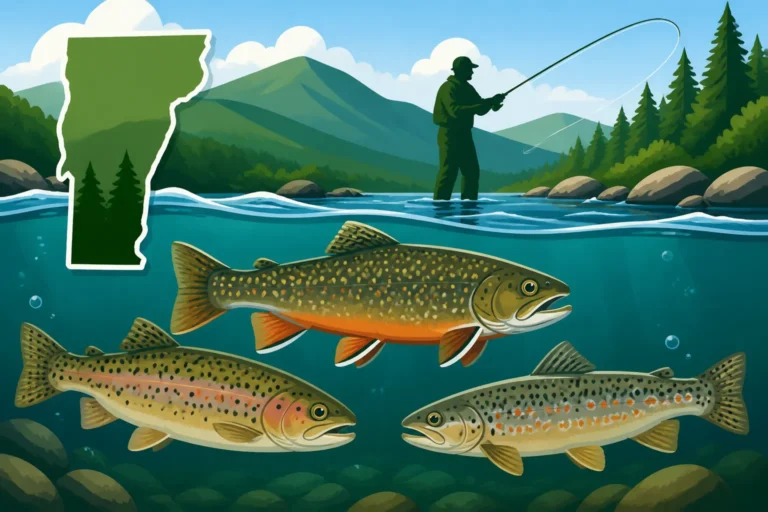
- Larger Trout Species: While brook trout are generally considered top-tier for eating, larger brown trout and rainbow trout from some lakes and rivers can also be excellent. Their flesh tends to be flakier and milder than lake trout, making them versatile for baking, pan-frying, or smoking. The key, as always, is immediate icing after the catch to preserve that fresh taste. Our guide to Trout Fishing in Vermont can help you find these magnificent fish.
- Always Check Regulations: No matter what you're targeting, always make sure you're adhering to Vermont's fishing regulations regarding size limits, daily creel limits, and season dates. These rules are in place to ensure sustainable fish populations for everyone to enjoy now and in the future. You can find detailed information in our article Vermont Fishing Regulations Explained.
Ultimately, the "best" eating fish often comes down to personal preference. By choosing from Vermont's top-rated species and applying proper handling techniques, you're well on your way to enjoying some of the freshest, most delicious meals straight from our beautiful waters. Happy angling, and bon appétit!
Disclaimer
This article is for general informational purposes only and does not constitute professional advice. Laws, prices and regulations vary by location and change over time. Consult a qualified professional for guidance on your specific situation.