Mercury advisory fish species in Vermont waters
The thrill of reeling in a beautiful catch from one of Vermont's pristine lakes or rushing rivers is a feeling unmatched for many anglers. But in the back of many minds, there's often a nagging question: is this fish safe to eat? The reality is, certain fish species in Vermont waters, like in many places, can accumulate mercury to levels that require careful consideration, especially for vulnerable populations. This guide is here to shed light on which fish species are typically under mercury advisories in Vermont, what those advisories mean, and how you can make informed choices to enjoy your catch safely.
What is Mercury and Why It Becomes a Concern in Fish?
Before we dive into the specifics of Vermont's advisories, it's crucial to understand what mercury is and how it ends up in the fish we catch. It's not a scare tactic; it's just science, and knowing the basics helps us make better decisions.
Where Does Mercury Come From?
Mercury is a naturally occurring element found in rocks, soil, and water. It's always been a part of our environment. However, human activities have significantly increased the amount of mercury released into the atmosphere and aquatic ecosystems. The burning of fossil fuels, particularly coal, is a major culprit. Industrial processes, mining, and even some waste incineration contribute to this global mercury cycle. Once released, this elemental mercury can travel long distances in the atmosphere before eventually settling back down onto land and into our rivers, lakes, and oceans, including those right here in Vermont.
Methylmercury: The Real Culprit
Here's where it gets interesting and a bit concerning for fish. When mercury lands in water, it undergoes a transformation. Certain bacteria in the water and sediments convert inorganic mercury into a highly toxic organic form called methylmercury. This is the form of mercury that poses the greatest risk to human health. Methylmercury is readily absorbed by living organisms, and unlike inorganic mercury, it's much harder for their bodies to excrete. This means it sticks around, building up over time.
Bioaccumulation and Biomagnification in the Food Chain
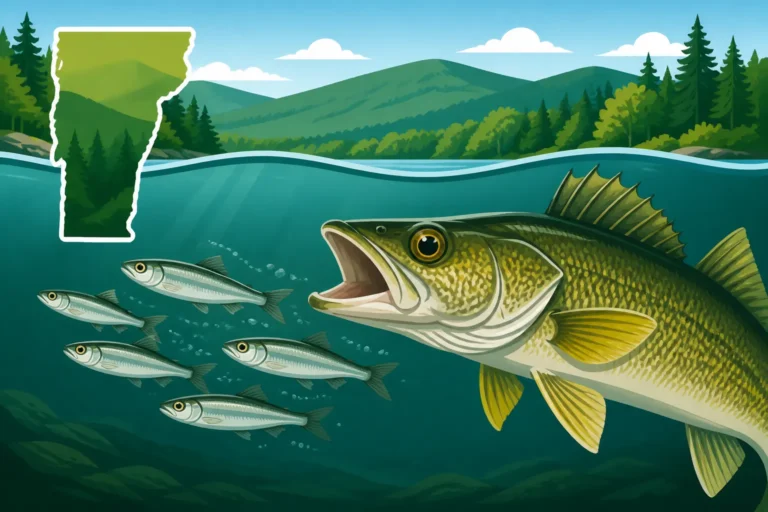
This is the key process that leads to higher mercury levels in certain fish. Methylmercury in the water is first absorbed by tiny aquatic organisms like plankton. Small fish then eat these contaminated plankton, accumulating the methylmercury in their own tissues. But it doesn't stop there. When larger fish eat these smaller, contaminated fish, they absorb and concentrate the mercury even further. This process, where contaminants increase in concentration as you move up the food chain, is called biomagnification. This is why top predator fish, those at the very peak of the aquatic food chain, often have the highest levels of mercury. It's not that they're uniquely susceptible; it's simply a matter of what they eat and how long they live. You can learn more about specific species like Walleye Fishing on Lake Champlain or Lake Trout Fishing in Vermont to understand their roles in the food chain.
Health Concerns and Vulnerable Populations
For most healthy adults, consuming fish with typical mercury levels might not pose an immediate threat. However, consistent exposure to high levels of methylmercury can affect the nervous system. The biggest concern lies with vulnerable populations: pregnant women, women who might become pregnant, nursing mothers, and young children. For these groups, even lower levels of methylmercury can have serious developmental impacts, affecting the brain and nervous system of a fetus or young child. Symptoms in adults can include tremors, vision problems, and numbness. This is precisely why advisories exist – to help these groups make safer choices.
Understanding Vermont's Fish Consumption Advisories
Navigating fish consumption advisories can feel a bit like reading a complicated instruction manual, but trust me, it's much simpler than it seems once you understand the core principles. The goal isn't to scare you away from eating fish entirely, but to provide guidance on how to enjoy this healthy protein source safely.
Who Issues the Advisories and Why They Matter
In Vermont, the Department of Health, in cooperation with the Department of Fish & Wildlife, issues these vital advisories. They conduct extensive sampling of fish from various lakes and rivers across the state. These samples are analyzed for contaminants like mercury, and based on scientific risk assessments, consumption recommendations are developed. These advisories are a public health tool, designed to help Vermonters and visitors minimize their exposure to potential contaminants while still benefiting from the nutritional value of fish. They matter because they are tailored to local conditions and reflect the best available science to protect our health.
Understanding the "Meal" Recommendations
When you look at an advisory, you'll often see recommendations in terms of "meals per week." What exactly constitutes a "meal"? Generally, for an adult, a meal is considered to be about 6 to 8 ounces of fish, or roughly the size and thickness of your palm. For children, it would be a smaller portion, perhaps 2 to 4 ounces, depending on their age and weight. The advisories usually provide different recommendations for the general population versus those highly sensitive groups (pregnant women, nursing mothers, and young children), who typically have more restrictive limits. These recommendations often suggest varying consumption rates – for example, limiting certain fish to one meal per week for sensitive groups, or a few meals per month for the general public.
Statewide vs. Water-Specific Advisories
It's important to know that Vermont has both general statewide advisories and specific advisories for particular bodies of water. The statewide advisories typically cover common fish species found throughout Vermont and offer broad guidance. However, some lakes or rivers may have unique industrial histories, geological features, or fish populations that lead to higher mercury levels than the state average. In these cases, the Department of Health will issue specific water-body advisories that override the general statewide recommendations for that particular location. This is why it’s always a good idea to check the most current information, which you can often find on the Vermont Department of Health website. For instance, specific rules might apply to Vermont Lake Champlain Fishing Rules versus a smaller pond.
Specific Fish Species and Waters Under Advisory in Vermont
When it comes to mercury, not all fish are created equal. Due to the process of biomagnification, some species naturally accumulate more mercury than others. It's all about their diet, their lifespan, and where they fit into the aquatic food chain.
Top Predators: The Primary Concern
The fish that sit at the top of the food chain are generally the ones with the highest mercury levels. This makes sense: they eat many smaller fish, each carrying its own small mercury load, which then concentrates in the predator. In Vermont, this often includes:
- Walleye: These popular game fish, especially prominent in Lake Champlain, are often subject to consumption advisories. Larger, older walleye will generally have higher levels than smaller, younger ones. Understanding their habits, like in Walleye Fishing on Lake Champlain, can help you target certain sizes.
- Lake Trout: As long-lived, deep-water predators, lake trout can accumulate significant mercury. Big, old lakers from deep, cold lakes are frequently among the species with the strictest advisories.
- Northern Pike: Known for their aggressive feeding habits and long lifespans, northern pike are another top predator often found with elevated mercury levels. Vermont northern pike regulations also cover size and bag limits, which sometimes indirectly influence exposure if anglers keep only smaller fish.
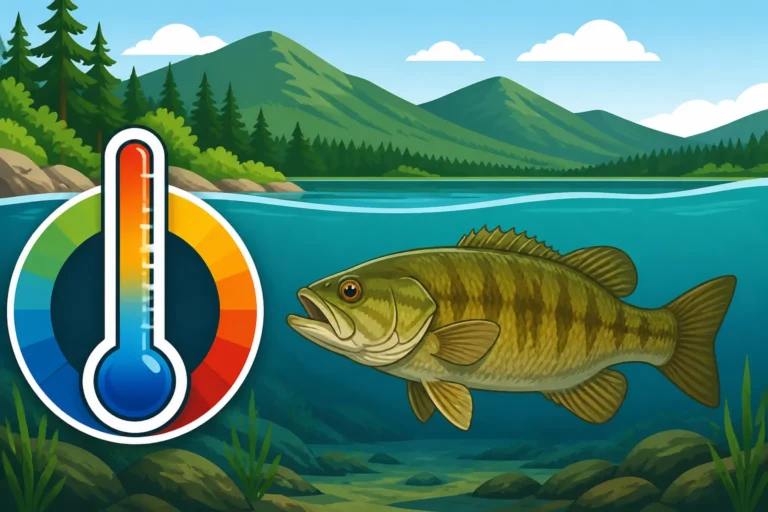
- Largemouth and Smallmouth Bass: Both species of bass, particularly larger individuals, can be a concern. Their diets consist heavily of smaller fish and crayfish, which contributes to mercury accumulation. If you're targeting Smallmouth Bass Fishing in Vermont, consider keeping the smaller ones for the table.
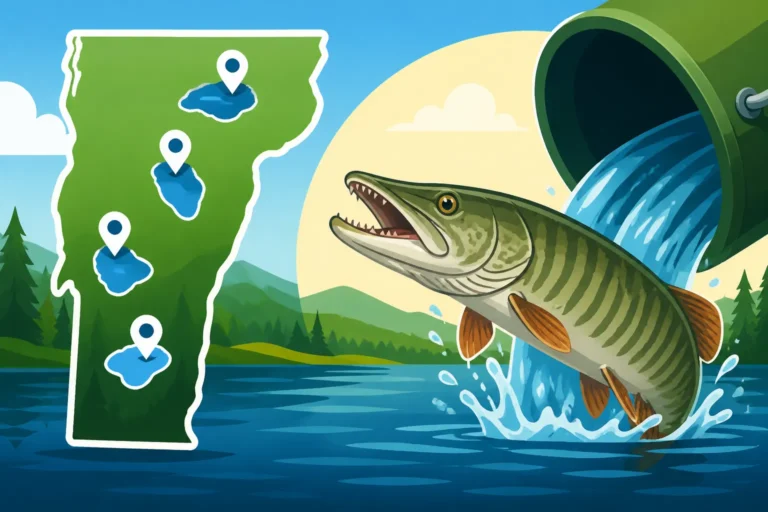
- Muskellunge: While primarily a catch-and-release species for most anglers due to their trophy status and rarity, if you ever consider keeping one (and it meets legal size), know that muskies are apex predators and would undoubtedly carry high mercury levels. Muskellunge Fishing on Lake Memphremagog provides more details on these magnificent fish.
It's not about avoiding these fish entirely, but about being mindful of their size and frequency of consumption, especially for sensitive groups.
Specific Vermont Waters with Advisories
While statewide advisories cover general scenarios, certain water bodies in Vermont have specific advisories due to historically higher mercury levels or unique environmental factors. The most prominent example is often:
- Lake Champlain: Given its size, history, and diverse fishery, Lake Champlain frequently has specific advisories for its larger predator species, especially walleye, lake trout, and bass. These advisories can vary by species and fish size. Anglers often refer to sources like Lake Champlain Fishing Guide for comprehensive information.
- Other Large Lakes: Some of Vermont's other large, deep, or older lakes, like Lake Memphremagog or others with significant fish populations and complex food webs, might also have water-specific advisories for predator species. Always check the Vermont Department of Health's official website for the most up-to-date information on any specific lake or pond you plan to fish.
Here's a simplified table summarizing typical mercury concerns by fish type, keeping in mind that specific advisories always take precedence:
| Fish Type | Typical Mercury Concern Level | Explanation |
|---|---|---|
| Top Predators | High | Longer lifespan, consume many smaller fish. Examples: Walleye, Lake Trout, Northern Pike, Larger Bass, Muskellunge. |
| Mid-level Predators | Moderate | Shorter lifespan, broader diet, may eat some smaller fish. Examples: Smaller Bass, Pickerel. |
| Forage/Panfish | Low | Shorter lifespan, primarily eat insects and aquatic plants. Examples: Yellow Perch, Bluegill, Crappie, Brook Trout, Rainbow Trout. |
Note: This table is a generalization. Always refer to official Vermont Department of Health advisories for precise recommendations.
Lesser Concern Species
On the flip side, many fish species in Vermont typically have much lower mercury levels and can be enjoyed with fewer restrictions. These include:
- Panfish: Yellow perch, black crappie, bluegill, and other sunfish generally have short lifespans and feed lower on the food chain (insects, small invertebrates), meaning they accumulate less mercury. They are often excellent choices for the table.
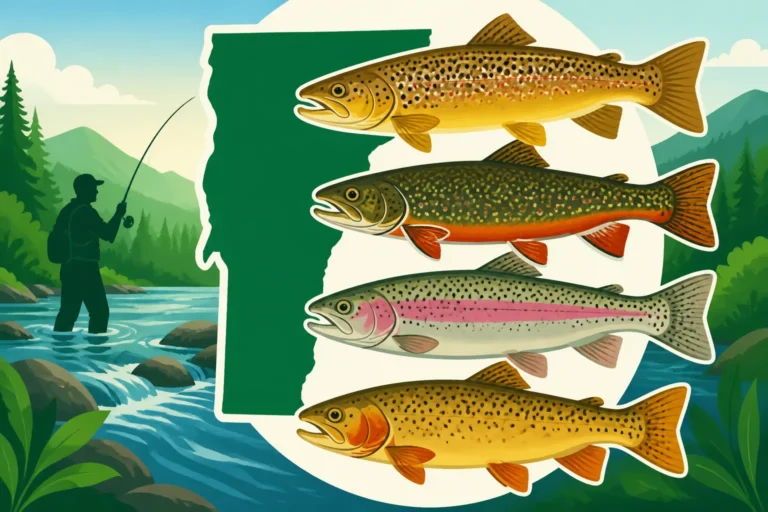
- Stream Trout: Brook trout, rainbow trout, and brown trout caught in flowing rivers and smaller streams also tend to have lower mercury levels. This is usually due to their shorter lifespans, relatively small size, and diets of insects rather than other fish. Fly Fishing for Trout in Vermont provides insights into catching these species. If you're looking for gear to land these, a good quality fishing net, perhaps found on Amazon, can be a great addition to your setup.
Tips for Safer Fish Consumption and Reducing Exposure
Knowing about mercury advisories isn't just about reading a list; it's about empowering yourself to make smart choices so you can continue to enjoy the bounty of Vermont's waters without unnecessary worry.
Making Smart Choices at the Catch
One of the most effective ways to minimize mercury exposure is to be selective about what you keep.
- Go for Smaller, Younger Fish: This is perhaps the single most important rule. Larger, older fish, especially predator species, have had more time to accumulate mercury. If an advisory suggests limiting consumption of a particular species, choose the smaller legal-sized fish rather than the trophy-sized ones. For instance, when fishing for bass, consider keeping those at the lower end of the legal slot limit. A sturdy digital scale, easily found on Amazon, can help you quickly measure your catch before deciding to keep it.
- Diversify Your Catch: Don't just target and eat one type of fish, especially if it's a known predator species. Mix it up! If you love walleye, balance it out with some panfish or stream trout. The more variety in your fish diet, the lower your overall exposure to any single contaminant from one source. This is especially true if you are also considering other species like Vermont Largemouth Bass Minimum Length Limits.
- Check the Advisories Frequently: The Vermont Department of Health updates its advisories periodically based on new testing and research. Before your fishing trip, take a moment to check their website for the latest information. This is particularly important if you're fishing a new body of water or targeting a species you don't usually pursue.
Filleting and Preparation: Separating Myths from Facts
There's a common misconception that you can "clean" mercury out of fish by carefully filleting it or removing the skin. Unfortunately, this isn't the case for methylmercury.
- Methylmercury is in the Muscle Tissue: Unlike some other contaminants (like PCBs or dioxins) which tend to accumulate in fatty tissues, methylmercury is bound to the protein in the muscle tissue of the fish. This means it's distributed throughout the meat you eat, not just in the skin or fat that you might trim away. So, while trimming fat is good for reducing other contaminants and general health, it won't reduce methylmercury levels.
- Rinsing and Cooking Don't Help: Similarly, rinsing the fish, soaking it, or various cooking methods (baking, frying, grilling) will not remove or reduce the methylmercury content. The mercury is fundamentally integrated into the fish's flesh.
While these methods won't remove mercury, proper filleting and cooking are still essential for food safety and enjoyment! A good book on preparing fish, perhaps one you could order from Amazon, can be a great resource for any angler looking to maximize their culinary enjoyment of their catch.
Diversifying Your Overall Diet and Staying Informed
Beyond making smart choices at the water's edge, consider your broader dietary habits.
- Balance with Other Proteins: Fish is incredibly healthy, but it's just one part of a balanced diet. Incorporate other lean proteins like chicken, turkey, beans, and lentils. This naturally reduces your reliance on any single food source that might carry contaminants.
- Consider Commercial Fish Sources: Many commercial fish and seafood have their own advisories, but generally, smaller, shorter-lived species like salmon, cod, shrimp, and canned light tuna tend to be lower in mercury. Farmed fish can also sometimes offer a lower-mercury alternative, depending on their feed.
- Educate Yourself Continually: The world of environmental science and public health is always evolving. Staying casually informed about broader trends in environmental quality, water safety, and fish health empowers you as an angler and a consumer. Look for reliable resources, like information from state agencies or reputable scientific organizations. Understanding how efforts like Sea Lamprey Control on Lake Champlain impact the overall health of a fishery can broaden your perspective on conservation and safe consumption.
By taking these steps, you can confidently cast your line in Vermont's beautiful waters, knowing you're making responsible choices for your health and the health of your family. And remember, the joy of fishing often goes beyond just filling the cooler.
Disclaimer
This article is for general informational purposes only and does not constitute professional advice. Laws, prices and regulations vary by location and change over time. Consult a qualified professional for guidance on your specific situation.