Vermont state record walleye weight
There's a special thrill that courses through a serious angler when they feel a truly massive fish on the line. In Vermont, for many, that feeling is often connected to the elusive, hard-fighting walleye, especially the giants dwelling in Lake Champlain. If you've ever dreamt of landing a fish that pushes the scales, or simply wonder what kind of behemoth holds the top spot, you're in the right place. This guide is all about the Vermont state record walleye, diving into the details of that legendary catch and exploring what it takes to pursue such a magnificent fish in our waters.
The Undisputed Vermont State Record Walleye
The quest for the biggest fish is a powerful motivator for many anglers, a testament to skill, patience, and a bit of good old-fashioned luck. For walleye enthusiasts in Vermont, the bar has been set incredibly high by a truly monumental catch.
The Legend of the Record Fish
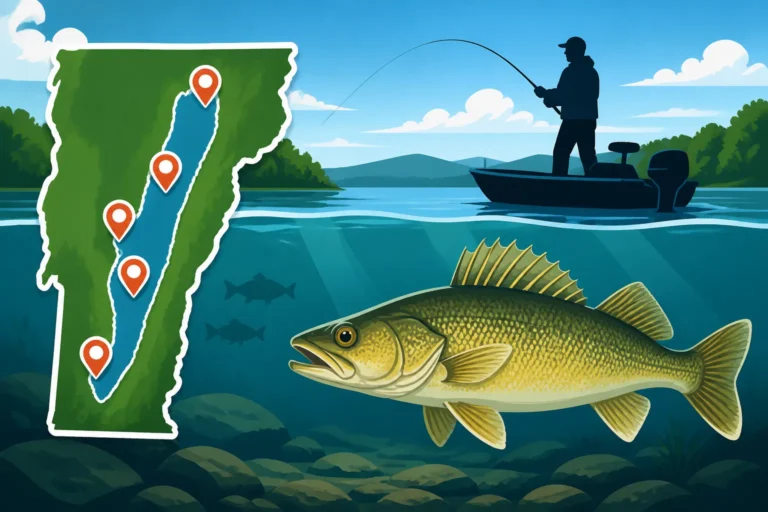
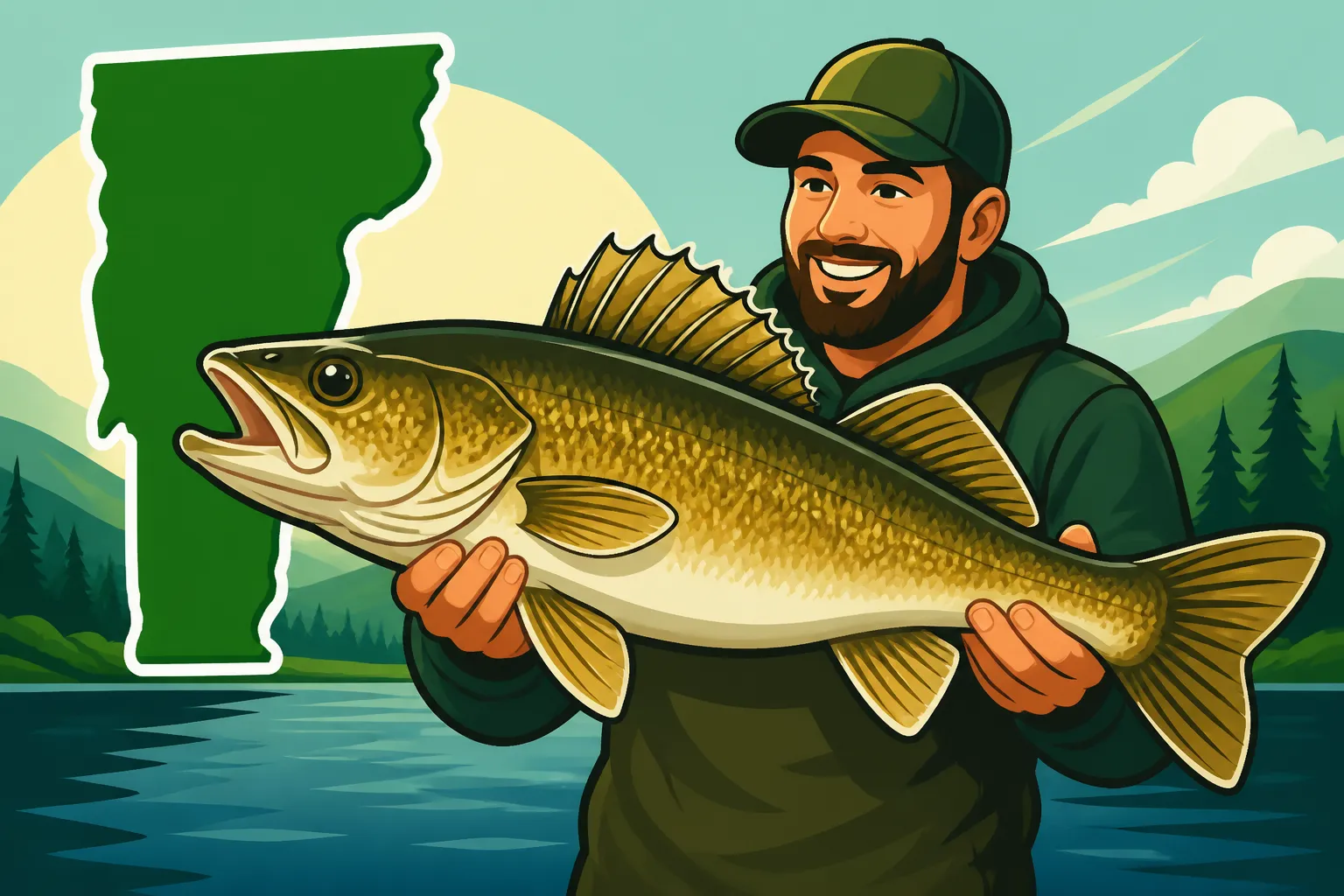
The official Vermont state record walleye stands at a staggering 14 pounds, 2 ounces. This magnificent fish was caught by Dwain Darrah way back in 1971, on the iconic Lake Champlain. Just imagine the fight that fish must have put up! Lake Champlain has long been renowned for its diverse and robust fishery, and this record certainly solidifies its reputation as a premier destination for walleye. It speaks to the incredible potential of the lake and the healthy ecosystem that can produce such giants. This record isn't just a number; it's a piece of Vermont's angling history, inspiring generations of fishermen to try and beat it. The sheer size of this walleye is a testament to the longevity and growth potential these fish have in the rich waters of Lake Champlain.
Why Records Matter to Anglers
For many, fishing is about peace and quiet, enjoying nature. But for others, there's a competitive spark, a desire to test their skills against the best. State records serve as benchmarks, tangible goals that push anglers to learn more, refine their techniques, and explore new waters. They foster a sense of community and friendly rivalry among those who dream of catching a fish of a lifetime. Knowing the exact weight of that record walleye can transform a casual outing into a focused pursuit. It also highlights the incredible natural resources we have here in Vermont and the importance of conservation efforts to maintain these populations for future generations of record-chasers. This pursuit often leads anglers to delve deeper into topics like Walleye Fishing on Lake Champlain and the specific conditions that produce such massive fish.
Understanding Walleye Biology and Growth in Vermont
To truly appreciate a record-breaking walleye, it helps to understand the life of these incredible fish and what makes them grow so large in Vermont's waters.
Factors Influencing Walleye Size
Walleye growth is influenced by a multitude of factors, much like any other fish species. Their diet is paramount; in a rich environment like Lake Champlain, walleye have access to an abundant food supply, including ample forage fish. Water quality also plays a crucial role. Clean, well-oxygenated water allows walleye to thrive, reducing stress and promoting healthy growth. Habitat is another key component. Walleye prefer cool, deep waters with plenty of structure, like rock piles, humps, and drop-offs, where they can ambush prey and find refuge. Lake Champlain offers all of these in spades, providing the ideal conditions for walleye to reach impressive sizes. The longer a walleye can survive in such a prime environment, the larger it can potentially grow. Learning What walleye eat on Lake Champlain gives you a huge advantage in knowing what lures to present.
Average vs. Trophy Walleye
While the state record is a truly extraordinary fish, most anglers will encounter walleye that are much more modest in size. An average walleye caught in Vermont might range from 16 to 24 inches and weigh anywhere from 2 to 5 pounds. These are still fantastic fish, offering great sport and delicious table fare. A trophy walleye, on the other hand, is generally considered to be over 28 inches and easily exceeding 8 pounds. These are the fish that make your heart pound and your drag scream. The difference often comes down to age and the factors mentioned above – a trophy walleye has simply lived longer, eaten more, and navigated the challenges of its environment successfully. Understanding the nuances between average and trophy fish can help you set realistic expectations while still aiming for that once-in-a-lifetime catch. It also informs how you approach a day on the water, whether you're targeting numbers or focusing on a single, giant bite. You can find more detail on typical sizes in Walleye Average Size on Lake Champlain.
Here's a quick comparison:
| Characteristic | Average Vermont Walleye | Trophy Vermont Walleye | State Record Walleye |
|---|---|---|---|
| Length Range | 16-24 inches | 28+ inches | Over 30 inches (estimated) |
| Weight Range | 2-5 pounds | 8-12+ pounds | 14 pounds, 2 ounces |
| Typical Age | 3-7 years | 8-15+ years | 15+ years (estimated) |
| Catch Frequency | Common | Rare | Extremely Rare (Once in a lifetime) |
| Main Target | Recreational angling, table fare | Dedicated trophy hunting | Aspirational goal |
Strategies for Chasing Trophy Walleye in Vermont
If the thought of chasing a walleye that could rival the state record gets your blood pumping, there are specific strategies and gear considerations that can increase your odds.
Key Locations and Techniques
While the record was set in Lake Champlain, it's fair to say that Lake Champlain remains the premier destination for trophy walleye in Vermont. Its vastness, depth, and abundant forage base make it an ideal environment. Targeting big walleye often involves fishing deeper structures during the day, such as humps, ledges, and channels. At dawn, dusk, and even at night, these fish will often move shallower to feed. Trolling with large crankbaits or deep-diving spoons is a highly effective method, especially when covering large areas of the lake. Jigging with heavy spoons or soft plastics can also be deadly when you've pinpointed schools of fish on your sonar. Understanding the specific feeding patterns and preferred depths depending on the season and time of day is crucial. For instance, knowing the Best walleye spots on Lake Champlain is a game-changer, as is understanding How to Catch Walleye on Lake Champlain.
During the warmer months, especially, walleye can often be found suspended over deep water, following schools of baitfish like smelt. This requires precise trolling presentations and careful monitoring of your electronics. As fall approaches and water temperatures drop, walleye often become more aggressive, staging on main lake points and structure before winter. And if you're really committed, Night Fishing for Walleye on Lake Champlain can yield incredible results, as these fish are incredibly active after dark.
Essential Gear for Big Walleye
Chasing a state record-class walleye requires gear that can handle the job. Forget your ultralight panfish setup; you'll need sturdy rods and reels capable of handling strong, heavy fish and potentially heavy lures or weights for deep trolling.
- Rods: A medium-heavy to heavy power spinning or baitcasting rod, typically 7 to 8 feet long, with a fast action, is ideal for both casting and trolling heavier lures or fighting big fish. Look for reputable brands that offer good backbone.
- Reels: Match your rod with a reliable reel featuring a smooth, powerful drag system and good line capacity. Size 3000-4000 spinning reels or comparable baitcasting reels are generally appropriate. You can find a fantastic selection of these on Amazon, often with user reviews to help guide your choice.
- Line: Braided line in the 20-30 pound test range is a popular choice for its sensitivity and strength, often paired with a fluorocarbon leader for abrasion resistance and stealth in clear Vermont waters. For deep trolling, many anglers rely on leadcore line to get their baits down to specific depths.
- Lures: Large crankbaits that dive to different depths are essential, as are heavy jigging spoons and soft plastic paddle tails. Color patterns that imitate common forage fish like perch, smelt, and alewives are often very effective. If you're looking to stock up on a variety of Best Lures for Walleye Trolling on Lake Champlain, browsing retailers like Amazon offers unparalleled selection and convenience. Don't forget, having the right Best Trolling Gear for Lake Champlain Walleye can make all the difference.
Investing in quality electronics, like a good fish finder with side imaging or down imaging, is also highly recommended. These tools will help you locate structure, baitfish, and the walleye themselves in the vastness of Lake Champlain. When you're assembling your tackle box, think about durability and reliability, especially if you're going to be putting in serious hours on the water. Many anglers start their search for robust tackle by checking out reviews and options available on platforms like Amazon.
Reporting a Potential State Record
What if, against all odds, you hook into a fish that feels truly special? One that might just break that 14-pound, 2-ounce mark? There's a specific process to follow to ensure your catch can be officially recognized.
The Official Process
If you believe you've caught a state record walleye, the first and most critical step is to keep the fish alive if possible, or at least in excellent condition. Transport it immediately to an official weigh station. This usually means a certified scale, often found at a local bait shop, marina, or Vermont Fish and Wildlife Department office. You'll need witnesses, clear photographs, and the fish must be weighed on a scale certified by the state's weights and measures division. It's a rigorous process to ensure accuracy and legitimacy. The fish will also need to be positively identified by a Fish and Wildlife biologist. Don't clean or gut the fish before it's officially weighed and inspected, as this can affect its weight and eligibility. Familiarize yourself with the Vermont Fish and Wildlife Department's specific guidelines well before you ever get that trophy on the boat.
Conservation and Responsible Angling
While the thrill of a record is immense, responsible angling practices are always paramount. Even if you're targeting a record, consider practicing catch-and-release, especially with large, older fish, after proper documentation. These large walleye are crucial to the reproductive health of the fishery and contribute significantly to future generations of fish. The majority of anglers understand that the health of our fisheries depends on sound conservation practices. By releasing these magnificent breeders, we help ensure that the potential for another state record, or even just another great fishing day, remains for years to come. Remember to check Vermont Walleye limit on Lake Champlain and other regulations, including those concerning When walleye spawn on Lake Champlain, to ensure you're always fishing legally and ethically. The goal is to celebrate these fish while also protecting their future.
Disclaimer
This article is for general informational purposes only and does not constitute professional advice. Laws, prices and regulations vary by location and change over time. Consult a qualified professional for guidance on your specific situation.