Walleye Average Size on Lake Champlain
One of the most exciting questions for any angler heading out onto the vast waters of Lake Champlain is, "Just how big do the walleye get here?" You’re probably picturing those golden-sided beauties, hoping to land something impressive, whether it’s for a memorable photo or a delicious meal. The truth is, Lake Champlain is a fantastic walleye fishery, offering a diverse range of sizes that can surprise and delight. This guide will delve into the average size of walleye you can expect to encounter, what drives their growth in this unique lake, and how you might even increase your odds of connecting with a true trophy.
Understanding Walleye Growth in Lake Champlain
Walleye in Lake Champlain don't just spring into existence at a certain size; their journey from tiny fry to respectable table fare or even wall-hanger begins with a complex interplay of biology, environment, and opportunity. Understanding this growth cycle helps us appreciate the fish we catch and the ecosystem that supports them.
The Life Cycle and Growth Rate of a Lake Champlain Walleye
Walleye typically spawn in early spring, often shortly after ice-out, when water temperatures nudge into the low to mid-40s Fahrenheit. They look for rocky shoals, gravel beds, or even river current in tributaries where their sticky eggs can adhere. Once hatched, the fry are minuscule and highly vulnerable, feeding on zooplankton. As they grow, their diet shifts, and so does their growth trajectory.
In their first year, walleye grow relatively quickly, often reaching 6-8 inches. By their second year, they might be in the 10-14 inch range, and by their third, they can easily exceed the legal minimum length for harvest in many areas. Growth isn't linear, though; it can fluctuate year to year based on food availability, water temperatures, and population density. A fish that started in a banner year for forage might grow faster than one from a leaner year.
By the time a walleye reaches five to eight years old, it's typically a robust, mature fish. While they can live much longer – some Lake Champlain walleye can reach into their teens or even twenties – their growth rate tends to slow down significantly after they reach sexual maturity. The oldest, largest fish are often the result of surviving many seasons and consistently finding ample food sources. You can learn more about their reproductive cycle by checking out Walleye Spawning Season in Vermont.
Factors Unique to the Champlain Ecosystem
Lake Champlain is a truly massive and diverse body of water, and its sheer size and variety of habitats play a huge role in supporting a thriving walleye population. From the nutrient-rich shallow bays of the northern lake to the deeper, colder main lake, walleye find different feeding and living conditions.
The lake’s extensive forage base is a primary driver of walleye growth. Lake Champlain is home to a rich variety of prey species, including alewives, smelt, yellow perch, and various shiners. A walleye's diet will change as it grows, moving from smaller invertebrates and baitfish to larger prey. A healthy and abundant population of these forage fish means walleye have plenty to eat, allowing them to grow faster and bigger. Conversely, fluctuations in these prey populations can directly impact walleye growth rates in any given year. For a deeper dive into their diet, read What walleye eat on Lake Champlain.
The complex structure of Lake Champlain, with its numerous islands, reefs, drop-offs, and varying depths, provides a mosaic of habitats. This allows walleye to find optimal conditions for feeding, resting, and escaping predation, further contributing to their overall health and growth. The blend of shallow, warm water areas for early season feeding and deeper, cooler zones for summer refuge means walleye can thrive across a broad range of conditions throughout the year.
Typical Walleye Sizes Anglers Encounter
When you’re out on Lake Champlain, what can you realistically expect to reel in? While every cast is a surprise, there are general size ranges that most anglers will encounter, along with the tantalizing prospect of a truly exceptional fish.
Average Length and Weight Ranges
For most recreational anglers, a "nice" walleye on Lake Champlain will often fall into the 16-22 inch range. These are mature, healthy fish that put up a good fight and are excellent table fare. A walleye in this size bracket typically weighs between 1.5 to 3 pounds. This is a very common size class, especially if you’re fishing active feeding areas with a good population of baitfish.
However, Lake Champlain is also known for producing much larger fish. Walleye in the 23-27 inch range, weighing 4-7 pounds, are caught with regularity by dedicated anglers who understand the lake's patterns. These are fantastic fish that represent a successful growth history in the lake. While less common, walleye exceeding 28 inches and pushing 8-10 pounds are absolutely present and are the dreams of many a dedicated walleye hunter. These truly large fish are often older, having survived many seasons, and represent the top end of the size spectrum.
Here's a quick look at general size expectations:
| Walleye Length (inches) | Estimated Weight (pounds) | Typical Encounter Rate | Notes |
|---|---|---|---|
| 14-16 | 1.0-1.5 | Common | Smaller keepers, often younger fish |
| 17-22 | 1.5-3.0 | Very Common | Average "keeper" size |
| 23-27 | 4.0-7.0 | Less Common, but Regular | "Nice" fish, often target for anglers |
| 28+ | 8.0+ | Rare, but Possible | Trophy size, requires persistence |
Note: These are estimates. Individual fish weight can vary based on genetics, time of year, and condition.
Seasonal Variations and Age Classes
The average size of walleye you encounter can also shift depending on the season and the specific areas you're fishing. In the spring, shortly after spawning, walleye might be a bit leaner as they recover from the rigors of reproduction. However, they are often aggressively feeding to regain energy, making them more susceptible to baits. You might encounter a broader mix of age classes as fish move into shallower feeding areas.
As summer progresses, walleye tend to move deeper to find cooler, more oxygenated water, often congregating around structural elements or baitfish schools in specific parts of the lake. During this time, you might encounter more consistent numbers of the "average keeper" size fish (17-22 inches) as they actively feed and grow. By late summer and into fall, walleye are often at their heaviest, having gorged themselves on baitfish throughout the warmer months. This is when anglers often find some of the heaviest fish for their length, packing on weight in preparation for winter. Different fishing techniques are often used during these times; you might use heavier jigs or crankbaits in the fall, which can be easily found on sites like Amazon.
Furthermore, different age classes of walleye will populate distinct areas of the lake. Younger, smaller walleye might be more prevalent in certain bays or shallower areas, while the older, larger "trophy" fish often inhabit deeper, more structured environments, sometimes migrating considerable distances to follow bait or find optimal conditions. Understanding these seasonal movements and preferred habitats is key to consistently catching fish of any size, and especially those larger ones.
Factors Influencing Walleye Size
It's not just about luck when it comes to walleye growth and size in Lake Champlain. Several critical environmental and biological factors constantly influence how big these fish can get. As responsible anglers, understanding these elements helps us appreciate the fishery and contribute to its health.
Forage Base and Diet Diversity
The availability of food is arguably the single most important factor determining how large walleye grow. Lake Champlain boasts an incredibly rich and diverse forage base, which is a significant reason for its reputation as a premier walleye fishery. The primary food sources include rainbow smelt, alewives, and yellow perch. Smelt are particularly important, offering a high-energy diet that allows walleye to pack on weight efficiently. When smelt populations are booming, walleye often show faster growth rates and better overall condition.
However, a walleye’s diet isn't static. Younger walleye might start with zooplankton and small insects, transitioning to shiners and young-of-the-year perch as they mature. Larger walleye become opportunistic predators, eating whatever is most abundant and easiest to catch, whether it’s a school of alewives in open water or a lone perch lurking near structure. The diversity of forage means that even if one prey species has a down year, walleye can often switch to another, ensuring a more consistent food supply. This resilience in their diet contributes to a stable population of healthy, growing fish. Learn more about their hunting grounds by reading Best Walleye Spots on Lake Champlain.
Water Quality and Habitat Health
Clean, healthy water is paramount for a thriving fishery, and Lake Champlain's water quality directly impacts walleye growth. Walleye prefer cool, well-oxygenated water, and while Champlain is a large lake, certain areas can experience variations in water quality, especially in shallower bays or during periods of high nutrient runoff.
A healthy habitat means not only clean water but also diverse physical structures: rocky reefs, gravel beds for spawning, deep channels for thermal refuge, and extensive weed beds where baitfish hide. These diverse habitats provide everything a walleye needs throughout its life cycle. Poor water quality, such as low oxygen levels in deeper waters or excessive algal blooms in shallower areas, can stress walleye, slow their growth, and even impact their survival. Efforts to maintain and improve Lake Champlain’s water quality directly benefit the walleye population, allowing fish to grow to their full potential. The health of the lake's ecosystem is a delicate balance, and every piece, from the smallest insect to the largest walleye, depends on it.
Fishing Pressure and Management Practices
Fishing pressure, while a sign of a popular fishery, can also influence the average size of fish in a lake. If a large number of walleye are harvested, especially the larger, older breeding fish, it can potentially impact the age structure and overall genetics of the population over time. However, Lake Champlain's walleye fishery is carefully managed to balance angler opportunity with conservation.
Regulations such as minimum length limits, daily bag limits, and specific seasons for certain species are put in place to ensure that enough walleye survive to reproduce and contribute to future generations. For example, a minimum length limit protects younger fish, giving them a chance to mature and spawn at least once before being harvested. These rules are crucial for maintaining a healthy average size within the population. The Vermont Walleye Limit on Lake Champlain is a great resource to understand current regulations.
The Vermont Fish and Wildlife Department actively monitors walleye populations through surveys and scientific studies. This data helps them make informed decisions about stocking programs, habitat restoration efforts, and regulation adjustments. By proactively managing the fishery, they aim to ensure that Lake Champlain continues to produce good numbers of walleye across various size classes, offering both consistent angling opportunities and the chance to catch a truly memorable fish.
Targeting Larger Walleye on Lake Champlain
If you're dreaming of a trophy walleye from Lake Champlain, it's going to take more than just luck. While any walleye is a welcome catch, consistently hooking into the bigger ones requires a thoughtful approach, understanding their habits, and using the right tools and techniques.
Strategies for Trophy Fish
Larger walleye often behave differently than their smaller counterparts. They are typically older, wiser, and more wary. They’ve survived many seasons by being opportunistic but also cautious. To target these giants, you often need to focus on specific times, locations, and presentations.
One key strategy is to fish during low-light conditions, particularly dawn and dusk, or even throughout the night. Bigger walleye are often more active feeders when the light is dim, giving them an advantage over their prey and making them less visible to their own predators. Deep-water structure is another prime area. Look for significant drop-offs, underwater humps, rock piles, or old river channels, especially where these features are adjacent to deep water. These areas provide ambush points and thermal refuge. Consider using your fish finder to identify these structures and locate baitfish schools, which often draw in the big walleye. If you're looking for a reliable unit, many great options are available on Amazon.
Furthermore, patience is paramount. You might not get as many bites when targeting trophy walleye, but the bites you do get are more likely to be from a larger fish. It often means slowing down your presentation, spending more time in proven areas, and perhaps even upsizing your baits to appeal to a larger fish looking for a substantial meal. Understanding Night Fishing for Walleye on Lake Champlain can significantly boost your success.
Best Lures and Baits for Bigger Walleye
When it comes to tackle, bigger walleye often prefer bigger meals. While standard jigs and crankbaits will catch plenty of fish, if you're truly after a trophy, consider scaling up your offerings.
Large crankbaits, especially those designed for deep diving, are excellent for trolling over humps, along breaks, and through channels where big walleye lurk. Colors that mimic prevalent baitfish like smelt (silver, blue, chartreuse) or perch (greens, yellows, oranges) are often effective. For casting or vertical jigging, larger jigs (3/8 oz to 3/4 oz) tipped with big soft plastic swimbaits or larger live bait like shiners or suckers can entice a strike from a cautious walleye. Some anglers even use larger spoons, especially when targeting walleye suspended over deep water. Best Lures for Walleye Trolling on Lake Champlain offers more specific recommendations.
Live bait, particularly large shiners, suckers, or even small perch, can be irresistible to a trophy walleye. Presenting these on a slip-bobber rig or a bottom-bouncing setup can be highly effective, especially in areas where walleye are less active or when they're keying in on natural forage. Always check local regulations regarding the use of live bait and ensure it is properly acquired and handled to prevent the spread of invasive species. Having a good assortment of tackle, easily stored in a well-organized tackle box often sourced from Amazon, will give you the versatility needed for changing conditions.
Responsible Angling and Conservation
Catching a walleye of any size from Lake Champlain is a fantastic experience, but it comes with the responsibility of ensuring the health and sustainability of this incredible fishery for generations to come. Your actions on the water make a difference.
Catch and Release for Future Generations
While Lake Champlain offers opportunities for harvesting walleye for the dinner table, practicing selective harvest and catch and release, especially for larger fish, is a vital component of conservation. The biggest walleye are often the oldest and most prolific spawners, contributing significantly to the genetic strength of the population. Releasing these larger fish ensures they can continue to reproduce and pass on their strong genes.
When practicing catch and release, handle fish with extreme care. Minimize their time out of the water, use wet hands or gloves to avoid removing their protective slime coat, and use barbless hooks or debarb your hooks to make removal easier. If a fish is hooked deeply, cut the line as close to the hook as possible rather than trying to rip it out. Support larger fish horizontally, especially when taking a quick photo, and gently release them headfirst back into the water, ensuring they swim off strong. Even if you plan to keep smaller, legal-sized fish, consider releasing any that are at the very top of the size spectrum. For further reading on best practices, consider How to Catch Walleye on Lake Champlain.
Measuring Your Catch Accurately
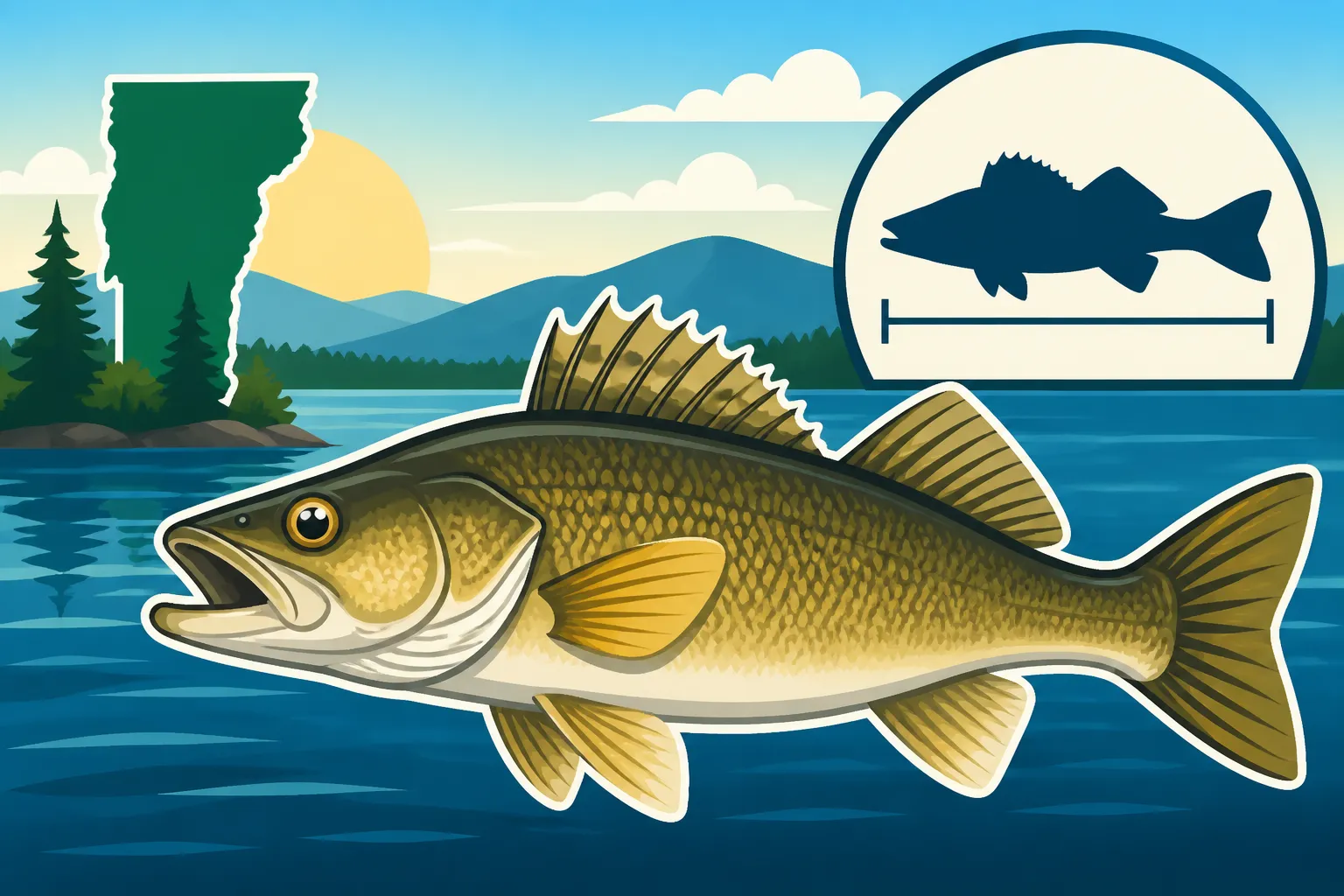
Accurate measurement is not just for bragging rights; it's essential for complying with regulations and for contributing to valuable data if you participate in citizen science programs or report your catches. Most walleye regulations specify a minimum length limit. To measure accurately, lay the fish on a flat measuring board with its mouth closed and against the bump at the end of the board. Measure to the tip of the tail, typically with the tail pinched together.
It's a good habit to carry a reliable, durable measuring device. Many anglers prefer collapsible measuring boards or flexible tape measures that can handle being wet and endure the wear and tear of fishing trips. You can easily find robust measuring tools suitable for fishing on platforms like Amazon. Knowing the exact length of your fish ensures you comply with the law and accurately determine if it's a keeper or a fish that needs to be released. This careful attention to detail helps maintain the integrity of the fishery and ensures that everyone can continue to enjoy the fantastic walleye fishing Lake Champlain has to offer.
Disclaimer
This article is for general informational purposes only and does not constitute professional advice. Laws, prices and regulations vary by location and change over time. Consult a qualified professional for guidance on your specific situation.